 Unearth The Voyage
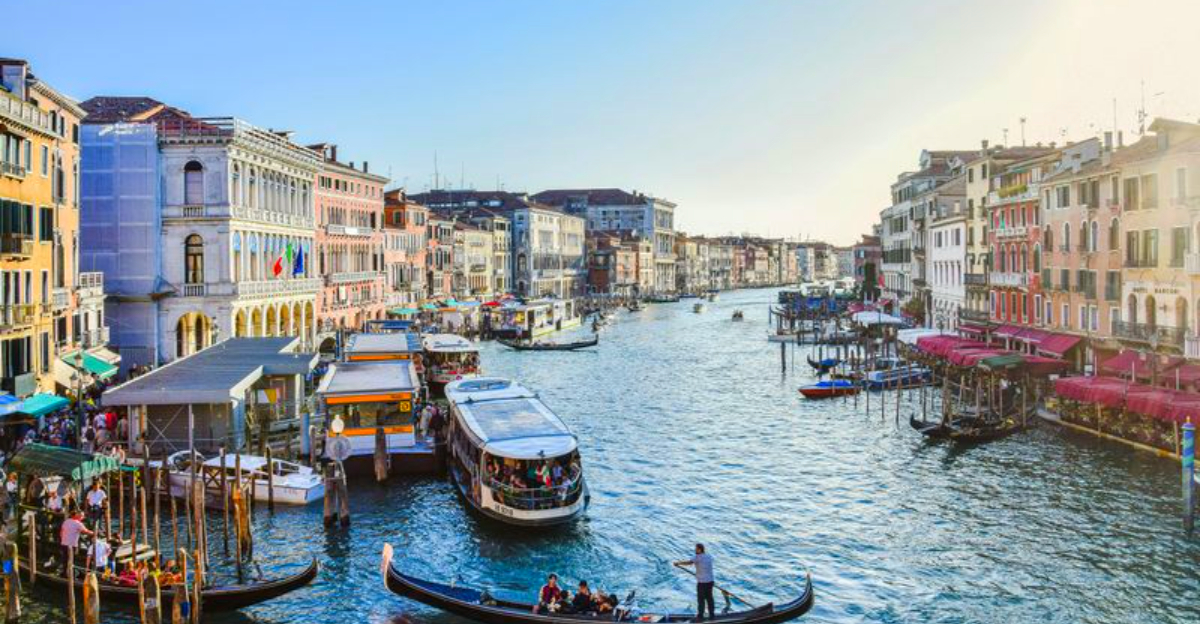
A stunning palazzo sits right on Venice’s Grand Canal, boasting centuries of history, gorgeous architecture, and a price tag that matches its prestige. Yet despite all that beauty and prime location, this property has struggled to find a buyer for years.
The reason? A dark reputation built on tragic deaths, eerie coincidences, and a legend so persistent that even luxury real estate agents can’t shake it off.
1. It’s the kind of listing agents dream about – on paper
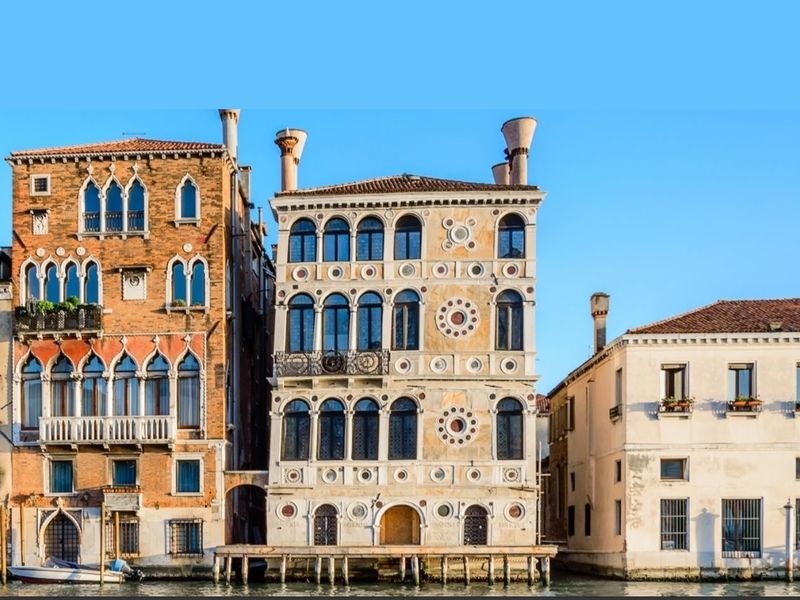
Ca’ Dario is a historic palazzo perched right on the Grand Canal, surrounded by major cultural landmarks that tourists flock to every single day. The façade alone stops people in their tracks, cameras clicking, without them even knowing the building’s name.
For any real estate agent, this should be the easiest sale imaginable.
Everything about the location screams luxury and exclusivity. You’re steps away from some of Venice’s most iconic sites, with water taxis gliding past your windows and gondolas drifting by at sunset.
The building itself has survived centuries, standing as a testament to Venetian craftsmanship and elegance.
Yet despite these dream-worthy features, the palazzo sits unsold, year after year. Agents have tried every angle, every marketing strategy, every glossy brochure highlighting its undeniable charm.
But something keeps potential buyers from signing on the dotted line.
In a normal market, this would be considered easy mode for selling high-end real estate. The property checks every box that wealthy buyers typically want: history, beauty, location, and prestige.
But this palazzo operates in a world where reputation can outweigh even the most impressive credentials, and that reputation has proven nearly impossible to overcome.
2. The price is huge but the ‘problem’ isn’t only money
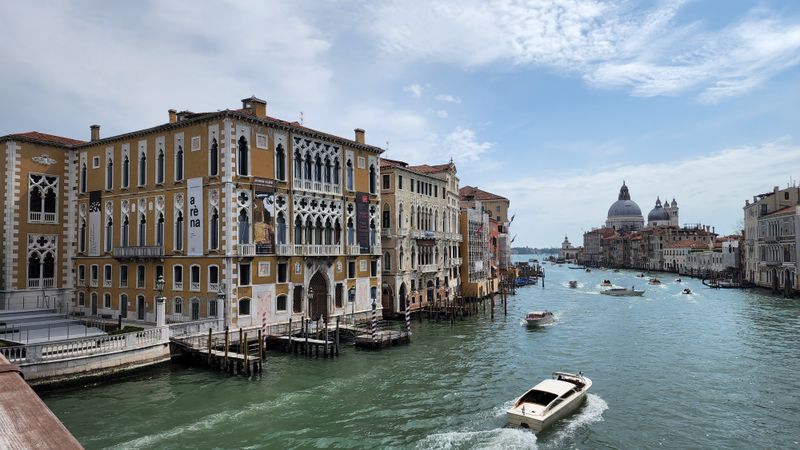
Recent reports put the asking price somewhere around €20 million, which translates to roughly $22 million dollars. That’s an enormous sum by any standard, the kind of number that immediately narrows the pool of potential buyers to a very exclusive group.
But here’s the twist: money isn’t actually the main obstacle standing in the way of a sale.
Wealthy buyers routinely spend this much or more on trophy properties around the world. From Manhattan penthouses to French chateaux, the ultra-rich don’t typically blink at eight-figure price tags when the property delivers prestige and beauty.
So the cost alone shouldn’t be a dealbreaker for the right buyer.
What’s really holding this palazzo back is something far more intangible yet powerful: its reputation. Word travels fast in luxury real estate circles, and this building carries baggage that even the wealthiest buyers find hard to ignore.
Superstition, fear, and dark folklore have woven themselves into the property’s identity.
The result is a unique situation where the financial barrier is actually secondary to the psychological one. Buyers who could easily afford the palazzo choose to walk away, not because of the price tag, but because of the stories that come with it.
3. The specs are surprisingly modern for something this old
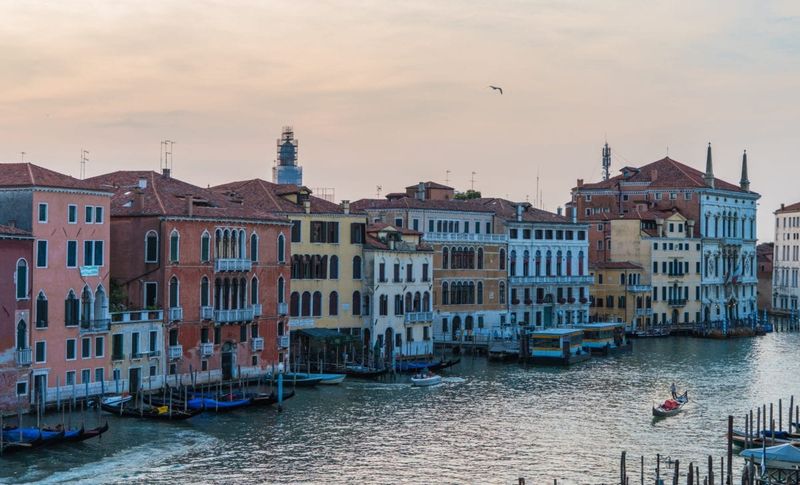
Walk through the doors and you’ll find nine bedrooms and eight bathrooms spread across multiple floors, offering plenty of space for a large family or frequent entertaining. Grand reception rooms decorated with original frescoes provide the kind of atmosphere you simply can’t recreate in new construction.
This isn’t just a pretty face; the interior delivers substance too.
Many historic properties in Venice struggle with outdated plumbing, cramped layouts, or preservation rules that prevent meaningful updates. But Ca’ Dario manages to blend its centuries-old charm with surprisingly functional living spaces.
The rooms are well-proportioned, the flow makes sense, and the amenities meet modern expectations.
Those frescoes aren’t just decorative touches; they’re genuine works of art that have survived centuries of flooding, humidity, and changing ownership. Standing in those reception rooms feels like stepping into a living museum, except you get to actually live there instead of just visiting for an hour.
The combination of historical authenticity and practical livability makes this property even more appealing on paper. You’re not sacrificing comfort for beauty or history for function.
Everything a luxury buyer might want is already there, wrapped in a package that most people would consider priceless.
4. It has been shining on the water since the late 1400s
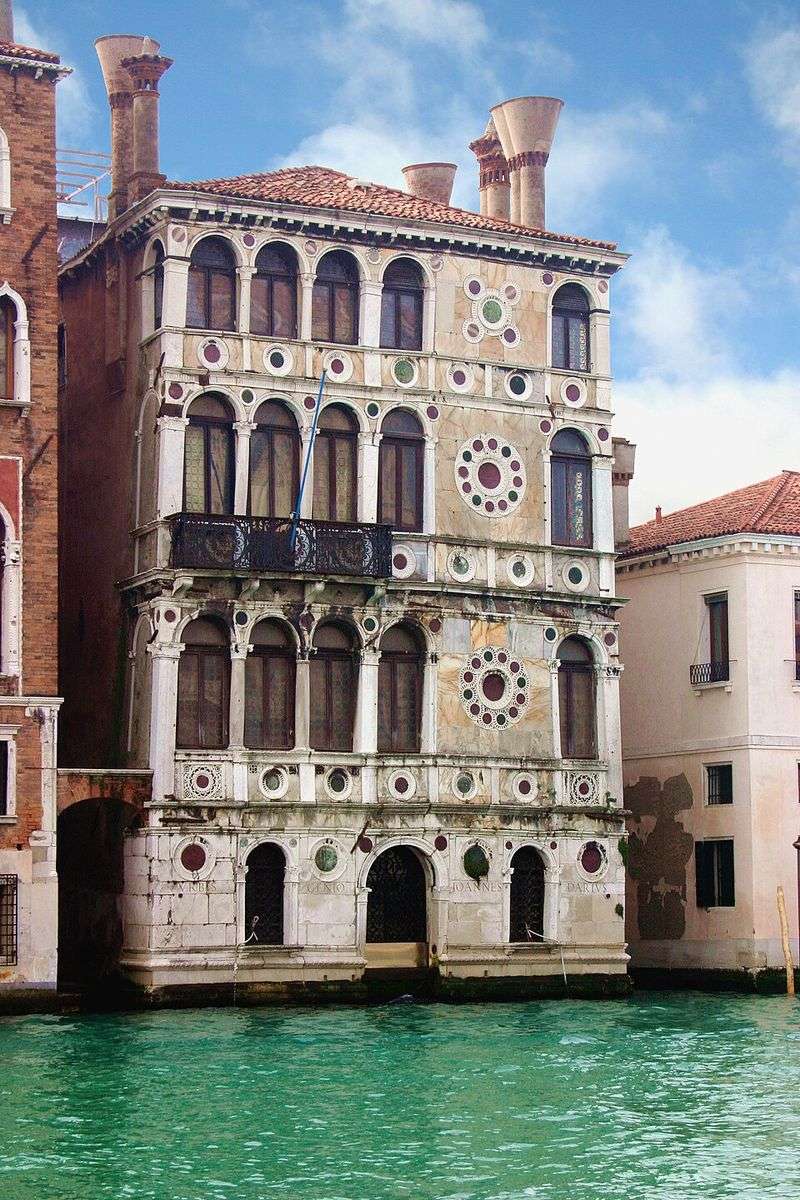
The building’s story begins in the late 15th century, a time when Venice was at the height of its power as a maritime republic. Merchants and diplomats competed to build the most impressive homes along the Grand Canal, and this palazzo was born from that golden age of Venetian ambition.
It’s connected to Giovanni Dario, a diplomat and patrician who moved in the highest circles of Venetian society.
Imagine everything this building has witnessed over more than 500 years. It’s seen the rise and fall of empires, survived floods and fires, watched as Venice transformed from a dominant power to a tourist destination.
The stones and marble have absorbed centuries of history, both glorious and tragic.
Buildings from this era are rare treasures, especially ones that remain in relatively good condition. Many have been demolished, converted beyond recognition, or fallen into disrepair.
The fact that this palazzo still stands, still impresses, still functions as a residence is remarkable in itself.
That longevity adds to the mystique. When something survives this long, people naturally wonder what stories it could tell.
In this case, those stories have become both the property’s greatest asset and its heaviest burden, creating a legacy that no amount of renovation can erase.
5. The name comes from its earliest known owner
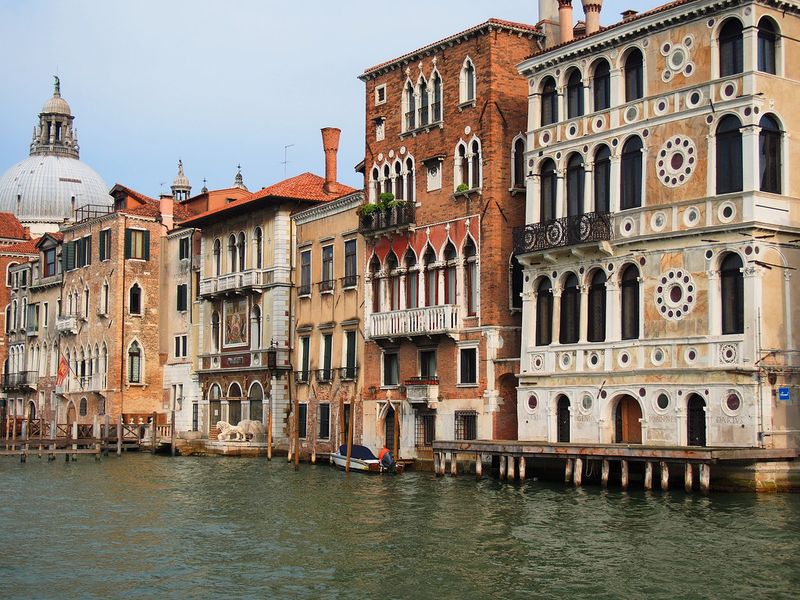
Ca’ Dario is essentially a name tag that has stuck for centuries, linking the building forever to Giovanni Dario, its earliest documented owner. In Venetian dialect, ‘Ca” is short for ‘casa,’ meaning house, so the name literally translates to ‘House of Dario.’ Simple, direct, and impossible to separate from the man who first called it home.
Giovanni Dario was no ordinary resident. As a diplomat and member of Venice’s patrician class, he negotiated treaties and represented the republic’s interests across Europe.
His status and achievements gave the palazzo prestige from the very beginning, establishing it as a property associated with power and influence.
Names in Venice often work this way, attaching to buildings and following them through centuries of ownership changes. Unlike modern real estate where properties get rebranded with each sale, historic Venetian palazzos carry their original names like permanent surnames.
The name becomes part of the architecture itself.
That connection to Giovanni Dario has proven impossible to break, even as the building passed through dozens of hands over the centuries. Every article, every listing, every conversation about the property invokes his name, keeping him tied to the palazzo’s identity whether that’s helpful or not.
6. Its look is part of the seduction: Gothic meets early Renaissance
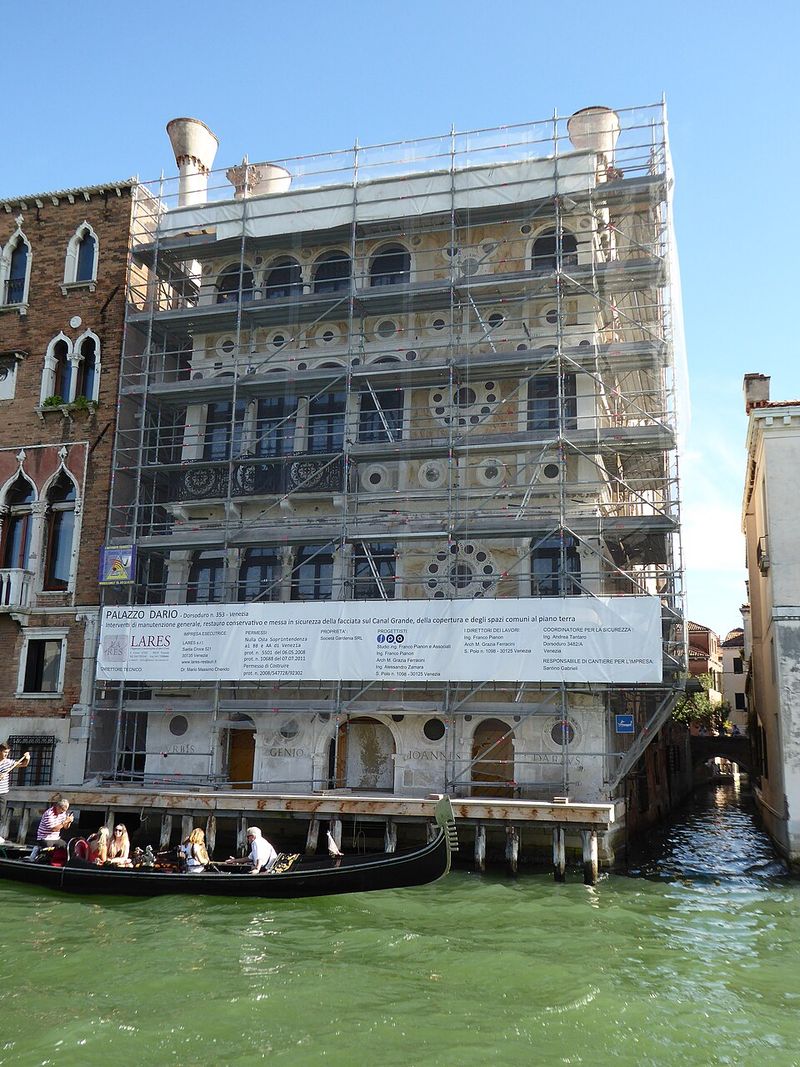
Architecture enthusiasts describe Ca’ Dario as a Venetian jewel, and once you understand the details, it’s easy to see why. The façade blends Gothic arches with early Renaissance elegance, creating a visual harmony that’s both delicate and commanding.
Marble panels in different colors create geometric patterns that catch the light differently throughout the day, making the building appear to shift and shimmer.
Gothic elements bring vertical drama and ornate tracery, those intricate stone patterns that frame windows and create visual rhythm. Meanwhile, Renaissance touches add symmetry and proportion, grounding the design with classical balance.
The combination shouldn’t work, but somehow it does, creating something uniquely Venetian.
Standing across the canal and looking at the palazzo, you can understand why it’s been photographed and painted countless times. The building has presence, that indefinable quality that makes certain structures memorable while others fade into the background.
Every detail feels intentional, from the placement of windows to the choice of marble.
This architectural beauty is precisely what makes the palazzo’s troubled reputation so frustrating for sellers. The building itself is a masterpiece, a legitimate work of art that deserves to be celebrated and preserved.
Yet that very beauty becomes almost irrelevant when potential buyers are more focused on the building’s dark history than its stunning design.
7. Monet helped turn it into an icon
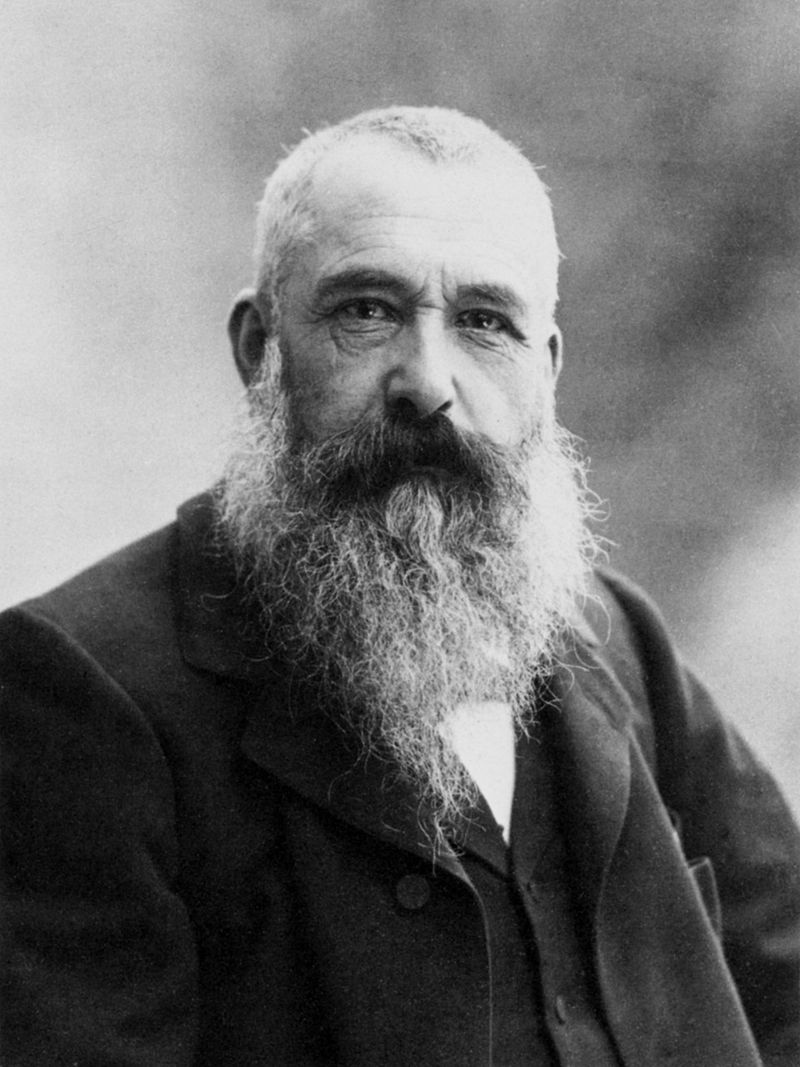
Claude Monet, one of the most celebrated painters in history, captured Ca’ Dario on canvas in 1908 during his stay in Venice. That single painting elevated the palazzo from merely beautiful to culturally significant, adding layers of art-historical prestige to an already impressive building.
When an Impressionist master chooses your property as a subject, it becomes part of a larger cultural conversation.
Monet’s Venice paintings are treasured in museums worldwide, and his version of Ca’ Dario captures the building’s ethereal quality perfectly. The way light plays across the marble, the reflection in the canal water, the atmospheric haze that makes Venice feel dreamlike—Monet saw all of it and translated it into art.
His painting gave the palazzo a kind of immortality beyond its physical existence.
Art lovers and collectors recognize the building from Monet’s work, which creates an additional layer of fame. The palazzo isn’t just a historic building; it’s a landmark in art history, a place where one of the great masters found inspiration.
That connection should make it even more desirable.
Yet here’s the irony: Monet’s painting contributes to the myth-sized reputation that now haunts the property. The more famous Ca’ Dario becomes, the more people know about its dark stories, creating a feedback loop where prestige and infamy grow together.
8. The ‘curse’ brand centers on a death count people repeat like a slogan

The story that circulates most widely claims the palazzo is linked to at least seven deaths involving owners or guests, with some of those deaths being violent or unexplained. That specific number – seven – gets repeated in articles, documentaries, and conversations like a brand slogan, simple enough to remember and shocking enough to share.
It’s the kind of detail that sticks in people’s minds and refuses to let go.
Curse narratives thrive on patterns, and seven deaths connected to a single building certainly suggests a pattern. Never mind that the timeframe spans centuries, or that many old buildings have similar histories if you dig deep enough.
The human brain loves to find meaning in coincidence, especially when the setting is already atmospheric and mysterious.
Each new tragedy added fuel to the fire, building the legend incrementally over decades. What might have been forgotten or dismissed as sad but normal events instead became evidence of something supernatural.
The deaths varied – suicide, murder, accidents, illness but they all got folded into the same narrative.
Real estate agents now face the impossible task of selling a property where the curse has become more famous than the beauty. Potential buyers research the address online and find page after page about deaths and misfortune before they ever see photos of the frescoed ceilings or marble façade.
The curse brand has overwhelmed everything else.
9. The most notorious incident: a murder inside the palazzo (1970)
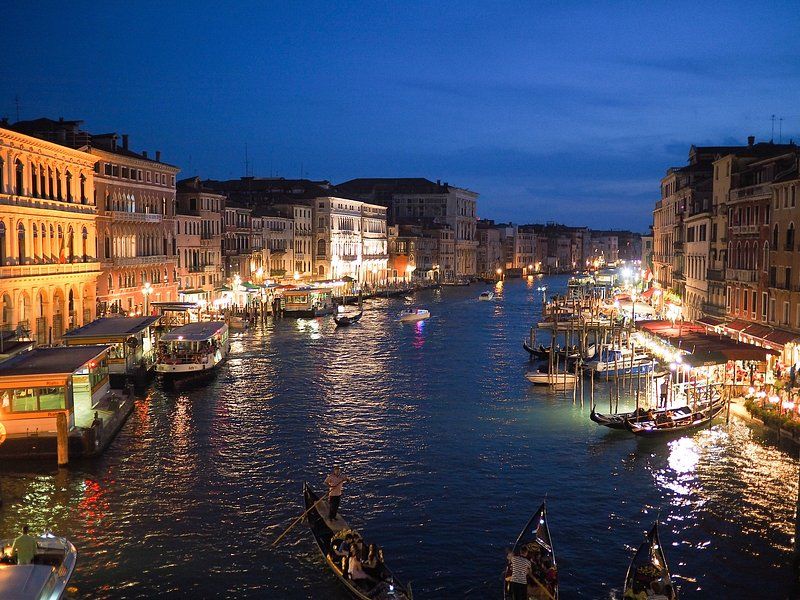
Among all the tragedies associated with Ca’ Dario, one stands out for its violence and drama. In 1970, Count Filippo Giordano delle Lanze was murdered inside the building by his boyfriend, a crime that shocked Venice and made international headlines.
The boyfriend fled to London after the killing, but the story didn’t end there, he was later murdered as well, adding another layer of tragedy to an already horrific event.
Murder transforms a building’s reputation in ways that natural deaths never could. Sudden, violent death leaves a psychological stain that’s nearly impossible to scrub away, especially when the crime happens inside the home itself.
People imagine the rooms where it occurred, wonder about the details, and feel uneasy about walking those same floors.
This particular incident became central to the curse narrative because of its sensational nature. A count, a romantic relationship gone deadly wrong, an international manhunt, and then another murder—it reads like a crime thriller.
The fact that it happened relatively recently in the building’s long history made it feel more real and immediate than older tragedies.
Locals still talk about the 1970 murder when discussing Ca’ Dario. It’s become the anchor point for the curse legend, the incident that believers point to as undeniable proof that something dark haunts the palazzo.
Every subsequent misfortune gets measured against this terrible baseline.
10. Then the rock-music connection poured gasoline on the legend
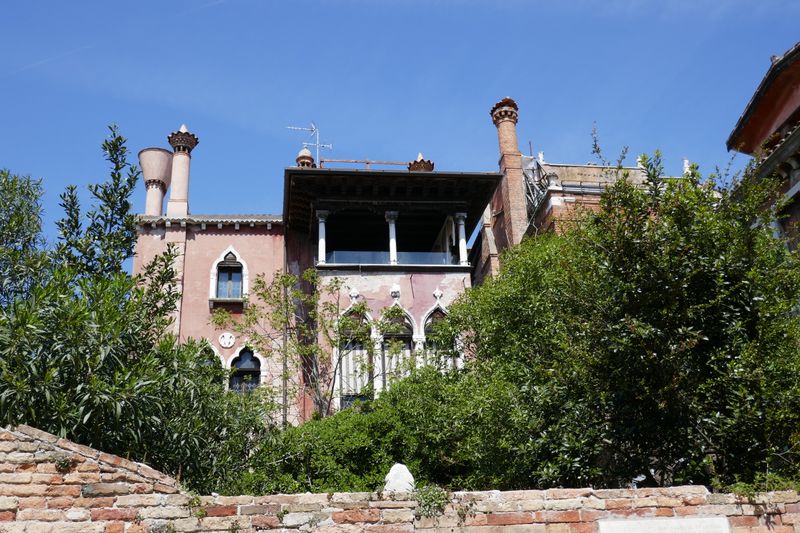
Christopher Lambert, known as Kit, was a legendary figure in rock music history as the manager and producer connected to The Who. When he purchased Ca’ Dario, it brought the palazzo into a completely different cultural sphere, connecting it to the glamorous and tragic world of rock and roll.
Lambert’s involvement should have been a prestige boost, linking the building to music royalty.
But in 1981, Lambert died after falling down stairs in London. The death was ruled accidental, but the timing and circumstances were enough for locals to immediately fold it into the curse narrative.
Here was another owner, another tragic death, another piece of evidence that Ca’ Dario brought misfortune to everyone who possessed it.
The rock music connection amplified the story internationally. Music fans who might never have heard of an obscure Venetian palazzo suddenly knew its name and reputation.
Articles about Lambert’s life and death mentioned the cursed building he’d owned, spreading the legend to entirely new audiences across continents.
This pattern of international celebrity ownership followed by tragedy became a recurring theme. Each famous name attached to Ca’ Dario brought more attention, and each subsequent misfortune reinforced the curse in the public imagination.
Lambert’s story was particularly powerful because rock and roll already carries associations with excess, danger, and untimely death.
11. A powerful Italian financier’s suicide became part of the story (1993)
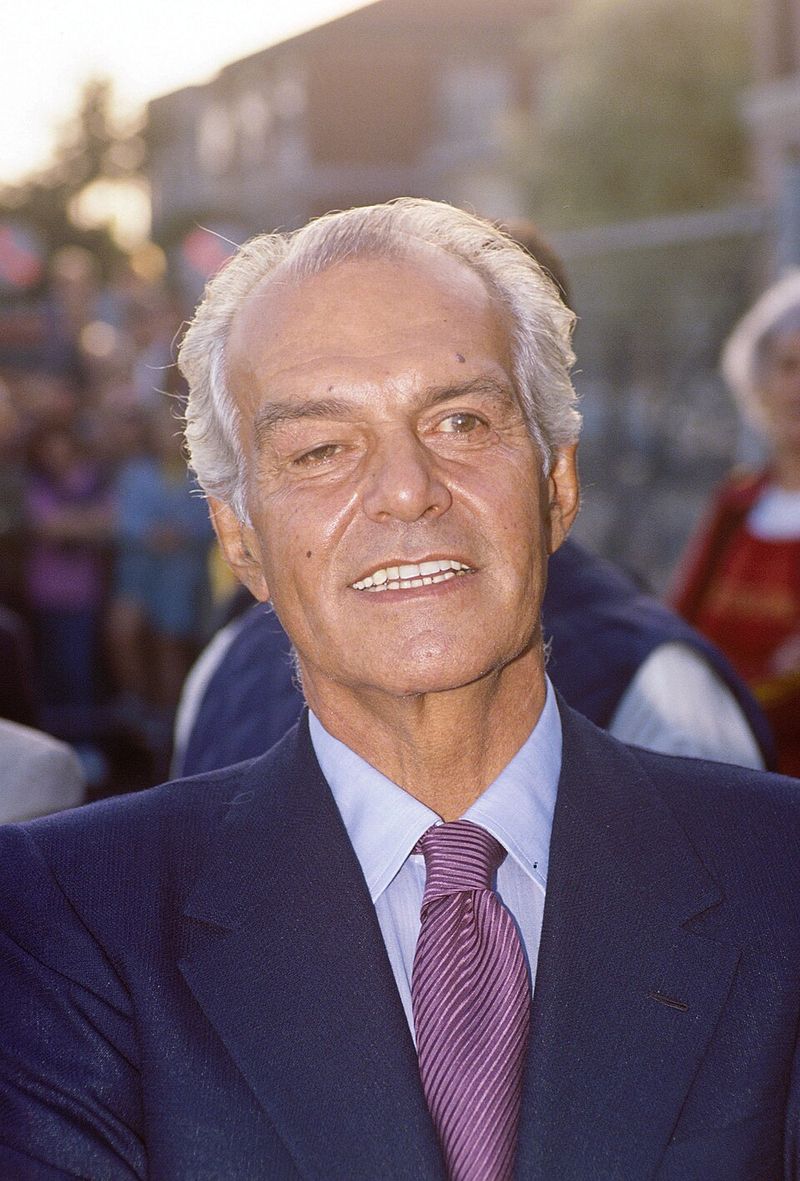
Raul Gardini was a major figure in Italian business during the 1980s, a financier and industrialist who moved in the highest circles of European power. When he owned Ca’ Dario, it seemed like the palazzo had finally found an owner with enough wealth and influence to break whatever curse supposedly plagued it.
Gardini appeared untouchable, the kind of person who shapes events rather than being shaped by them.
But in 1993, amid financial scandal and mounting legal troubles, Gardini died by suicide. The tragedy sent shockwaves through Italy and made headlines worldwide.
Here was a man who had controlled vast business empires, reduced to desperation and death. The scandal surrounding his business dealings added complexity to the story, mixing financial crime with personal tragedy.
For believers in the curse, Gardini’s death was perhaps the most compelling evidence yet. If someone this powerful and connected couldn’t escape misfortune after owning Ca’ Dario, what chance did anyone else have?
The suicide became another data point in the pattern, another name on the list, another reason to stay away from the palazzo.
The 1993 tragedy kept the legend alive during a period when it might have faded. Each generation needs its own proof, its own contemporary example to make old superstitions feel relevant.
Gardini’s story provided that for the 1990s, ensuring the curse narrative would continue into the new millennium.
12. The legend expanded beyond owners: ‘even visitors aren’t safe’

What makes the Ca’ Dario curse particularly powerful is that it’s not limited to people who actually own the property. Stories claim that even those who planned to buy it, rented it briefly, or stayed as guests experienced misfortune.
This expansion transforms the curse from a property ownership issue into something far more ominous and inescapable.
John Entwistle, the bassist for The Who, died in 2002 shortly after renting the palazzo. His death from a heart attack was medically explainable, but the timing was enough to add his name to the curse’s victim list.
The connection between Entwistle and Kit Lambert, both linked to The Who, both dead after involvement with Ca’ Dario, felt like too much coincidence for some people to dismiss.
This aspect of the legend is particularly damaging for sales because it suggests that even viewing the property or considering a purchase might be dangerous. Potential buyers aren’t just worried about what might happen if they move in; they’re concerned that even expressing interest could invite misfortune.
That’s a psychological barrier almost impossible to overcome.
The expanded scope of the curse also makes it harder to disprove. Every tragedy remotely connected to the building, no matter how tangential, gets absorbed into the narrative.
The legend becomes self-sustaining, growing with each new coincidence or misfortune.
13. The emptiness became ‘proof’ for believers
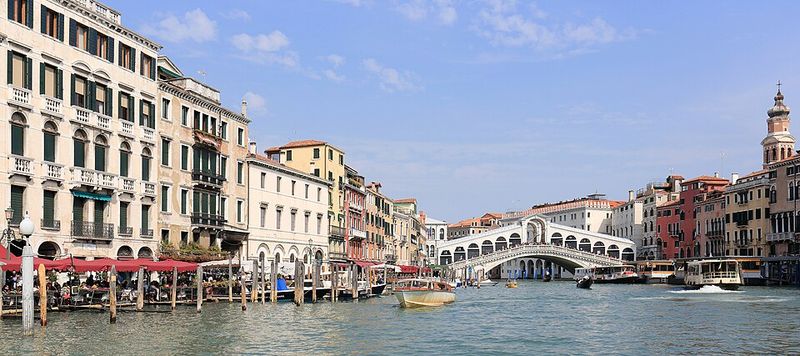
For extended periods, Ca’ Dario has sat empty, with no owner in residence and no successful sale despite being on the market. For skeptics, this might simply indicate a challenging real estate situation or an unrealistic asking price.
But for believers in the curse, the emptiness itself becomes evidence that something is deeply wrong with the building.
Beautiful properties in prime locations don’t normally stay vacant for years at a time. When they do, people naturally wonder why.
In Ca’ Dario’s case, the vacancy feeds the narrative perfectly: the building is so cursed that even standing empty, it repels potential buyers who might otherwise jump at the chance to own such a treasure.
The vacant windows staring out at the Grand Canal create an eerie visual that reinforces the haunted reputation. Tourists float past on water taxis and gondolas, looking up at the gorgeous façade, noticing the lack of life inside.
Guides tell the curse stories, pointing at the empty building as physical proof of the legend’s power.
This creates a vicious cycle. The longer the property stays empty, the more the emptiness seems to validate the curse.
And the more people believe in the curse, the less likely the property is to sell, guaranteeing continued vacancy. Breaking this cycle requires either a buyer who genuinely doesn’t care about superstition or enough time passing that the stories finally lose their power.
14. The sales strategy is clear: sell the dream, not the dread
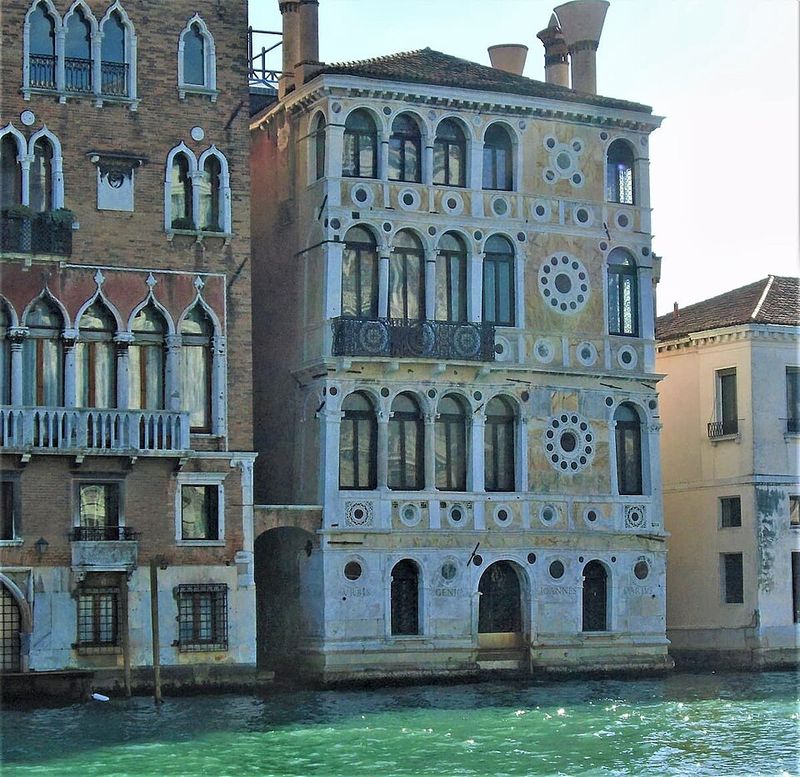
Current marketing efforts for Ca’ Dario focus exclusively on its positive attributes, attempting to rebrand the property as an architectural gem rather than a cursed building. Listings spotlight luxury details like Murano chandeliers, original frescoes, and the prime Grand Canal location.
The strategy emphasizes elegance, history, and prestige while carefully avoiding any mention of the tragic folklore that surrounds the property.
Real estate brochures describe the neighborhood as peaceful and the palazzo as a rare opportunity to own a piece of Venetian history. Photos are carefully composed to show the building at its most beautiful, bathed in golden sunlight with the canal sparkling below.
Everything about the presentation screams luxury and exclusivity.
Agents emphasize the building’s connection to famous artists like Monet, positioning it as a cultural landmark rather than a house of horrors. They talk about the craftsmanship, the rare architectural features, the once-in-a-lifetime opportunity to own something truly unique.
The curse never makes it into official marketing materials.
But this strategy faces an uphill battle in the internet age. Potential buyers do their own research, and within seconds of searching the address, they find dozens of articles about deaths, curses, and tragedy.
No amount of glossy branding can compete with that kind of readily available information. The sales strategy may be sound, but it’s fighting against a narrative that’s already deeply embedded in public consciousness.
15. The most grounded takeaway: Venice loves a good story
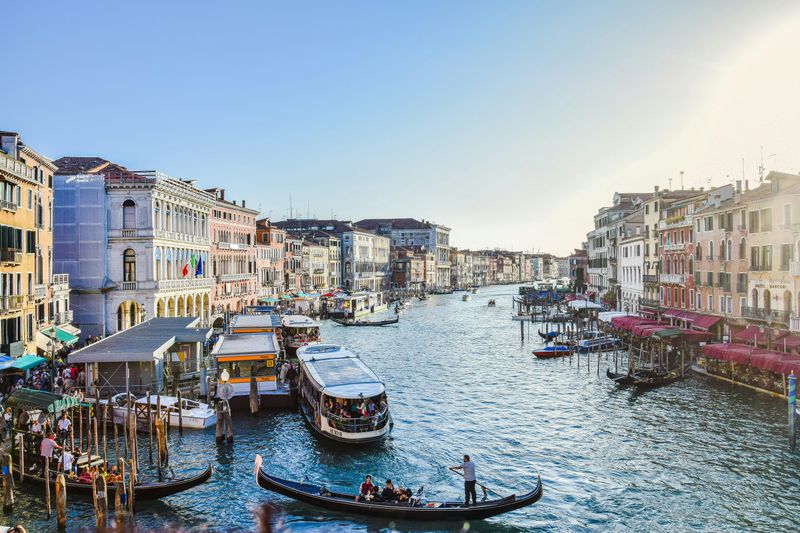
Historians and longtime Venetian residents often point out that the city is filled with old buildings where dark events have occurred over the centuries. Venice has been continuously inhabited for more than 1,500 years, which means thousands of people have lived, loved, fought, and died within its walls.
Statistically, many buildings have witnessed tragedy, violence, and loss. Ca’ Dario is not unique in this regard.
What makes Ca’ Dario different is that its tragedies were well-documented, involved famous people, and occurred close enough together to create a pattern that human minds could latch onto. A handful of real tragedies, amplified by media attention and public fascination, grew into a single irresistible myth.
The building became a character in its own story.
Many other Venetian palazzos with similar histories operate today as luxury hotels, private residences, or cultural spaces without any curse reputation. The difference isn’t in the buildings themselves but in the stories that got told and retold about them.
Ca’ Dario’s legend survived and thrived because Venice loves a good ghost story, and this one had all the right elements.
The takeaway for potential buyers is that the curse is likely more cultural narrative than supernatural reality. But knowing that intellectually doesn’t necessarily make people feel comfortable buying a property where so many tragic headlines originated.
Even skeptics might hesitate, not because they believe in curses, but because fighting that reputation feels exhausting.



