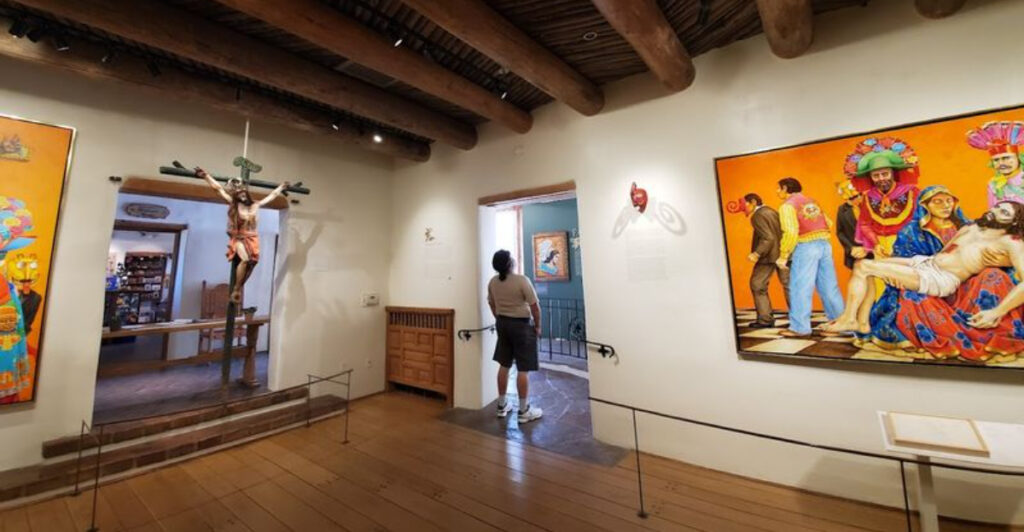
Santa Fe, New Mexico has long been a city that takes its art seriously, but tucked away on Museum Hill sits a place that tells a story most travelers overlook entirely. Spanish colonial folk art, devotional carvings, hand-woven textiles, and centuries of cultural history are all waiting inside one compact but carefully organized building.
The collection spans more than 400 years of New Mexico heritage, connecting the Spanish colonial era to the present day through art that is both personal and historically rich. Whether a person is deeply familiar with the region or just passing through, this museum has a way of making the history of northern New Mexico feel immediate, tangible, and genuinely worth understanding.
Keep reading to find out exactly what makes this spot one of the most rewarding cultural stops in all of Santa Fe.
The Building Has Its Own Story to Tell
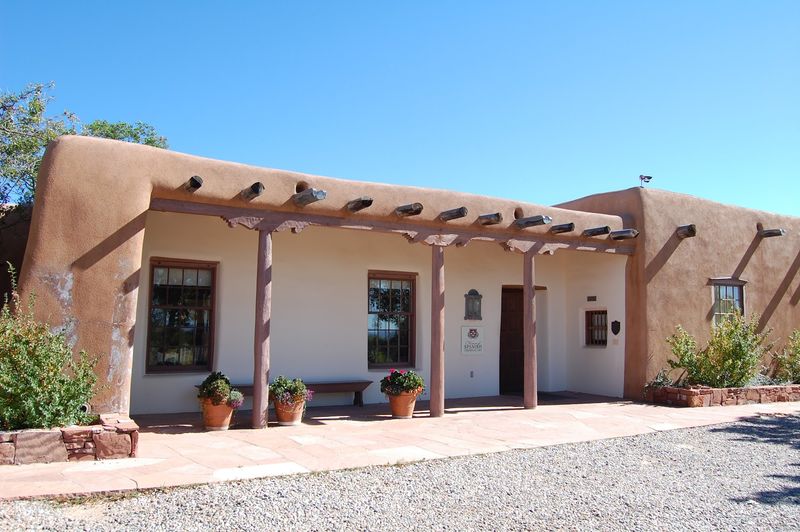
John Gaw Meem is one of the most celebrated architects in New Mexico history, and the building that houses this museum is a prime example of why his work still resonates. Meem championed the Pueblo Revival style, which draws from both indigenous and Spanish colonial design traditions to create structures that feel rooted in the landscape around them.
The thick adobe walls, exposed wooden vigas, and clean geometric forms are not just aesthetic choices. They reflect a deep respect for the region’s layered cultural identity, making the architecture itself a kind of prelude to the art collection inside.
Knowing that the space was designed with such intentionality adds another layer of meaning to every exhibit on display. Art and architecture rarely align this naturally, and that harmony is part of what makes a visit here feel cohesive rather than fragmented.
The building earns attention long before a single artwork comes into view.
Over 3,000 Works Packed Into an Intimate Space
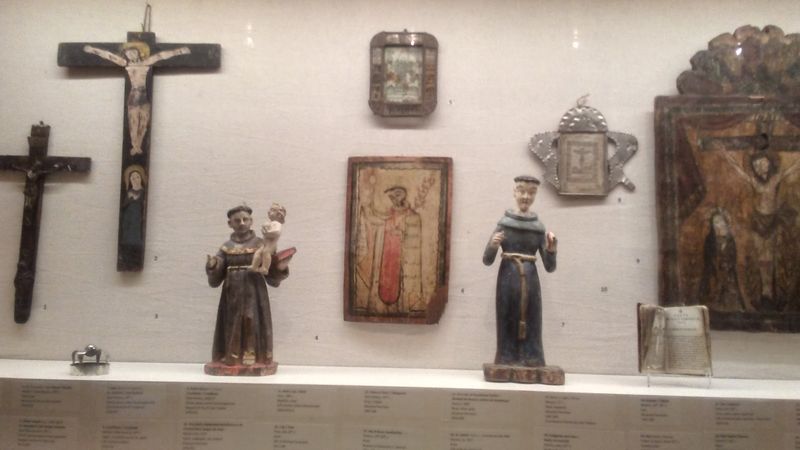
The collection at the Nuevo Mexicano Heritage Arts Museum holds more than 3,000 decorative works and artifacts, which is a remarkable number for a museum of this size. The curation is precise and purposeful, so the experience never feels cluttered despite the depth of the holdings.
Devotional art forms the backbone of the permanent collection. Santos, retablos, and bultos are displayed alongside furniture and textiles, giving a well-rounded picture of how Spanish colonial culture expressed itself both spiritually and domestically across several centuries.
The layout moves through the exhibits in a way that feels logical and easy to follow, making it accessible even for people who have no prior background in Spanish colonial art history. Most people can move through the entire museum in about an hour, but those who take their time with each piece tend to walk away with a much richer understanding of the region’s artistic legacy.
Spanish Colonial Art From the 1600s to Today
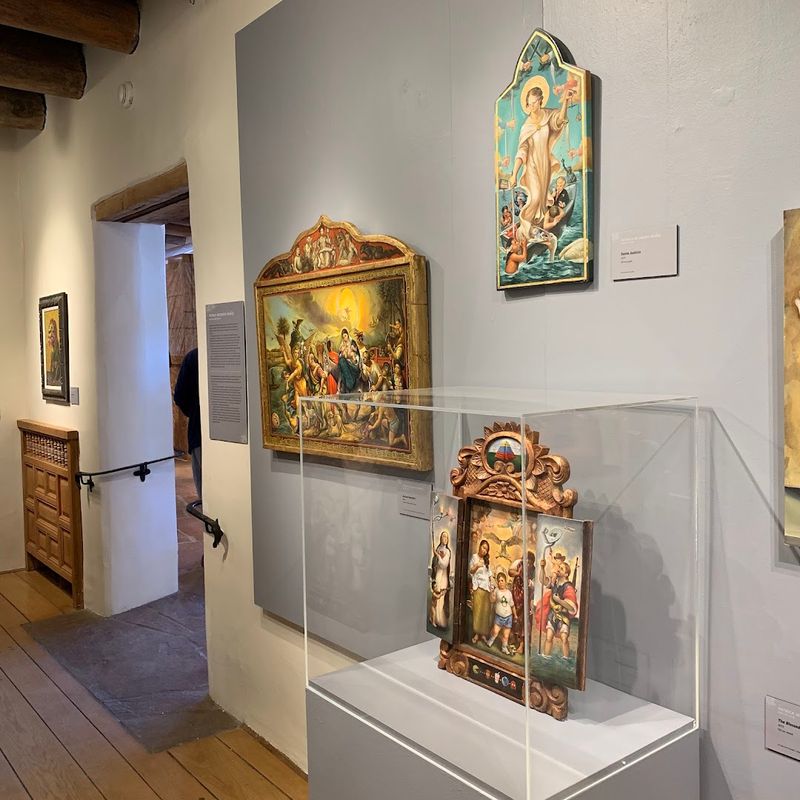
The timeline covered by this collection is genuinely impressive. The museum traces Spanish colonial arts and crafts from the 1600s all the way through to contemporary works, giving context to how traditions evolved, blended, and sometimes fractured over four centuries of history in northern New Mexico.
That kind of long arc is rare in a museum this size. Many smaller institutions focus on a single era or style, but here the curatorial vision is deliberately expansive, connecting historical roots to modern expression in a way that feels coherent rather than forced.
The result is a collection where a hand-carved wooden santo from the colonial period can sit near a contemporary piece that reworks those same visual traditions through a modern lens. That dialogue between old and new is one of the most compelling aspects of the museum, and it gives repeat visitors a reason to keep coming back as new works are added to the rotation.
Devotional Art That Carries Real Weight
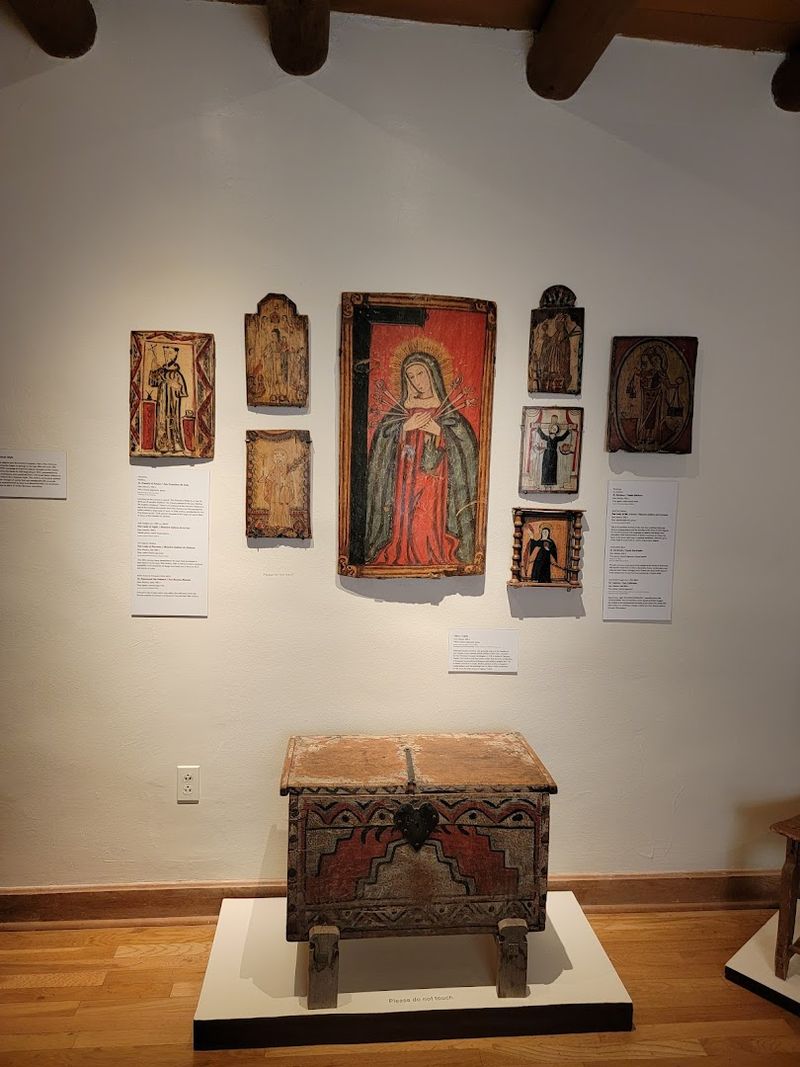
Devotional art is at the heart of what this museum preserves. The santos, retablos, and bultos on display were not made as gallery pieces.
They were created for religious use in homes and churches across northern New Mexico, which gives them a different kind of presence than purely decorative objects.
A retablo is a painted panel, typically depicting a holy figure, while a bulto is a three-dimensional carved wooden figure. Both forms were central to the spiritual lives of Spanish colonial communities, and the craftsmanship involved in their creation was passed down through generations of local artisans known as santeros.
Seeing these objects in a museum context encourages a closer look at the technical skill and cultural meaning behind each piece. The painted details, the choice of materials, and even the wear on older pieces all carry information about how these works were used and valued.
This is folk art with genuine historical depth behind every brushstroke.
Textiles and Furniture That Round Out the Picture
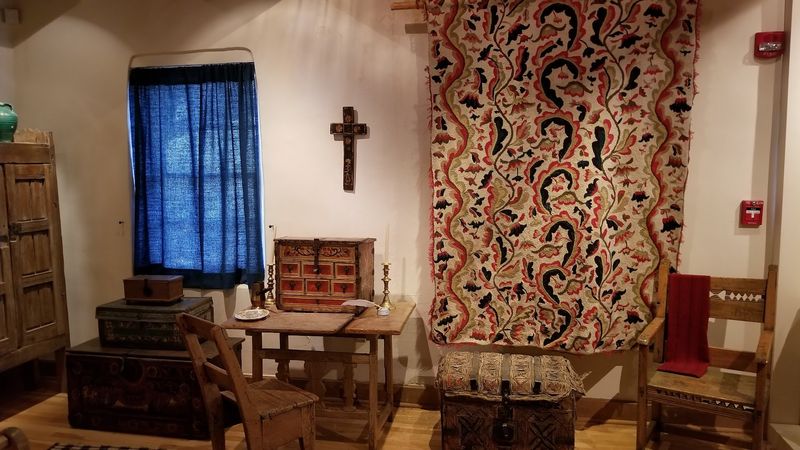
Beyond the devotional art, the museum’s collection of textiles and furniture fills in important parts of the story that paintings and carvings alone cannot tell. Woven rugs, blankets, and clothing demonstrate the technical sophistication of colonial-era craftspeople, as well as the cultural exchanges that shaped regional design over time.
The Chimayo weaving tradition is one of the most recognized textile arts to come out of northern New Mexico, and the museum has featured exhibits dedicated to multigenerational weaving families from that region. A past exhibit focused on three generations of the Trujillo family from Chimayo, offering a detailed look at how a single artistic tradition can evolve while maintaining its core identity.
Furniture pieces from the Spanish colonial era are also part of the permanent collection, providing a fuller picture of domestic life during that period. Together, the textiles and furniture transform the museum from a gallery into something closer to a cultural archive of everyday life across centuries of New Mexico history.
Contemporary Voices Keep the Collection Alive
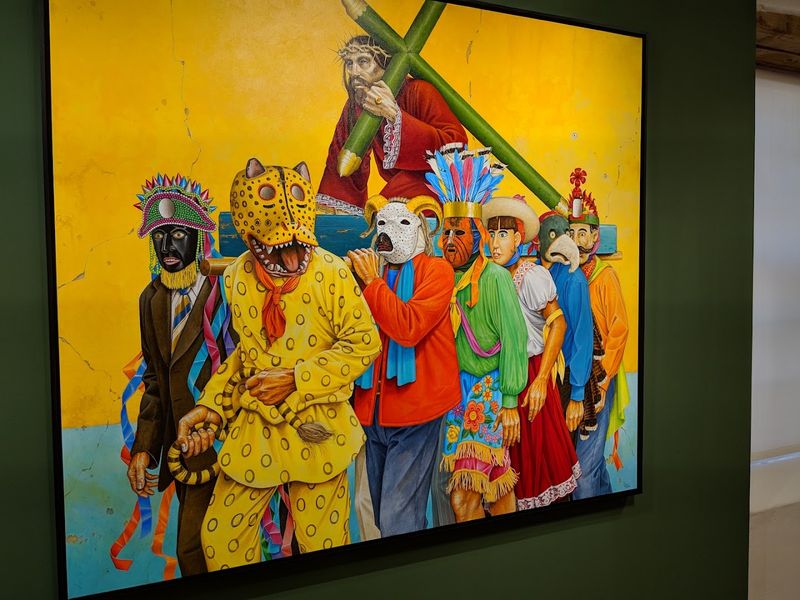
One of the more distinctive qualities of this museum is its commitment to showing that Spanish colonial artistic traditions are not frozen in the past. Contemporary artists working in New Mexico continue to draw from and respond to those traditions, and the museum actively collects and exhibits their work alongside historical pieces.
Past programs like the GenNext exhibit have highlighted younger artists who bring modern perspectives to traditional forms, creating work that is politically engaged, visually dynamic, and deeply connected to the cultural history of the region. That combination of honoring heritage while making room for new voices gives the museum an energy that purely historical collections sometimes lack.
The modern pieces are particularly worth pausing over because they invite questions about continuity and change in artistic traditions. Seeing a contemporary work next to a colonial-era piece makes the conversation between past and present feel active rather than academic.
The collection does not treat history as something finished but as something still unfolding in real time.
A Museum That Fits Comfortably Into an Afternoon
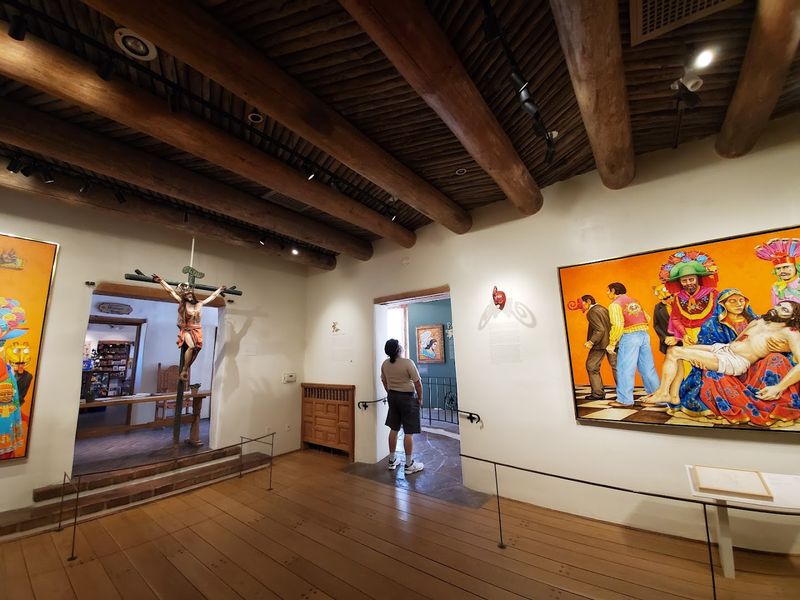
Not every great museum needs to be a full-day commitment, and the Nuevo Mexicano Heritage Arts Museum is a good example of how a focused collection can be deeply rewarding without being exhausting. Most people move through the exhibits in about an hour, which makes it easy to combine with other stops on Museum Hill or a visit to the nearby Santa Fe Botanical Garden.
The layout is easy to navigate, with a clear flow through the exhibit spaces that does not require a map or a guide to follow. That accessibility is part of what makes the museum appealing to a wide range of visitors, from serious art enthusiasts to families with younger children.
The museum also offers an Arts Alive program that has welcomed families with young children, making it one of the more kid-friendly options on Museum Hill. A well-organized museum shop rounds out the visit for those who want to take something home, including books on Spanish colonial art and New Mexico history.
Hours, Admission, and What to Know Before You Go
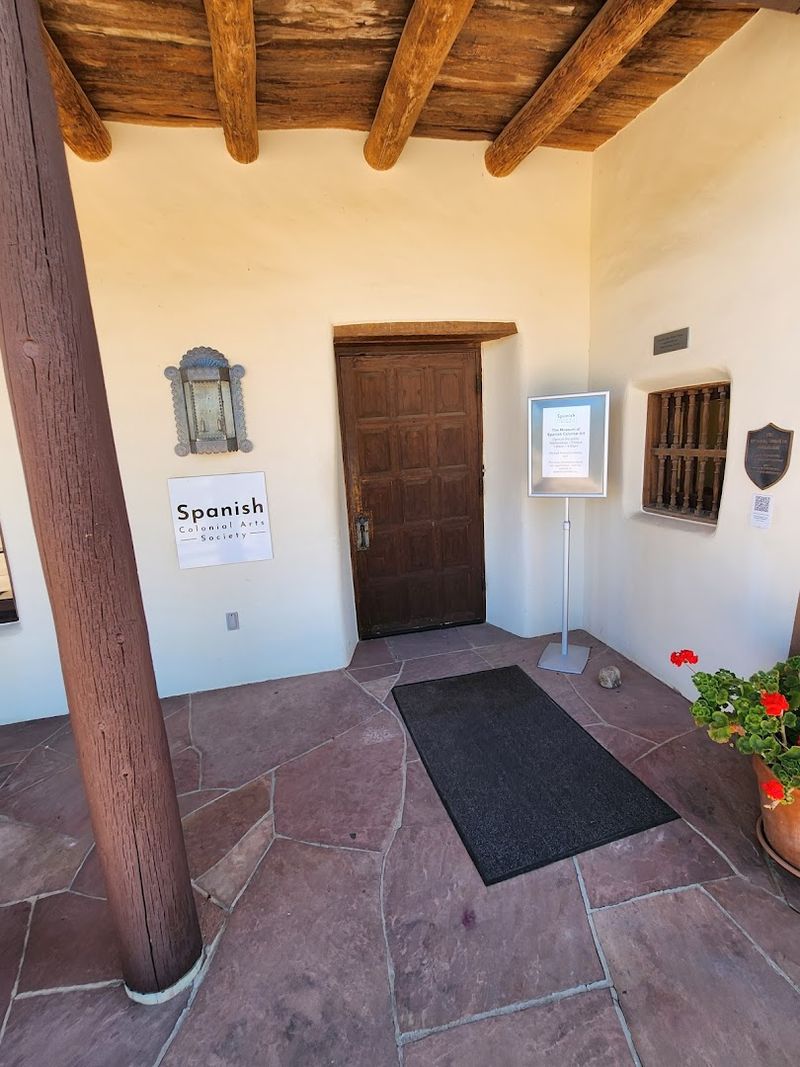
Planning ahead makes a visit to this museum much smoother. The Nuevo Mexicano Heritage Arts Museum is open Wednesday through Friday from 12 PM to 4 PM, Saturday from 10 AM to 4 PM, and is closed Sunday through Tuesday.
Those hours are relatively limited, so checking the schedule before making the trip is a practical step worth taking.
Admission is modestly priced, making it accessible for most budgets. New Mexico residents also have the opportunity to visit for free on the first Sunday of each month, though that aligns with the museum’s regular Sunday closure, so it is worth confirming current policies directly with the museum before planning around that perk.
Photography is permitted inside, which is a welcome policy that not all Santa Fe museums share. The official website at spanishcolonial.org has updated information on current exhibits, admission fees, and any special events or programs that might be running during a planned visit.
The Docents Make a Real Difference
A knowledgeable docent can transform a museum visit from a quiet walk through rooms into something much more engaging, and the staff at this museum have earned recognition for being genuinely helpful and informative. The docents bring context to the collection that wall text alone cannot fully provide.
Spanish colonial art has a specialized vocabulary and a layered historical context that can feel unfamiliar to first-time visitors. Having someone available to explain the significance of a particular saint’s iconography, or the regional differences in weaving techniques, makes the collection far more accessible and meaningful.
The museum’s small size actually works in favor of this kind of personal interaction. There is no crowd to get lost in, and the atmosphere is relaxed enough that asking questions feels natural rather than disruptive.
That casual, non-intimidating environment is one of the qualities that sets this museum apart from the larger, more formal institutions in Santa Fe, and it encourages a slower, more thoughtful kind of looking.
How This Museum Stands Apart From Others in Santa Fe
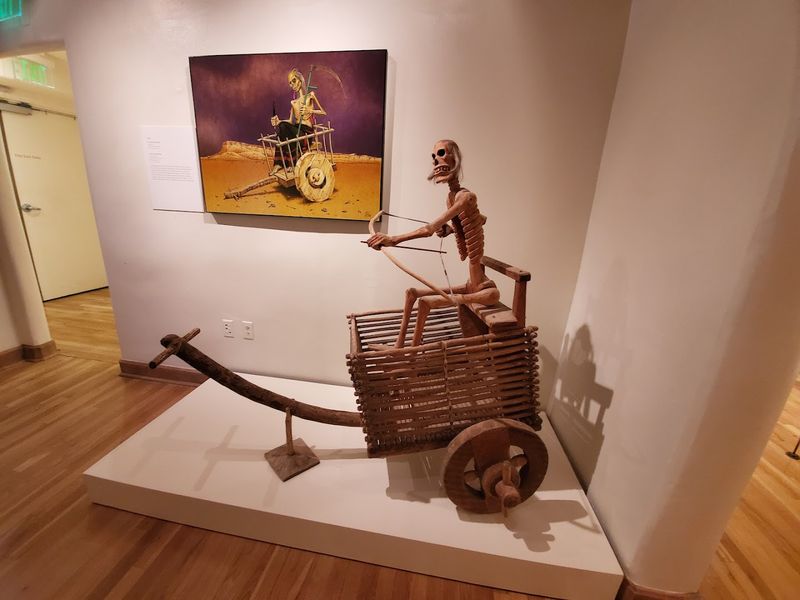
Santa Fe has no shortage of museums, and the competition for a visitor’s time is real. What makes the Nuevo Mexicano Heritage Arts Museum distinctive is its singular focus on Spanish colonial and New Mexico heritage arts, a subject that the city’s larger institutions touch on but rarely prioritize to this depth.
The Museum of New Mexico system operates several well-known venues across the city, but this privately operated museum occupies a different niche. Its collection is more specialized, its atmosphere is more intimate, and its curatorial approach is more concentrated on a specific cultural lineage that has shaped the region for centuries.
That specificity is a strength rather than a limitation. Visitors who come here already interested in folk art, devotional objects, or colonial history will find a collection that rewards attention in ways that broader surveys cannot.
And those who arrive without much background often leave with a new appreciation for a tradition they had not previously considered worth exploring.
The Garden and Surrounding Area Add Extra Appeal
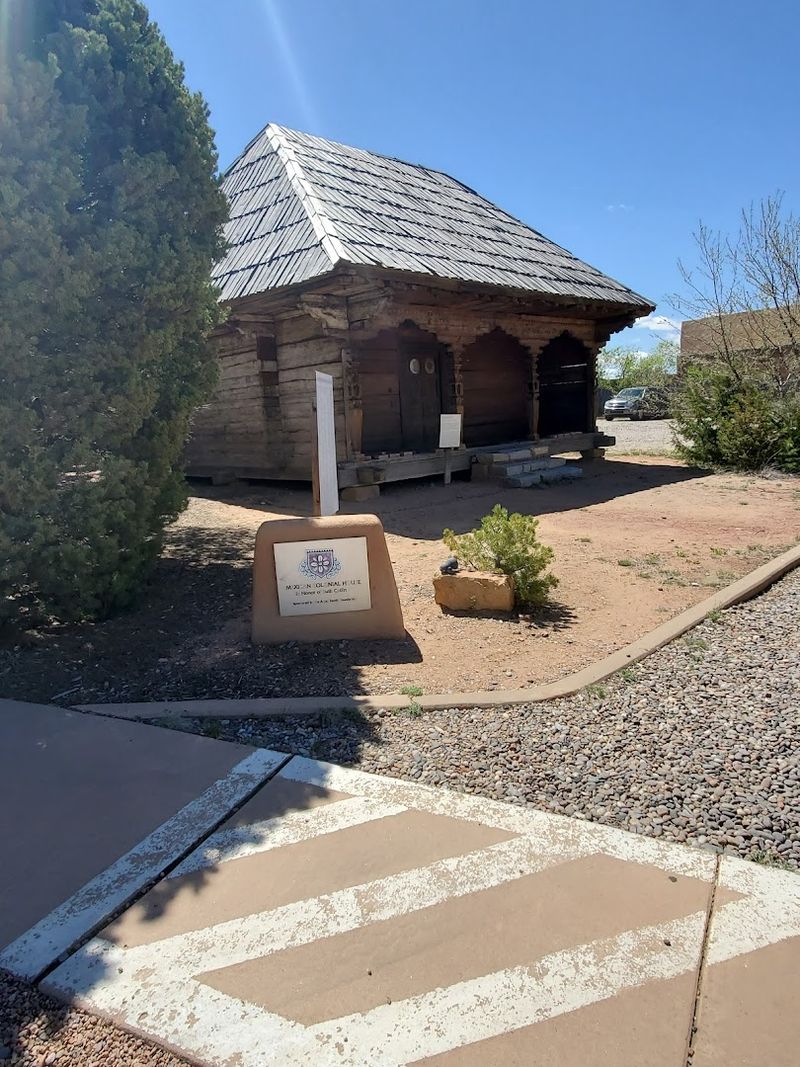
The area around the Nuevo Mexicano Heritage Arts Museum adds to the appeal of making the trip up to Museum Hill. The Santa Fe Botanical Garden is located nearby, and combining a visit to both makes for a well-rounded outing that covers both cultural and natural dimensions of the region.
Museum Hill itself has a pleasant campus feel, with the five museums arranged in a way that encourages walking between them. The outdoor spaces between buildings offer a chance to take in the surrounding landscape, which provides its own kind of context for understanding the art inside.
The high desert setting of Santa Fe, with its clear light and wide sky, has always been part of what draws artists and art lovers to the region. Spending time in that environment before or after a museum visit helps ground the experience in the physical reality of the place that produced all of this remarkable cultural output over so many centuries.
Why the Collection Feels Authentic and Not Generic
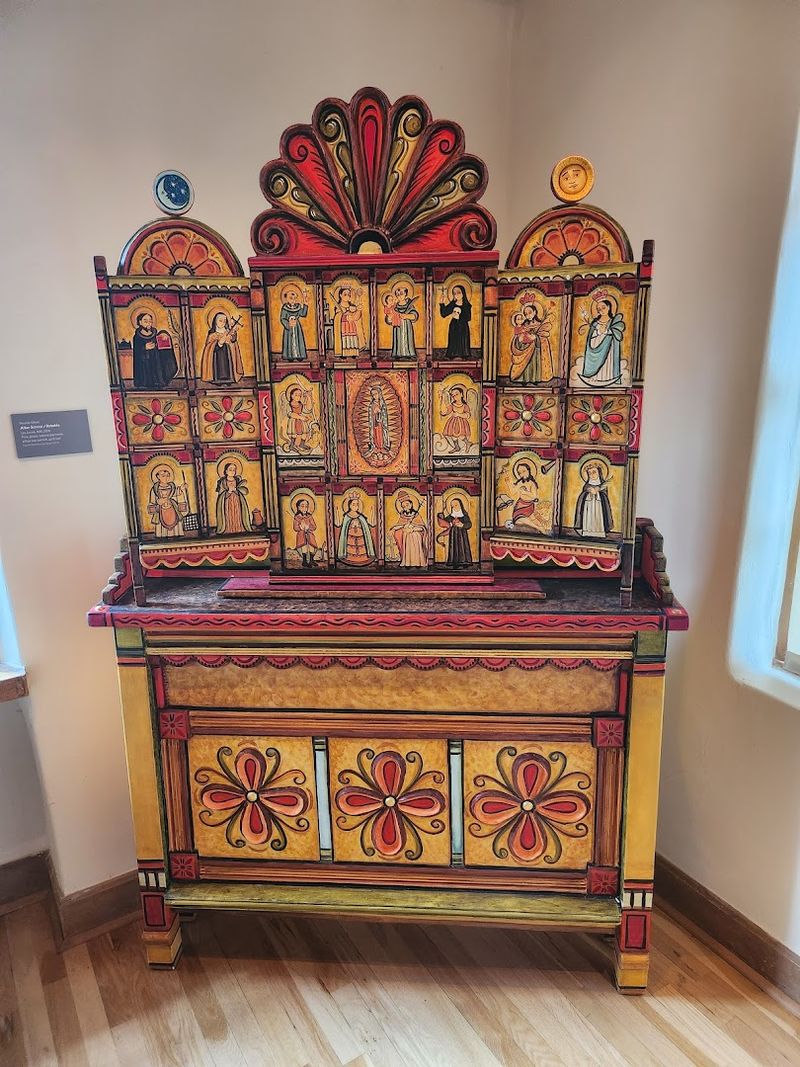
Authenticity is a word that gets used loosely in the art world, but at this museum it carries genuine meaning. The collection focuses on works that emerged from specific communities, specific traditions, and specific spiritual practices rooted in northern New Mexico.
Nothing here feels assembled for tourism or designed to appeal to a general audience.
The devotional objects in particular carry a kind of directness that comes from having been made for actual use rather than display. A bulto carved by a santero for a village church was created within a living tradition, not as a commodity, and that origin gives the objects a different quality than purely decorative works produced for the market.
That authenticity extends to the contemporary pieces as well. The artists represented in the modern sections of the collection are engaging with real questions about cultural identity, historical memory, and artistic inheritance.
The result is a collection that feels honest and grounded rather than curated for surface appeal alone.
A Great Starting Point for Understanding New Mexico History
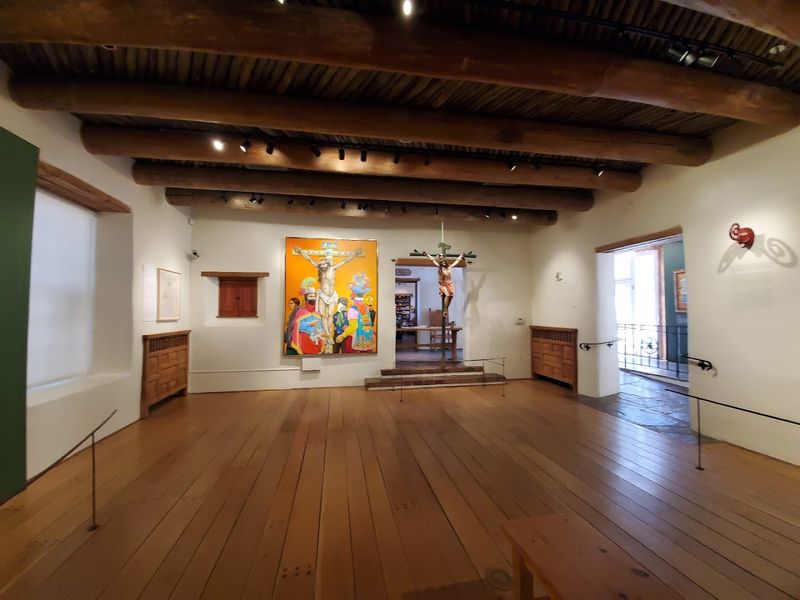
For anyone approaching New Mexico history without much prior knowledge, this museum offers one of the clearest entry points available. The collection is organized in a way that builds understanding progressively, starting with the foundational elements of Spanish colonial culture and moving toward the present day.
The 400-plus years of history covered by the exhibits put the founding of Santa Fe in 1610 into a broader context that helps explain why the city looks, feels, and operates the way it does today. Art is one of the most direct ways to understand a culture, and the works here communicate things about colonial New Mexico that textbooks often flatten into dry chronology.
Pairing a visit here with stops at the other Museum Hill institutions, such as the Museum of Indian Arts and Culture, creates a more complete picture of New Mexico’s layered cultural identity. The complexity and cross-cultural history of the region becomes much easier to grasp when experienced through carefully preserved objects rather than through narrative alone.
A Closing Thought on Why This Museum Earns Its Place
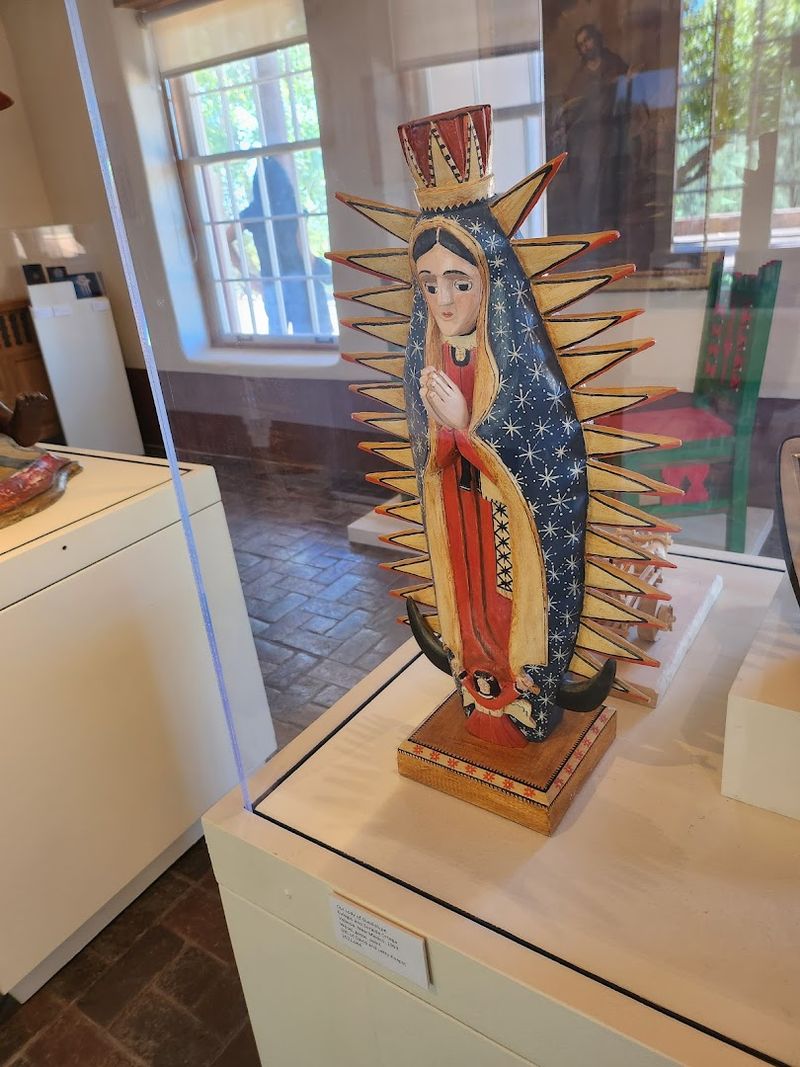
The Nuevo Mexicano Heritage Arts Museum does not try to be everything to everyone, and that restraint is precisely what makes it work. By staying focused on Spanish colonial and New Mexico heritage arts, the museum has built a collection that is coherent, meaningful, and genuinely educational without ever feeling like a lecture.
The combination of historic architecture, carefully preserved devotional objects, vibrant textiles, and contemporary works gives the museum a range that belies its compact footprint. There is more to absorb here than a single hour allows, and that depth is what keeps the place relevant to both first-time visitors and those who return for each new exhibit.
Santa Fe has always been a city that rewards those who look beyond the obvious, and this museum is a clear example of that principle at work. For folk art lovers, history enthusiasts, or anyone curious about the cultural roots of the American Southwest, the trip up to Museum Hill is one that consistently delivers something worth remembering.
Where to Find This Hidden Cultural Gem
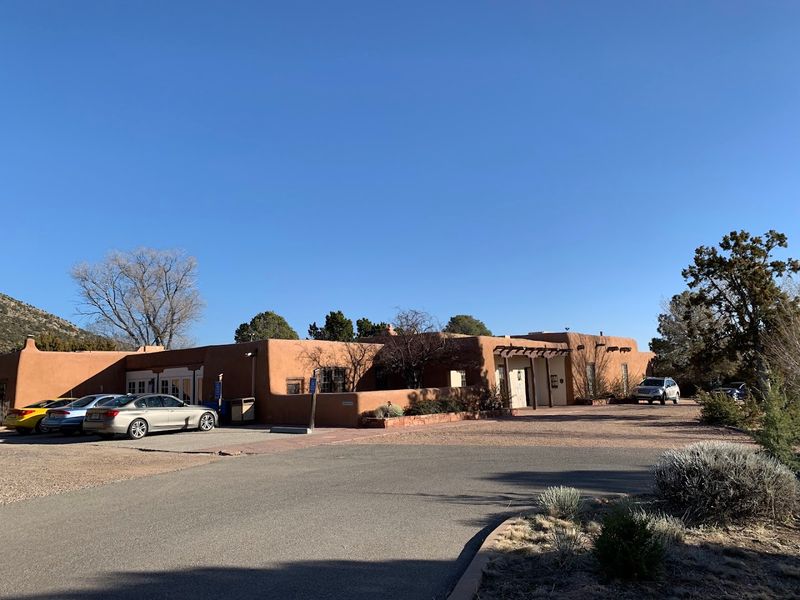
Museum Hill in Santa Fe is home to five distinct cultural institutions clustered together, and the Nuevo Mexicano Heritage Arts Museum stands out among them for its focused, intimate approach to regional history. The museum is located at 750 Camino Lejo, Santa Fe, NM 87505, sitting comfortably within a short drive from the downtown plaza area.
The building itself is a historic adobe structure designed by renowned architect John Gaw Meem, whose work is deeply connected to the Pueblo Revival architectural style that defines so much of Santa Fe. That context matters because the space is not just a container for art.
It is part of the story.
Museum Hill as a whole is worth a half-day or full-day visit, since all five museums are within easy walking distance of each other. Pairing this museum with the nearby botanical garden makes for a well-rounded and culturally rich afternoon in the city.
Share this story