Most American families struggle to trace their roots back more than a few generations. One Virginia estate has kept the same family name on its deed since 1638, making it one of the most extraordinary examples of continuity in the entire country.
The furniture inside is older than the United States itself, ancient trees shade the riverbank out back, and the family still sleeps upstairs while visitors tour the ground floor below. There is nowhere else in America quite like this place.
America’s Oldest Family-Run Estate
Some places carry history in their walls so deeply that you can almost feel it the moment you arrive. Historic Shirley Plantation, located at 501 Shirley Plantation Rd, Charles City, VA 23030, holds a record that almost defies belief.
The Hill-Carter family has owned and operated this estate continuously since 1638, making it the oldest family-run business in North America.
That is not a marketing slogan. It is a documented, verifiable fact that sets this property apart from every other historic site in the United States.
Generations have been born here, raised here, and buried here across nearly four centuries.
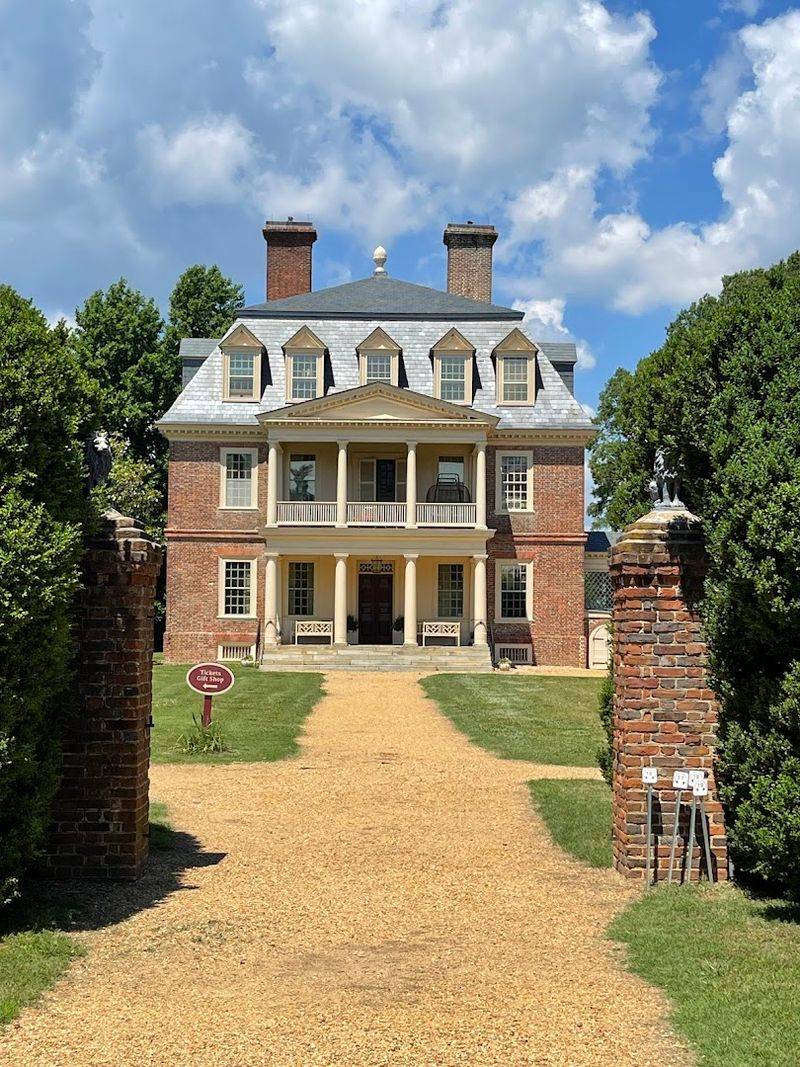
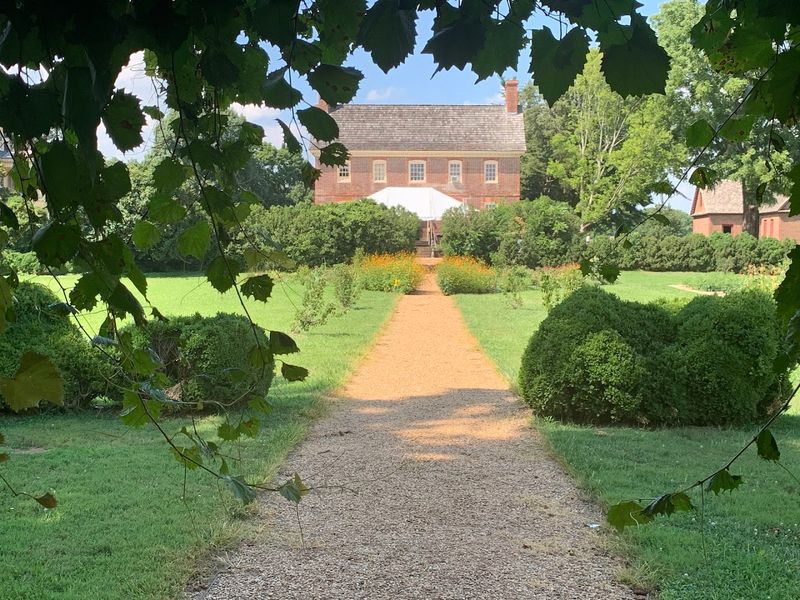
When you pull up the long dirt road and catch your first glimpse of the brick manor house through the trees, the weight of that history lands on you all at once. This is not a museum.
It is a living home.
The Georgian Architecture That Has Stood for Centuries
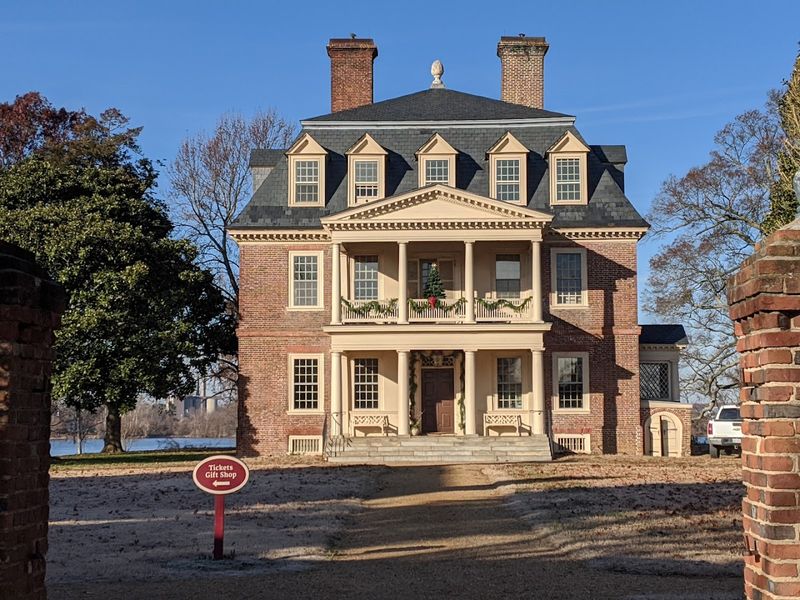
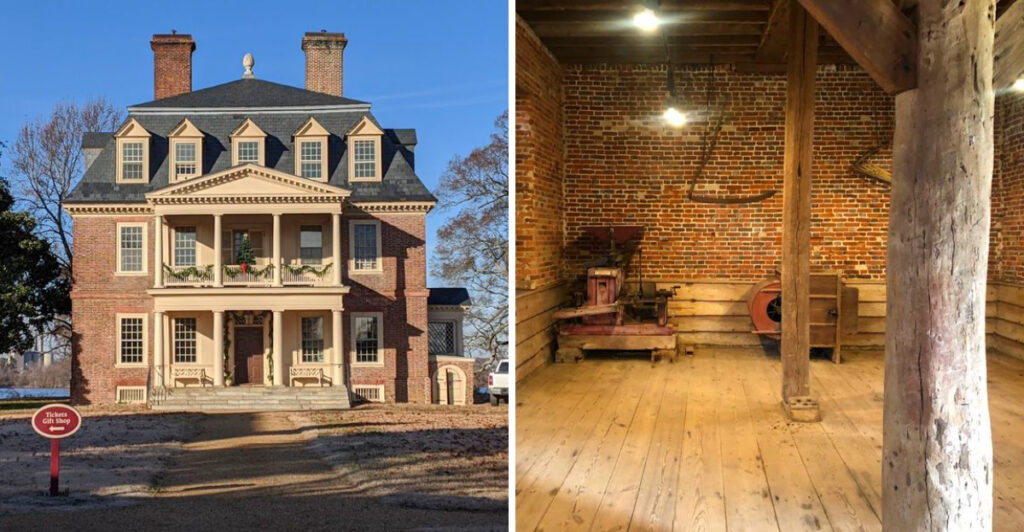
Architecture lovers will find plenty to study at Shirley. The main house is a striking example of Georgian colonial design, built with the kind of careful symmetry that defined 18th-century plantation homes in Virginia.
The brick exterior has weathered centuries of rain, heat, and cold without losing its dignified presence.
One of the most talked-about features is the carved walnut staircase inside, which rises three full stories without any visible means of support. Tour guides often point out that no one has ever fully explained how the original craftsmen pulled it off, and engineers who have examined it remain impressed to this day.
Every window, every doorway, and every roofline feels intentional. The building does not just look old.
It looks like someone cared deeply about every single detail from the very beginning, and that care has never stopped.
The Hill-Carter Family Legacy Across Fourteen Generations
Fourteen generations of the same family have called this estate home. That number is hard to process when you are standing inside a house where portraits of those ancestors line the walls, their painted eyes watching every visitor who passes through.
The family connection to American history runs deep. Anne Hill Carter, who was born at Shirley, became the mother of Confederate General Robert E.
Lee. That single fact alone draws visitors from across the country, but the broader family story stretches far beyond any one famous name.
Walking through the rooms feels less like touring a historic site and more like flipping through someone else’s very old family album. The personal nature of the experience sets Shirley apart from larger, more commercialized plantation tours nearby.
You genuinely feel like a guest in a family home, not a ticket holder in a museum.
The Jaw-Dropping Flying Staircase Inside the Manor
Of all the things inside the manor house that stop visitors cold, the flying staircase earns the most gasps. This carved walnut staircase spirals upward through three full floors with no visible support structure underneath it.
It simply rises, seemingly on its own, defying every expectation about what wood and craftsmanship can achieve.
Architectural historians have studied it for years. The general consensus is that the original builders achieved this feat through an extraordinarily precise understanding of weight distribution and joinery, but the full explanation still sparks debate among experts.
Guides on the house tour always pause at this staircase and give visitors a moment to take it in. People photograph it from every angle.
Some stand quietly, just staring upward. It is the kind of detail that makes you realize how skilled early American craftsmen truly were, long before modern tools existed to make the job easier.
Antiques Inside That Predate the United States
One of the most memorable lines repeated during the house tour is a gentle warning from the guide: please do not lean on the furniture, because much of it is older than the United States of America. That sentence lands differently once you realize it is completely literal.
The interiors at Shirley contain original pieces that have never left the property. Chairs, tables, cabinets, and decorative objects that were here before the American Revolution are still here today, used and maintained by the same family that acquired them generations ago.
There are no ropes blocking visitors from getting close. You can stand right next to a chair that a colonial-era family member sat in centuries ago.
That level of access is rare at any historic site, and it gives the tour a warmth and intimacy that larger, more formal properties rarely manage to replicate.
The James River Setting That Shaped Everything
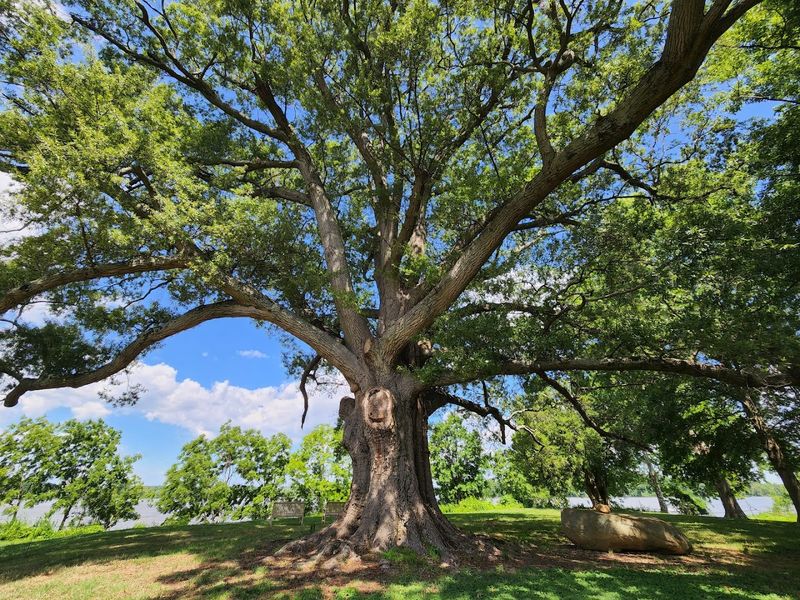
The estate sits directly on the banks of the James River, and that location is not just scenery. The river was the economic and social lifeline of colonial Virginia, and Shirley was built specifically to take advantage of it.
Everything about the property’s layout reflects that original relationship with the water.
Standing on the lawn behind the main house and looking out toward the river, it is easy to understand why this land was so valuable. The view is wide and calm, with the kind of quiet that makes you forget the modern world exists just a few miles away.
Ancient trees frame the riverbank, and on a clear day the light off the water turns everything golden in the late afternoon. Visitors often linger here longer than anywhere else on the grounds, and honestly, that is completely understandable.
Few historic sites in Virginia offer a backdrop this naturally beautiful.
The Ancient Trees Standing Guard on the Property
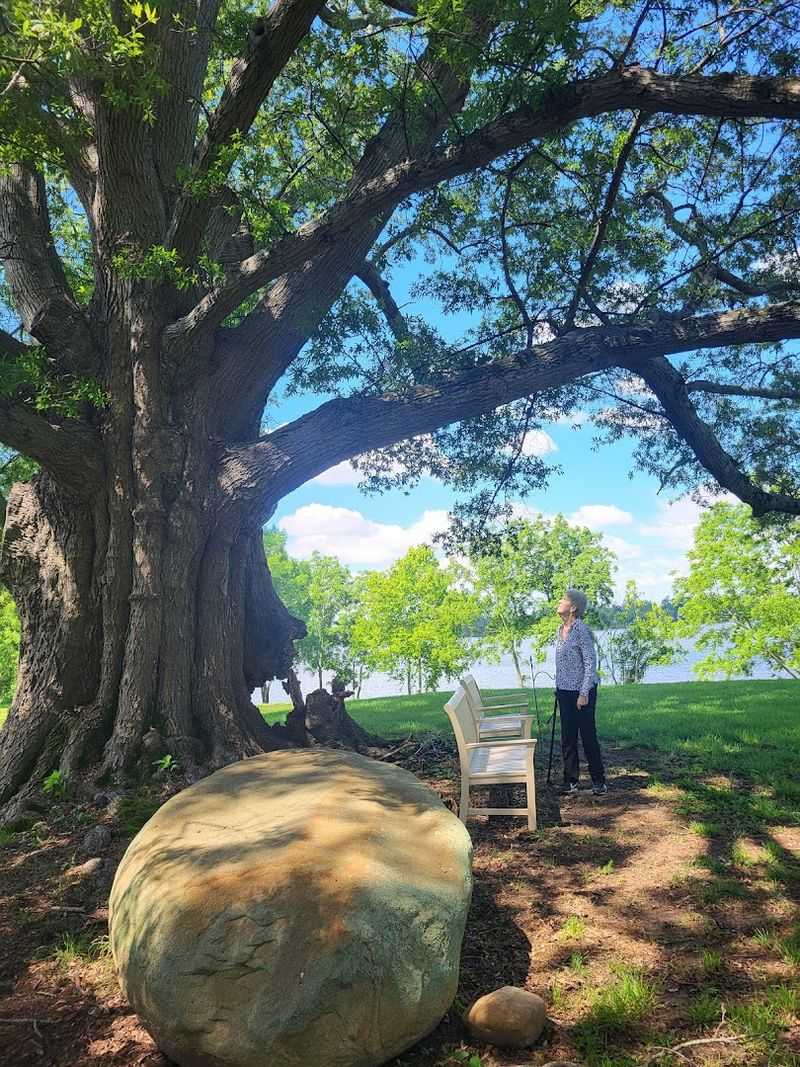
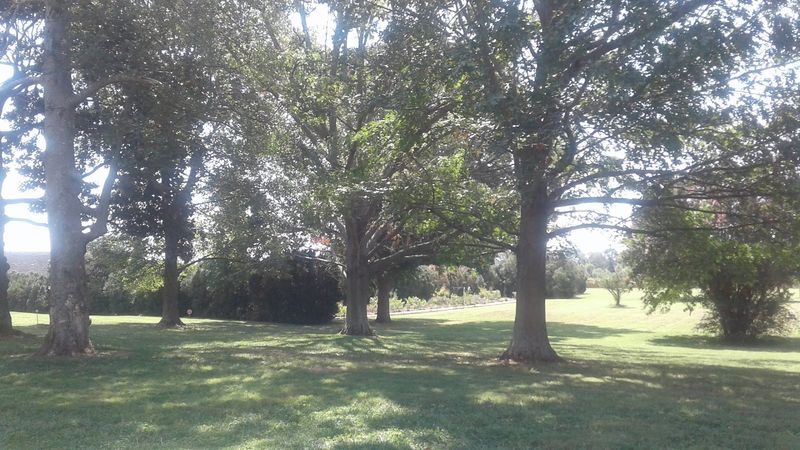
Behind the main house, near the river, stand trees that were already old when the first European settlers arrived in Virginia. One willow oak on the property is believed to be over 400 years old, its canopy spreading wide enough to shade a large section of the lawn on its own.
Tour guides have noted that some of the oldest trees on the grounds may predate the estate itself, which adds another layer of wonder to the visit. These are not decorative plantings.
They are living witnesses to everything that has happened on this land across four centuries.
Sitting under one of those massive trees and looking back at the brick manor house is one of those travel moments that stays with you. The scale of time becomes real in a way that no exhibit or display can fully replicate.
Sometimes the most powerful history lesson is simply a very old tree.
The Ice House Museum and Its Timeline of History
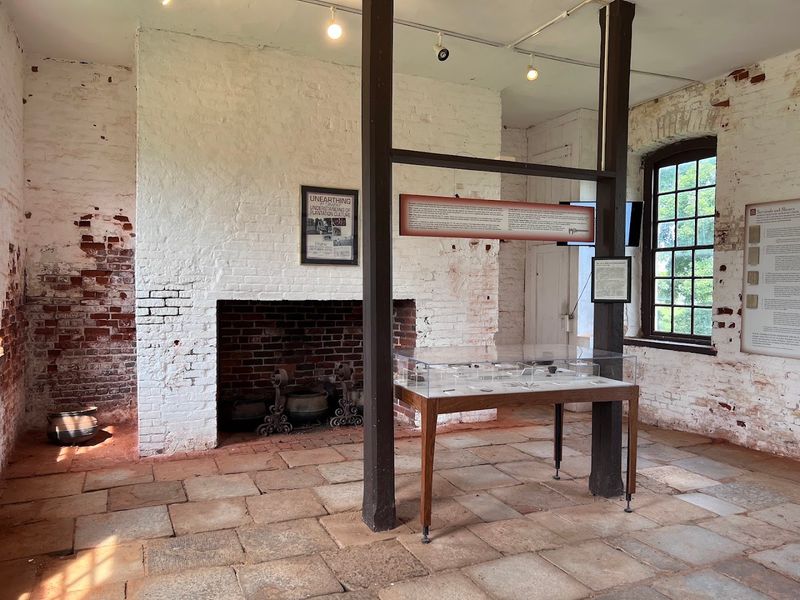
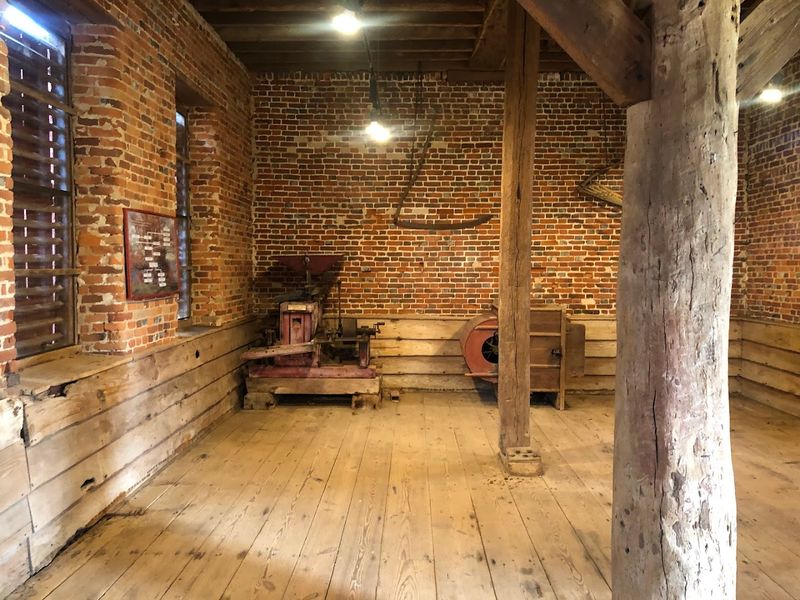
Most visitors head straight for the main house, but the outbuildings on the property tell their own compelling stories. One of the most informative stops on the self-guided grounds tour is the old ice house, which has been converted into a small exhibit space featuring a detailed timeline of the property’s history.
The timeline walks visitors through key moments spanning from the earliest colonial period all the way through the Civil War era and beyond. It provides context that makes the main house tour even richer, especially for visitors who are less familiar with Virginia colonial history.
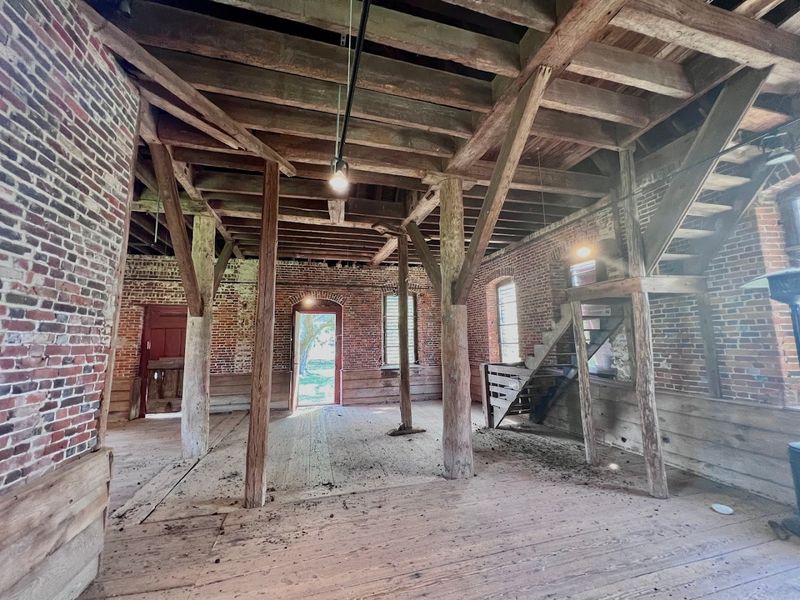
The ice house itself is a fascinating structure to examine up close. These buildings were essential to plantation life, used to store blocks of ice harvested from the river during winter months.
Seeing it repurposed as an educational space feels like a thoughtful way to keep every corner of the property working for its visitors.
The Outbuildings That Complete the Colonial Picture
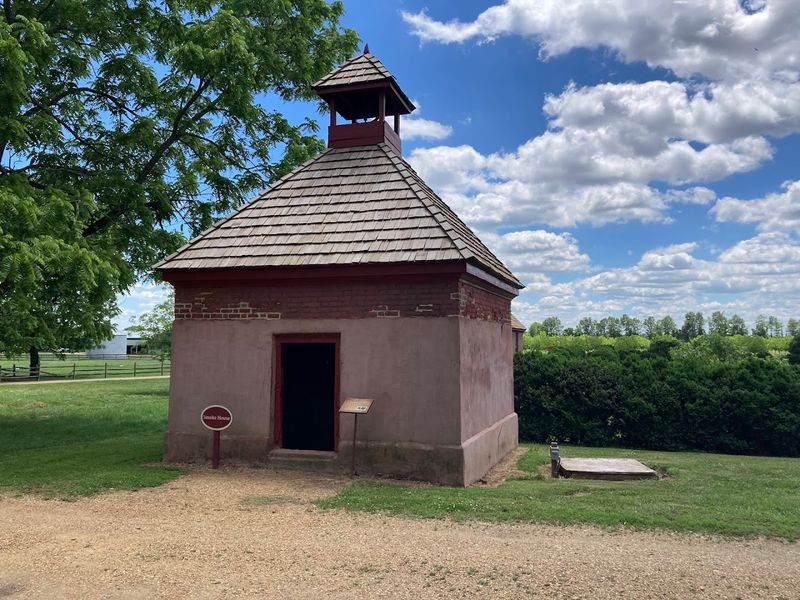
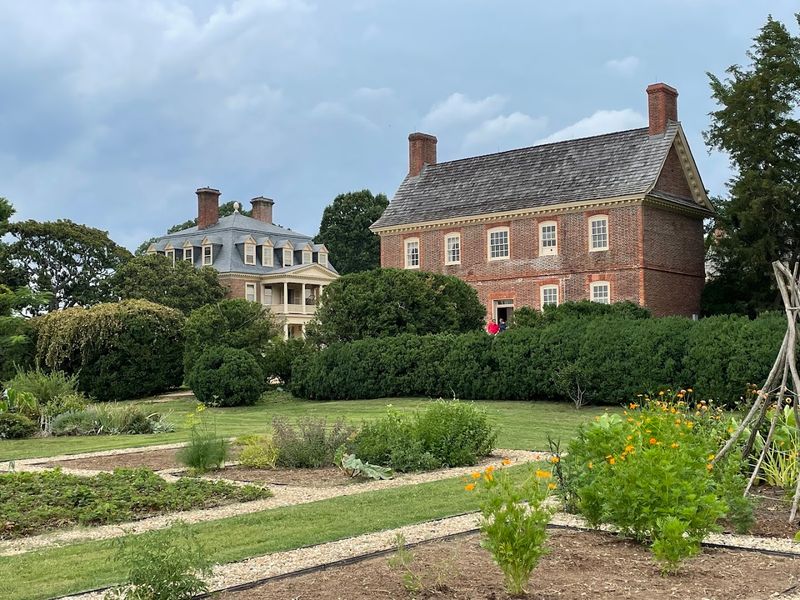
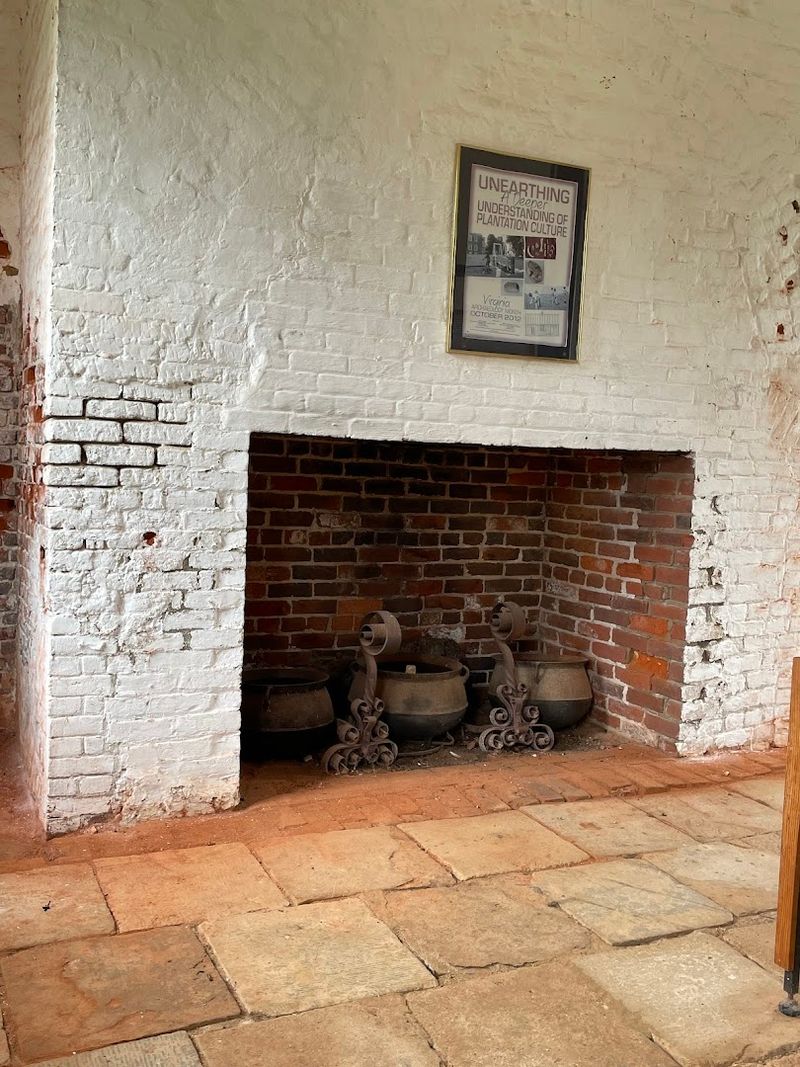
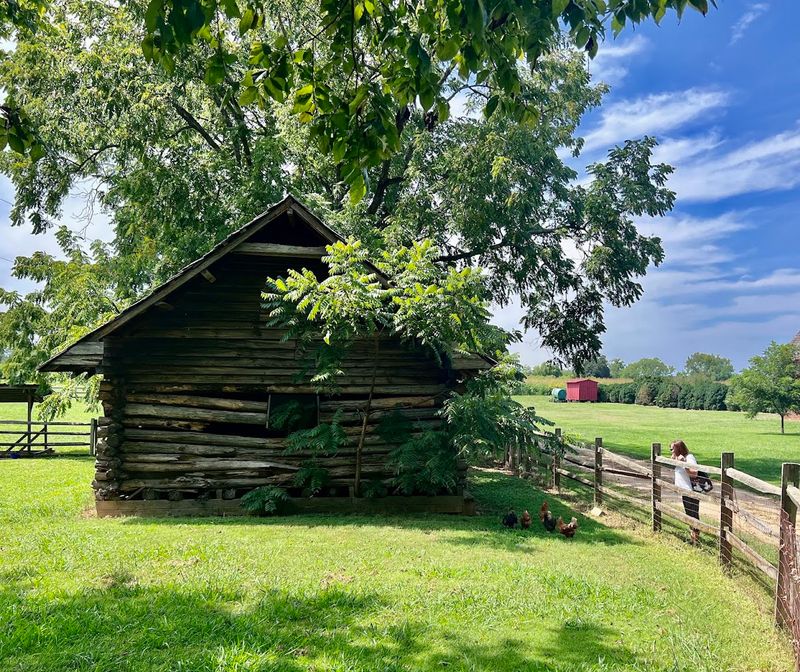
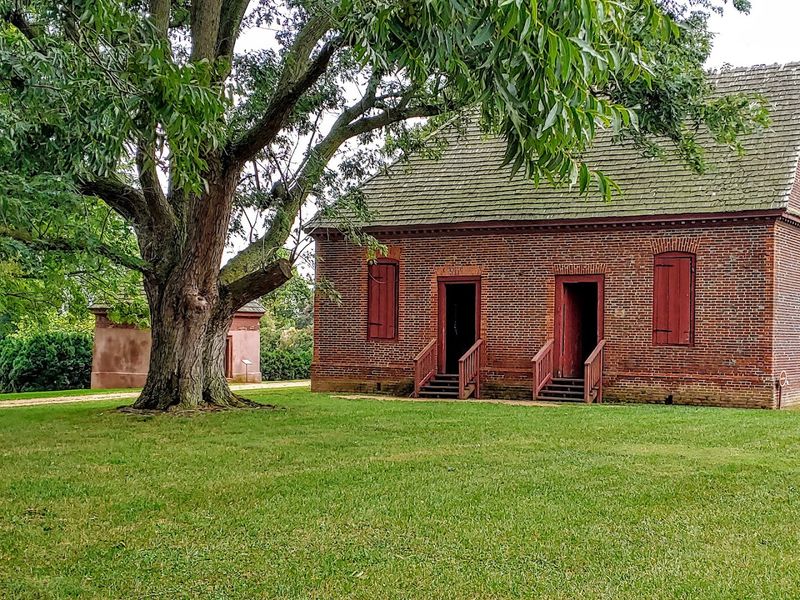
The main house gets most of the attention, but the full story of Shirley Plantation plays out across the entire property. A collection of original outbuildings surrounds the main house, including a kitchen, laundry house, smokehouse, and other structures that were central to daily plantation life in the colonial period.
Clear signage throughout the grounds explains what each building was used for and how it fit into the larger operation of the estate. The layout gives visitors a genuine sense of how self-sufficient this property was designed to be, essentially functioning as its own small community for generations.
An audio tour is available for those who want more depth as they walk the grounds independently. The combination of physical buildings, explanatory signs, and audio content makes it possible to spend a full two hours here without feeling rushed or like you missed anything important.
Robert E. Lee’s Connection to This Very Ground
History buffs who know their American Civil War details will recognize the name Anne Hill Carter the moment a guide mentions it. She was born at Shirley Plantation and grew up in this house before marrying Henry Lee III, and together they became the parents of Robert E.
Lee, one of the most significant military figures in American history.
Her portrait hangs inside the manor, and guides share details about her life and her connection to both the plantation and the broader Lee family story. It is a thread that connects this colonial estate directly to one of the most studied chapters in American history.
For visitors who come primarily for the Civil War angle, Shirley offers more context than most battlefield sites ever could. The personal, domestic history here adds a human dimension to a name that often exists only in textbooks and monument inscriptions.
What the Guided House Tour Actually Feels Like
A lot of historic house tours follow a predictable formula. A guide leads a group through velvet-roped rooms, recites memorized facts, and moves everyone along before anyone has time to really absorb what they are seeing.
The guided tour at Shirley works differently.
Guides here tend to be deeply knowledgeable, weaving personal family history into the broader colonial narrative in a way that feels conversational rather than scripted. The no-ropes policy means you can stand close to the original furniture, examine the woodwork, and ask questions without feeling like you are inconveniencing anyone.
The ground floor is fully open to visitors, while the upper floors remain private living quarters for the family. Far from feeling like a limitation, that arrangement actually adds to the experience.
Knowing the family is upstairs while you stand in their centuries-old parlor gives the whole visit a quietly remarkable quality.
The Working Farm That Never Stopped Operating
Most historic plantations became museums decades ago, their agricultural roots long since replaced by gift shops and parking lots. Shirley never made that trade.
The estate remains a functioning farm to this day, with crops still grown on the same land that has been cultivated for nearly four centuries.
Visitors in the right season may see cotton bales stacked near the outbuildings or fields actively being worked. That agricultural reality is not a staged display.
It is simply what this family does, because farming is what this family has always done.
The combination of living history and active agriculture makes Shirley feel fundamentally different from comparable sites. Other plantations show you what farm life looked like in the past.
Shirley shows you what it looks like right now, carried forward by the same family across fourteen generations without interruption. That distinction is genuinely rare in American historic preservation.
Picnicking by the River on the Estate Grounds
Not every visit to a historic site needs to be structured around tours and exhibits. At Shirley, the grounds themselves are a destination worth savoring slowly.
The wide lawn stretching from the back of the manor house down to the James River is open to visitors, and it happens to be one of the most peaceful outdoor spaces in all of central Virginia.
Bringing a picnic and settling in under one of those ancient trees by the water is a genuinely lovely way to spend an afternoon. The river moves quietly in the background, the old brick house anchors the scene behind you, and the rest of the modern world fades away entirely.
The grounds offer multiple spots suitable for a relaxed outdoor meal. Families with children tend to appreciate the open space, and the natural beauty of the setting makes even a simple lunch feel like something worth remembering.
Practical Tips for Planning Your Visit
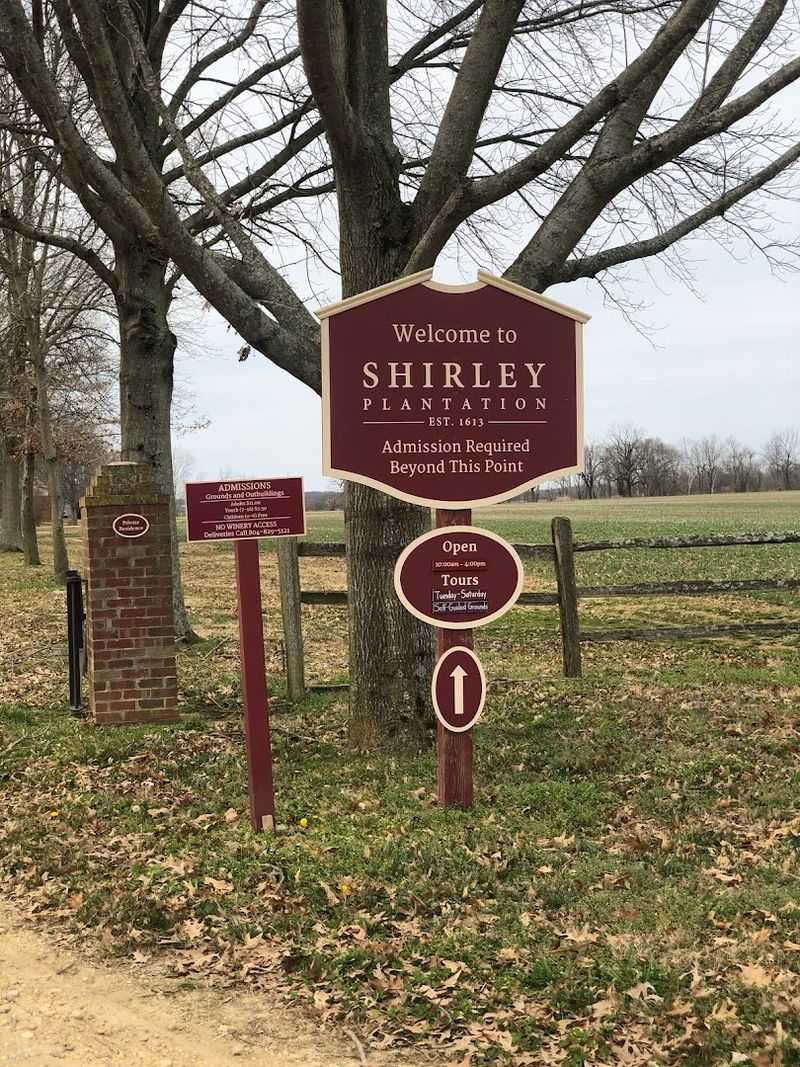
A few practical details will help make your visit run smoothly. Tickets for the house tour can be purchased online in advance, which is the recommended approach during busier seasons.
The gift shop on the property is where ground-admission tickets are sold if you choose to pay on arrival.
Plan for roughly two hours if you want to do the guided house tour, walk the grounds, visit the outbuildings, and spend some time by the river. The property is located about two miles off the main highway down a long unpaved road, so do not second-guess yourself when the pavement ends.
The estate is situated along Virginia’s historic Route 5 corridor, which connects Richmond to Williamsburg through some of the most historically significant land in the entire country. Shirley is well worth making the centerpiece of a full day exploring that stretch of Virginia history.
Why This Place Stays With You Long After You Leave
There is a particular feeling that comes from standing somewhere that has been continuously inhabited, loved, and cared for across nearly four centuries. Most historic sites give you history at arm’s length, behind glass cases and velvet barriers.
Shirley hands it to you directly, without apology and without distance.
The furniture is real. The portraits are real.
The family upstairs is real. The trees outside were old before the country existed.
All of it is still here, still functioning, still part of a living story that has not ended.
That is why visitors who come to Shirley tend to talk about it differently than other historic sites they have toured. It is not the grandest house in Virginia.
It is not the largest property or the most famous name. But it might be the most honest place on the entire Route 5 corridor, and honesty in history is rarer than people realize.
Share this story