There is a trail in Virginia that rewards every step with rushing water, mossy boulders, and forest air so fresh it almost feels unfair. The payoff at the end is a towering waterfall that stops you in your tracks and makes the whole journey feel like something out of a nature documentary.
This is not a secret spot whispered about by a handful of locals anymore. Thousands of hikers have made the trek, and nearly every single one of them left wanting to come back.
Whether you are planning your first hike or your fiftieth, this trail has something that will genuinely surprise you. Keep reading to find out exactly what makes this four-mile round-trip one of the most talked-about outdoor experiences in the entire state.
Where the Trail Begins: Location and Access
The trailhead sits at 2068 Cascade Dr, Pembroke, tucked inside the Jefferson National Forest in Giles County, Virginia. Getting there is straightforward, and the drive through the surrounding mountains already sets the mood before you even lace up your boots.
Parking costs just $3, which is honestly one of the better deals you will find at any trailhead in the state. The lot fills up fast on weekends, so arriving early is strongly recommended.
Most hikers suggest pulling in before 9 a.m. to secure a good spot without the stress.
There is a restroom right at the start of the trail, so make sure you use it before heading out. Once you leave the trailhead, there are no facilities along the route.
The setup here is clean, well-organized, and genuinely welcoming for first-time visitors.
The Two Trails: Choosing Your Path
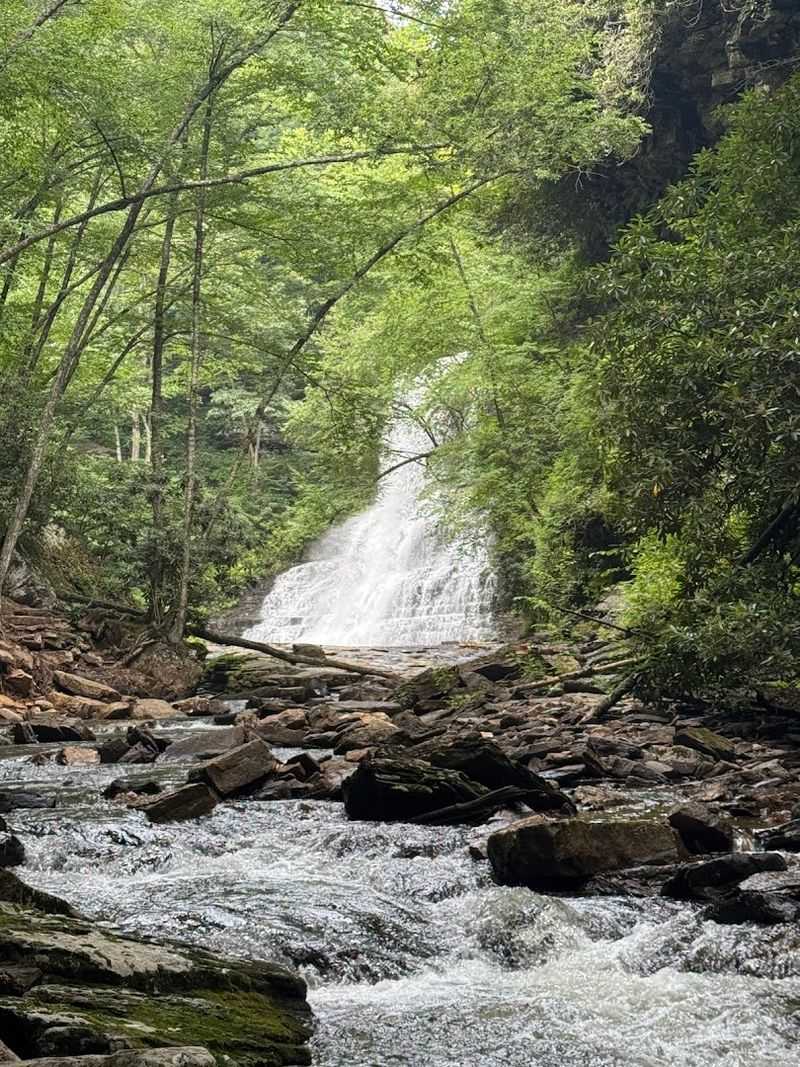
One of the first decisions you will make on this hike is which trail to take, and it turns out that choice shapes your entire experience. The Cascade Falls loop offers two distinct routes: the Lower Trail and the Upper Trail, each with its own personality and challenge level.
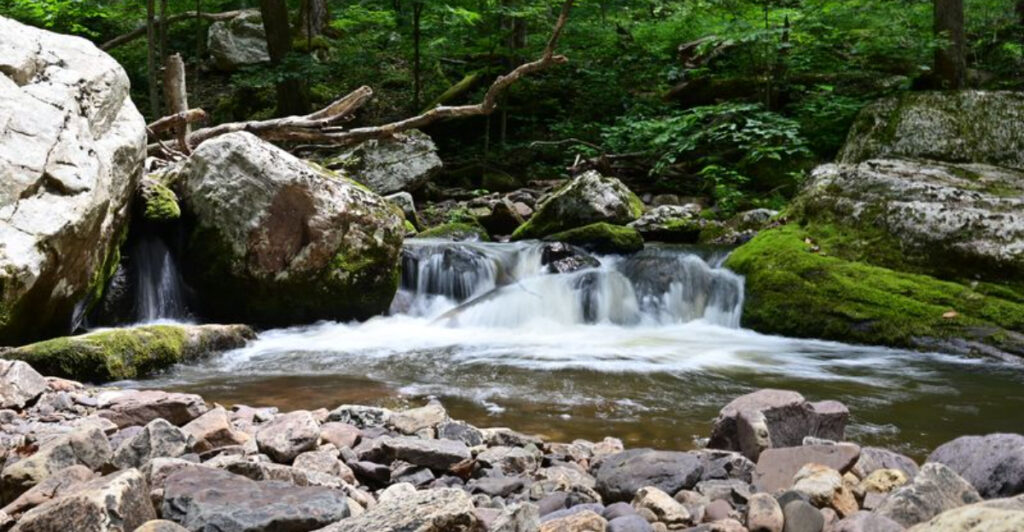
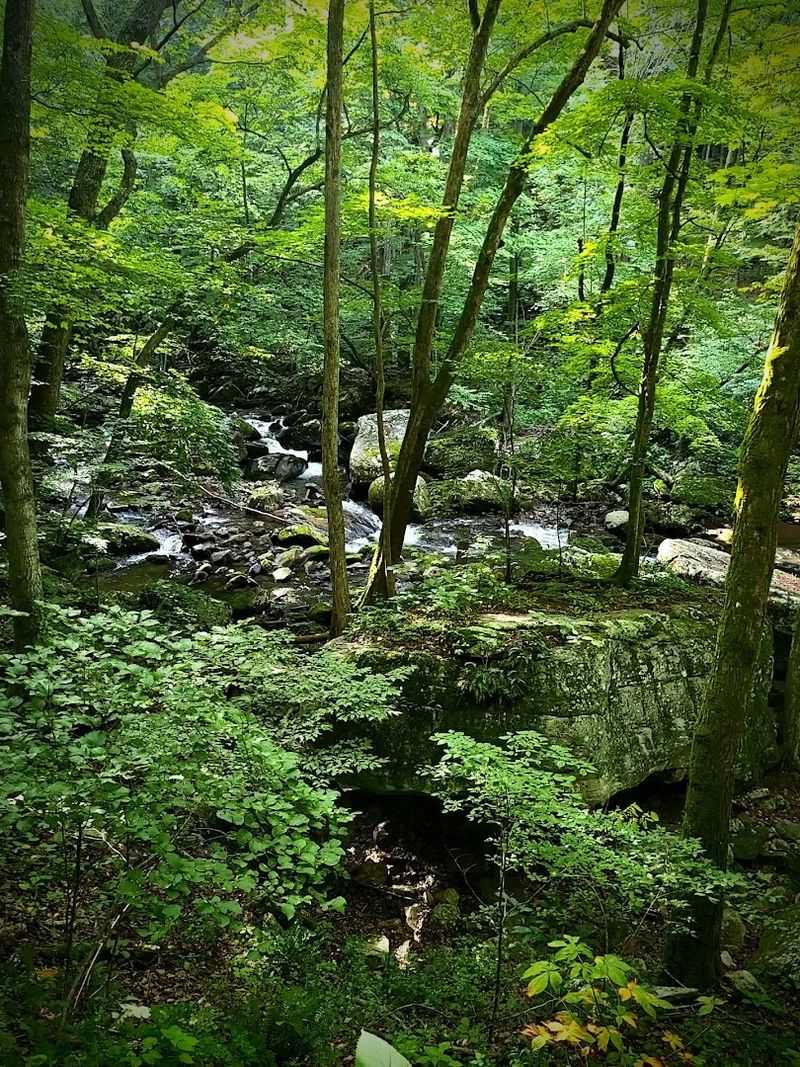
The Lower Trail hugs Little Stony Creek closely, threading past waterfalls, rapids, and boulders draped in bright green moss. It is the more demanding of the two, with rocky terrain, stone steps, and wooden walkways that make the gorge feel alive around you.
The Upper Trail runs above the creek through open forest, offering a gentler and wider path with occasional views down into the gorge. Many hikers take the Lower Trail on the way up for the scenery and return via the Upper Trail for an easier descent.
Both routes meet at the falls.
The Lower Trail Experience: Creekside Drama
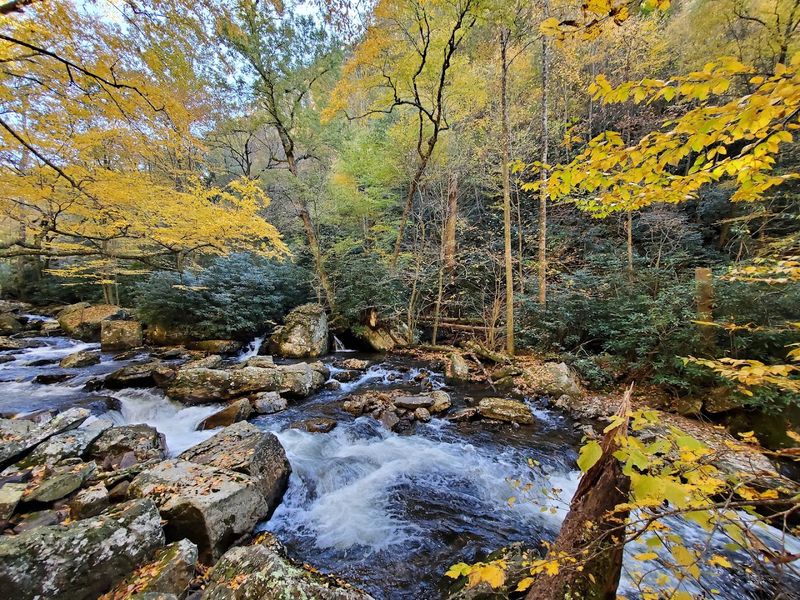
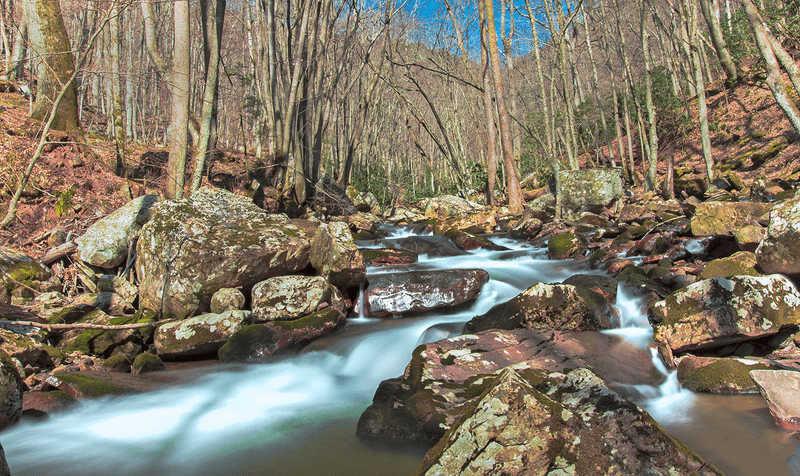
Few trails in Virginia pack this much visual variety into a single mile. The Lower Trail keeps Little Stony Creek as your constant companion, and the creek does not hold back.
Rapids churn between boulders, smaller cascades tumble over ledges, and the sound of moving water never leaves your ears.
Stone steps and wooden bridges guide you through the trickiest sections, but the trail still demands attention. Wet rocks can be slippery, and leaf cover in autumn can hide uneven footing.
Sturdy hiking shoes with good grip are not optional here, they are essential.
Photographers absolutely love this stretch of trail. The combination of light filtering through the tree canopy, rushing water, and textured rock surfaces creates one striking frame after another.
Even hikers who do not carry a camera tend to stop frequently just to take it all in before moving on.
The Upper Trail: A Quieter Route Through the Forest
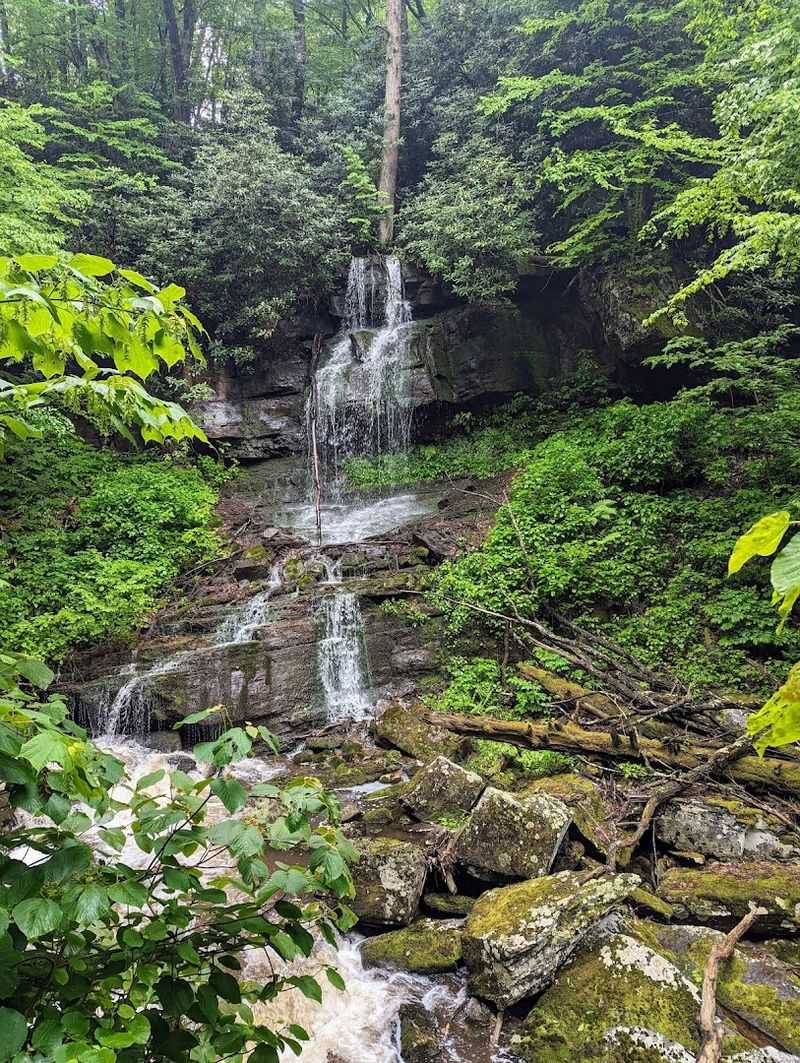
Not every hiker wants to scramble over boulders, and the Upper Trail was practically designed with that in mind. It runs along the ridge above the creek, offering a steadier and more predictable surface that works well for families with young children, hikers with dogs, or anyone who prefers a more relaxed pace.
The forest up here feels different from the gorge below. It is quieter, the canopy is wider, and the occasional open view down into the valley reminds you just how deep the terrain drops.
There is a peaceful quality to this route that the busier Lower Trail simply cannot match.
Many experienced hikers use the Upper Trail as their return route after tackling the Lower Trail on the way up. That combination gives you the best of both worlds: the dramatic creekside scenery going in, and a smooth, easy descent on the way back out.
The Waterfall Itself: What Awaits at the End
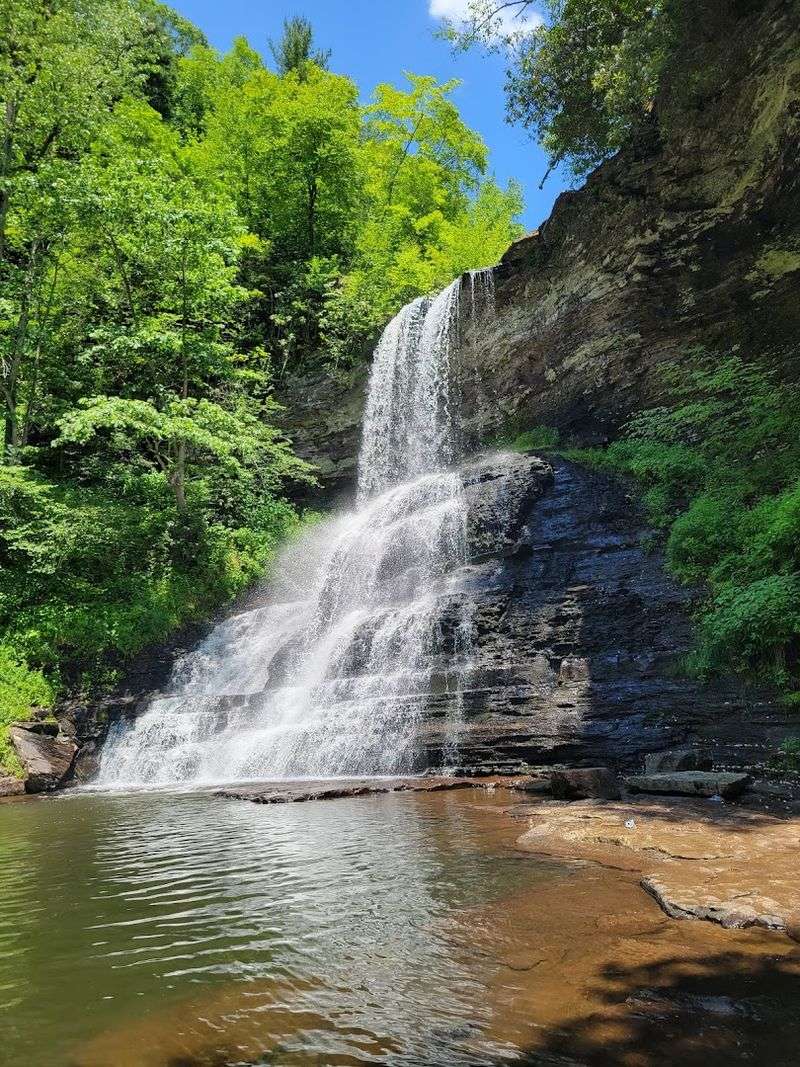
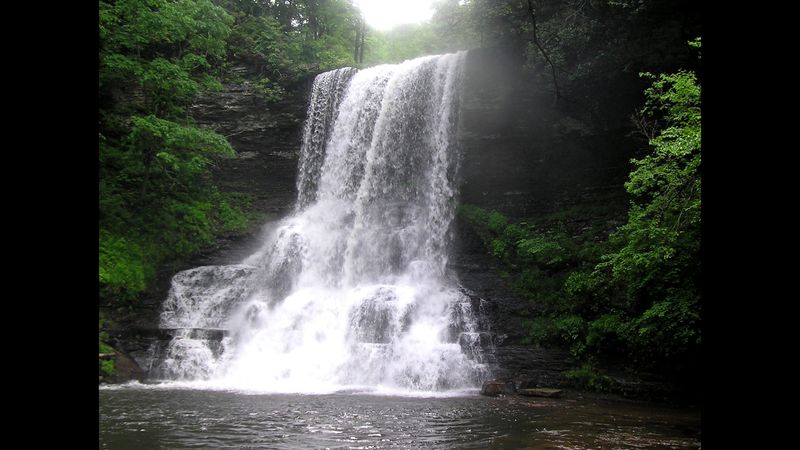
Coming around a large boulder and suddenly facing the full height of the waterfall is the kind of moment that genuinely stops conversation. The water drops roughly 66 feet down a sheer rock face, landing in a wide pool that reflects the surrounding forest on calm days.
The scale of it takes a second to register.
The mist from the falls reaches the viewing area, keeping the air cool even on warm summer days. Mossy rocks ring the pool, and the sound of the falling water is loud enough to feel physical.
It is the sort of place where people tend to sit for much longer than they planned.
Beyond the main falls, hikers can continue an additional 0.7 miles to reach the Upper Cascade Falls. There is also a trail to the gorge rim for an aerial overlook.
Most visitors, though, are perfectly content to stay right where they are.
Family-Friendly Features Along the Route
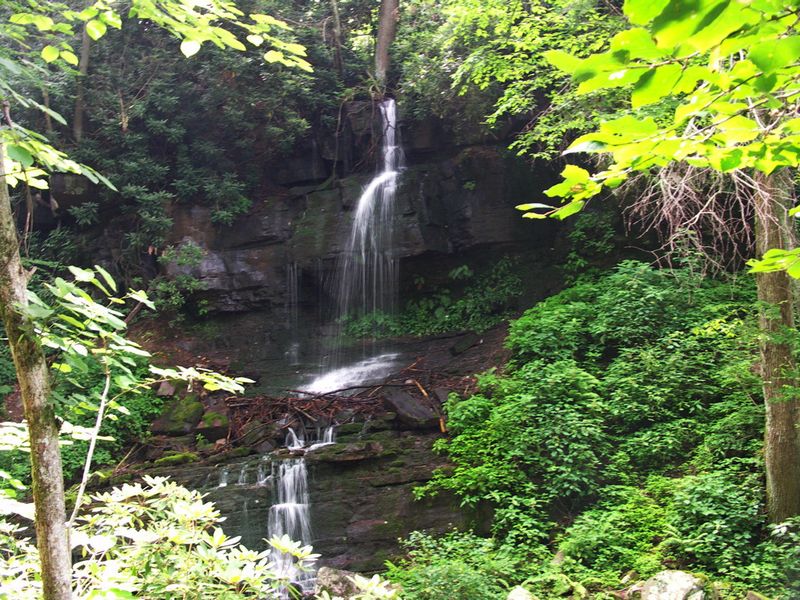
This trail has earned a strong reputation among families, and it is easy to see why. Children as young as five have completed the full loop, and the mix of trail options means adults can match the route difficulty to their group’s actual fitness level rather than guessing.
Benches are scattered along the trail at regular intervals, which is a detail that sounds small but matters enormously when you are hiking with kids who need frequent breaks. The benches face scenic spots along the creek, so resting never feels like wasted time.
Dogs are welcome on the trail as well, which adds another layer of appeal for pet owners. The Upper Trail is generally the safer choice for dogs due to its more even surface.
Families consistently note that the waterfall at the end provides a natural reward that motivates even reluctant young hikers to push through the final stretch.
Swimming Holes and Water Features
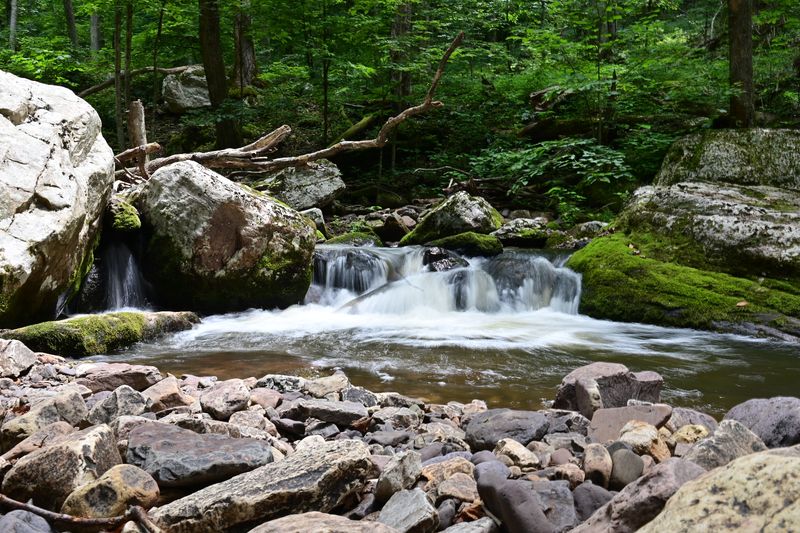
Little Stony Creek does more than just look good along the Lower Trail. At various points, the creek widens into calm pools that double as natural swimming holes, and on a hot summer day, they are genuinely tempting.
Kids and adults alike tend to stop and wade in during warmer months.
That said, caution is important near the water. The rocks can be extremely slippery when wet, and the current in some sections moves faster than it looks from the trail.
Swimming directly beneath the main waterfall is not advisable due to the force of the falling water and unpredictable depths.
The swimming holes further along the creek, away from the main falls, offer a safer and more relaxed option for cooling off. Many hikers plan their visit around a midday stop at one of these spots before continuing on to the waterfall.
It adds a nice, unhurried rhythm to the whole experience.
What to Pack Before You Hit the Trail
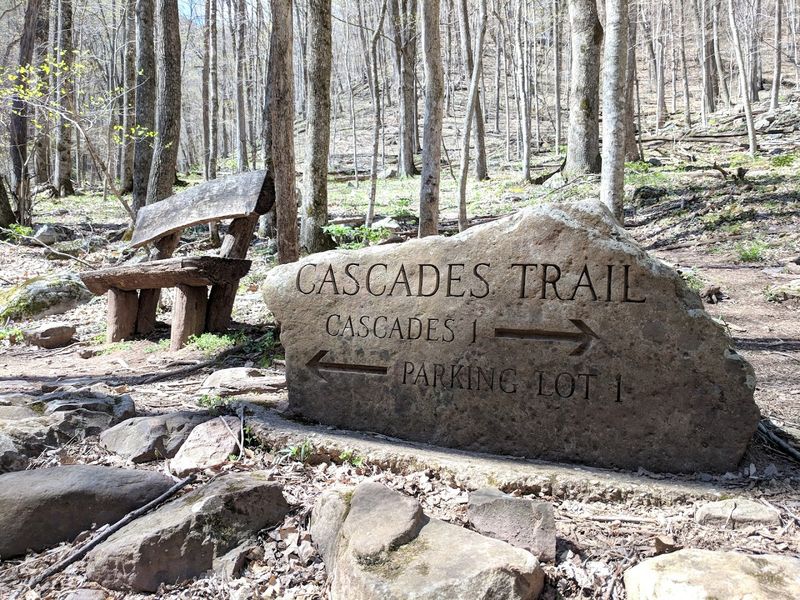
A few practical items make the difference between a comfortable hike and a frustrating one on this trail. Water is non-negotiable.
The four-mile round trip takes most hikers between two and three hours, and the physical effort of the Lower Trail in particular adds up quickly, especially in summer heat.
Good hiking boots are strongly recommended over regular sneakers. The Lower Trail involves climbing over rocks and crossing areas where the ground stays wet, and shoes without proper grip become a liability.
More than a few hikers have learned this the hard way wearing white sneakers they did not plan to ruin.
Snacks, a small first aid kit, and a flashlight round out the essentials. If you plan to stay near the falls until evening, that flashlight becomes particularly useful on the return trip.
A light rain jacket is also worth tossing in, since mountain weather in Virginia changes fast.
Best Times to Visit for the Full Experience
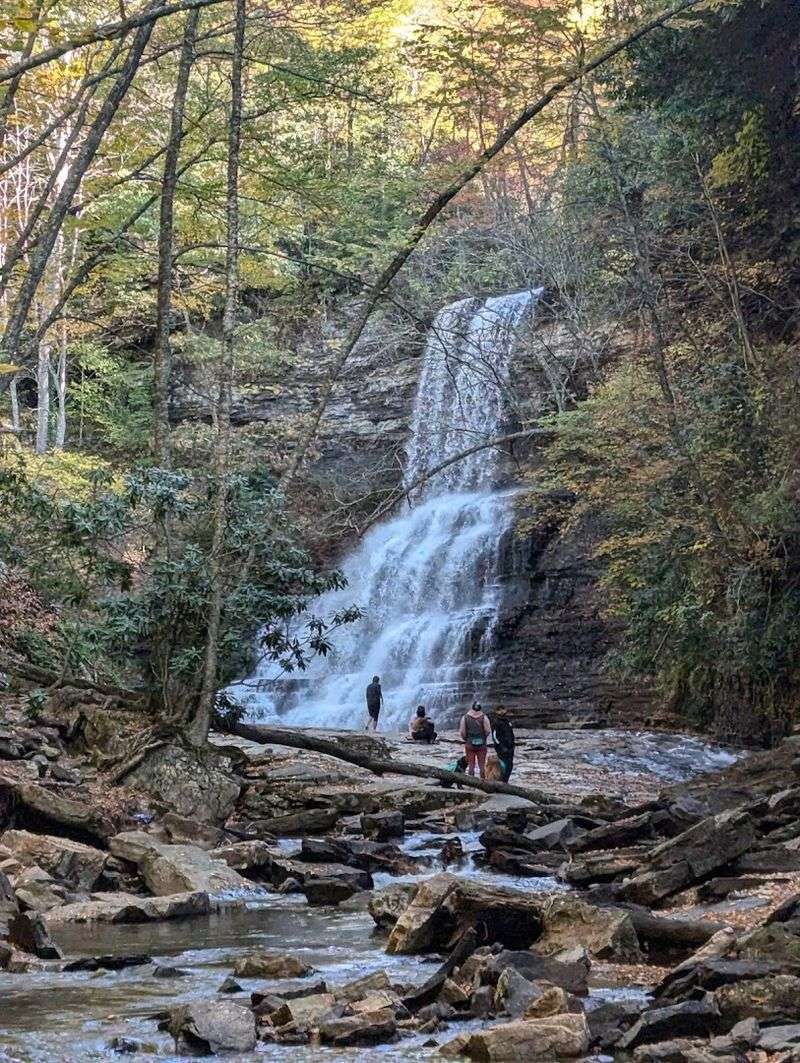
Spring and autumn tend to draw the strongest reactions from hikers at Cascade Falls. Spring brings higher water levels, which means the waterfall runs at full force and the creek along the Lower Trail turns into a continuous series of rushing cascades.
The forest is lush and green, and the air is cool without being cold.
Autumn transforms the trail with color. The deciduous trees along both routes shift through gold, orange, and deep red, and the contrast against the dark rock of the falls is genuinely striking.
Leaf coverage on the trail does require extra caution since it hides rocks and uneven ground beneath a deceptively smooth surface.
Summer visits are popular but come with crowds and heat. Arriving early on summer mornings gives you the best chance of a quieter experience.
Winter hikes are possible on dry days, but ice on the rocks near the creek makes the Lower Trail significantly more dangerous in freezing temperatures.
Photography Opportunities Along the Way
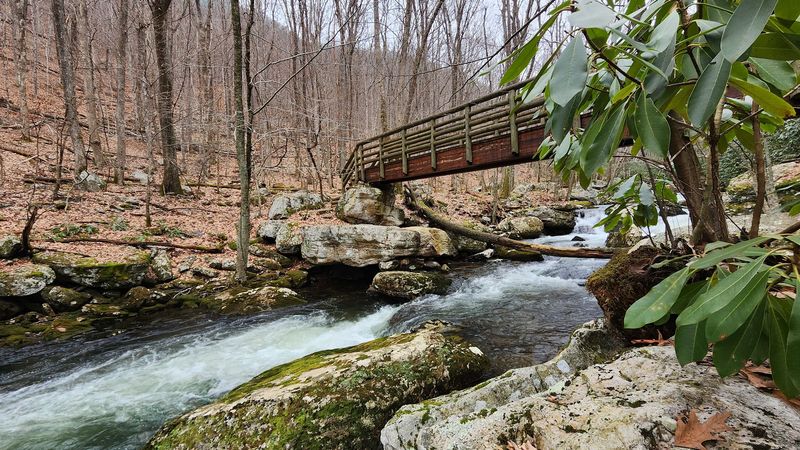
The Lower Trail is essentially a two-mile photography session with a grand finale at the end. From the first steps past the trailhead, the combination of moving water, textured rock, and dense forest creates conditions that reward anyone with a camera, whether it is a professional setup or a smartphone.
The moss-covered boulders along the creek are particularly photogenic in soft morning light, when the shadows are long and the greens are saturated. Wooden bridges over the stream offer elevated angles that frame the water rushing beneath.
The gorge walls create natural depth that makes wide shots feel cinematic.
At the falls themselves, the mist and the height of the drop give photographers a lot to work with. Long exposure shots of the falling water look especially dramatic here.
Many visitors spend as much time photographing the trail as they do actually hiking it, and nobody seems to mind the slower pace.
Trail Etiquette and Leave No Trace Principles
The trail’s natural beauty depends entirely on how visitors treat it, and that responsibility falls on every single person who shows up. Trash left along the path or near the waterfall pool is one of the few genuine complaints that surfaces about this otherwise outstanding destination.
The issue is avoidable and entirely within each hiker’s control.
Pack out everything you bring in. That means snack wrappers, water bottles, and anything else that did not exist on the trail before you arrived.
The creek and the pool at the base of the falls are particularly sensitive areas where litter has an outsized impact on the experience for everyone who follows.
Staying on the marked trail protects both the vegetation and your own safety. Cutting corners near the creek or the falls can damage fragile plant life and increase erosion.
The trail is well-marked and easy to follow, so there is really no reason to wander off the established path.
Why This Trail Keeps Drawing Hikers Back
Most trails offer one or two memorable moments. This one strings them together from start to finish, which explains why so many people who complete the loop immediately start planning a return visit.
The combination of a dramatic creek, a well-designed trail system, and a spectacular waterfall finale is hard to beat anywhere in the state.
The accessibility of the experience matters too. A four-mile round trip with manageable elevation gain means a wide range of hikers can complete it without it feeling like a sufferfest.
The trail rewards effort without punishing beginners, which is a balance that not every trail manages to strike.
There is also something genuinely restorative about the setting. The sound of the creek, the cool air near the falls, and the scale of the surrounding gorge create a sense of quiet that is increasingly hard to find.
That feeling is ultimately what keeps bringing people back to Cascade Falls.
Share this story