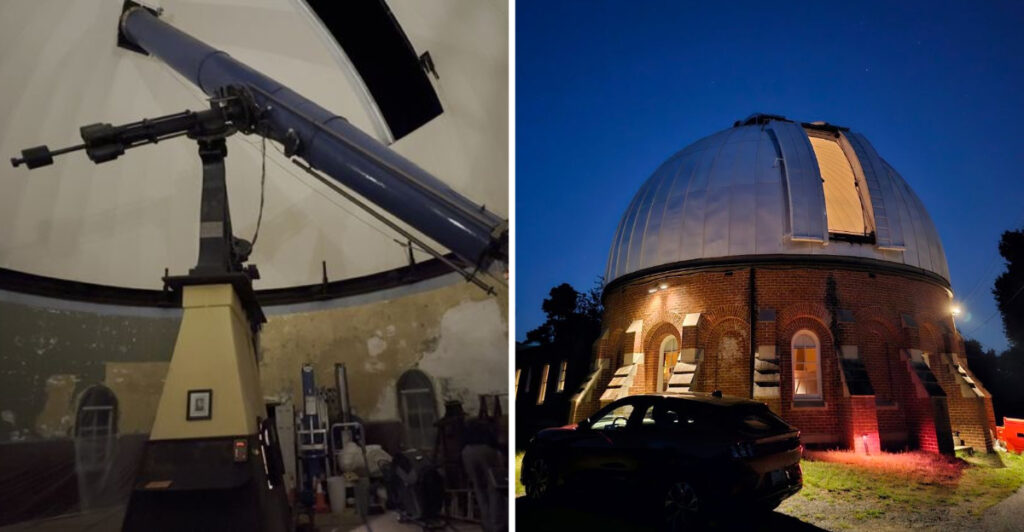
There is a place in Virginia where you can press your eye against a telescope that has been pointing at the stars for over 140 years, and the view has not gotten old. Most people drive right past the wooded hillside where this historic observatory sits, never realizing that a free public night under the stars is waiting for them every other Friday.
University astronomers lead the evening, sharing knowledge that turns a simple night out into something genuinely memorable. Once you know this place exists, it is very hard not to plan a visit.
A Telescope That Has Watched the Sky Since the 1880s
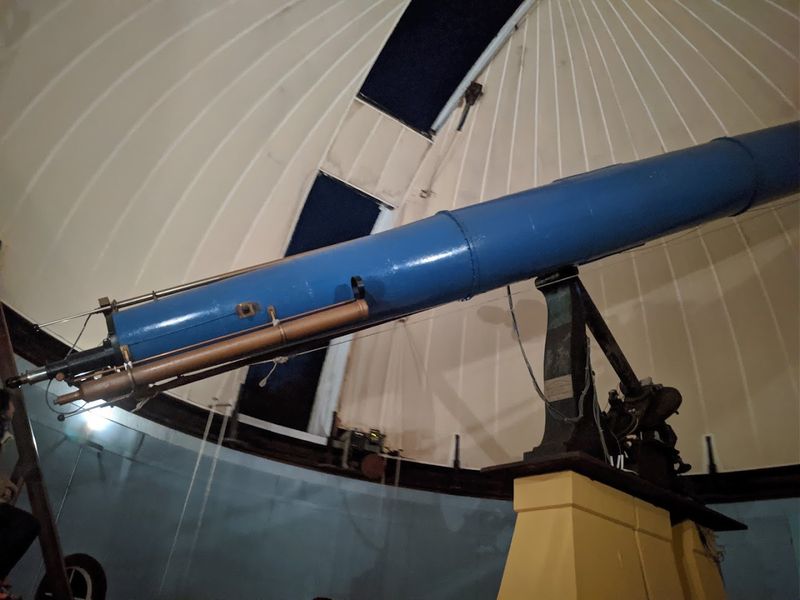
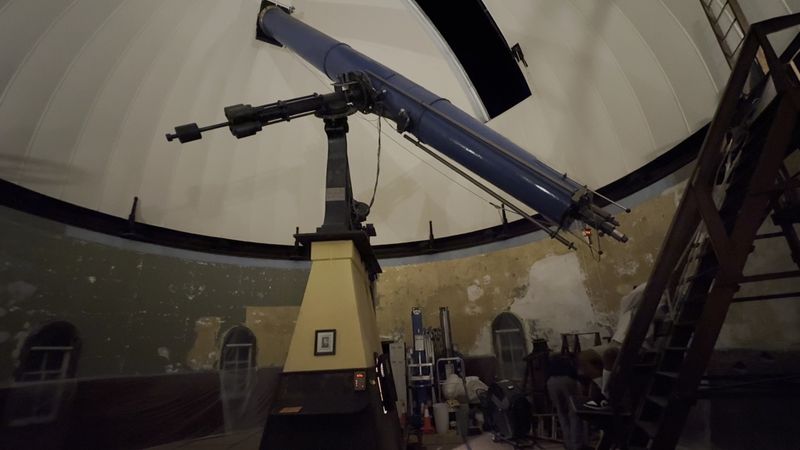
Some telescopes sit in museums behind velvet ropes. The 26-inch refractor at Leander McCormick Observatory actually still works, and on public nights, you get to look through it yourself.
That alone makes this place stand apart from almost anywhere else in Virginia.
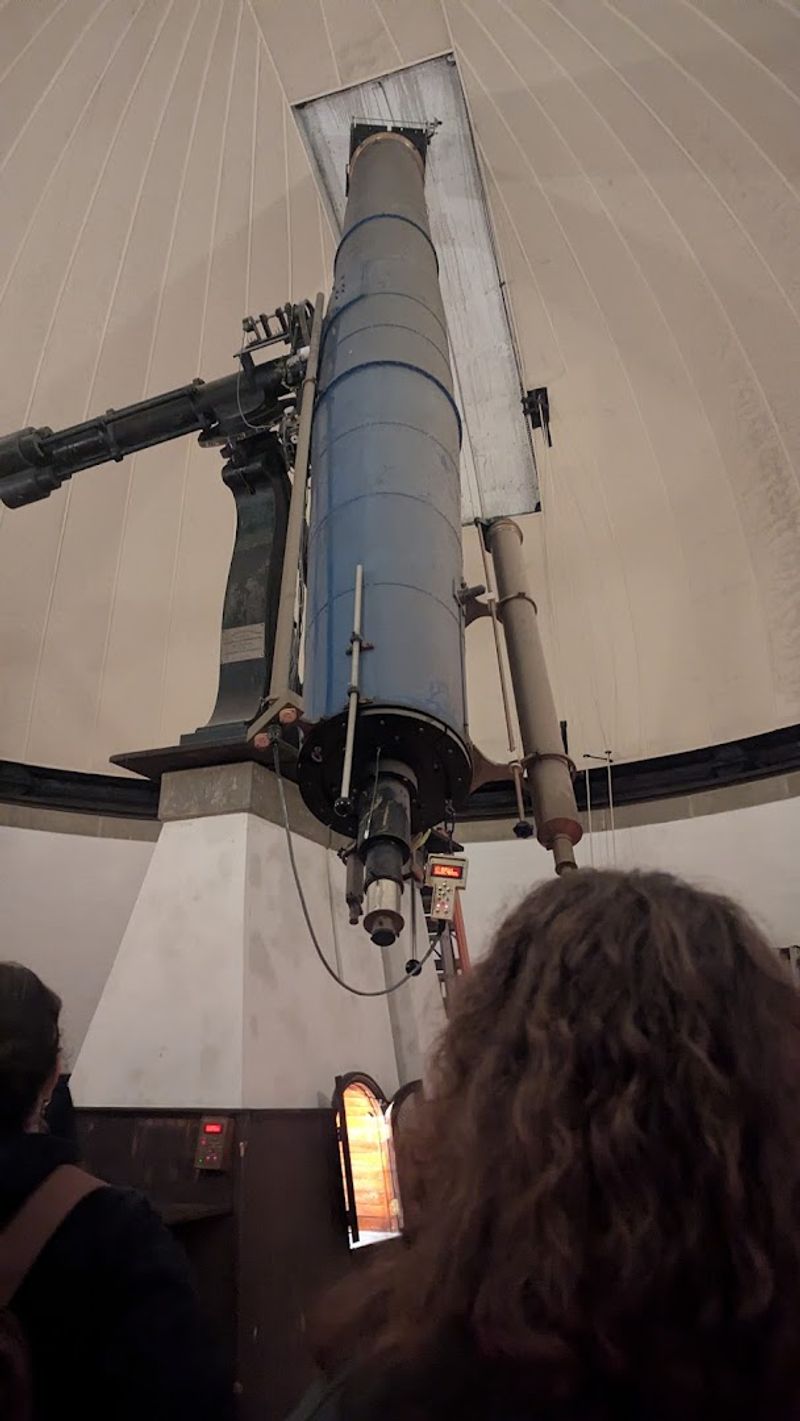
The telescope was completed in 1885, making it well over 140 years old. It remains one of the largest refractor telescopes in the eastern United States that is still regularly used for public viewing.
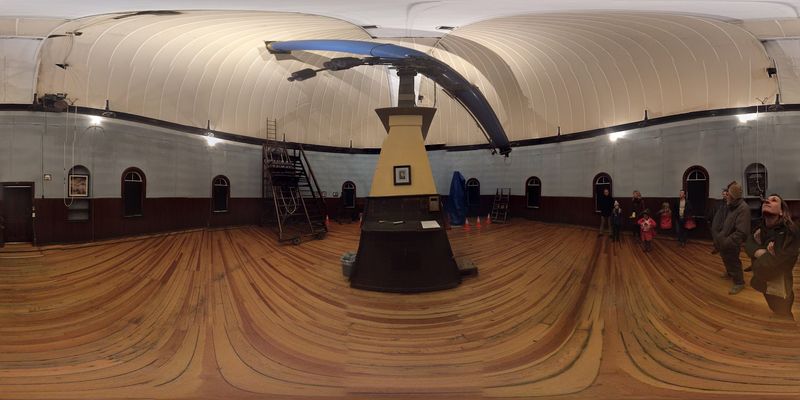
The sheer size of it is striking when you first walk into the dome.
What makes the experience feel special is knowing that generations of astronomers and curious visitors before you looked through the same eyepiece at the same sky. The telescope has outlasted entire eras of technology, and it still delivers a breathtaking view of the moon, planets, and deep-sky objects on clear nights.
Where the Observatory Is Located and How to Find It
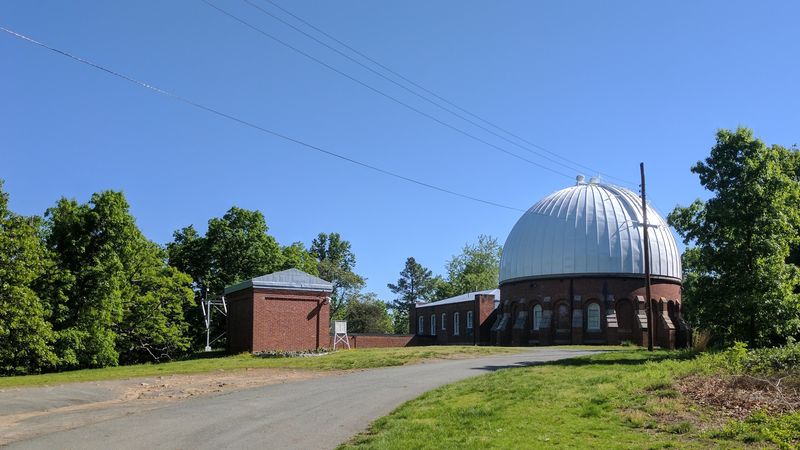
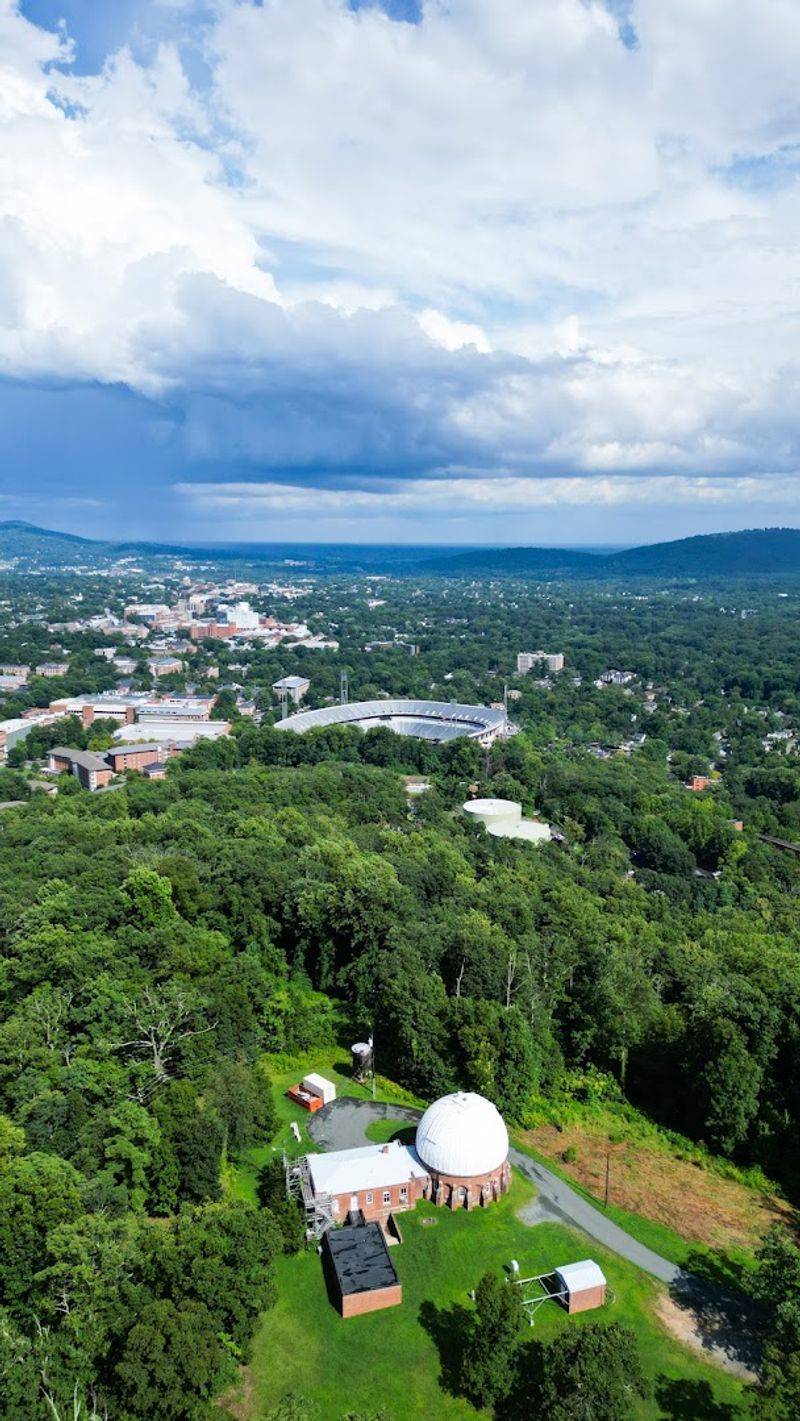
Leander McCormick Observatory is located at 530 McCormick Rd, Charlottesville, VA 22904, on the grounds of the University of Virginia. The observatory sits atop Mount Jefferson, a modest wooded hill on the western edge of the UVA campus.
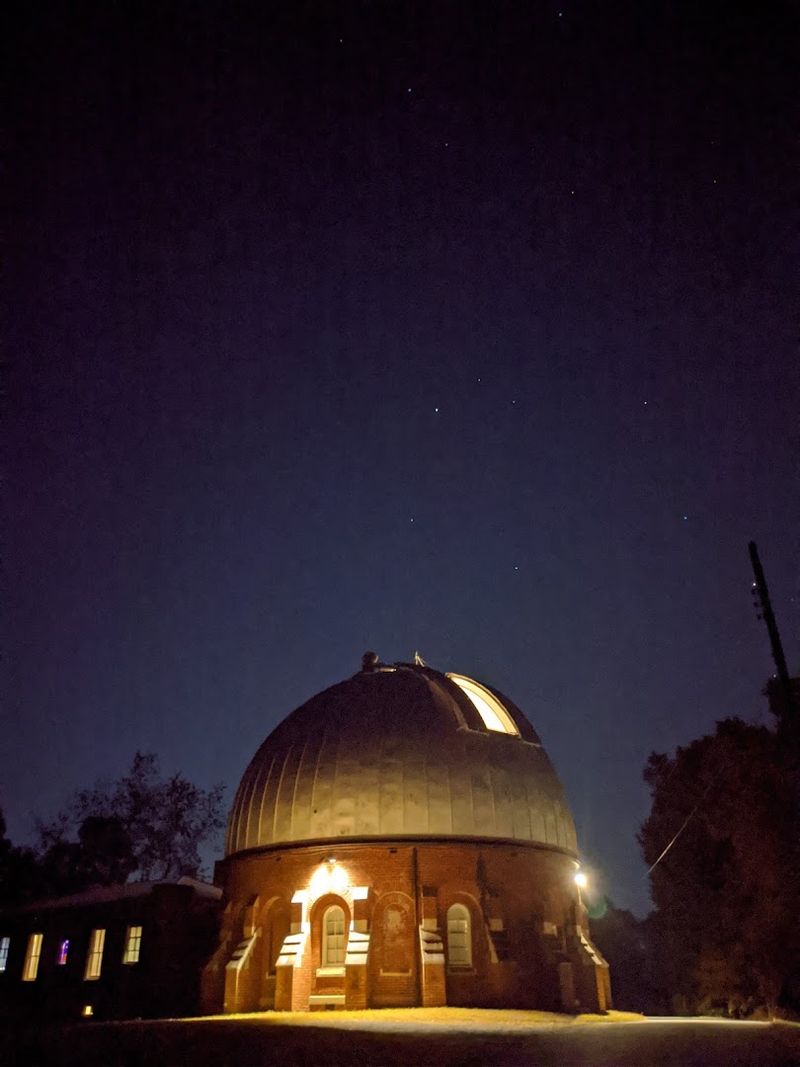
Getting there requires a short drive up a winding road, and the approach through the trees gives the whole experience a sense of quiet anticipation. The building itself comes into view gradually, and the dome rising above the treeline is genuinely striking against the evening sky.
Parking is available nearby, and the walk to the main entrance is short. The setting feels removed from the bustle of downtown Charlottesville even though the city is just minutes away.
That separation from city lights, even partial, makes a real difference when the telescope dome opens and the night sky comes into focus above you.
The Story Behind the Man Who Funded It All
Leander McCormick was the brother of Cyrus McCormick, the inventor of the mechanical reaper. Leander made his fortune through the family farm equipment business and later became a significant philanthropist.
His decision to fund an observatory at the University of Virginia left a legacy that has lasted well over a century.
He donated the 26-inch lens, which was ground in Paris, to the University of Virginia in the 1870s. The observatory bearing his name was formally dedicated in 1885.
At the time, it was one of the most powerful telescopes in the country.
The McCormick name is better known today for farm machinery, but Leander’s contribution to American astronomy deserves far more recognition than it typically receives. His gift gave generations of students, researchers, and curious visitors a window into the universe that continues to function exactly as intended.
Public Nights and What to Expect When You Arrive
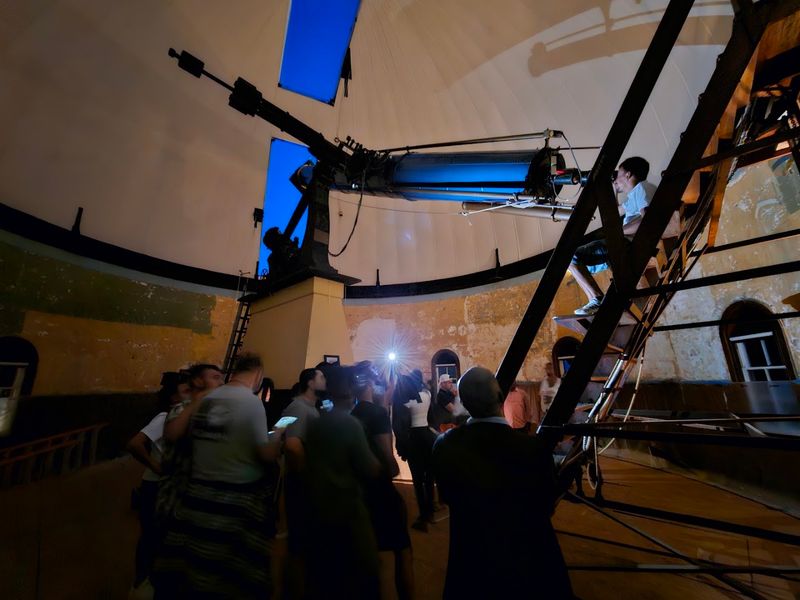
Public Nights at McCormick Observatory are held on the first and third Friday of each month. The observatory opens at 7 PM, and the evening typically runs until 11 PM.
Admission is free, which makes this one of the most accessible astronomy experiences anywhere in the mid-Atlantic region.
The format is relaxed and genuinely welcoming. Visitors gather for a lecture given by a faculty member or graduate student from the UVA Department of Astronomy.
After the talk, the group moves to the telescope dome for the actual viewing portion of the evening.
The crowd tends to be a mix of families, students, couples, and longtime astronomy enthusiasts. There is no pressure to know anything about stars before you arrive.
The staff make the science approachable without talking down to anyone, which keeps the atmosphere comfortable for visitors of all ages and backgrounds.
The Lecture That Sets the Tone for the Night
Before anyone looks through the telescope, the evening begins with a talk. UVA astronomy professors and graduate students take turns presenting, and the topics change regularly.
Past presentations have covered everything from planetary science to the life cycles of stars to recent discoveries in deep space research.
The lectures are pitched at a general audience, meaning you do not need a science background to follow along. The professors tend to bring real enthusiasm to the material, and that energy is contagious.
By the time the talk wraps up, even people who arrived without much interest in astronomy find themselves genuinely curious about what the telescope might reveal.
On cloudy nights when viewing is not possible, the lecture becomes the main event, and it holds up well on its own. The combination of an expert speaker, a historic setting, and a sky full of potential makes this a Friday night worth rearranging your schedule for.
What the 26-Inch Refractor Actually Reveals
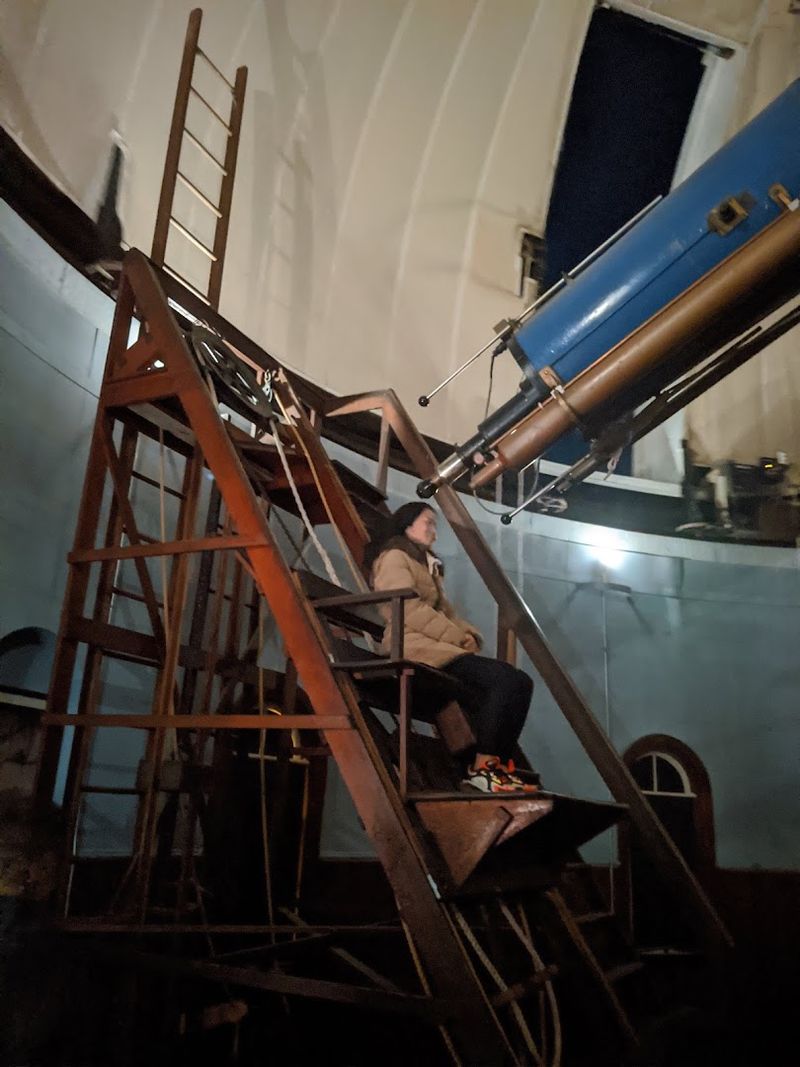
The moon is the crowd favorite on clear nights. Through the 26-inch refractor, the lunar surface appears in extraordinary detail.
Craters, mountain ranges, and the dark plains known as maria come into sharp focus in a way that photographs simply cannot replicate when you are the one actually looking.
Planets are equally impressive. Saturn’s rings appear distinct and three-dimensional, and Jupiter’s cloud bands are visible along with its largest moons.
Depending on the time of year and what is positioned well in the sky, the telescope operator will choose the best targets for the evening.
Deep-sky objects like star clusters and nebulae are also possible targets on nights with good seeing conditions. The experience of looking through a functioning 19th-century instrument at objects millions of light-years away creates a sense of scale that is hard to put into words but very easy to feel.
Why Cloudy Nights Are Still Worth Attending
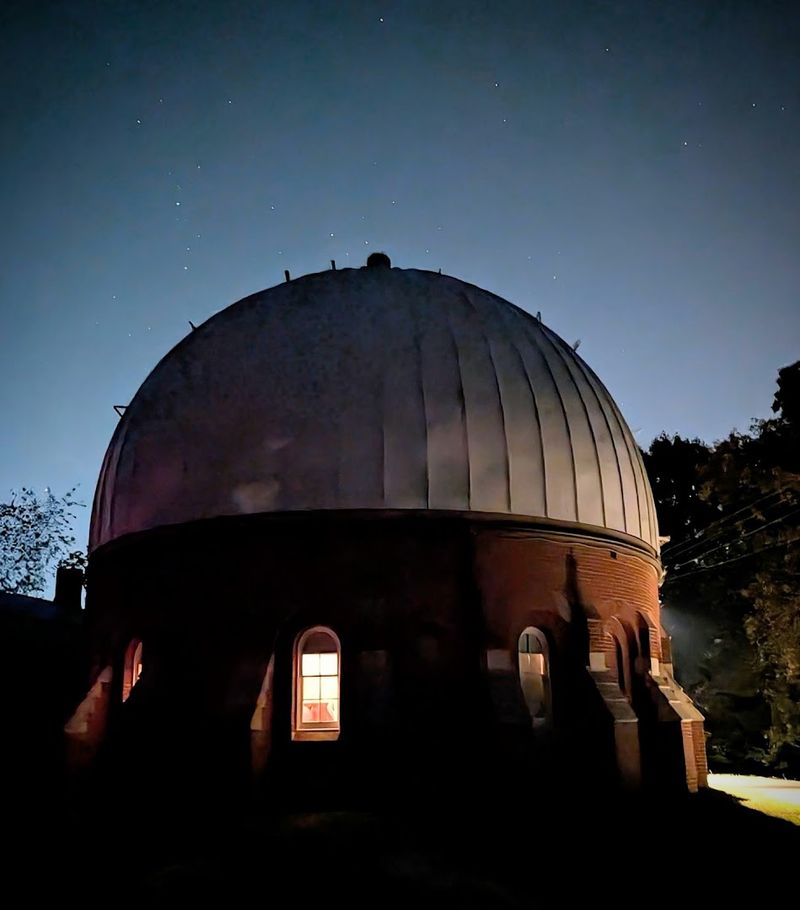
Not every Friday brings a clear sky over Charlottesville. Cloud cover is a real possibility in Virginia, and it does occasionally block the telescope view entirely.
Even so, the observatory does not cancel Public Nights due to clouds, and the evening remains worthwhile.
The lecture portion of the program carries the night when the dome stays closed. The talks are substantive enough to stand alone, and the historic building itself is worth experiencing regardless of weather.
Walking through a working 19th-century observatory, surrounded by original equipment and architecture, has its own distinct appeal.
There is also something quietly charming about a group of people gathered on a hilltop, hoping the clouds will break before the night ends. Sometimes they do.
Sometimes they do not. Either way, the atmosphere is warm and the conversation flows easily among visitors who all showed up for the same reason.
The Architecture and Setting of the Observatory Building
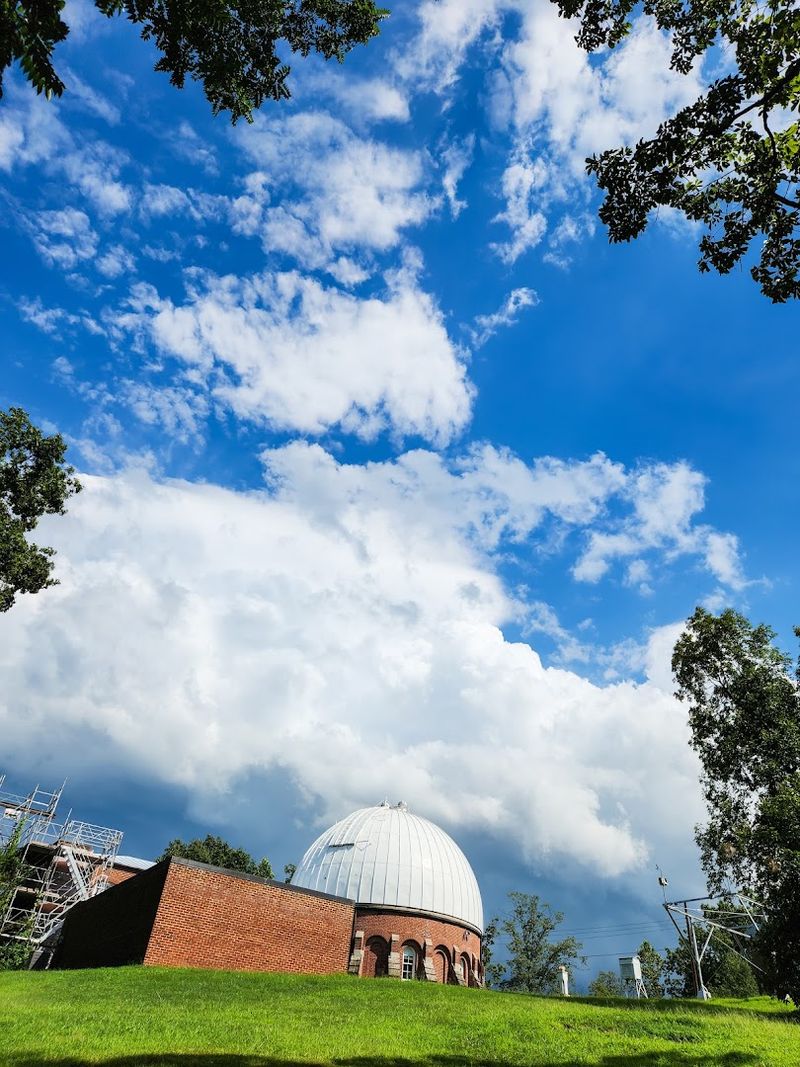
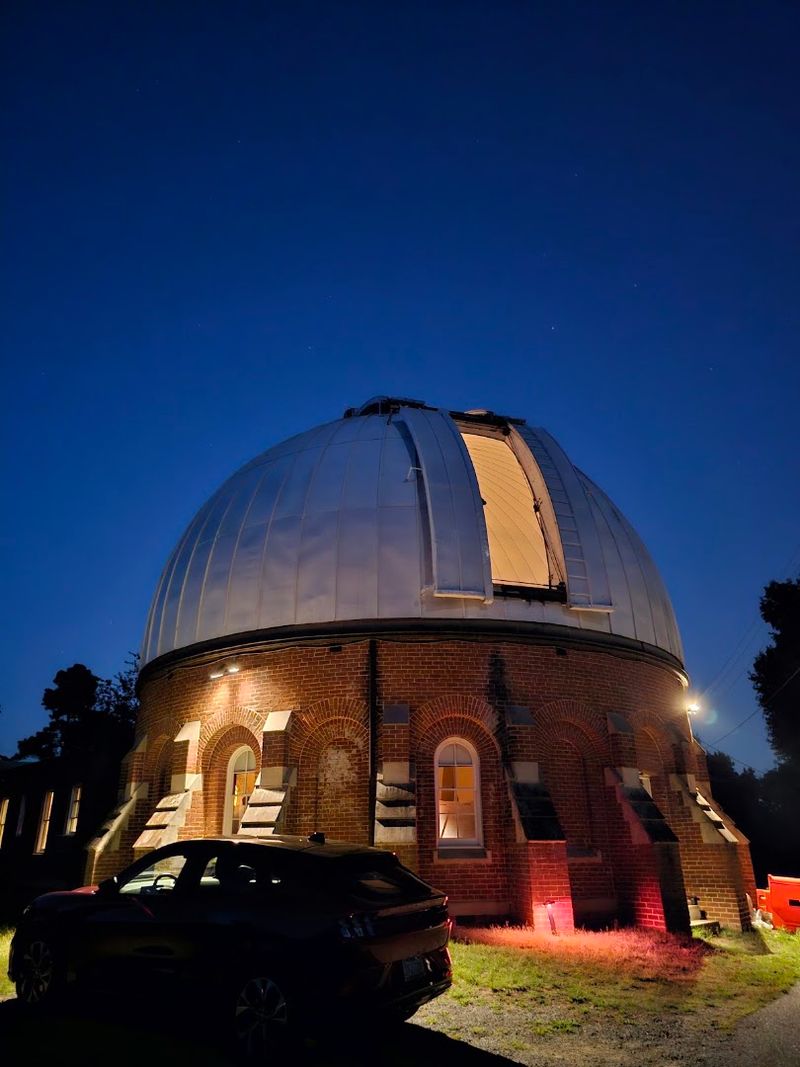
The observatory building itself is a piece of architectural history. The main structure is built in a style that reflects late 19th-century academic design, with brick construction and a rotunda dome that has become a recognizable landmark on the UVA campus.
The dome mechanism is original and still operates as intended. Watching it rotate and open to reveal the telescope pointed at the sky is one of those small moments that carries an outsized sense of wonder.
The mechanical systems feel alive in a way that modern automated observatories simply do not.
The hilltop setting adds to the overall atmosphere. Trees surround the approach road, and the grounds feel quiet and removed from the surrounding city.
At night, with the dome lit from within and stars visible above the treeline, the scene has a quality that feels genuinely cinematic without trying to be.
How This Observatory Connects to UVA’s Astronomy Department
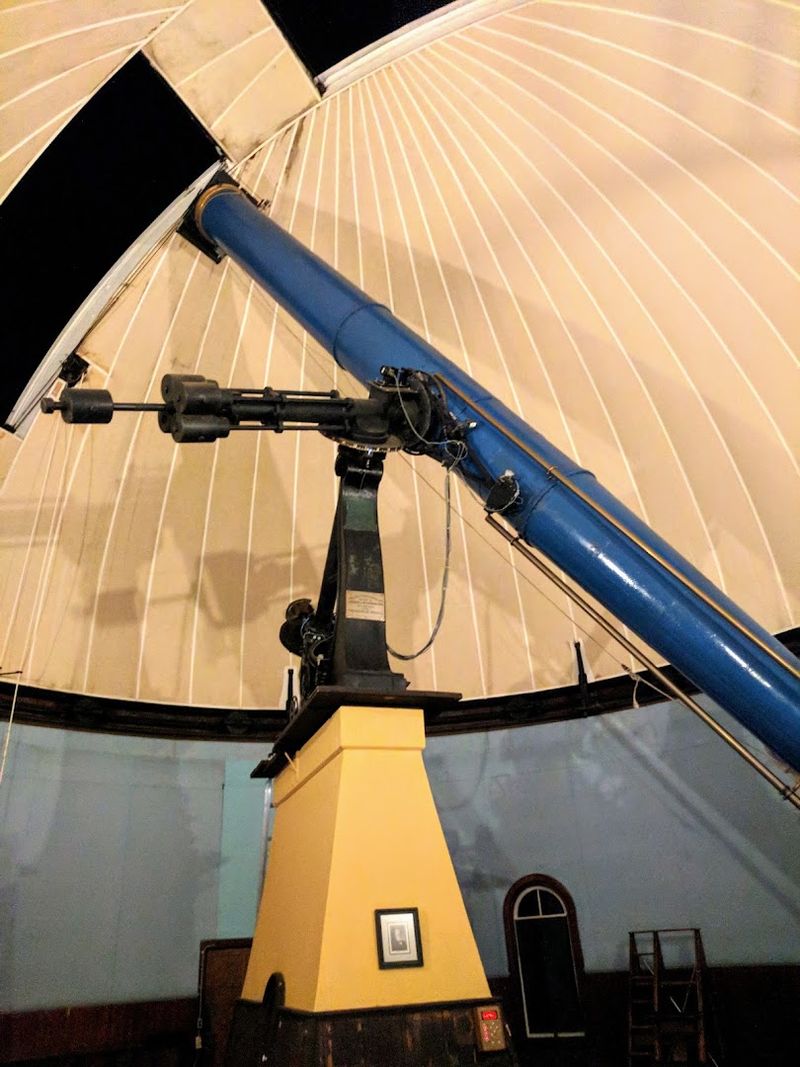
Leander McCormick Observatory is an active part of the University of Virginia’s Department of Astronomy. It is not a preserved relic sitting idle between public tours.
Researchers and students use the facility as part of their ongoing academic work, which gives the public nights a sense of authenticity that purely tourist-oriented venues rarely match.
The connection between the observatory and the university means visitors are hearing from people who actually work in astronomy professionally. The graduate students who sometimes lead tours and operate the telescope are in the middle of their own research careers, and that perspective makes the evening feel current and alive.
UVA has a long history in astronomical research, and McCormick Observatory has been part of that tradition since the 1880s. Being on the same hill where serious science has been conducted for generations gives the public night experience a layer of meaning that goes beyond simple sightseeing.
Reservations, Scheduling, and What to Know Before You Go
Planning ahead is important if you want to attend a Public Night at McCormick Observatory. Some events require advance reservations while others operate on a walk-in basis, so checking the official website before your visit is a smart first step.
The website for the UVA Department of Astronomy outlines current scheduling details and any special event information.
Public Nights run on the first and third Friday of each month starting at 7 PM. The program is free, which removes the usual financial barrier that keeps people from trying something new.
That said, popular nights can fill up quickly, especially during events tied to notable astronomical events like eclipses or planetary oppositions.
Dressing for the weather matters more than most visitors expect. The hilltop location gets breezy at night, and standing outside during the viewing portion of the evening can feel noticeably cooler than the surrounding area.
A light jacket is always a good idea.
What Makes This Different From a Modern Planetarium
A modern planetarium projects artificial stars onto a domed ceiling. McCormick Observatory shows you the actual sky through an instrument that has been doing exactly that since 1885.
The difference in experience is significant and worth understanding before you decide which type of outing appeals to you.
There is no simulation involved at McCormick. What you see through the eyepiece is real light that has traveled across the solar system or across the galaxy to reach that lens on that specific night.
That is a fundamentally different kind of experience than watching a digital recreation, no matter how polished.
The historic character of the telescope adds another layer that no modern facility can replicate. Looking through equipment that astronomers used more than a century ago creates a connection to the history of science that feels tangible rather than theoretical.
It is a rare combination of genuine history and genuine discovery happening in the same moment.
Nearby Charlottesville and Making a Full Evening of It
Charlottesville is a genuinely enjoyable city to spend time in before or after a visit to the observatory. The Downtown Mall is a pedestrian-friendly stretch of restaurants, cafes, and shops that makes for an easy pre-observatory dinner stop.
The area has a relaxed energy that fits well with the kind of low-key, curious crowd that tends to show up for Public Nights.
The University of Virginia grounds are worth exploring on their own, particularly the historic Lawn designed by Thomas Jefferson. Spending an afternoon on campus before heading up to the observatory in the evening turns the trip into a full day rather than just a Friday night outing.
Charlottesville sits in the foothills of the Blue Ridge Mountains, and the surrounding area offers scenic drives and outdoor spaces that pair naturally with a visit to a hilltop observatory. The region rewards visitors who take their time and look around.
Why This Observatory Deserves Far More Attention Than It Gets
Free public access to a fully functioning telescope that is more than 140 years old is genuinely rare. Most historic instruments of this caliber end up in museum collections where they can be admired but never actually used.
McCormick Observatory has managed to stay operational, publicly accessible, and educationally active all at once, which is a remarkable combination.
The fact that UVA astronomy faculty personally lead the public nights rather than delegating to volunteer docents keeps the quality of the experience high. You are getting real scientific expertise presented in an approachable format, completely free of charge, on a historic hilltop in central Virginia.
Word about this place spreads slowly, which means crowds are manageable and the atmosphere stays intimate. That may change as more people discover it, so visiting sooner rather than later gives you the best chance of experiencing it the way it has always been, quiet, genuine, and quietly extraordinary.
Share this story