There is a place along US Highway 2 in Monroe, Washington, where a two-headed turtle lives in the same building as a pair of otters named Coconut, Oatmeal, and Ron. The building has a history that reptile fans in the Pacific Northwest already know well, but the story unfolding inside right now is something entirely different.
New animals, new enclosures, and hands-on encounters that visitors are not expecting make this spot worth pulling off the highway for. Whether you have kids in the backseat or you are just the kind of person who stops for a sign that says albino alligator, this place has something worth your time.
The Reptile Collection That Started It All
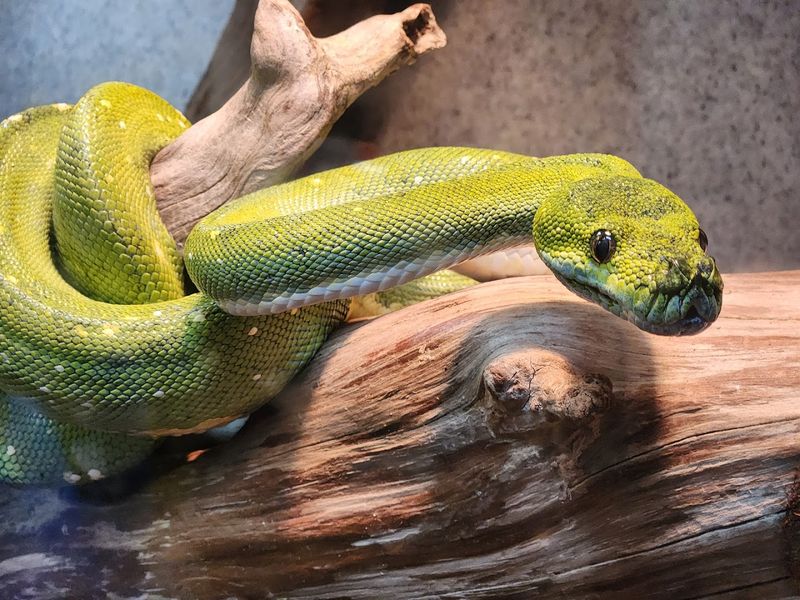
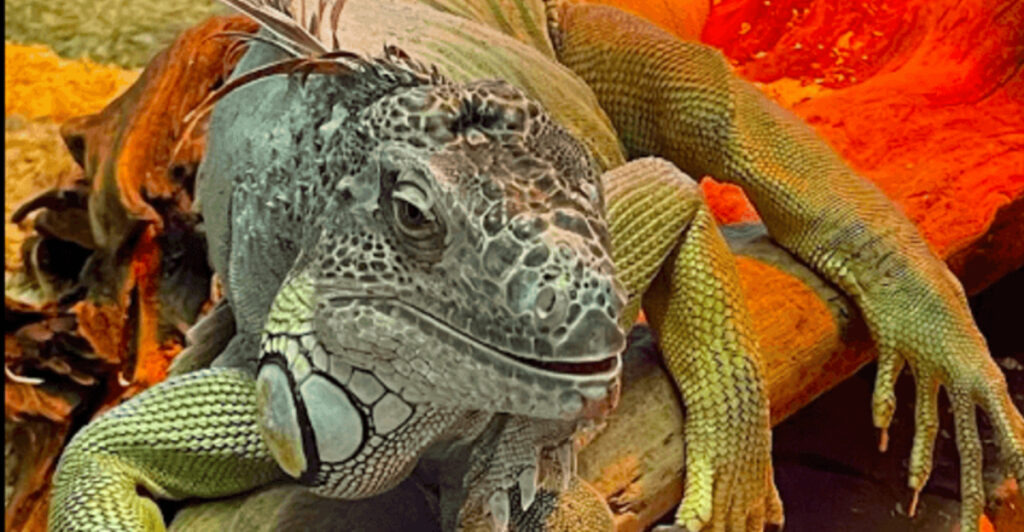
Long before the otters arrived, this place was all about reptiles, and that foundation is very much still intact. The collection includes snakes, monitor lizards, alligators, crocodiles, and some species that most people have never seen outside of a nature documentary.
Past visitors mentioned spotting a black mamba and a king cobra during earlier visits, which gives you a sense of just how serious the reptile inventory has been over the years. The enclosures are kept warm, which is exactly what cold-blooded animals need, so dress accordingly if you visit on a cool Washington day.
One visitor who stopped on a road trip noted a rescued individual named Markus, born in 1970, who was still living comfortably at the center. Animals like Markus represent the rescue-focused heart of the collection.
The reptile rooms are described as a maze of enclosures, each clean and well-maintained, with animals that are easy to observe up close.
That Two-Headed Turtle Is Exactly What You Think It Is
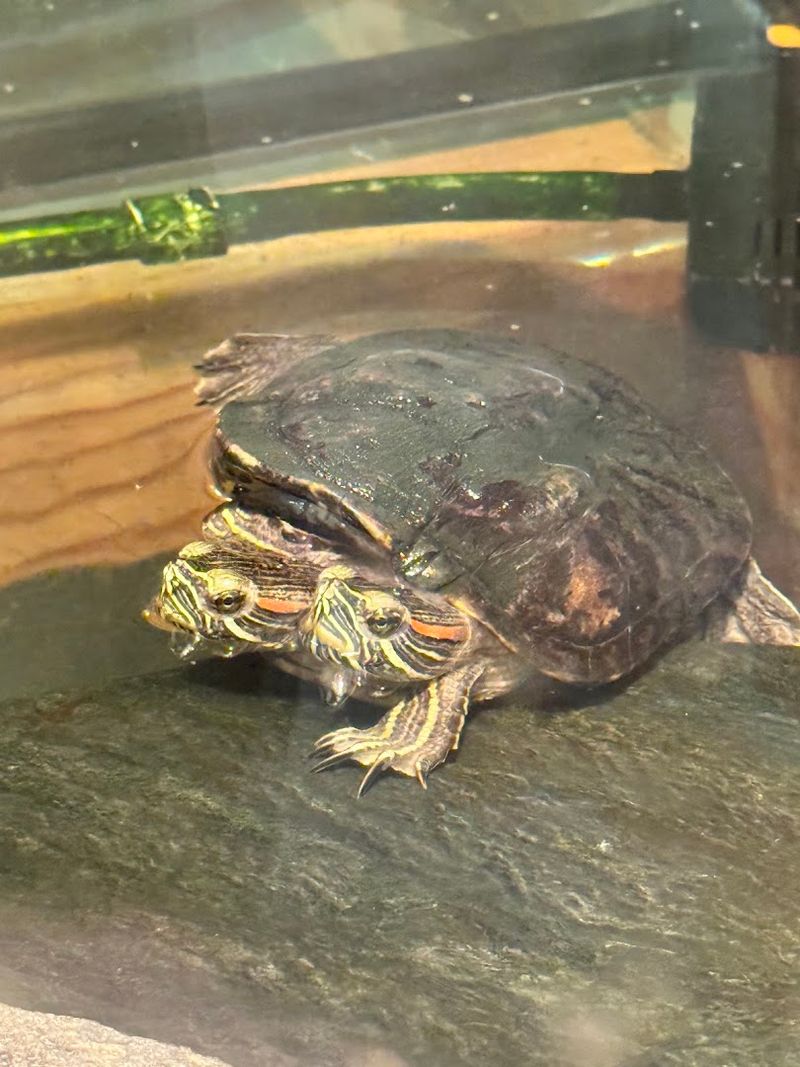
Some attractions do not need much explanation, and a two-headed turtle is one of them. The center lists it directly in their description as one of the signature animals, and visitors who have seen it tend to remember it as one of the more surreal moments of their visit.
Two-headed turtles, known scientifically as bicephalic turtles, are extremely rare. They occur because of a split during early embryonic development, similar to conjoined twins in other species.
Most do not survive long in the wild, which makes seeing one in a controlled, well-cared-for environment genuinely unusual.
The center keeps the turtle as part of the broader reptile collection, so it sits alongside other animals rather than being isolated as a sideshow. That approach feels consistent with how the staff treats all their animals, as individuals worth knowing rather than curiosities to be gawked at.
For kids especially, this one tends to generate a lot of questions, which the knowledgeable staff are happy to answer.
The Albino Alligator Deserves Its Own Moment
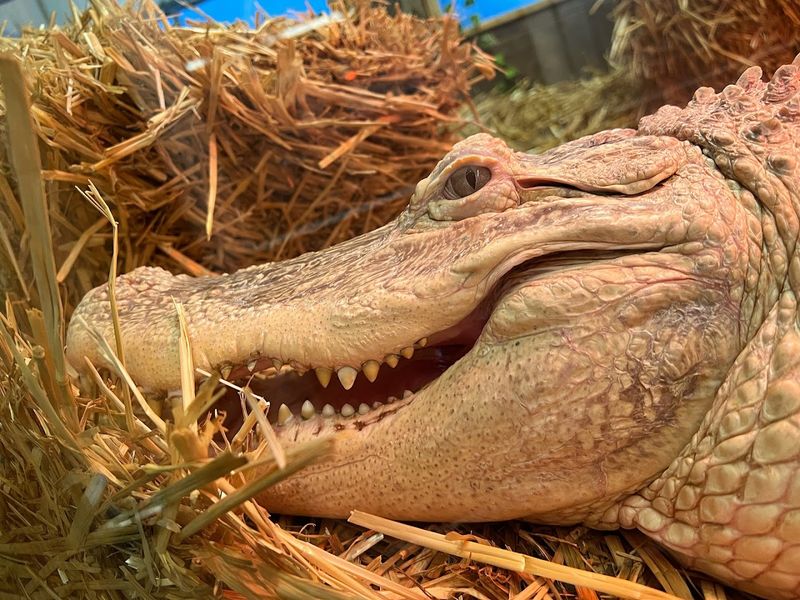
Albino alligators are so rare that only a small number are known to exist in the entire world. The condition results from a lack of melanin, giving them white or pale yellow skin and pink or red eyes.
Most do not survive in the wild because they lack the camouflage that normal alligators rely on.
Monroe Wildlife Center has one, and that alone is worth noting. Seeing an albino alligator up close in a setting where the staff can actually tell you about its biology and behavior is a different experience than reading about them online.
The center also has standard alligators and crocodiles, so visitors get a sense of scale and comparison. Earlier reviews noted that some of the crocodile enclosures were on the smaller side, but the new ownership has been actively building out larger outdoor spaces for many of the animals.
The construction is ongoing, which means each visit may show something new taking shape since your last trip.
Snake Handling Is Still Part Of The Experience
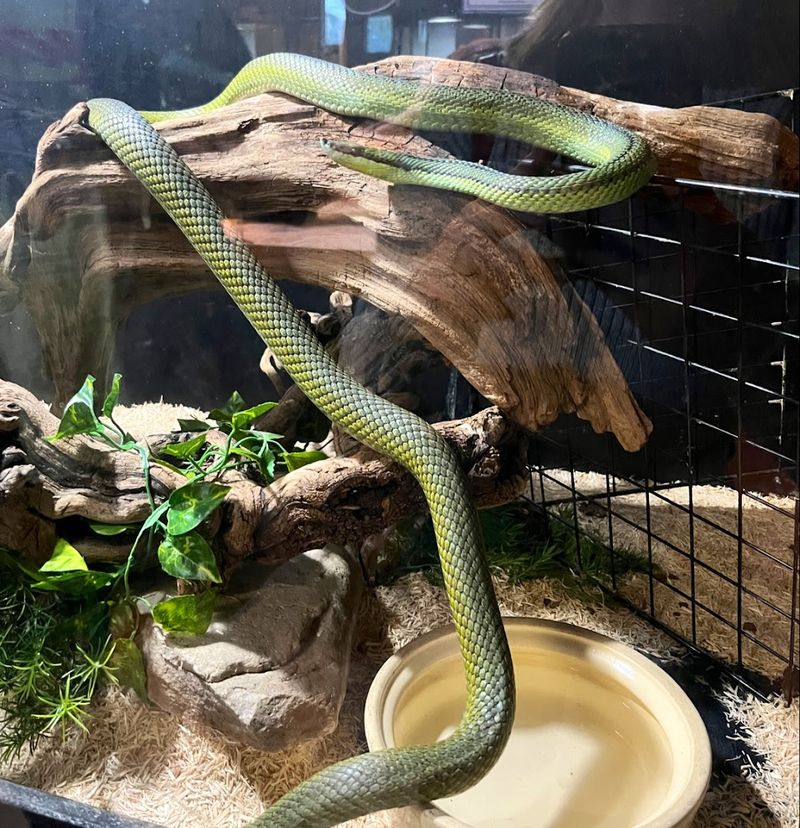
One of the things that set the original Reptile Zoo apart from other small zoos was the hands-on approach to snakes, and that tradition carries forward. Visitors can handle snakes during their visit, with staff guiding the experience and providing information about each species.
For people who have never touched a snake before, this tends to be a memorable moment. The sensation is often described as surprising, since snake scales feel dry and smooth rather than slimy, which is a common misconception.
The center has a wide variety of snake species, from ball pythons to larger constrictors. Staff members who manage the snake encounters are described in reviews as knowledgeable and calm, which helps nervous first-timers feel comfortable enough to actually participate.
The Staff Brings The Whole Place To Life
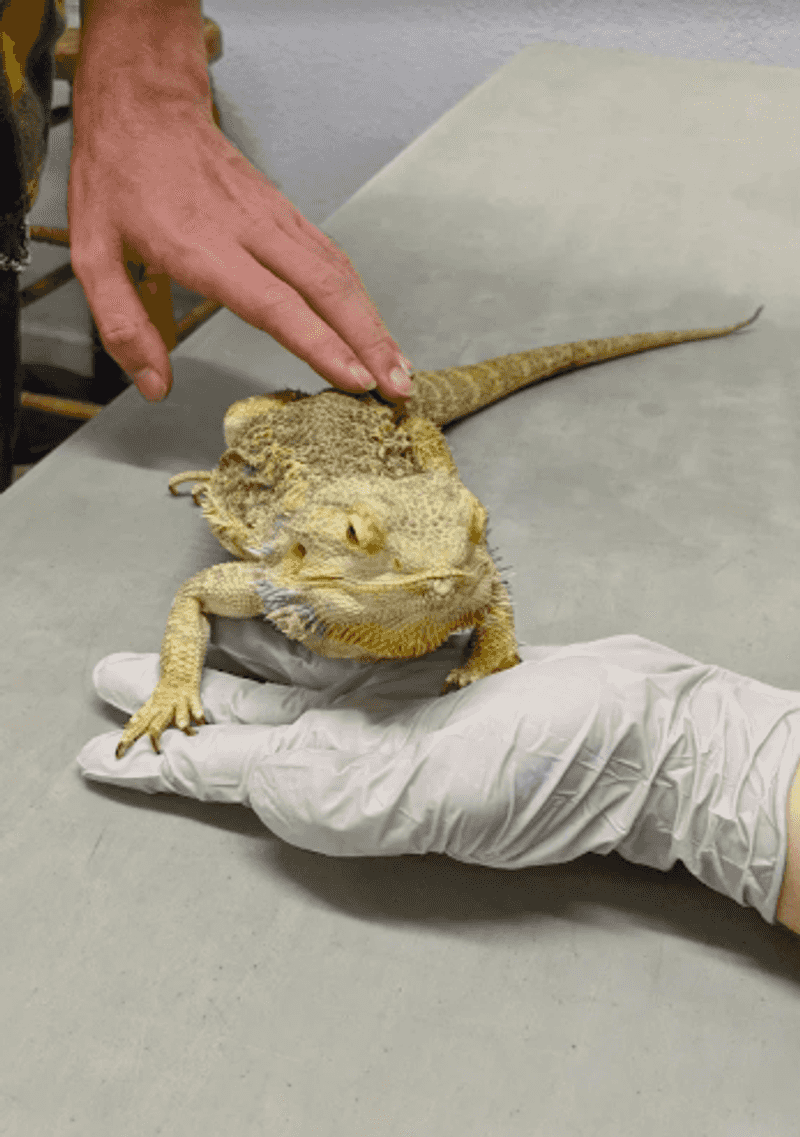
A staff member named Amy, who came to Monroe Wildlife Center with background experience from a zoo in Oklahoma, greeted visitors and introduced them to a baby crocodile during one recent visit. That kind of personal detail shows up across reviews and says a lot about how the team operates.
The staff here are not just employees standing near enclosures. They are people who clearly know the animals individually, talk about them with genuine enthusiasm, and adjust their explanations based on who they are speaking with, whether that is a curious toddler or an adult with specific questions.
Multiple reviews highlight staff members by name, which is unusual and tells you something about how much of an impression they leave. Amber was mentioned specifically for giving an unforgettable guided tour of the animals.
For families with young children, having staff who are both approachable and well-informed makes a real difference in how much kids actually take away from the visit.
What A Visit Actually Looks Like From Start To Finish
General admission tickets run around $10 for kids and $20 for adults based on what visitors have reported, making this one of the more affordable animal experiences in the region. The center is open Thursday through Monday from 11 AM to 5 PM, and closed Tuesday and Friday, so checking the schedule before you go is worth the two minutes it takes.
Most families spend between 40 minutes and an hour inside, though kids who want to linger at every enclosure can easily stretch that. The space is described as compact but dense with animals, meaning there is more to see than the square footage might suggest.
Tickets can be purchased in advance online, and at least one visitor noted no wait time even with a pre-booked group. The center’s phone number is 425-219-8901 if you want to call ahead about specific experiences or group visits.
Wear short sleeves. The reptile areas are kept warm, and most people are surprised by how quickly they heat up inside.
The Outdoor Expansion Changes What Is Possible Here
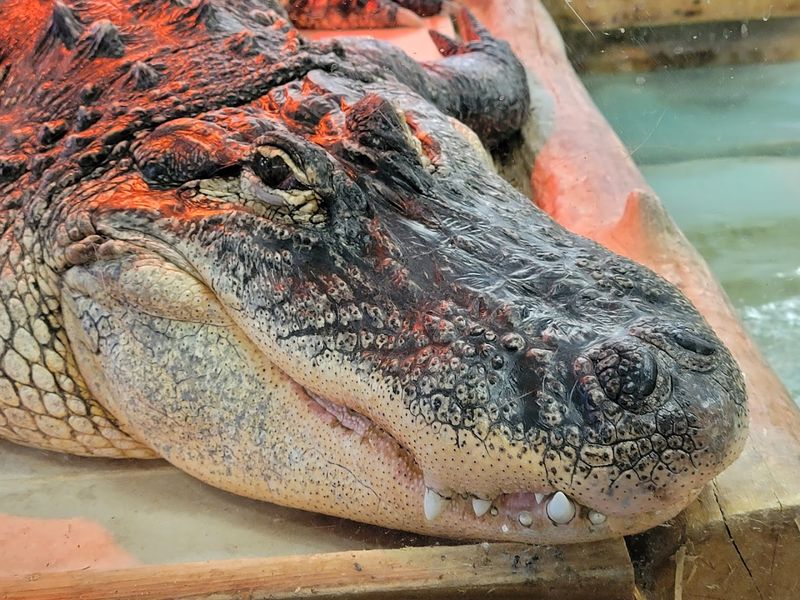
The current ownership is not just maintaining what was here before. They are actively building outward, creating outdoor spaces for animals that benefit from more room to move.
This is one of the most consistent themes across recent reviews, and it signals that the center is in a growth phase rather than a holding pattern.
Several visitors noted ongoing construction during their visit, with new enclosures taking shape alongside the existing indoor areas. The fact that reviewers mention this as a positive rather than a disruption says something about how the changes are being communicated and managed on the ground.
For animals like the capybaras and otters, outdoor space allows for more natural behavior and gives visitors a different kind of viewing experience than an indoor enclosure provides. The center appears to be working toward a model where animals have access to both indoor and outdoor environments.
Visitors who come back in six months may find a noticeably different layout than what exists today, which makes repeat visits genuinely worthwhile.
Planning Your Visit Around Feeding Times Changes Everything
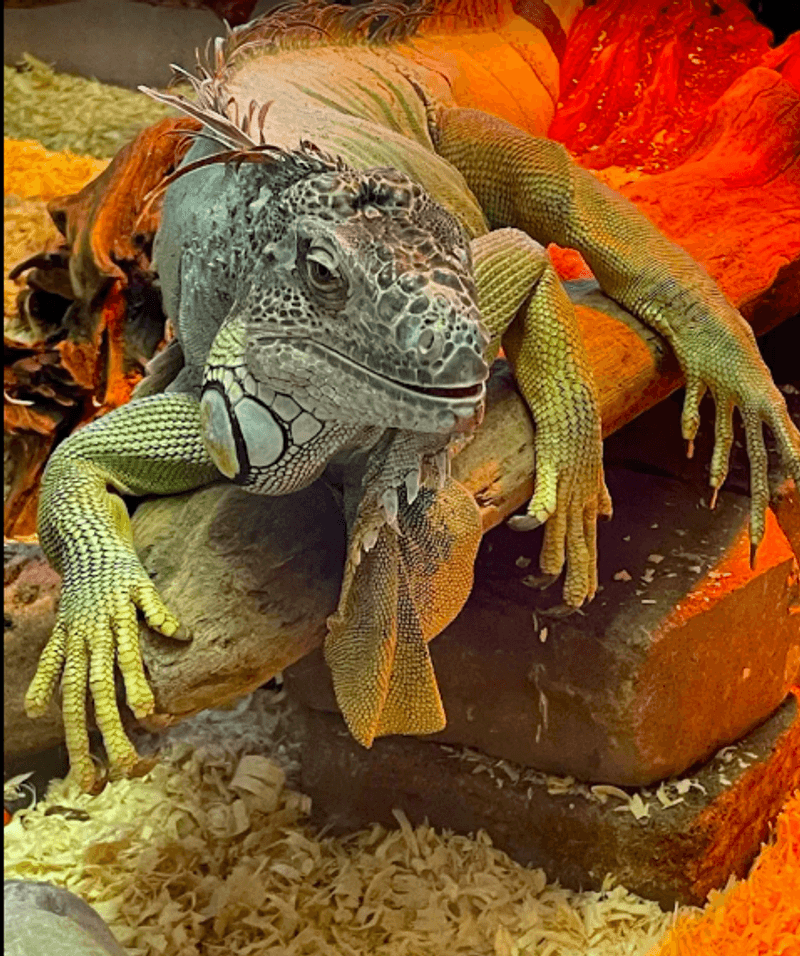
Feeding time at an animal center is not something most guests think to plan around, but the ones who do tend to have a noticeably different experience. Watching a large reptile eat is genuinely fascinating, and the staff often uses these moments to share real information about diet, hunting behavior, and how different species process food.
Schedules are sometimes posted online or at the front desk, so arriving with a loose game plan helps a lot. Even when timing does not line up perfectly, the staff is usually happy to explain what just happened or what comes next.
Where The Reptile Zoo Became Something More
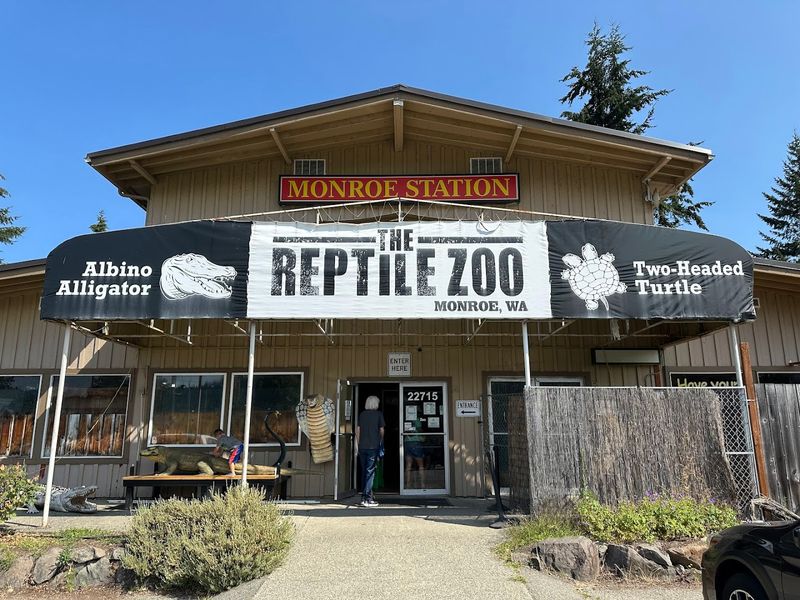
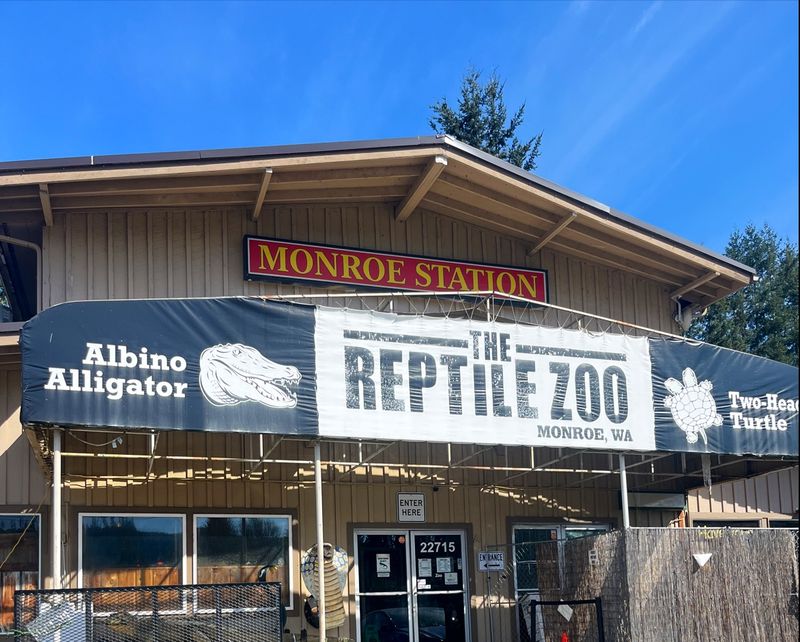
The building at 22715 US-2 B in Monroe, Washington, has been a destination for reptile lovers for years. Monroe Wildlife Center is the current chapter of that story, and it carries the legacy forward while expanding well beyond scales and tails.
The center sits right along US-2, which makes it easy to spot from the road. It was previously known as the Reptile Zoo, and many visitors who grew up watching the reptile man visit their schools remember this spot with real fondness.
The new ownership took what was already a beloved local institution and started building on it, literally. New enclosures are going up, new animals have arrived, and the staff brings a level of knowledge and warmth that regulars say feels noticeably different from before.
The rating on Google sits at 4.7 stars from over 1,700 reviews, which tells you something about how the community feels about what is happening here now.
Share this story