Deep beneath the forests of southwest Washington, a volcanic relic sits frozen in time, waiting for anyone bold enough to explore it. Roughly 2,000 years ago, a massive lava flow carved out a tube so long and so intact that it became one of the longest lava tubes in the continental United States.
No apes live here, despite what the name might suggest, but the underground world it holds is far more thrilling than any wildlife encounter. There are two routes to choose from, one relatively straightforward and one that will test your physical limits in total darkness.
Whether you are a casual hiker or an adventure-seeker, this cave in Cougar, Washington delivers an underground experience that is genuinely hard to find anywhere else in the country. Keep reading to find out everything you need to know before you go.
The Volcanic Story Behind This Underground World
About 2,000 years ago, a volcanic eruption on the south side of Mount St. Helens sent a massive lava flow racing downhill. The outer edges of that flow cooled and hardened first, forming a crust, while molten lava continued moving through the interior.
When the eruption eventually stopped, the liquid lava drained out, leaving behind a hollow tube of hardened basalt. That tube is Ape Cave.
At approximately 13,042 feet long, it ranks among the longest continuously accessible lava tubes in the contiguous United States.
The cave gets its name not from primates but from a local outdoors group called the Mount St. Helens Apes, a youth group that explored and helped document the cave in the 1950s. The geological formation itself predates any human exploration by about two millennia, making every step through it a walk through deep volcanic history that most people never get the chance to experience firsthand.
Two Routes, Two Very Different Experiences
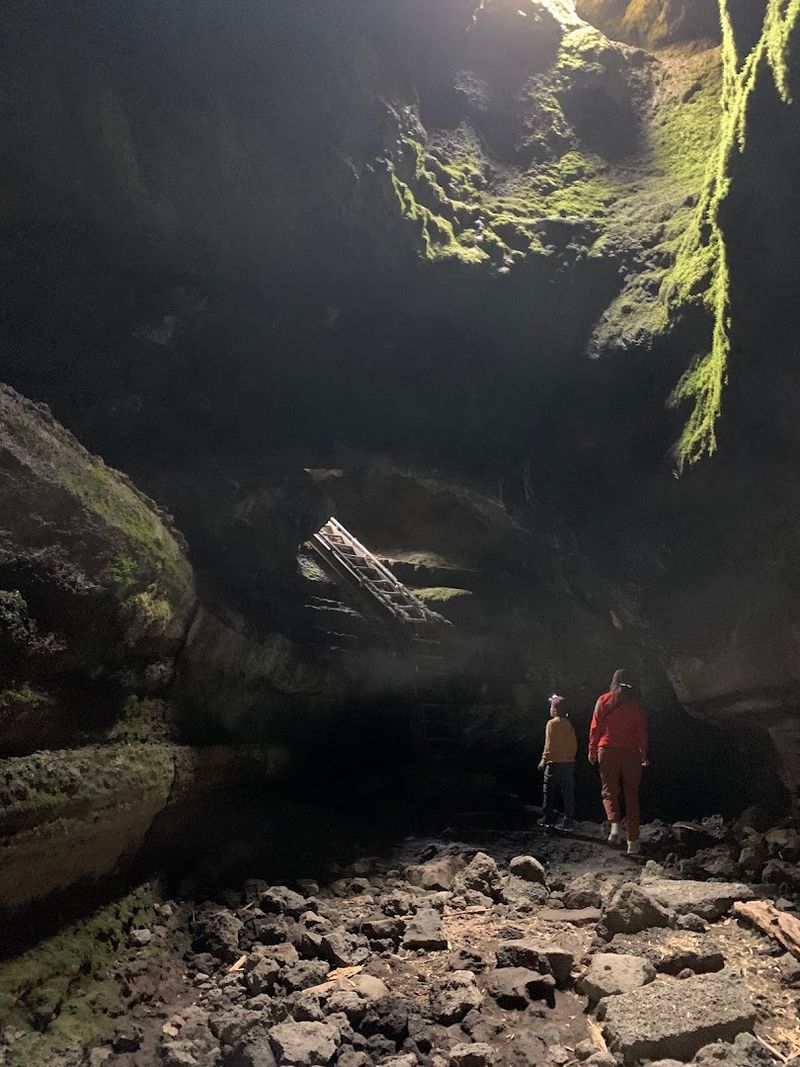
At the bottom of the entrance staircase, the cave splits into two distinct routes, and choosing between them is one of the most important decisions of the trip. The lower cave is the shorter and more accessible option, running about 0.75 miles one way before dead-ending at a sandy-floored terminus.
The upper cave is a different matter entirely. Stretching approximately 1.5 miles from the main entrance to an exit point above ground, it involves serious boulder scrambling, narrow passages, and at least one vertical rock wall that requires real physical effort to climb.
The round-trip distance, including the above-ground trail back to the parking area, comes out to roughly 2.5 miles total.
Both routes are out-and-back or exit-at-the-top options, not loops. Each one offers a genuinely distinct underground experience, and many people who visit more than once choose to do one route per trip rather than tackle both in a single outing.
What the Lower Cave Is Actually Like
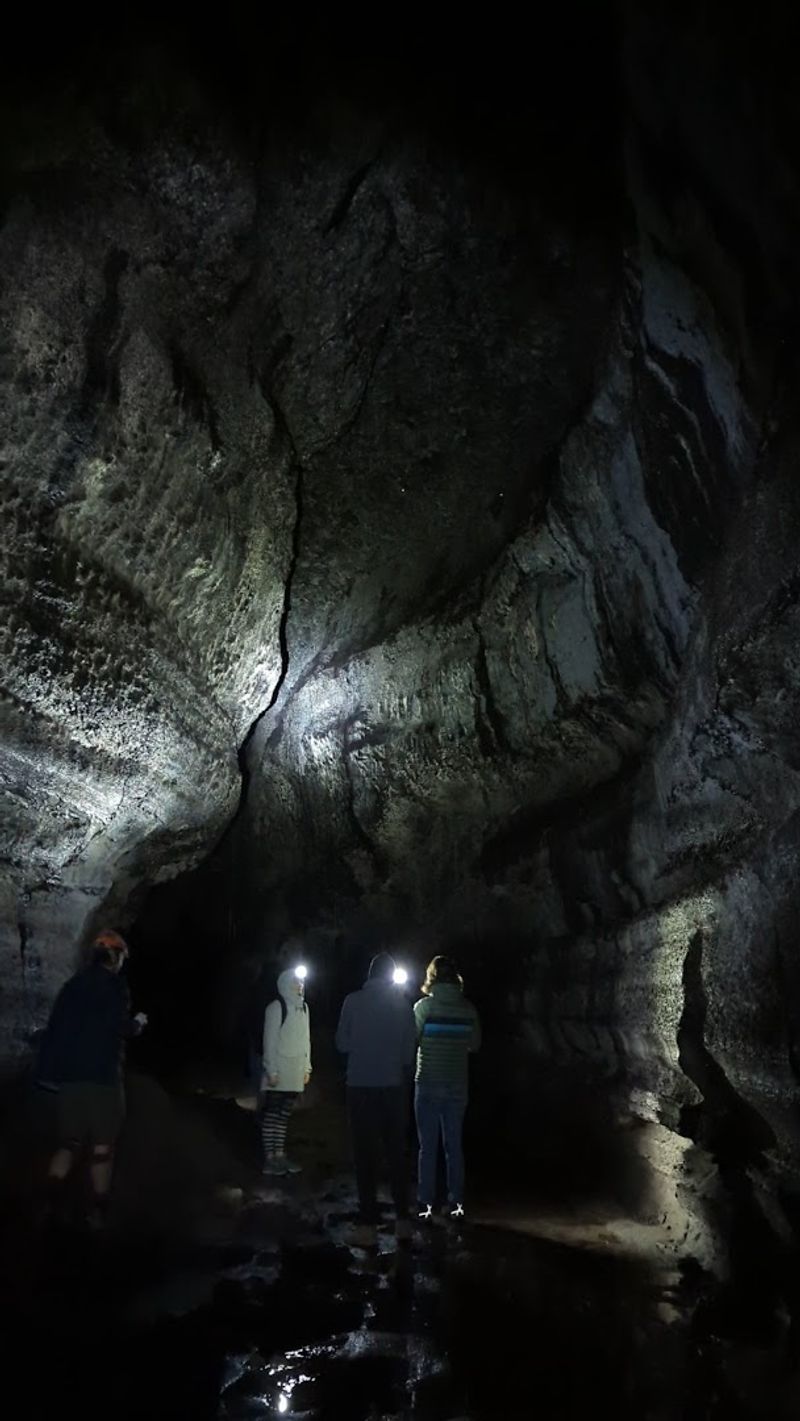
The lower cave is the route most families and first-time visitors choose, and it earns its reputation as the more manageable of the two options. The floor is uneven throughout, covered in rough basalt that requires attention with every step, but there are no major obstacles that demand climbing or scrambling.
The walk in takes roughly 30 to 45 minutes at a relaxed pace, and the return trip takes about the same. Along the way, the cave opens into wider chambers and narrows back down again, with walls and ceilings that show the textures left behind by flowing lava.
One of the most popular features in the lower cave is a large sandy-floored room near the far end, which offers a natural resting point before turning back. The temperature inside hovers around 42 degrees Fahrenheit year-round, so a light jacket or sweatshirt is genuinely necessary even in the middle of summer.
The cold catches many first-time visitors off guard.
The Upper Cave Is a Physical Challenge Worth Taking
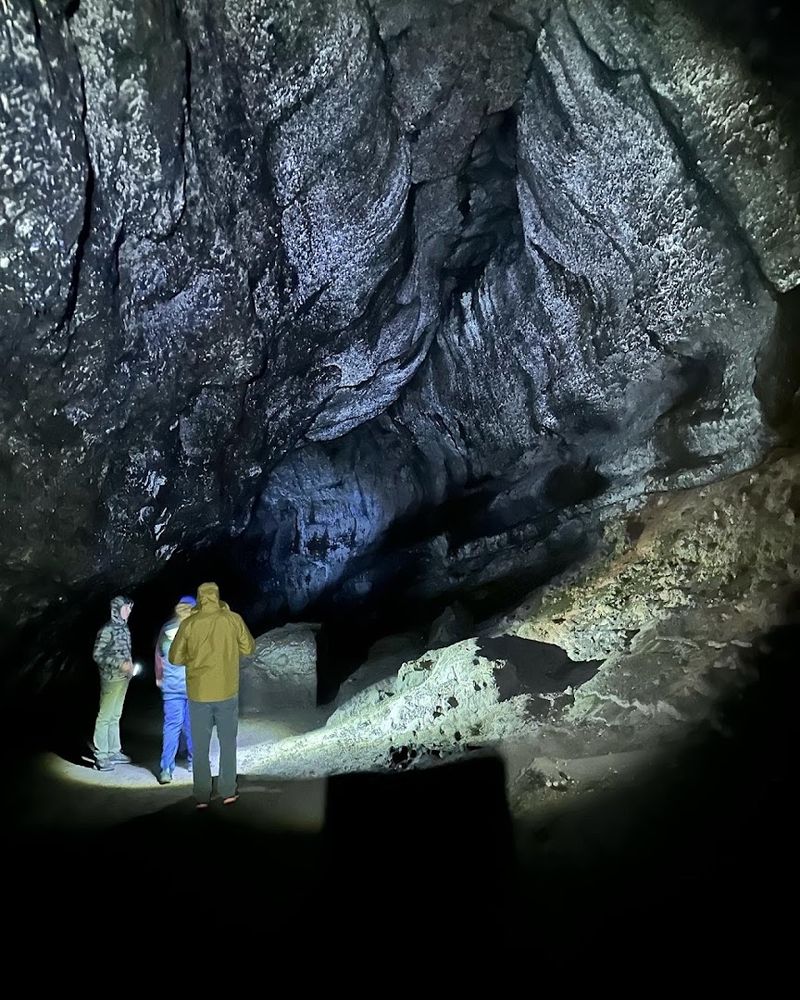
The upper cave earns its reputation quickly. Within the first few hundred feet past the junction, the floor transitions from manageable uneven rock to full-scale boulder fields that require both hands and solid footwork to navigate.
Gloves are not optional here; they are a practical necessity.
One of the most talked-about obstacles is a near-vertical lava rock wall standing approximately six to eight feet tall. In recent years, a knotted rope or improvised ladder has sometimes been present to assist climbers, but that assistance is not guaranteed, and the wall demands real effort regardless.
Shorter hikers and those without upper-body strength may find it genuinely difficult.
After the wall, the cave continues with more boulder scrambles and low ceiling sections before eventually opening to a natural exit point above ground. From there, a 1.5-mile above-ground trail winds back through the forest to the parking area.
The upper cave typically takes between 1.5 and 2.5 hours depending on fitness level and pace.
Why Total Darkness Is the Real Wildcard
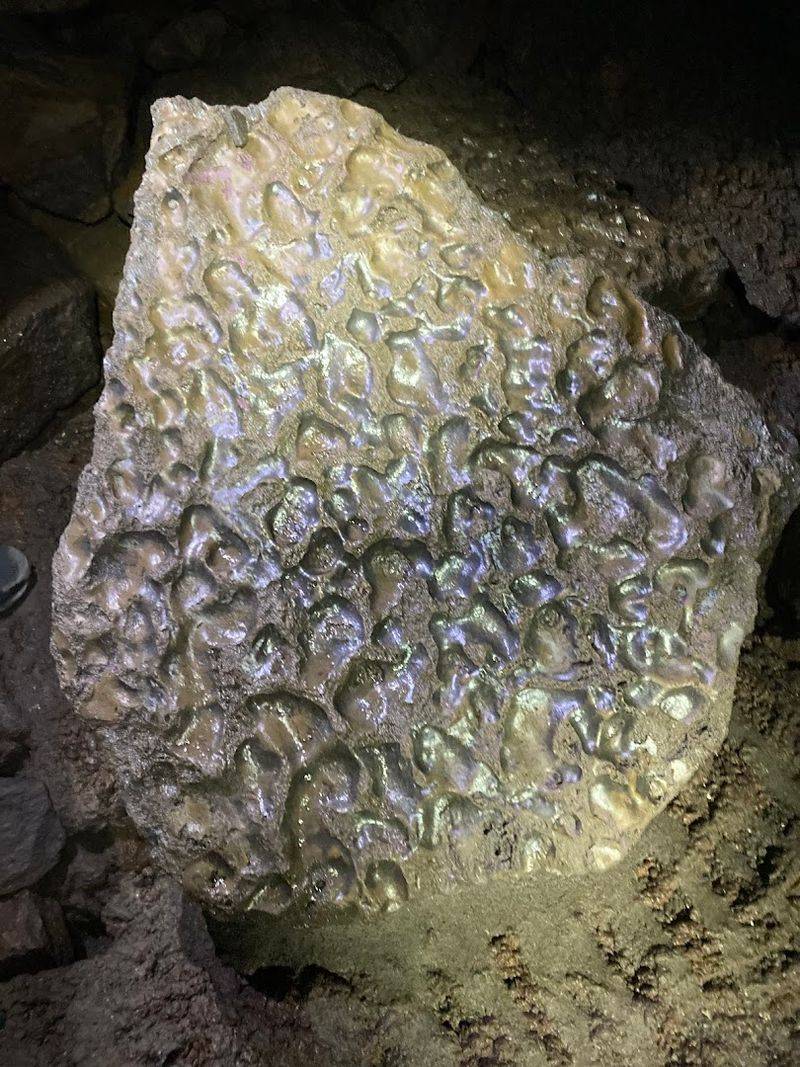
Nothing prepares most people for just how dark Ape Cave actually is. Once inside, there is zero natural light.
Smartphone flashlights, which seem powerful enough outdoors, become nearly useless against the absolute blackness of a lava tube. The cave absorbs light in a way that feels almost physical.
The park and most experienced visitors strongly recommend bringing at least two reliable light sources per person, not just one. Headlamps are preferred over handheld flashlights because they keep both hands free, which matters enormously in the upper cave where climbing is involved.
Batteries can drain faster than expected in the cold, and having a backup is the difference between a manageable situation and a genuinely stressful one.
Lanterns are available for rent at the site for around $10 for two, and that rental is consistently described as well worth the cost. A phone flashlight alone has left more than a few hikers regretting the decision before they even reach the halfway point of the lower cave.
Gear That Makes or Breaks the Trip
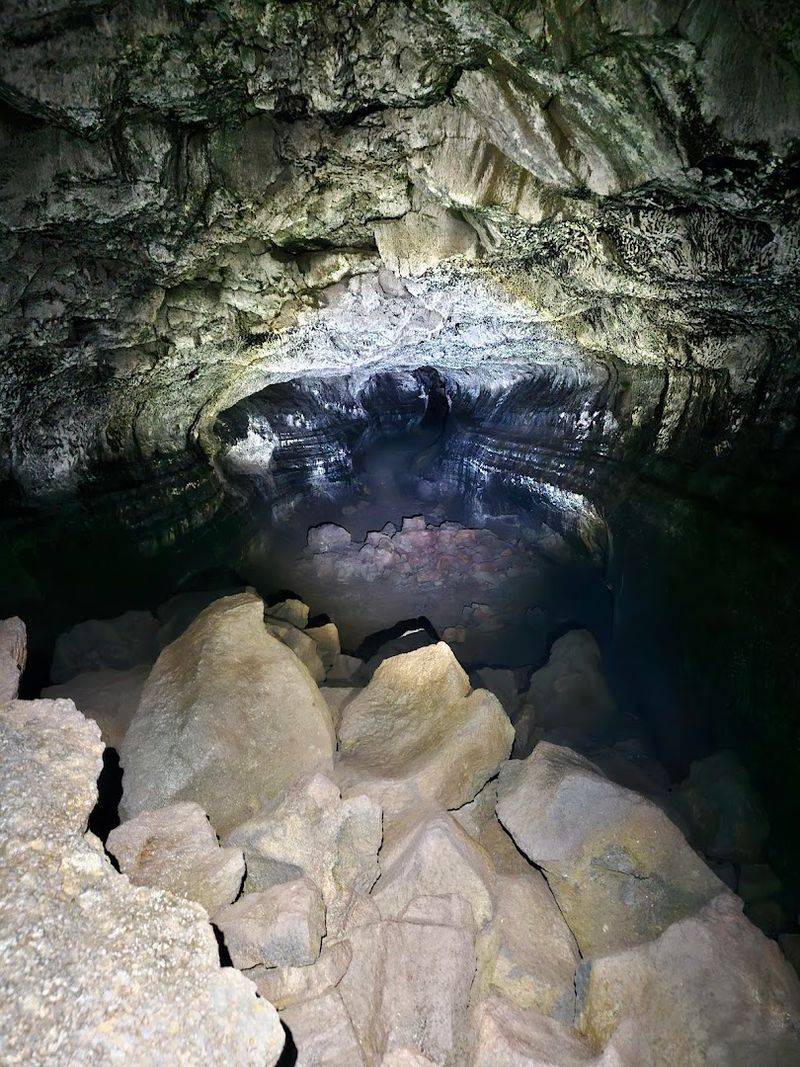
Preparation makes a measurable difference at Ape Cave, and the gear list is short but non-negotiable. Sturdy hiking boots with ankle support are at the top of that list.
The floor throughout both routes is rough, jagged basalt, and regular sneakers or sandals put ankles at real risk on the uneven terrain.
Warm layers are equally important. The cave maintains a temperature of roughly 42 degrees Fahrenheit regardless of the season, which means a light jacket or fleece is necessary even on the hottest summer day.
Long pants protect legs from scraping against sharp rock, especially in the upper cave.
Gloves are essential for the upper cave and useful for the lower as well. A small day pack with water, a snack, and extra batteries rounds out the basics.
The upper cave can take two or more hours, and staying hydrated matters. Some hikers also bring a walking stick or trekking pole for extra stability on the uneven floor sections.
How to Get Your Reservation Before You Arrive
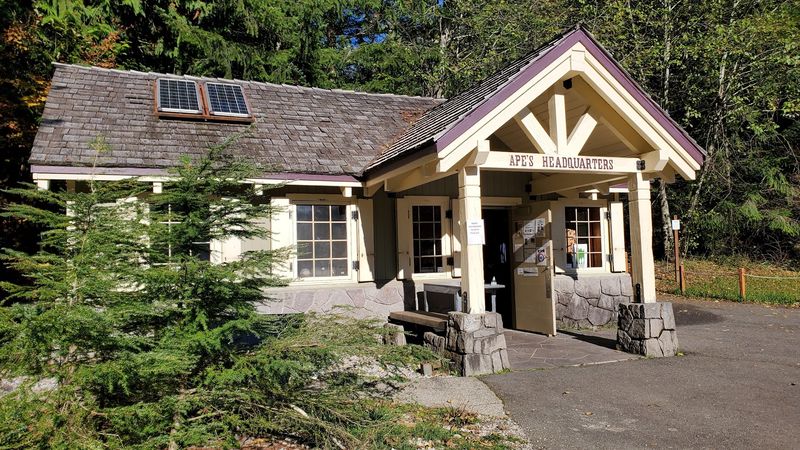
Ape Cave requires a timed entry reservation, and showing up without one is a reliable way to be turned away at the gate. The reservation system is managed through Recreation.gov, and tickets typically cost around $2 per vehicle.
Slots fill up quickly, especially on weekends and during summer months.
The sign at the entrance has been known to read sold out for walk-up visitors, which makes advance booking not just recommended but essential. Reservations can be made weeks or even months ahead of a planned visit, and popular time slots go fast in peak season.
Once a reservation is confirmed, visitors write the reservation number on an index card provided at the entrance billboard and place it inside their windshield. Parking costs an additional $5 per vehicle.
Fall is often cited as a great time to visit because crowds thin out noticeably and parking competition drops, though reservations are still required throughout the operating season.
The Temperature Drop That Surprises Almost Everyone
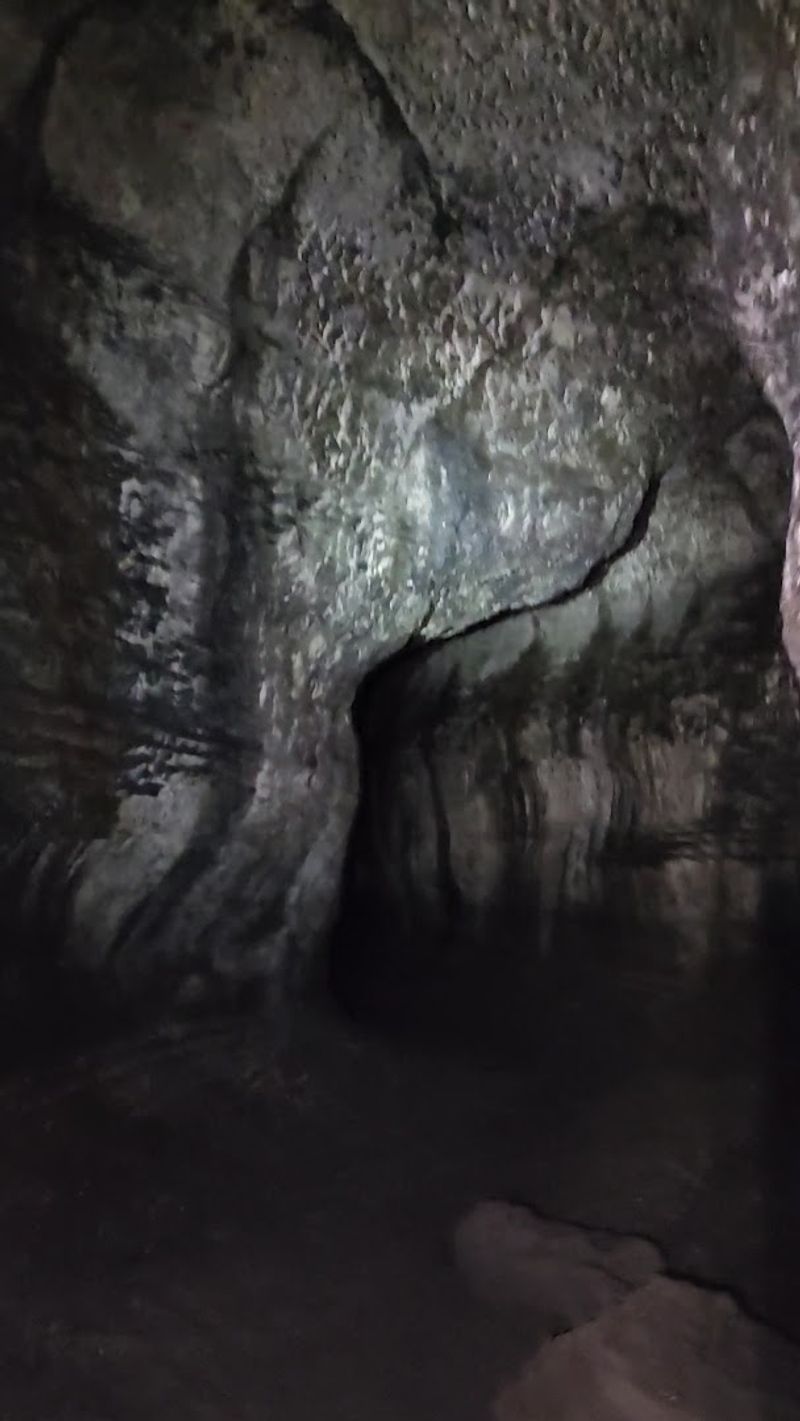
Forty-two degrees Fahrenheit is the year-round temperature inside Ape Cave, and that number tends to catch people off guard no matter how many times they read it beforehand. On a warm summer day, the transition from sunshine to cave air is dramatic, and the chill sets in within the first few minutes underground.
The cold is not dangerous with the right preparation, but it becomes a real problem without it. Visitors who arrive in shorts and t-shirts on an 80-degree August afternoon often find themselves shivering before they reach the first major chamber.
The cave does not warm up with body heat the way a smaller enclosed space might.
Dressing in layers is the most practical approach. A moisture-wicking base layer, a mid-layer fleece, and a light outer shell covers most conditions.
The upper cave generates more body heat through physical exertion, but the lower cave is a slower walk that lets the cold settle in steadily. Planning for the temperature is the single easiest way to improve the experience.
What the Cave Walls and Ceiling Actually Look Like
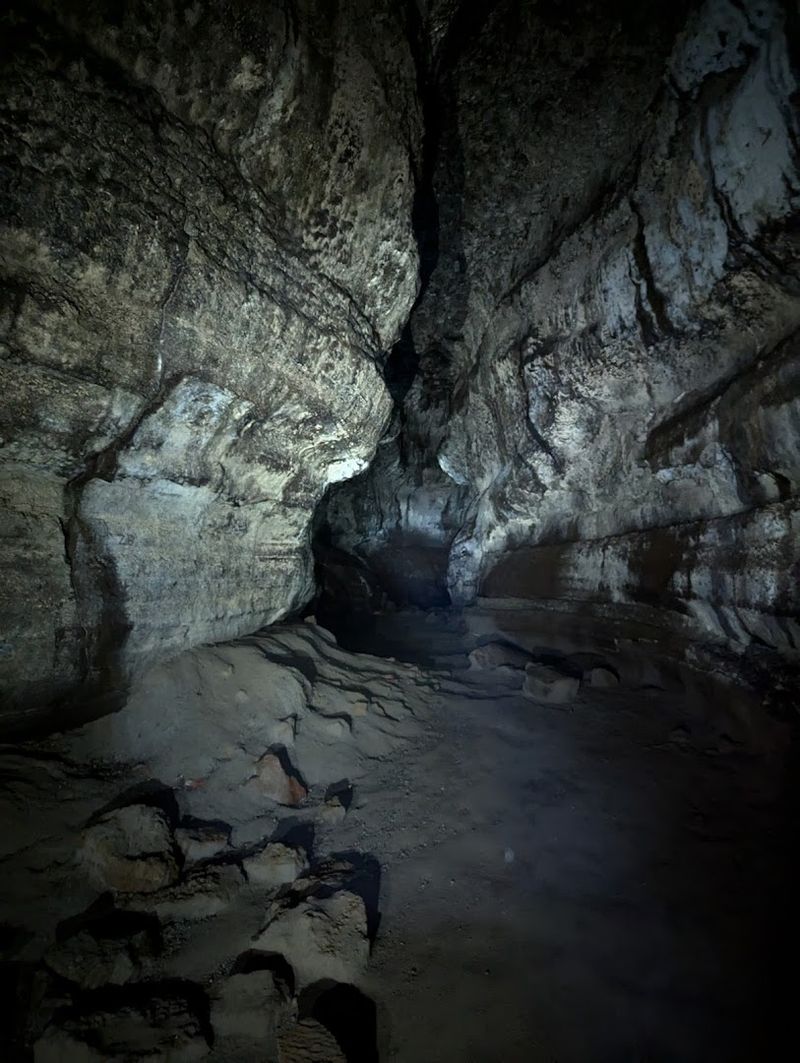
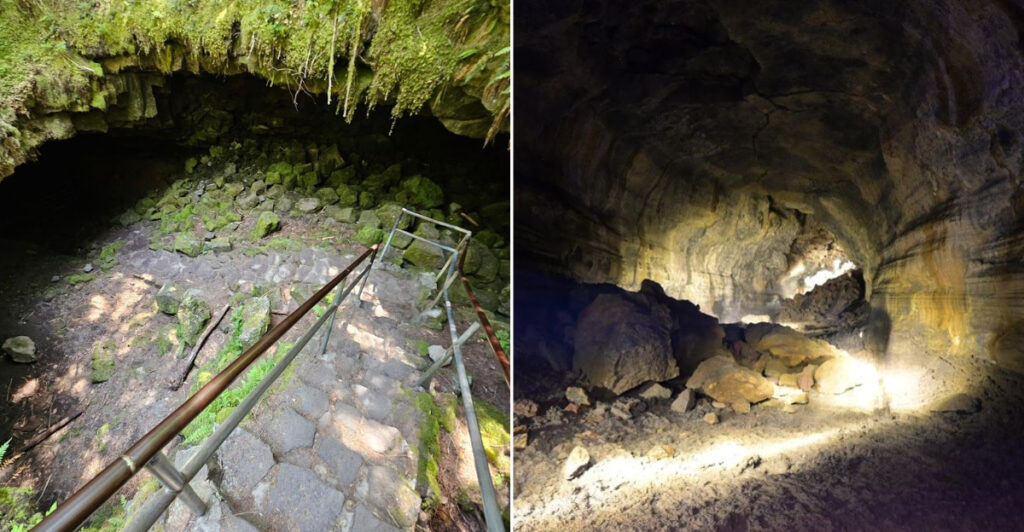
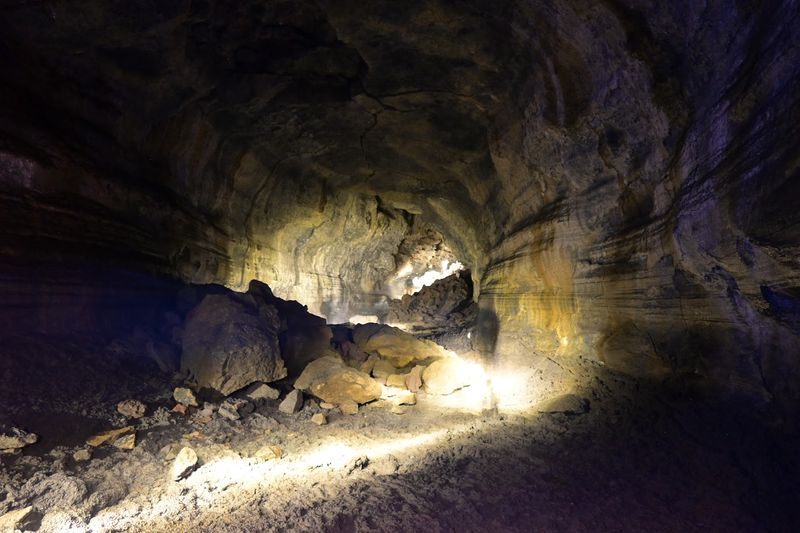
The interior of Ape Cave is a study in volcanic geology that plays out across every surface. The walls show the marks of flowing lava, with smooth sections where molten rock once moved quickly and rougher, jagged areas where it cooled more slowly.
Lava benches, which are ledges formed when lava levels dropped during the eruption, appear along the sides of the tube in several locations.
The ceiling varies in height throughout both routes, dropping low enough in some sections of the upper cave to require ducking, and rising into wide arching chambers in others. Lavacicles, which are small hardened drips of lava on the ceiling, can be spotted in places and are a reminder of just how dynamic the original flow must have been.
The floor is equally textured, with rope lava patterns, boulder piles from ceiling collapses, and sandy deposits all appearing at different points. Every surface tells part of the same 2,000-year-old story, and the variety keeps the walk visually engaging throughout.
Visiting With Kids: What Parents Should Know
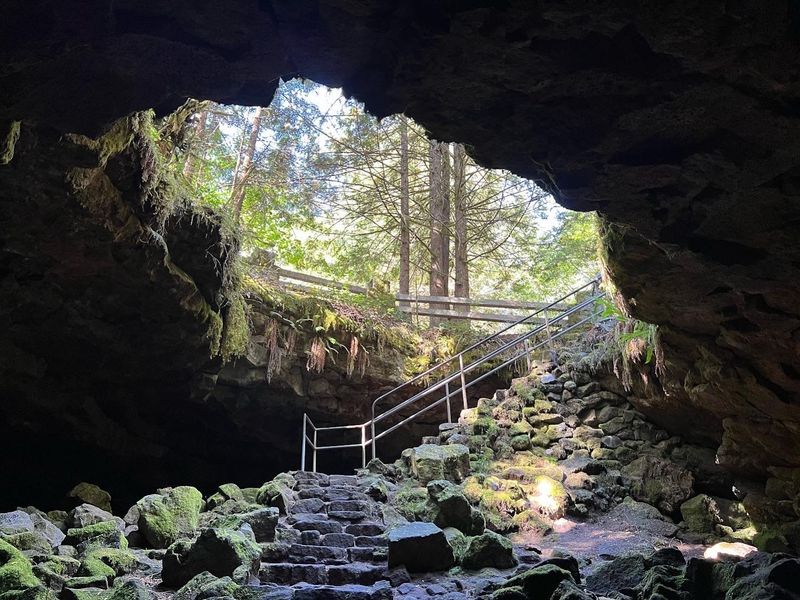
Ape Cave is genuinely kid-friendly for the lower cave, and many families with children of various ages complete it without difficulty. The main requirements are sturdy shoes, warm layers, reliable headlamps, and a realistic conversation beforehand about what uneven terrain actually means in practice.
Children aged 6 and up who are comfortable walking on rough ground typically do well on the lower route. The 1.5-mile round trip is manageable for most kids, and the novelty of total darkness and volcanic rock formations tends to hold their attention throughout.
The upper cave is a different calculation. Active kids aged 8 and above who enjoy climbing structures and physical challenges can handle it, but younger children or those who tire easily may struggle with the boulder scrambles and the overall duration.
Parents who have done the upper cave with children consistently note that the physical excitement of climbing tends to outpace any complaints about fatigue. Going in informed makes the whole outing run more smoothly.
The Best Time of Year to Plan Your Visit
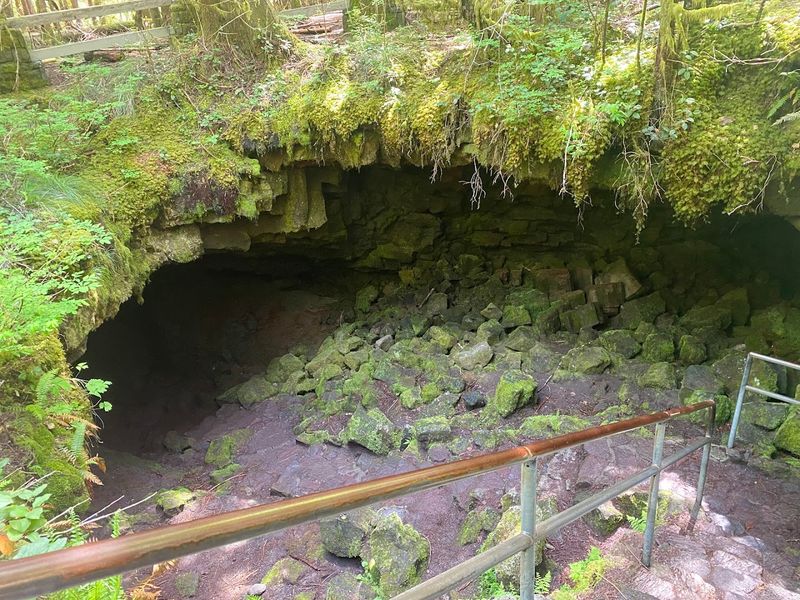
Ape Cave is open seasonally, with the primary visitor season running from mid-May through late October, depending on road conditions and snow levels in the surrounding forest. Summer is the busiest period, with July and August drawing the largest crowds and the fastest-filling reservation slots.
Fall stands out as a particularly good window for those who want a less crowded experience. Reservation slots are easier to secure, parking is less competitive, and the surrounding forest takes on color that makes the above-ground portions of the visit more visually interesting.
The cave temperature stays the same year-round regardless of the season outside.
Early morning reservations are a consistent favorite among repeat visitors. Fewer people are in the cave at opening time, and groups who arrive early sometimes have long stretches of the tube to themselves.
That sense of solitude underground, surrounded by complete darkness and 2,000-year-old volcanic rock, is something that is genuinely difficult to replicate at any other time of day or season.
The Above-Ground Trail Back From the Upper Cave Exit
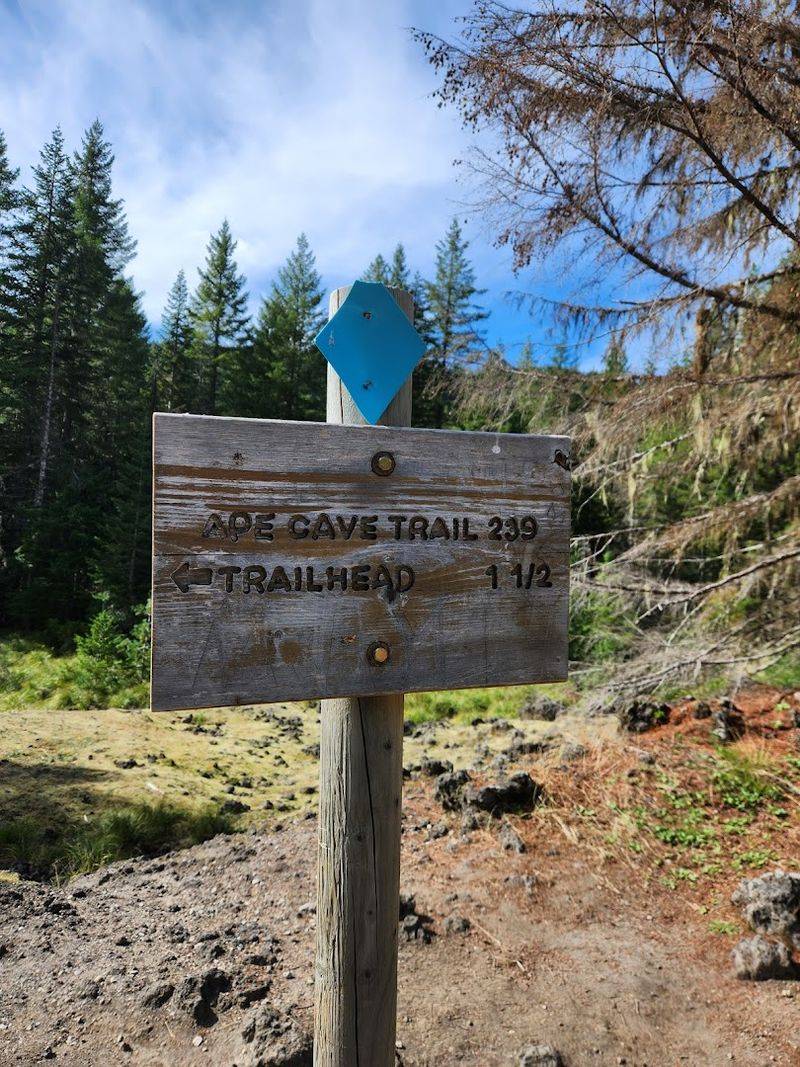
After completing the upper cave and emerging through the exit point above ground, the journey is not quite over. A 1.5-mile trail winds back through the forest to the main parking area, and it adds a completely different layer to the overall experience after the underground portion.
The above-ground trail passes through lava rock landscapes and old-growth forest, with views that shift between open volcanic terrain and dense tree cover. The contrast between the enclosed darkness of the cave and the open forest air above is striking in a way that makes the return walk feel like a natural conclusion to the underground portion.
The trail is rated as moderate, with some uneven footing from lava rock but far less technical than the cave itself. On hot days, this section can feel warm compared to the cave, so carrying water for this portion is a practical necessity.
Some hikers choose to do the upper cave in reverse, entering from the top exit and walking downhill through the cave toward the main entrance, which reduces the overall physical difficulty considerably.
Why This Underground World Keeps Drawing People Back
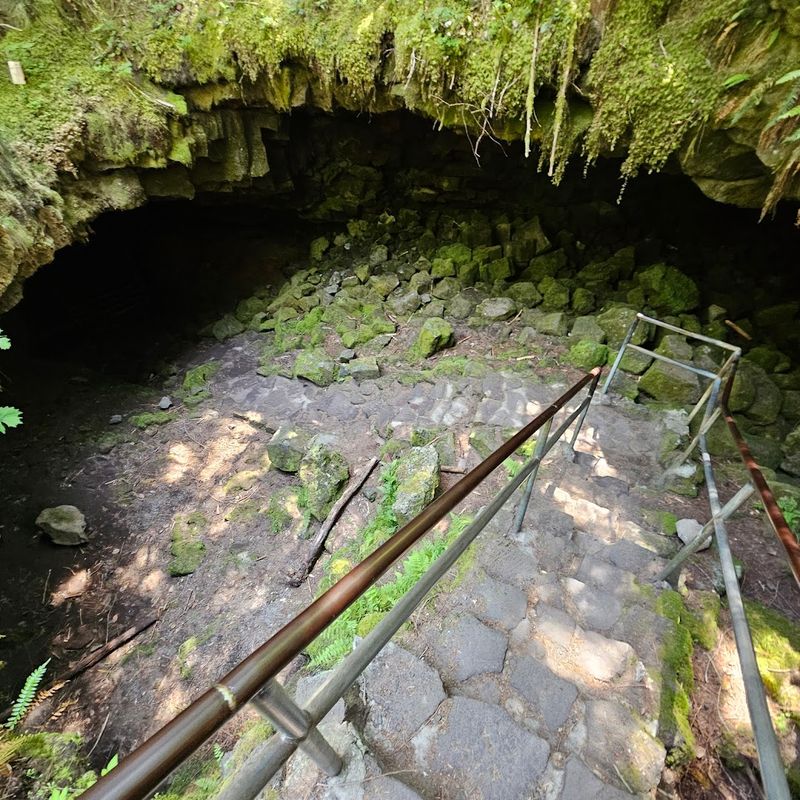
Repeat visits to Ape Cave are common, and the reasons are easy to understand. The lower cave and the upper cave are different enough in character that doing both feels like two separate experiences, and many people choose to spread them across different trips rather than cramming everything into one day.
The cave also changes slightly depending on the season, the size of the group, and the quality of light being used. Groups who have visited multiple times report noticing new details on every trip, from specific lava formations to ceiling features that were missed in a previous visit.
There is also something about the scale of the place that makes it hard to fully absorb in a single outing. Walking through 2,000 years of frozen volcanic history, in complete darkness, beneath a Pacific Northwest forest, is not an experience that feels ordinary no matter how many times it has been done.
That combination of geology, physical challenge, and raw underground atmosphere is what keeps Ape Cave on so many return-visit lists across the Pacific Northwest.
Where Exactly Ape Cave Is Located
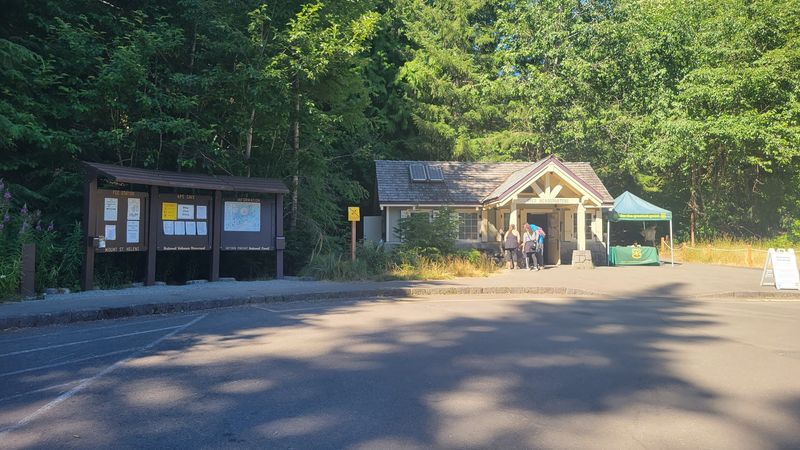
Tucked into the Gifford Pinchot National Forest near the base of Mount St. Helens, Ape Cave sits at Washington 98616, in the town of Cougar, in southwest Washington state. The cave is part of the Mount St. Helens National Volcanic Monument, which is managed by the U.S.
Forest Service.
Getting there involves a drive along Forest Road 83 and then Forest Road 8303, winding through dense Pacific Northwest forest. The trailhead and main entrance are well-marked, and there is a parking area nearby with a small visitor structure where lanterns can be rented.
The cave is roughly 90 miles south of Seattle and about 60 miles northeast of Portland, Oregon, making it an accessible day trip from either city. A timed entry reservation is required to enter, and that reservation currently costs just $2, making it one of the most affordable underground adventures anywhere on the West Coast.
Share this story