Somewhere on the rainy, remote edge of Washington’s Olympic Peninsula, a man has spent more than four decades picking things up off the beach and refusing to put them back. What started as a boyhood habit quietly grew into something that now stops travelers in their tracks and keeps them inside for well over an hour.
The collection inside tells stories of shipwrecks, tsunamis, ocean currents, and the strange journeys objects take when they fall into the sea. If you have ever wondered where the ocean actually sends things, this place has some serious answers.
The Outdoor Sculptures That Stop Traffic First
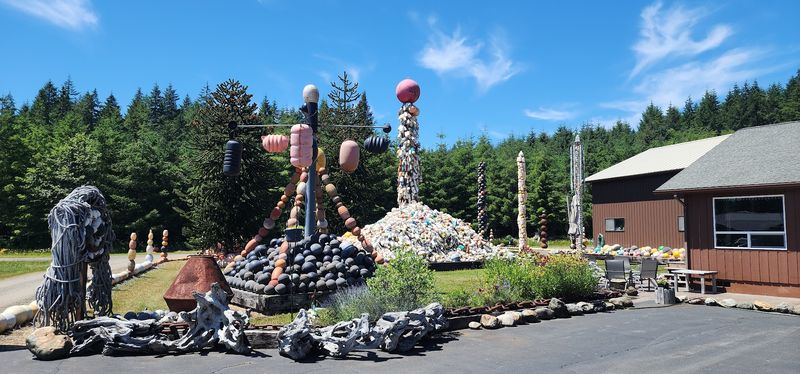
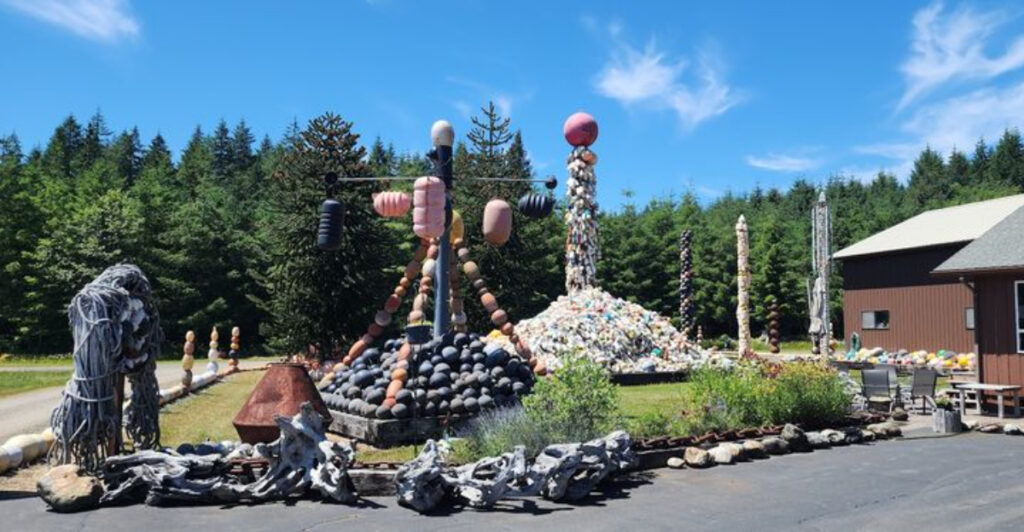
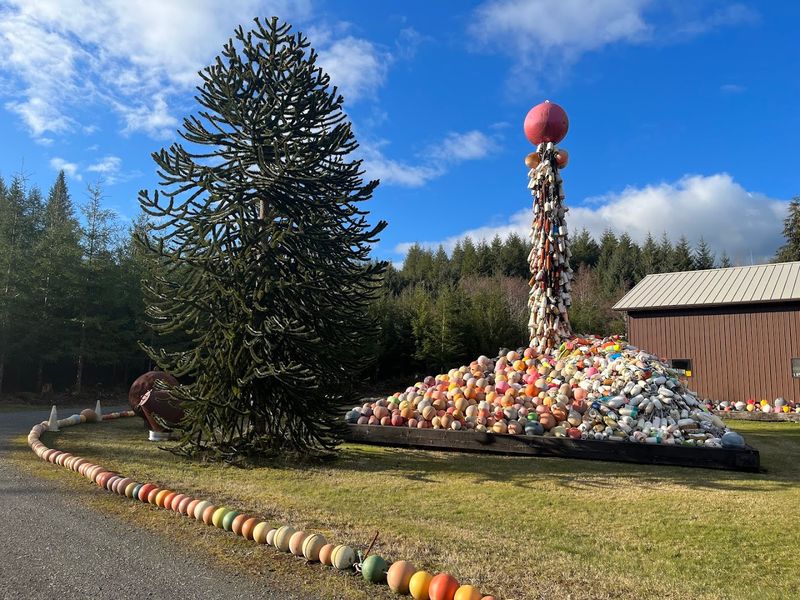
Before most visitors even walk through the front door, the outdoor displays earn their own extended pause. Large sculptural arrangements made from beachcombed materials line the property and are visible from the street, which is how many passing travelers first notice the museum at all.
Some visitors who have not researched the place ahead of time assume the outdoor displays are the entire attraction. That assumption changes quickly once they step inside and find a full museum waiting for them.
The outdoor pieces are made from driftwood, marine debris, and other materials pulled from Pacific beaches over many years. They have a rough, weathered quality that fits the surrounding landscape naturally.
The Olympic Peninsula gets over 140 inches of rain annually in some areas, and the sculptures carry that wet, coastal character in their texture and color. They reward a slow walk around rather than a quick glance from the road.
Forty Years Of Collecting Packed Into One Building
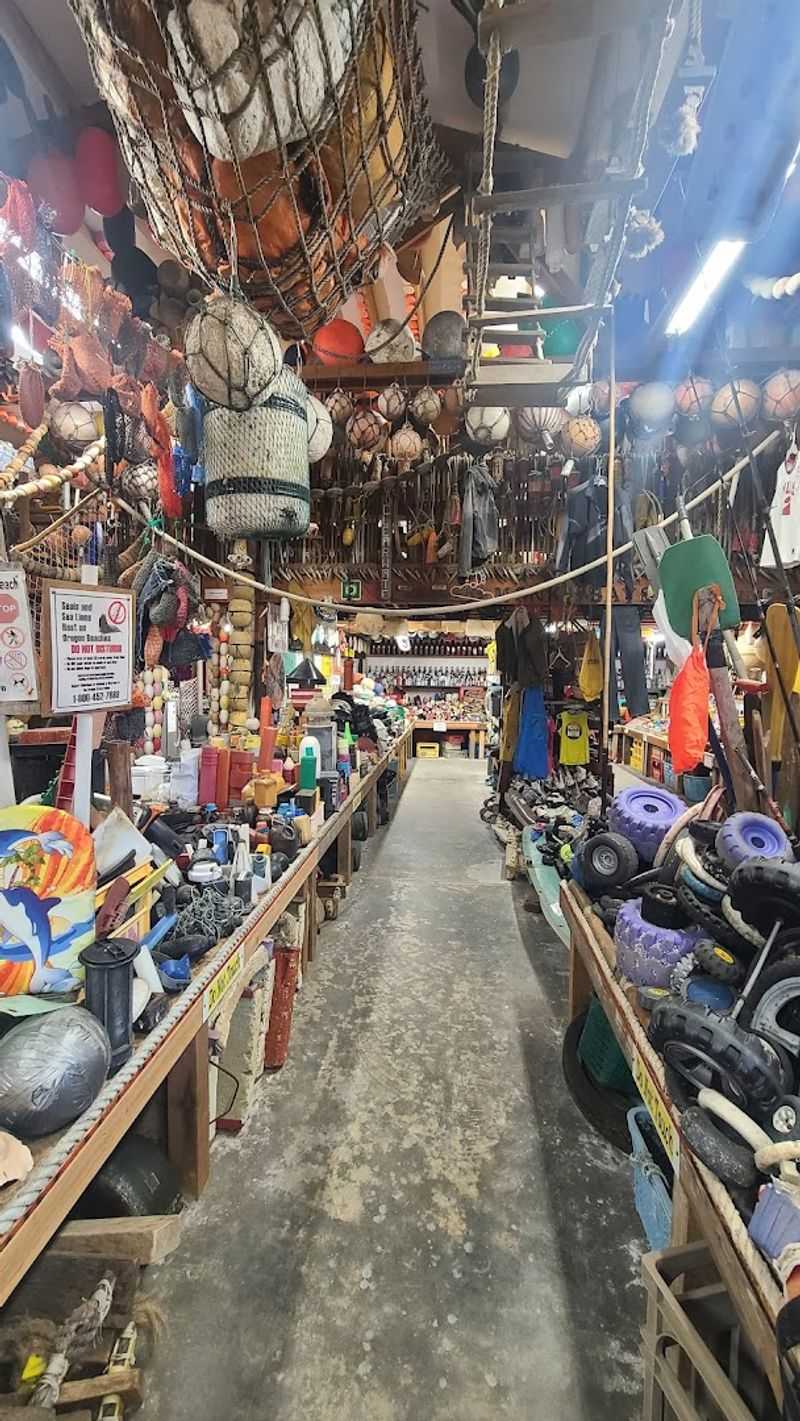
Walking inside for the first time, the sheer volume of what John has gathered over four decades takes a moment to fully register. The collection is expansive and covers an enormous amount of floor and wall space, organized in a way that guides visitors naturally from one section to the next.
Nothing about the arrangement feels cluttered or chaotic. Visitors consistently note how thoughtfully the displays use every corner of the building without making the space feel cramped.
That kind of curation takes real skill and a deep familiarity with the material.
The items range from natural objects like whale bones and fossils to human-made artifacts that have crossed entire ocean basins before washing ashore on Washington beaches. Many of the pieces are connected to specific historical events, which gives the collection a narrative depth that goes far beyond a simple show-and-tell.
Most visitors who plan on ten minutes end up staying well over an hour.
Messages In Bottles From Around The World
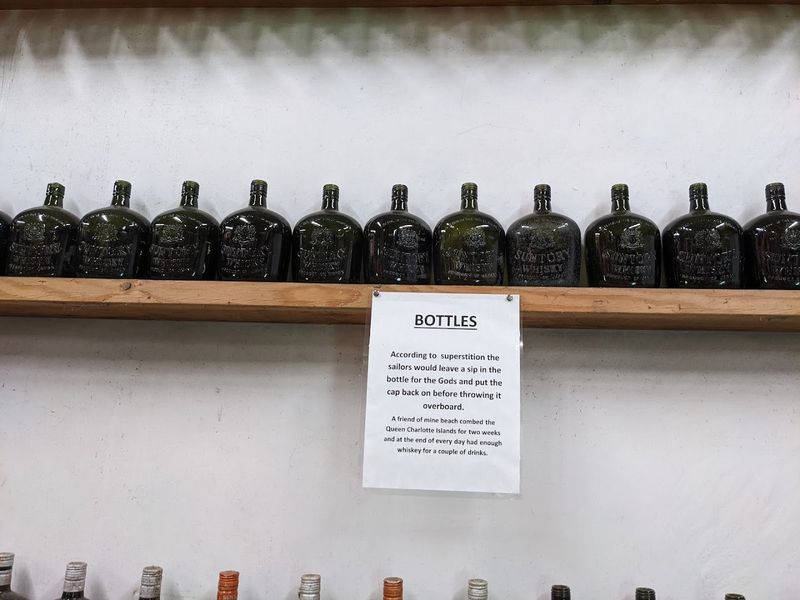
One of the most quietly affecting corners of the museum holds letters found inside bottles that washed ashore over the years. Reading through them, you realize that people have been sending messages into the ocean for a very long time, with no certainty that anyone would ever find them.
Some of the bottles traveled extraordinary distances before landing on a Pacific Northwest beach. The notes inside range from simple greetings to detailed messages with return addresses, and a few of them led to real correspondence between the finder and the sender.
The museum also gives visitors a chance to participate directly in this tradition. You can write your own note and include it in a bottle that John releases into the sea, making the museum an active part of the beachcombing story rather than just a passive display of it.
Few museums offer something that genuinely connects a visitor to the ongoing life of the ocean in such a hands-on way.
When The 2011 Tsunami Sent Debris Across The Pacific
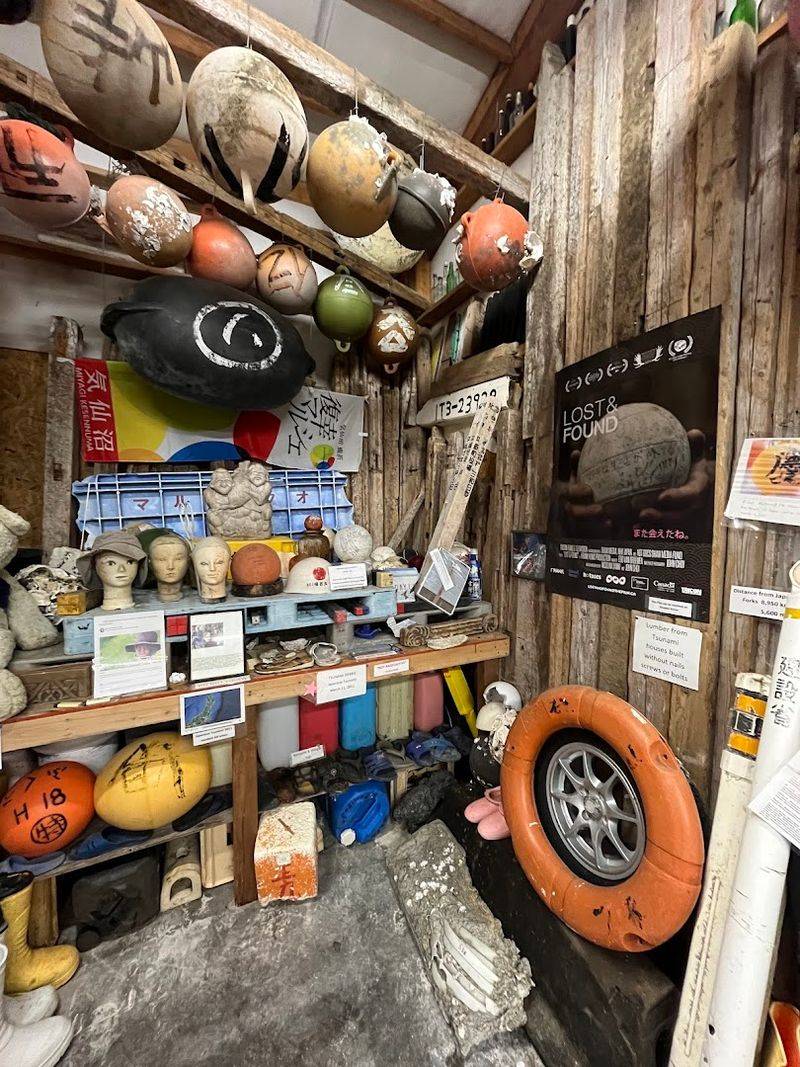
The 2011 earthquake and tsunami that struck Japan sent an enormous volume of material into the Pacific Ocean, and a significant portion of it eventually reached the coastlines of Washington, Oregon, and beyond. John’s collection includes items from that event, which gives the museum a direct connection to one of the most devastating natural disasters of the modern era.
What makes this section of the collection particularly moving is that John did not just gather the debris passively. After the tsunami, he traveled to Japan to return items that had washed ashore to their original owners, a gesture that required serious effort and genuine compassion.
That story changes how you look at the rest of the collection. Every piece in the museum is connected to a journey, and some of those journeys involve real loss, real people, and real places that were changed forever.
The museum holds those stories with care rather than treating them as curiosities.
Container Spill Artifacts And What They Reveal
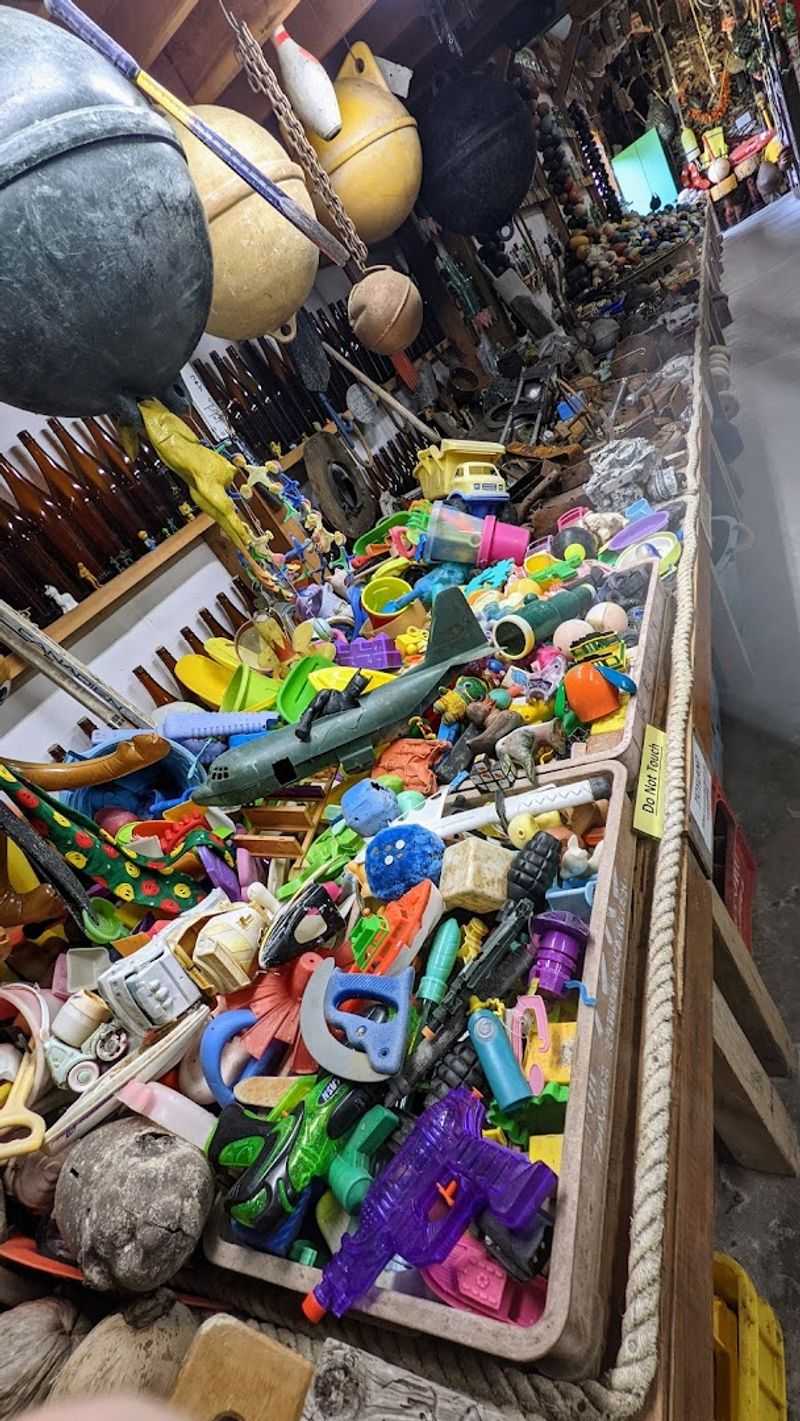
Cargo ships crossing the Pacific occasionally lose containers overboard during storms, and the contents scatter across thousands of miles of open ocean before reaching shore. John’s collection includes items from several well-documented container spills, which have become important data points for oceanographers studying how currents move.
Seeing these objects grouped together in a display makes the abstract idea of ocean drift patterns suddenly very concrete. A sneaker from a 1990 container spill, a rubber duck from a 1992 spill, and similar artifacts have helped scientists map Pacific circulation in ways that more expensive research tools could not easily replicate.
The display also works as a straightforward record of how much consumer product travels by sea every day, and how fragile those shipping systems can be in severe weather. The museum presents this information matter-of-factly rather than dramatically, which gives visitors space to form their own conclusions about ocean trade and the costs that come with it.
Foam And Plastic With Animal Bite Marks
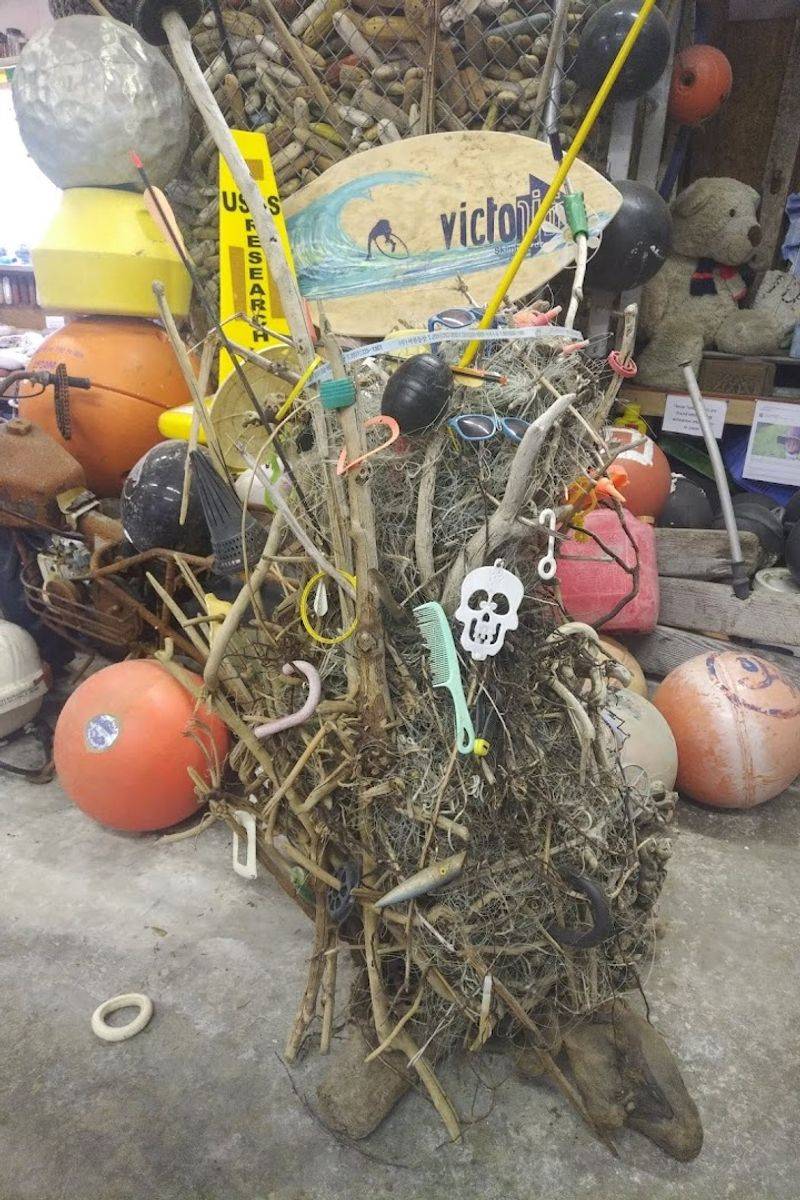
One section of the museum displays pieces of foam and plastic that have visible bite marks taken out of them by marine animals. The marks come from sea turtles, fish, and other ocean creatures that mistook the debris for food, and seeing them up close makes the problem of ocean pollution feel immediate rather than abstract.
John has collected enough of these pieces over the years to show a clear pattern. Animals across the Pacific are encountering human-made materials regularly, and the evidence is preserved in the bite patterns left behind on objects that eventually wash up on shore.
The museum does not present this display with heavy-handed messaging. The objects speak for themselves, and most visitors find that quieter approach more effective than any lecture could be.
It is the kind of exhibit that stays with you after you leave, not because it told you what to think, but because it showed you something real.
Whale Bones And Natural Fossils From Pacific Beaches
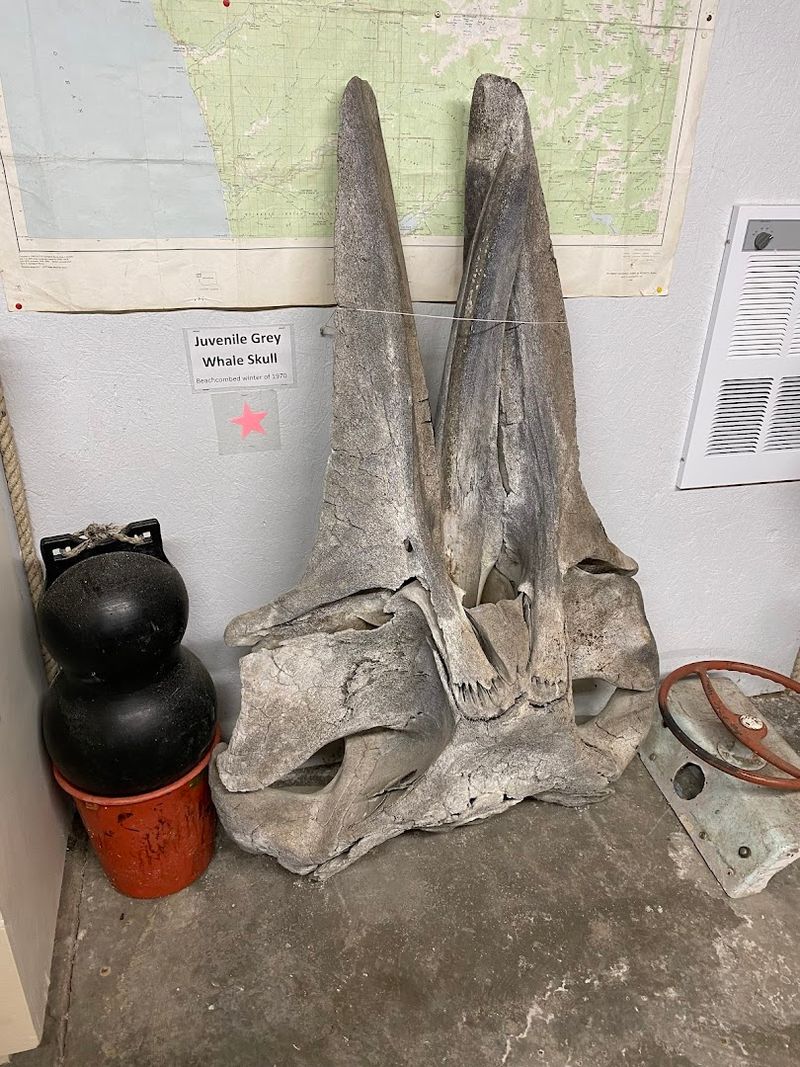
The natural history side of the collection is anchored by whale bones that John recovered from Pacific beaches over the years. Whale strandings on the Washington coast are not uncommon, and the bones that remain after decomposition can be enormous, dense, and surprisingly well-preserved when conditions are right.
Seeing whale bones in person communicates the scale of these animals in a way that photographs simply cannot. Standing next to a section of vertebrae or a rib bone that dwarfs your arm gives you a physical sense of what the ocean actually contains beneath its surface.
The fossil collection adds another time dimension to the museum, extending the story of Pacific coastal life back far beyond human history. John has an eye for identifying what is worth saving from the thousands of objects a beachcomber encounters over a lifetime of walking the shore.
The natural specimens in the collection reflect decades of patient, knowledgeable observation rather than casual accumulation.
Japanese Glass Floats And The Stories They Carry
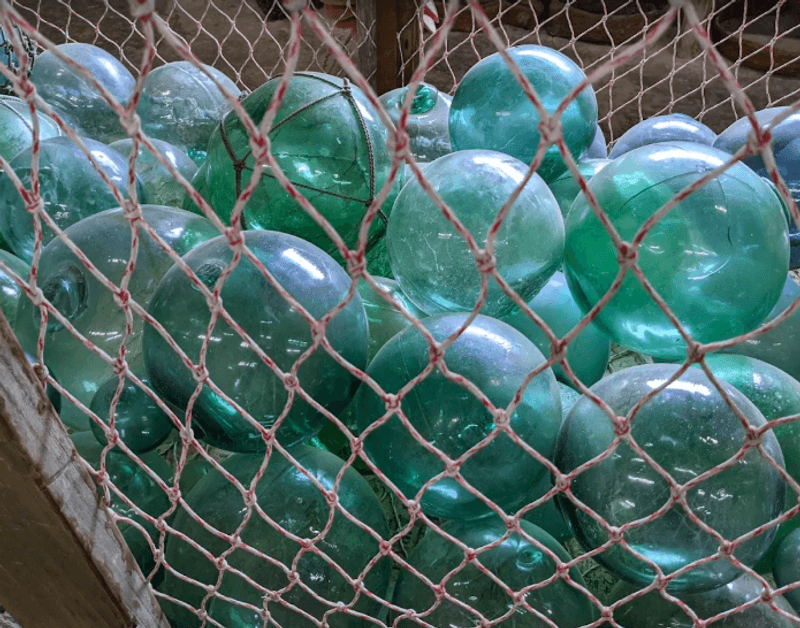
Authentic Japanese glass fishing floats are among the most sought-after finds on Pacific Northwest beaches, and John’s collection includes genuine examples that washed ashore over many decades. These handblown glass spheres were used by Japanese fishing fleets to keep their nets afloat, and they have been drifting across the Pacific since the practice declined in the mid-20th century.
Finding one on a beach today is considered a rare event, which makes seeing a collection of them in one place genuinely satisfying for anyone who has ever beachcombed the Washington or Oregon coast hoping to spot one. The colors range from pale aqua to deep cobalt to amber, depending on the glassblower and the era.
The museum also sells authentic Japanese glass floats as part of its small shop, giving visitors a chance to take home something that has its own ocean history. The handmade jewelry crafted from sea glass by John’s wife is also available and makes for a meaningful souvenir.
The Scavenger Hunt That Keeps Kids Engaged
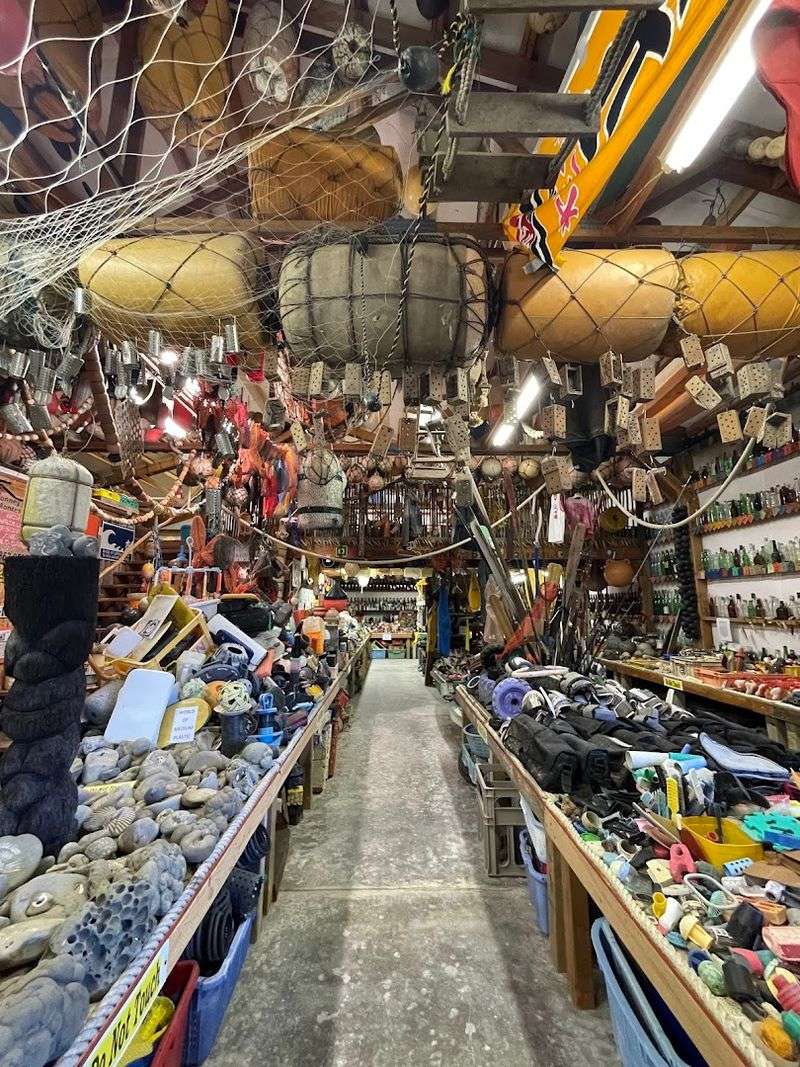
The museum offers scavenger hunt sheets for younger visitors, which turns the experience into an active search rather than a passive walk-through. Kids move through the displays with a specific purpose, which keeps their attention focused and makes them look more carefully at what is actually in front of them.
The scavenger hunt works because the collection genuinely rewards close looking. There are small, easy-to-miss objects throughout the museum that an adult might walk past but a child with a checklist will stop to examine.
That dynamic benefits everyone in a family group, since the kids slow the pace down in a useful way.
A sandbox is also available for younger children who need a more hands-on sensory experience during the visit. The sandbox gives smaller kids a place to play while older family members spend more time with the detailed exhibits.
That kind of practical thinking about mixed-age groups makes the museum genuinely family-friendly without any forced effort.
John Himself Is Part Of The Experience
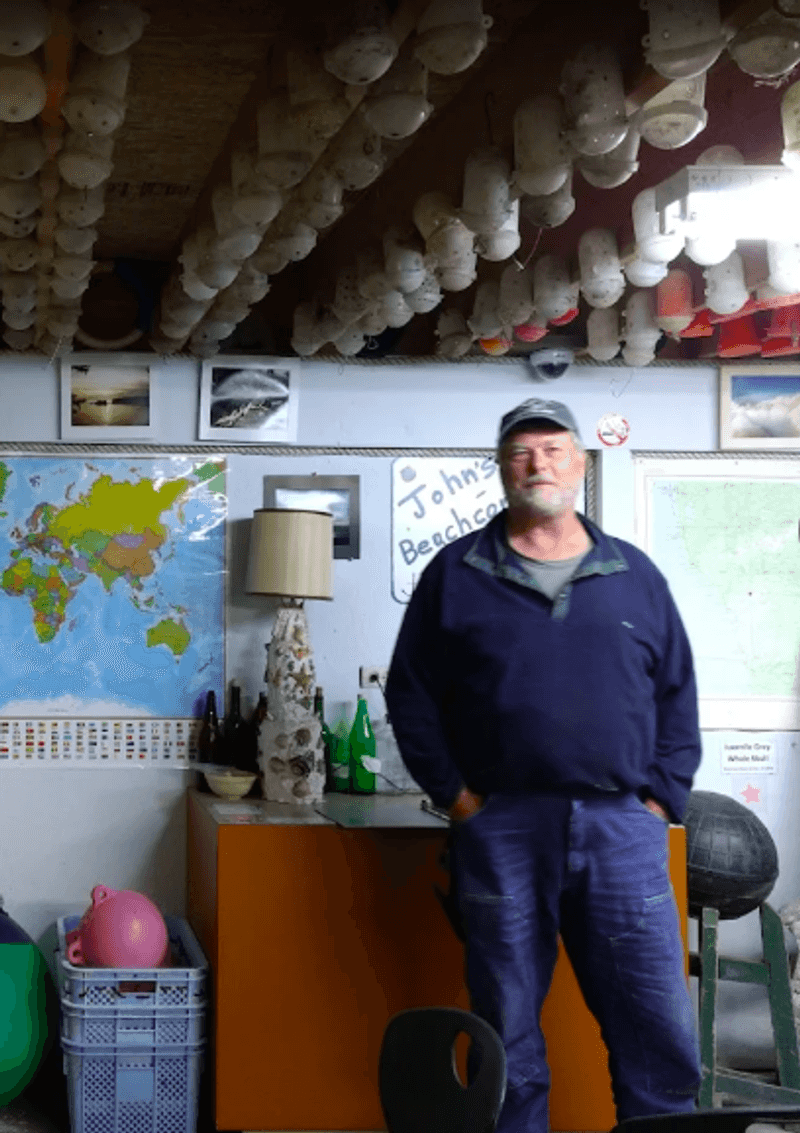
Meeting John is something visitors mention consistently as one of the highlights of the trip. He is knowledgeable, easy to talk to, and genuinely enthusiastic about the stories behind the objects he has collected.
That enthusiasm is not performed for visitors. It is the natural result of spending a lifetime paying close attention to something most people walk past.
His depth of knowledge covers maritime history, ocean science, tsunami debris, container spills, and the behavior of Pacific currents, among other topics. A short conversation with him can reframe the entire collection in ways that the displays alone cannot fully accomplish.
His wife is also part of the museum’s character. She has greeted visitors, explained the museum’s origins, and crafted the handmade jewelry sold in the small shop.
The museum feels like a family project that grew organically over decades rather than something built to a plan, and that quality comes through in every corner of the building.
The Five-Dollar Entry Fee That Overdelivers
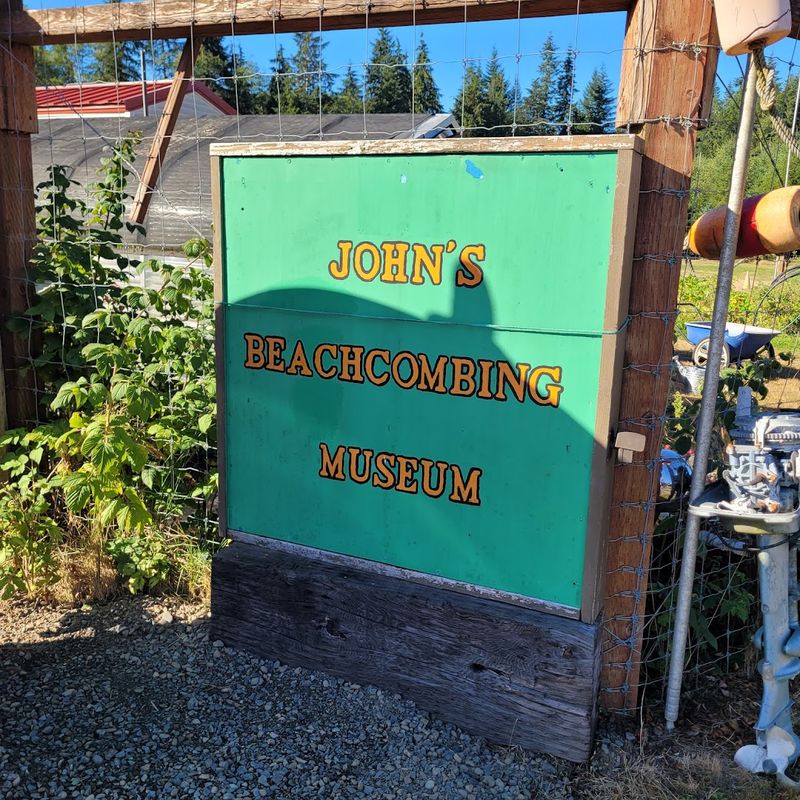
At five dollars for adults, the entry fee at John’s Beachcombing Museum is one of the most straightforward value propositions on the Olympic Peninsula. Most visitors who have paid that amount and then spent over an hour inside come away feeling like they significantly underpaid for what they experienced.
The fee can be paid in cash or through Venmo, which reflects the practical, no-fuss approach that defines the whole operation. There is no gift shop upsell pressure, no timed entry, and no audio guide to rent.
The five dollars simply gets you into the collection and lets you move at your own pace.
For families, the math is especially favorable. A group of four can spend a full afternoon in a museum with genuine historical depth for the cost of a single movie ticket.
The museum is open seven days a week from 11 AM to 5 PM, making it easy to work into any itinerary along the coast.
Why This Museum Belongs On Any Olympic Peninsula Itinerary
Forks sits close to some of the most dramatic coastline in the continental United States. The beaches near the town, including the stretch near Hole in the Wall at Rialto Beach, are the same beaches that supplied much of John’s collection over four decades.
Visiting the museum and then walking those beaches connects the two experiences in a way that makes both richer.
The museum works especially well as a stop while waiting for low tide to expose the best areas of the rocky shoreline. The timing is practical and the context the museum provides changes how you see everything on the beach afterward.
For anyone driving the Olympic Loop or spending time on the coast, the museum is a compact, inexpensive, and genuinely surprising stop that most people do not know to expect. The collection is serious, the host is welcoming, and the stories the objects carry are worth the detour from any route through Washington’s wild western edge.
Where The Museum Sits And Who Built It
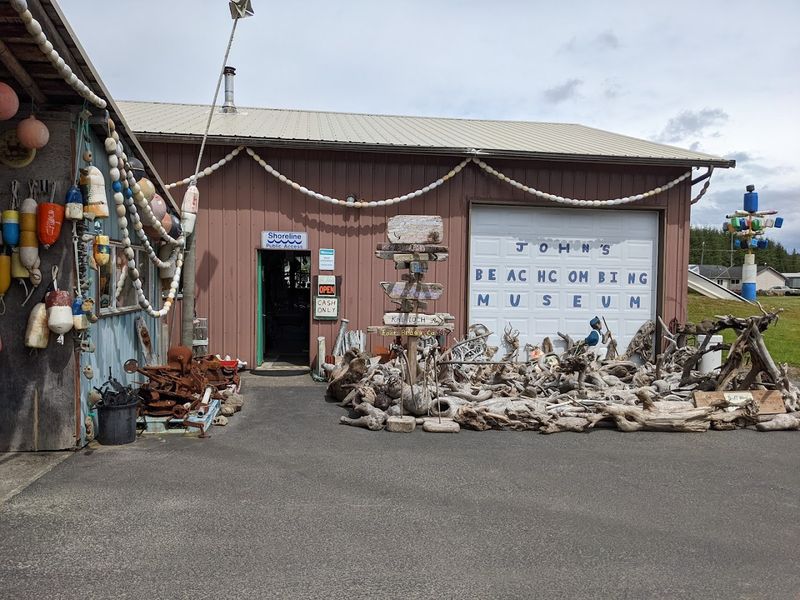
John’s Beachcombing Museum sits at 143 Andersonville Ave in Forks, Washington, a small logging town on the far western edge of the Olympic Peninsula. The museum is a genuinely independent, homegrown operation built around one man’s lifelong habit of walking beaches and picking up what the ocean leaves behind.
John has been collecting since he was a boy. Over more than 40 years, that habit produced a collection large enough to fill a spacious museum that surprises most visitors who expect something much smaller.
The entry fee is just five dollars, payable in cash or via Venmo, which tells you right away that this place is not about profit. The museum earns a 4.8-star rating from over 200 visitors on Google, which is a level of consistency that most professional institutions would envy.
Plan to arrive when it opens at 11 AM to give yourself enough time.
Share this story