Tucked away in the coastal corner of Washington State, there is a museum that manages to do something most educational spaces only dream about: it makes learning about the ocean genuinely fun. Mermaid mythology from cultures around the world sits side by side with real marine science, creating an experience that works for toddlers, teenagers, and adults who secretly never stopped believing in sea creatures.
The admission price is just three dollars, which might be the best deal in the entire Pacific Northwest. This quirky, thoughtful, and surprisingly deep destination has been turning heads and earning loyal repeat visitors, and once you read what is waiting inside, you will understand exactly why people keep coming back.
A Three-Dollar Ticket to Another World
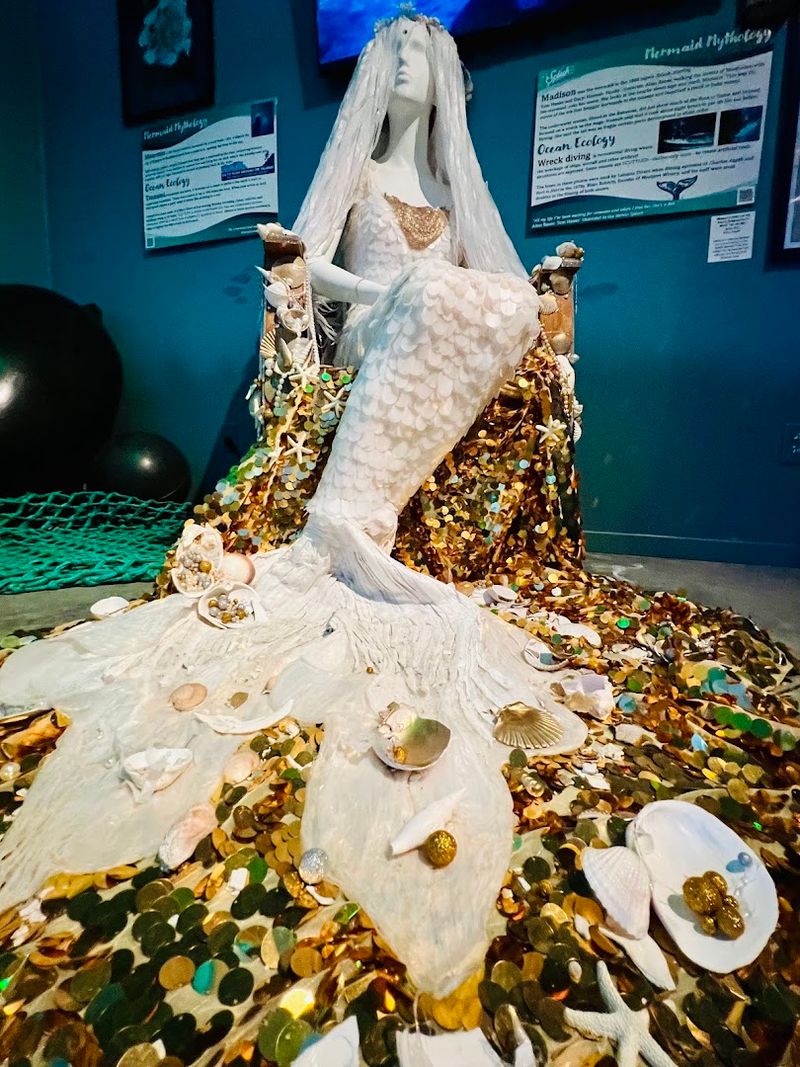
At just three dollars per person, with children five and under admitted free, the International Mermaid Museum offers one of the most affordable cultural experiences in Washington State. That price point is not a reflection of what is inside, though.
The museum packs a surprising amount of content into its space, covering mermaid folklore from multiple continents, ocean conservation themes, Pacific Northwest maritime history, and pop culture tributes to famous mermaids from film and television.
During special events like the annual Mermaid Festival, admission has even been offered free of charge, drawing families from across the region and beyond. The low cost makes it an easy yes for families traveling on a budget.
There are no long lines of expensive tickets to navigate here, just a straightforward entry fee that opens the door to a genuinely layered experience. Few museums at any price deliver this much variety in such a compact, well-curated space.
Mermaid Mythology From Around the Globe
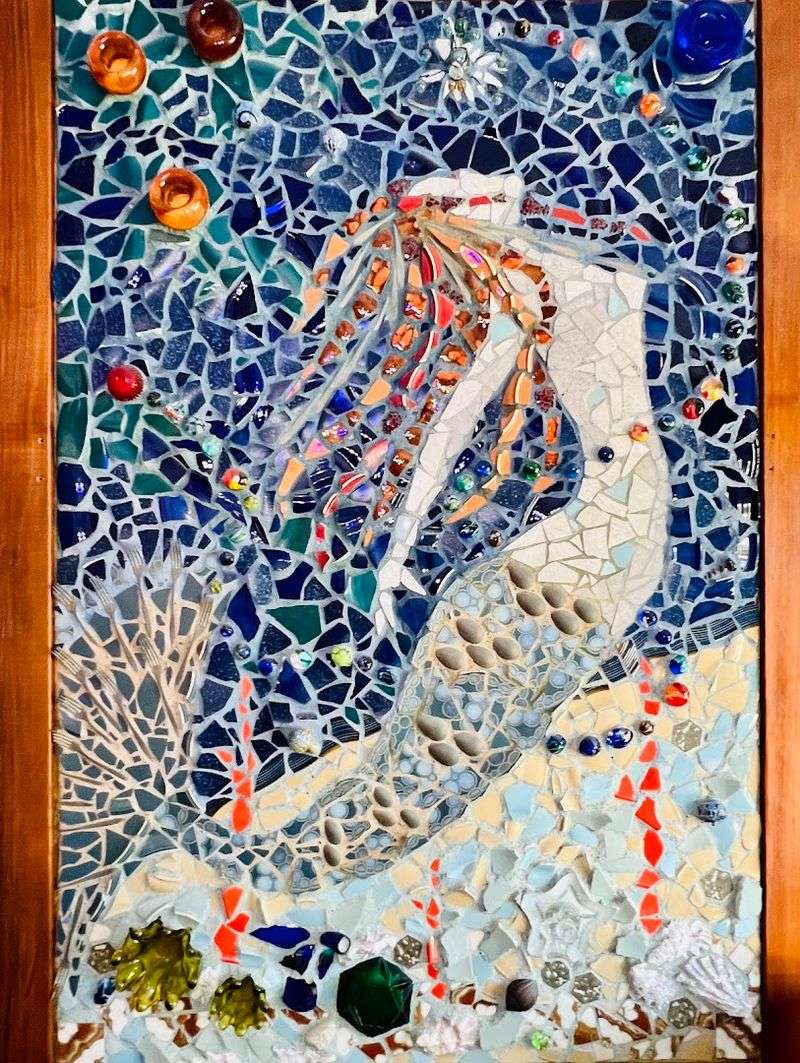
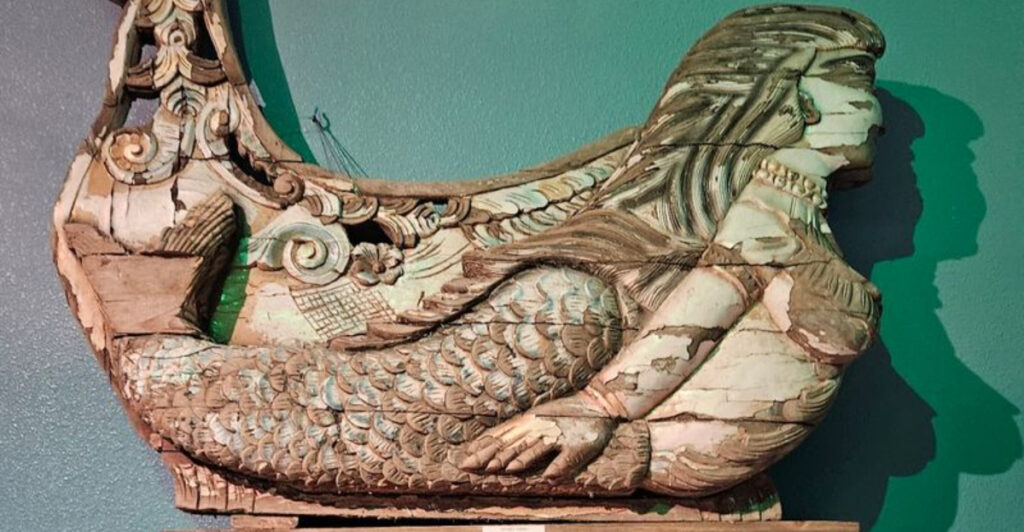
Long before Disney gave mermaids a red-haired makeover, cultures from West Africa to ancient Assyria were telling stories about half-human, half-fish beings who ruled the deep. The International Mermaid Museum takes those stories seriously.
Exhibits trace mermaid legends across continents, showing how different societies used these mythological figures to explain the unpredictability of the ocean, the mystery of what lies beneath the surface, and the relationship between humans and water.
Small informational signs placed throughout the museum tell individual stories from specific cultures, giving each legend its own context rather than lumping everything together into one generic narrative. That attention to detail makes the mythology section genuinely educational rather than decorative.
Families often find themselves stopping longer at these panels than they expected to, reading about traditions they had never encountered before. The diversity of the mythology collection is one of the strongest reasons this museum stands apart from anything else in the Pacific Northwest.
Ocean Ecology Woven Into Every Exhibit
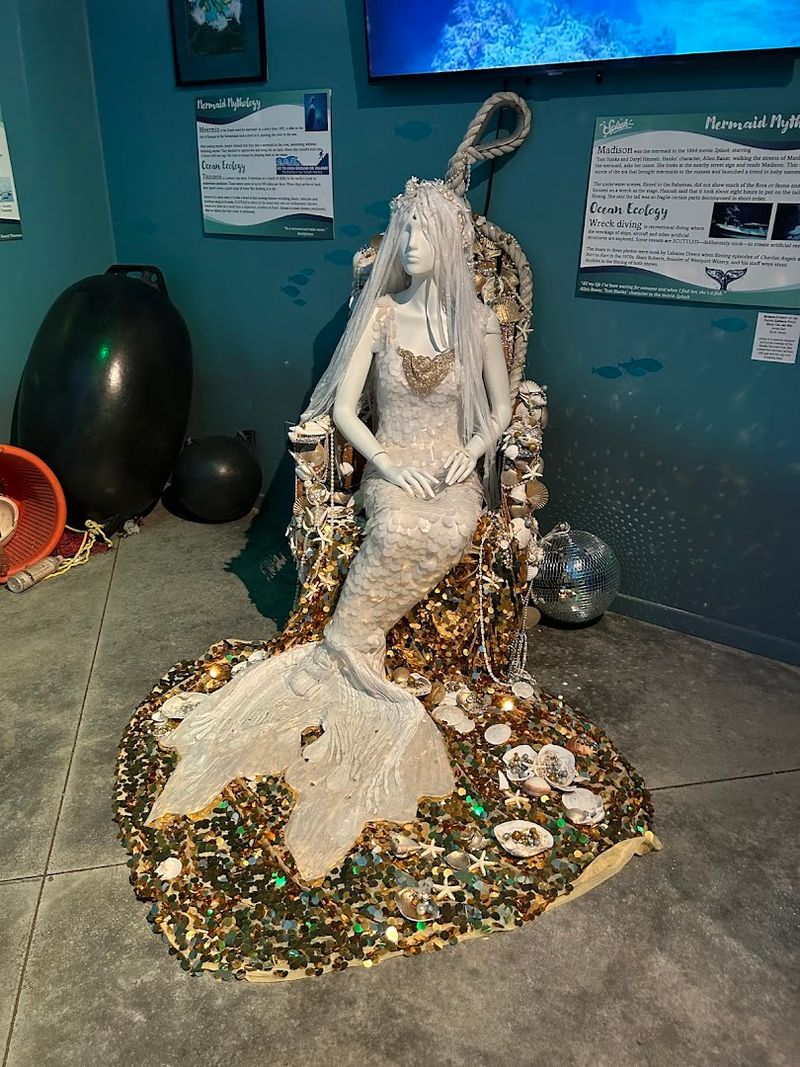
What separates this museum from a pure novelty attraction is its genuine commitment to ocean science. Marine ecology is threaded throughout the exhibits, connecting the fantasy of mermaid lore to the very real ecosystems that inspired those stories.
Displays cover topics like the layered zones of the ocean, from the sunlit shallows near the shore all the way down to the deep-sea floor, showing how different creatures survive at each depth. The framing uses mermaid mythology as a gateway, but the content underneath is rooted in actual marine biology.
This approach works remarkably well for younger visitors who might tune out a traditional science museum but stay fully engaged when the information is wrapped in a story they already love. Parents consistently note that their children leave the museum asking questions about real ocean life.
The ecology content is presented accessibly, without overwhelming jargon, making it suitable for a wide age range and adding lasting educational value to what could have been a purely decorative experience.
The Mannequins That Tell Stories
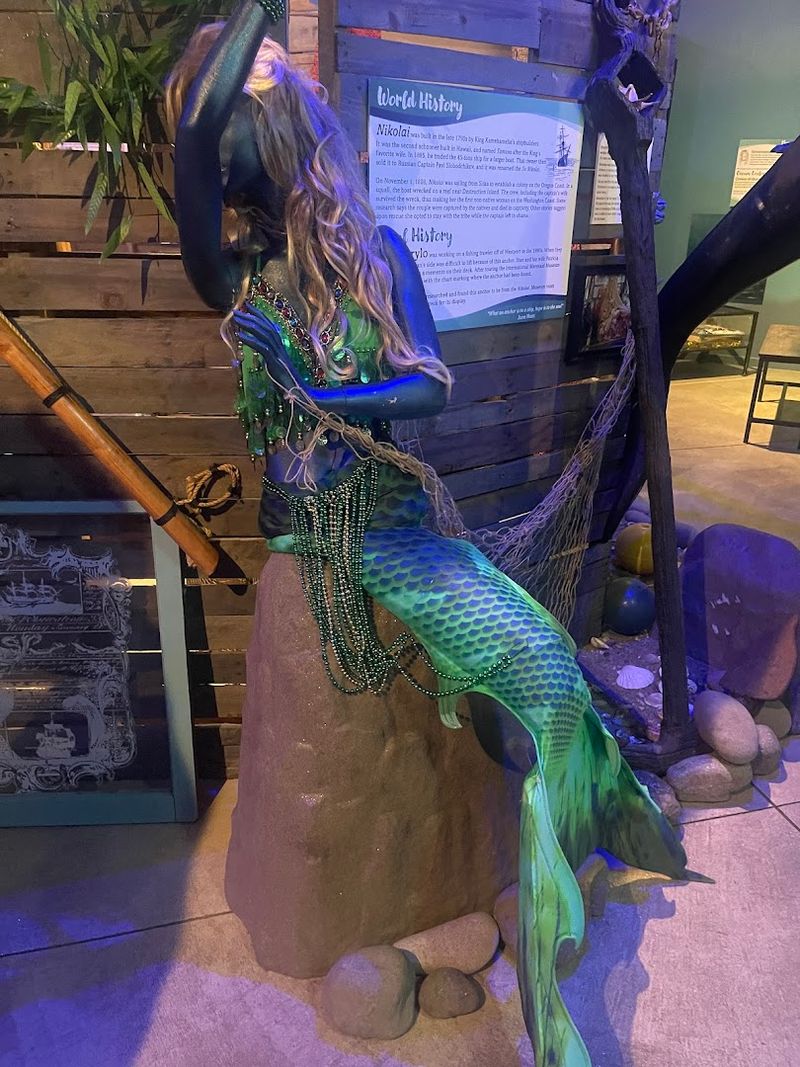
Walk through the main exhibit hall and you will find yourself surrounded by life-size mannequins dressed as mermaids and mermen, each one positioned within a specific scene or narrative context. These are not generic costume displays.
Each mannequin is styled to represent a particular cultural tradition, story, or era, and the costuming reflects real research into how different societies depicted these figures. The detail in the fabric, accessories, and positioning gives each one a distinct character.
Some younger children find the mannequins a little startling at first, which is a completely understandable reaction when you round a corner and meet a life-size sea creature at eye level. Most kids warm up quickly once they realize each figure has a story attached to it.
The theatrical quality of the displays makes the museum feel more like a walk-through narrative than a traditional exhibit hall, and that immersive storytelling approach is a big part of what keeps the space memorable long after the visit ends.
The Gift Shop That Earns Its Own Reputation
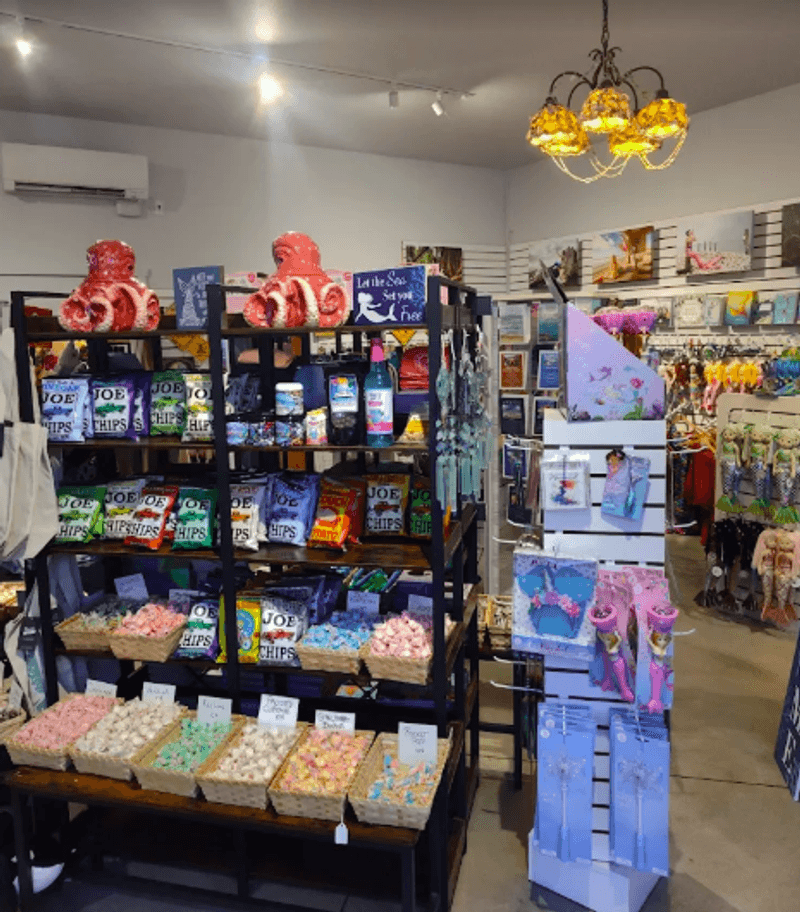
Museum gift shops can go one of two ways: overpriced and generic, or thoughtfully stocked with things you actually want to bring home. The International Mermaid Museum firmly lands in the second category.
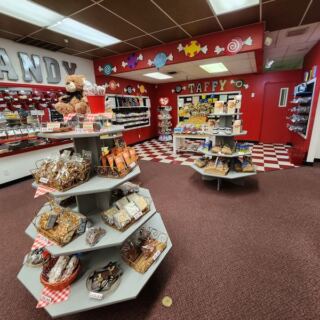
The shop carries sea glass jewelry, mermaid-themed apparel including hoodies and accessories, stuffed mermaid dolls in sizes suited for small children, and a range of ocean-inspired keepsakes. The pricing on children’s items is notably reasonable for a museum retail space, which parents tend to appreciate after years of being surprised at checkout.
The gift shop is also larger than the museum’s overall footprint might lead you to expect, with enough variety to make browsing genuinely enjoyable rather than obligatory. Many guests report spending more time in the shop than they originally planned.
The curated selection reflects the same attention to theme that runs through the rest of the museum, so the items feel like a natural extension of the experience rather than a disconnected souvenir stand bolted onto the exit.
Sculptures, Topiaries, and Outdoor Art
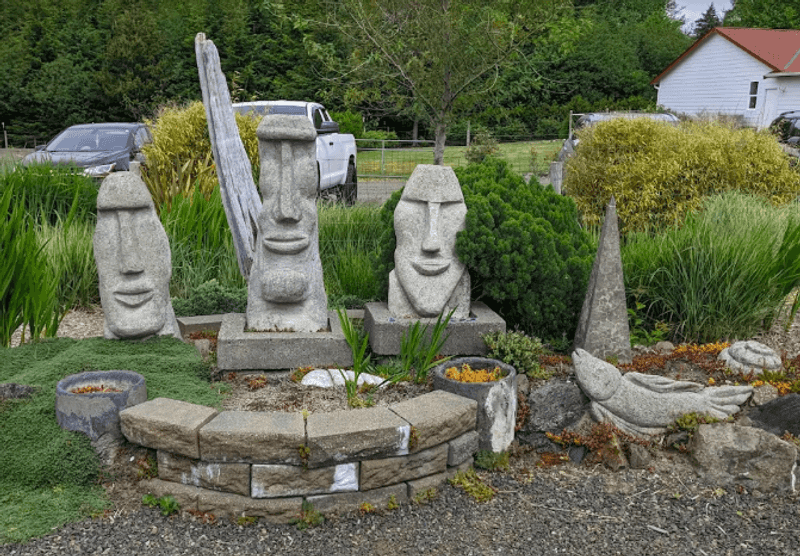
The museum experience does not stop at the front door. The surrounding grounds are filled with sculptures, shaped topiaries, and art installations that turn a simple walk outside into a discovery tour of their own.
Pathways wind behind the museum building through landscaped areas where visitors encounter unexpected pieces of art tucked between plants and trees. The outdoor collection has a whimsical quality that complements the mythology theme inside without simply repeating it.
Families with younger children often find the outdoor area to be the most freely enjoyable part of the visit, since there is more room to move and explore without the constraints of an indoor exhibit space. Toddlers who might struggle with sitting still inside tend to thrive on the outdoor trails.
The grounds are also large enough that they feel genuinely expansive, not just a small courtyard tacked onto the building. For guests who arrive on a clear Pacific Northwest day, the outdoor portion of the visit can easily match the indoor exhibits in terms of time spent and things discovered.
Pacific Northwest Maritime Culture on Display
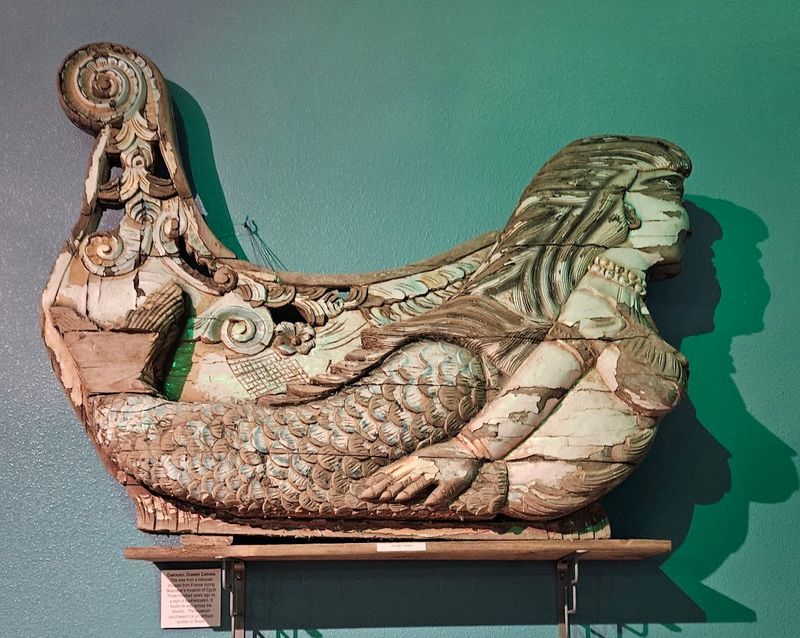
Aberdeen has a long and layered history as a port town, and the museum honors that heritage with a dedicated section on Pacific Northwest maritime culture. This is where the local story meets the global mythology.
The exhibits in this section connect the region’s fishing industry, coastal Indigenous traditions, and seafaring history to the broader human relationship with the ocean. It provides context that grounds the more fantastical elements of the museum in something tangible and local.
For visitors who grew up in the Pacific Northwest or have family ties to the coastal communities of Washington and Oregon, this section often carries an added layer of personal resonance. The stories feel familiar even when the specific details are new.
The blend of local history with worldwide mythology is one of the more sophisticated curatorial choices the museum makes, and it elevates the overall experience from a novelty exhibit to something with genuine cultural depth. Aberdeen’s maritime past deserves exactly this kind of thoughtful recognition.
Pop Culture Mermaids Get Their Own Spotlight
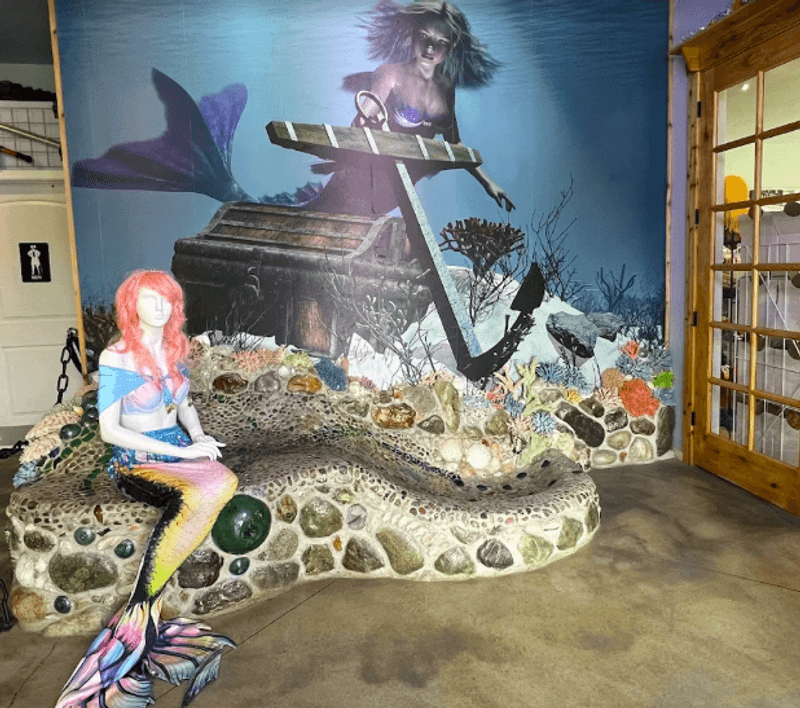
From classic fairy tales to blockbuster films, mermaids have had a long and colorful presence in popular culture, and the International Mermaid Museum gives that history its own dedicated space.
The pop culture section covers famous mermaid portrayals from cinema and television, tracing how the image of the mermaid has shifted over decades of storytelling. It is a fun contrast to the mythology and science sections, showing how the same archetype can be reimagined across entirely different cultural contexts.
Younger visitors who arrive already familiar with animated mermaids from movies often find this section to be their entry point into the broader exhibit, using characters they recognize as a bridge to older and more complex traditions.
The curation here has a sharp eye for detail, connecting pop culture moments back to the mythological roots that inspired them rather than treating film and folklore as separate conversations. That connective thread is what makes the museum feel like a cohesive experience rather than a collection of loosely related displays.
Westport Winery Next Door
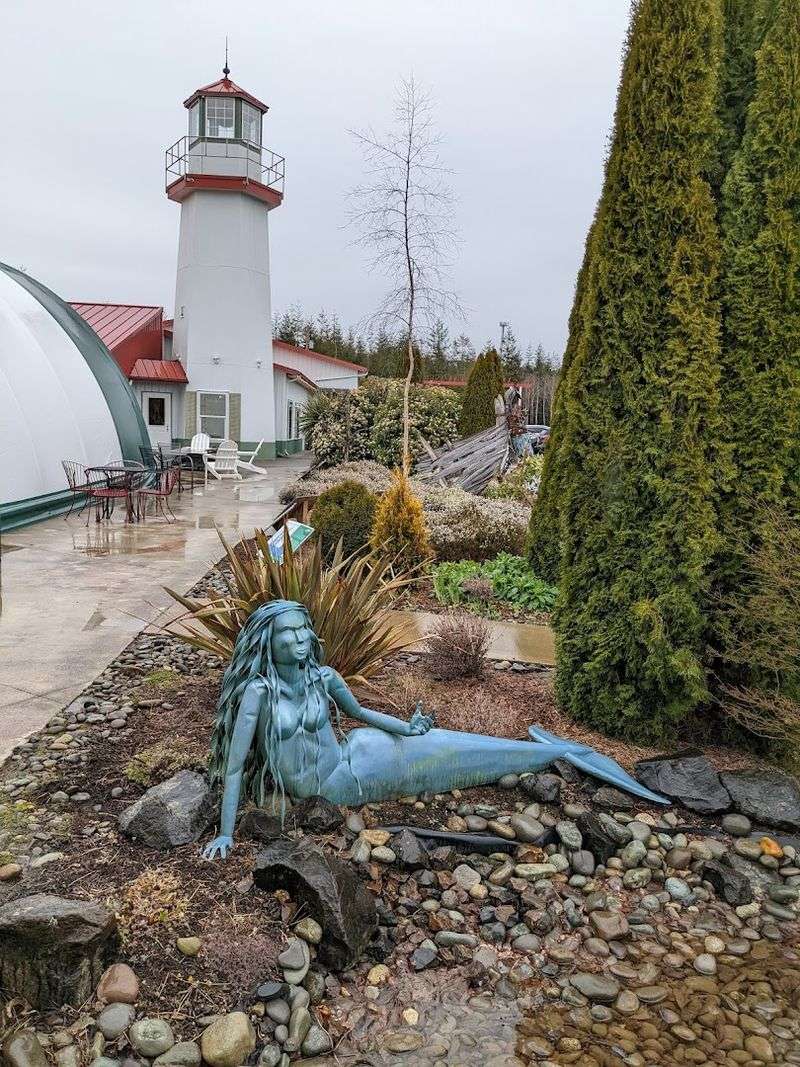
The International Mermaid Museum shares its property with Westport Winery, a full-service winery with tasting rooms, a cafe, and its own expansive garden grounds. For adults visiting with family, this adjacency turns a short museum stop into a genuinely well-rounded afternoon.
The winery’s garden extends behind the museum building and merges with the sculpture and topiary trails, meaning that exploring the outdoor grounds naturally takes you through both properties. The two experiences complement each other in a way that feels organic rather than forced.
Many guests find that the ideal visit involves spending time in the museum first, then moving outside for a walk through the shared garden spaces before settling into the winery’s cafe area. The combined experience can easily fill two to three hours without any sense of rushing.
The proximity also means that the museum is easy to include in a broader wine country itinerary along the Washington coast, adding cultural and educational value to what might otherwise be a purely culinary outing.
Why This Museum Stays With You
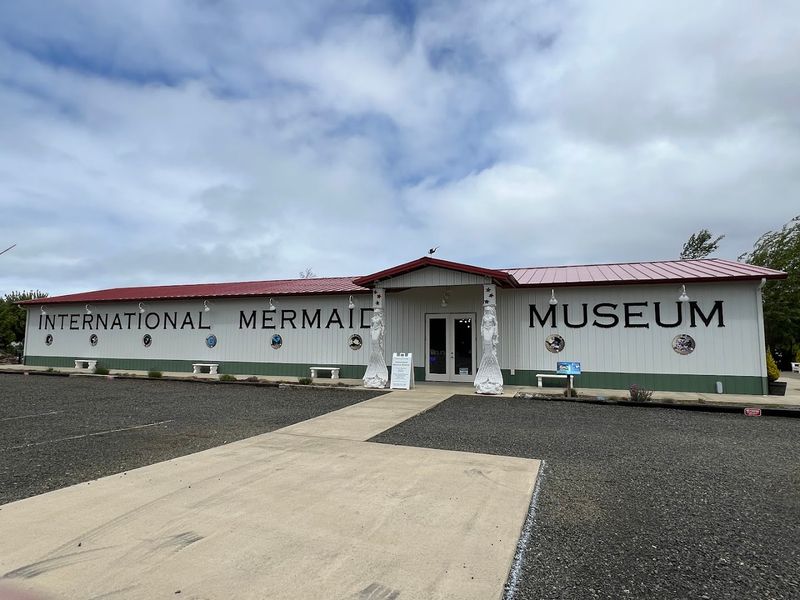
Most roadside stops fade from memory within a few days. The International Mermaid Museum tends to stick around longer than that, and there is a clear reason why.
The museum manages to hold multiple things in balance at once: mythology and science, local history and global culture, adult curiosity and childhood wonder. That balance is genuinely difficult to achieve, and the fact that it works here is a credit to the thoughtfulness behind every curatorial decision.
The low admission price removes the pressure of feeling like the experience needs to justify a major financial investment, which actually frees visitors to be pleasantly surprised rather than defensively critical. When expectations are modest and the reality exceeds them, the memory tends to be disproportionately positive.
Aberdeen, Washington is not typically at the top of Pacific Northwest travel itineraries, but this museum gives the town a compelling reason to be included. For anyone passing through Grays Harbor County, a stop here is the kind of decision that tends to age very well.
Where the Magic Begins: Address and Location
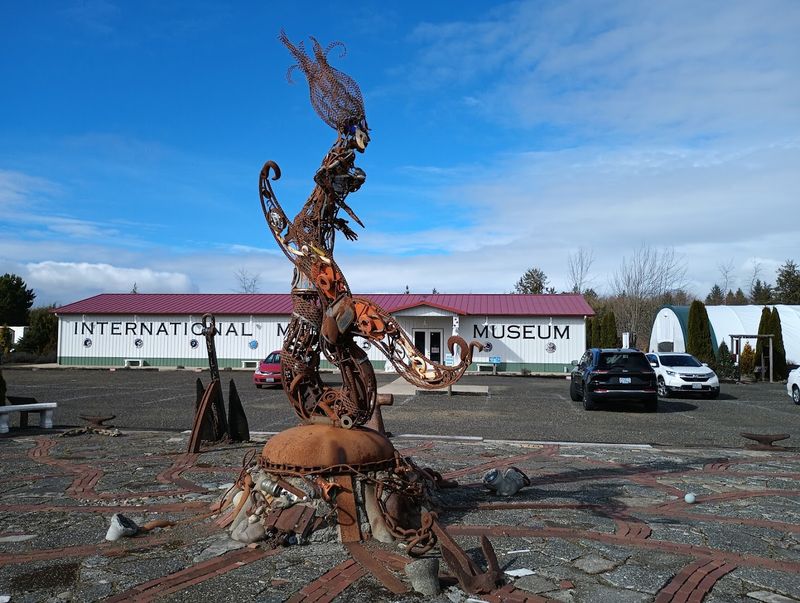
Right at the edge of Aberdeen, Washington, the International Mermaid Museum sits at 1 South Arbor Road, Aberdeen, WA 98520, sharing its grounds with Westport Winery in Grays Harbor County.
The location itself sets the tone before you even walk through the door. Aberdeen is a coastal community with deep maritime roots, and placing a mermaid museum here feels less like a novelty and more like a natural extension of the town’s identity.
The museum is open every day of the week from 11 AM to 6 PM, making it easy to work into any travel itinerary. Whether you are driving through on a road trip or making it a dedicated destination, the address is simple to find and the signage makes it hard to miss.
The surrounding landscape, with its Pacific Northwest trees and open sky, adds a fitting backdrop to a place dedicated to the mysteries of the sea.
Share this story