 Unearth The Voyage
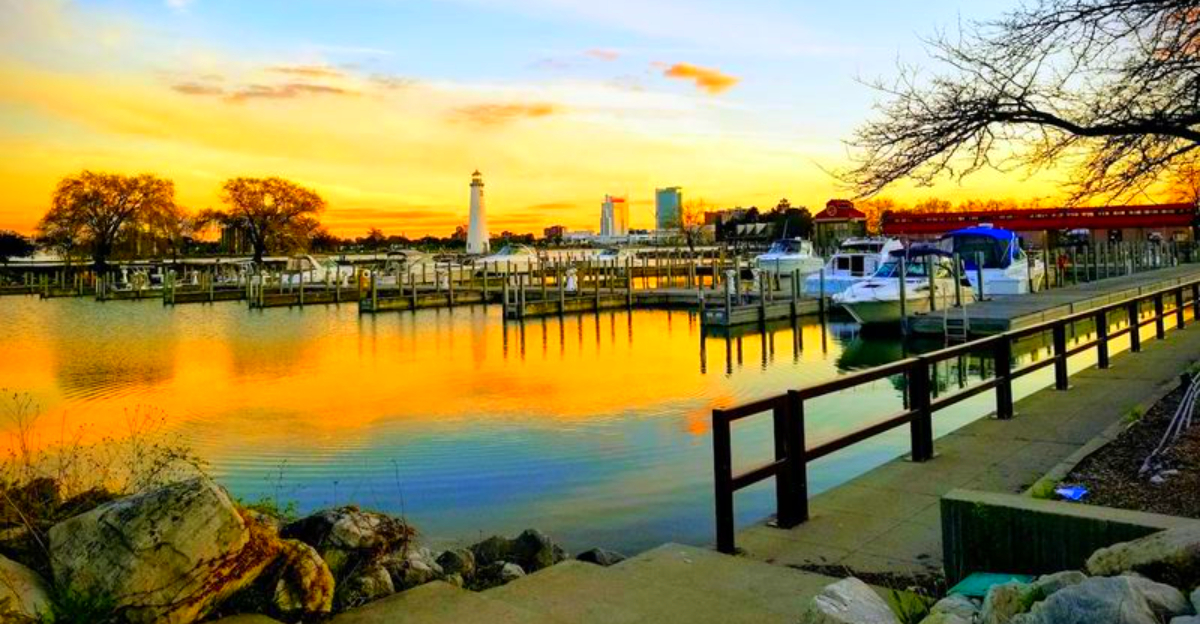
Detroit can surprise you in the best possible way, and this riverfront spot proves it almost immediately. One minute I was surrounded by downtown energy, shiny towers, traffic, and all the usual city motion, and the next I was watching water ripple past a lighthouse with enough calm to reset my whole mood.
That contrast is the real hook here, because this place is not just pretty – it shows how a major city can make room for wetlands, harbor views, quiet trails, and everyday peace in the same frame. Keep reading and I will show you where to find the best skyline angles, what makes the park feel so unexpectedly restful, and which small details turned a simple stroll into one of my favorite Detroit outings.
A city address with a real exhale
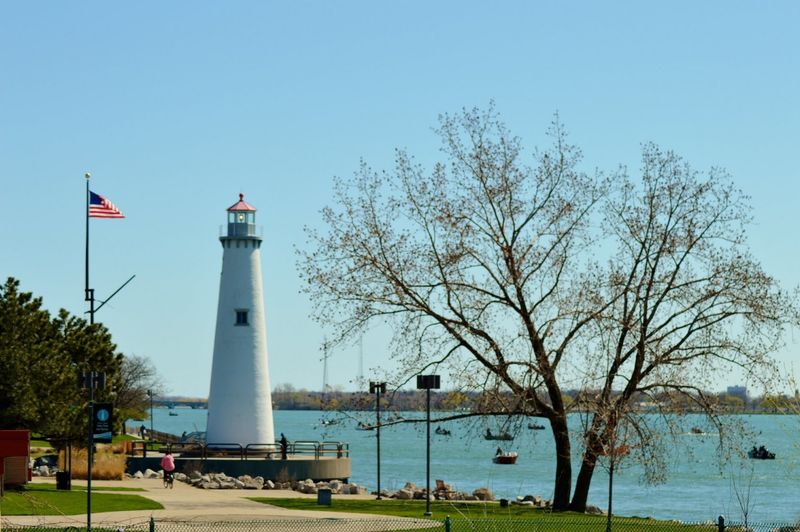
Detroit likes to keep a few surprises tucked between its bold buildings, and this was one of my favorites. I found William G.
Milliken State Park and Harbor at 1900 Atwater St, Detroit, MI 48207, right along the river in Michigan, and the setting felt almost mischievous in the best way.
The park sits close enough to downtown that the skyline stays part of the experience, yet the water, paths, and plantings soften everything around me. I could hear city life in the distance, but what I noticed more was the breeze, the harbor, and that sense that my shoulders had quietly unclenched without asking permission first.
It did not feel like a place demanding a full itinerary or a big production. I only needed comfortable shoes, a little time, and the willingness to slow down long enough to notice what this park does so well.
The lighthouse may grab your attention first, but the real magic starts once you keep moving.
The skyline looks better with water in front of it
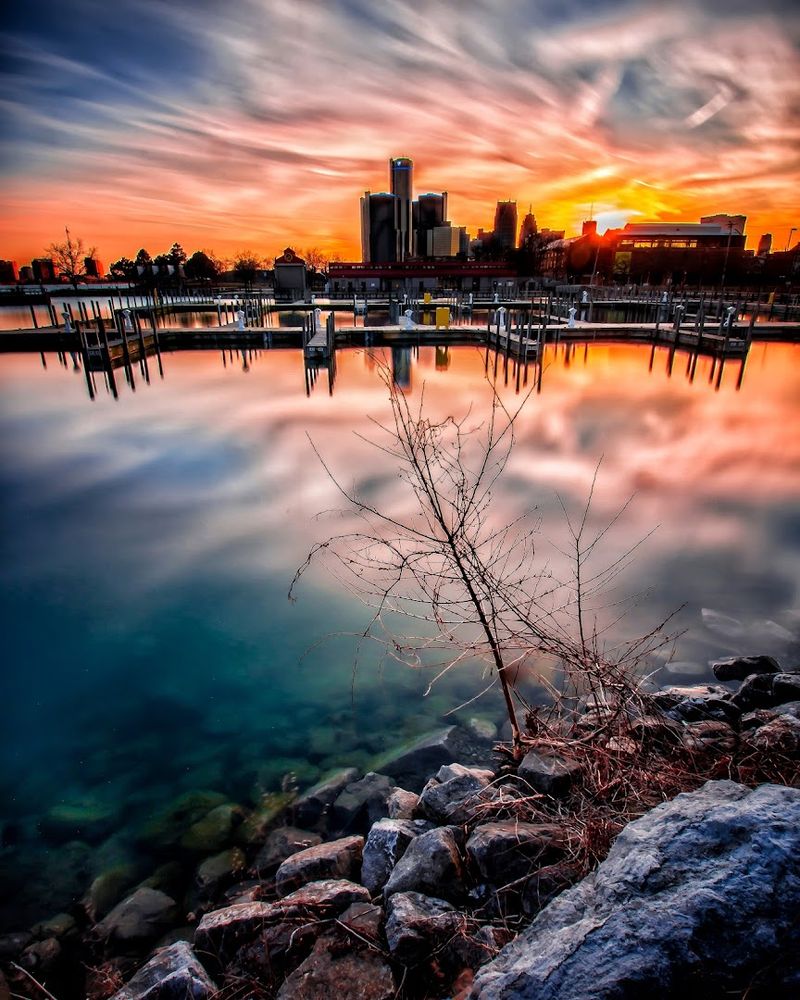
Some city views try too hard, but this one lets the water do the heavy lifting. From the shoreline paths, I got a broad look at downtown Detroit that felt polished and dramatic without losing that open, breezy ease that makes you want to linger.
The river adds motion to everything, and even the familiar buildings seem to relax a little when they are reflected in shifting light. I liked how the view changed every few minutes, especially when clouds moved across the sky and the glass towers went from bright and crisp to soft and silvery.
Across the water, Windsor adds another layer to the scene, which makes this stretch feel bigger than a standard urban park. It is the kind of place where I kept taking one more photo, then another, then pretending I was done before taking three more.
The closer I looked, the more the park revealed that scenery is only part of its charm.
That lighthouse is small, charming, and impossible to ignore
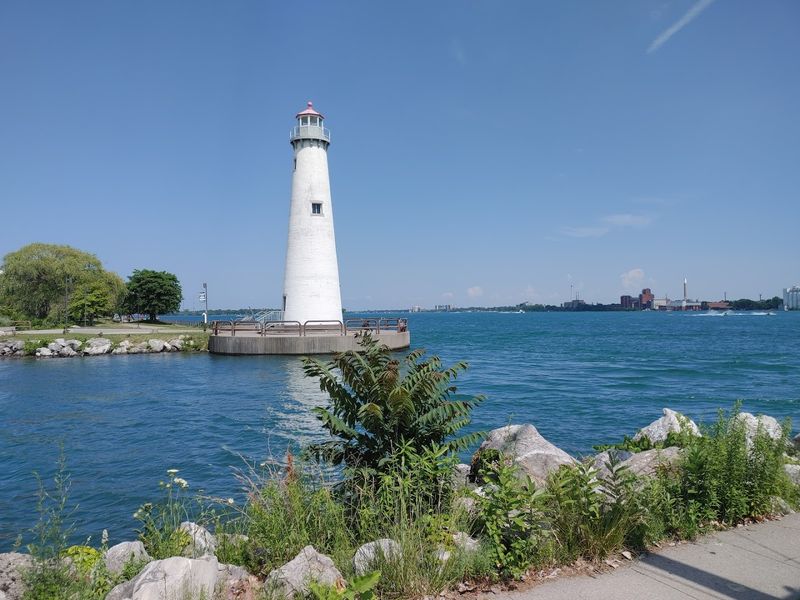
No matter how many city details compete for attention, the lighthouse wins the popularity contest with very little effort. It gives the park a clear focal point, and I understood immediately why so many people drift toward it with phones ready and camera rolls about to get busy.
What I liked most was how the lighthouse changes the tone of the whole visit. Instead of feeling like just another waterfront walkway, the park takes on a harbor character that feels specific, memorable, and tied to Detroit’s long relationship with the river and shipping.
It is also simply fun to look at, which should not be underestimated when you are deciding where to spend an afternoon. I watched people pause there, chat there, and frame the skyline around it as if the structure had been hired as a very photogenic park employee.
Yet the lighthouse is only the start, because the quieter landscape behind it tells an even richer story.
Wetlands in the middle of downtown sounds made up, but it is real
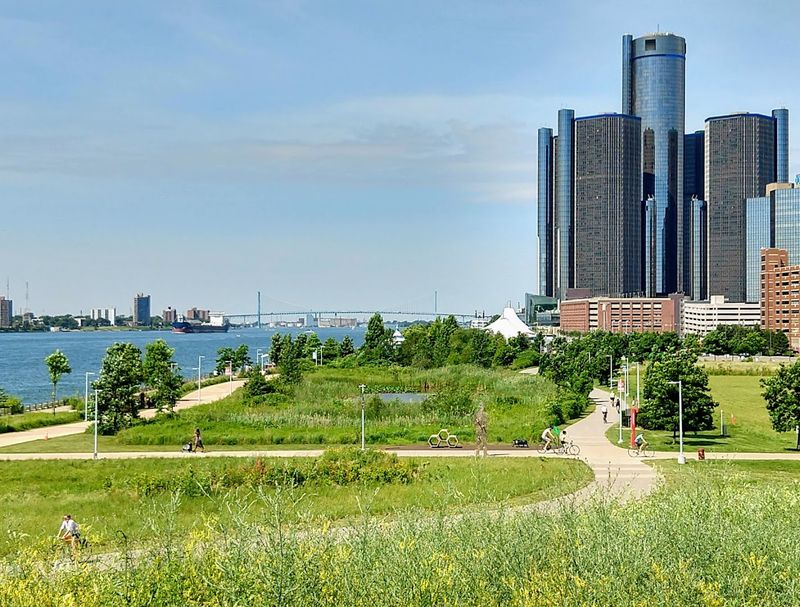
The part that impressed me most was not the skyline or the harbor, though both are excellent. It was the way the park folds restored natural habitat into downtown Detroit so convincingly that I kept forgetting how close I was to busy streets and major buildings.
Native plants, grasses, and wetland areas give the landscape texture and purpose beyond decoration. I could tell this was not just a scenic patch of green dropped beside the river for show, because the space feels designed to support wildlife while still welcoming walkers, cyclists, and anyone needing a little calm.
That balance gives the park its personality. I saw butterflies, birds, and enough quiet corners to make the whole place feel more alive than many larger parks I have visited.
It reminded me that nature in a city does not need to be huge to feel meaningful – it just needs care, access, and room to breathe. The next surprise comes from how easy the paths make all of it to enjoy.
A walk here can be lazy, brisk, or gloriously unplanned
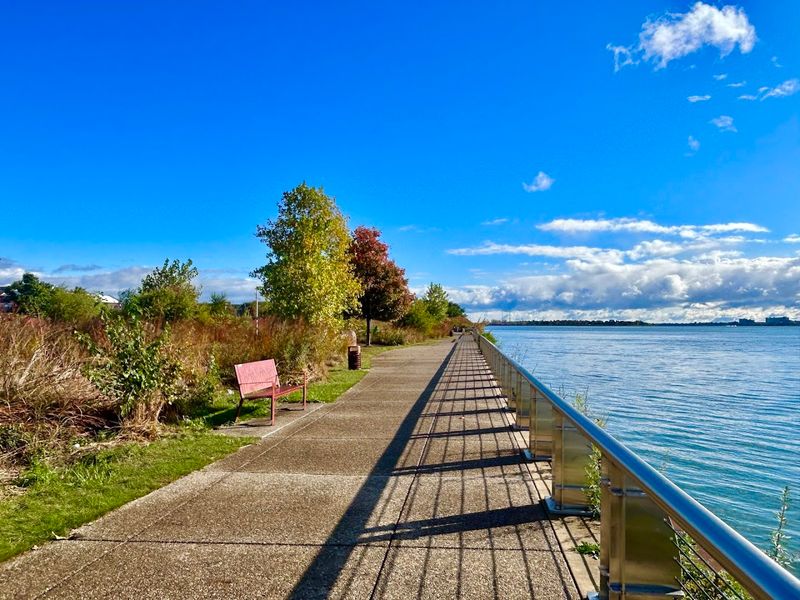
My favorite kind of park is one that does not tell me how to use it, and this one gets that exactly right. I could turn the visit into a short scenic loop, a longer riverfront walk, or a seat-on-a-bench session with no ambition beyond watching boats and pretending that counted as cardio.
The paths are easy to follow and pleasant to move through, with enough visual variety to keep the walk from feeling repetitive. Water on one side, plantings and open lawns on another, and regular glimpses of the skyline kept me interested even when I slowed down and let the afternoon stretch out.
I also liked that the park connects naturally with the larger Detroit Riverwalk, so the visit can stay compact or expand depending on your mood and your shoe choices. That flexibility makes it useful for locals and visitors alike.
Still, a path is only as memorable as the feeling it creates, and this place has a peaceful streak that deserves its own moment.
The calm here feels almost sneaky
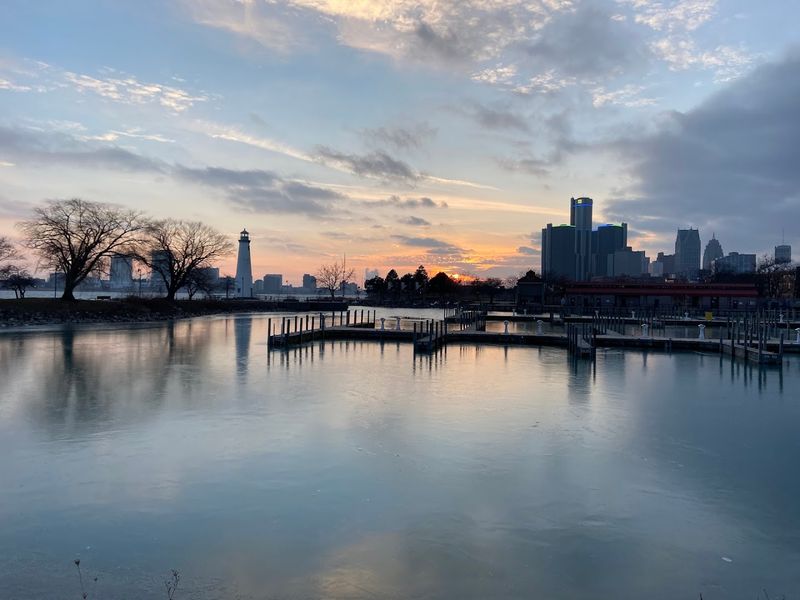
City parks usually come with a soundtrack, but this one lets the softer notes take over. I heard water, wind, distant conversation, and the occasional passing boat, and together they created a kind of background hush that made downtown feel strangely far away.
That calm is probably why the park works so well for so many different moods. I could imagine coming here with a coffee and a notebook, with family for a picnic, or just for a reset after an overbooked day when my brain felt like it had too many browser tabs open.
The benches and open spaces help, but the real trick is the contrast. You know you are in Detroit, and you can see the city right there, yet the park somehow edits out the stress without erasing the urban character that makes the location special.
It is a thoughtful kind of quiet, not an empty one. Wait until the light starts changing, because that is when the whole waterfront puts on its best face.
Morning light and sunset both deserve a little applause
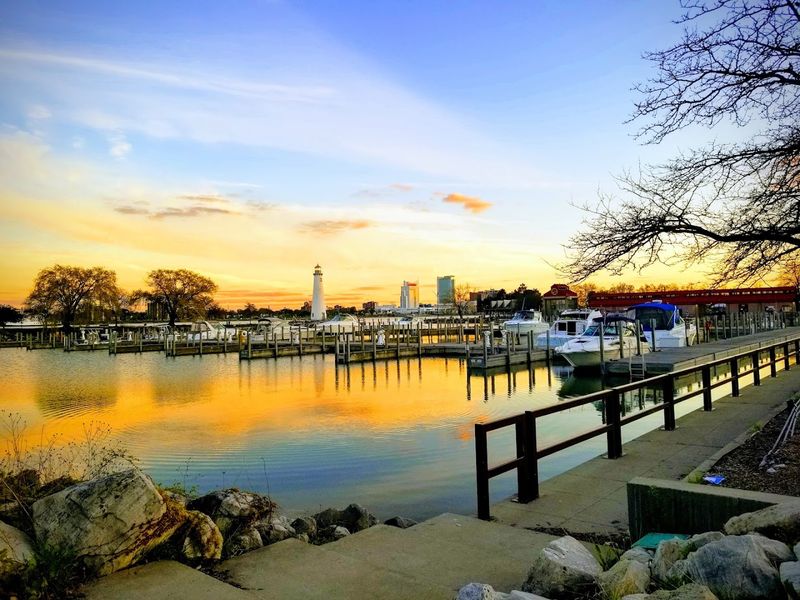
Light does wonderful work at this park, and I would happily build a visit around that alone. Early in the day, the river looks cool and glassy, the air feels cleaner somehow, and the whole shoreline seems to wake up slowly instead of shouting for attention.
Later on, the mood shifts in a completely different direction. Sunset warms the water, softens the skyline, and turns ordinary moments into the sort of scenes that make even casual phone photos look as though you planned them carefully with artistic intent and suspicious competence.
I especially liked how the lighthouse and harbor elements catch changing color without feeling staged. The park stays usable and comfortable, but it also becomes more atmospheric, which is a nice trick for a place that already has plenty going for it in daylight.
If you enjoy taking pictures, this is the hour when your camera roll starts filling up fast. Then again, the view is not only about beauty – it is also about movement on the water.
This park does not belong to just one season
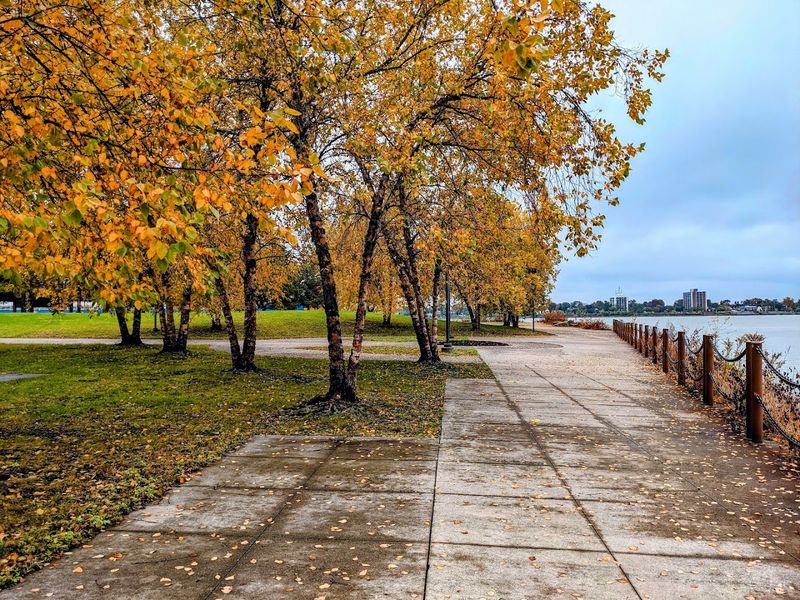
Some places peak for a few weeks and then coast on reputation, but this park has more range than that. I can picture it in fresh spring color, full summer green, crisp fall light, and even colder months when the riverfront feels spare, sharp, and unexpectedly elegant.
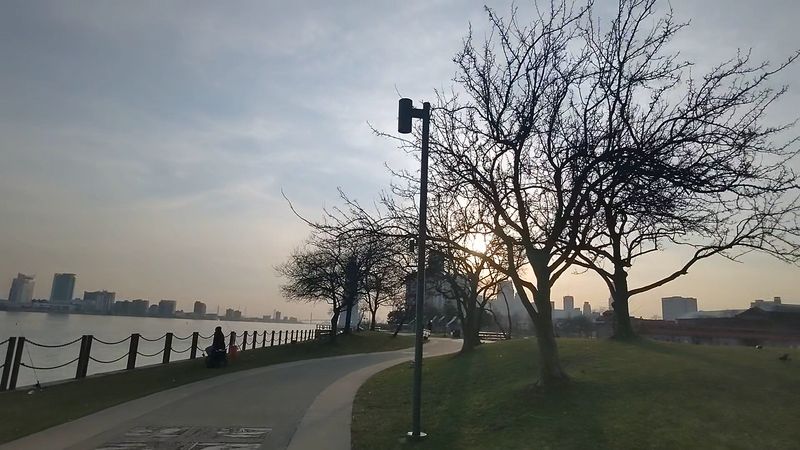
During warmer weather, the paths, lawns, and shoreline views make it easy to spend a long stretch outside without needing a complicated plan. In cooler seasons, the open sightlines become part of the charm, and the quieter mood gives the harbor and skyline a cleaner, more dramatic presence.
That seasonal flexibility matters in a city park because it means the experience stays interesting instead of turning into a one-time photo stop. I would happily revisit just to see how the same lighthouse, water, and plantings change under different skies.
The place feels sturdy enough for repeat visits and varied enough to reward them. Of course, timing still matters, and there are a few practical things I would absolutely keep in mind before heading over.
A few practical tips can make the visit smoother
A little planning goes a long way here, especially if you want the relaxed version of the experience instead of the mildly annoyed version. I would check hours before going, wear shoes suited for walking more than expected, and try for an earlier visit if I wanted easier parking and softer light.
The park works beautifully for a short stop, but it is smarter to leave extra time. Once I got there, I kept adding little detours for photos, benches, shoreline views, and stretches of the connected riverfront that looked too tempting to ignore.
That kind of mission drift is not a flaw. It is a compliment to the place.
I would also bring water, charge my phone, and keep the weather in mind because the river breeze can shape the outing more than downtown streets do. None of this is complicated, which is part of the appeal.
The park feels accessible, easy to understand, and rewarding without requiring a full day of logistics. And there is one last reason it stayed with me after I left.
Why this riverfront stop lingers in my memory
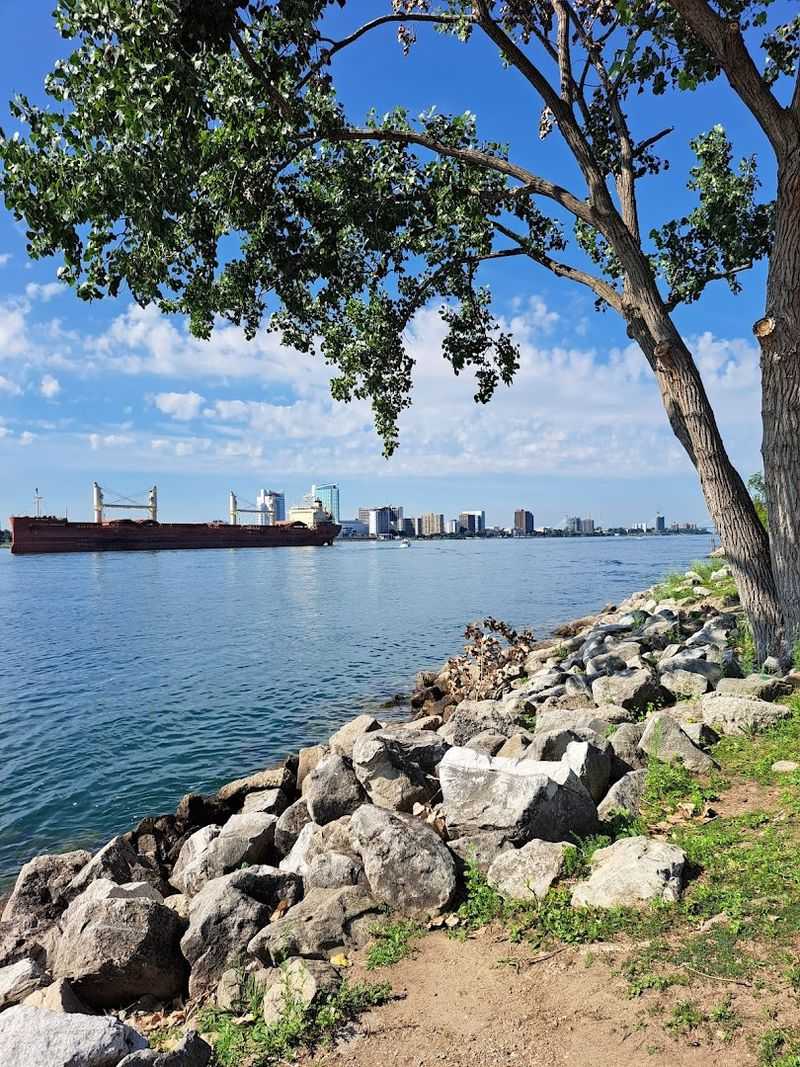
What stayed with me most was not one feature, but the combination of them all working together. William G.
Milliken State Park and Harbor manages to be scenic, practical, restorative, and unmistakably urban at the same time, which is a rare mix and one Detroit carries with real confidence.
I liked that I could come for the skyline and end up paying equal attention to grasses, birds, harbor details, and the simple pleasure of sitting near moving water. The park never feels overly polished or overly wild.
It feels balanced, and that balance is exactly what makes it such a satisfying place to spend time.
By the end of my visit, I was not rushing for the exit or mentally checking off a sight. I was already thinking about when I could come back, maybe at sunrise, maybe in another season, maybe just to walk the river and let the city soften around the edges for an hour.
In downtown Detroit, that kind of escape feels like a very good deal.
One more lap around the water feels like the right ending

By the time I circled back toward the water one last time, the park had fully made its point. This is not just a nice add-on to downtown Detroit.
It is a place with its own mood, its own pace, and enough layers to turn a quick visit into something that feels quietly memorable.
I came away appreciating how the site brings together lighthouse charm, riverfront openness, habitat restoration, harbor character, and some of the best public views in the city. Nothing about the experience felt forced.
The park simply lets Detroit show a gentler side without losing its bold edges, and that balance is what makes the outing stick.
If you like places that reward slow attention, this one absolutely delivers. I would return for the changing light, the breeze off the river, the skyline across the water, and the ease of finding calm in a major city without needing to leave the center of it.
Sometimes the best travel surprise is a place that helps you breathe better, and this park does exactly that.



