 Unearth The Voyage
Toms River, New Jersey is not exactly the first place you would expect to find one of the most unusual museums on the East Coast. Tucked along a busy highway, this small but packed attraction has been quietly winning over kids, adults, and even the most bug-skeptical parents for years.
The museum is dedicated entirely to insects and arachnids, and it does not hold back. From tarantulas you can actually touch to towering displays of beetles the size of a fist, every corner of this place has something that will make you look twice.
Whether you are planning a rainy-day outing, a birthday party with a serious wow factor, or just a curious detour during a Jersey Shore trip, this spot delivers far more than its modest exterior suggests. Keep reading to find out exactly what makes this little museum so surprisingly hard to forget.
Where Exactly This Bug Museum Lives
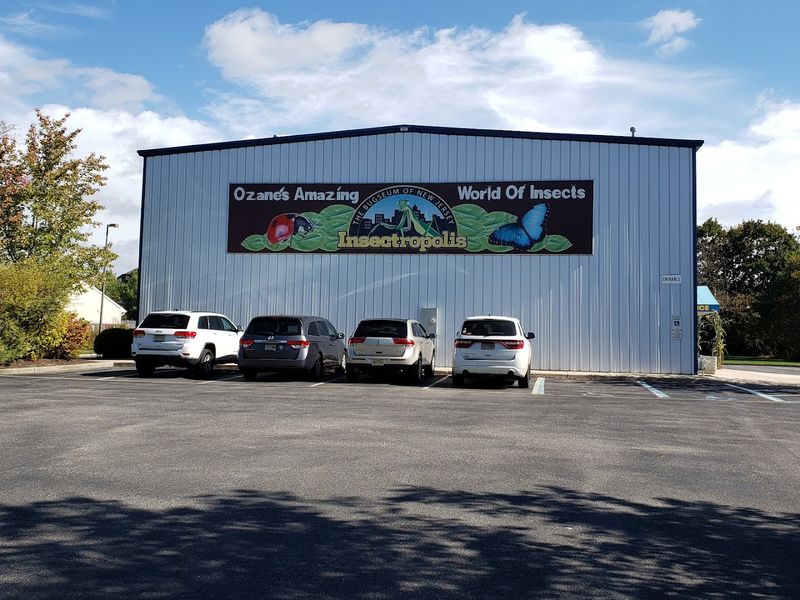
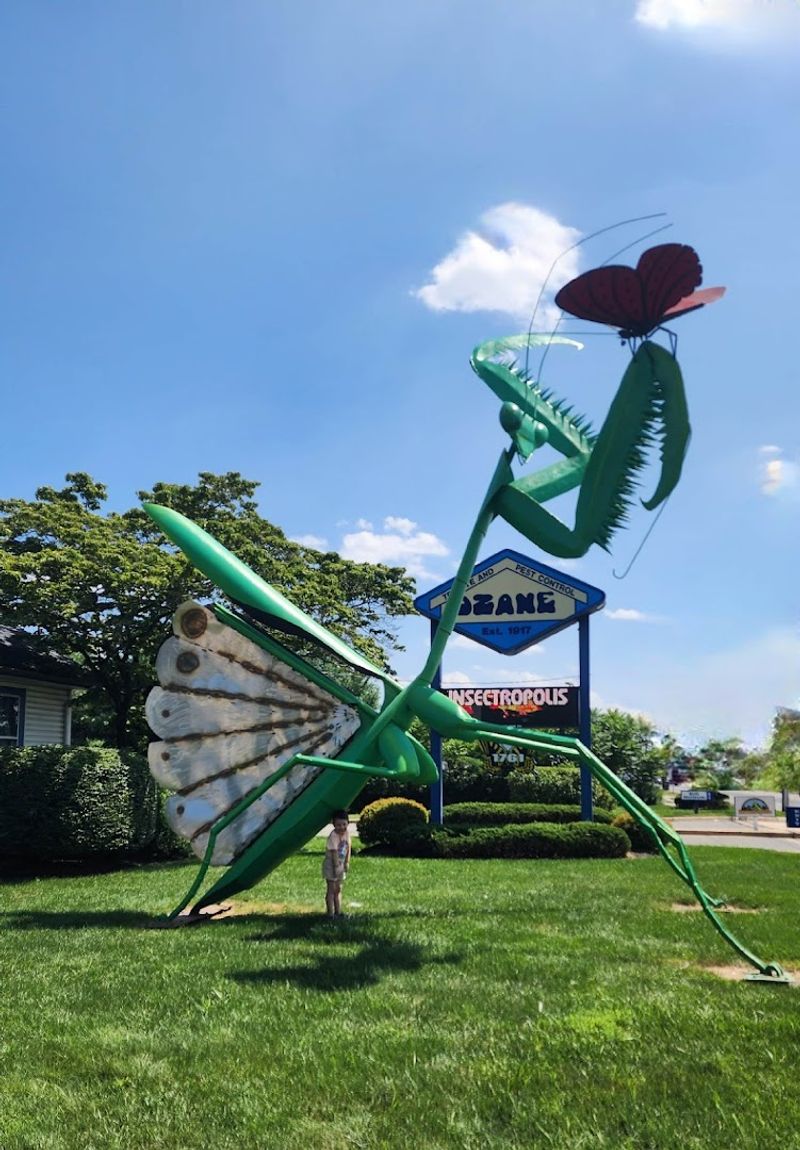
Insectropolis sits at 1761 US-9, Toms River, NJ 08755, right along one of Ocean County’s busiest roads. The building does not scream “world-class bug museum” from the outside, which makes the surprise inside all the more rewarding.
Toms River is a well-known gateway to the Jersey Shore, so many families pass this stretch of Route 9 on their way to the beach without realizing what they are driving past. Insectropolis is easy to miss if you are not looking for it, but once you know it is there, it becomes impossible to ignore on future trips.
The museum is open Friday and Saturday from 10 AM to 3 PM, and Sunday from 12 PM to 5 PM. It is closed Monday through Thursday, so planning ahead is essential.
The limited hours are part of what keeps the experience feeling personal and unhurried rather than rushed and overcrowded.
The Story Behind the Six-Legged Collection
Not many museums can claim that their entire mission revolves around celebrating creatures most people try to swat away. Insectropolis was built on the idea that insects deserve serious attention, not just a quick glance before running in the other direction.
The collection includes an impressive range of mounted specimens, live tanks, and educational displays that cover insects from every corner of the planet. The curators clearly put thought into how each piece is presented, making sure there is context and information alongside every exhibit rather than just a bug behind glass.
The museum has developed a strong local following over the years, drawing repeat visitors who bring new family members each season. It operates with a clear educational mission, connecting kids and adults to the natural world through direct, hands-on experience.
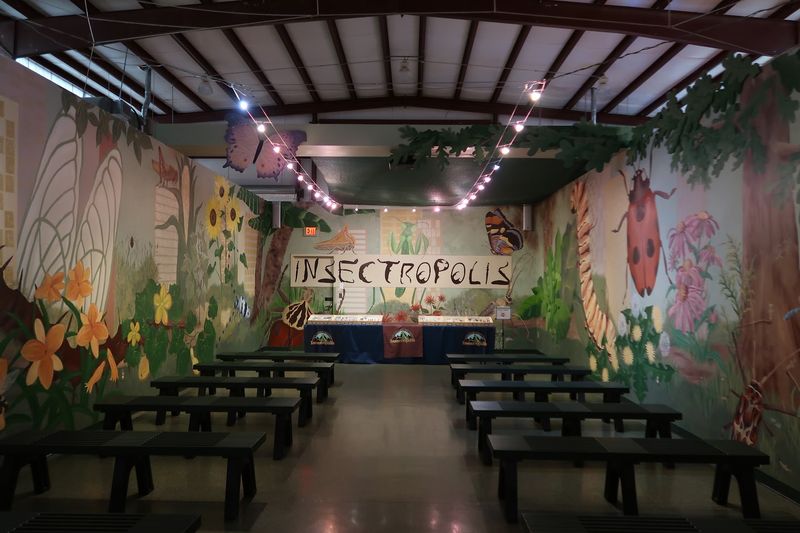
That commitment to learning is woven into every part of the space, from the labeled tanks to the question prompts painted right onto the walls.
Live Bugs You Can Actually Touch
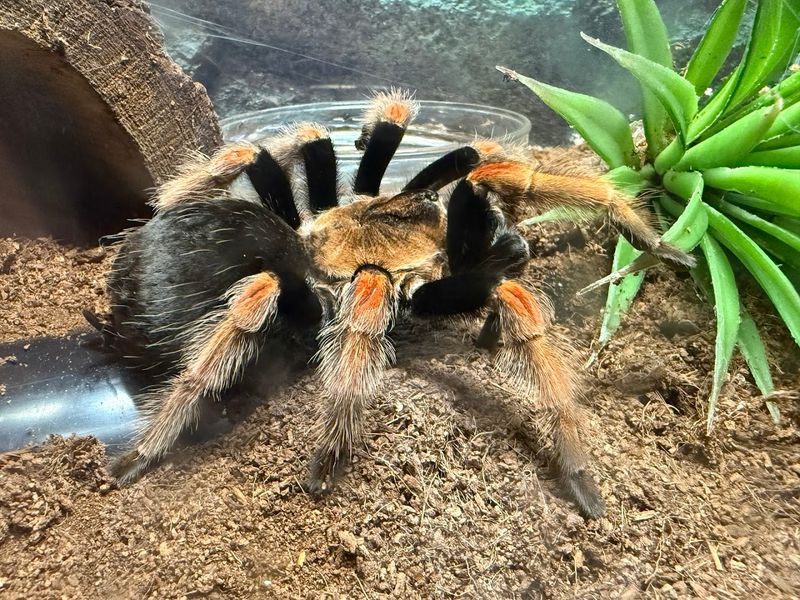
The live animal demonstrations at Insectropolis are the undisputed highlight for most people who visit. Every hour, staff members bring out a rotating selection of live insects and arachnids for a structured, up-close presentation that combines real facts with the chance to actually hold the animals.
Tarantulas, hissing cockroaches, millipedes, and scorpions have all made appearances during these sessions. The staff walks through each creature’s biology, behavior, and habitat before giving willing participants the chance to touch them.
Nobody is forced, but the enthusiasm of the presenters tends to be contagious.
What makes these demos stand out is the quality of the people running them. The educators clearly know their material and have a genuine connection to the animals they are presenting.
A four-year-old rattling off facts about a Giant African Goliath Beetle after one visit is not an unusual outcome here. The demos run throughout open hours, so arriving early gives the best chance of catching multiple sessions.
Tarantulas Galore and Then Some
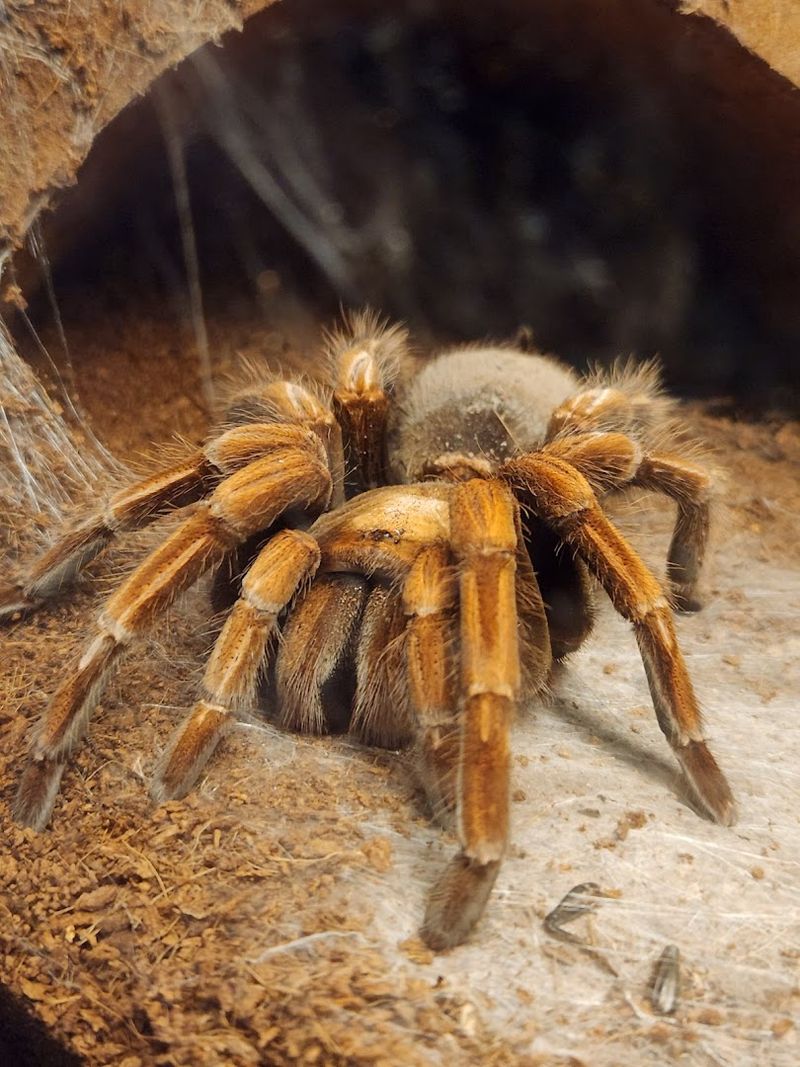
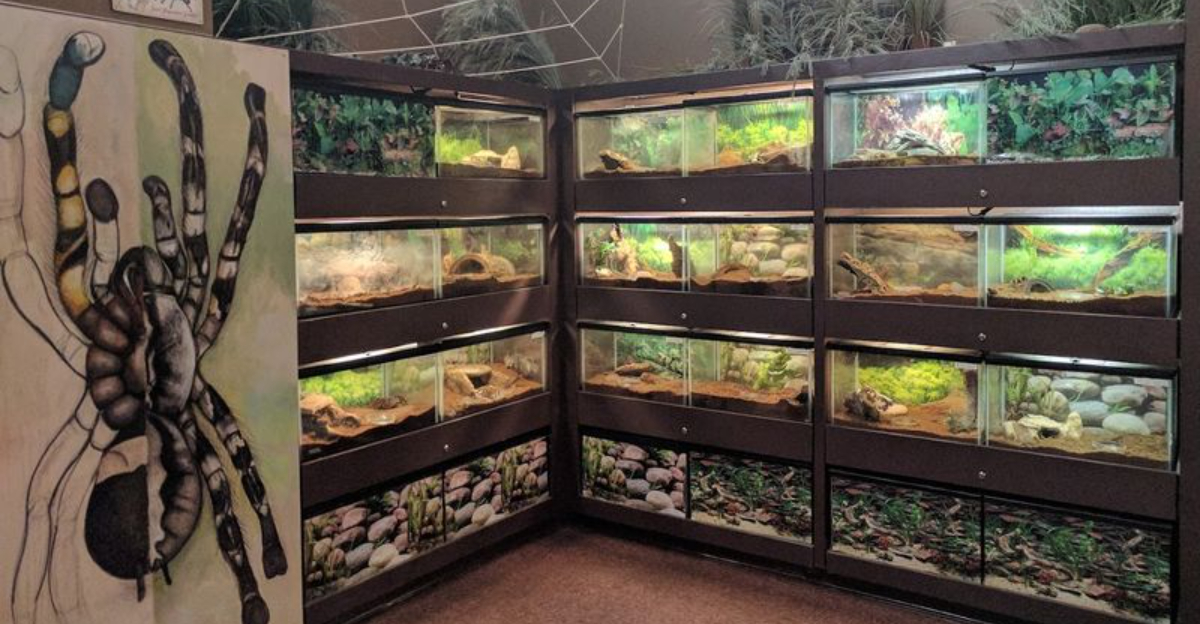
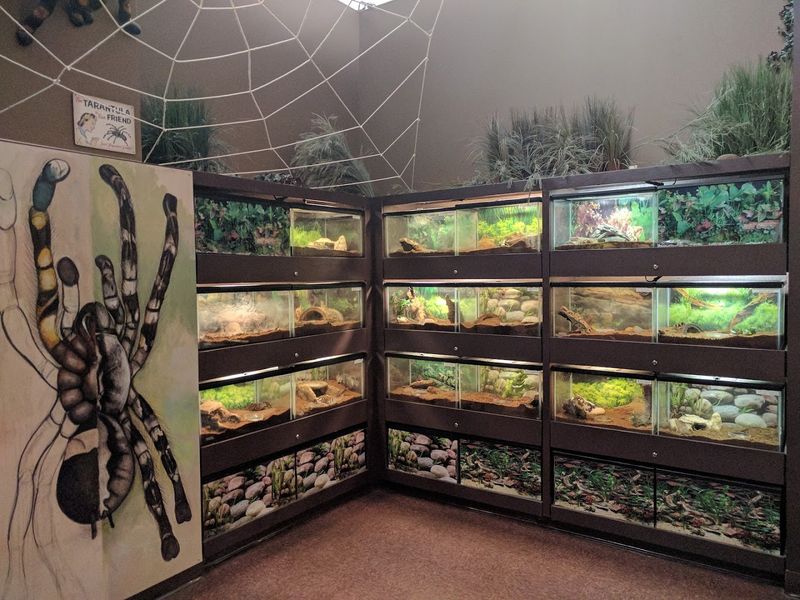
Spider fans are in for a real treat at Insectropolis. The museum reportedly houses at least 20 tarantulas across various species, all kept in well-maintained enclosures with clear labeling that explains what each species is and where it comes from.
For arachnid enthusiasts, this level of variety in one small space is genuinely hard to find outside of a major zoological institution. The displays are organized in a way that makes comparison easy, so you can move from one species to the next and start noticing differences in size, coloring, and body structure.
Even people who are not natural spider fans tend to find themselves lingering in front of the tarantula section longer than expected. The enclosures are clean and well-lit, and the information panels are written in a way that is accessible without being dumbed down.
By the time the live demo rolls around and a tarantula gets passed from hand to hand, the earlier display cases have already done a lot of the convincing.
The Taxidermy Collection Worth Slowing Down For
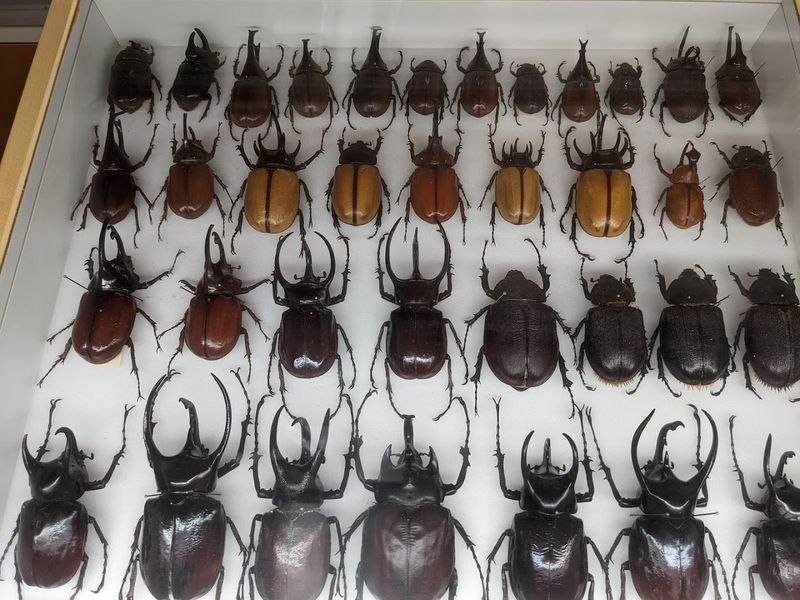
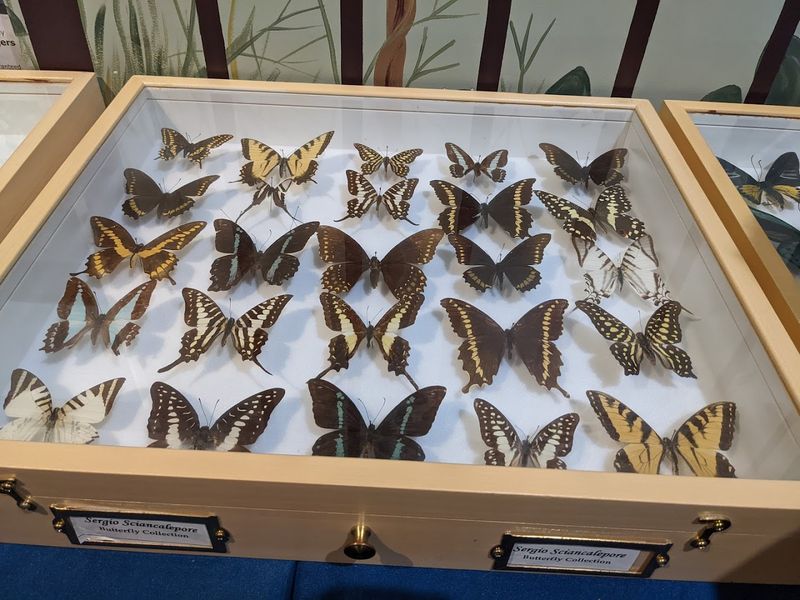
Beyond the live animals, Insectropolis holds an extensive taxidermy collection that is worth more than a passing glance. Mounted specimens from around the world line the walls and display cases, offering a look at insect diversity that few places outside of natural history museums can match.
The collection includes beetles, butterflies, moths, and other arthropods in sizes that range from barely visible to genuinely jaw-dropping. Some of the larger specimens, like the Giant African Goliath Beetle, tend to stop people in their tracks.
Seeing the actual scale of these creatures up close is a different experience from looking at a photo online.
The gift shop also carries taxidermy butterfly art for purchase, which has become a popular item for visitors who want to take a piece of the museum home. These framed pieces are described as unique, and they make for a conversation-starting addition to any wall.
The collection as a whole reflects years of careful curation and a deep appreciation for the natural world.
How the Museum Uses Its Space
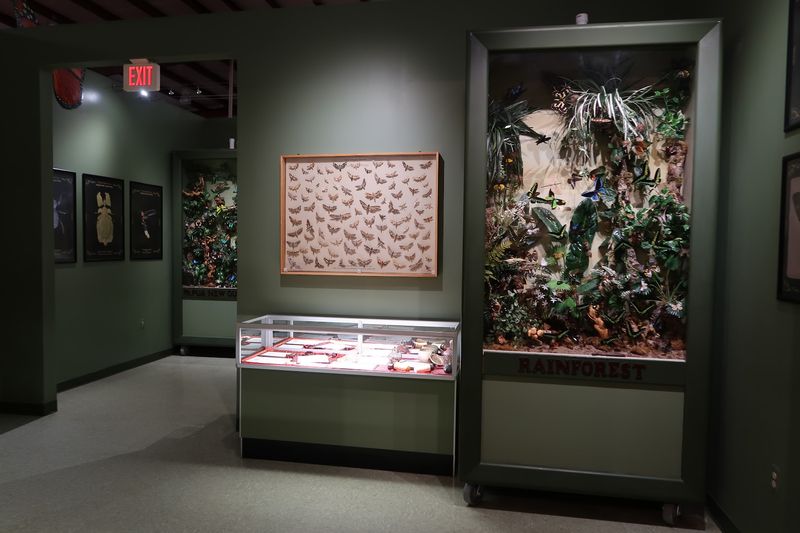
Insectropolis is not a sprawling facility, and it does not pretend to be. The space is compact, but the way it has been organized makes every square foot count.
Displays are layered with information, and the flow through the museum feels intentional rather than cramped.
Small details throughout the space reinforce the insect theme in ways that go beyond the obvious. Ladybug-shaped stools, bug-themed decor, and question prompts embedded in the walls all contribute to an atmosphere that feels cohesive and thoughtfully designed.
Nothing feels like an afterthought.
Most families report spending between 90 minutes and two hours working through the full museum, which includes the exhibits and at least one live demonstration. That timing makes it a solid half-day activity without requiring an all-day commitment.
The efficient use of space means there is always something new to look at without the kind of overwhelming scale that can exhaust younger kids before they have seen everything worth seeing.
Birthday Parties With a Twist
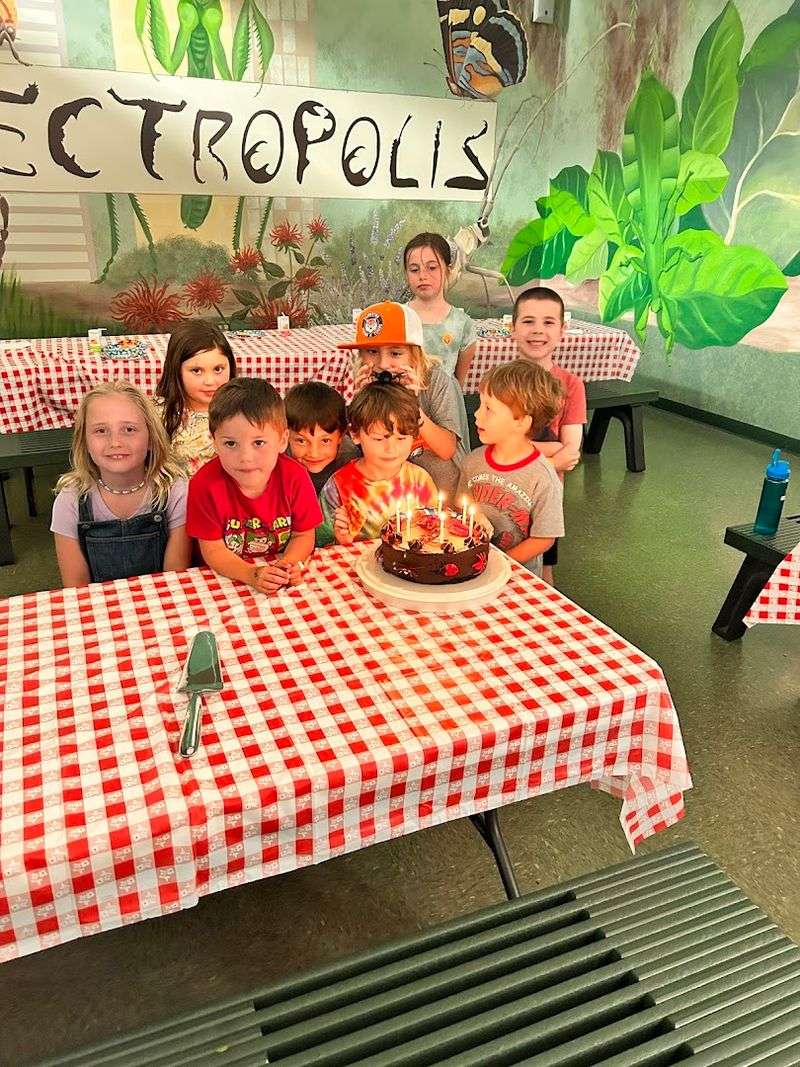
Insectropolis has carved out a strong reputation as a birthday party venue, and it is not hard to understand why. The combination of live animals, interactive presentations, and a genuinely unique setting gives kids something to talk about long after the cake is gone.
The staff handles birthday events with clear organization, from the initial booking process through setup and the actual party experience. Guides lead the children through the museum and conduct live bug presentations tailored to the age group, keeping even the youngest attendees engaged throughout.
Parents who have hosted parties here consistently note how smoothly everything runs and how well the staff manages a room full of excited kids. The venue takes care of the educational component while parents focus on enjoying the celebration.
For families looking to step away from the standard party venue formula, Insectropolis offers something that genuinely stands out. It is the kind of birthday that gets remembered and requested again the following year.
What the Staff Brings to the Experience
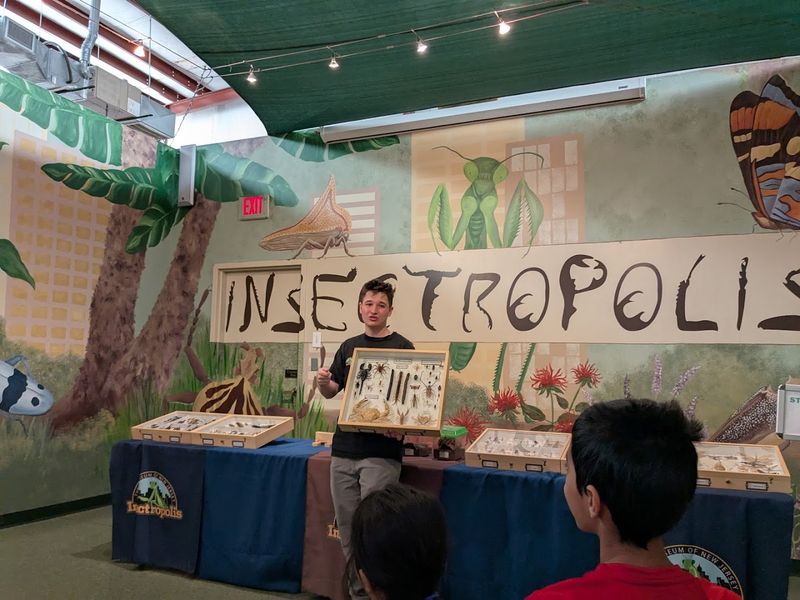
A museum is only as good as the people running it, and Insectropolis has built a team that genuinely elevates the visit. The staff members are consistently described as knowledgeable, patient, and clearly passionate about the animals in their care.
Guides lead demonstrations with a casual confidence that makes the material accessible without ever feeling like a lecture. They answer questions thoroughly, adjust their explanations for different age groups, and bring a real enthusiasm to each session that is hard to fake.
The younger staff members in particular have drawn attention for being remarkably well-prepared and professional.
That staff energy is a big part of why so many families become repeat visitors. A clean museum with good exhibits is one thing, but a team that can turn a hissing cockroach presentation into a genuinely memorable moment is something else entirely.
The people at Insectropolis seem to understand that their job is not just to show bugs but to make people care about them.
Insects From Every Corner of the Planet
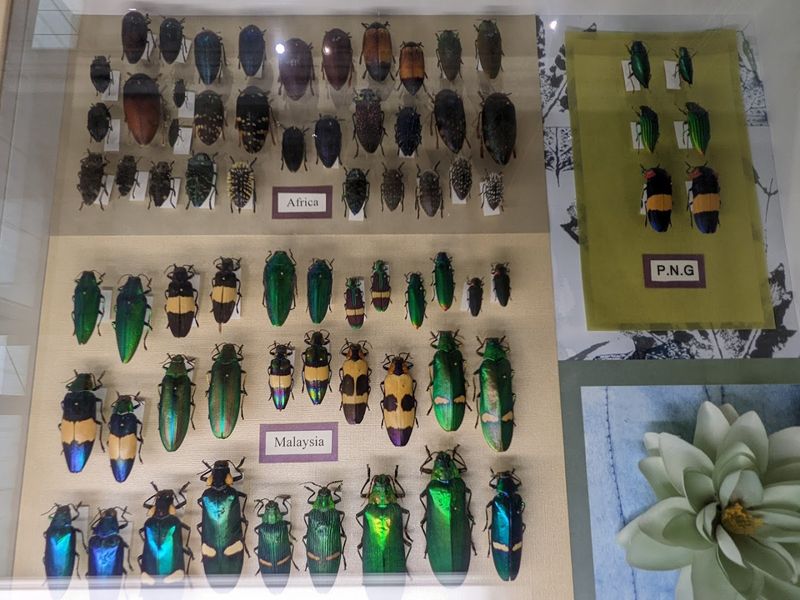
The geographic range of the collection at Insectropolis is one of its most impressive qualities. The museum does not limit itself to North American species.
Instead, it brings together insects and arachnids from across the globe, giving visitors a window into just how diverse the arthropod world really is.
Tropical beetles, exotic butterflies, and species that most people have never encountered in any context show up throughout the exhibits. Each display is paired with information about the creature’s native habitat, behavior, and ecological role, which helps put the animals in context rather than presenting them as curiosities without a story.
For kids who are already interested in insects, this international scope is a major draw. Recognizing a species from a book or a nature documentary and then seeing the real thing behind glass is a different kind of thrill.
For kids who are new to the subject, the sheer variety tends to spark questions that carry the visit forward from one display to the next.
Pollinator Education and Ecological Context
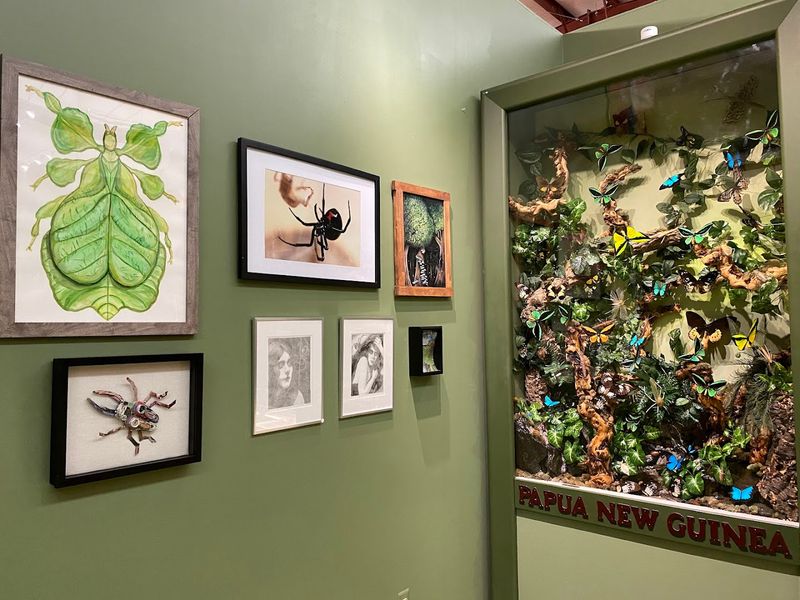
Insectropolis does not just show insects. It actively teaches visitors why those insects matter.
Throughout the gallery, labels and displays categorize species as invasive, pollinating, native, or otherwise ecologically significant, giving visitors a framework for understanding the roles these creatures play in the wider natural world.
This approach turns a walk through the museum into something more than a viewing experience. By the time families reach the end of the exhibit space, they have been quietly introduced to concepts like food webs, habitat loss, and the importance of biodiversity, all without it ever feeling like a science class.
The pollinator section in particular resonates with visitors who arrive already thinking about gardens, beekeeping, or environmental topics. Connecting familiar ideas like flowers and food production to the specific insects responsible for making them possible gives the educational content a practical hook.
That kind of grounded, real-world context is what separates a good museum from one that people forget about on the drive home.
Pricing and Value for Families
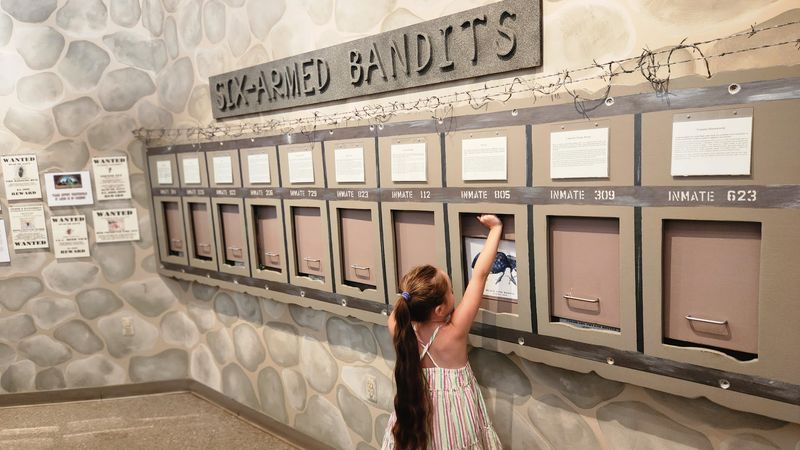
One of the recurring themes among people who visit Insectropolis is how reasonable the pricing feels given the quality of the experience. Admission is considered affordable, especially for a hands-on, staff-led attraction that includes live demonstrations as part of the base ticket.
Adult and child tickets are priced separately, with pricing for younger children varying by age. The structure makes it accessible for families with a range of ages without the kind of per-person cost that can make a group outing feel financially stressful before it even begins.
The gift shop carries items at a range of price points. Some of the more unique pieces, like the taxidermy butterfly art, are on the higher end, but general merchandise is described as reasonably priced and bug-focused in a way that feels consistent with the museum’s identity.
For a half-day outing that genuinely entertains and educates, the overall cost-to-experience ratio at Insectropolis tends to leave families feeling like they got more than their money’s worth.
Cleanliness and Accessibility at the Venue
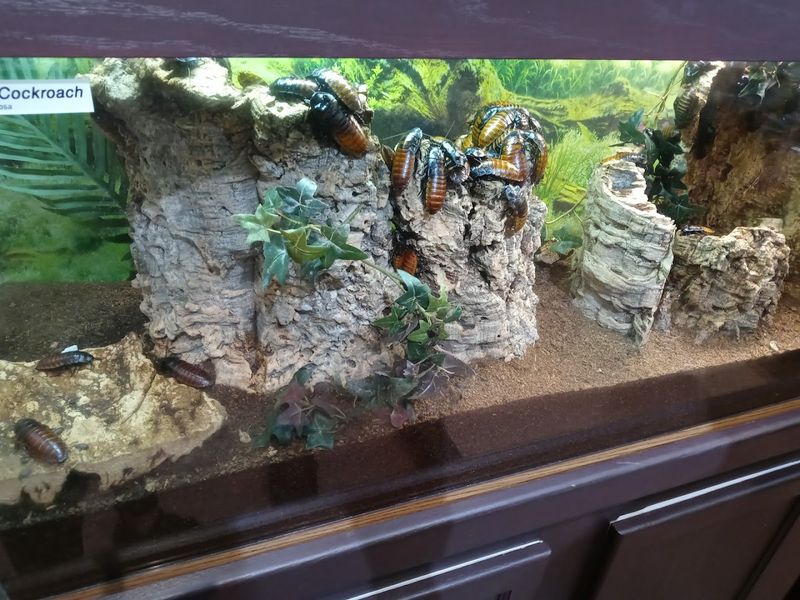
For a museum that houses hundreds of insects, many of them alive, Insectropolis maintains a level of cleanliness that consistently surprises first-time visitors. The facility is described as spotless and well-kept, which matters both for the health of the animals and the comfort of the people visiting.
The layout is designed with accessibility in mind. The museum includes handicap access, restrooms, and enough open space between displays to move through comfortably even with a stroller or mobility aid.
That kind of practical consideration makes a real difference for families planning a visit with very young children or relatives with mobility needs.
The overall tidiness of the space also contributes to the credibility of the exhibits. A well-maintained museum signals that the people running it take their responsibility seriously, both to the collection and to the public.
At Insectropolis, the care put into the physical space reflects the same attention to detail found in the educational content and the live animal presentations.
Planning Your Visit Around the Hours
Insectropolis keeps a limited schedule that requires some advance planning. The museum is open Friday and Saturday from 10 AM to 3 PM, and Sunday from 12 PM to 5 PM.
Monday through Thursday, the doors stay closed, so a spontaneous weekday detour is not an option.
The Friday and Saturday morning hours work well for families who want to combine the museum with a beach trip later in the day. Sunday’s afternoon window is a solid option for wrapping up a weekend visit to the Shore before heading home.
Either way, arriving early gives the best chance of catching the first live demonstration of the day.
Because the museum is small and the staff-to-visitor ratio stays manageable, the experience never feels chaotic even when the space is busy. That said, weekends during summer and school breaks tend to draw more families, so arriving closer to opening time helps avoid any wait.
Checking the official website at insectropolis.com before visiting is always a smart move for the most current hours and event information.
The Gift Shop and What to Bring Home
No museum visit feels complete without a stop at the gift shop, and Insectropolis delivers one that fits the experience well. The selection leans heavily into the insect theme, which sounds obvious but is actually rarer than expected at specialty museums that sometimes stock generic merchandise.
The standout items are the taxidermy butterfly pieces, which are framed and ready to hang. These are described as unique and visually striking, the kind of souvenir that ends up on a living room wall rather than in a drawer.
They sit at a higher price point, but the craftsmanship justifies the cost for shoppers who are looking for something genuinely different.
Beyond the premium pieces, the shop carries more accessible options including books, toys, and bug-themed novelty items that appeal to younger visitors. The selection is curated rather than overwhelming, which makes browsing easy and keeps the focus on quality over quantity.
It is a small shop that punches above its weight, much like the museum it sits inside.
Why This Museum Keeps People Coming Back
Repeat visits are one of the strongest indicators that a museum is doing something right, and Insectropolis has an unusually loyal following for a facility of its size. Families who visit once tend to come back, often bringing new people along to share the experience.
Part of that loyalty comes from the live demonstrations, which can feature different animals on different visits depending on what the staff is working with. Part of it comes from the staff themselves, whose genuine enthusiasm makes every visit feel personal rather than transactional.
And part of it comes from the simple fact that the museum is genuinely enjoyable for a wide age range, from toddlers to grandparents.
Insectropolis is the kind of place that earns its reputation quietly, through word of mouth and return trips rather than flashy marketing. It is small, focused, and exceptionally good at what it does.
For anyone passing through Ocean County with a few hours to spare, it is the kind of stop that turns a regular day into a story worth telling.



