Most antique stores offer old furniture and dusty knickknacks. This one holds something far more unexpected tucked inside its three floors: an entire museum dedicated to Minnesota’s legendary Winter Carnival, complete with royal costumes, newspaper clippings, and a stuffed mountain goat.
Spread across a repurposed apartment building in West St. Paul, this place quietly holds more history than most people realize. Whether you are a longtime collector or just someone who loves a good surprise, the stories waiting inside these walls are absolutely worth your time.
A Three-Floor Treasure Hunt Unlike Any Other
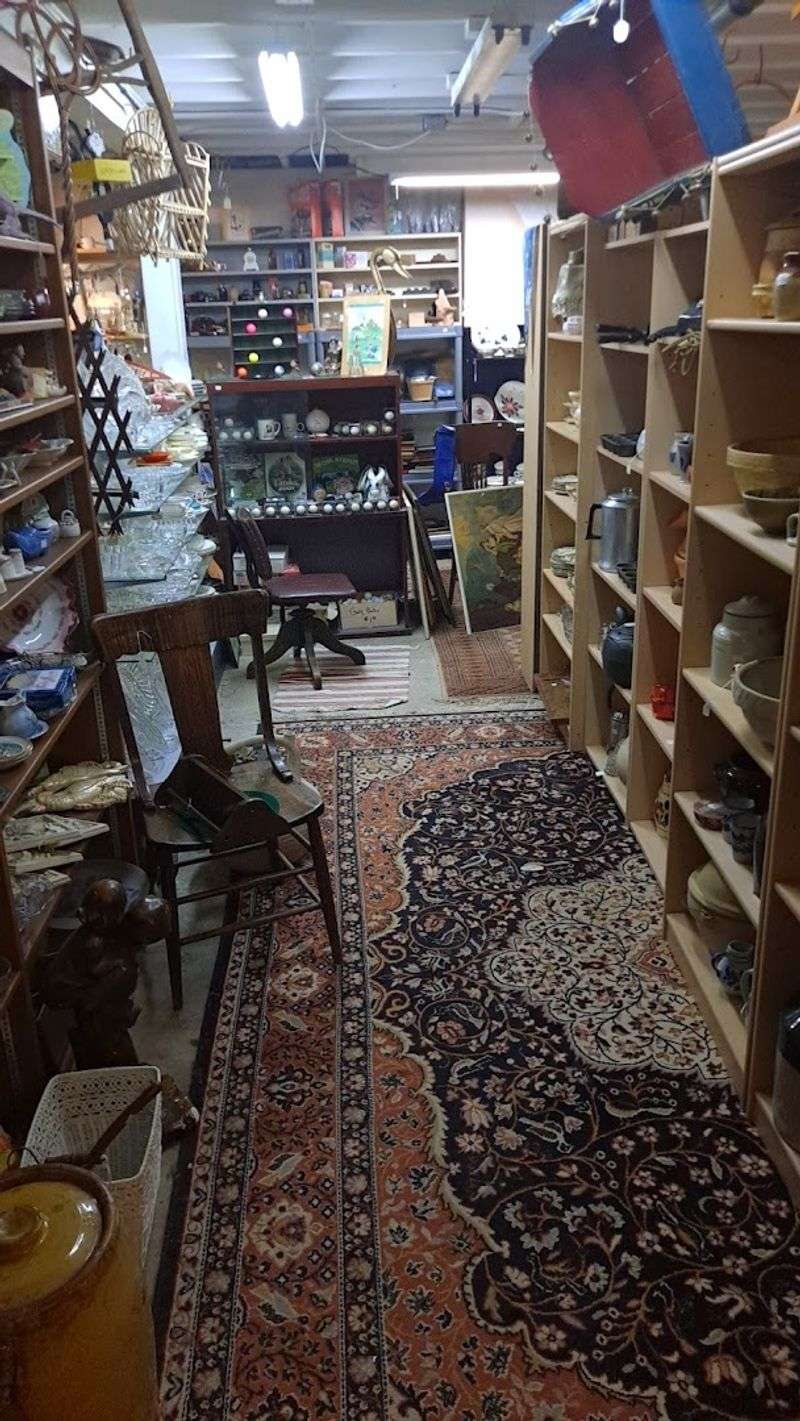
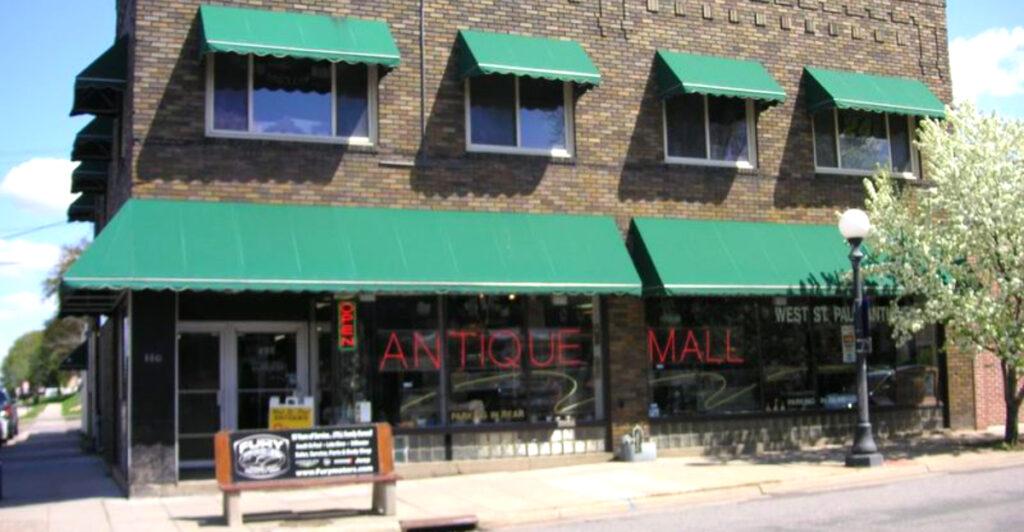
Most antique stores feel like one long room with a cash register at the end. West St. Paul Antiques, located at 880 Smith Ave S, St Paul, MN 55118, operates on an entirely different scale.
The building itself is a repurposed apartment complex, and the layout reflects that quirky origin in the best possible way.
Three full floors of antiques await visitors who walk through the front door. Each level carries its own personality, its own surprises, and its own reason to slow down and look carefully.
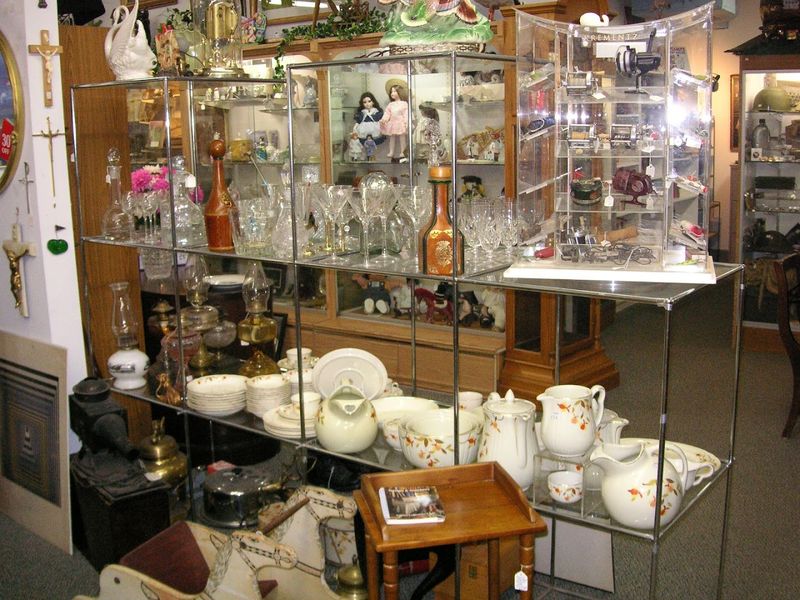
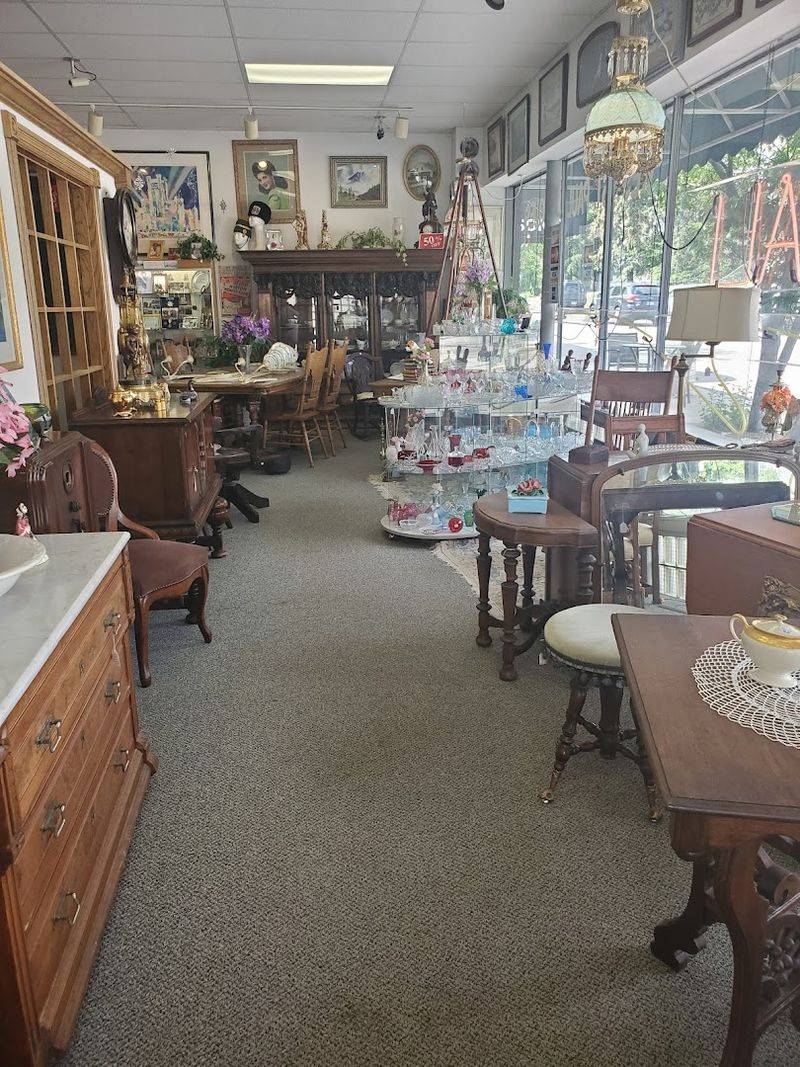
The main level covers furniture, books, cameras, artwork, and glass display cases filled with carefully curated collections. The basement and upper floor each hold their own distinct treasures.
With so many nooks and crannies to explore, most visitors end up staying far longer than they originally planned.
Minnesota’s Largest Winter Carnival Museum Lives in the Basement
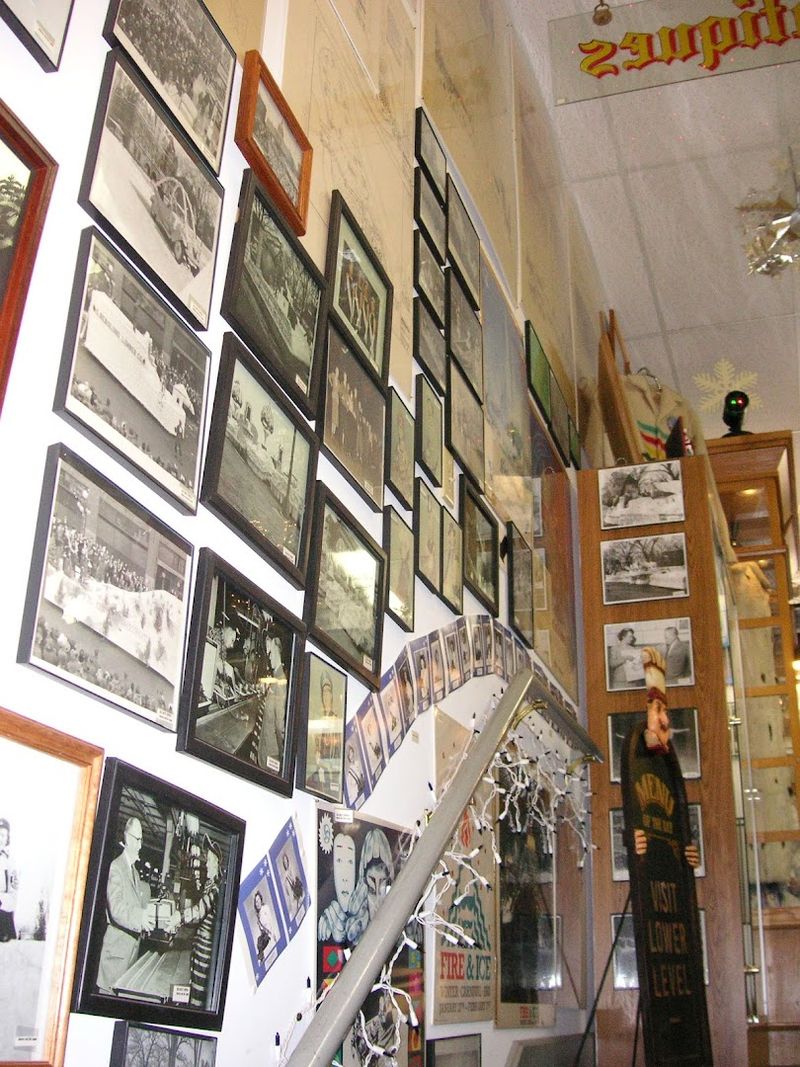
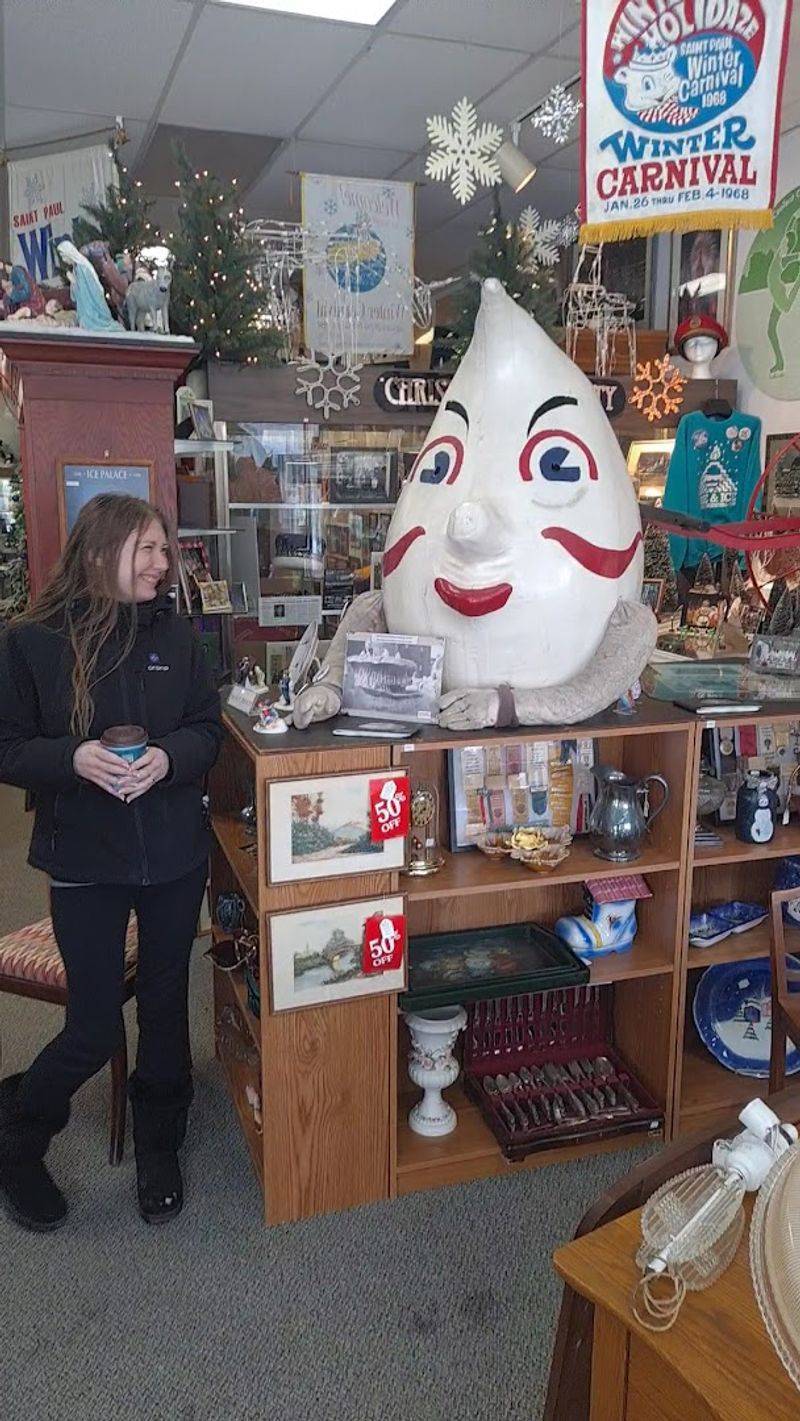
The real showstopper at this store hides one floor below street level. The basement houses what many consider Minnesota’s largest private collection of Saint Paul Winter Carnival memorabilia, and nothing quite prepares you for how extensive it actually is.
Royal costumes worn by past Winter Carnival kings and queens line the displays. Framed portraits, original newspaper articles, and historical clippings document decades of a celebration that once drew massive crowds across the region.
One display case even features a stuffed mountain goat, which sounds absurd until you see it in context and realize how seriously the Winter Carnival was once taken as a cultural institution. Visitors who grew up with only the modern, scaled-back version of the event often leave the basement with a completely different understanding of how grand it used to be.
The collection genuinely reframes local history.
The Building Itself Tells a Story Worth Knowing
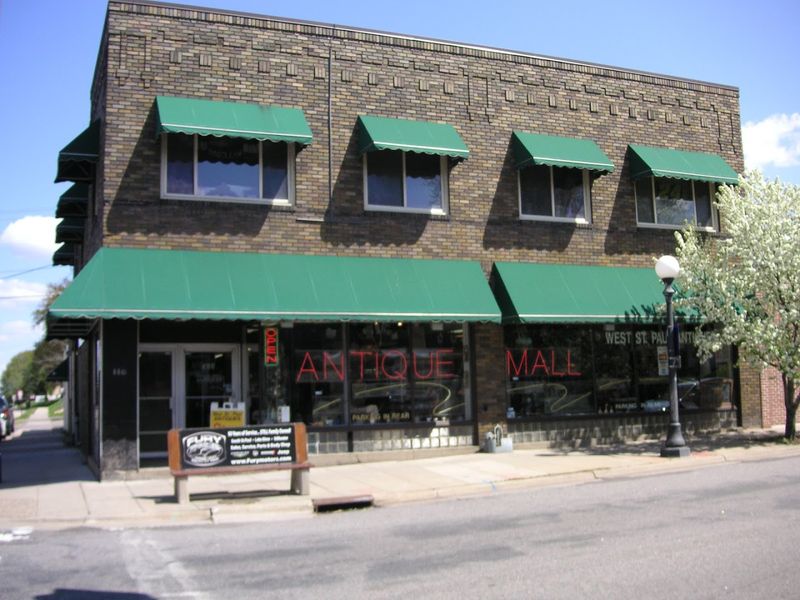
There is something satisfying about a building that gets a second life. The structure housing West St. Paul Antiques was originally an apartment building, and the bones of that original design are still very much present throughout the store.
Hallways that once connected neighbors now connect display areas filled with vintage goods. Rooms that once held everyday life now hold extraordinary objects from across the decades.
The architectural quirks of the original building give the shopping experience a sense of discovery that a purpose-built retail space could never replicate.
Visitors frequently describe the store as deceptively huge, and that observation makes perfect sense once you understand the layout. From the outside, the building looks modest.
Once inside, the space keeps opening up in unexpected directions. That element of surprise is part of what keeps people coming back to explore again and again.
What the Main Floor Has Waiting for You
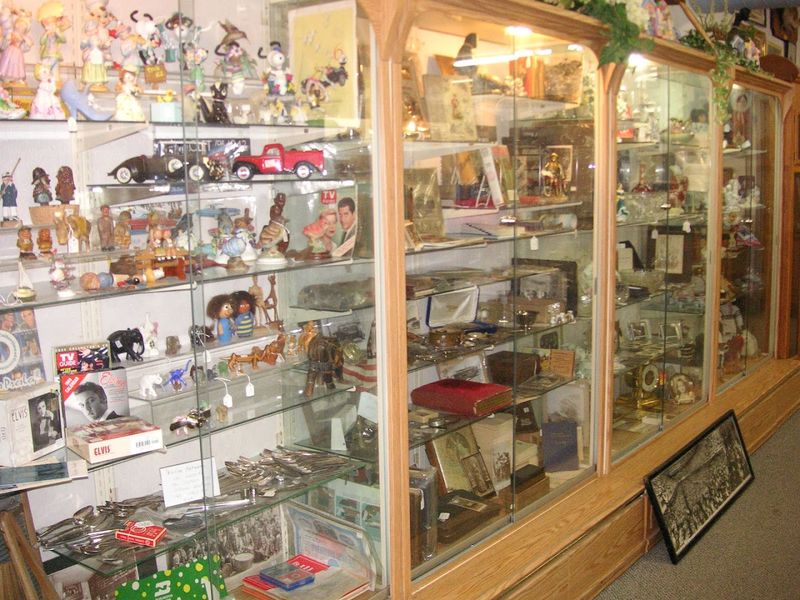
The main level sets the tone for everything that follows. Organized with genuine care, the floor covers a wide range of categories without feeling chaotic or overwhelming, which is a harder balance to strike than most people realize.
Antique furniture sits alongside shelves of old books and vintage cameras. Photo albums from earlier eras offer glimpses into lives long past.
Framed artwork covers walls and leans against display cases in arrangements that feel more like a gallery than a shop.
Glass cases hold carefully sorted collections of small items, from vintage jewelry to old coins to ceramic figures that someone once loved enough to keep for decades. The overall presentation has a museum-quality feel that sets this store apart from more casual antique markets.
Everything appears to have been placed with thought, making the browsing experience genuinely enjoyable rather than exhausting.
The Kitchen Section That Stops Visitors in Their Tracks
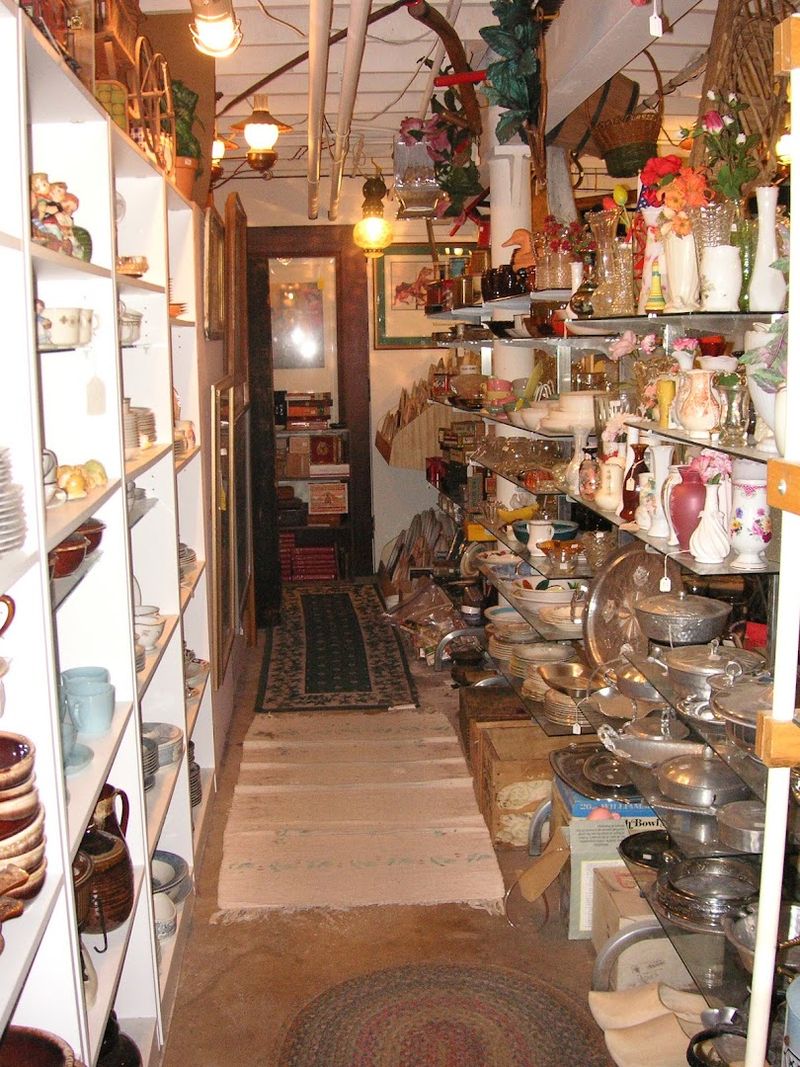
Tucked into the basement alongside the Winter Carnival exhibits, the kitchen section carries an emotional weight that catches many visitors off guard. Old cookware, utensils, appliances, and household goods from decades past fill the shelves in ways that feel immediately familiar.
For many shoppers, the objects trigger genuine memories. A particular style of mixing bowl or a specific type of cast iron pan can transport a person straight back to a grandparent’s kitchen without any warning.
That kind of involuntary nostalgia is rare, and this store seems to have an unusual concentration of it.
The items are not just decorative relics. They represent the everyday rhythms of real households from real eras.
Seeing them collected and preserved in one place gives them a kind of dignity they might not receive elsewhere. It is one of the more quietly powerful corners of the entire store.
Antique Tools That Speak to a Different Kind of Craftsmanship
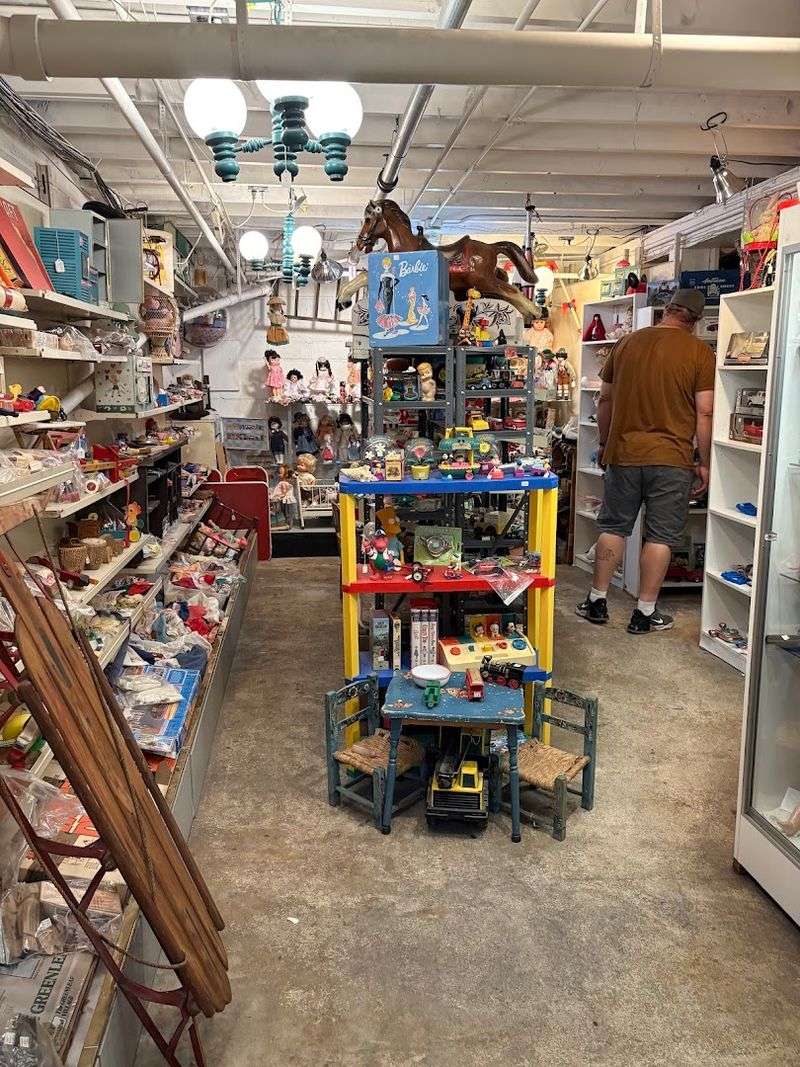
Old tools carry a particular kind of authority. Every worn handle and rusted blade suggests years of actual use by someone who knew exactly what they were doing, and the tool section at West St. Paul Antiques captures that feeling well.
Hand planes, levels, chisels, and other workshop items fill the back sections of the basement in a way that feels more like a working garage than a curated display. The variety spans multiple trades and several decades, giving serious collectors plenty to examine closely.
There is also something deeply satisfying about handling tools that were built to last and actually did. Many visitors who grew up watching parents or grandparents work with similar equipment find this section unexpectedly moving.
The tools are not just objects for sale. They are evidence of a time when things were made to be used hard and kept for a lifetime.
The Upper Floor and Its Distinct Character
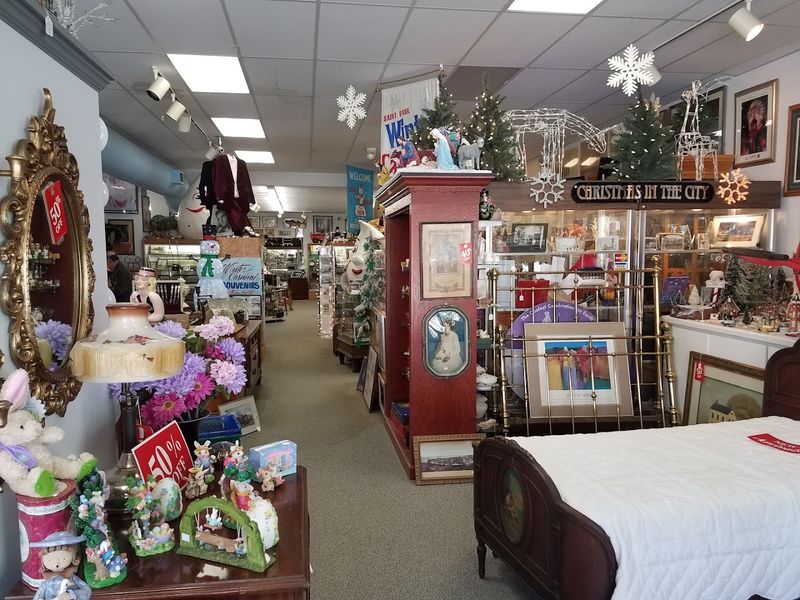
The top floor of West St. Paul Antiques has its own personality, one that leans heavily toward artwork and more visually striking displays. Framed pieces cover walls in dense arrangements that reward careful attention.
Vintage prints, paintings, and decorative objects fill the upper rooms in ways that feel slightly more eclectic than the floors below. The original apartment layout is most visible up here, with the space branching off in directions that feel genuinely exploratory.
One practical note worth mentioning: the upper floor can get warm during summer months since heat rises and the building is older. Visiting earlier in the day or during cooler seasons makes the experience more comfortable.
That said, the artwork and displays up there are worth a little extra effort. Some of the most visually interesting finds in the entire store end up being the ones discovered on that top floor.
A Store That Feels Bigger Every Time You Visit
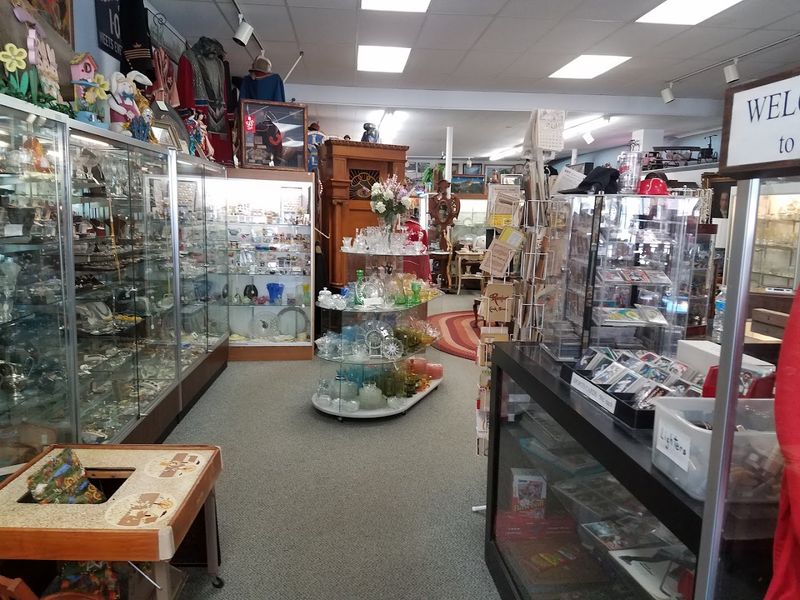
First-time visitors consistently underestimate how much space this store actually contains. The exterior gives very little indication of the labyrinthine interior waiting beyond the front door, and that gap between expectation and reality works entirely in the store’s favor.
Nooks and crannies appear around nearly every corner. Small alcoves hold specific categories of items.
Larger rooms open up when you least expect them. The overall effect is one of constant discovery, where turning a corner might reveal a case of vintage cameras or a wall of framed maps.
Regulars often mention finding things they completely missed on previous visits, which says something meaningful about the density and variety of the inventory. The store is not just large in terms of square footage.
It is large in terms of content, with enough variety across enough categories to offer something genuinely different on every return trip.
The Winter Carnival’s Forgotten Grandeur
Before seeing this collection, many visitors assume the Saint Paul Winter Carnival was always the relatively modest event it appears to be today. The museum section in the basement corrects that assumption quickly and thoroughly.
Historical photographs and newspaper articles document a celebration that once commanded enormous public attention across the region. Royal court costumes from past eras are preserved with obvious care, offering a tangible connection to a tradition that shaped Minnesota’s winter culture for generations.
The collection also highlights how much has changed over time, not just in the carnival itself, but in how communities gathered and celebrated together. Seeing the scale of what the event once represented gives visitors a new appreciation for the history living quietly beneath the streets of West St. Paul.
It is the kind of context that transforms a shopping trip into something that feels genuinely educational.
Hours, Access, and Everything You Need Before You Go
West St. Paul Antiques is open Wednesday through Sunday from 10 AM to 5 PM, and closed on Mondays and Tuesdays. That schedule gives the week a nice rhythm for planning a visit around other activities in the Twin Cities area.
The phone number is 651-451-0398, and the store’s website at weststpaulantiques.com offers additional information for those who want to check ahead. The store holds a 4.4-star rating across nearly 200 reviews, which reflects a generally strong reputation among antique shoppers across the metro.
One practical consideration worth noting is accessibility. The front entrance involves a step with no railing, which can present a challenge for visitors using walkers or wheelchairs.
Calling ahead to discuss accessibility options before arriving is a reasonable step for anyone with mobility concerns. Planning your visit midweek tends to mean slightly less crowding than weekend afternoons.
What Makes the Staff Experience Worth Mentioning
The people working at West St. Paul Antiques are frequently described as knowledgeable about the items they carry, which matters more than most casual shoppers might initially expect. An employee who can speak to the history or origin of a piece adds genuine value to the browsing experience.
Many longtime visitors point to the staff as one of the reasons they keep returning. The willingness to engage with a customer’s story about why they are searching for a particular item creates a connection that purely transactional retail rarely achieves.
Like any store with a rotating cast of employees, experiences can vary from visit to visit. The overall reputation for helpfulness holds up well across the majority of accounts, and the manager in particular has earned specific praise for taking time to explain items and assist shoppers thoroughly.
That personal attention is part of what keeps this store feeling distinct.
Why This Store Keeps Drawing People Back to West St. Paul
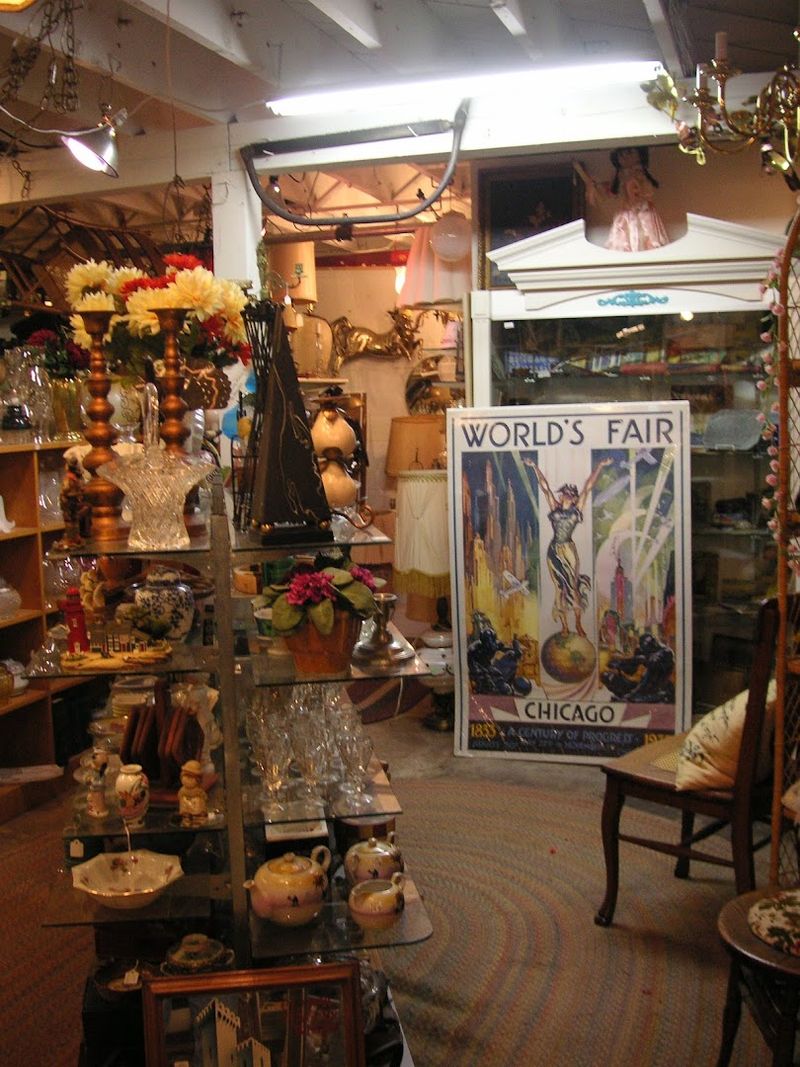
Some stores earn repeat visits through loyalty programs or sales. This one earns them through sheer variety and the reliable sense that something new will turn up every time.
That quality is harder to manufacture than it sounds.
The combination of a genuine museum collection, three floors of well-organized antiques, and a building with real architectural character gives West St. Paul Antiques a profile that most antique stores in the Twin Cities metro simply cannot match. Visitors who have covered dozens of similar shops in the region frequently rank this one at the top of their list.
The store represents something worth preserving: a space where history is treated with respect, where objects carry meaning beyond their price tags, and where spending an afternoon wandering through the past feels like time genuinely well spent. That is a harder thing to find than most people expect.
Share this story