 Unearth The Voyage
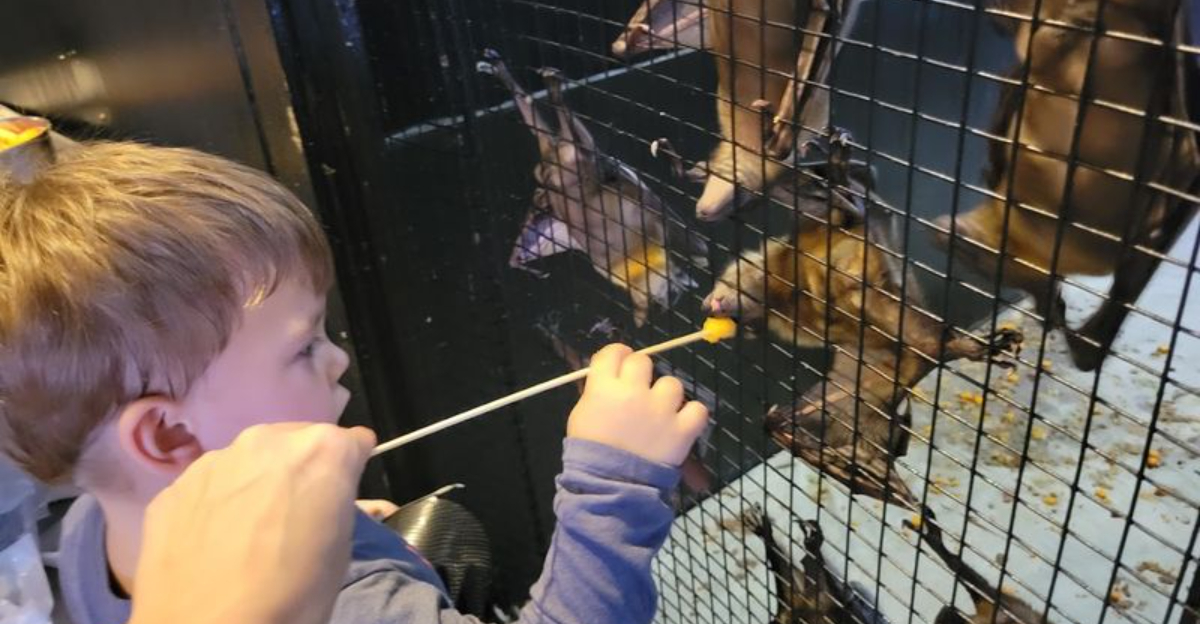
Most people think of New Jersey and picture highways and diners, not a room full of flying bats from Madagascar that you can actually feed by hand. But tucked inside a modest building in Garfield, there is a place that surprises almost everyone who walks through its doors.
This place is part zoo, part classroom, and entirely unlike anything else in the state. From wallabies greeting you at the entrance to giant fruit bats stretching four-foot wingspans just inches away, this spot delivers the kind of up-close animal encounters that most people never get to experience.
Tickets must be purchased in advance through the official website, and trust that planning ahead is absolutely worth it for what awaits inside.
Where It All Begins: Address and First Impressions
From the outside, the building at 303 Midland Ave, Garfield, NJ 07026 looks more like a neighborhood pet shop than a wildlife destination. The modest facade gives almost no hint of what is packed inside, and that contrast is part of what makes arriving here so unexpectedly exciting.
The Wildlife Education and Conservation Center sits in a residential stretch of Bergen County, easy to reach from most parts of northern New Jersey. First-time visitors often do a double-take at the entrance, wondering if they have the right address.
But once the door opens, the experience shifts completely. Room after room of exotic animals, educational displays, and knowledgeable staff replace any doubt about whether the trip was worth making.
Tickets must be purchased ahead of time through the official website at thebatcave.org, and walk-ins are not guaranteed entry, so planning in advance is the smartest move before heading out.
Penelope the Wallaby: The Welcoming Committee
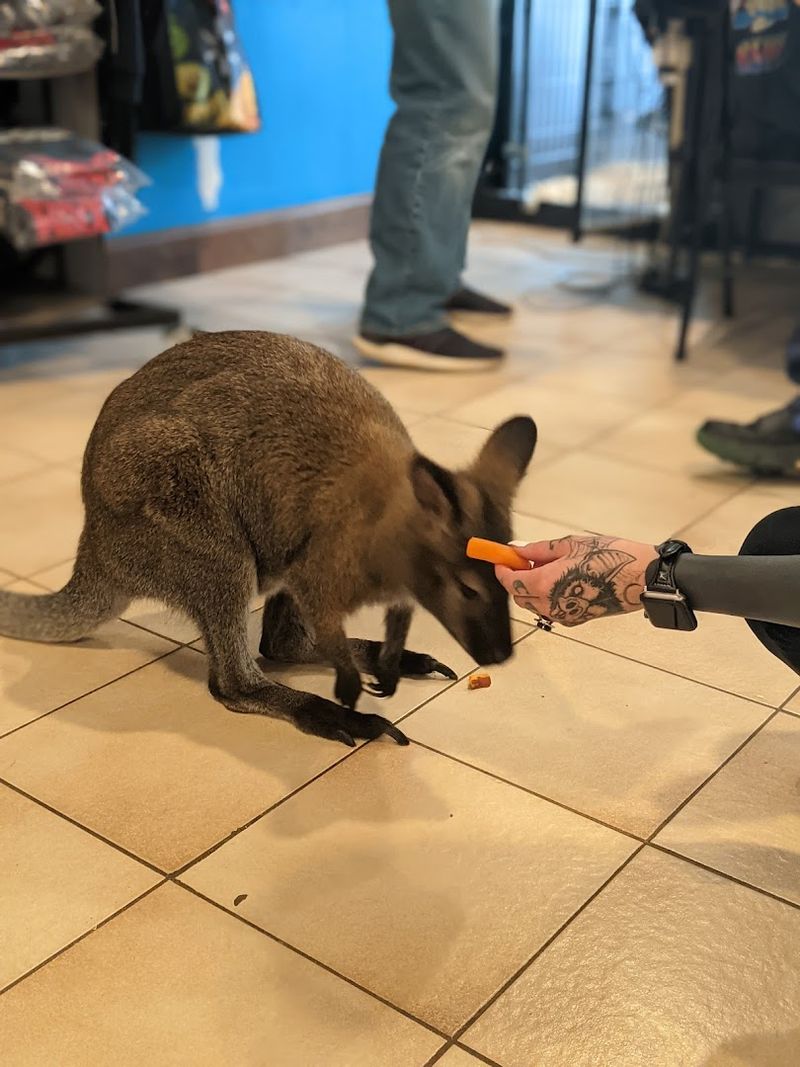
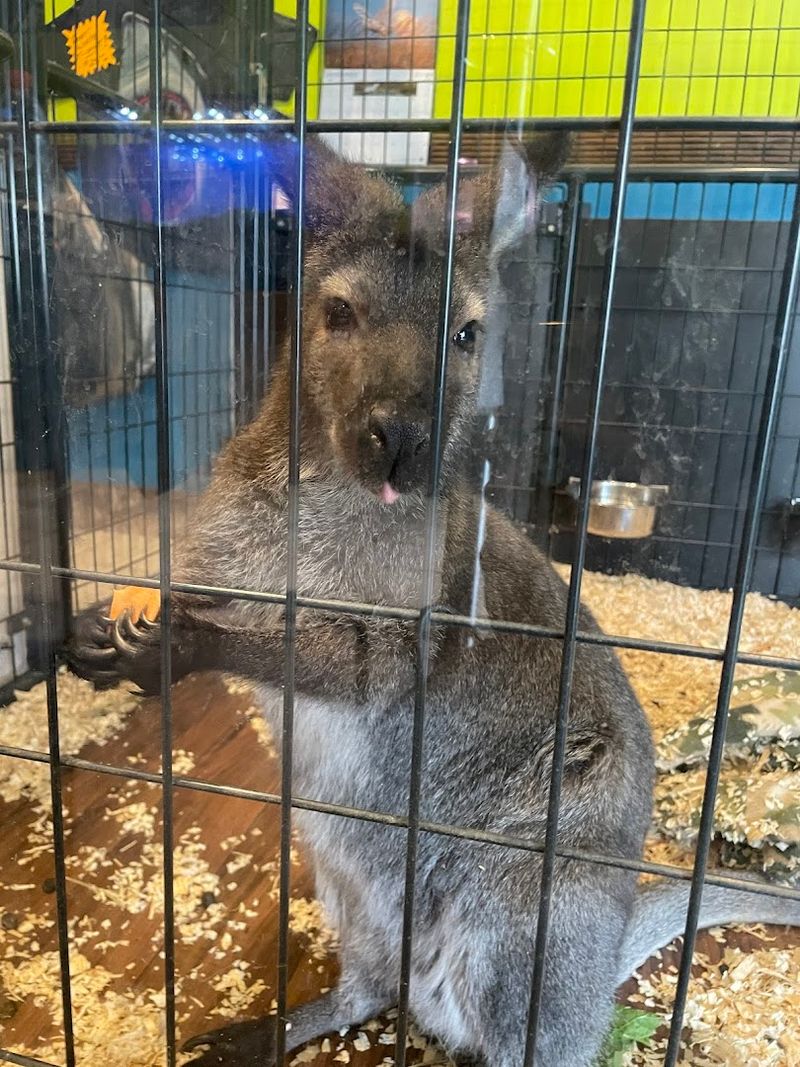
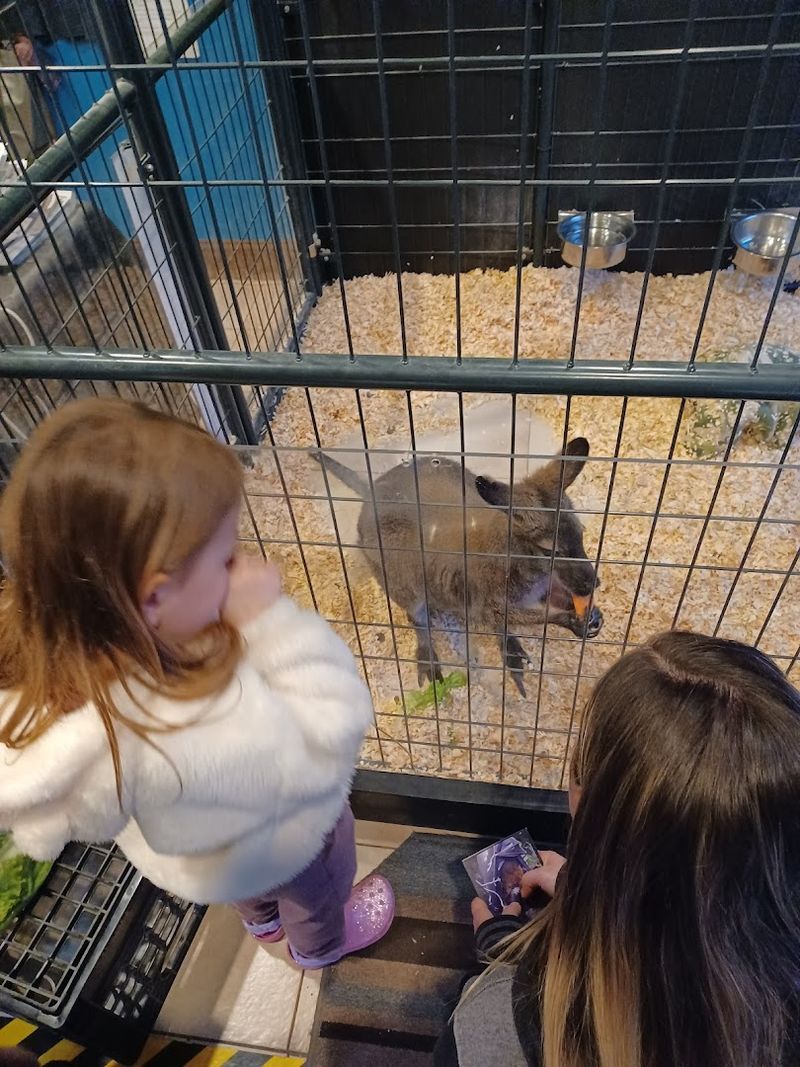
Right at the front of the center, a wallaby named Penelope has claimed her unofficial role as the building’s most charming greeter. She is a dwarf kangaroo, small enough to surprise people who expect something more dramatic, but memorable enough that guests still talk about her long after leaving.
Penelope lives near the entrance, and during some visits she is brought out of her enclosure to roam and snack while guests watch up close. That kind of access to a live wallaby is not something most people encounter outside of a full-scale zoo, and here it happens in a building the size of a small storefront.
For younger visitors especially, meeting Penelope early in the tour sets the tone for everything that follows. She represents exactly what the center is about: rare animals in an accessible setting, with staff who know each creature individually and handle them with obvious care and familiarity.
A Maze of Rooms Full of Surprises
The layout of the center is part of what makes it so engaging. Rather than one open floor plan, the space is organized into a series of connected rooms, each one focused on a different group of animals.
The progression feels deliberate, building curiosity as visitors move from one area to the next.
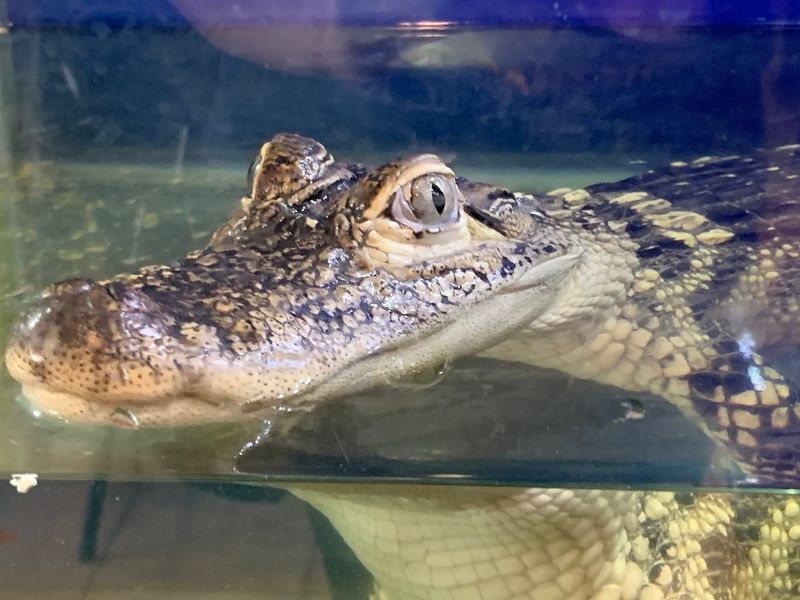
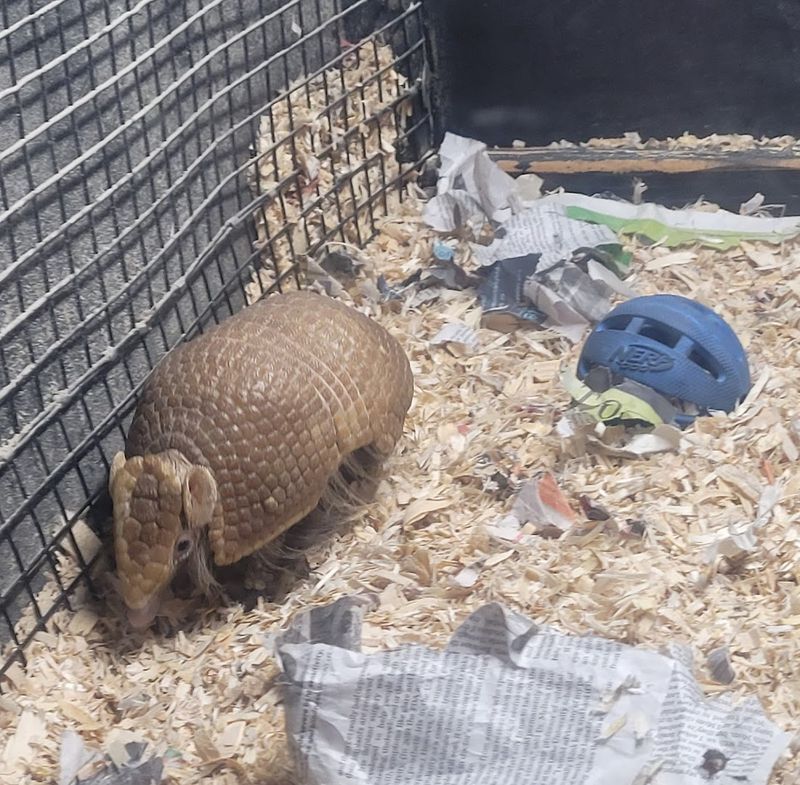
Early rooms feature large tanks housing turtles, alligators, and other reptiles. Groups are often seated in these first spaces while staff introduce animals hands-on, including armadillos, blue-tongued skinks, and boa constrictors, before the tour moves deeper into the building.
Further along, miniature pigs, chinchillas, and a variety of snakes and lizards fill the walls with activity. Each turn reveals something new, and the compact nature of the space actually works in its favor.
Nothing feels distant or behind glass from too far away. The whole experience is designed around closeness, and that proximity to the animals is what keeps people talking about it afterward.
Reptiles, Tortoises, and a Few Big Surprises
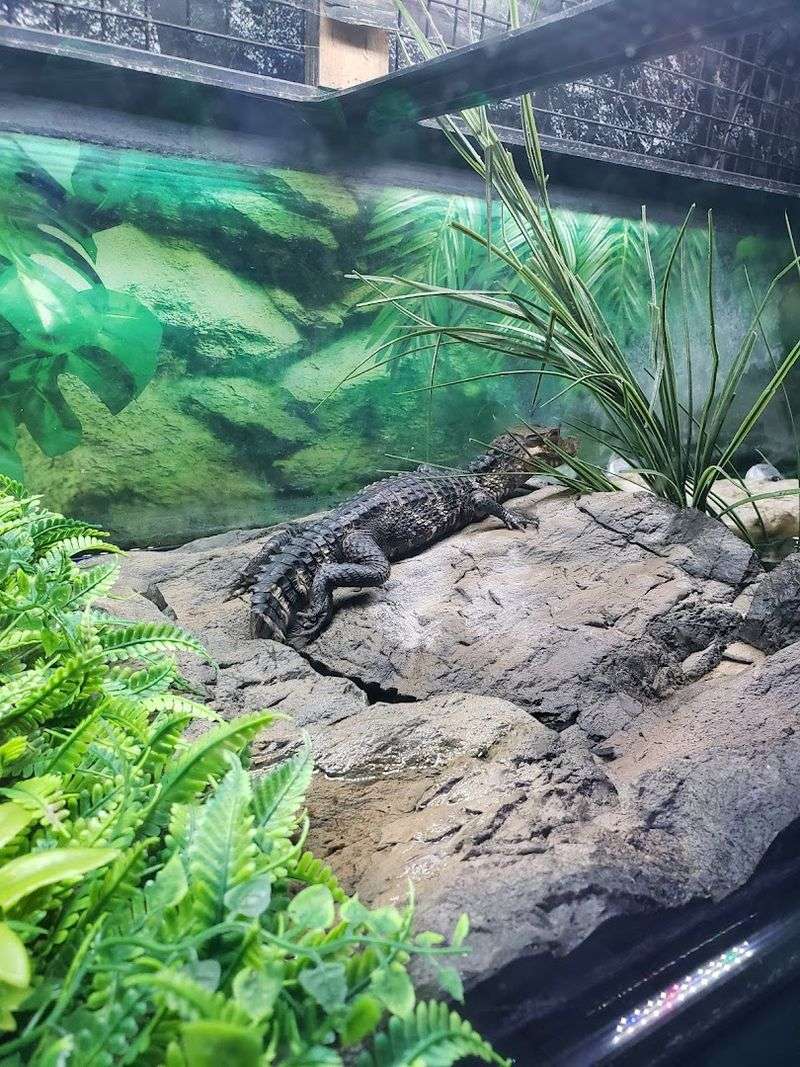
Not every highlight at the center has wings. The reptile collection alone gives visitors plenty of reasons to slow down and pay attention.
Two gigantic tortoises are among the most talked-about residents, drawing reactions from kids and adults alike who are not prepared for just how large they actually are.
Alligators in tanks, cool-looking lizards, and a variety of snakes round out a reptile section that feels more like a specialty herpetology exhibit than a side attraction. Staff bring out select animals during tours so guests can observe them at arm’s length rather than through thick glass from across a room.
The blue-tongued skink tends to be a crowd favorite among younger visitors, partly because of its name and partly because seeing that bright blue tongue in person is genuinely striking. For anyone who thought the bat room would be the only memorable stop, the reptile section consistently proves that the center has plenty of depth beyond its headline attraction.
Sloths That Actually Move
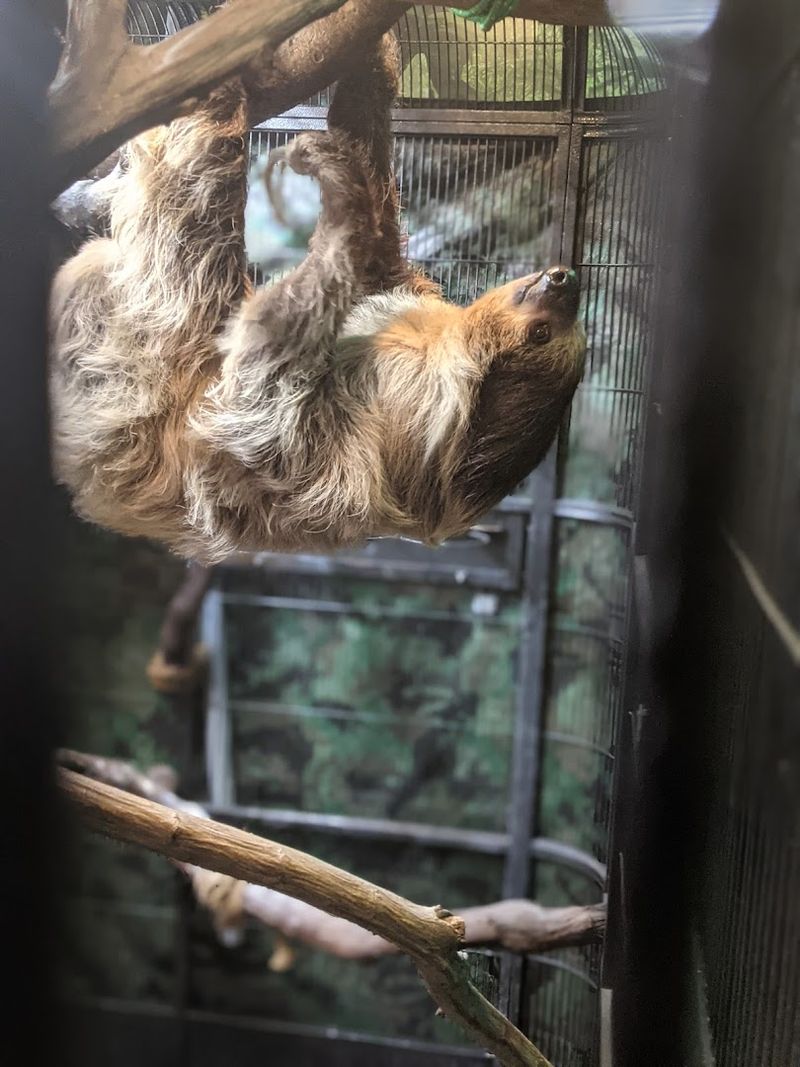
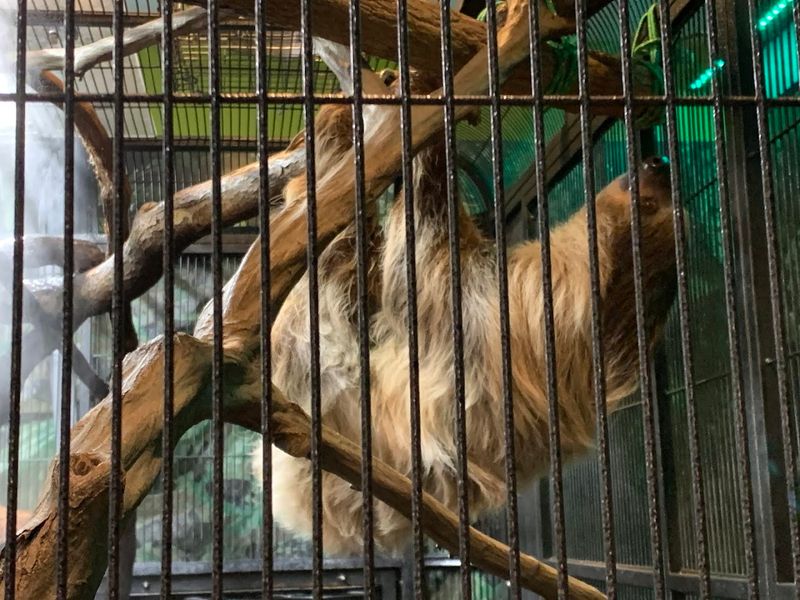
Sloths have a reputation for being the world’s most committed nappers, but the two residents at the center have a habit of defying expectations. During active feeding periods, they move around their enclosure, eat upside down, and position themselves close enough to the viewing area that guests can observe every detail without any distance between them.
That kind of access to a sloth is genuinely uncommon. Most zoo exhibits place these animals far back in large enclosures where visitors see little more than a fuzzy shape hanging from a branch.
Here, the proximity changes the experience entirely.
Staff explain sloth behavior, diet, and biology during the tour, turning what could be a passive observation into an actual learning moment. The two sloths have become reliable favorites among repeat visitors, who often mention checking in on them as one of the first things they want to do when they return to the center for another visit.
The Main Event: Feeding Bats by Hand
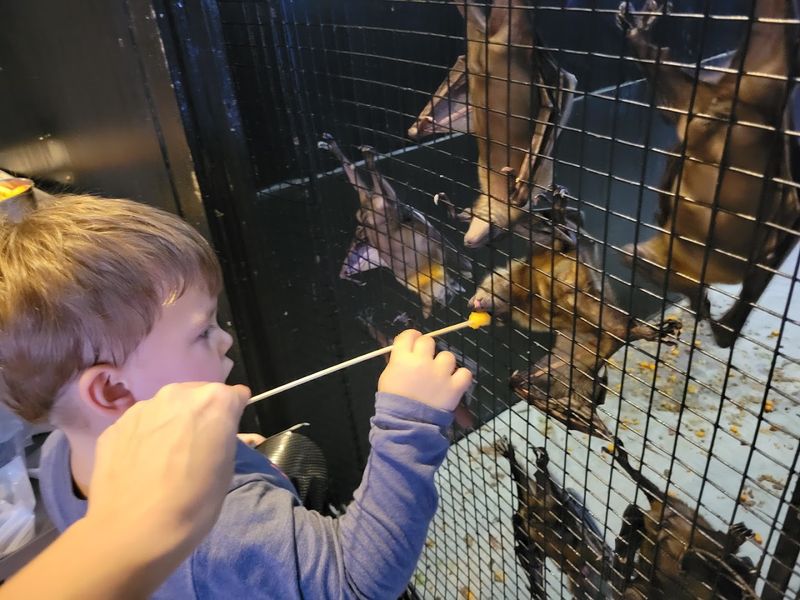
The bat feeding experience is the centerpiece of the entire visit, and it delivers exactly what the name promises. Guests receive fruit kabobs and feed them directly to bats through the cage section of a large central display in the dedicated bat room.
The bats are from Madagascar, and their enthusiasm at feeding time is hard to miss.
Joe provides background on bat biology and behavior before the feeding begins, so by the time guests hold out their fruit sticks, they already know what they are looking at and why it matters. That educational layer makes the activity more than just a novelty moment.
There is genuinely no other place in New Jersey, and very few places anywhere, where the public can feed bats this way. The center has built its identity around that experience, and it holds up completely.
For most visitors, it becomes the memory they lead with when telling others about the trip.
Giant Bats With Four-Foot Wingspans
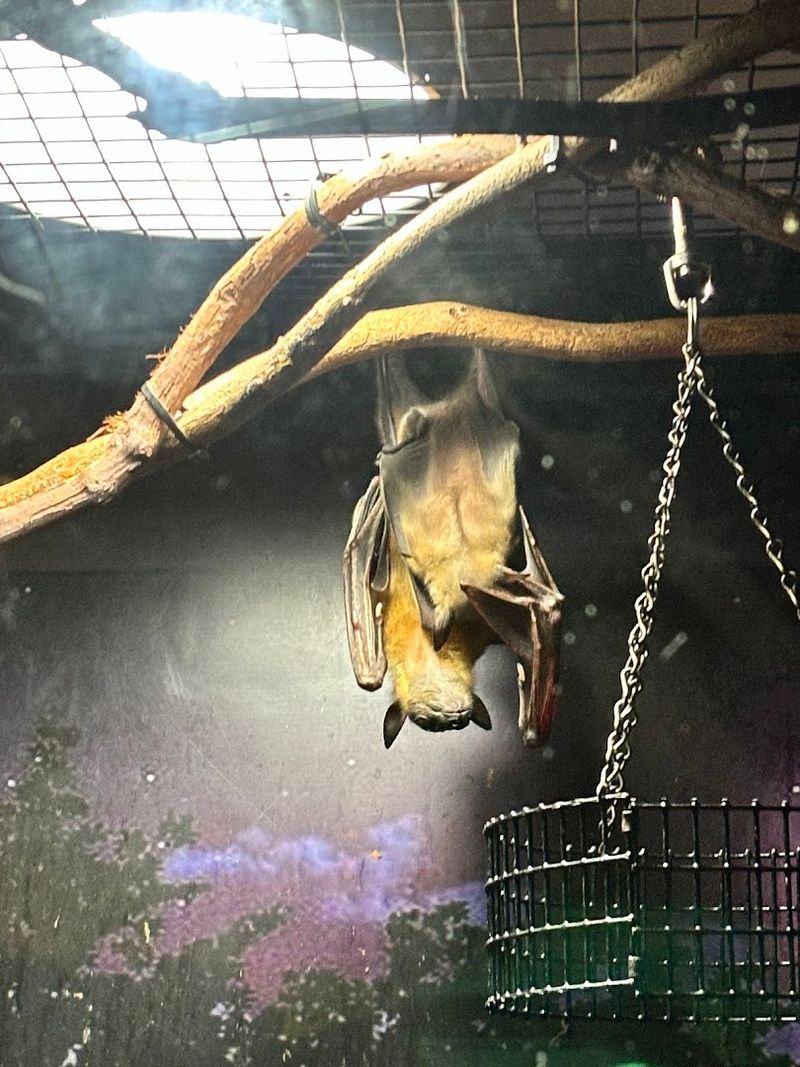
Beyond the central feeding display, the bat room holds two separate enclosures housing some of the largest bats on the property. Staff have noted that one of these bats has a wingspan measuring four feet, which is the kind of detail that stops people mid-sentence when they hear it for the first time.
Seeing a bat of that size up close resets most people’s assumptions about what a bat actually looks like. The animals are healthy, alert, and clearly well cared for, which makes the encounter feel very different from a standard zoo viewing experience.
Joe explains the ecological role these animals play in their native environments, connecting the visual spectacle to a broader conservation message. The giant bat enclosures sit alongside displays for sugar gliders, glowing scorpions, a bird-eating tarantula, and a kinkajou, making the back section of the center feel like its own separate world packed into a surprisingly compact space.
Sugar Gliders, Scorpions, and a Tarantula the Size of Your Hand
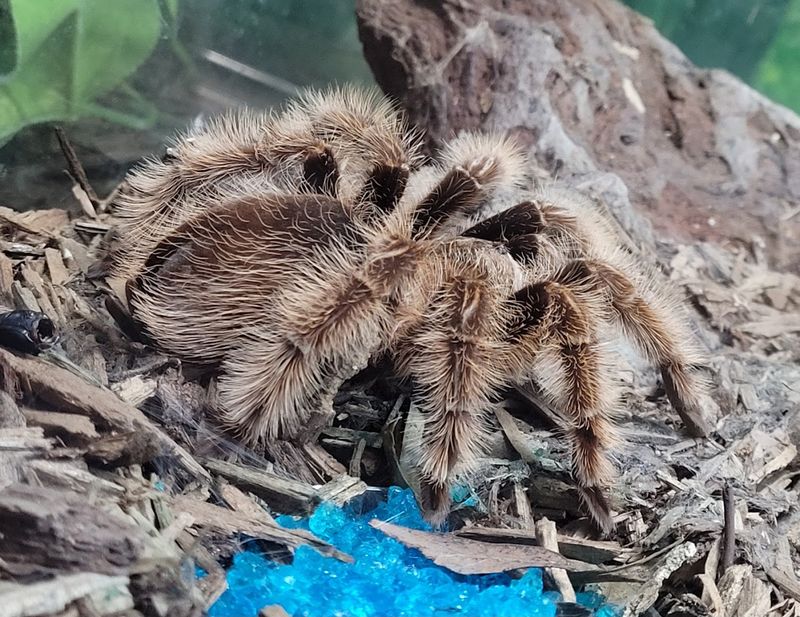
The bat room does not stop at bats. Tucked around the central display are a series of additional enclosures that collectively make the room feel like a greatest-hits collection of unusual animals.
Sugar gliders, when they are awake during a visit, are among the most delightful surprises in the space.
The glowing scorpions earn consistent attention, particularly from visitors who had no idea scorpions could do that. Staff explain the science behind the fluorescence, turning what looks like a party trick into a quick biology lesson.
The bird-eating tarantula, described by more than one visitor as genuinely enormous, sits in its own display and tends to provoke strong reactions from guests of all ages.
A kinkajou rounds out the room’s supporting cast, adding a mammal with an unusual profile to an already eclectic lineup. The variety in this single room alone gives the center a density of rare animals that most much larger facilities would struggle to match in the same square footage.
The Savannah Cat Who Runs the Place
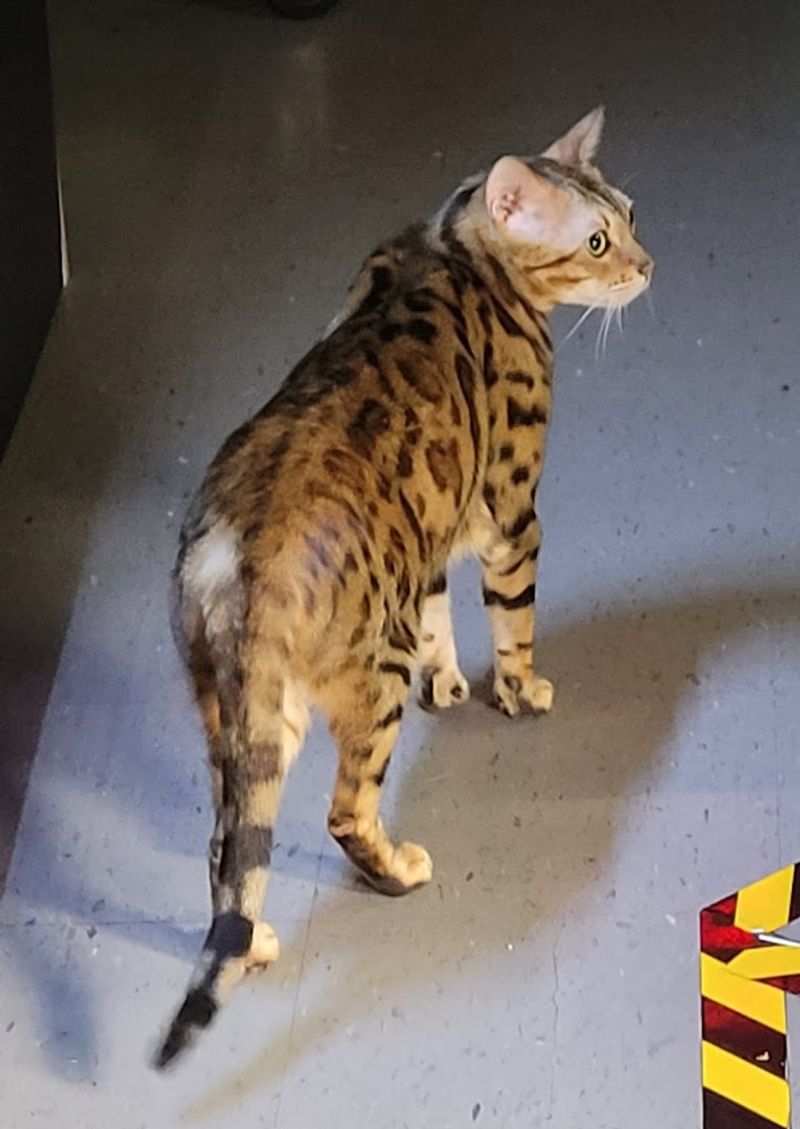
Not every resident at the center lives in an enclosure. A Savannah cat roams the space freely, moving between rooms with the confidence of someone who knows they own the building.
Savannah cats are a hybrid breed, crossed between a domestic cat and a serval, and they are noticeably larger and more striking than a typical house cat.
The free-roaming cat adds an unexpected layer of personality to the visit. Guests who are not expecting it tend to do a double-take when a large spotted cat walks past them in a hallway between exhibits.
Staff are comfortable with the animal and handle it naturally as part of the daily flow of the center.
For visitors who have an interest in exotic felines, this is a bonus that most wildlife centers simply do not offer. The cat’s presence reinforces the overall character of the place: unconventional, packed with variety, and full of moments that do not fit neatly into any standard zoo category.
What the Miniature Pigs Bring to the Party
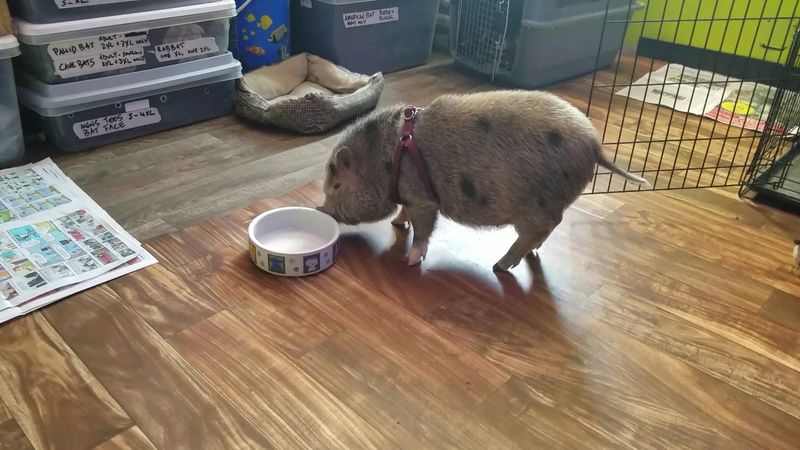
Somewhere between the reptile rooms and the bat cave, two miniature pigs live in their own section of the center and have developed a loyal following among younger visitors. They are interactive, curious, and approachable in a way that makes them a natural fit for groups that include small children who may feel hesitant around more exotic animals.
Staff bring guests into contact with the pigs during the tour, allowing hands-on interaction that reinforces the center’s broader mission of making wildlife feel accessible rather than remote. The pigs are well-socialized and comfortable with visitors, which keeps those interactions calm and positive.
For families with toddlers or young children who are just beginning to develop an interest in animals, the miniature pigs often serve as an important confidence-builder mid-tour. By the time those same kids reach the bat room, they have already had several positive animal encounters and arrive with curiosity rather than hesitation, which makes the whole experience land more effectively.
Tickets, Pricing, and How to Plan Your Visit
Tickets to the Wildlife Education and Conservation Center are purchased exclusively through the official website at thebatcave.org, and that step is non-negotiable. Walk-in entry is not available, and showing up without a reservation means the visit does not happen.
The booking system is straightforward once you are on the site, and purchased tickets are confirmed in the system before arrival.
Pricing has historically been around ten dollars per person, which puts it in a category that is accessible for families without requiring a significant budget commitment. For the amount of content, hands-on access, and educational programming packed into a two-hour visit, that price point is hard to argue with.
The center does have limited capacity by design, so popular time slots, especially on weekends and around holidays, fill up faster than most people expect. Booking at least a week in advance is a reasonable approach for standard visits, and even further ahead for group events or birthday party reservations that require more coordination.
Conservation With a Real Purpose
The center’s full name includes the word conservation for a reason. Beyond the novelty of feeding bats and meeting wallabies, the operation carries a genuine educational mission focused on changing how people think about animals that are often misunderstood or feared.
Bats, in particular, are central to that mission. Joe’s background as a chiroptologist informs every aspect of how the bat exhibits are structured and how staff discuss these animals with visitors.
The goal is not just to show people a bat up close, but to explain why bats matter ecologically, what threats they face, and what conservation efforts look like in practice.
Visitors can donate toward bat conservation during their visit, and the center sells merchandise including stuffed bats and bat-themed apparel, with proceeds supporting the work. For schools, scout groups, and families looking for an experience that combines entertainment with genuine learning, the conservation angle gives the visit a layer of substance that most novelty attractions simply do not carry.
Why This Place Stays With You Long After You Leave
There is a specific kind of experience that sticks around in memory long after the day ends, and a visit to the center in Garfield tends to qualify. It is not the scale of the place that makes it memorable.
It is the density of unusual encounters packed into a short window of time, delivered by people who clearly care about every animal in the building.
A three-year-old recounting her bat feeding experience to everyone she meets for days afterward, or a group of scouts still talking about the giant wingspan bat on the bus ride home, these are the outcomes that define what the center actually does well. It creates reference points that people carry forward.
For anyone in New Jersey or the surrounding area looking for an animal experience that goes well beyond a standard zoo visit, the Wildlife Education and Conservation Center in Garfield delivers something genuinely hard to replicate. Just remember to grab those tickets through the website before the time slot you want disappears.



