There is a place in Winter Park, Florida, where light does something almost magical. It filters through hundreds of hand-crafted glass panels, casting colors so vivid and alive that you forget you are standing indoors.
This is not the kind of art museum you rush through. The Charles Hosmer Morse Museum of American Art holds the world’s most comprehensive collection of works by Louis Comfort Tiffany, and once you see it in person, no photo or video will ever quite do it justice.
From a reconstructed chapel that stopped visitors in their tracks at the 1893 World’s Fair to delicate lamps that glow like stained sunsets, this museum delivers one of the most quietly breathtaking experiences in all of Central Florida. Keep reading to find out exactly what makes it so special.
Where to Find This One-of-a-Kind Museum
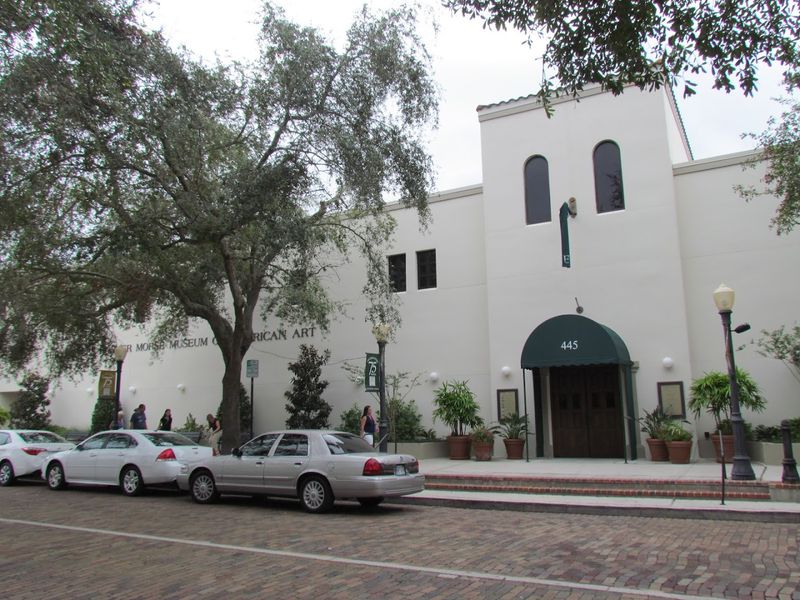
Right in the heart of one of Florida’s most charming towns, the Charles Hosmer Morse Museum of American Art sits at 445 N Park Ave, Winter Park. North Park Avenue is a walkable, tree-lined street packed with boutiques, cafes, and galleries, so the museum fits naturally into the neighborhood’s cultured, unhurried rhythm.
Getting there is straightforward. The museum is a short walk from the Winter Park SunRail station, which makes arriving by train a genuinely appealing option, especially since street parking can get competitive on busy weekends.
There is also a free parking lot directly next to the building, which is a welcome bonus in a popular area.
The surrounding neighborhood rewards extra exploration time. Rollins College, with its Mediterranean-style architecture and lakeside campus, is just a few blocks away, and the whole area has a laid-back elegance that sets the perfect mood before you even step inside.
The Story Behind the Collection
Louis Comfort Tiffany was born in 1848 and spent his life pushing the boundaries of decorative art. He was the son of the famous jeweler Charles Lewis Tiffany, but he carved out his own legacy through glasswork, interior design, and jewelry that blended natural beauty with extraordinary craftsmanship.
The collection at the Morse Museum exists largely because of Hugh and Jeannette McKean. Jeannette had studied at the Tiffany estate, Laurelton Hall, and developed a deep personal connection to the work.
After a fire destroyed much of the estate in 1957, the McKeans rescued hundreds of pieces from the ruins and spent decades carefully building the world’s most complete Tiffany archive.
That rescue mission is what gives the museum its emotional weight. Every lamp, window panel, and jewelry piece here survived against the odds, and knowing that history makes each display feel even more remarkable than it already looks.
The Tiffany Chapel That Stopped a World’s Fair
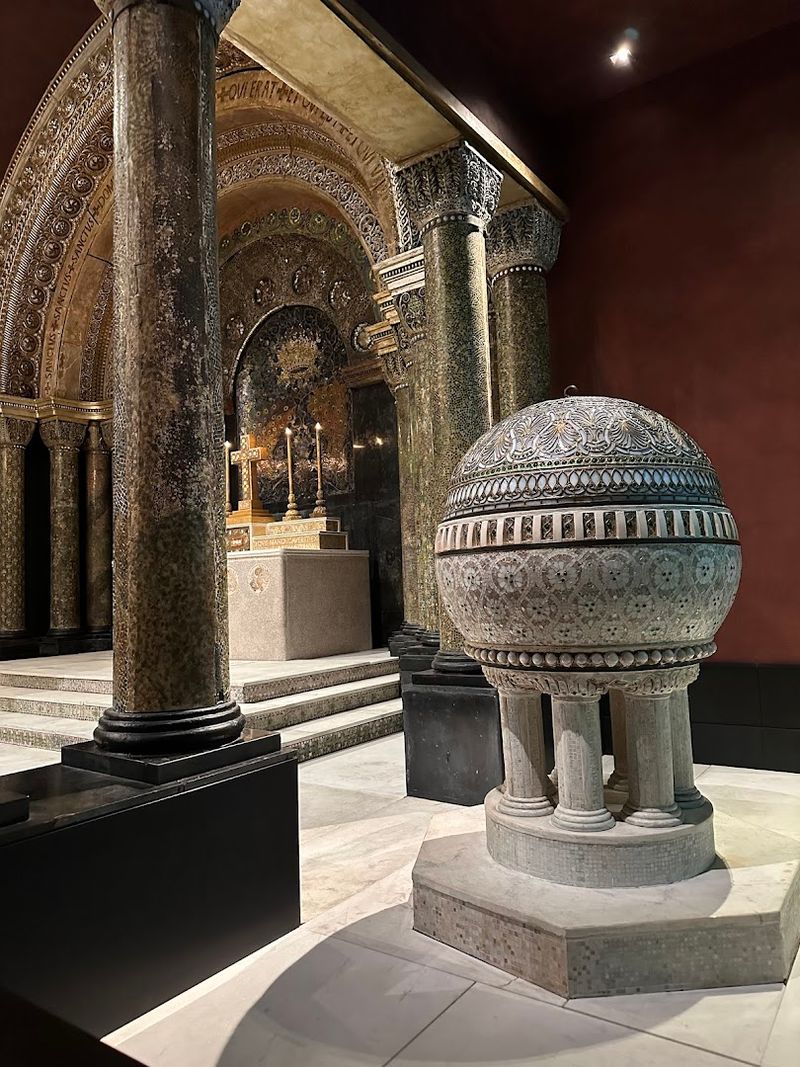
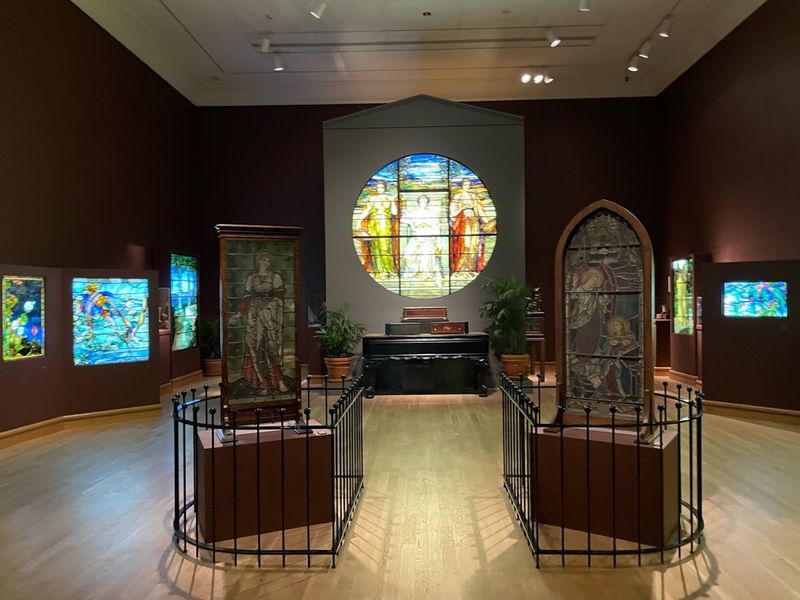
The single most talked-about exhibit in the entire museum is the reconstructed Tiffany Chapel, originally created for the 1893 World’s Columbian Exposition in Chicago. Tiffany designed it as a complete architectural environment, and it caused a sensation when it debuted at the fair.
After the fair closed, the chapel passed through several hands and eventually fell into disrepair. Parts of it were destroyed in a fire.
The McKeans tracked down surviving fragments and used historical photographs to guide a meticulous reconstruction, and the result is nothing short of extraordinary.
The chapel features a stunning mosaic of glass tile, a luminous leaded glass window above the altar, and an atmosphere so still and reverent that visitors naturally slow their pace and lower their voices. The Byzantine-inspired design, the shimmering surfaces, and the quality of the light inside make this a genuinely unforgettable room that rewards slow, careful attention.
Leaded Glass Windows That Redefine What Glass Can Do
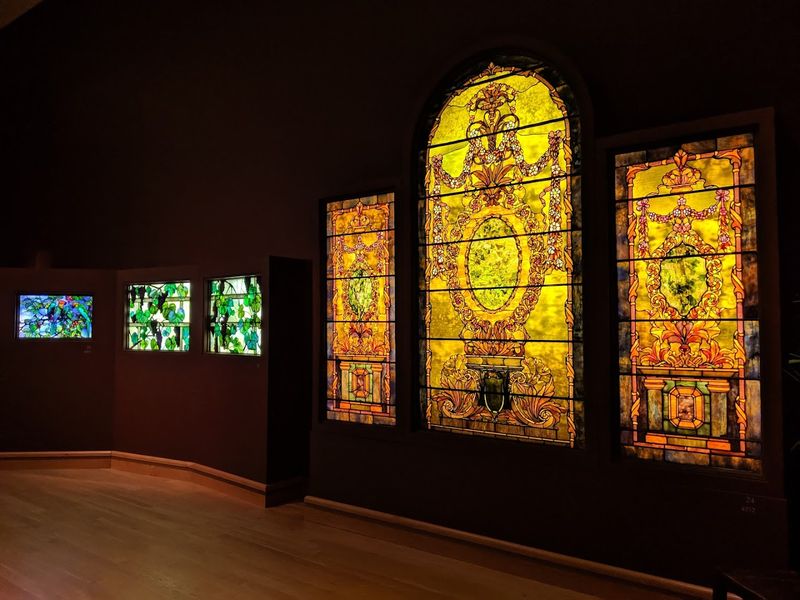
Most people grow up thinking stained glass means paint on glass. Tiffany changed that idea entirely.
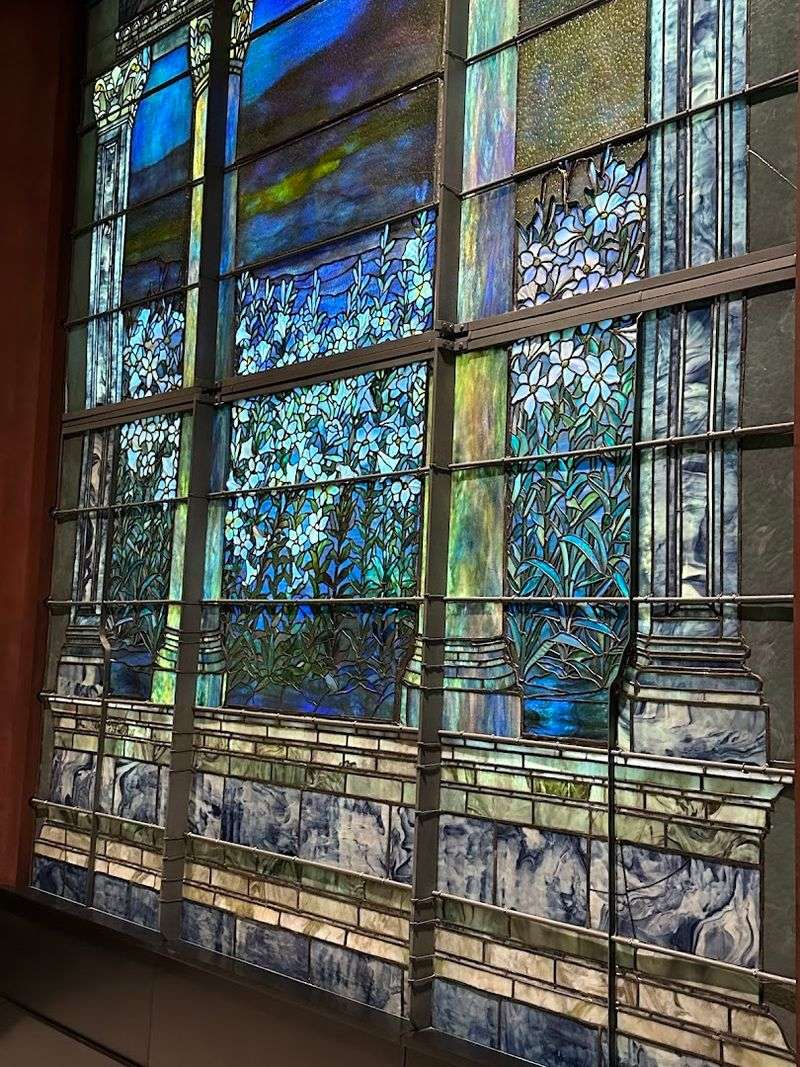
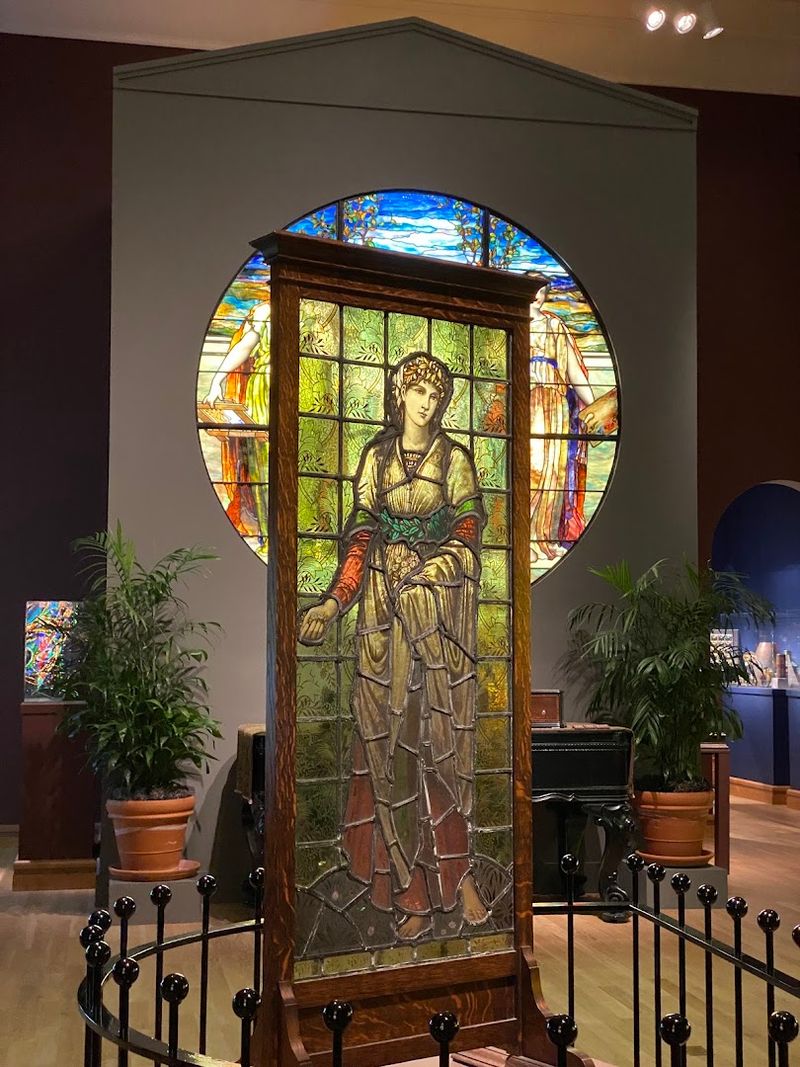
His leaded glass technique used naturally colored glass, manipulating the material itself to create depth, texture, and light effects that painted glass simply cannot match.
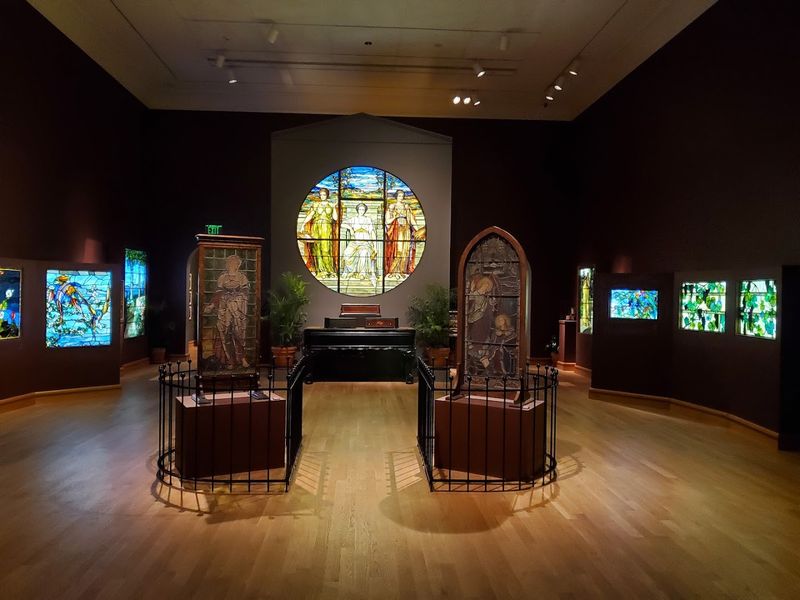
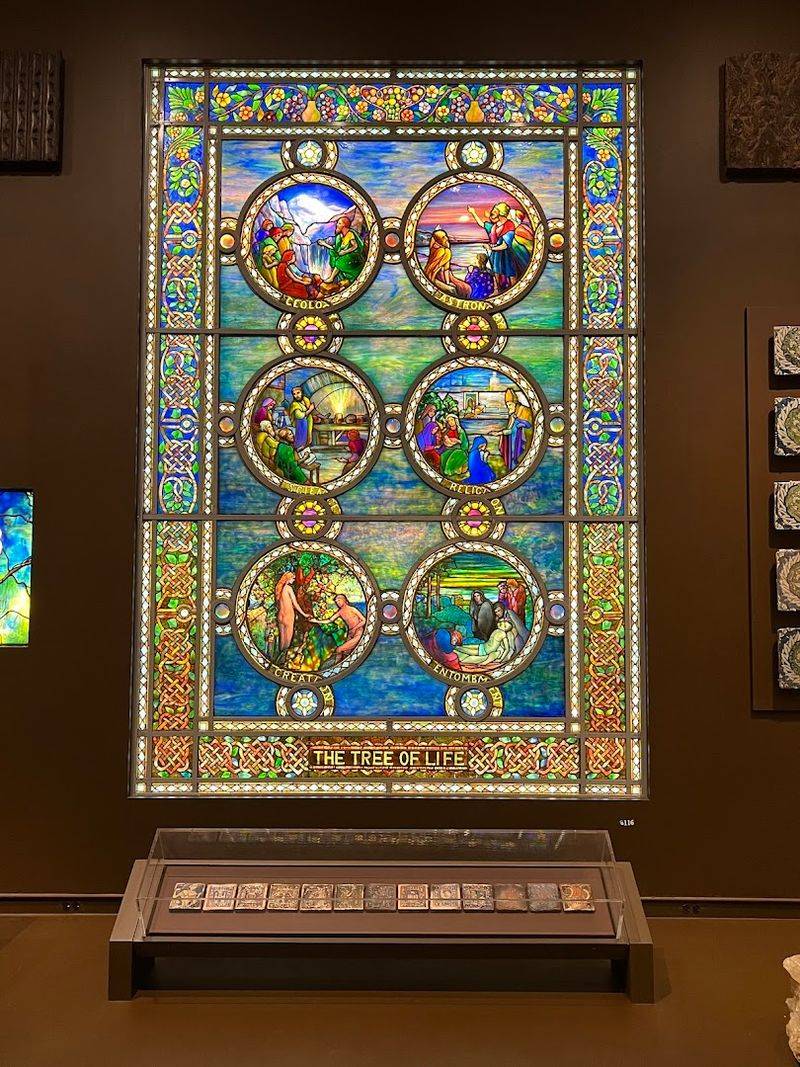
The Morse Museum displays a wide range of these windows, many of them large enough to fill an entire wall. Floral designs, landscape scenes, and abstract patterns all appear in the collection, and the variety keeps the galleries feeling fresh rather than repetitive.
Standing in front of a Tiffany window and watching how the light shifts across the surface is a surprisingly meditative experience.
The museum’s lighting design deserves credit here too. Each window is backlit or positioned to show off the glass at its best, so the colors pop with a warmth that photographs genuinely struggle to capture.
This is one of those rare cases where being there in person makes an enormous difference.
The Famous Tiffany Lamps Up Close
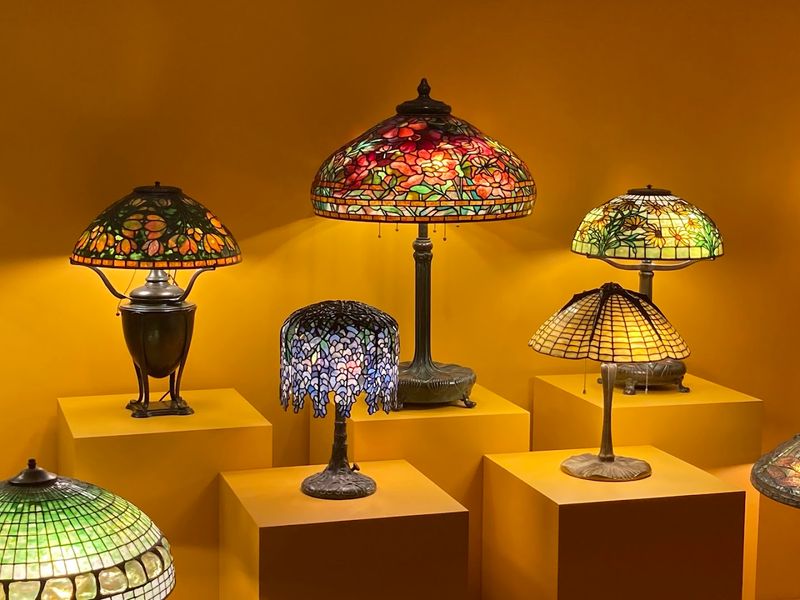
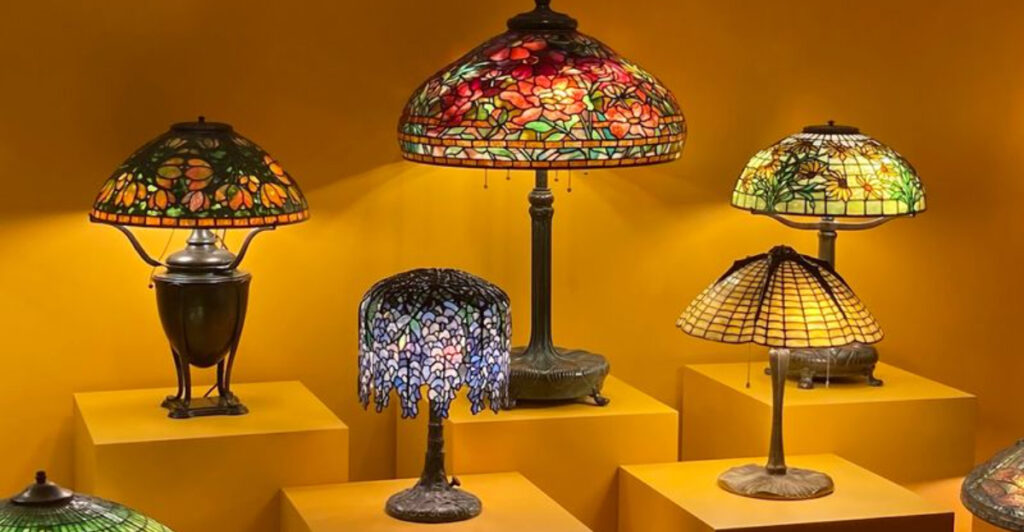
Ask almost anyone to name something by Tiffany and they will mention the lamps. Those iconic shades with their dragonfly, wisteria, and peony designs have been reproduced so many times that it is easy to forget how extraordinary the originals actually are.
At the Morse Museum, the lamps are displayed on individual pedestals with enough space around each one to appreciate the full design from every angle. When the shades are lit from within, the glass takes on a warmth and depth that reproduction versions never quite achieve.
The craftsmanship in the leading, the subtle color gradations in each piece of glass, and the precision of the overall design are all visible in a way that feels almost intimate at this scale.
The range of lamp designs on display goes well beyond the most famous patterns, offering a broader picture of just how inventive and prolific the Tiffany Studios workshops truly were during their peak creative years.
American Pottery, Paintings, and Decorative Arts
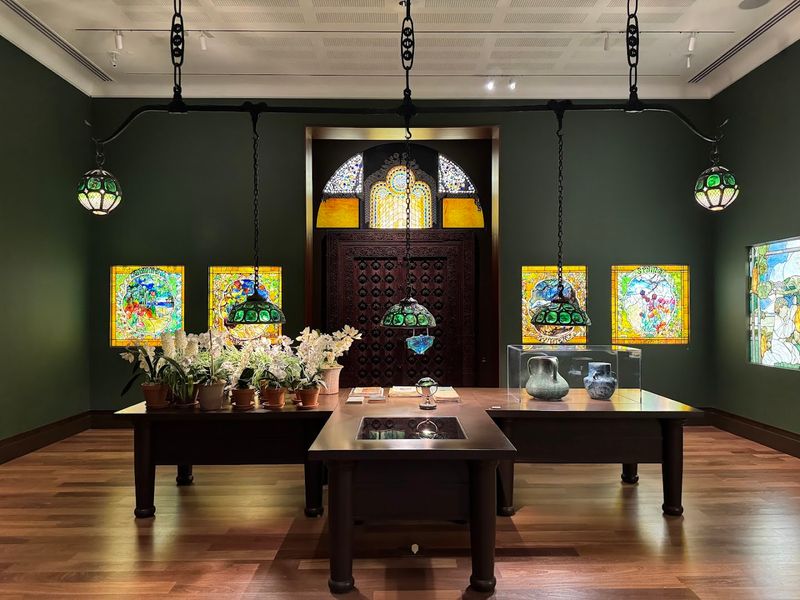
The Morse Museum is not exclusively about Tiffany glass, though that collection is clearly the centerpiece. The broader holdings include a substantial selection of American art pottery, paintings, and decorative arts from the late 19th and early 20th centuries.
The pottery collection is particularly strong, featuring works from studios and artists who were working during the same creative era as Tiffany. Seeing these pieces alongside the glass gives a fuller picture of what American decorative arts looked like during that period, and the quality of the ceramic work holds its own impressively well.
Paintings and graphic works round out the galleries, providing context for the visual culture of the time. The museum does a thoughtful job of presenting all of these elements as part of a coherent story rather than a random assortment of objects, which makes the experience feel curated and intentional rather than encyclopedic and overwhelming.
Admission Prices That Make the Visit Easy to Justify
One of the most pleasant surprises at the Morse Museum is how affordable it is. Adult admission runs around eight dollars at current prices, with discounted rates available for seniors and students.
That price point is remarkably low for a museum of this caliber, and it makes the visit accessible to a wide range of visitors.
On Friday evenings after 4 PM, admission is completely free. Live musical performances often accompany those Friday evening visits, which turns the experience into something closer to a cultural event than a standard museum outing.
It is a genuinely lovely way to spend a Friday in Winter Park.
The low cost of entry also removes any pressure to rush through the galleries. Knowing you did not spend a fortune to get in makes it easier to slow down, read the exhibit labels carefully, watch both informational videos, and soak up the details at a comfortable, unhurried pace.
The Atmosphere Inside the Galleries
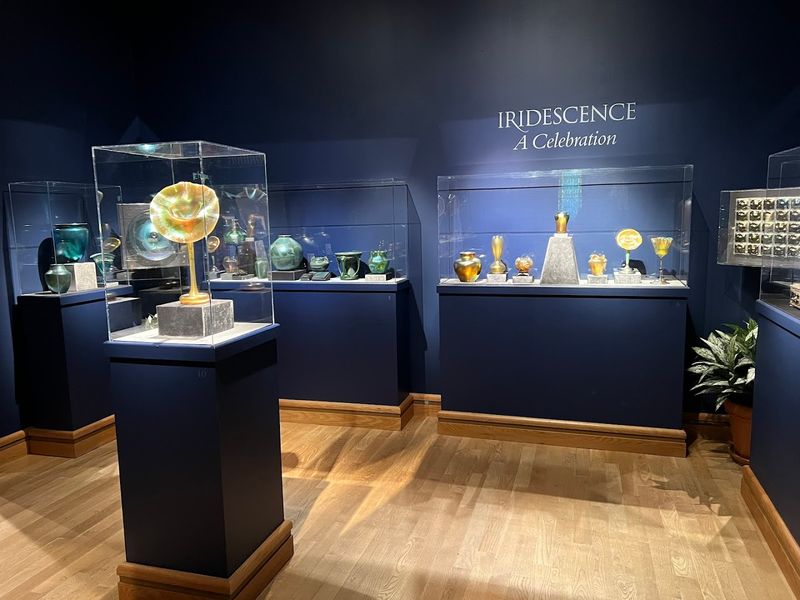
There is a particular quality to the atmosphere inside the Morse Museum that is hard to describe without sounding overly dramatic. The galleries are quiet in a way that feels deliberate rather than empty.
Visitors tend to move slowly and speak softly, not because they are told to, but because the environment naturally encourages it.
The lighting throughout the museum is carefully managed to enhance the glass without creating glare or washing out the colors. Warm tones dominate, and the overall effect is calm and focused.
It is the kind of place where time passes differently, and an hour can feel like twenty minutes.
There is also a relaxing courtyard area that provides a welcome pause between gallery sections. Spending a few minutes outside in the Florida sunshine before heading back in to look at more glass is a simple pleasure that helps the whole visit feel balanced and refreshing rather than exhausting.
Tips for Planning Your Visit
The museum is open Tuesday through Friday from 9:30 AM to 4 PM, Saturday from 9:30 AM to 4 PM, and Sunday from 1 PM to 4 PM. It is closed on Mondays.
The Friday evening free admission hours run from 4 PM until the museum closes, and those evenings often feature live musical performances that add a festive touch.
Plan to spend at least one to two hours inside, especially if you watch both videos and use the audio guide. First-time visitors who try to rush through often wish they had given themselves more time, while repeat visitors frequently discover new details they missed on earlier trips.
Wearing comfortable shoes is a practical tip that goes a long way. The galleries cover a fair amount of ground, and the experience is much more enjoyable when you are not thinking about your feet.
Arriving early on weekdays tends to mean smaller crowds and a more peaceful visit overall.
Combining the Museum with a Full Day in Winter Park
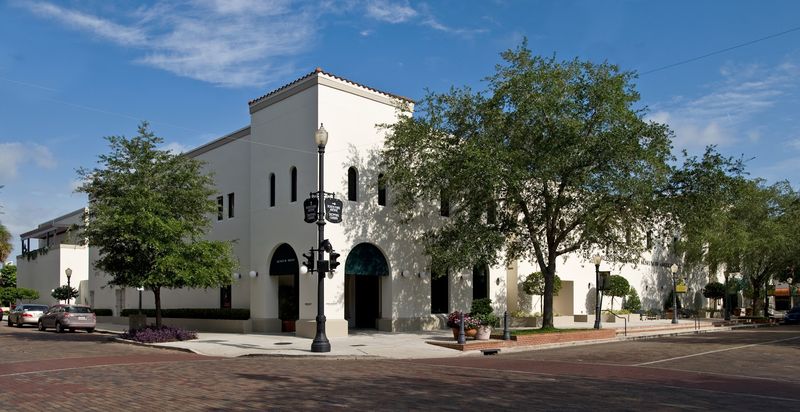
The Morse Museum sits on one of the most walkable stretches of street in all of Central Florida. North Park Avenue is lined with independent boutiques, well-regarded restaurants, and coffee shops that make extending the visit into a full afternoon a genuinely enjoyable prospect.
Rollins College is just a few blocks away and worth a short detour for its lakeside setting and handsome Mediterranean-style architecture. The Cornell Fine Arts Museum on the Rollins campus adds another layer of cultural depth to the day if you still have energy after the Morse.
Park Avenue itself has a relaxed, unhurried character that pairs well with the museum’s contemplative mood. A pontoon boat tour on the Winter Park chain of lakes is another popular option for rounding out the day, offering a completely different perspective on the town’s natural beauty and elegant lakeside properties.
Why This Museum Stands Apart From Other Florida Attractions
Florida attracts visitors with theme parks, beaches, and year-round sunshine, so a small art museum on a quiet avenue might not seem like obvious competition. The Morse Museum earns its place on any Central Florida itinerary through sheer quality and the uniqueness of what it holds.
There is no other place in the world where you can see this concentration of Tiffany’s work. The chapel alone justifies the trip for anyone with even a passing interest in American art history or decorative arts.
The combination of affordability, accessibility, and genuine artistic significance makes the museum an unusually strong value proposition.
First-time visitors consistently describe the experience as larger and more impressive than they expected. That pleasant surprise is part of what gives the Morse Museum its loyal following and keeps people coming back for second and third visits, each time finding something new to appreciate in the glowing, color-saturated galleries.
A Closing Thought on Why the Morse Museum Stays With You
Some places earn a spot in your memory through spectacle, and some earn it through depth. The Morse Museum belongs firmly in the second category.
The experience of moving through those galleries, watching light travel through glass that was shaped and colored more than a century ago, leaves a quiet impression that does not fade quickly.
The combination of artistic excellence, historical significance, and personal story makes the museum feel alive rather than archival. The McKeans’ decades-long effort to preserve and share Tiffany’s work comes through in every carefully considered display, and that sense of genuine care is something visitors pick up on whether or not they can articulate exactly why.
A visit to the Morse Museum is the kind of experience that makes you want to tell people about it, not because it was flashy or loud, but because it was quietly, stubbornly beautiful in a way that Florida rarely gets credit for delivering.
Share this story