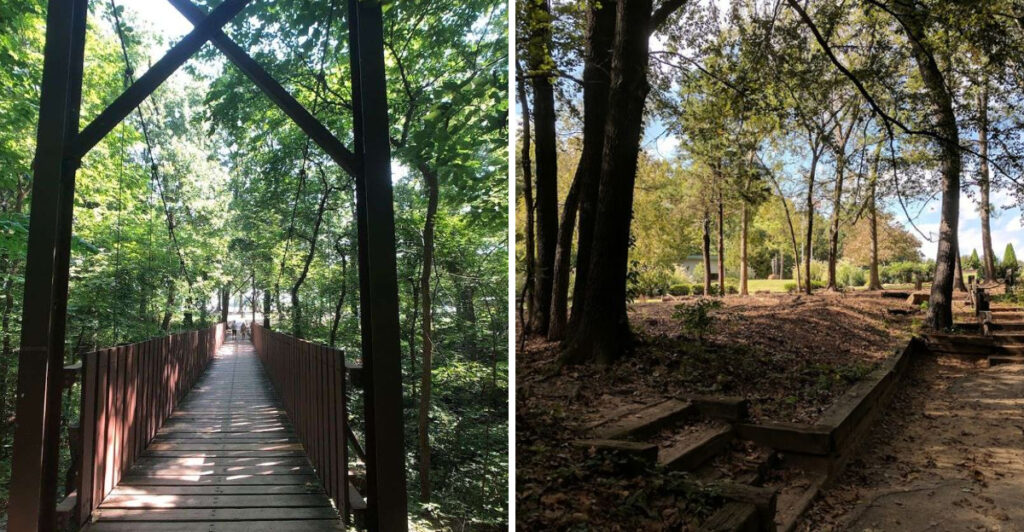
Tucked behind an elementary school parking lot in Broken Arrow, Oklahoma, there is a 40-acre woodland that most people drive past without ever knowing it exists. Ancient springs bubble up from the earth, a charming hidden bridge waits around a wooded bend, and wildlife moves freely through trails that feel nothing like the suburbs surrounding them.
The nature center inside is packed with animal exhibits, hands-on displays, and staff who genuinely love talking about local ecosystems. This is the kind of place that makes you slow down, breathe deeper, and wonder why you ever spent your weekends anywhere else.
Where to Find This Hidden Woodland
Ray Harral Nature Park and Center sits at 7101 S 3rd St, Broken Arrow, OK 74011, right on the edge of a quiet residential neighborhood near two local schools. The address sounds ordinary enough, but the moment you turn into the parking lot, something shifts.
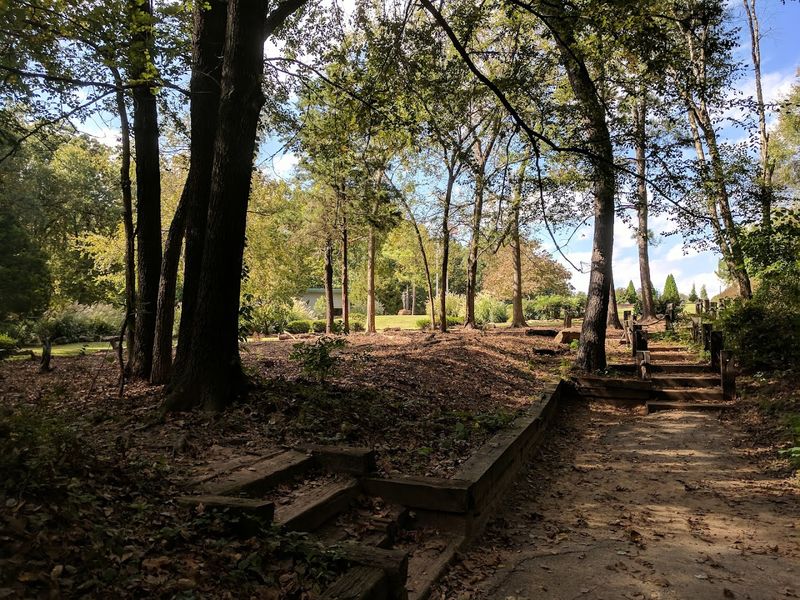
The suburban landscape begins to blur behind a thick wall of trees, and within a few steps down the main path, you genuinely forget there are houses just beyond the treeline. The park covers 40 acres of natural Oklahoma woodland, which is more than enough space to feel completely removed from daily life.
Parking fits roughly 20 vehicles, with some overflow space nearby, so arriving early on weekends is a smart move. The nature center is open Monday through Saturday from 10 AM to 7 PM and is closed on Sundays.
You can reach the center at 918-615-6099 if you want to confirm hours before making the trip, because the center occasionally keeps irregular hours that do not always match what is posted online.
The 115-Year-Old Spring That Started It All
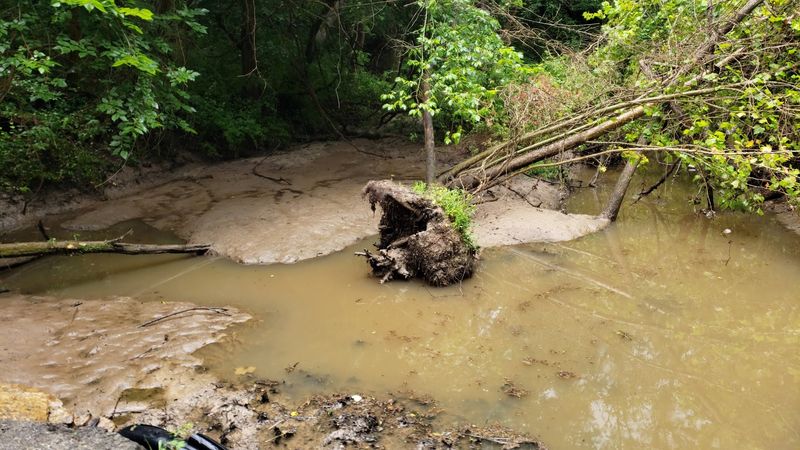
There is something quietly remarkable about a spring that has been flowing for well over a century. The historic spring at this Broken Arrow park is believed to date back at least 115 years, making it one of the oldest natural features in the area and a living piece of local history that most residents have never seen.
Springs like this one form when underground water finds a path through rock and soil to reach the surface, and this particular spring has been doing exactly that since before Oklahoma was even a state. The water creates a cool, shaded microhabitat that draws frogs, toads, and various insects throughout the warmer months.
Visiting in summer means you might spot tiny frogs hopping near the water’s edge, while early spring brings out a surprising variety of amphibians that use the wet ground for breeding. The spring area has a peaceful, almost ancient quality to it that feels very different from the rest of the trail system.
It is one of those spots where you stop walking and just stand still for a minute, listening.
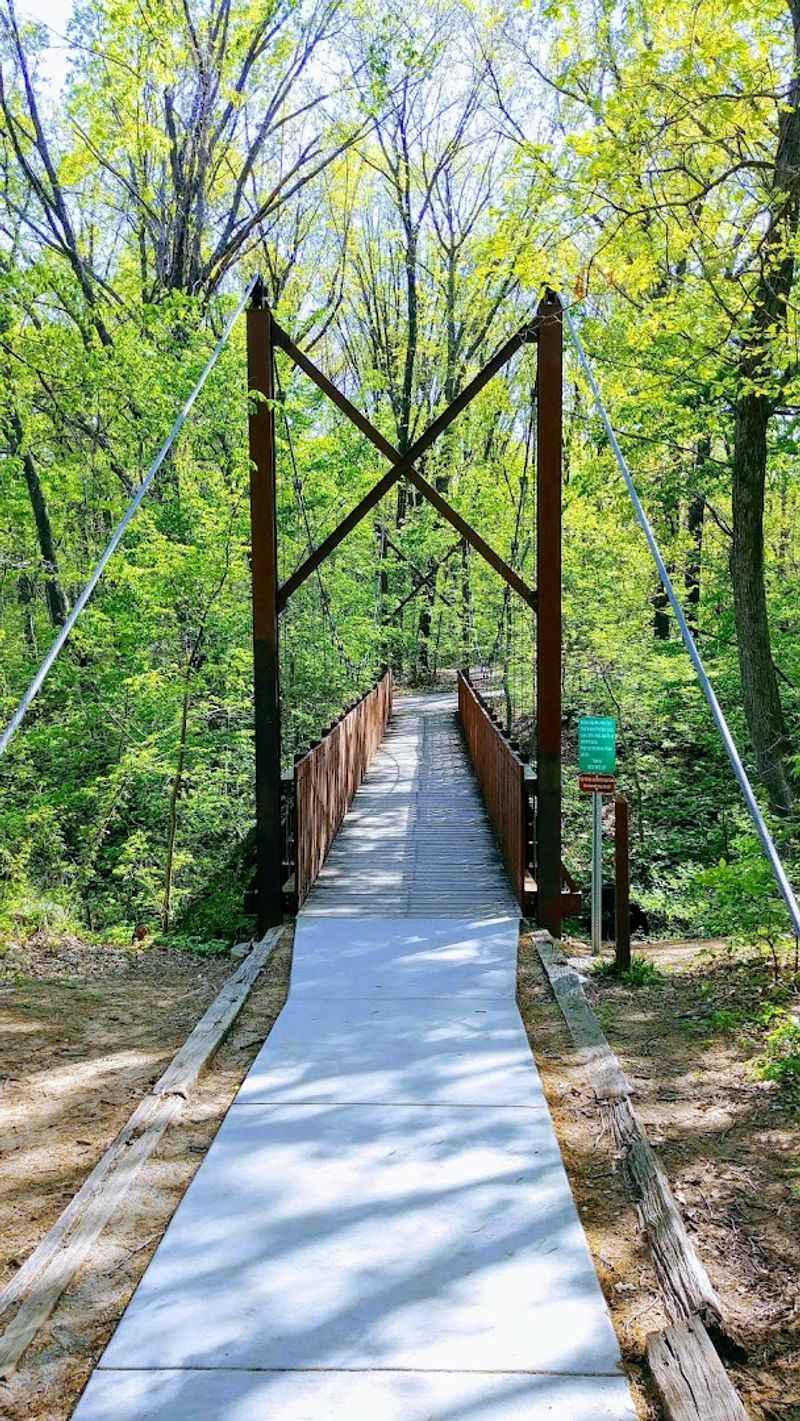
The Hidden Bridge Worth Searching For
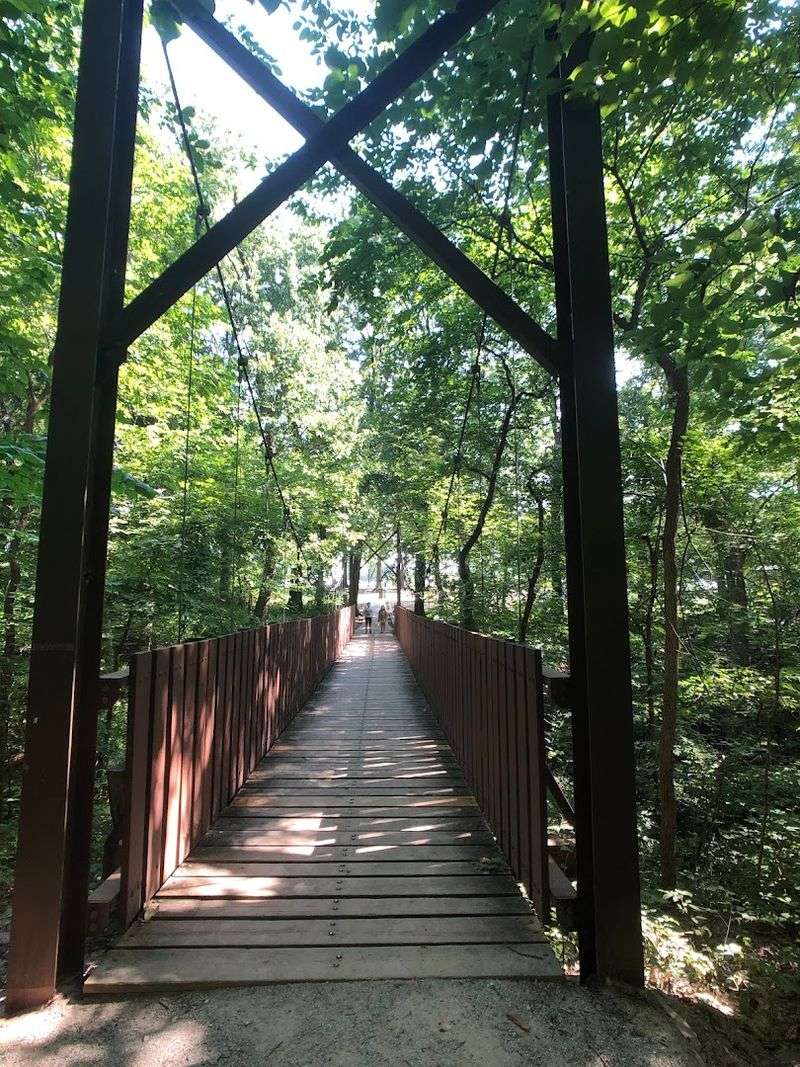
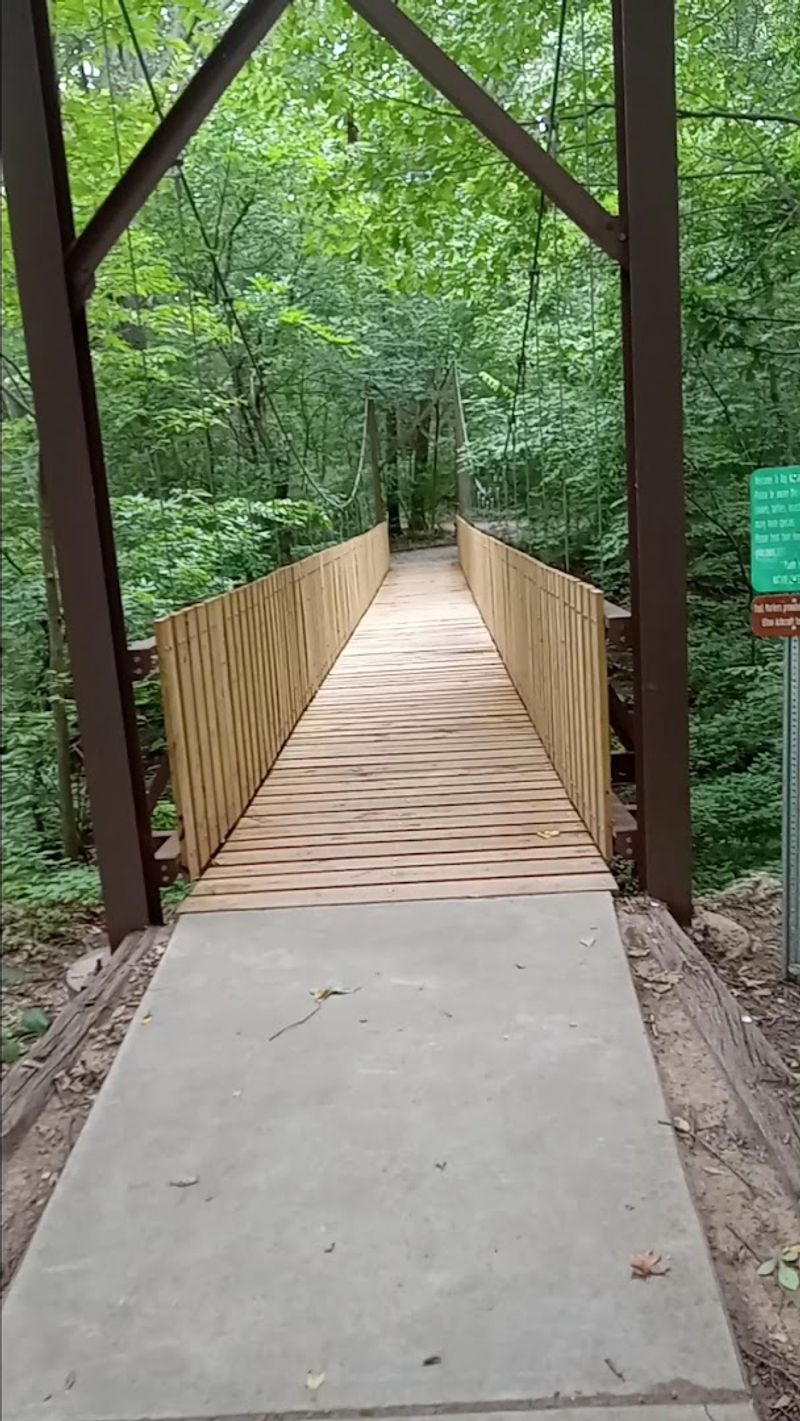
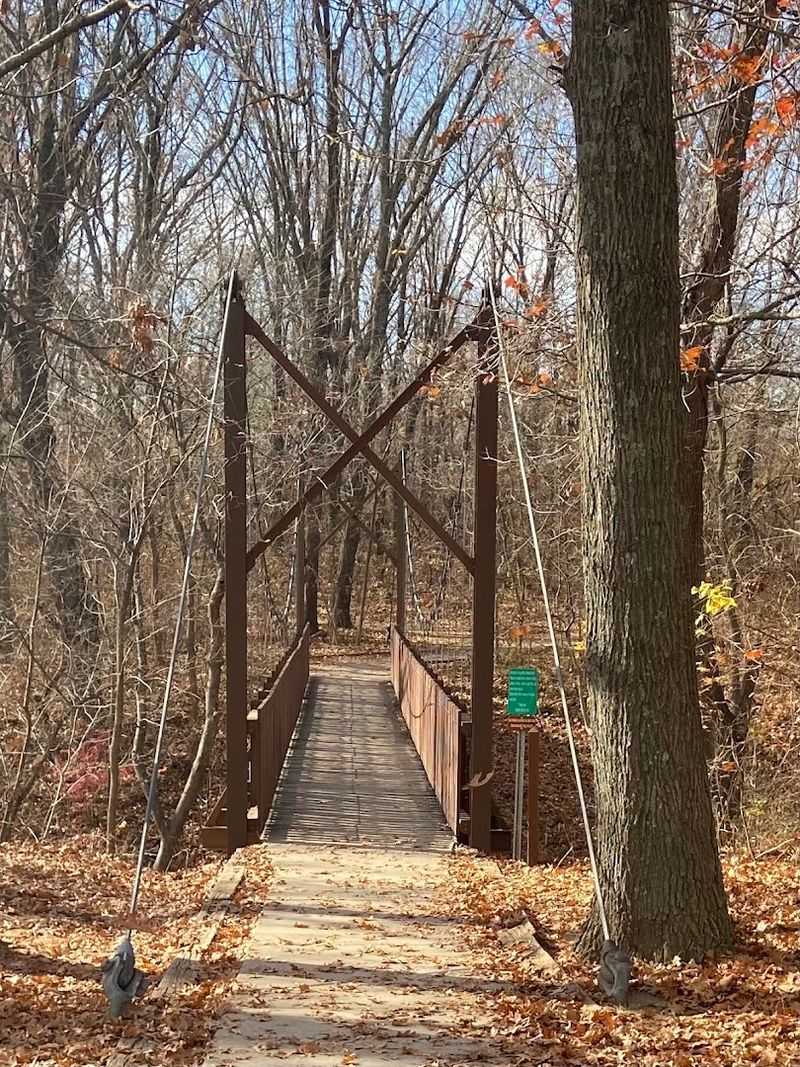
Not every park has a bridge worth writing home about, but this one earns a mention. The hidden bridge at Ray Harral Nature Park is the kind of feature that surprises first-time visitors, because it does not announce itself from the main trail.
You round a bend through thick vegetation, and suddenly there it is, a charming little crossing over a creek that feels like something out of a storybook illustration. The surrounding canopy is dense enough to create a sheltered, almost private atmosphere around the bridge, which makes it a favorite spot for photos.
Families with young children especially love it, since kids tend to stop mid-hike the moment they see water beneath their feet.
The bridge also marks a natural turning point on the trail where you can choose to extend your walk or loop back toward the nature center. Wildlife photographers have found this area particularly rewarding, since deer and various birds tend to move through the creek corridor during early morning hours.
Getting there requires a bit of a walk, which is honestly part of what makes finding it feel like a small reward.
40 Acres That Feel Like 400
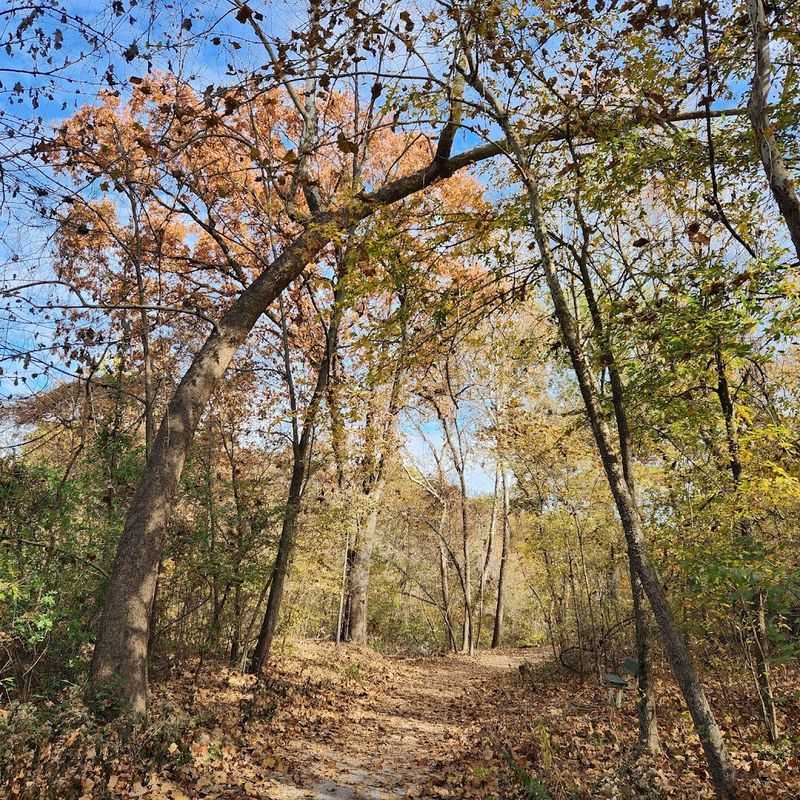
Forty acres sounds modest until you are actually inside the park and realize you have been walking for nearly an hour and still have not covered every trail. The layout of Ray Harral Nature Park is surprisingly complex for its size, with multiple branching paths that loop, intersect, and occasionally surprise you with a new clearing or overlook you did not expect.
Some sections of the trail involve noticeable elevation changes, including steep hills that give your legs a genuine workout. Visitors who jog the trails report that the rolling terrain adds real challenge to what looks like a simple neighborhood park on a map.
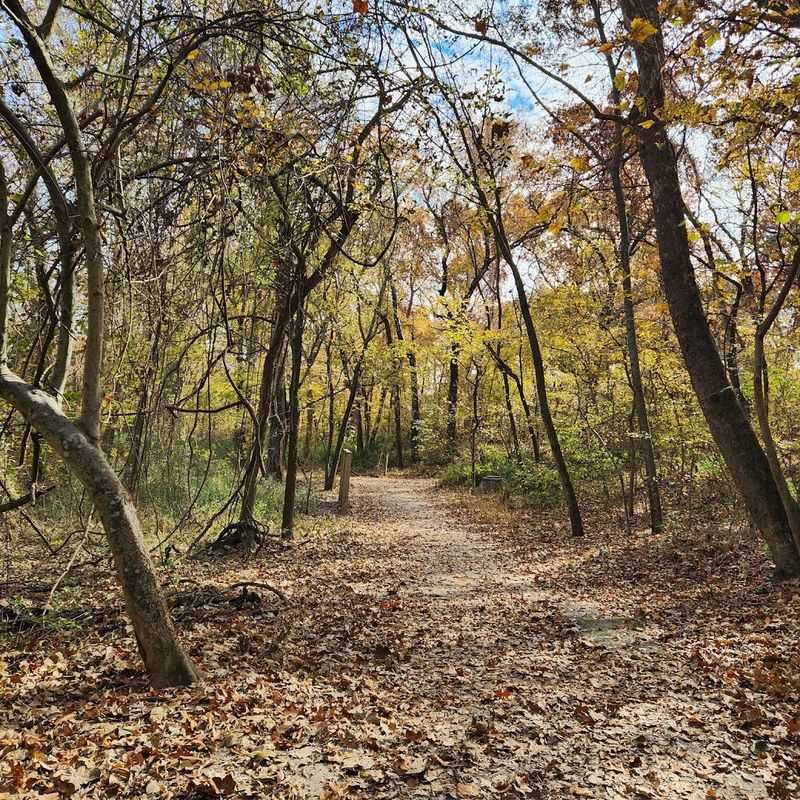
The variety of terrain is also what keeps the park interesting across multiple visits. One trail section might take you along a dry ridge with open views through the trees, while another drops you down into a shaded creek bottom where the temperature drops noticeably.
Families who have been coming here for years describe the experience of always finding something new, even after dozens of visits. That sense of discovery in a compact space is genuinely one of the park’s most underrated qualities.
Inside the Nature Center
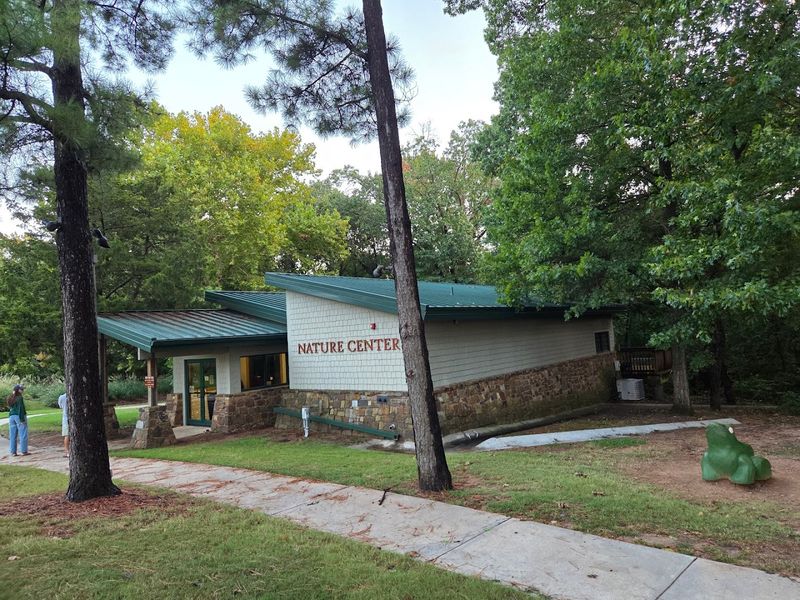
The nature center building may be compact, but it punches well above its weight in terms of what it offers. Inside, you will find animal skin and skeleton displays, a live beehive exhibit, sensory items for young visitors, educational books, and staff members who are genuinely enthusiastic about local wildlife.
The beehive exhibit is a particular crowd-pleaser. Staff members have been known to spend considerable time walking visitors through how the colony functions, pointing out the queen, explaining foraging patterns, and answering questions with real expertise.
That kind of personal interaction is rare in a free public facility.
There is also a small courtyard connected to the building that provides a comfortable resting spot between trail segments. Clean restrooms are available inside the center during operating hours, which is a practical detail that parents with young children will appreciate more than anyone else.
The center also hosts rotating events throughout the year, including night hikes where participants listen for owls, s’more-making sessions, and seasonal scavenger hunts designed to get kids actively exploring the grounds. Admission to all of it is completely free.
Wildlife You Can Actually See
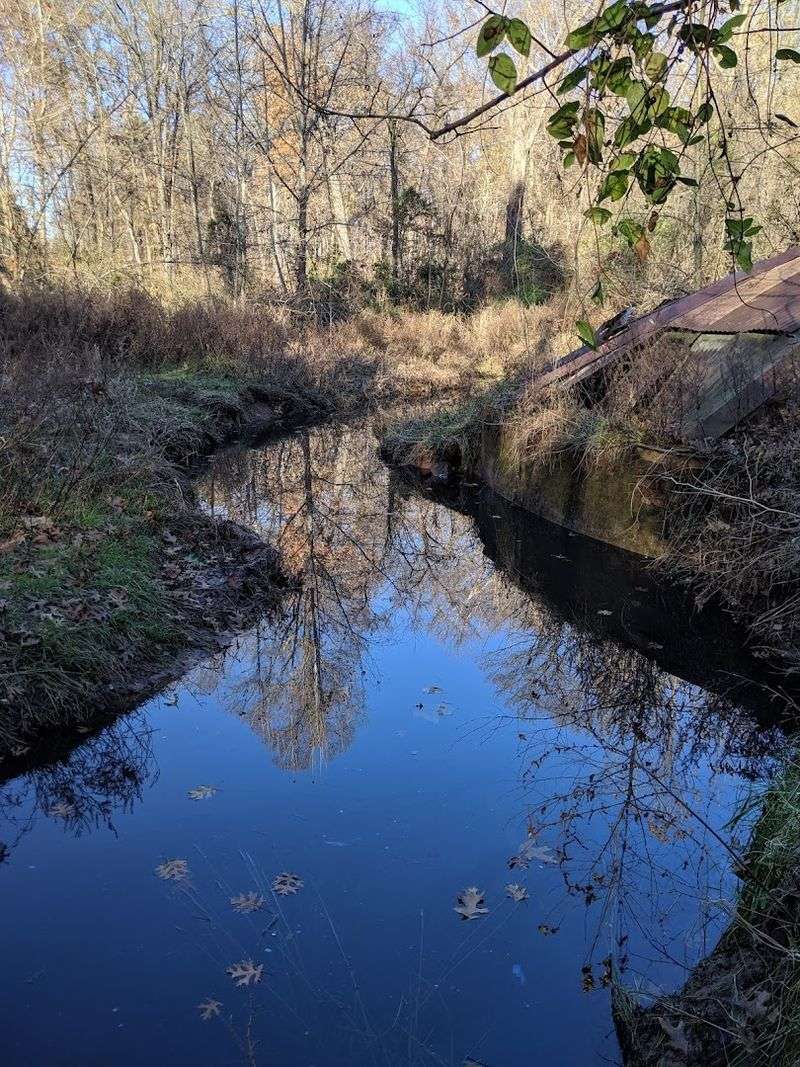
Wildlife sightings at Ray Harral are not the kind that require binoculars and patience. The park’s trails bring you close enough to the natural habitat that encounters with local animals feel almost routine, especially during quieter morning hours when foot traffic is low.
Deer move through the creek corridor and wooded sections with surprising regularity, and squirrels are essentially park residents at this point. In summer, lizards dart across the paved path sections, frogs appear near any wet ground, and various bird species move through the canopy overhead.
The park’s location within a dense suburban area actually works in its favor for wildlife, since the preserved green space acts as a refuge for animals that have nowhere else to go.
Visitors during the warmer months consistently mention spotting toads tucked beneath trail-side vegetation and hearing owls after dark during special evening events. The nature center staff can tell you which species are currently active and where on the trail system you are most likely to find them.
That local knowledge turns a casual walk into something closer to a guided wildlife experience, even when no guide is present.
Trails for Every Kind of Visitor
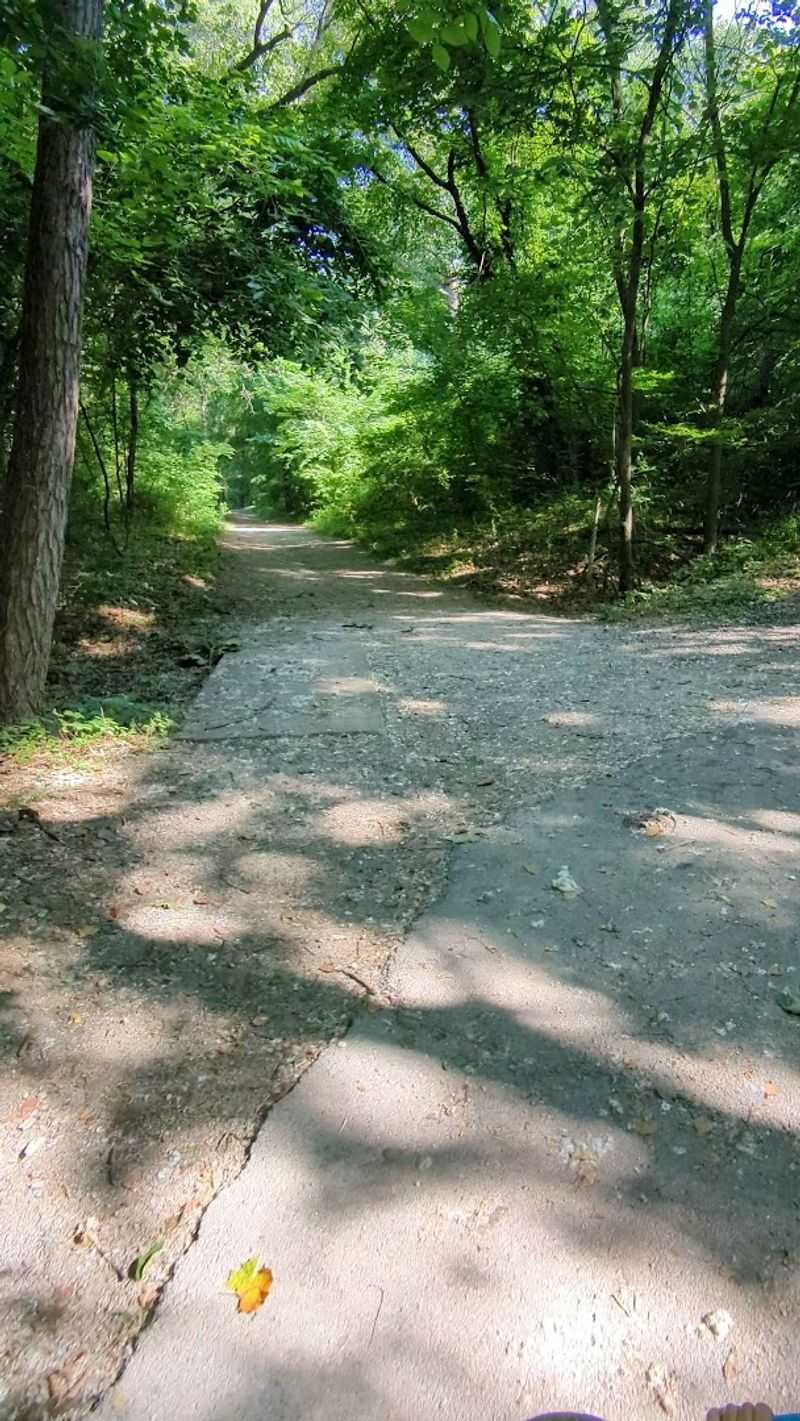
One of the things that makes Ray Harral genuinely accessible is the mix of trail surfaces and difficulty levels packed into a relatively small area. A good portion of the trail system is paved, which makes it stroller-friendly and manageable for younger children or visitors who prefer a smoother surface underfoot.
The paved sections connect to more rugged dirt paths that climb steeper grades, giving the park a dual personality depending on which direction you head from the trailhead. Joggers use the hillier sections for interval training, while families with toddlers tend to stick to the flatter paved loops near the nature center.
Both groups seem to coexist comfortably without crowding each other out.
Dogs are welcome on the trails, though leash rules are posted throughout the park and are worth following for everyone’s comfort. The trail system is well-marked with clear signage, so getting genuinely lost is not a real concern.
That said, the branching paths give experienced walkers enough options to string together a longer route if a single loop feels too short. The whole outer circuit takes roughly an hour at a relaxed pace.
Full Moon Trail Walks and Special Events
Ray Harral is not just a daytime destination. The park hosts Full Moon Trail Walks, which are exactly what they sound like: guided evening walks timed to coincide with the full moon, when the woodland takes on a completely different character under natural nighttime light.
These events draw a loyal crowd of regulars who treat them as a monthly ritual rather than a one-time novelty. The trails feel noticeably different after dark.
Sounds carry further, shadows shift with the wind, and the creek areas develop an almost theatrical atmosphere that daytime visits simply cannot replicate.
Past special events have included night hikes focused on owl-calling, where participants learn to identify local owl species by sound. The center has also hosted evening programs that end with s’more-making sessions around the nature center courtyard, which have become a favorite with families.
Seasonal scavenger hunts, birthday party rentals at ten dollars per hour for the back room, and educational programs tied to the school calendar round out the event schedule. Checking the park’s Facebook page at facebook.com/RayHarralNatureCenter is the most reliable way to stay updated on upcoming activities before planning a visit.
A Free Activity That Delivers Real Value
Free public parks are common enough, but free parks with this much going on are genuinely rare. Ray Harral Nature Park charges nothing for trail access, wildlife viewing, or use of the nature center during regular hours.
The birthday party room rental at ten dollars per hour is about the only cost involved in visiting, and that is entirely optional.
The park includes picnic facilities with pavilions where families regularly gather for meals, celebrations, and casual afternoon hangouts. A small playground provides an additional draw for younger visitors who need more active stimulation than a trail walk can offer.
Horseshoe pits have hosted family tournaments, and the open grassy areas near the center work well for group activities.
The combination of free admission, diverse trail options, a staffed nature center, wildlife, and regular events creates a value proposition that most paid attractions struggle to match. For families looking for a consistent weekend activity that does not drain a budget, this park functions almost like a neighborhood amenity that happens to be open to everyone.
It rewards repeat visits more than most free destinations, which is not something you can say about many parks of this size.
The Atmosphere That Surprises First-Timers
The most consistent thing visitors mention after their first time at Ray Harral is surprise. Not just that the park exists, but that it feels so completely removed from the surrounding neighborhood once you are inside.
The suburban context disappears fast.
Within a few minutes of entering the trail system, the sounds of traffic fade, the tree canopy closes overhead, and the whole sensory experience shifts toward something that feels genuinely rural. That transition happens quickly enough that even skeptical visitors who came only because someone dragged them along tend to come around by the second bend in the trail.
The secluded quality of the trails is partly a result of the park’s topography, with its hills and creek channels creating natural visual barriers between trail sections. It is also a result of how densely the native vegetation has been allowed to grow.
The park does not feel manicured or artificial. It feels like a piece of Oklahoma woodland that simply got preserved while everything around it was developed, because that is essentially what happened.
That authenticity is harder to manufacture than any constructed attraction, and it is the main reason people keep returning year after year.
Photography Opportunities Around Every Turn
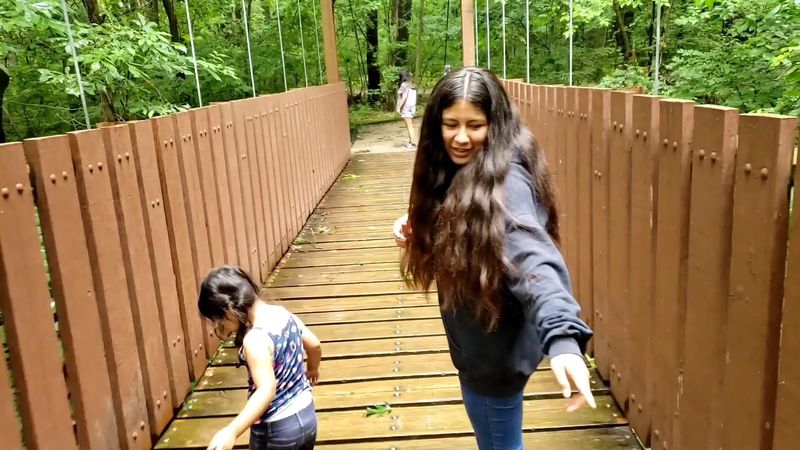
Ray Harral has developed a quiet reputation among local photographers as one of the better spots in the Broken Arrow area for nature and portrait work. The combination of dense canopy, creek crossings, the hidden bridge, and active wildlife creates a variety of natural backdrops within a compact area.
Senior portrait sessions happen here regularly, and family photo shoots are common on weekend mornings when the light filters through the trees at a low angle. The bridge location is especially popular for portraits because the framing is natural and the surrounding vegetation provides depth without looking cluttered.
Wildlife photography rewards patience and early arrival. Deer tend to move through the creek sections in the hour after the park opens, and the lizard population along the paved trail sections is active enough during warm months that you rarely need to wait long for a shot.
The seasonal changes also shift the visual character of the park considerably, with spring bringing fresh green growth and fall turning the canopy into something worth photographing from almost any angle. Bringing a camera here feels less like optional equipment and more like a reasonable habit.
Tips for Getting the Most Out of Your Visit
A few practical notes make the difference between a good visit and a great one. Arriving close to the 10 AM opening time on weekdays gives you the best chance of having the trails mostly to yourself, especially on weekdays when foot traffic is lighter than on weekend afternoons.
The nature center closes at 7 PM sharp, and staff do enforce that closing time firmly, so plan your visit to arrive with enough time to see the exhibits before the end of the day. Checking hours by calling 918-615-6099 before your trip is worth doing, since the center’s actual hours have occasionally differed from posted information.
Wear shoes with good grip if you plan to explore the steeper dirt sections of the trail, since some areas involve real elevation and can get slippery after rain. Visitors with mobility challenges should be aware that several trail sections include steep grades that are not wheelchair-accessible.
Bringing water is a good idea regardless of season. The park is closed on Sundays, so a weekday or Saturday visit is your only option.
With a little planning, Ray Harral delivers the kind of outdoor reset that most people do not realize they need until they are already on the trail and wondering why they waited so long to come.
Share this story