Glacier National Park is home to some of the most dramatic landscapes in the United States, with more than 700 miles of trails, glacier-carved peaks, and lakes known for their striking blue-green color. It’s one of the country’s most visited national parks, yet many first-time visitors still underestimate its scale until they see it for themselves.
What makes Glacier stand out is how much it packs into a single destination. Scenic drives, wildlife viewing, historic lodges, and some of the most memorable hikes in North America are all found within its borders.
From iconic landmarks to lesser-known corners of the park, there is far more here than most visitors can experience in a single trip.
Where It All Begins: The West Glacier Entrance
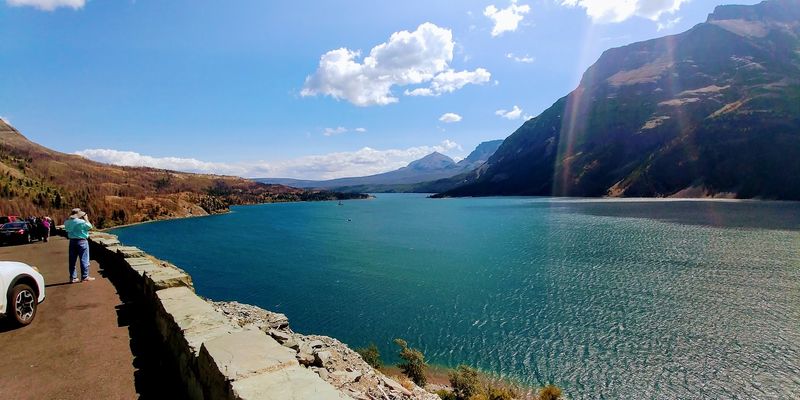
The official gateway to one of America’s greatest natural treasures sits at West Glacier, Montana, where Glacier National Park welcomes visitors at its western entrance along Going-to-the-Sun Road. The park’s address for the west entrance is roughly along West Glacier, MT 59936, and you can reach the visitor information line at +1 406-888-7800.
The moment you pass through the entrance station, the landscape shifts in a way that feels almost theatrical. Dense forests of cedar and hemlock line the road, and the air carries a cool, piney freshness that hits you the second you roll down your window.
The Apgar Visitor Center, just a short drive from the west entrance, is a smart first stop. Rangers there can help you understand current trail conditions, timed-entry requirements, and shuttle schedules.
The park is open 24 hours a day, every day of the year, though many services operate seasonally. That combination of wild accessibility and careful management sets the tone for everything ahead.
The Story Behind the Crown of the Continent
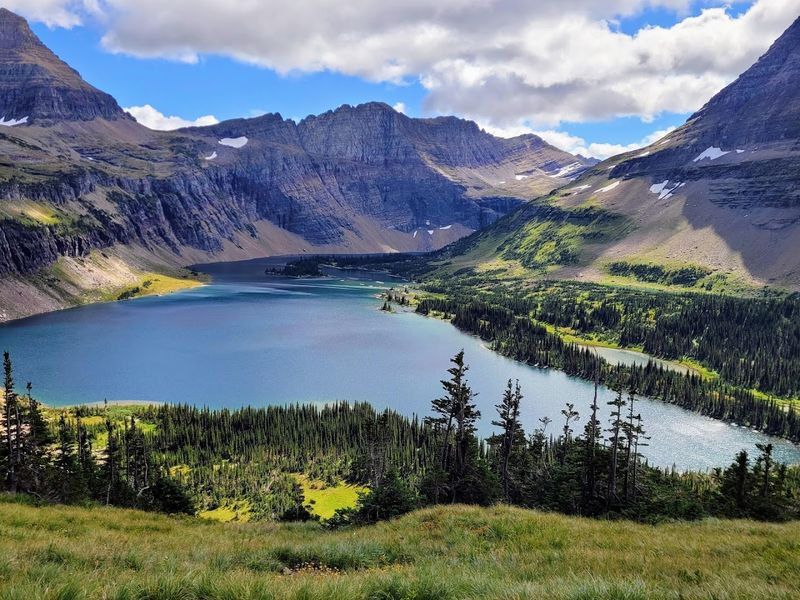
Glacier National Park was established on May 11, 1910, making it one of the older entries in the national park system. The park spans over one million acres in the Lewis and Livingston mountain ranges of the northern Rocky Mountains, sitting right along the U.S.-Canada border in a region ecologists call the Crown of the Continent Ecosystem.
The name is not just poetic flair. This ecosystem is one of the most intact temperate ecosystems remaining in North America, with a diversity of plants, animals, and geological features that scientists have studied for over a century.
The park shares a border with Canada’s Waterton Lakes National Park, and together they form Waterton-Glacier International Peace Park, a UNESCO World Heritage Site.
The glaciers that gave the park its name were once far more numerous. Estimates suggest the park had around 150 glaciers in the mid-1800s, and today fewer than 30 active glaciers remain.
That historical context gives every hike and overlook a quiet sense of urgency that you carry with you the whole trip.
Peaks That Make You Feel Wonderfully Small
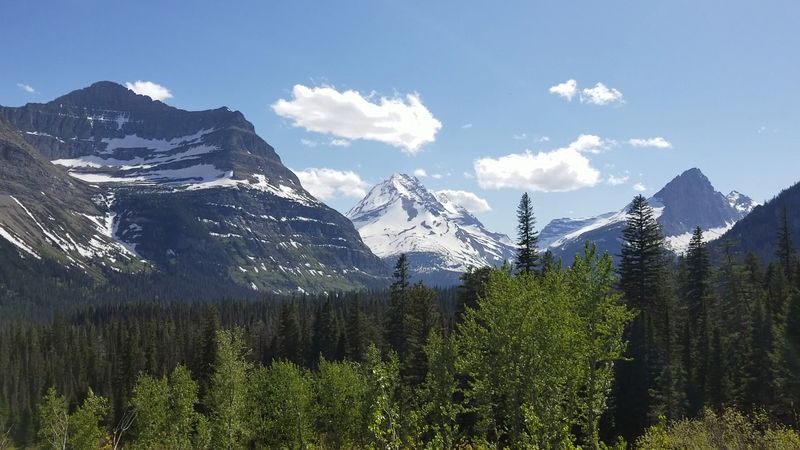
More than 150 named peaks rise above 8,000 feet inside the park’s boundaries, and six of them clear the 10,000-foot mark. Mount Cleveland is the tallest of them all, reaching 10,466 feet in the Lewis Range near the Canadian border.
Mount Stimson follows at 10,147 feet, and Kintla Peak, the highest point in the Livingston Range, stands at 10,106 feet.
Mount Siyeh, at 10,019 feet, is especially dramatic thanks to its sheer north face, which catches the light in a way that makes it look almost painted. Heaven’s Peak, visible from Going-to-the-Sun Road at 8,991 feet, is the kind of mountain that makes you pull over just to stare.
What makes these peaks feel different from other mountain ranges is how close you can get to them without technical climbing experience. Many trails take you right to their bases or up onto exposed ridgelines where the views stretch for dozens of miles in every direction.
The scale of it all never really stops being surprising.
Going-to-the-Sun Road: 50 Miles of Pure Drama
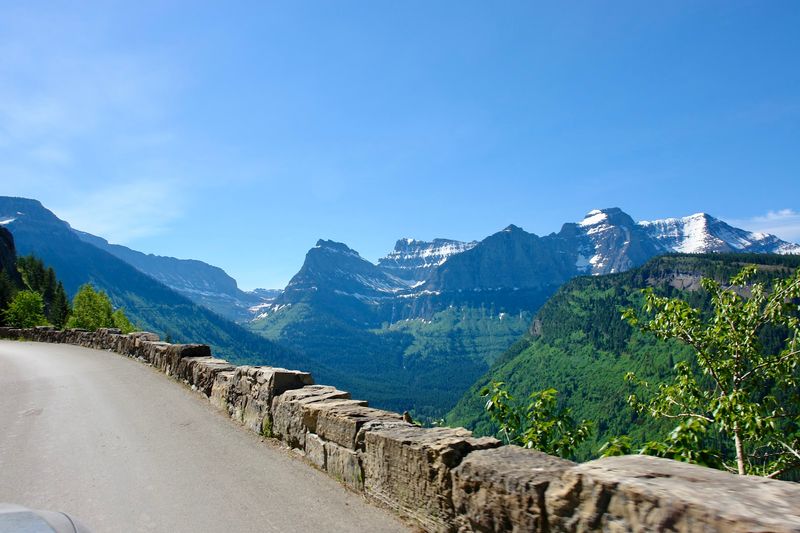
There are scenic drives, and then there is Going-to-the-Sun Road. This 50-mile highway crosses the Continental Divide at Logan Pass, elevation 6,646 feet, and delivers a continuous sequence of views that would make any landscape photographer’s hands shake.
Completed in 1932 after more than a decade of construction, the road is itself a National Historic Landmark.
The western approach from West Glacier follows Lake McDonald before climbing through a series of switchbacks and hanging gardens toward the Garden Wall, a dramatic arête that forms one of the most photographed ridgelines in the American West. Every pullout along the way reveals something worth stopping for, whether it is a waterfall, a mountain goat on a cliff face, or a valley stretching far below.
During peak summer months, a timed-entry vehicle reservation is required to drive the road between 6 a.m. and 3 p.m. Passes release on Recreation.gov the evening before, so setting an alarm the night before your planned drive is genuinely worth it.
The road typically opens fully by late June, weather permitting.
Lake McDonald and the West Side Water World
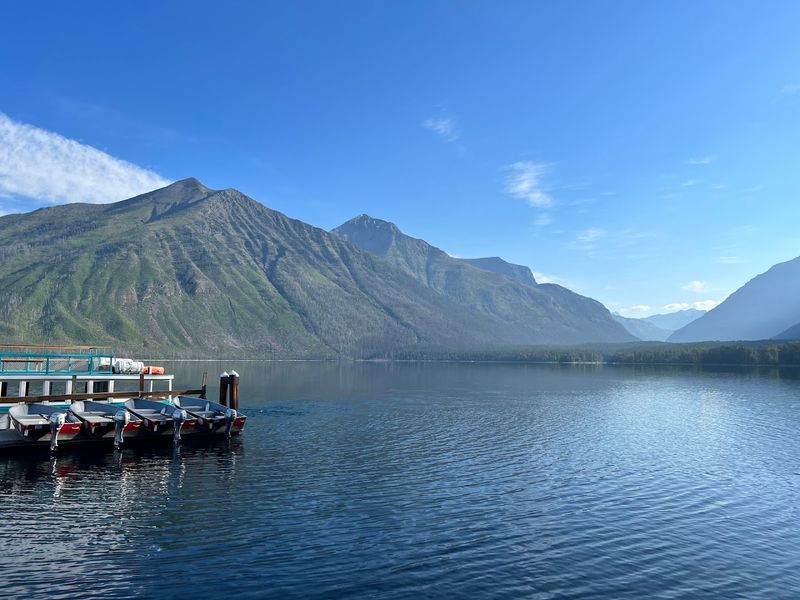
Lake McDonald is the largest lake in the park, stretching 10 miles long, 1.5 miles wide, and plunging to a depth of 464 feet. The western side of the park holds this magnificent body of water, and its shores are lined with the kind of smooth, multicolored rocks that look like they were hand-painted by someone with an excellent eye for color.
Sunrise at Lake McDonald is a ritual worth waking up early for. The still water reflects the surrounding peaks in the early morning light, and the colors in those rocks, deep reds, greens, and purples, glow against the clear water in a way that photographs only partially capture.
The Trail of the Cedars, a short loop near Avalanche Creek, is just a few miles up the road and winds through old-growth cedar and hemlock forest that feels genuinely ancient.
Kayaking and canoeing on Lake McDonald are popular activities, and boat rentals are available at the lodge during summer. The water is cold year-round, which keeps swimmers honest but does nothing to diminish the lake’s spectacular appeal.
Alpine Lakes Hidden Deep in the Backcountry
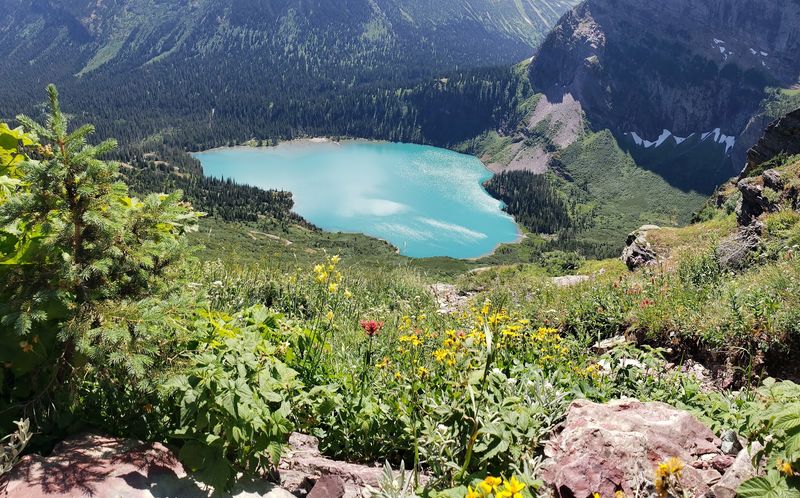
The park holds 762 lakes in total, and while Lake McDonald gets most of the attention, some of the most spectacular water in the park requires a bit more effort to reach. Cracker Lake in the Many Glacier area is famous for its almost unreal turquoise color, caused by glacial flour suspended in the water.
The hike to reach it covers about 12 miles round trip, and every step feels earned.
Iceberg Lake lives up to its dramatic name. Even in midsummer, chunks of ice float on its surface, calved from the surrounding snowfields and cliffs.
The 9.7-mile round trip hike to get there passes through wildflower meadows and open terrain where wildlife sightings are common.
Grinnell Lake, Gunsight Lake, and Swiftcurrent Lake each have their own distinct character and color palette. Hidden Lake, accessible from Logan Pass via a 2.7-mile round trip trail, offers panoramic views into the heart of the park that make it one of the most rewarding short hikes in the entire system.
The variety here is genuinely remarkable.
Hiking Trails From Easy Strolls to All-Day Epics
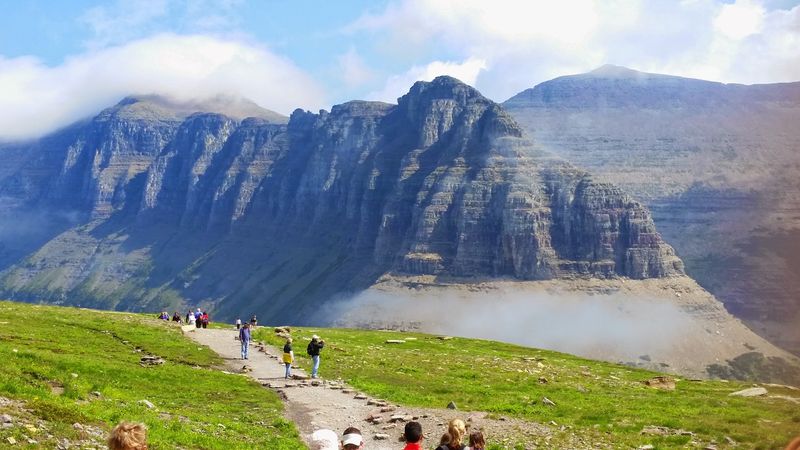
Over 700 miles of maintained trails thread through the park, offering everything from flat lakeshore walks to exposed ridgeline routes that demand full-day commitments and solid fitness. The Highline Trail is the one that most serious hikers come here to complete.
Starting at Logan Pass and running 11.6 miles to the Granite Park Chalet, it traces the Garden Wall with jaw-dropping exposure and views that stretch into Canada on clear days.
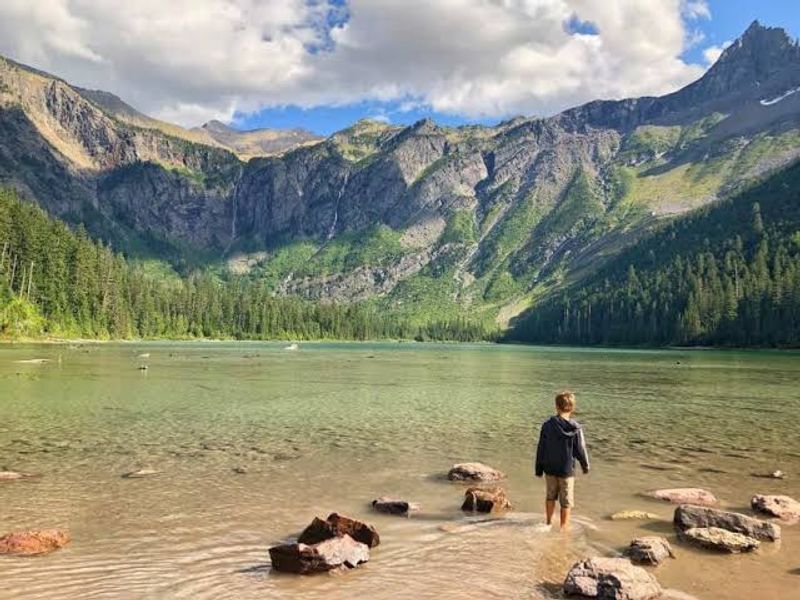
Avalanche Lake is the sweet spot for families and casual hikers. The 4.5-mile round trip trail follows Avalanche Creek through old-growth forest before opening onto a stunning cirque lake with waterfalls pouring down three sides.
The Grinnell Glacier Trail is another standout, covering 10.6 miles round trip and delivering views of an actual glacier up close.
For something shorter but still spectacular, the Hidden Lake Overlook trail from Logan Pass is 2.7 miles round trip and crosses open alpine tundra with wildflowers in July and August. Bear spray is required on all backcountry trails, and trail conditions can change quickly with afternoon thunderstorms.
Many Glacier: The Park’s Most Dramatic Corner
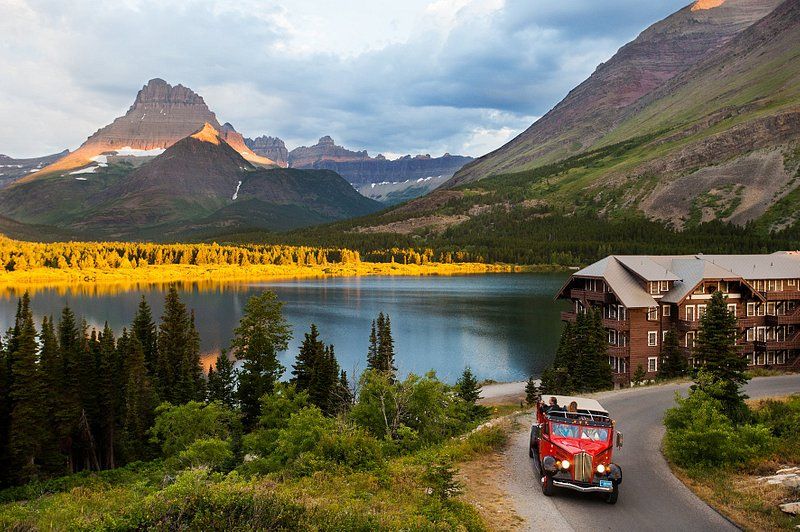
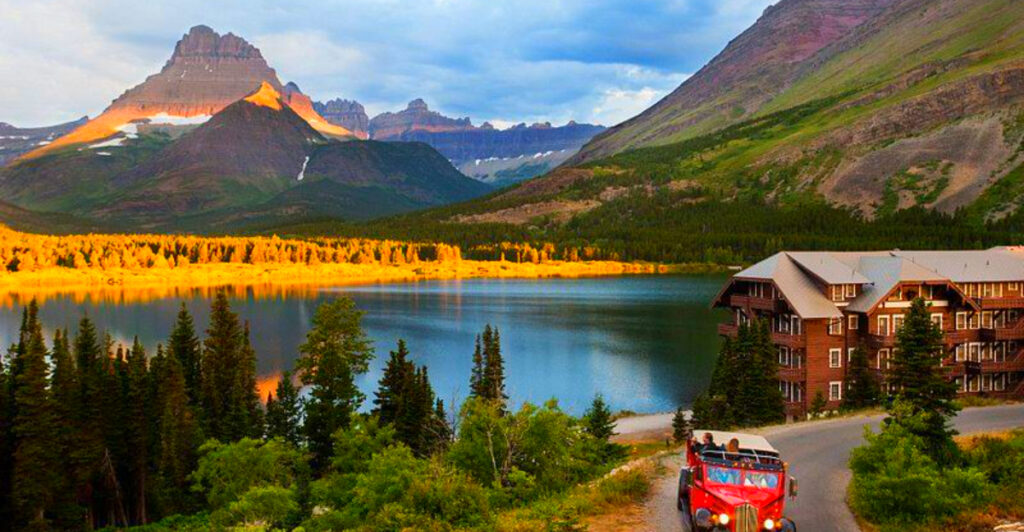
Many Glacier is widely considered the most scenically concentrated area of the entire park, and the drive in along Many Glacier Road, which runs alongside Lake Sherburne, gives you a preview of what is coming that borders on unfair. The mountains here are closer, steeper, and more imposing than almost anywhere else in the park.
The historic Many Glacier Hotel, built in 1915 on the shores of Swiftcurrent Lake, is one of the most beautifully situated lodges in the national park system. Even if you are not staying there, the lobby view across the lake toward the surrounding peaks is worth the drive on its own.
Trails radiating out from the Many Glacier area include access to Grinnell Glacier, Iceberg Lake, Cracker Lake, and the Swiftcurrent Pass. The trailhead parking lot fills by 7 a.m. in summer, so arriving early or using the park shuttle system from St. Mary is a smart strategy.
This corner of the park rewards those who plan ahead with some of the most concentrated mountain scenery in North America.
Logan Pass and the Continental Divide Experience
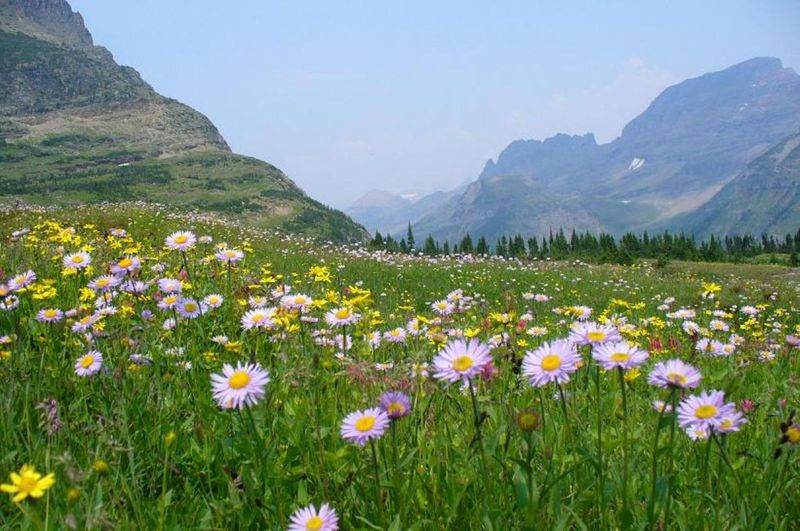
At 6,646 feet, Logan Pass sits at the highest point on Going-to-the-Sun Road and marks the crossing of the Continental Divide. The visitor center here is small but well-stocked, and the rangers on duty are some of the most knowledgeable and enthusiastic you will encounter anywhere in the park system.
The alpine meadow surrounding the pass transforms into a wildflower spectacle from late July through August, with beargrass, paintbrush, and glacier lilies carpeting the open terrain. Mountain goats are almost always visible somewhere near the parking area, often close enough that you need to remind yourself not to approach them.
The pass serves as the trailhead for both the Highline Trail heading north and the Hidden Lake Overlook heading south. Parking is extremely limited and fills by 8 a.m. on most summer days, making the free park shuttle from Apgar or Avalanche Creek the most practical way to arrive.
The Continental Divide itself runs right through the pass, meaning water here flows toward both the Pacific and Atlantic oceans.
Practical Tips That Will Actually Save Your Trip
A few practical realities will shape your visit more than any trail guide. The timed-entry vehicle reservation system for the Going-to-the-Sun Road corridor is in effect during peak season, typically from late May through mid-September.
Passes release on Recreation.gov the evening before at 8 p.m. Mountain Time, and they go quickly.
Having an account set up in advance is not optional if you want a smooth experience.
The free park shuttle system is genuinely excellent and runs the full length of Going-to-the-Sun Road during summer, stopping at all major trailheads and overlooks. Using it eliminates parking stress entirely and lets you hike point-to-point rather than out-and-back, which opens up more trail options.
Cell service is limited throughout most of the park, so downloading offline maps before you arrive is a smart move. Campsite reservations at popular campgrounds like Apgar and Fish Creek fill months in advance.
The park entrance fee is separate from the timed-entry pass, and an America the Beautiful annual pass covers the entrance fee but not the timed-entry reservation charge.
Why This Park Stays With You Long After You Leave
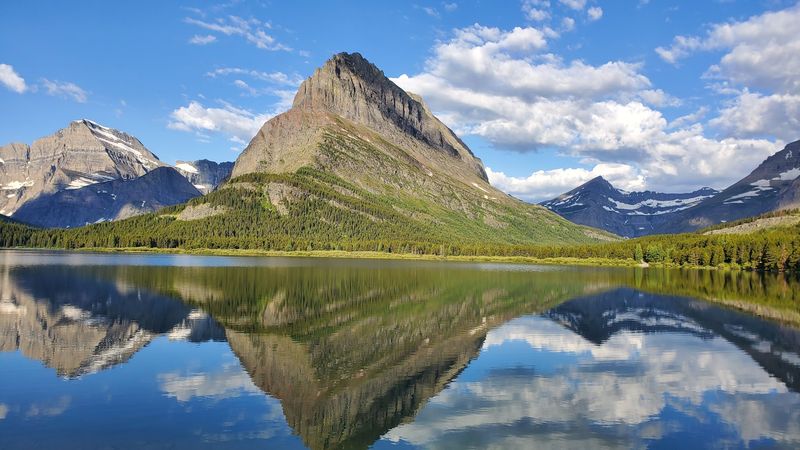
There is something about the scale and the silence of this place that recalibrates your sense of what is normal. After a few days here, ordinary landscapes start to feel slightly diminished, which is both a gift and a minor inconvenience when you return to everyday life.
The park earns a 4.8-star rating from nearly 20,000 reviews for good reason. The variety alone is staggering: from the cedar forests of the west side to the wind-scoured ridgelines near Logan Pass to the glacially carved valleys of Many Glacier, no two days here feel the same.
Whether you spend a weekend or a full week, the park has a way of making every hour feel purposeful. The crisp air, the wildlife encounters, the lakes that do not look real, and the mountains that seem to grow taller the longer you stare at them all add up to an experience that is genuinely hard to replicate anywhere else on the continent.
Some places live up to the hype, and this is absolutely one of them.
Share this story