A luxury expedition cruise has turned into a public health crisis after multiple passengers died aboard the M/V Hondius, a vessel operated by Oceanwide Expeditions. Authorities suspect hantavirus is behind the deaths, leaving roughly 150 passengers and crew stranded at sea while investigations continue.
Cape Verde officials have blocked the ship from docking, adding to the growing anxiety onboard. Here are the key facts behind this unfolding maritime emergency.
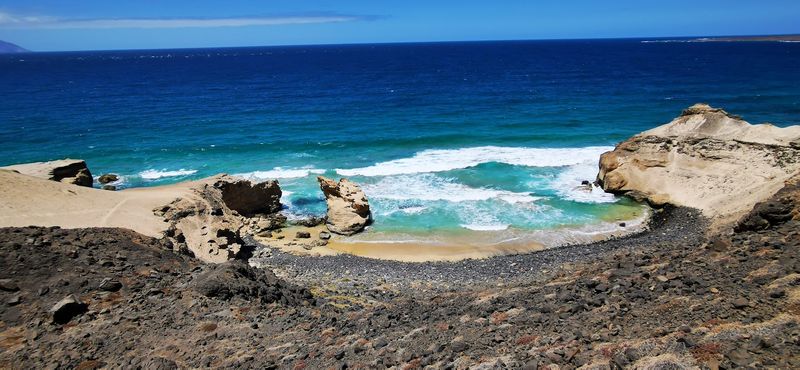
Before most passengers had settled into the rhythm of the voyage, tragedy struck. On April 11, a Dutch passenger died while the M/V Hondius was sailing toward Tristan da Cunha, one of the most remote inhabited islands on Earth.
His passing marked the beginning of what would become a serious public health crisis at sea.
Because of the ship’s remote location, his body remained onboard for nearly two weeks. It was not disembarked until the vessel reached Saint Helena, a British Overseas Territory in the South Atlantic.
The delay highlighted just how difficult medical logistics can be in such isolated waters.
Tristan da Cunha sits roughly 2,400 kilometers from the nearest land, making emergency response almost impossible. The remoteness that makes such expeditions exciting also makes them uniquely dangerous when something goes wrong.
Losing a spouse at sea would be devastating under any circumstances. Sadly, the Dutch man’s wife fell seriously ill shortly after her husband’s death and passed away within days.
Her case took on even greater significance when authorities confirmed she had contracted hantavirus, a rare but potentially deadly infection.
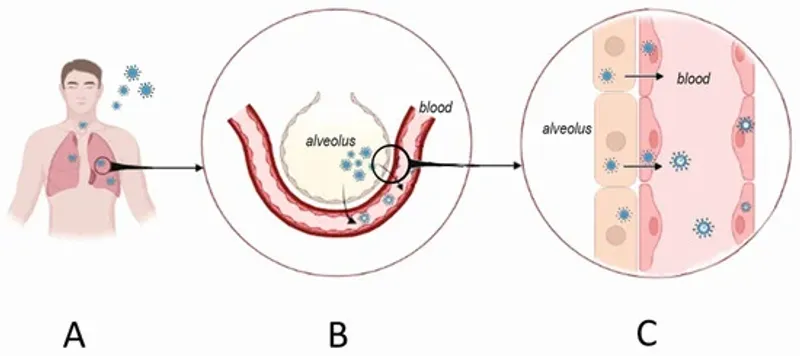
Hantavirus is primarily spread through contact with infected rodents, their droppings, or nesting materials. It is not typically known to spread easily from person to person, which made the cluster of cases aboard the ship particularly alarming to health officials tracking the situation.
Her confirmed diagnosis shifted the entire crisis from an unfortunate series of deaths to a suspected outbreak requiring urgent investigation. Medical teams and public health authorities began reviewing how the virus may have entered the ship’s environment and whether other passengers had been exposed.
Just when it seemed the worst might be behind them, a third death occurred onboard. On May 2, a German passenger passed away, adding another layer of grief and uncertainty to an already distressing situation.
The news sent a fresh wave of anxiety through passengers and crew alike.
Officials have not yet confirmed whether his death is directly connected to the suspected hantavirus outbreak. Investigations are ongoing, and health authorities are carefully reviewing the circumstances surrounding all three deaths to determine whether they share a common cause.
The lack of clarity around his passing has been frustrating for those onboard and for families waiting for answers back home. When a public health emergency unfolds in such an isolated environment, getting reliable information quickly becomes one of the biggest challenges responders face.
Transparency from officials remains critical during situations like this one.
Amid the fear and uncertainty, one case provided a concrete medical answer. A British passenger who became critically ill was evacuated from the M/V Hondius and transported to a hospital in South Africa.
Medical testing there officially confirmed a hantavirus infection, giving authorities their first solid evidence of what was causing the illness onboard.
Hantavirus can cause two serious conditions in humans: Hantavirus Pulmonary Syndrome, which attacks the lungs, and Hemorrhagic Fever with Renal Syndrome, which affects the kidneys. Both can be life-threatening, especially without rapid medical care.
Early symptoms often resemble the flu, making it easy to misdiagnose at first.
The confirmed case raised urgent questions about whether more passengers had been silently exposed. Health officials began working to trace the source of the infection and assess the risk level for everyone still remaining on the vessel.
Roughly 150 passengers and crew members remain aboard the M/V Hondius, effectively stranded as authorities debate what to do next. Cape Verde, an island nation off the west coast of Africa, refused to allow the ship to dock or permit medical evacuations while the investigation into the suspected outbreak is still active.
Being confined to a ship during a health crisis is a deeply unsettling experience. Passengers are limited in where they can go, what medical care they can access, and when they might finally be allowed to return home.
The uncertainty compounds the emotional weight of having witnessed multiple deaths during the voyage.
Similar situations have played out before, most notably during the early days of the COVID-19 pandemic when cruise ships were turned away from ports worldwide. Those experiences showed how quickly a shipboard health event can become an international diplomatic and public health challenge.
Numbers and timelines can only tell part of the story. Passenger Jake Rosmarin brought the human side of the crisis into focus when he shared heartfelt messages online, reminding the public that real people with families and lives back home were suffering through this ordeal.
His words resonated widely: “We are people with families.
All we want is to feel safe and return home.”
Messages like his serve an important purpose beyond venting frustration. They put pressure on governments, health agencies, and cruise operators to act with urgency and compassion rather than bureaucratic caution.
When officials see the human face of a crisis, decisions tend to move faster.
Social media has become a powerful tool for people caught in emergencies at sea, giving them a direct line to the outside world. For those onboard the Hondius, it may be their most effective way of making sure they are not forgotten.
The M/V Hondius departed from Ushuaia, Argentina, in March, bound for Antarctica and some of the most remote islands in the Atlantic Ocean. For many passengers, it was a once-in-a-lifetime adventure, the kind of trip people save for years to experience.
Antarctica expeditions are known for their raw beauty and sense of discovery.
Oceanwide Expeditions, the Dutch company that operates the Hondius, specializes in polar and remote destination voyages. The ship is a purpose-built polar vessel, designed to handle extreme conditions.
What it was not designed to handle was a suspected viral outbreak unfolding thousands of miles from the nearest major hospital.
The journey serves as a sobering reminder that even the most carefully planned expeditions can face unexpected dangers. Remote travel carries real risks, and passengers venturing into isolated regions should always research health precautions and emergency protocols before setting sail.
Share this story