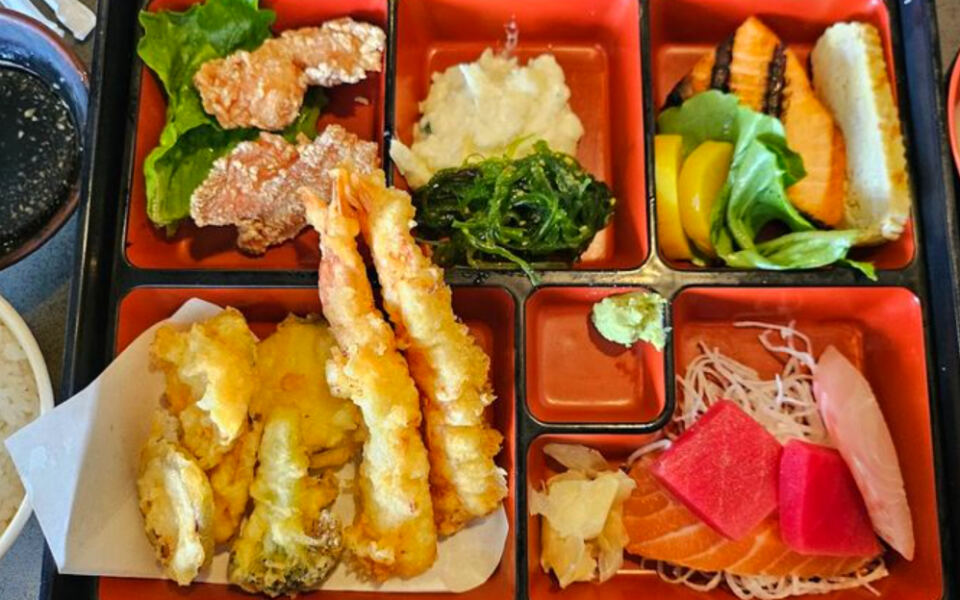
A tiny dining room in Canton Township has a way of making dinner feel like a secret you probably should have learned sooner. The clue is the first cup of hot green tea, followed by the kind of menu that makes you pause, rethink your usual order, and wonder how many meals you can responsibly fit into one visit.
Keep reading and you will find out why ramen bowls, crisp katsu, sushi, donburi, and a quietly famous scoop of green tea ice cream keep this place packed without needing flashy tricks. I went in expecting a solid Japanese meal and left with a mental checklist for my next visit, because some restaurants do not shout for attention – they simply keep ladling broth, slicing fish, and winning people over one table at a time.
The Canton Address Worth Typing In Carefully

The spot I am talking about is Aji Ten Japanese Restaurant at 42087 Ford Rd, Canton Township, MI 48187, in Metro Detroit, Michigan, United States.
That address matters because Ford Road can feel like a parade of errands, signs, and quick decisions, yet this small restaurant asks you to slow down for something more careful. I found it easy to miss if my mind was still in traffic mode, so I treated the visit like a deliberate stop rather than a last-second turn.
Aji Ten carries a strong 4.7-star Google rating with more than 1,000 reviews, but the room itself stays modest and compact. Seating is limited, under about 70 people, which gives the meal a close, neighborhood feel instead of a big production.
That smaller footprint also explains why timing matters, and the next detail you notice is how the room turns simple service into a warm welcome.
A Warm Welcome Before the Menu Opens
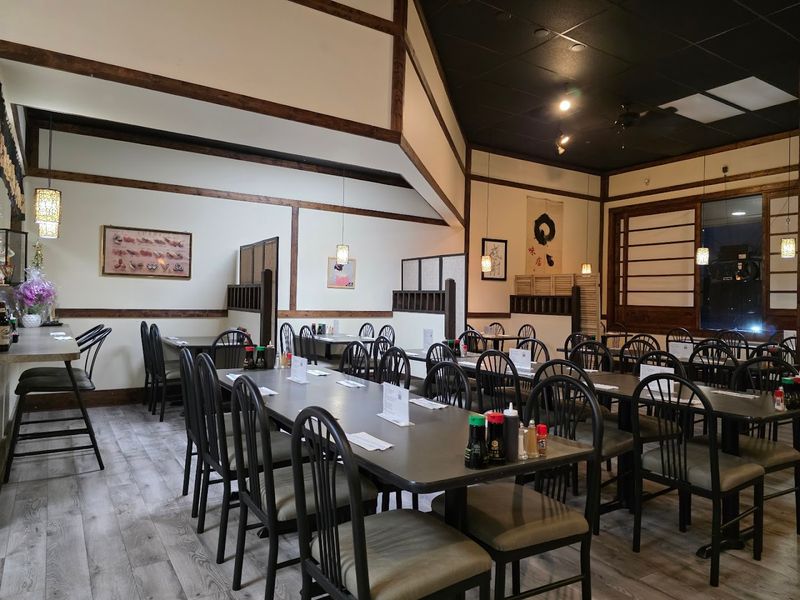
The first thing that set the pace for me was the hot green tea, because it arrived with the quiet confidence of a place that knows comfort is part of dinner.
The dining room is not fancy in a stiff way, and that is exactly why it works. It feels clean, compact, and calm, with a family-diner rhythm that lets you talk, read the menu, and settle into the meal without feeling rushed.
The staff adds a lot to that impression. Service here has a practical kindness to it, the kind where questions are answered, plates arrive steadily, and the table never feels ignored.
I also noticed how the small space makes every detail count, from the placement of dishes to the quick refill or helpful suggestion. You do not need a dramatic entrance when the room already feels grounded.
Once the tea warms your hands, the menu starts calling, and the ramen section has a very persuasive voice.
The Ramen Bowl That Slows the Table Down
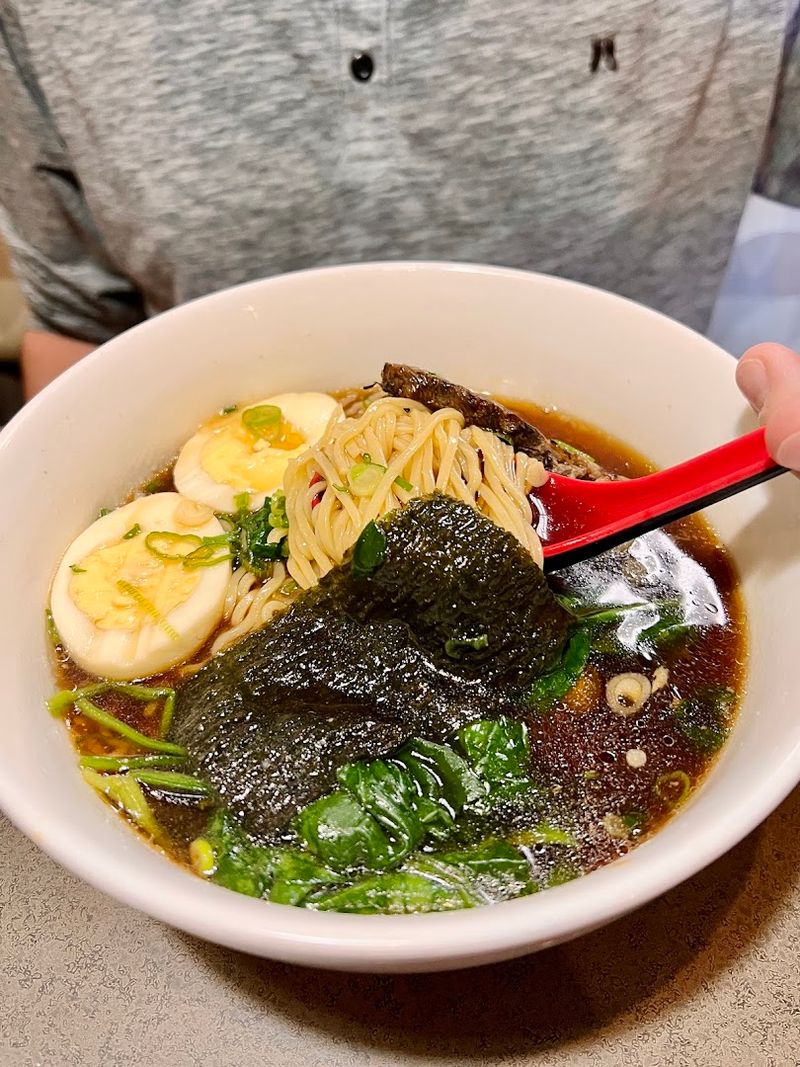
My ramen arrived with the kind of steam that makes conversation pause for a second, which is not a bad dining room magic trick.
Aji Ten is especially known for ramen with rich broth, and the tonkotsu style gets plenty of attention for its body, warmth, and generous portion. The bowl felt built for a cold or rainy Michigan day, though I would not reject it in July either.
The noodles had the satisfying pull I want, and the broth carried enough flavor to keep me returning to the spoon. It is a filling order, so plan around it if you also want appetizers, sushi, or dessert.
That is the enjoyable problem here. The menu does not politely stay in one lane, and ramen can easily compete with everything else you meant to try.
Still, leaving room is wise, because the sushi counter has its own quiet argument for attention.
Sushi That Makes Regulars Very Particular
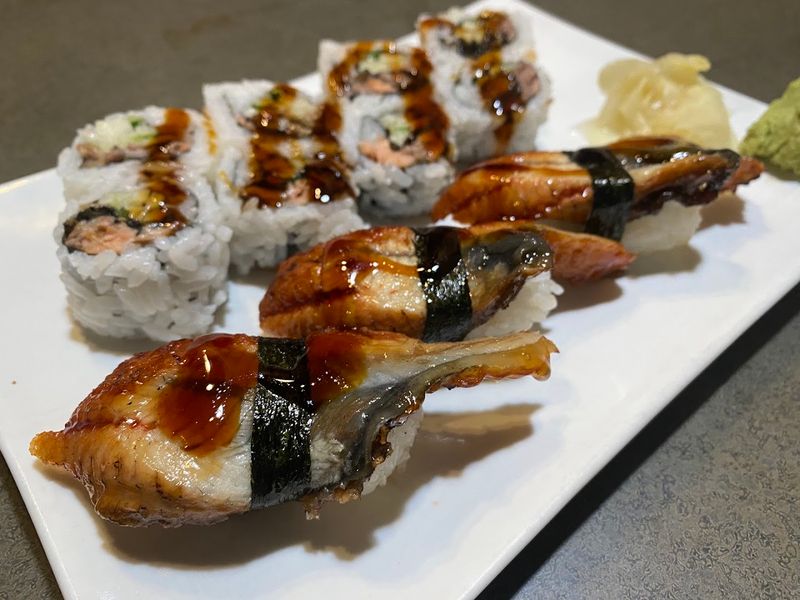
The sushi at Aji Ten does not need acrobatics to make a point, and that restraint is part of its appeal.
I paid attention to the freshness, the clean presentation, and the way each piece arrived without feeling overworked. Rolls, nigiri, sashimi, and eel dishes all give the menu enough range for cautious diners and serious sushi fans to share the same table.
There is a steady confidence in how the kitchen handles fish. Nothing about my plate felt showy, but the balance of rice, topping, and sauce made each bite easy to appreciate.
Prices also feel reasonable for the quality, which helps explain why people treat this restaurant as a dependable Canton staple. Good sushi with fair pricing is not exactly hard to enjoy.
After the clean flavors of sushi, I started looking at the fried dishes, because crisp edges are another language this kitchen speaks well.
Crisp Katsu With Serious Comfort Energy
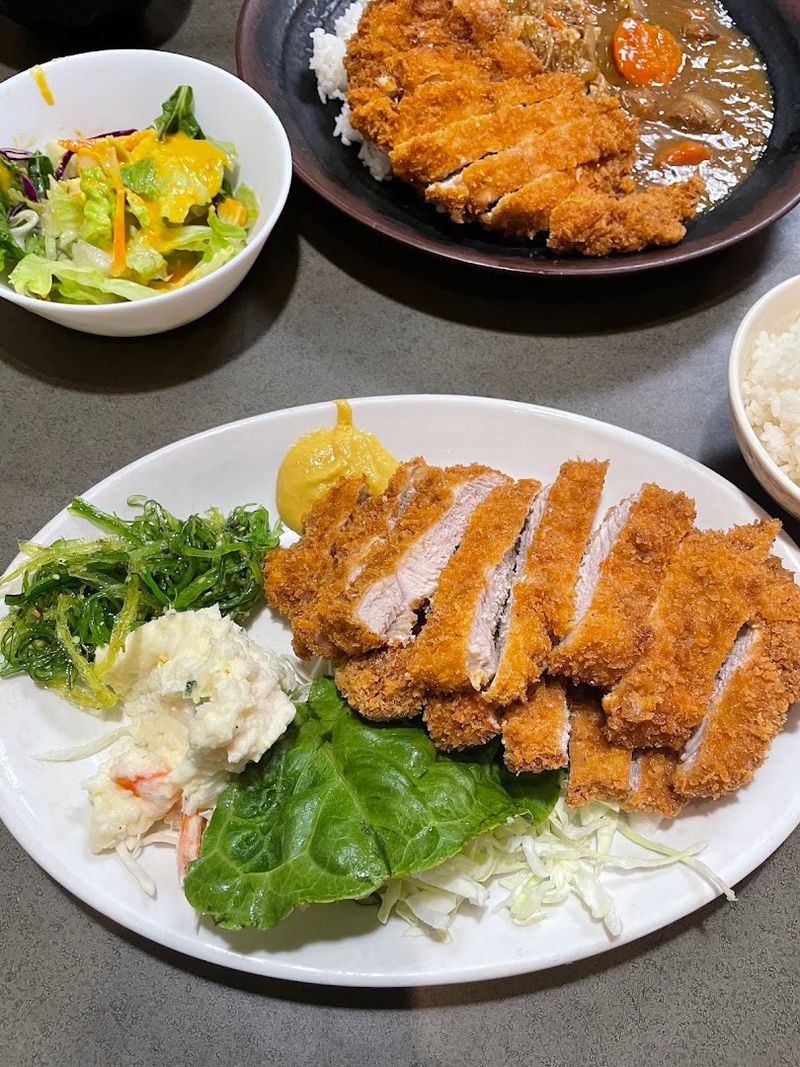
The chicken katsu gave me that satisfying fork-tap moment, when the breading answers back before the first bite.
Aji Ten serves katsu in several comforting forms, including chicken katsu, katsudon, and katsu curry, each built around crisp texture and hearty portions. The breading on my plate stayed light enough to crack neatly, while the chicken underneath remained tender.
The sides matter too. Rice, soup, salad, and the cool potato salad style accompaniment help turn the order into a full, unfussy meal rather than just a pile of crunch.
This is also one of the more approachable choices if you are dining with someone still warming up to Japanese menus. It feels familiar, but it still belongs fully to the restaurant’s style.
Once the katsu wins you over, the rice bowls start looking dangerous in the best way, especially when the sauce soaks in just right.
Rice Bowls That Do Not Play Backup
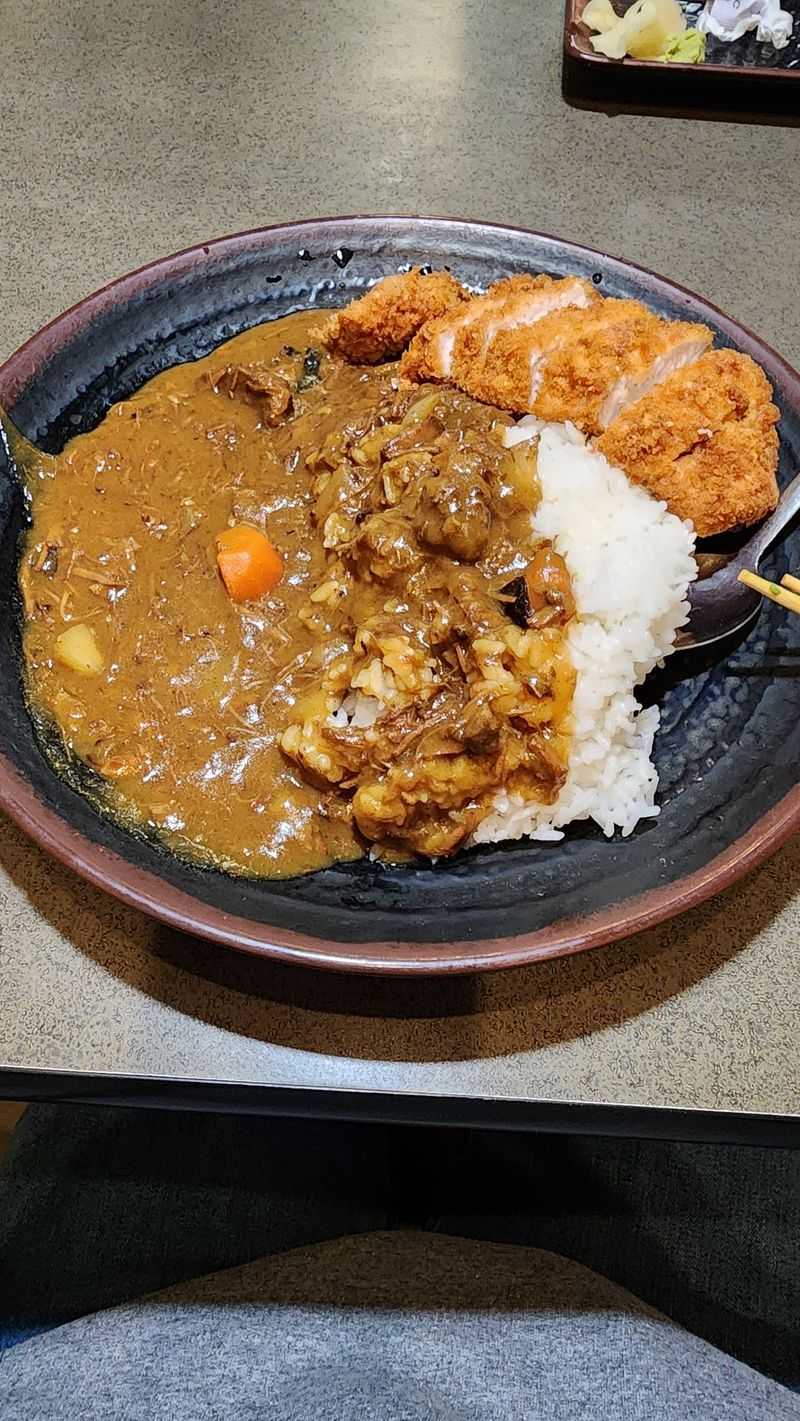
Donburi can look simple at first glance, but Aji Ten reminds you that a bowl of rice can carry the whole meal if the toppings are handled right.
Gyudon and katsudon are two smart routes, especially if you want something filling without juggling several plates. The rice catches the savory sauces, the proteins bring depth, and the bowl stays comforting all the way to the bottom.
I like these dishes because they reward slow eating. A bite with more rice tastes different from a bite heavy with egg, onion, or meat, so the bowl keeps shifting without turning complicated.
That practicality makes donburi especially useful at lunch, when you want a satisfying meal but still need to function afterward. No dramatic decision-making required, just a bowl with a plan.
Yet the appetizers deserve their own strategy, because several small plates can turn the table into a very happy puzzle.
Small Plates With Big Table Power
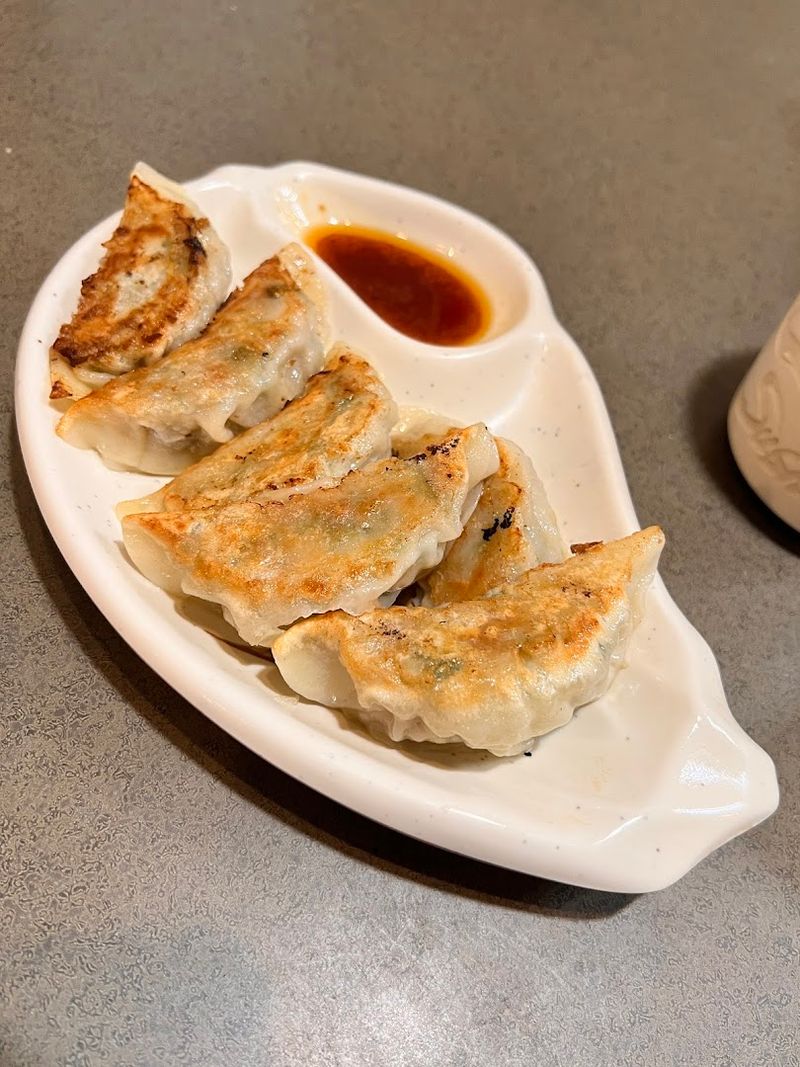
The appetizer section is where my ordering confidence started to wobble, because too many good options were waving politely from the page.
Gyoza is an easy first move, with its soft-chewy wrapper and savory filling giving the table something shareable while larger dishes are on the way. Agedashi tofu brings a different pleasure, crisp outside, soft inside, and warm broth-like flavor around each piece.
Croquettes, takoyaki, and fried chicken also show the kitchen’s comfort with texture. The best approach is to pick two or three for the table, then accept that someone will claim the final piece with suspicious speed.
These starters are not just filler before the main event. They help explain why Aji Ten feels so satisfying for groups, families, and repeat visits.
After the crunch and steam of the small plates, the menu’s grilled and simmered choices show another side of the kitchen.
Beyond Sushi, the Home-Style Favorites Shine
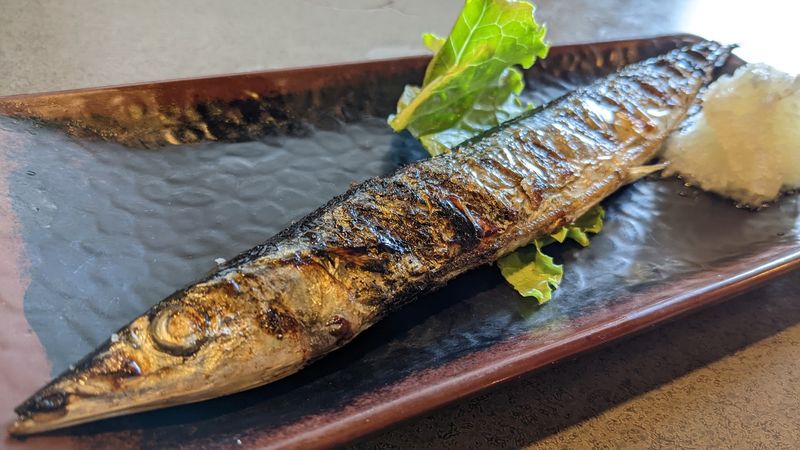
Aji Ten becomes more interesting when you look past the obvious first choices and notice how many home-style dishes fill the menu.
Salmon teriyaki, saba, hokke, yasai itame, and ochazuke give diners routes that feel calmer than a giant ramen bowl but just as satisfying. These plates highlight seasoning, freshness, and balance instead of leaning only on richness.
I appreciate that kind of range. It lets one person order sushi, another choose grilled fish, and another go straight for noodles without the table feeling mismatched.
The owner, Fari Sanatgar, has more than 40 years of experience in Japanese cuisine and spent six years in Japan, where he trained as a chef. That background helps explain why the menu feels broad without feeling random.
By the time I reached this part of the meal, I understood why regulars talk about consistency, and consistency matters even more when a restaurant has been serving since 2007.
A Long-Running Canton Favorite Since 2007

A restaurant that has lasted in the same community since 2007 usually has more than one trick on the menu.
At Aji Ten, that staying power feels tied to experience, practical hospitality, and food that people can return to often. The owner’s long career in Japanese cuisine gives the restaurant a clear point of view, while the staff keeps the dining room approachable.
I noticed that the restaurant does not try to be trendy in a frantic way. Instead, it leans on familiar Japanese dishes, careful preparation, fair pricing, and a room that feels personal because it is small.
That combination makes it useful for many occasions: a casual dinner, a lunch break, a family meal, or takeout when home cooking has politely left the schedule. Dependability is part of the attraction.
Of course, dependability also means tables can fill quickly, so the practical visiting tips deserve a moment before you grab your keys.
Smart Timing for a Small Dining Room
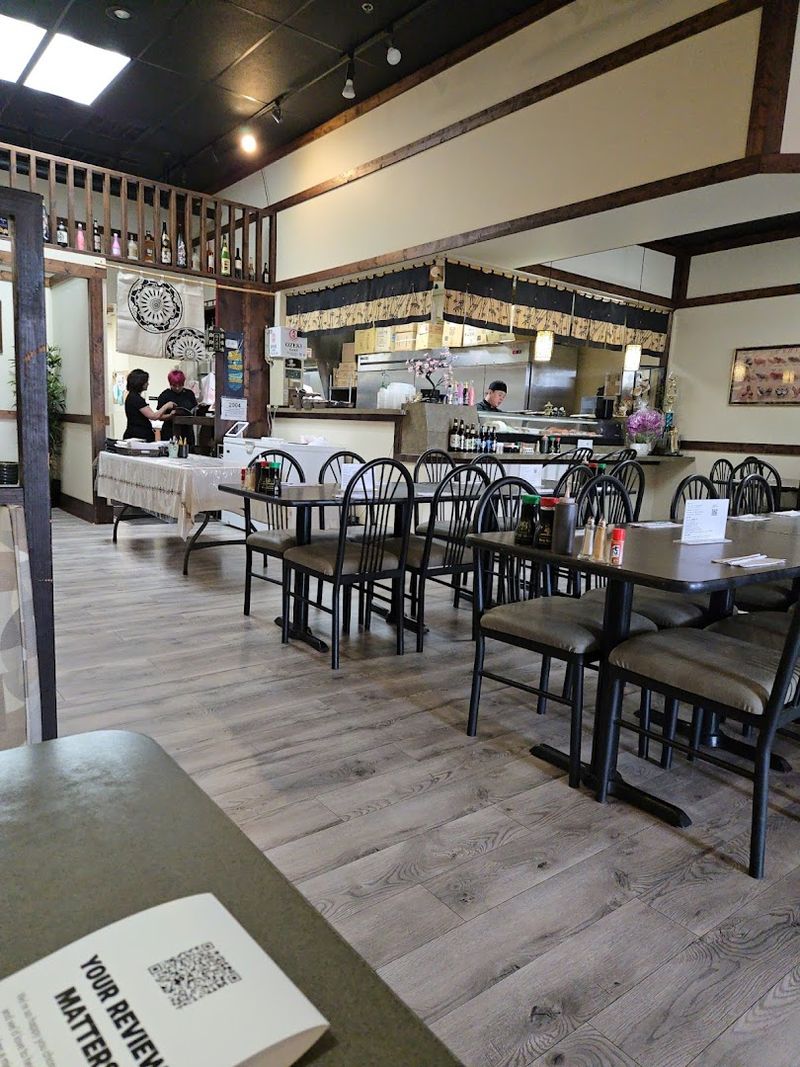
The dining room’s size gives Aji Ten personality, but it also means your timing can shape the whole visit.
The restaurant is closed Tuesday, so do not let a noodle craving lead you to a dark doorway. Hours generally include lunch and dinner windows on weekdays, longer Saturday service from 11:30 AM to 10 PM, and Sunday service until 9:30 PM, though checking current hours before you go is smart.
Reservations are accepted, and that is worth remembering for busier nights or special date plans. Takeout and delivery are also available, which helps when the room is full or your couch has made a persuasive counteroffer.
The restaurant accepts credit cards and is wheelchair accessible, making planning easier for different groups. A quick call to +1 734-979-0988 can clear up timing, wait, or reservation questions.
Once the logistics are handled, the best part remains deciding how much of the menu you can reasonably conquer.
Fair Prices and Portions That Feel Generous
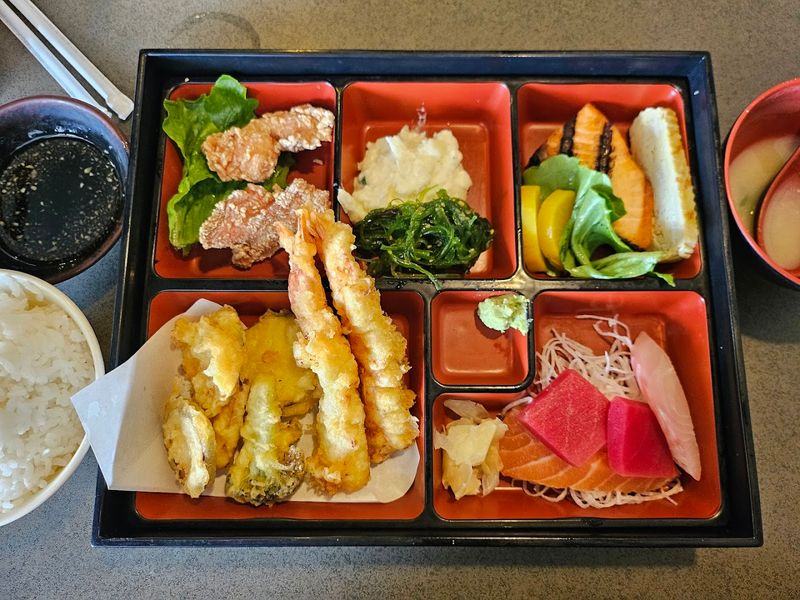
Aji Ten feels especially appealing when the bill arrives and does not scold you for being curious.
Portions tend to be generous, particularly with ramen, katsu, donburi, and multi-part plates that come with rice or sides. That makes it easy to share appetizers, order a main, and still leave with the pleasant possibility of leftovers.
The pricing feels fair for the quality and variety, which matters in a region with plenty of dining choices. I never got the sense that the restaurant was relying on flash to justify the meal.
Instead, the value comes through in the basics: fresh sushi, big noodle bowls, crisp fried dishes, attentive service, and a menu with enough depth for repeat visits. That is the kind of math I like.
Save a little room anyway, because the final spoonful of the visit might be cold, green, creamy, and surprisingly memorable.
The Sweet Finish That Seals the Visit
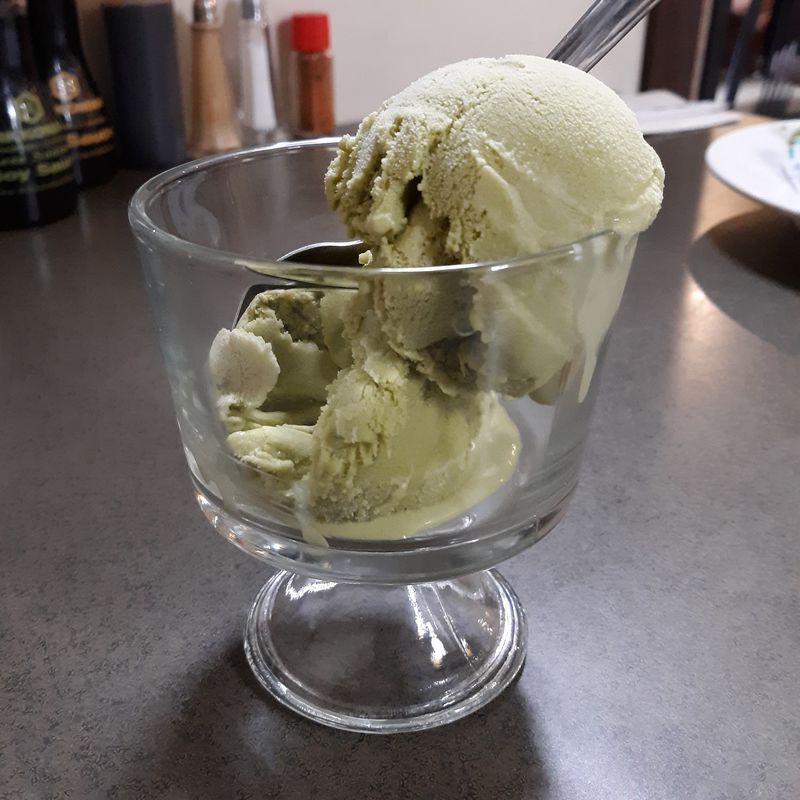
Green tea ice cream is the quiet closer at Aji Ten, and I respect any dessert that knows how to refresh instead of overwhelm.
The flavor is gentle, lightly sweet, and clean after a meal of broth, rice, fried textures, or sushi. Mochi also appears as a fitting finish, especially if you like a chewy bite with a cooler center.
That final course helped me understand the restaurant’s larger charm. Nothing about the experience felt like it was trying too hard, yet the details kept stacking up: warm tea, compact room, kind service, careful fish, rich broth, and a dessert worth saving space for.
Aji Ten is not a massive spectacle, and that is part of the reason I would return. It feels like a Canton Township restaurant with its priorities in order.
When you want authentic Japanese dishes in Metro Detroit without fuss, this little Ford Road address gives you plenty to remember before the next craving appears.
Share this story