 Unearth The Voyage
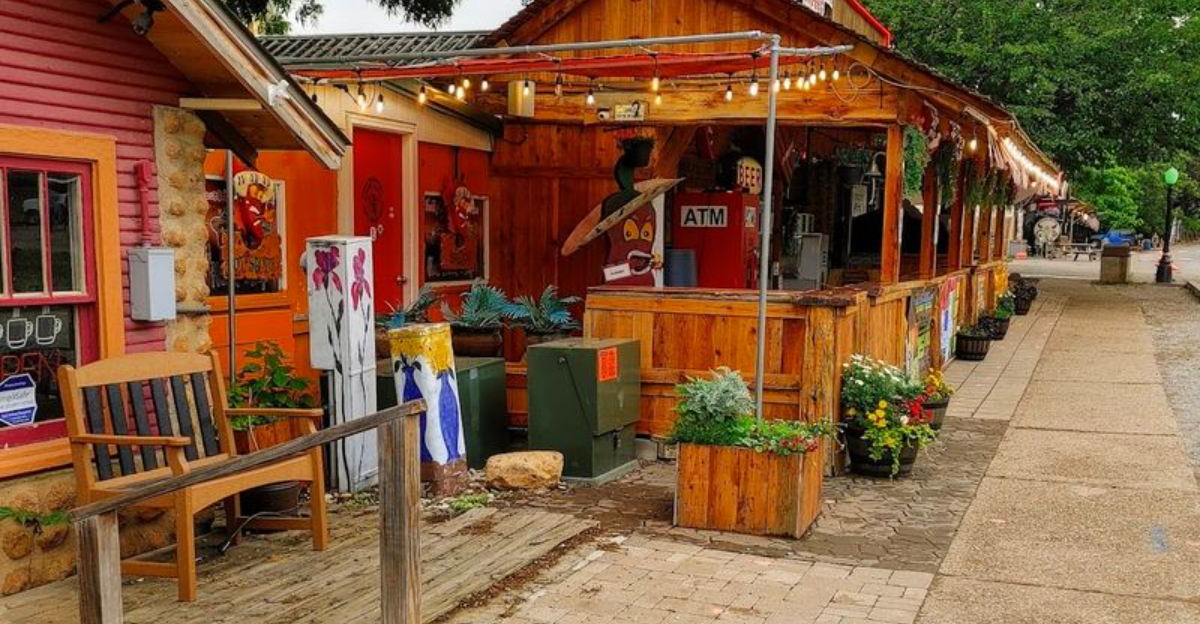
There is a small town in southwestern Oklahoma where the streets are paved with cobblestones, the river runs clear over smooth rocks, and the whole place feels like it belongs in a different era. It sits at the foot of the Wichita Mountains, just a short drive from Lawton, and most people outside the state have never even heard of it.
That is exactly what makes it so special. I stumbled across Medicine Park on a road trip through Oklahoma, and I have been thinking about it ever since.
From the quirky cottages to the wildlife refuge next door, this town punches way above its weight, and I am here to tell you exactly why it deserves a spot on your travel list.
Where Medicine Park Actually Is
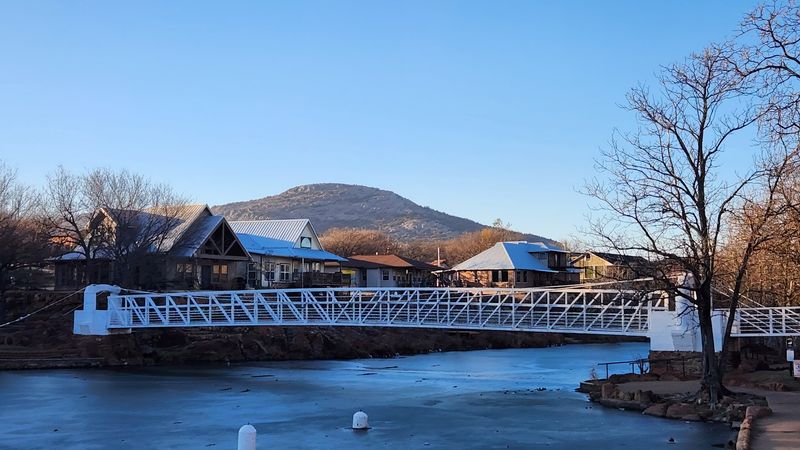
Medicine Park sits in Comanche County, Oklahoma, right at the doorstep of the Wichita Mountains. The town’s address places it near Lawton and Fort Sill, with the Wichita Mountains Wildlife Refuge stretching across 60,000 acres just beyond its edge.
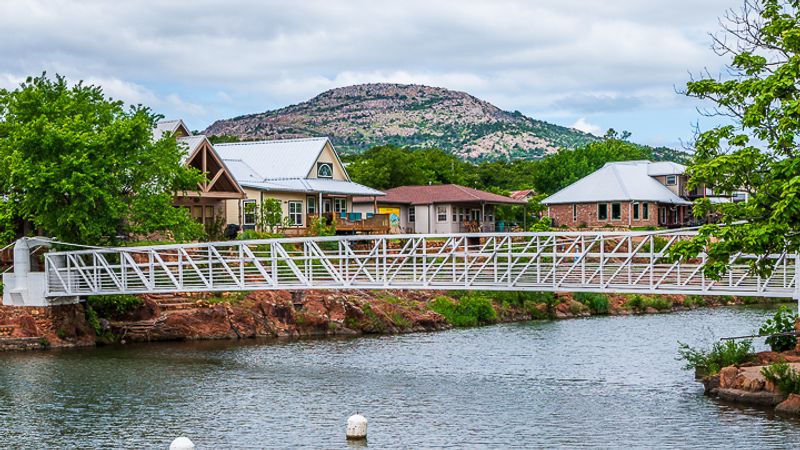
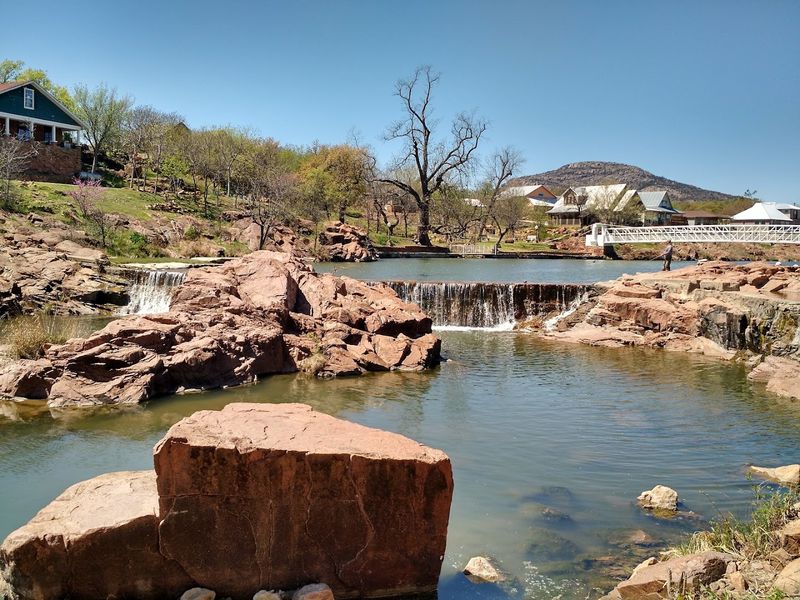
The physical setting is hard to beat. Rock formations rise up behind the town, Bath Lake shimmers in the middle of everything, and Medicine Creek winds its way through like it has been doing so for centuries.
Getting here is straightforward. From Lawton, you head northwest on State Highway 49 and within about 20 minutes, the cobblestone buildings start appearing.
There is no dramatic entrance sign, but you know you have arrived when the road narrows and the stone cottages begin.
The town itself covers only a small footprint, which means you can walk nearly everywhere once you park. That compact size is part of its charm, since everything worth seeing is within a short stroll of everything else.
Medicine Park, OK is one of those rare places that feels genuinely undiscovered, even though it has been here since the 1920s.
The Cobblestone History That Started It All
Back in 1908, a group of entrepreneurs looked at the rugged Wichita Mountains landscape and saw a resort destination. They were not wrong.
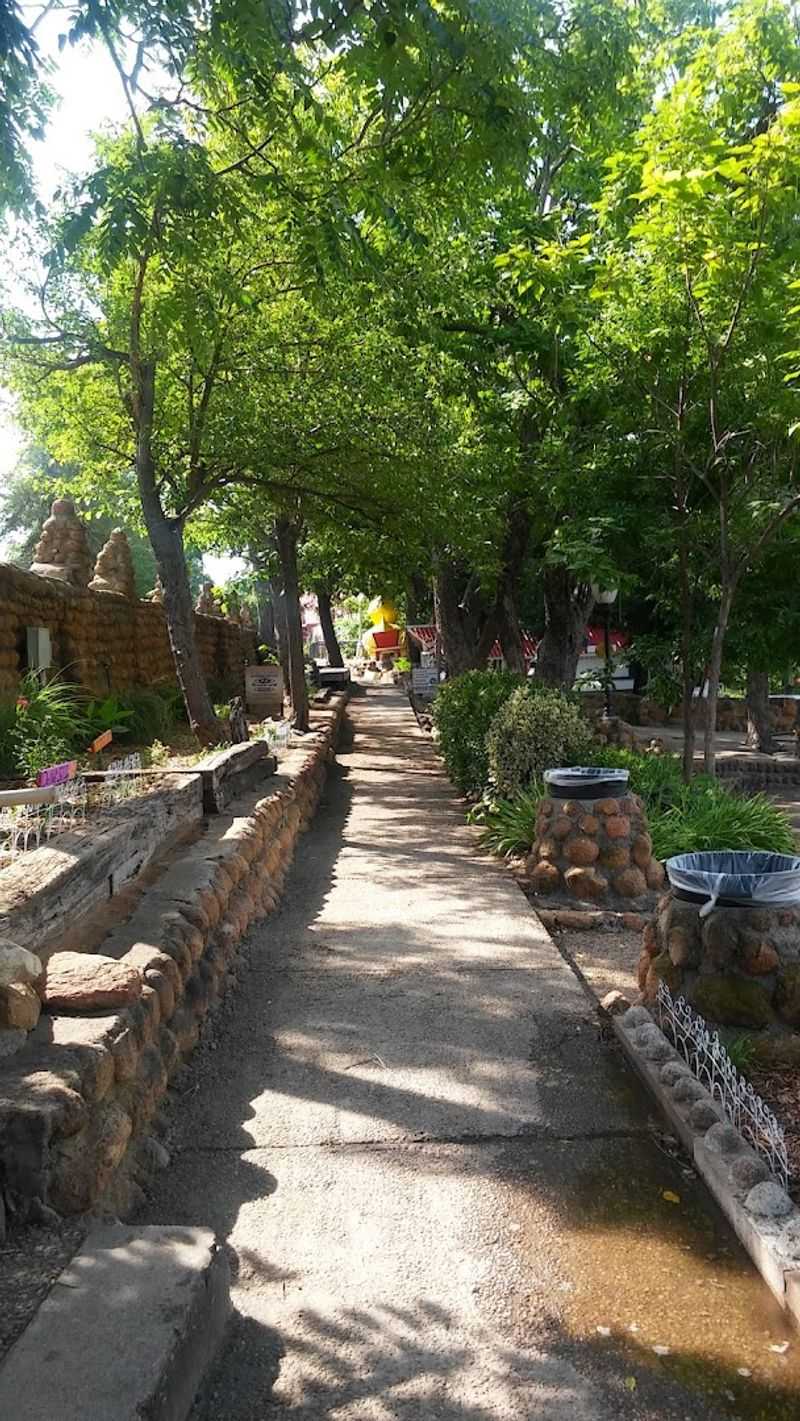
Medicine Park was officially developed as a resort town in the 1920s, and the cobblestone construction that defines its look today was a deliberate design choice. Local cobblestones pulled from Medicine Creek were used to build the bathhouses, cottages, and storefronts that still line the streets.
At its peak in the 1930s and 1940s, the town drew visitors from across the region who came to swim in Bath Lake, hike the rocky terrain, and escape the summer heat. Big names reportedly passed through, and the town had a lively, festive energy that made it a genuine destination.
A long period of decline followed, but a community-led revival starting in the 1990s brought the cobblestones back to life. Property owners restored cottages, new businesses opened, and the town reclaimed its identity.
That history is visible in every stone wall and arched doorway, making Medicine Park feel less like a tourist attraction and more like a living, breathing piece of Oklahoma’s past.
The Cobblestone Architecture Up Close
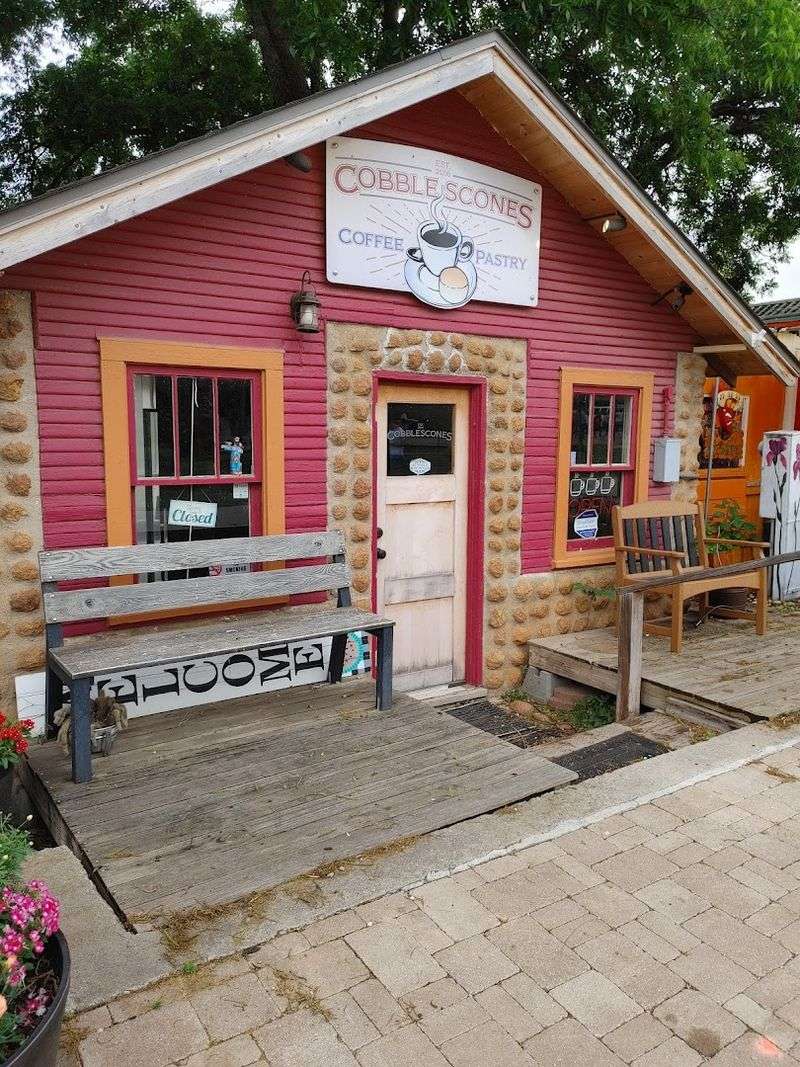
Few towns in the entire United States have an architectural identity as distinctive as Medicine Park’s. The cobblestone construction here is not just decorative.
It is structural, with rounded river stones forming the walls, foundations, and borders of nearly every building in the historic core.
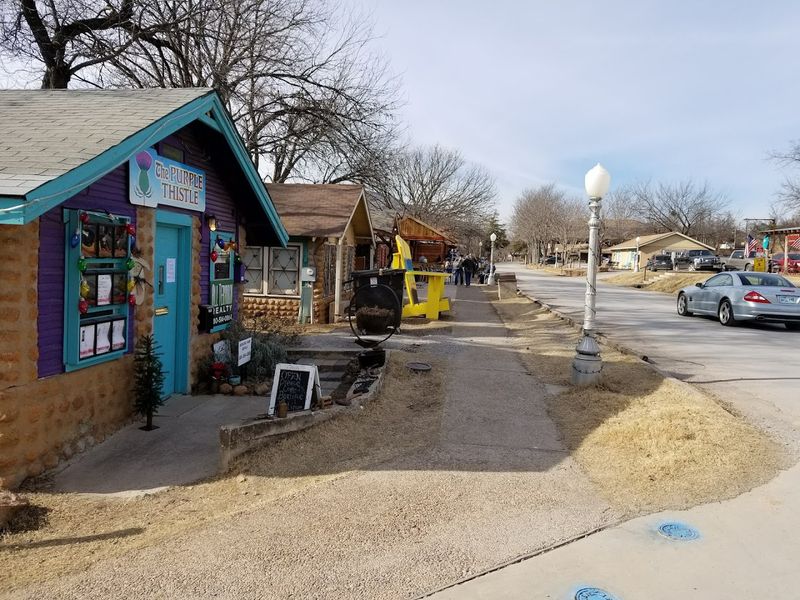
The stones themselves vary in size and color, from deep rust-red to pale gray, giving each building a slightly different personality. No two structures look exactly alike, which keeps the streetscape interesting as you walk from block to block.
Many of the original cottages have been restored with care, keeping the old stonework intact while updating the interiors for modern comfort. You can rent some of these cottages for overnight stays, which means waking up inside a piece of Oklahoma architectural history.
The detail work is especially impressive around doorways and window frames, where builders clearly took time to arrange the stones in patterns. It is the kind of craftsmanship that would be nearly impossible to replicate today.
Even visitors who are not architecture enthusiasts tend to stop and run their hands along the walls, because the texture and scale of the stonework is simply unlike anything most people have seen before.
Bath Lake and the Water Scene
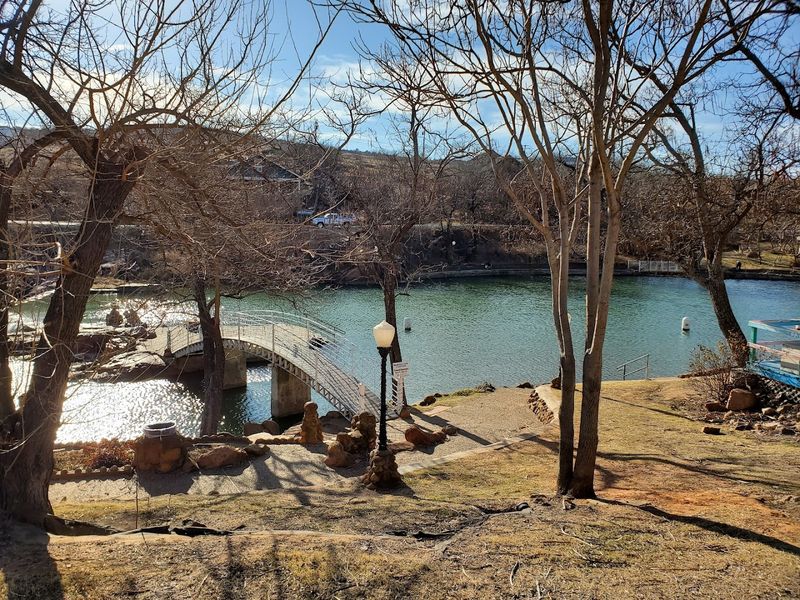
Bath Lake is the social heart of Medicine Park, and on a warm weekend, you will understand why immediately. The lake sits right in the center of town, fed by Medicine Creek, and it has served as a swimming and gathering spot since the resort days of the 1920s.
The water is cool and clear, with a rocky bottom that feels refreshingly natural compared to a chlorinated pool. Families spread out on the banks, kids splash near the shallows, and the whole scene has a relaxed, unhurried energy that is hard to manufacture.
The lake is small enough that the atmosphere stays intimate rather than crowded, even on busy summer days. There are shaded areas nearby where you can sit and watch the water without getting in, which is a perfectly valid choice when the scenery is this good.
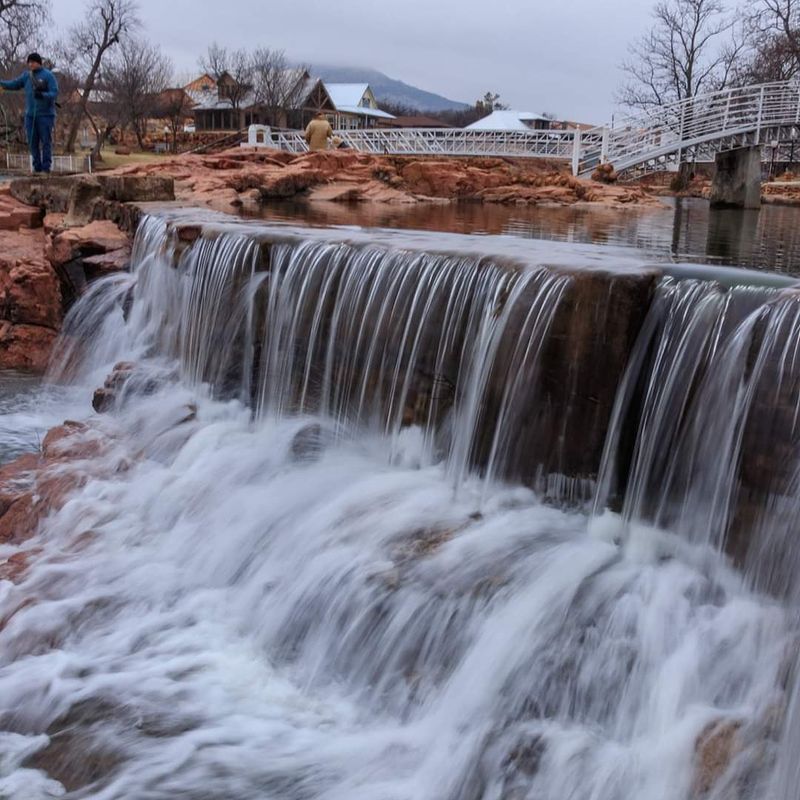
The creek itself continues beyond the lake, and following it on foot leads you through some genuinely scenic stretches of rocky streambed surrounded by cedar trees and open sky.
Bath Lake is one of those spots where an hour turns into three without you noticing, and nobody seems to mind at all.
The Wichita Mountains Wildlife Refuge Next Door
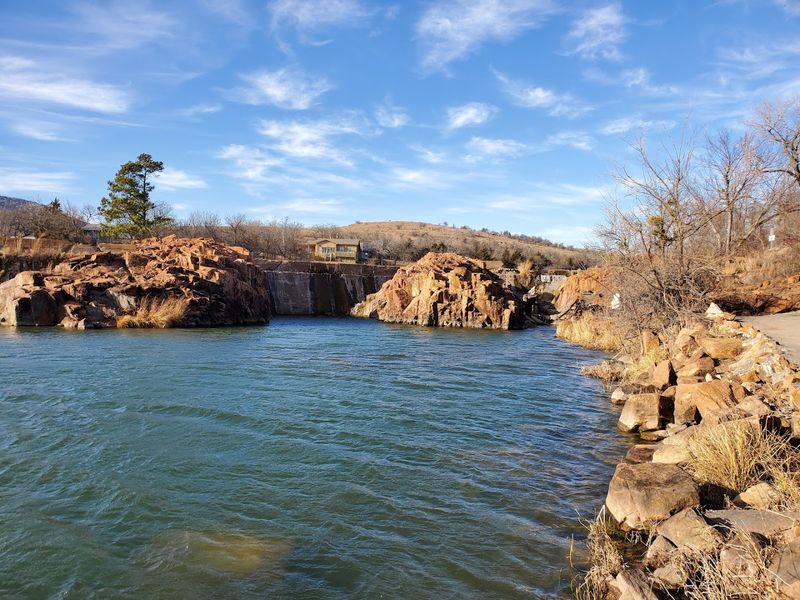
One of the biggest selling points of a visit to Medicine Park is what sits right next door. The Wichita Mountains Wildlife Refuge covers 60,000 acres of grassland, rocky peaks, and wooded canyons, and it is one of the oldest federal wildlife refuges in the country.
Bison roam freely across the refuge, and seeing a herd of them grazing against a backdrop of granite peaks is a genuinely striking experience. Longhorn cattle, elk, and white-tailed deer also call the refuge home, so wildlife sightings are almost guaranteed if you spend a couple of hours driving or hiking through.
The refuge has well-maintained trails for hikers of all fitness levels. Mount Scott, the highest peak in the Wichitas at 2,464 feet, has a paved road to the summit, making the panoramic views accessible to everyone.
For photographers, the combination of rugged rock formations, open prairie, and free-roaming wildlife creates opportunities that are hard to find anywhere else in Oklahoma.
The proximity of the refuge to Medicine Park means you can hike all morning, grab lunch in town, and be back on the trail by early afternoon without any stress.
Local Shops and the Art Scene
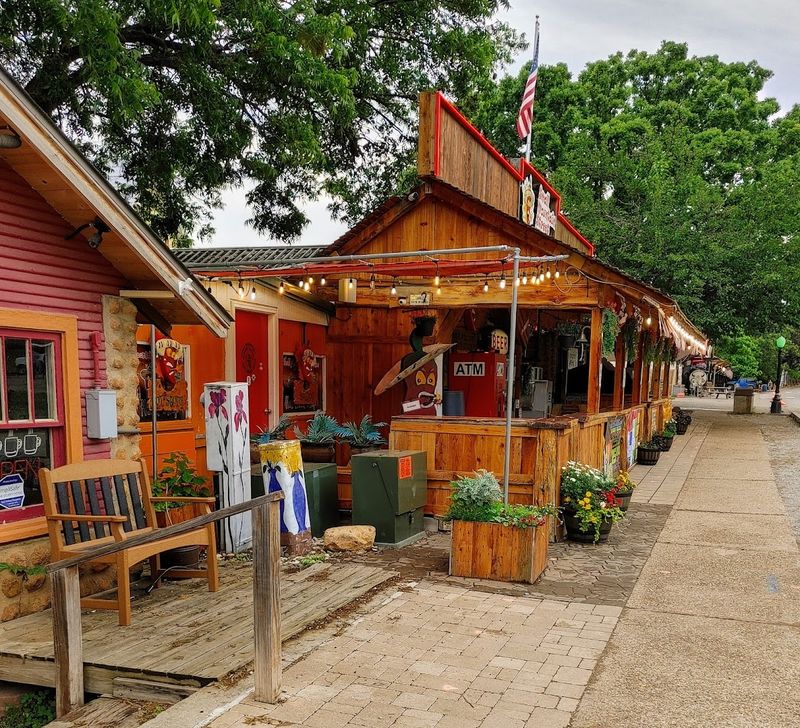
The main commercial strip in Medicine Park is short, but it is packed with character. Local artists, craftspeople, and small business owners have turned the historic storefronts into a genuinely interesting collection of galleries, gift shops, and studios.
You will find original paintings inspired by the Wichita Mountains landscape, handmade jewelry, pottery, and all kinds of locally made goods that you cannot find in a chain store. The quality is consistently high, and the prices are reasonable by most standards.
Several of the galleries double as working studios, so you might catch an artist mid-project if you visit on a weekday. That kind of access makes the shopping feel more like a cultural experience and less like a transaction.
The art scene in Medicine Park has grown steadily over the past two decades, attracting creative people who were drawn by the affordable rents and the inspiring natural surroundings.
The result is a small-town arts community that punches well above its size, with rotating shows and occasional outdoor events that bring the creative energy right out onto the cobblestone streets where everyone can enjoy it.
Food and Dining Along the Creek
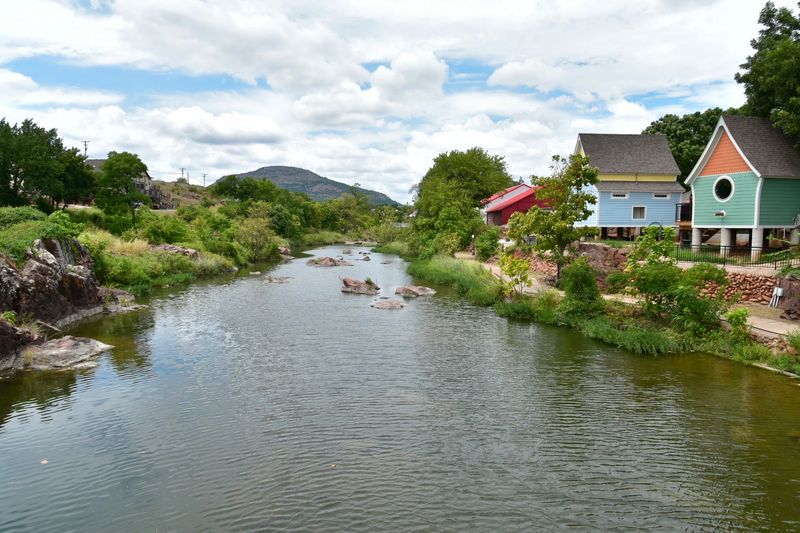
The dining options in Medicine Park are modest in number but memorable in character. A handful of restaurants and cafes operate in the historic district, most of them with outdoor seating that puts you right next to the creek or the cobblestone streetscape.
The Old Plantation Restaurant is one of the most well-known spots in town, with a menu that leans into hearty comfort food and a setting inside a historic cobblestone building. The catfish and chicken-fried steak are the kinds of dishes that keep people coming back.
Other spots offer lighter fare, including sandwiches, burgers, and snacks that hit the spot after a morning of hiking in the refuge. The casual atmosphere across all the dining options matches the overall vibe of the town, relaxed and unpretentious.
Eating outdoors with the sound of the creek in the background is one of those simple pleasures that travel writers tend to undersell. Here, it is just the normal way to have lunch.
The food scene is not elaborate, but it is honest, local, and satisfying in a way that feels completely right for a town this size.
Festivals and Community Events
Medicine Park has built a reputation as a festival town, and the event calendar fills up fast during the warmer months. The town hosts live music events, art festivals, and seasonal gatherings that draw visitors from across Oklahoma and neighboring states.
The Rattlesnake Festival held nearby each spring is one of the more unusual regional events, drawing curious visitors and nature enthusiasts to the area. Medicine Park benefits from that foot traffic, with its shops and restaurants doing brisk business during festival weekends.
Summer concerts at the outdoor amphitheater bring a mix of country, blues, and rock acts to the cobblestone setting, and the combination of live music and mountain scenery creates an atmosphere that is genuinely hard to replicate.
The town also comes alive during holiday weekends, with special decorations, vendor markets, and extended hours at local businesses. The community clearly takes pride in putting on a good show for visitors.
Even if you visit on a non-event weekend, the town has enough energy and character to keep things interesting, but catching a festival day is the kind of experience that turns a day trip into a story you tell for years.
Staying Overnight in a Stone Cottage
Spending the night in Medicine Park changes the experience completely. Several of the historic cobblestone cottages have been converted into vacation rentals, giving visitors the chance to sleep inside buildings that have been standing since the 1920s.
The cottages vary in size and style, but most of them blend original stone construction with updated interiors that include modern kitchens and comfortable bedrooms. Waking up to the sound of Medicine Creek outside your window is a genuinely lovely way to start a morning.
Staying overnight also means you get to experience the town after the day-trippers leave, which reveals a quieter, more intimate side of Medicine Park. The evening light on the cobblestone streets is particularly beautiful, and a walk along the creek after sunset feels like a reward for making the effort to stay.
Booking in advance is strongly recommended, especially for summer weekends and holiday periods, since the number of available rentals is small and demand is consistent.
The overnight experience transforms Medicine Park from a quick stop into a proper destination, and most people who stay even one night find themselves already planning a return trip before they have finished packing up.
The Lawton and Fort Sill Connection
Medicine Park does not exist in isolation. The nearby city of Lawton and the historic Fort Sill military installation add a layer of context that makes the broader area more interesting to explore.
Fort Sill has been an active military post since 1869, and its history is deeply tied to the settlement of the southern plains. The Fort Sill National Historic Landmark and Museum is open to the public and covers everything from the post’s frontier origins to its current role as a major U.S.
Army installation.
Lawton itself offers additional dining, shopping, and accommodation options for visitors who want more variety than a small town can provide. The drive between Lawton and Medicine Park takes less than half an hour, making it easy to base yourself in the city and make day trips to the cobblestone town.
The Museum of the Great Plains in Lawton is another worthwhile stop, with exhibits covering the natural and cultural history of the region in impressive depth.
Together, Medicine Park, Lawton, and Fort Sill form a travel triangle in southwestern Oklahoma that offers more variety and depth than most visitors expect when they first start planning a trip to this part of the state.
Why Medicine Park Deserves More Attention
Most people who visit Medicine Park for the first time say the same thing: they had no idea this place existed. That reaction is both a compliment and a mild mystery, because the town has everything that travel enthusiasts claim to be searching for.
The combination of historic architecture, natural beauty, wildlife access, local art, and genuine community character is rare at this scale. Most towns that offer one or two of those things struggle to deliver the rest, but Medicine Park manages all of them within a few walkable blocks.
The lack of national fame has actually helped preserve what makes it special. There are no chain restaurants here, no cookie-cutter souvenir shops, and no sense that the town has been polished for outside consumption.
What you see is what the community actually built and maintained for its own reasons.
Travel publications and online travel communities have started to take notice, with several calling it one of the coolest small towns in America, and that recognition feels earned rather than manufactured.
Oklahoma has a lot of surprises tucked into its corners, and Medicine Park might be the most rewarding one of all for travelers willing to take the scenic route and see what they find.



