The world of male modeling has produced some truly remarkable faces and careers over the decades. From runway legends to campaign icons, these men helped shape the way fashion and advertising looked at masculinity and style.
Some broke barriers, others redefined what it meant to be a male supermodel, and a few even crossed over into acting and global celebrity. Here are the 13 most iconic male models of all time.
1. Tyson Beckford (United States)
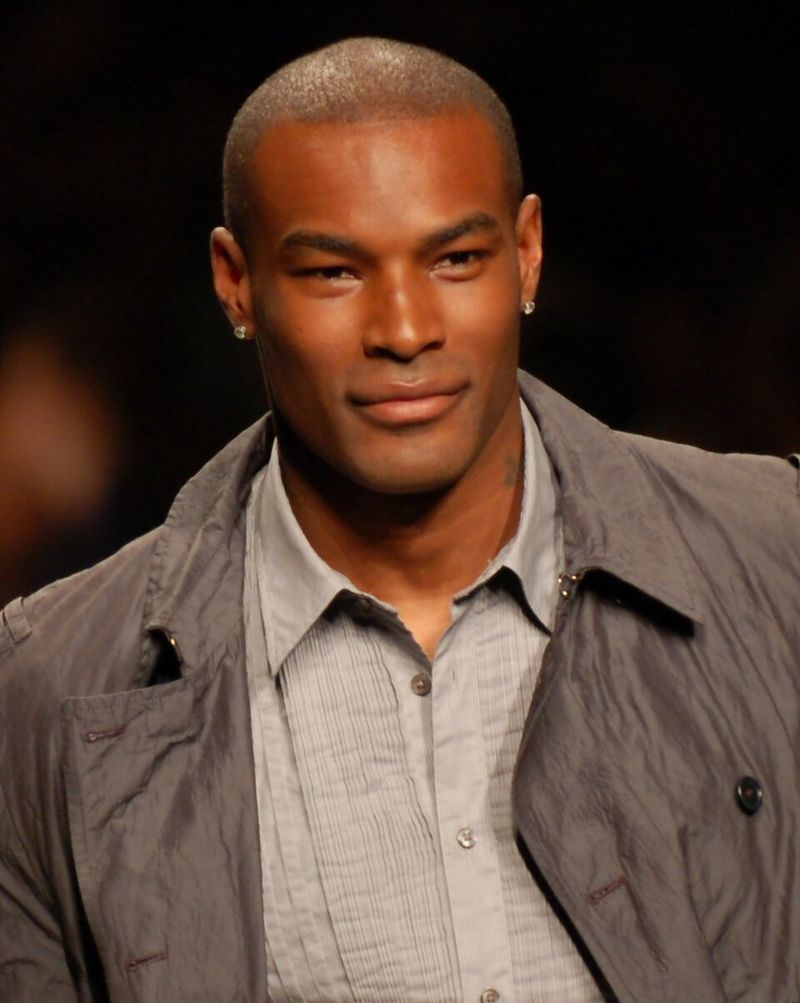
Before Tyson Beckford walked into a Ralph Lauren showroom, the fashion world had rarely seen a Black male model celebrated at the highest level. He changed that permanently.
His chiseled features and undeniable screen presence made him impossible to ignore, and Ralph Lauren signed him as the face of the Polo line in the mid-1990s.
That partnership lasted years and made Beckford a household name far beyond the fashion world. He appeared on magazine covers, television shows, and even in music videos.
His visibility opened doors for an entire generation of Black male models who came after him.
Many industry veterans consider him the single most influential male model in history. His legacy is not just about looks but about what he represented at a time when diversity in fashion was still a conversation, not yet a standard.
2. Sean O’Pry (United States)
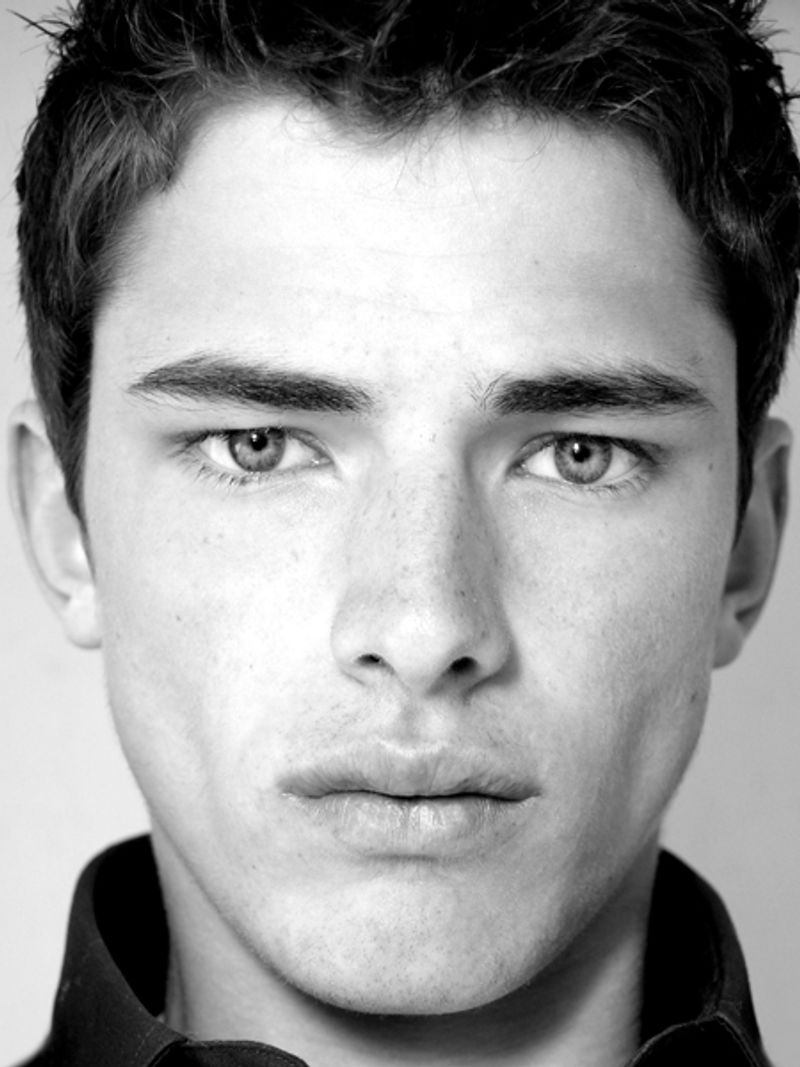
Ask any modeling agency booker who defined male modeling in the 21st century, and Sean O’Pry’s name will come up almost immediately. Born in Kennesaw, Georgia, he was discovered through a MySpace photo submission, which makes his story feel almost unbelievable by industry standards.
He went on to become the highest-earning male model in the world for several consecutive years. Campaigns for Versace, Armani, Calvin Klein, and H&M filled his portfolio, and his face graced the covers of nearly every major fashion magazine globally.
What sets O’Pry apart is consistency. While many models have a brief moment at the top, he maintained his position at the industry’s peak for over a decade.
He also appeared in Taylor Swift’s music video for “Style,” introducing him to an even wider audience beyond the fashion world.
3. David Gandy (United Kingdom)
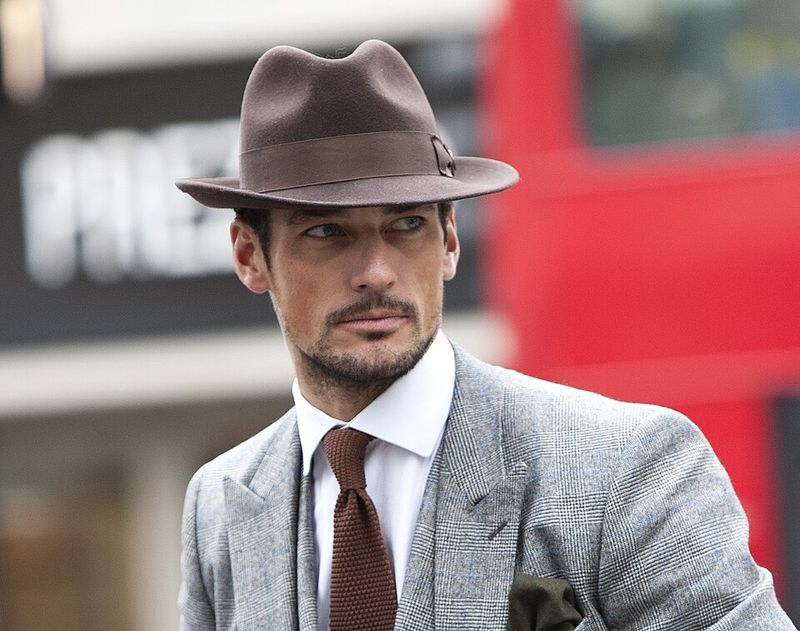
Few male models have built a brand as recognizable as David Gandy’s. The Essex-born model shot to global fame after appearing in a Dolce and Gabbana Light Blue fragrance advertisement that became one of the most talked-about campaigns in fashion history.
That image of him in white swim shorts on a boat became genuinely iconic.
Gandy worked with Dolce and Gabbana for over a decade, cementing a partnership that is rare in the modeling world. He also became a spokesperson for men’s grooming and style, writing columns and building a presence that extended well beyond the runway.
Unlike many of his peers, Gandy actively cultivated a personal brand rooted in classic British masculinity. He was named one of the world’s most handsome men multiple times and remains one of the most recognized male model faces among general audiences worldwide.
4. Jon Kortajarena (Spain)
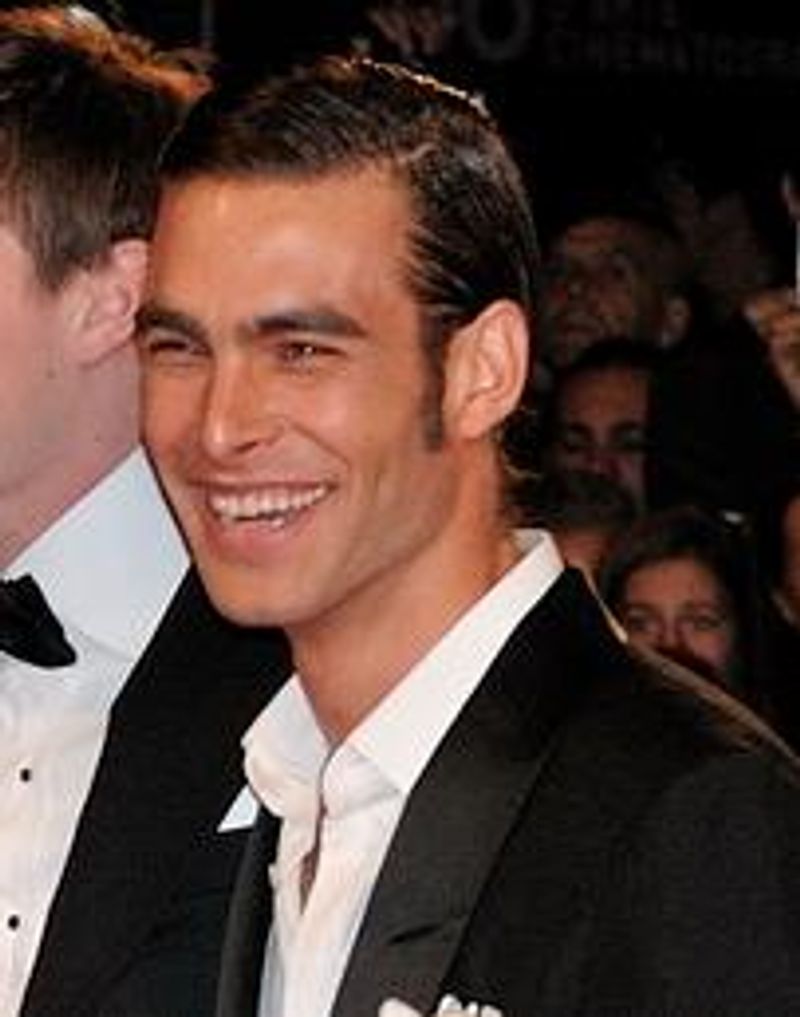
Jon Kortajarena arrived on the international fashion scene like a force of nature. Born in Bilbao, Spain, his angular bone structure and intense gaze made him one of the most photographed faces of the mid-2000s.
Tom Ford personally cast him in campaigns, and that association alone elevated his profile significantly.
He walked for virtually every major luxury house, including Gucci, Prada, and Valentino. His runway presence was magnetic, and fashion insiders frequently praised his ability to transform his look to fit a designer’s vision.
That versatility kept him relevant across multiple fashion eras.
Kortajarena also moved into acting, appearing in the film “A Single Man” directed by Tom Ford himself. The dual career only added to his mystique.
In Spain, he became a genuine celebrity, and internationally he remained one of the most respected names the modeling world produced during that generation.
5. Mark Vanderloo (Netherlands)
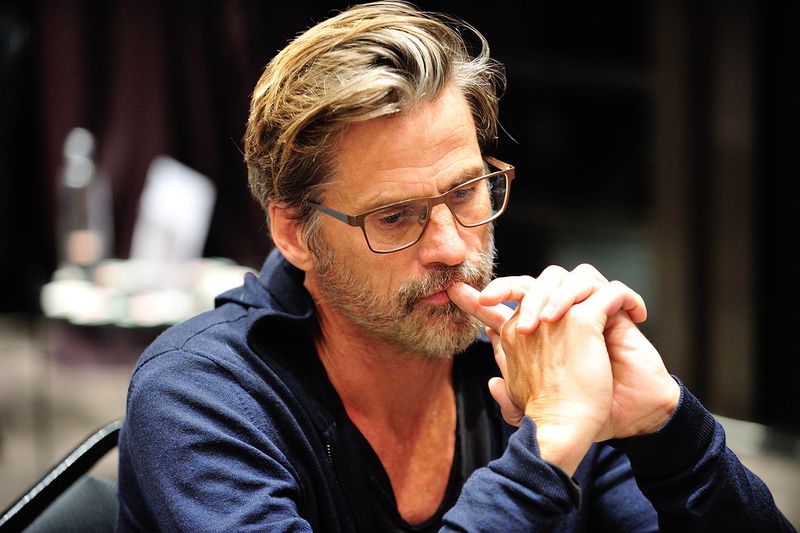
During the 1990s, Mark Vanderloo was everywhere. The Dutch model became the definitive face of Hugo Boss during that decade, and his clean-cut, athletic look perfectly matched the brand’s image of sharp, confident masculinity.
His campaigns were seen in magazines and on billboards across Europe and North America.
Vanderloo worked alongside female supermodels of the era including Claudia Schiffer and Naomi Campbell, which placed him firmly in the cultural conversation about the supermodel phenomenon of the 1990s. He was one of the few male models who could genuinely hold his own next to the era’s biggest female stars.
Beyond Hugo Boss, his portfolio included campaigns for major fragrance and clothing brands. He also became a familiar face in television commercials.
Mark Vanderloo helped prove that male models could carry a brand’s identity just as powerfully as their female counterparts during fashion’s most glamorous decade.
6. Marcus Schenkenberg (Sweden)
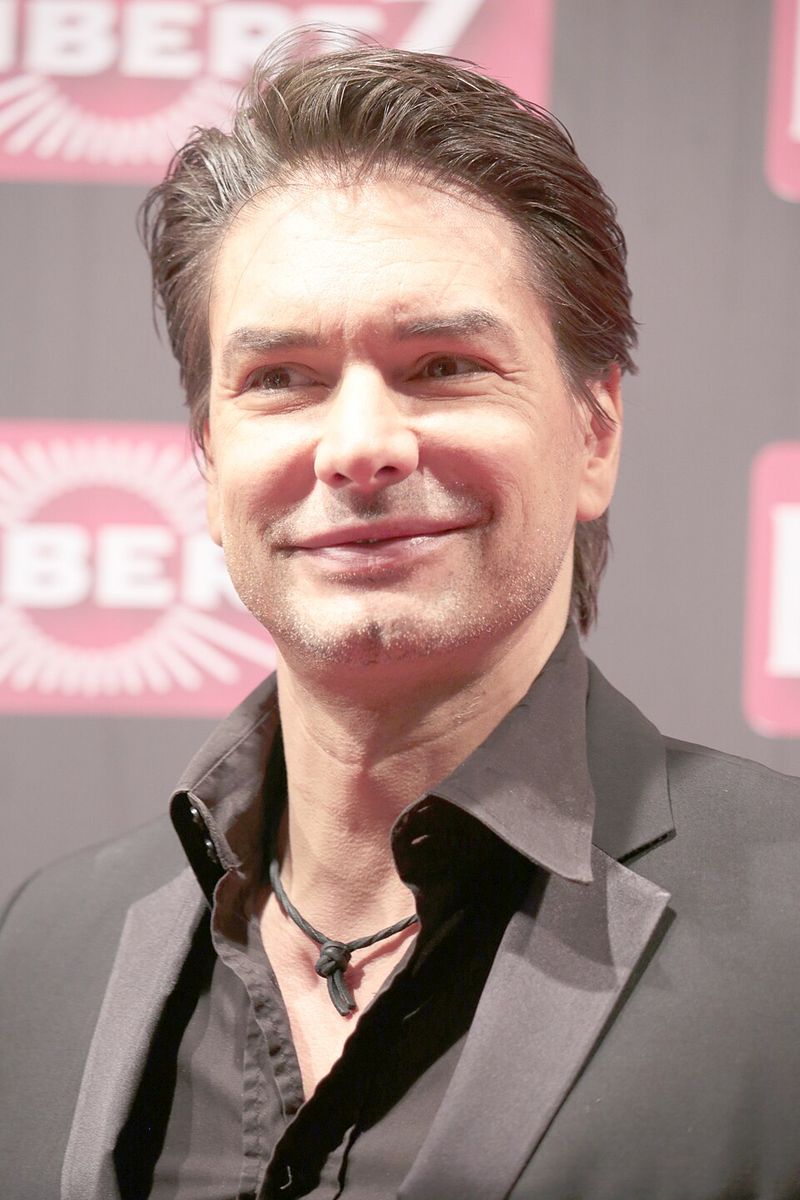
Marcus Schenkenberg was arguably the first true male supermodel in the modern sense of the term. Standing at 6’3″ with a sculpted physique, the Swedish model became a pop culture figure in the early 1990s in a way that no male model had managed before him.
Calvin Klein underwear campaigns made him a genuine sex symbol.
His face and body appeared in campaigns for Versace, Armani, and Valentino, and he graced the covers of international editions of major fashion magazines. He was frequently compared to the female supermodels of the era in terms of name recognition and cultural impact, which was almost unheard of for a male model at the time.
Schenkenberg also appeared in music videos and pursued acting, which helped broaden his fame beyond fashion circles. He wrote a book about his experiences in the industry, giving readers an inside look at life as a male supermodel during fashion’s most exciting era.
7. Lucky Blue Smith (United States)

Lucky Blue Smith became a fashion phenomenon before he even finished his teenage years. Born in Utah and raised in a musical family, he was scouted at age ten but truly broke through around 2014 when his platinum blond hair and piercing blue eyes took over the internet and the runway simultaneously.
By his mid-teens, he was walking for major luxury brands and appearing in campaigns for Tommy Hilfiger, Tom Ford, and Versace. Fashion media began describing him as the face of a new generation of male models, and his Instagram following grew at a pace that surprised even industry veterans.
His family also played a role in his rise, with his sisters forming a band called The Atomics that added a pop culture dimension to the Smith brand. Lucky Blue Smith proved that in the social media age, a male model could build global fame faster than any previous generation had imagined possible.
8. Tony Ward (United States)
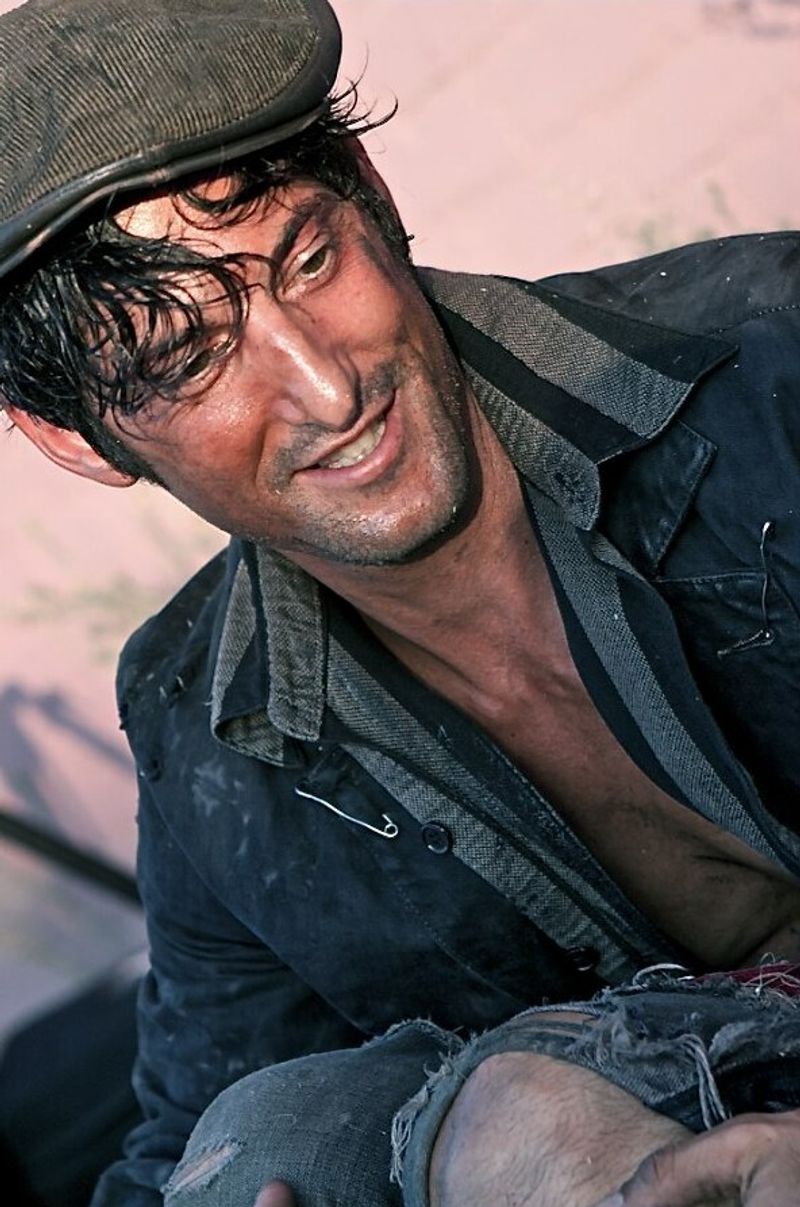
Tony Ward had a career that crossed between the worlds of fashion and pop culture in a way few models managed. Born in Pennsylvania, he became one of the most sought-after male models of the early 1990s, working with Calvin Klein, Versace, and Dolce and Gabbana on campaigns that defined the look of that era.
His connection to pop culture was cemented when Madonna cast him in her music video for “Justify My Love” in 1990, which became one of the most controversial and talked-about videos of the decade. That moment pushed him far beyond the fashion world and into mainstream celebrity conversation.
Ward also appeared in advertising campaigns that ran in virtually every major fashion market globally. His combination of physical presence and cultural visibility made him a genuine icon of the 1990s.
Few male models from that era are remembered with quite the same combination of fashion credibility and pop culture relevance.
9. Baptiste Giabiconi (France)
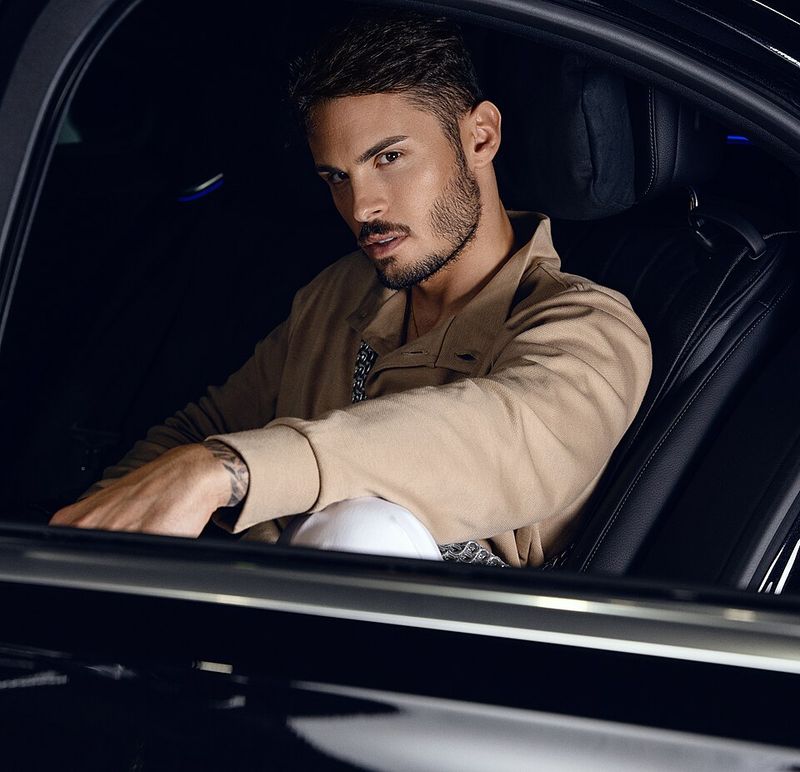
Baptiste Giabiconi occupies a singular place in fashion history because of his close personal and professional relationship with Karl Lagerfeld. The legendary Chanel designer personally chose Giabiconi as his muse and collaborator, a distinction that placed the young French model at the very center of the fashion universe during the late 2000s and early 2010s.
Giabiconi walked extensively for Chanel and became one of the most photographed faces in the brand’s advertising during that period. His look, dark and classically European, suited Lagerfeld’s aesthetic vision perfectly.
Beyond modeling, he pursued a music career in France and released albums that performed well in the French pop market.
The Lagerfeld connection gave his career a depth and artistic dimension that most male models never experience. He was not just a model to Lagerfeld but a creative collaborator and companion.
That relationship made Giabiconi one of the most talked-about male models in French fashion for nearly a decade.
10. Noah Mills (Canada)
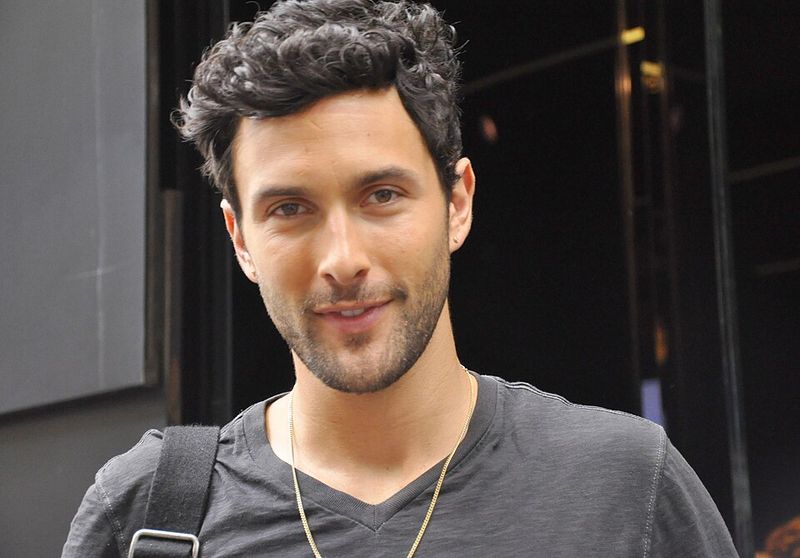
Noah Mills built one of the most consistent careers in male modeling by becoming a trusted face for some of fashion’s most prestigious brands. The Canadian model became particularly associated with Dolce and Gabbana, appearing in multiple campaigns for the Italian house and developing a relationship with the brand that spanned several years and seasons.
His dark features and strong jawline gave him a look that translated exceptionally well in print, and fashion photographers regularly cited him as one of the most technically easy models to shoot. That professional reputation kept him in high demand throughout his modeling peak.
Mills eventually expanded into acting, landing roles in television series and films that showcased his range beyond the runway. His transition from model to actor was smoother than most, and he earned genuine critical notice rather than simply trading on his looks.
Mills demonstrated that a successful modeling career can be a genuine launchpad into other creative industries.
11. Werner Schreyer (Austria)
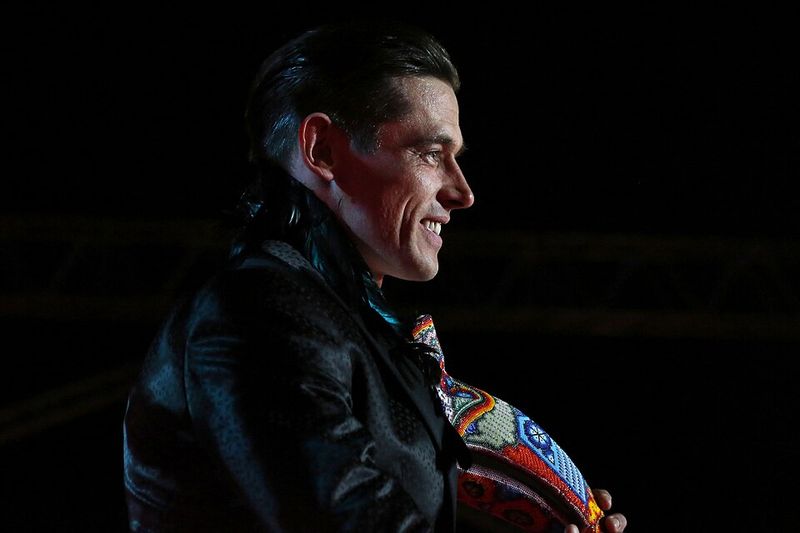
Werner Schreyer was one of the defining male faces of the late 1980s and early 1990s, a period when men’s fashion advertising was becoming increasingly important and commercially powerful. The Austrian model had a look that combined classic European refinement with athletic energy, making him a natural fit for the luxury brands dominating that era.
He worked with major fashion houses and fragrance brands across Europe and North America, and his campaigns appeared in the world’s most widely read fashion publications. Schreyer was part of a small group of male models during that period who were genuinely recognized by name in fashion circles internationally.
His career helped lay the groundwork for the male supermodel era that would fully arrive in the 1990s. Models who came after him, including many on this list, benefited from the commercial appetite for male modeling that Schreyer and his peers helped create and legitimize during those formative years for the industry.
12. Antonio Sabato Jr. (Italy/United States)
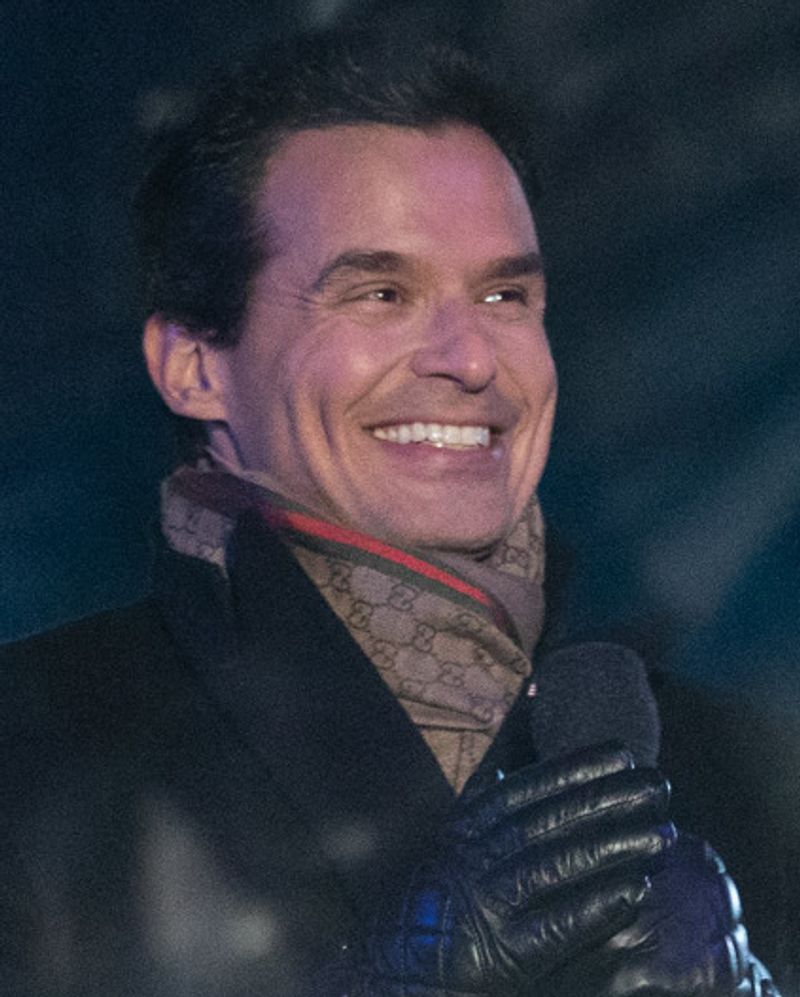
Antonio Sabato Jr. became one of the most recognizable male faces of the 1990s thanks largely to a single campaign that lodged itself permanently in pop culture memory. His Calvin Klein underwear advertisements made him a genuine sex symbol, and his image appeared on billboards in major cities that stopped traffic both literally and figuratively.
Born in Rome and raised in the United States, Sabato Jr. brought a European edge to American fashion advertising that resonated strongly with audiences. His dark, Mediterranean looks gave him a distinct identity that set him apart from the blond Nordic aesthetic that dominated much of male modeling at the time.
He transitioned into acting and became a familiar face on American television, particularly through his long-running role on the soap opera “General Hospital.” That crossover success confirmed what the Calvin Klein campaigns had suggested: Sabato Jr. had star quality that extended well beyond the boundaries of fashion photography.
13. Evandro Soldati (Brazil)
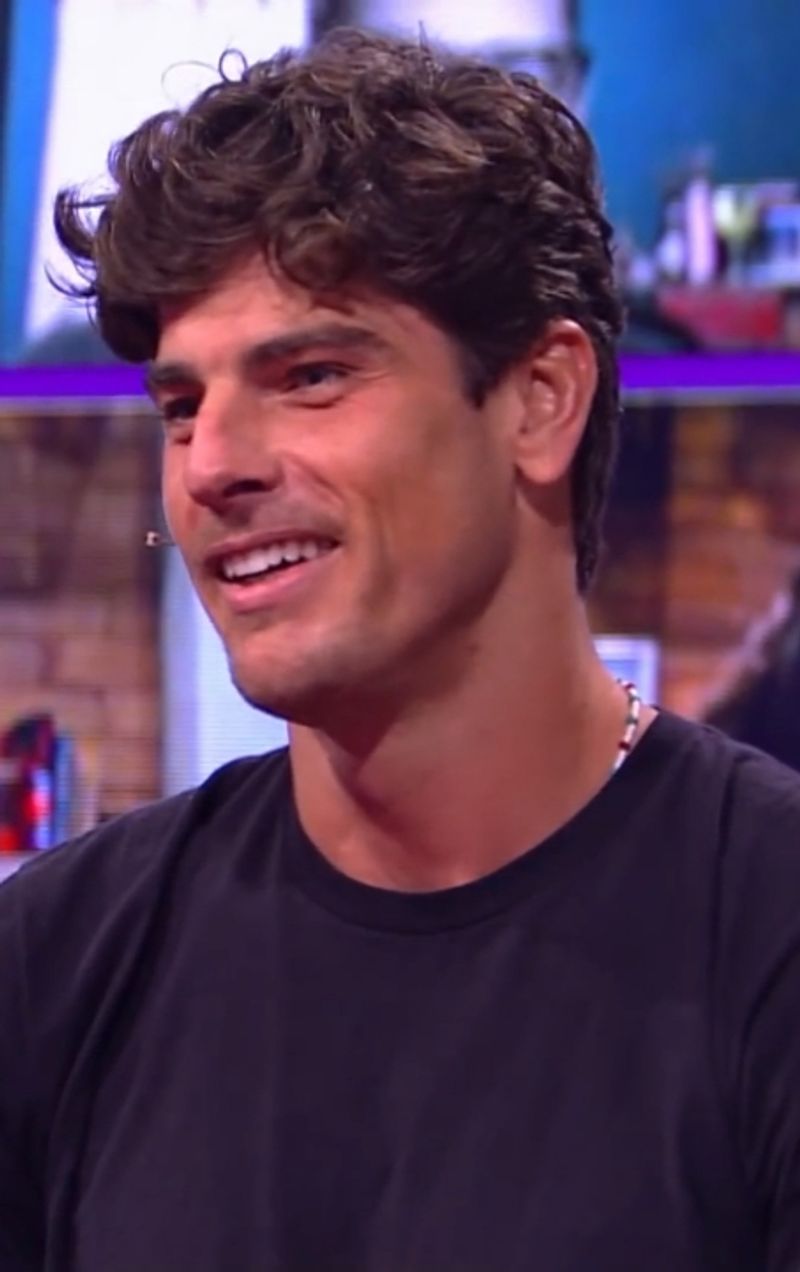
Brazil has produced remarkable athletes and entertainers over the decades, but Evandro Soldati stands as one of the country’s most successful modeling exports. His career took him from Sao Paulo to the runways of Milan, Paris, and New York, where he quickly became a favorite of major luxury houses and their creative directors.
Campaigns for Giorgio Armani and Roberto Cavalli brought him international visibility, and his runway work for brands including Versace and Dolce and Gabbana further established his reputation as one of the most versatile male models of his generation. His lean, dark-featured look carried both sportswear and haute couture with equal conviction.
Soldati also became a prominent figure in Brazil itself, where modeling success translates into genuine celebrity status. His career helped put a spotlight on Brazilian male models at a time when the country was becoming increasingly influential in global fashion.
He remains a benchmark for South American male models aiming for international careers.
Share this story