Flags are more than just colorful pieces of cloth. They tell the stories of nations, their history, their people, and their pride.
From bold and simple designs to intricate symbols packed with meaning, the world’s flags are tiny works of art that speak volumes. Here are the 14 most beautiful national flags in the world, ranked from eye-catching to truly unforgettable.
1. Canada

Ask almost anyone to sketch a flag from memory, and Canada’s is often the first one that comes to mind. The bright red maple leaf sitting squarely in the center of a clean white background is one of the most recognizable symbols on the planet.
Adopted in 1965, the design replaced an older colonial flag and gave Canada a truly independent identity.
The maple leaf has represented Canada since the 1700s, appearing on everything from coins to military badges long before it graced the flag. The red and white colors were declared Canada’s official national colors by King George V back in 1921.
Simple, bold, and deeply meaningful, the Canadian flag proves that sometimes less really is more when it comes to great design.
2. South Africa
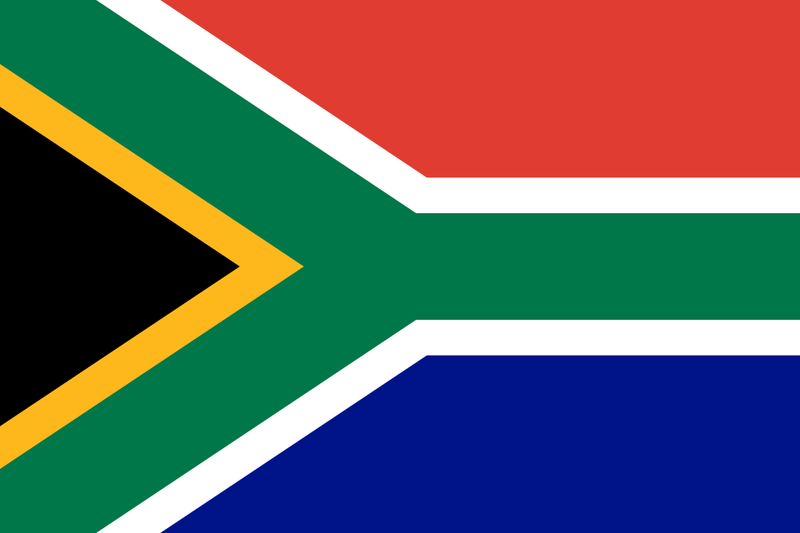
Born from one of history’s most remarkable political transformations, South Africa’s flag was introduced in 1994 to mark the end of apartheid and the beginning of a new democratic era. Six colors come together in a design that feels energetic and forward-moving, almost like the country is walking confidently toward the future.
No other national flag uses quite this combination of colors and shapes.
The Y-shape running from left to right symbolizes the convergence of different paths coming together as one united nation. Each color carries meaning rooted in the country’s major political parties and historical flags.
Designed quickly just before the historic 1994 elections, it was originally meant to be temporary but ended up being so popular that it became permanent. That speaks volumes about how powerfully it connected with the South African people.
3. Japan

There is something almost meditative about Japan’s flag. A single red circle on a field of white, nothing more, nothing less.
Yet this stripped-back design carries centuries of meaning and a quiet confidence that more elaborate flags sometimes struggle to achieve. Known as the Nisshoki, or the sun-mark flag, it has represented Japan for well over a thousand years in various forms.
The red disc represents the rising sun, which is deeply tied to Japan’s identity as the Land of the Rising Sun. The white background symbolizes honesty and purity, values deeply embedded in Japanese culture.
Interestingly, the red circle is not perfectly centered on the flag but sits very slightly toward the left so it appears centered when the flag flies on a pole. That tiny detail shows just how thoughtfully this deceptively simple flag was designed.
4. Greece
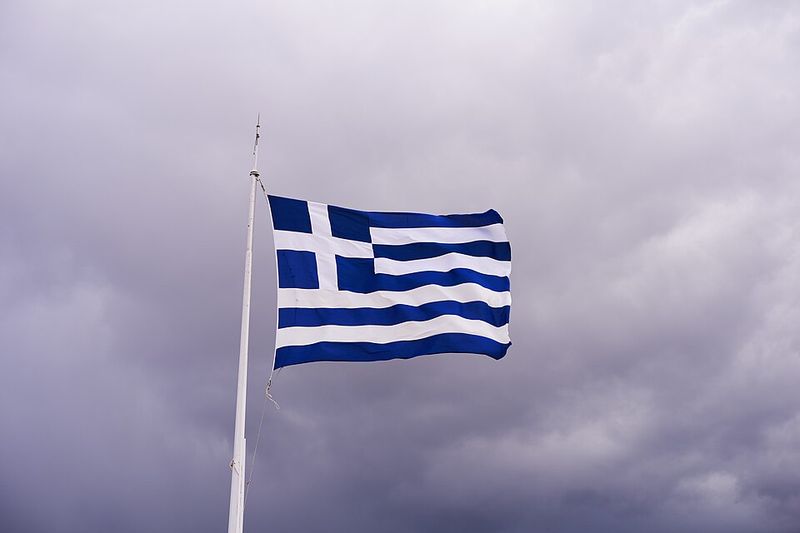
Stand on a Greek island on a sunny afternoon and look up at the flag snapping in the Aegean breeze, and you will immediately understand why this design has endured for so long. The blue and white stripes seem to mirror the sea and sky that define Greek geography and culture.
Nine stripes represent the nine syllables of the Greek phrase meaning Freedom or Death, a rallying cry from the Greek War of Independence.
The white cross in the upper left corner represents the Greek Orthodox Church, which played a central role in preserving Greek identity during centuries of foreign rule. Blue and white have been the national colors of Greece since the 19th century, appearing in art, architecture, and everyday life across the country.
The flag feels timeless in the best possible way, rooted in ancient history while remaining instantly modern and clean.
5. Nepal
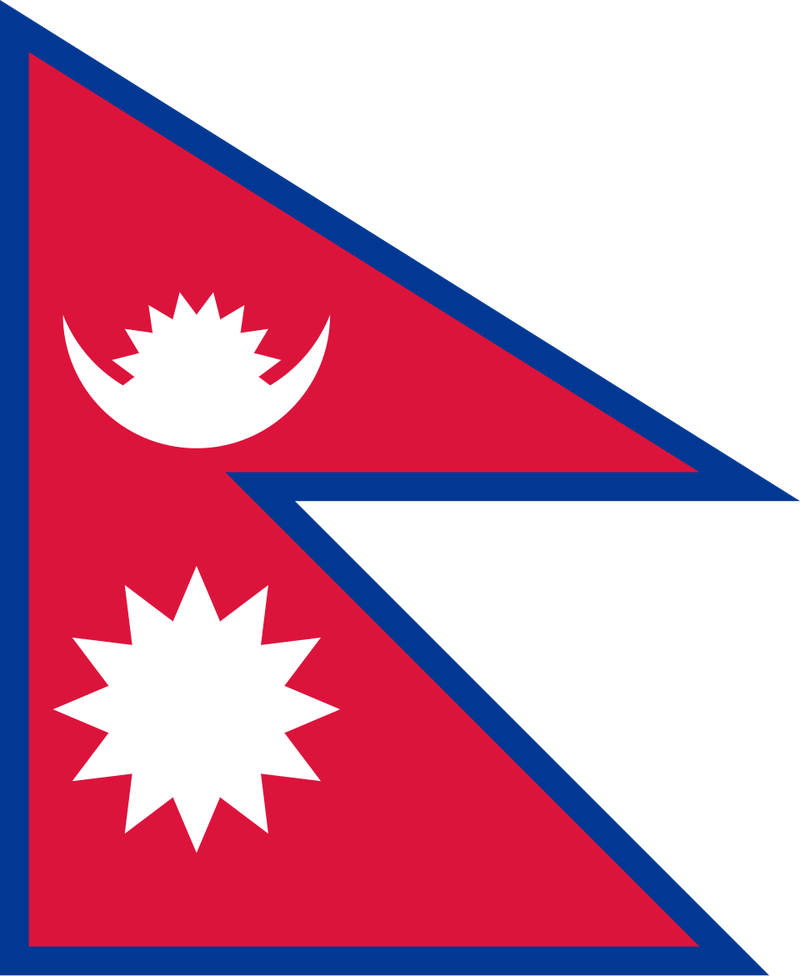
Nepal’s flag breaks every rule in the book, and that is exactly what makes it so fascinating. It is the only national flag in the world that is not rectangular or square.
Instead, it consists of two stacked pennants forming a distinctive double-triangle shape that stands out in any crowd of flags. This shape has roots going back to ancient Nepal, making it one of the oldest flag designs still in use today.
The crimson red color reflects the country’s national flower, the rhododendron, while the blue border represents peace. A white moon sits in the upper triangle and a white sun occupies the lower one, together symbolizing the hope that Nepal will endure as long as these celestial bodies shine.
The flag’s unconventional shape is not just a quirk but a proud statement of Nepal’s unique identity and independence from global design trends.
6. United Kingdom
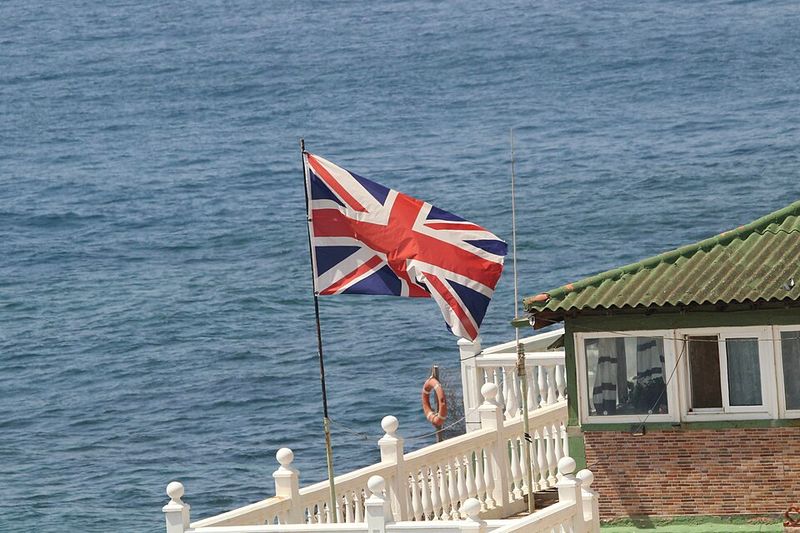
Few flags carry as much history stitched into their design as the Union Jack. What looks like a bold geometric pattern is actually three separate national flags layered on top of each other.
The red cross of St. George for England, the white diagonal cross of St. Andrew for Scotland, and the red diagonal cross of St. Patrick for Ireland all overlap in a carefully balanced arrangement that has become one of the most copied flag designs in the world.
Dozens of countries, including Australia, New Zealand, and Fiji, incorporate the Union Jack into their own flags as a nod to their historical ties with Britain. The flag dates back to 1606 when King James I united England and Scotland, though it took its current form in 1801.
Instantly recognizable on every continent, the Union Jack is arguably the most influential flag design in modern history.
7. Brazil

Brazil’s flag looks like a window into the night sky over South America, and that is entirely by design. The blue globe in the center shows the actual positions of the stars as they appeared over Rio de Janeiro on November 15, 1889, the exact night Brazil became a republic.
That level of astronomical precision in a flag design is genuinely extraordinary and makes each star a record of a specific historical moment.
The green background represents Brazil’s lush forests, while the yellow diamond symbolizes the country’s enormous mineral wealth. A white band across the globe carries the national motto, which translates to Order and Progress, taken from the philosophy of Auguste Comte.
With 27 stars representing each Brazilian state and the Federal District, the flag tells the full story of a vast and diverse nation through color, geometry, and the science of the stars.
8. Mexico
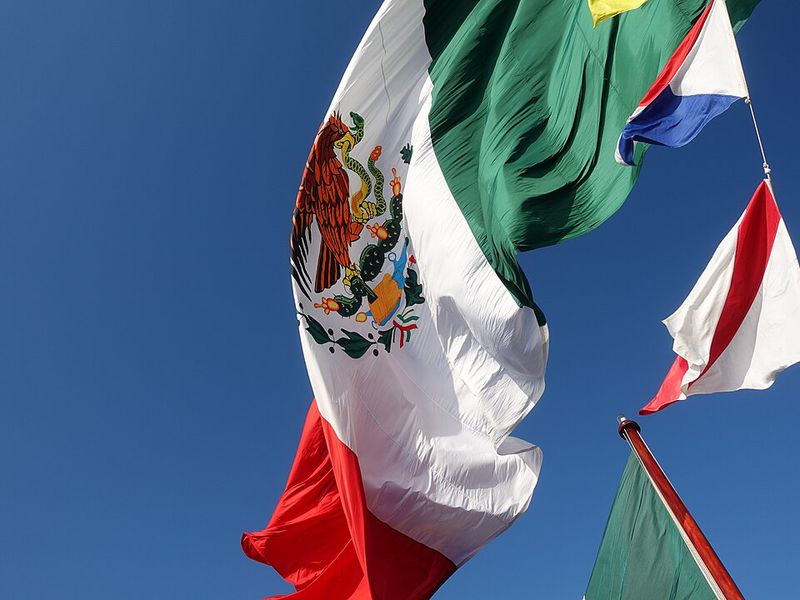
Mexico’s flag rewards a close look. From a distance it appears to be a simple tricolor of green, white, and red, but zoom in on the center and a whole story unfolds.
The coat of arms depicts an eagle perched on a cactus, holding a serpent in its beak, a scene rooted in ancient Aztec legend about the founding of Tenochtitlan, the city that would become modern Mexico City.
According to the legend, the Aztec god Huitzilopochtli told his people to build their city where they found an eagle devouring a snake on a prickly pear cactus. When they discovered this exact scene on an island in Lake Texcoco, they knew they had found their home.
The flag’s green represents hope, white stands for unity, and red honors the blood of national heroes. Few flags pack this much mythology and history into a single image.
9. Lebanon
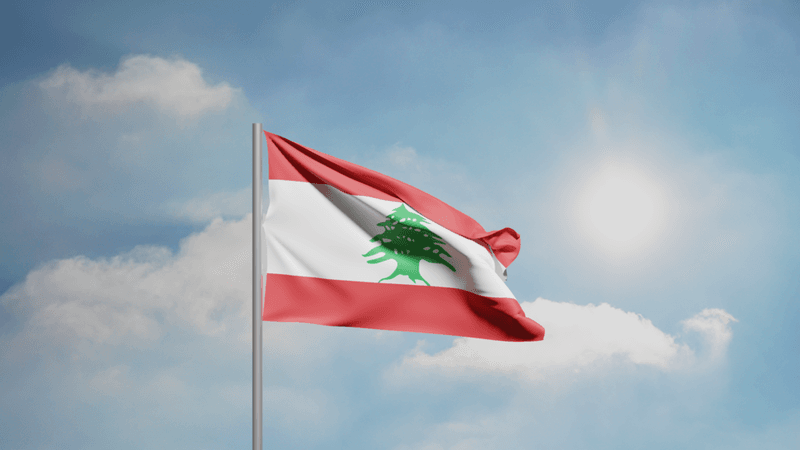
Clean, calm, and quietly powerful, Lebanon’s flag centers on one of the world’s oldest and most beloved symbols. The cedar tree has been associated with Lebanon for thousands of years, appearing in the Bible, ancient Egyptian records, and the writings of Homer.
Cedars of Lebanon were used to build King Solomon’s temple and the great ships of the Phoenician traders who once dominated the Mediterranean.
The tree on the flag is a stylized version of a real cedar, rendered in green against a broad white stripe. Two red horizontal bands frame the top and bottom of the flag, representing the blood shed to defend the country.
The white center symbolizes peace and a pure snow-capped mountain landscape. In a region often associated with conflict, Lebanon’s flag quietly insists on hope and resilience through one of nature’s most enduring symbols.
That restraint gives it real visual power.
10. Seychelles
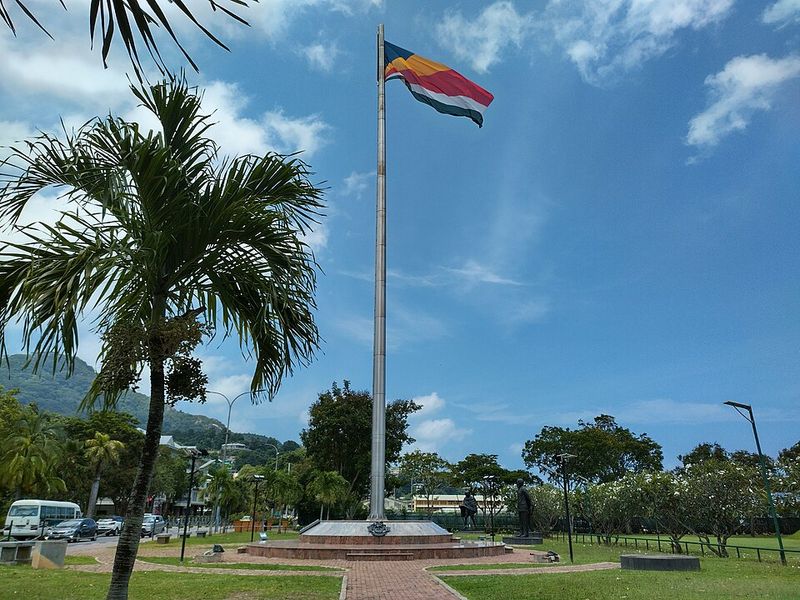
Imagine sunlight bursting over the Indian Ocean horizon, and you have a pretty good idea of what the Seychelles flag looks like. Five colored bands radiate outward from the lower left corner like rays of light, creating a sense of movement and energy that is unlike almost any other flag design in the world.
Adopted in 1996, it replaced an earlier version and was designed to represent the country’s multi-party political system.
Each color carries specific meaning: blue for the sky and sea, yellow for the sun, red for the people and their determination, white for social justice, and green for the islands’ rich natural environment. The radiating design also suggests a young nation looking outward toward the future with optimism.
The Seychelles is a small island nation in the Indian Ocean, but its flag has a visual energy that makes it feel much larger than its geography. It is genuinely joyful to look at.
11. Jamaica
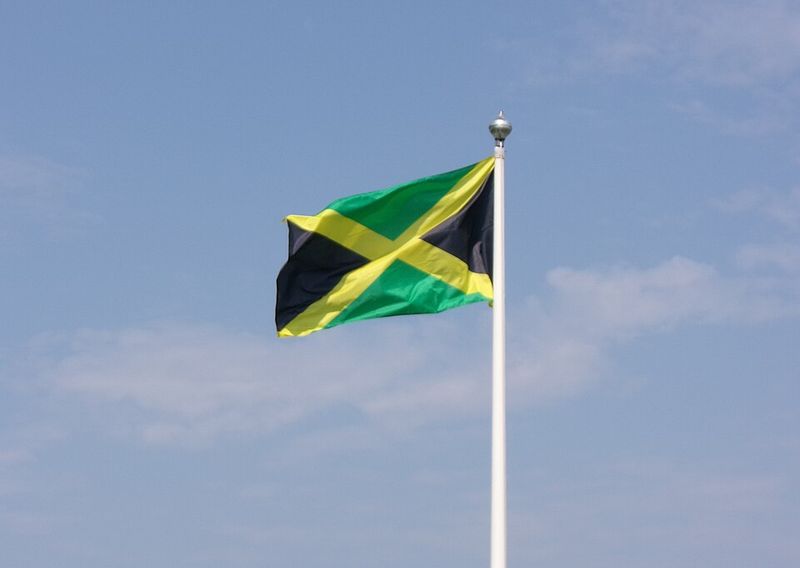
Jamaica’s flag breaks another rule that most national flags follow: it contains no red, white, or blue. When it was adopted at independence in 1962, Jamaica deliberately chose a color scheme that set it apart from the dozens of tricolor flags already in existence.
The result is a bold and unforgettable combination of black, green, and gold arranged in a striking diagonal cross pattern called a saltire.
Black represents the strength and creativity of the Jamaican people, gold stands for the sunshine and natural wealth of the island, and green reflects the lush vegetation and hope for the future. The original design used the phrase Hardships there are but the land is green and the sun shineth as its guiding inspiration.
Jamaica is famous worldwide for its music, culture, and spirit, and the flag captures that vibrant energy perfectly. Bold, original, and impossible to mistake for anyone else’s flag.
12. Scotland

Legend has it that in 832 AD, before a battle against the Angles, the Pictish King Oengus II saw white clouds form a diagonal cross against a vivid blue sky and took it as a sign from St. Andrew, the patron saint of Scotland. His army won, and the image of that white cross on blue became Scotland’s flag.
Whether the story is literally true or not, it has given the Saltire one of the most romantic origin tales of any flag in the world.
The Saltire is also considered one of the oldest national flags still in use, with records of its use dating back to the 12th century. The diagonal cross, or saltire, of St. Andrew is said to reflect the shape of the cross on which the apostle was crucified.
Simple, ancient, and deeply meaningful, Scotland’s flag achieves maximum impact with minimum design. Sometimes two colors and one shape are all you need.
13. Sri Lanka
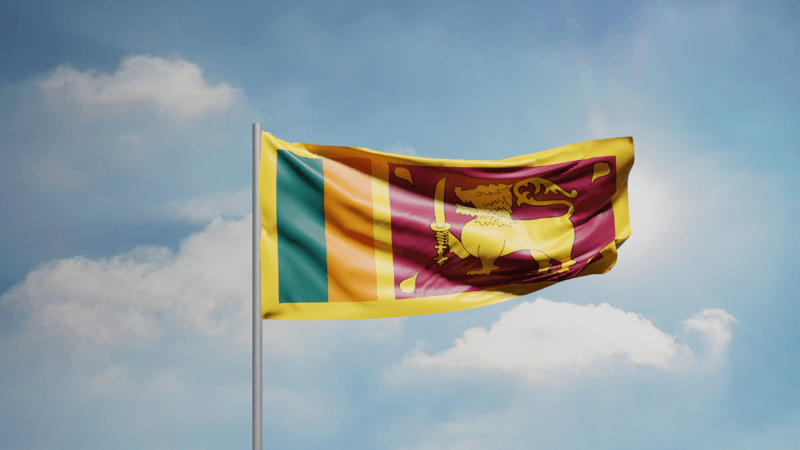
Sri Lanka’s flag is one of the most detailed and visually rich national flags in the world. At its center stands a golden lion holding an upright sword, a symbol that has represented the island nation for over two thousand years.
The lion comes from the ancient Sinhala kingdom and is one of the oldest continuously used national symbols anywhere on the planet.
Four golden bo leaves sit in each corner of the dark crimson background, representing the importance of Buddhism in Sri Lankan life. A golden border frames the lion panel, adding an ornate quality that makes the flag look almost like a royal standard.
Two vertical stripes of green and orange run along the left side, representing the Muslim and Tamil minority communities of the island. Every element was carefully chosen to reflect Sri Lanka’s multicultural identity.
The result is a flag that feels genuinely regal and historically weighty.
14. Bhutan (No. 1)
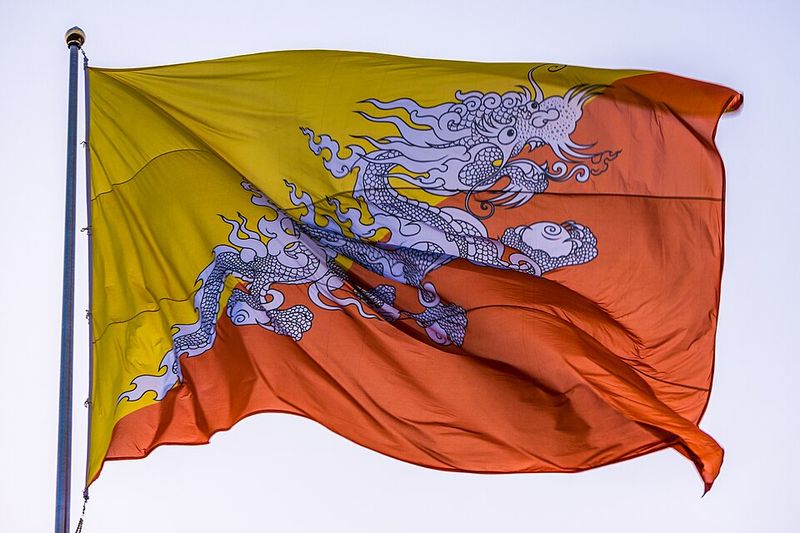
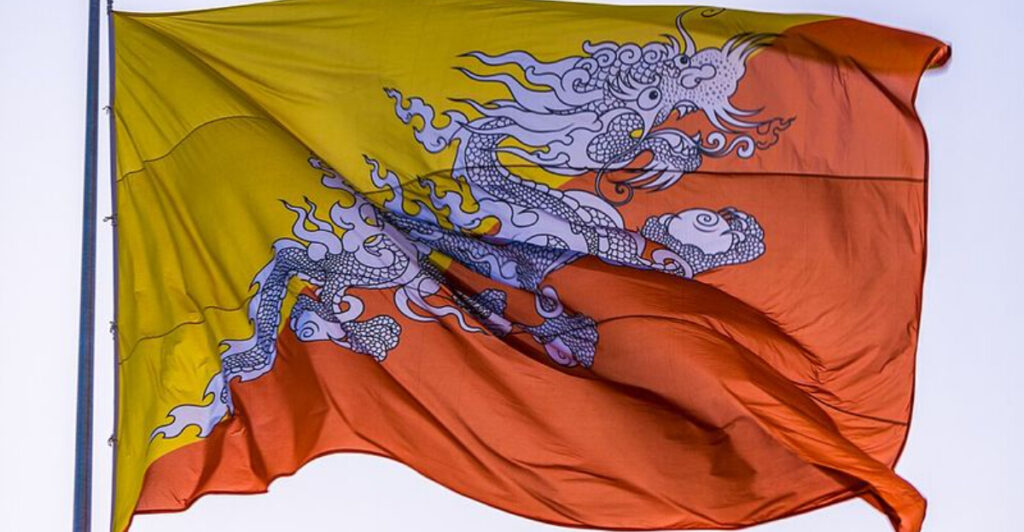
Ranking at the very top of any list of beautiful flags, Bhutan’s Thunder Dragon banner is in a category of its own. The Druk, a mythological dragon from Bhutanese and Tibetan tradition, dominates the flag with its white body, fierce expression, and claw-clutched jewels.
The dragon’s name literally means Thunder Dragon, and in Bhutan the sound of thunder is said to be the roar of the Druk echoing through the Himalayan valleys.
The flag’s bold diagonal split between saffron orange and golden yellow gives it an immediate visual impact that no photograph fully captures. Orange represents the Drukpa monastic tradition and Buddhist spiritual values, while yellow reflects the secular power and authority of the king.
Together they frame a creature that feels alive and powerful. Bhutan’s flag is not just beautiful because of its colors or its dragon but because every detail connects to a living culture that is unlike anywhere else on Earth.
Share this story