 Unearth The Voyage
Wine lovers know that visiting the place where your favorite bottle was born is an unforgettable experience. From rolling hills in France to sun-soaked valleys in Argentina, the world’s best vineyards offer more than just great wine.
They combine history, breathtaking views, and the passion of winemakers who’ve perfected their craft over generations. Whether you dream of tasting rare Pinot Noir in Burgundy or exploring volcanic slopes in Japan, these fifteen legendary estates represent the ultimate journey for anyone who appreciates fine wine.
1. Château Margaux, Bordeaux, France
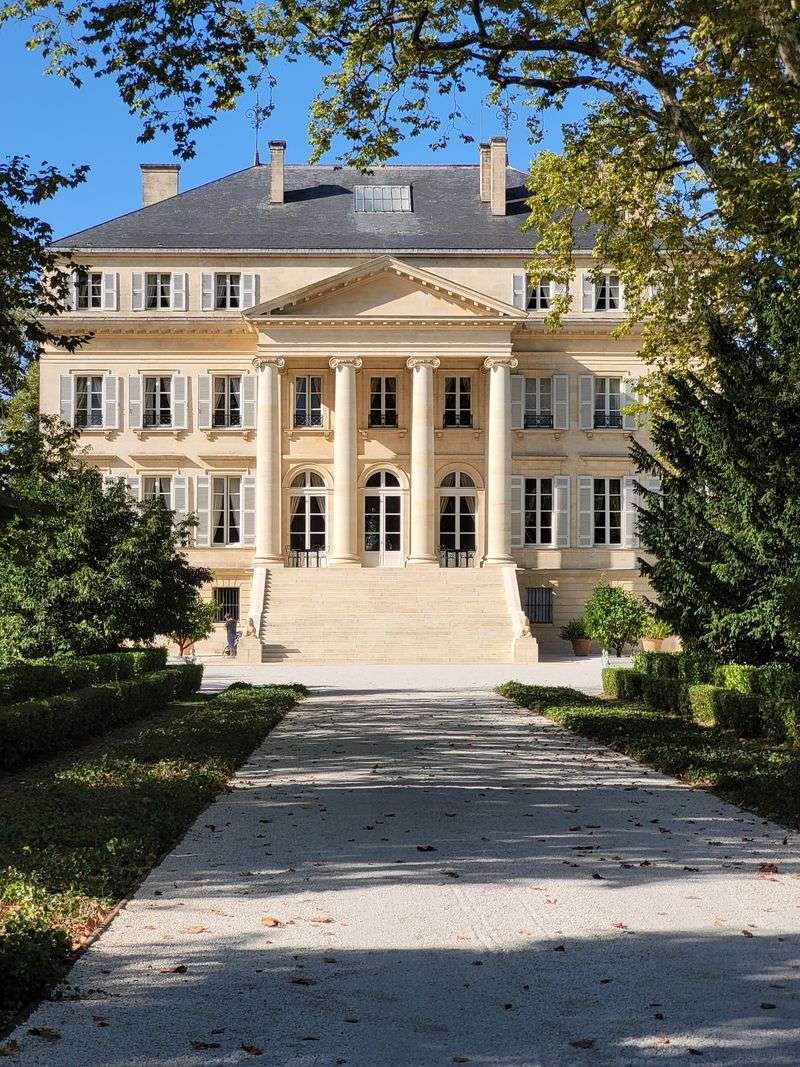
Bordeaux’s crown jewel has been producing exceptional wine since the 16th century. The estate’s neoclassical mansion rises elegantly above perfectly manicured vineyards, creating a scene that looks like it belongs in a painting.
What makes this place truly special is the incredible aging potential of its wines. Some bottles can improve for fifty years or more, developing complex flavors that wine collectors dream about.
The winemaking team uses traditional methods passed down through generations.
Visitors can tour the historic cellars where thousands of oak barrels rest in temperature-controlled rooms. The tasting room offers a chance to sample wines that regularly earn perfect scores from critics.
Walking through these vineyards feels like stepping into wine history, where every bottle tells a story of patience, skill, and dedication to excellence.
2. Domaine de la Romanée-Conti, Burgundy, France
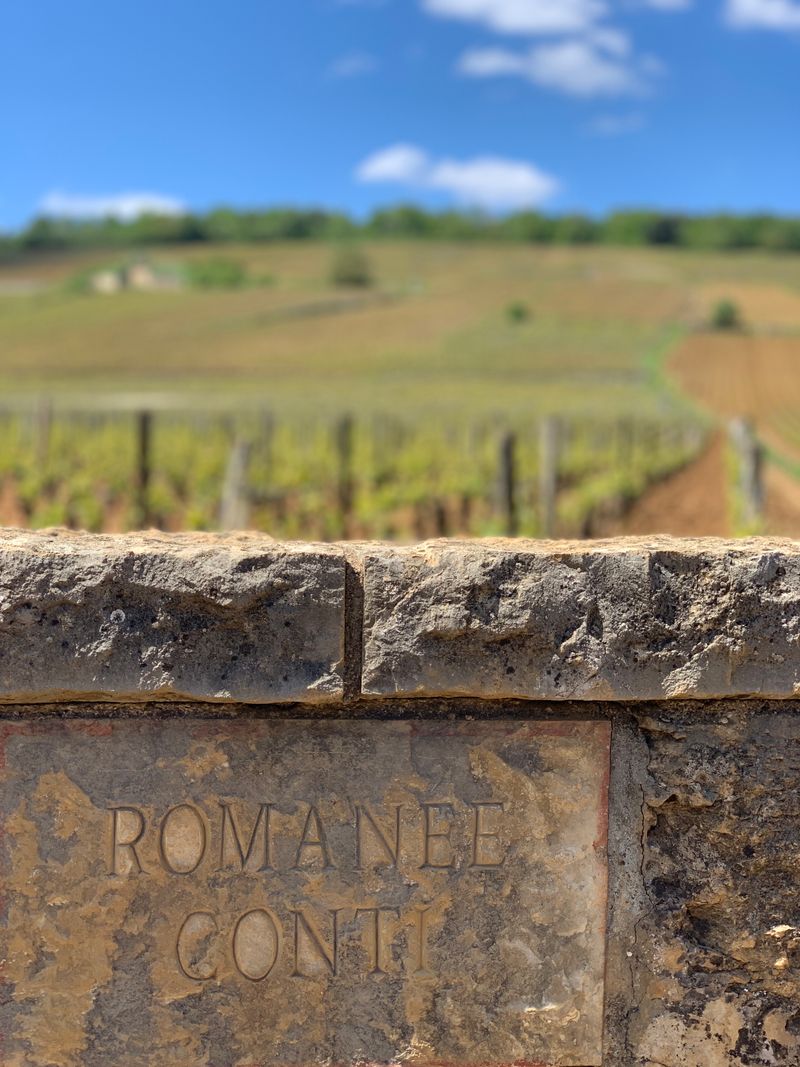
Known simply as DRC among wine enthusiasts, this tiny estate produces some of the planet’s most sought-after bottles. A single bottle can cost thousands of dollars, yet demand always exceeds supply.
The vineyard covers just a few precious acres in Burgundy’s heart.
The secret lies in the exceptional terroir and meticulous attention to every detail. Winemakers treat each vine like a treasured family member, carefully monitoring soil conditions and grape development throughout the growing season.
Only about 6,000 bottles are produced annually from the grand cru vineyard. The Pinot Noir grapes grown here express flavors that wine experts struggle to describe adequately.
Visiting requires advance planning and connections, but tasting these legendary wines remains a once-in-a-lifetime experience that serious collectors never forget.
3. Antinori nel Chianti Classico, Tuscany, Italy
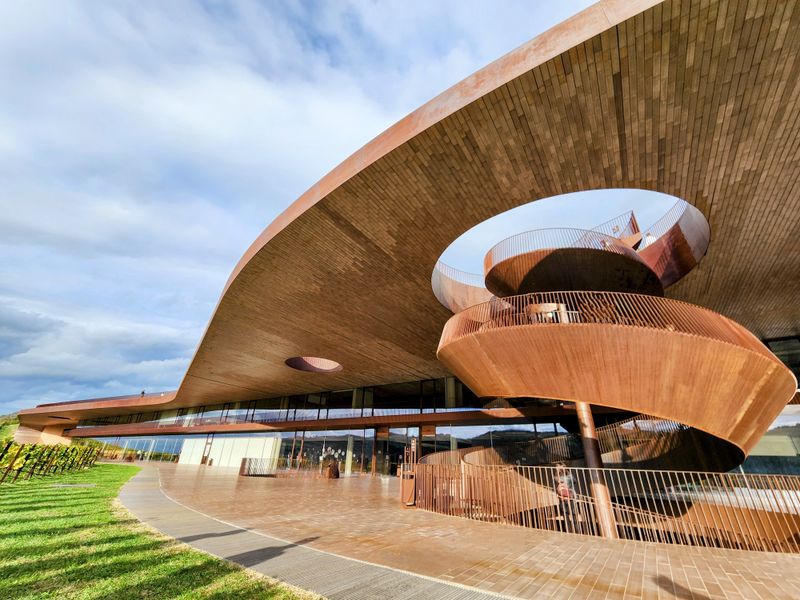
Picture a winery that looks like it arrived from the future, yet honors 600 years of family winemaking tradition. The building seems to emerge from the Tuscan hillside itself, with a stunning terrace offering panoramic views across vine-covered slopes.
The Antinori family has been making wine since 1385, but this modern facility opened in 2012. It combines cutting-edge technology with respect for traditional methods.
The architecture alone makes the visit worthwhile, featuring a spectacular spiral staircase and underground cellars carved into the hill.
Chianti Classico wines produced here showcase the best of Sangiovese grapes. The tasting room and restaurant serve local specialties that pair perfectly with their wines.
This estate proves that innovation and tradition can work together beautifully, creating wines that honor the past while embracing the future.
4. Gaja Winery, Piedmont, Italy
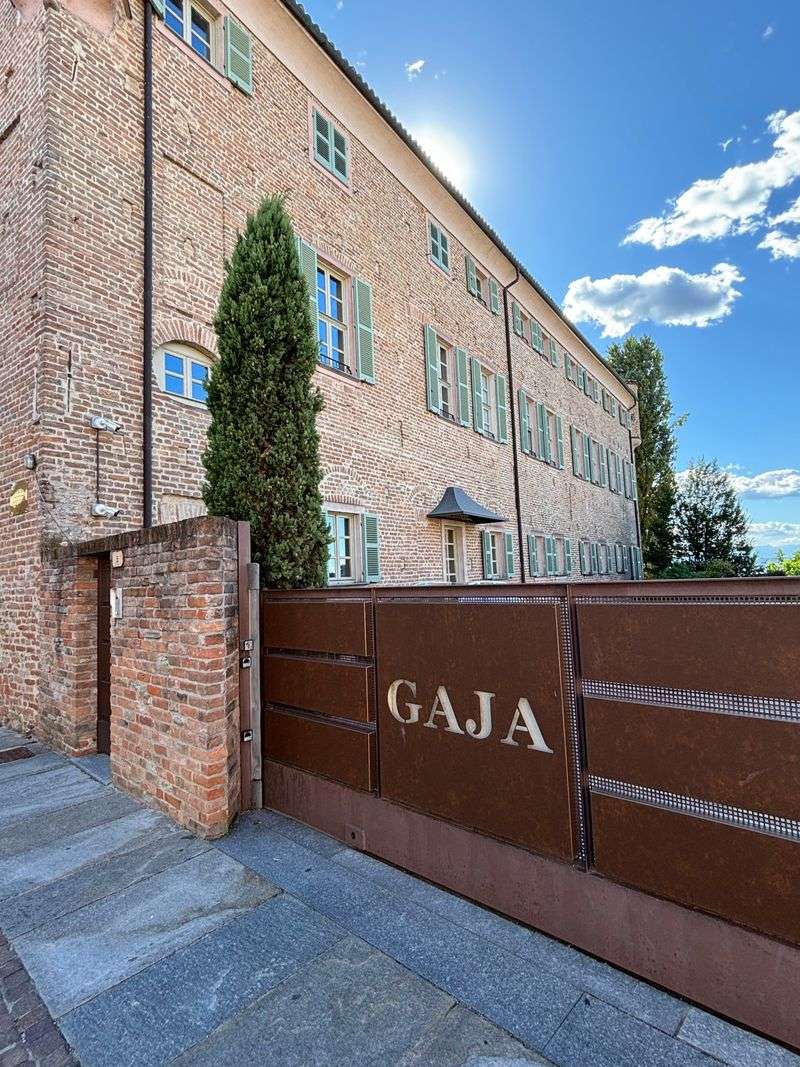
Before Angelo Gaja revolutionized winemaking in the 1960s, few people outside Italy knew about Barbaresco wines. His bold innovations and uncompromising quality standards transformed the region’s reputation forever.
Today, wine critics consider Gaja bottles among Italy’s finest achievements.
The vineyards spread across some of Piedmont’s most favorable slopes, where Nebbiolo grapes thrive in the cool climate. Morning fog rolls through the valleys, giving the region its name and creating perfect conditions for developing complex flavors.
A visit here means experiencing Italian winemaking at its most refined. The family still oversees every aspect of production, from pruning vines to bottling.
Their wines balance power with elegance, showing what happens when passion meets expertise across multiple generations.
5. Bodegas Vega Sicilia, Ribera del Duero, Spain
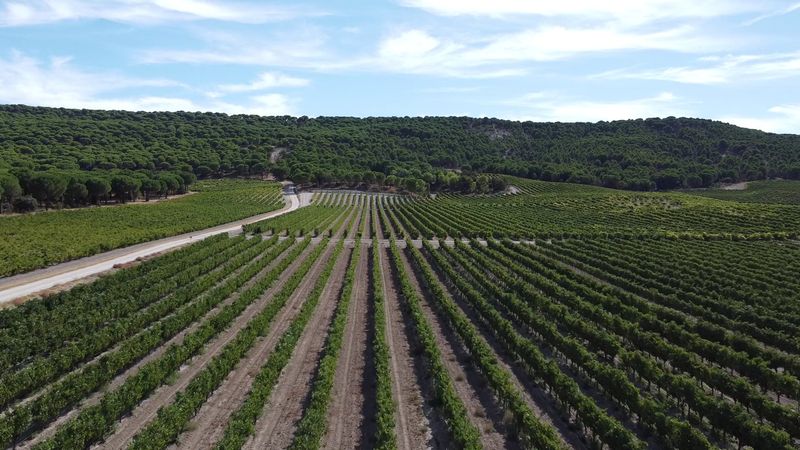
Founded in 1864, this legendary estate has been Spain’s most prestigious winery for over a century. The name Vega Sicilia carries such weight that even people who rarely drink wine recognize it.
Their flagship wine, Unico, ages for at least ten years before release.
The extended aging process is almost unheard of in modern winemaking, where most producers rush wines to market. But patience defines everything here.
Oak barrels and bottles rest in cool cellars while the wine slowly develops extraordinary depth and complexity.
Visiting requires booking months ahead, as access is strictly limited. The estate spans thousands of acres along the Duero River, where extreme temperature swings help grapes develop intense flavors.
Each bottle represents a decade of careful monitoring and waiting, resulting in wines that can age gracefully for another fifty years.
6. Opus One, Napa Valley, California
When Baron Philippe de Rothschild partnered with Robert Mondavi in 1979, they created something unprecedented. This collaboration between French and American winemaking expertise produces consistently outstanding Bordeaux-style blends.
The winery itself resembles a modern temple dedicated to wine.
Visitors approach down a tree-lined drive that builds anticipation perfectly. The tasting room features a dramatic circular design, and tours reveal state-of-the-art facilities hidden beneath classic architecture.
Every detail reflects the pursuit of perfection.
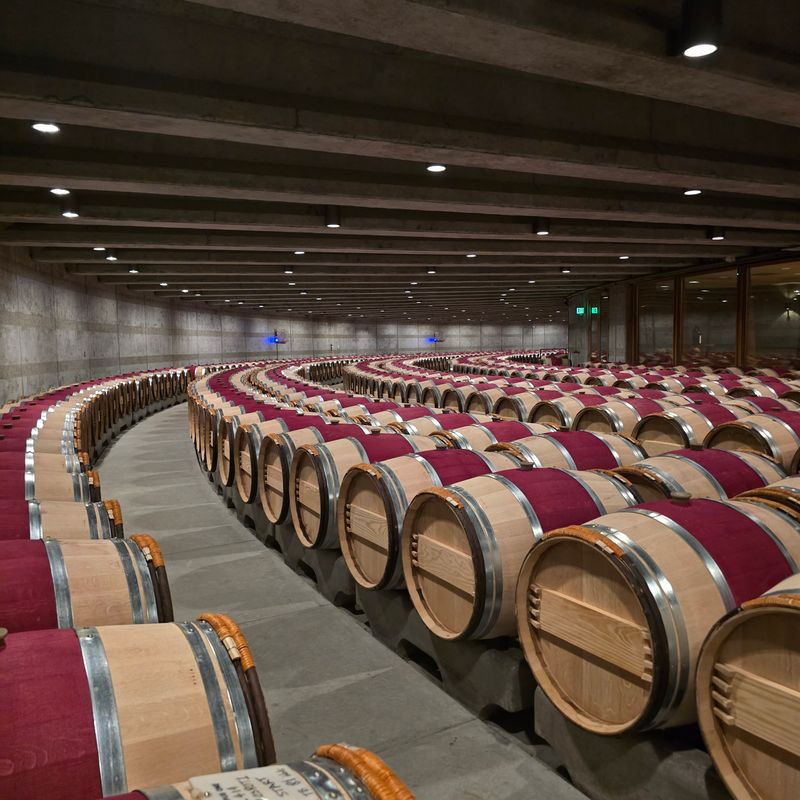
The wine combines Cabernet Sauvignon with other Bordeaux varieties, aged in new French oak barrels. Critics praise its balance and aging potential, often comparing it favorably to top French châteaux.
A single bottle costs several hundred dollars, but tasting at the winery offers a more affordable way to experience this legendary collaboration between two wine worlds.
7. Catena Zapata, Mendoza, Argentina
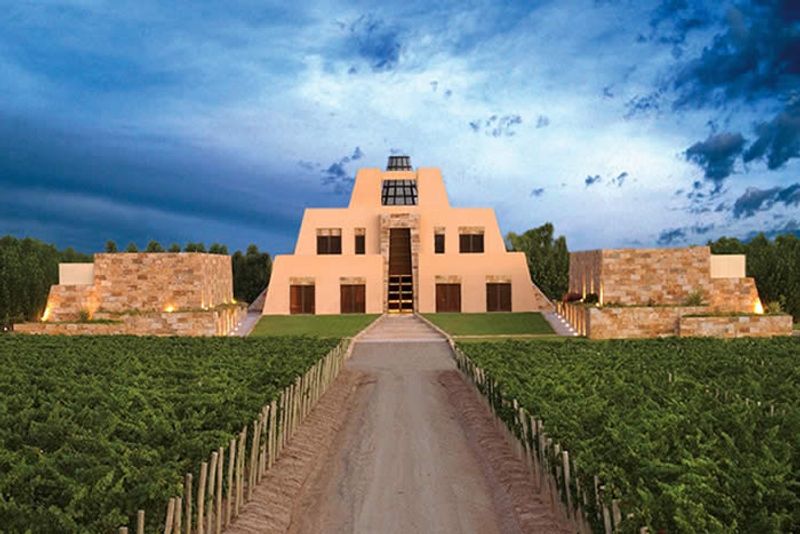
The winery’s distinctive pyramid shape rises dramatically against the Andes mountains, making it one of South America’s most photographed wine destinations. Nicolás Catena pioneered high-altitude viticulture in Argentina, planting vineyards where many thought grapes couldn’t survive.
His gamble revolutionized Argentine wine.
Vineyards climb to elevations above 5,000 feet, where intense sunlight and cool nights create ideal conditions for Malbec. The extreme altitude concentrates flavors while maintaining bright acidity.
Before Catena’s innovations, most people considered Argentine wine inferior to European or Californian bottles.
Today, the estate produces world-class wines that compete with the best from anywhere. Tours include tastings at different elevations, showing how altitude affects flavor.
The tasting room offers stunning mountain views. This family’s dedication transformed an entire country’s wine reputation, proving that innovation and risk-taking can rewrite the rules.
8. Concha y Toro, Chile
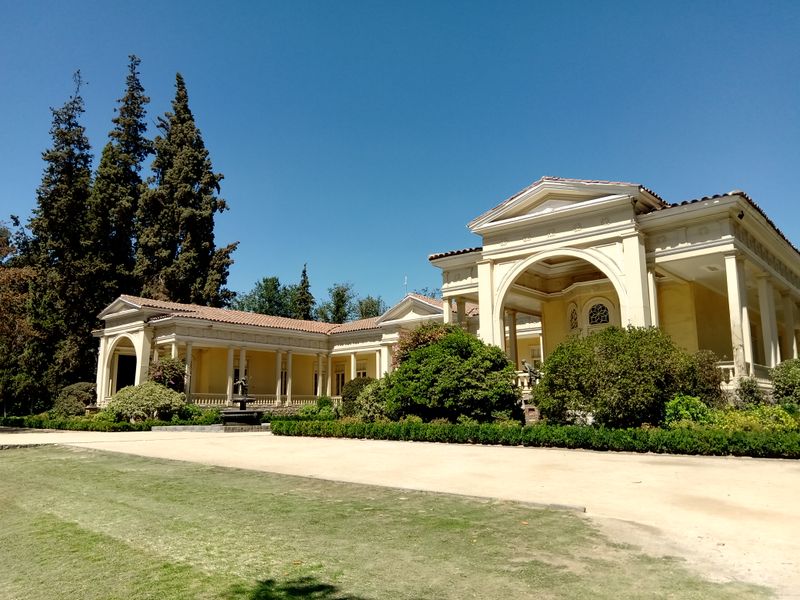
Chile’s largest wine producer might seem too commercial for a bucket list, but their premium labels compete with the world’s finest. The historic Casillero del Diablo legend adds mystery: the founder supposedly spread rumors that the devil lived in his cellar to prevent workers from stealing his best wines.
The main estate near Santiago offers tours through the legendary devil’s cellar, now a popular tourist attraction. But serious wine lovers should focus on their high-end ranges like Don Melchor and Terrunyo.
These wines showcase Chile’s diverse terroirs, from coastal valleys to Andean foothills.
The company’s size allows investment in research and innovation that smaller wineries can’t match. They’ve pioneered sustainable farming practices across thousands of acres.
While you can buy their everyday wines anywhere, visiting the historic estate and tasting their premium offerings reveals why Chile has become a major player in global wine markets.
9. Penfolds, South Australia
Grange, Australia’s most famous wine, was initially rejected by management when winemaker Max Schubert first created it in the 1950s. He continued making it secretly until critics recognized its brilliance.
That rebellious spirit still defines this iconic producer.
The winery draws grapes from across South Australia’s best regions, blending them to achieve consistent excellence. This multi-regional approach was revolutionary, going against the European focus on single vineyards.
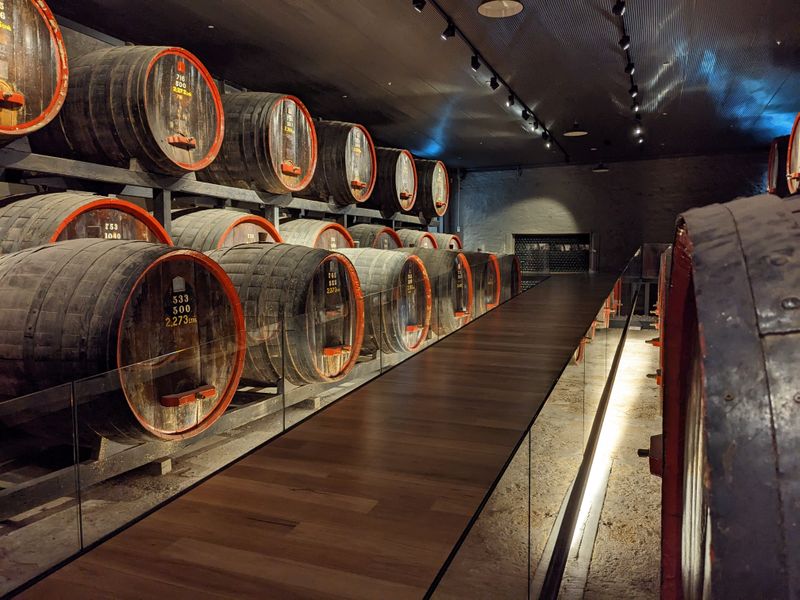
Tours reveal massive barrel halls where thousands of oak casks age wines destined for worldwide acclaim.
Penfolds offers various tasting experiences, from affordable entry-level wines to rare museum releases. The winemaking team maintains detailed records going back decades, allowing them to recreate successful blends year after year.
Visiting means understanding how Australian wine earned global respect through innovation, determination, and refusing to blindly follow Old World traditions.
10. Cloudy Bay, Marlborough, New Zealand
When Cloudy Bay released its first Sauvignon Blanc in 1985, the wine world took notice. Suddenly, New Zealand wasn’t just sheep farms and stunning landscapes.
The wine’s explosive tropical fruit flavors and crisp acidity created a sensation that continues today.
Marlborough’s unique climate produces Sauvignon Blanc unlike anywhere else. Cool nights preserve bright acidity while sunny days develop intense flavors.
The region’s stony soils drain perfectly, stressing vines just enough to concentrate flavors without harming them.
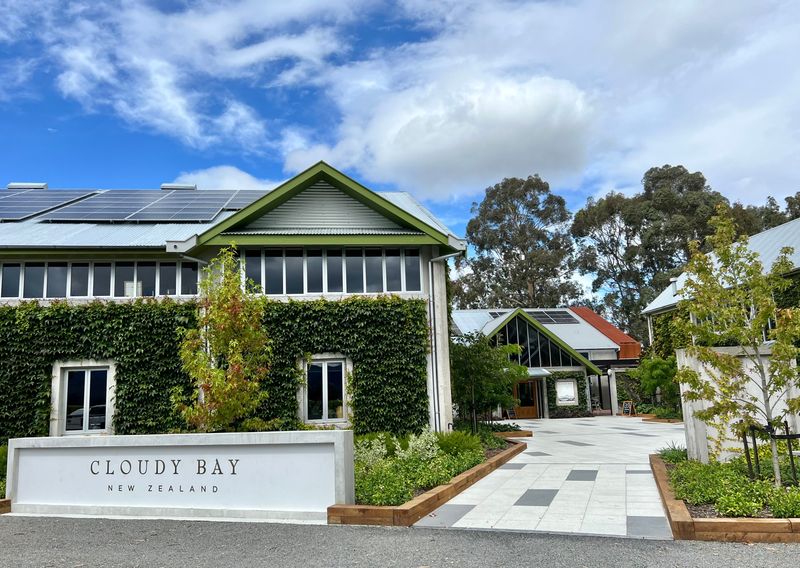
The winery itself combines modern architecture with environmental sensitivity. Large windows frame mountain views, and the tasting room overlooks vineyards stretching toward distant peaks.
Beyond Sauvignon Blanc, they produce excellent Pinot Noir and Chardonnay. Visiting means experiencing the place that put New Zealand wine on the map, transforming a tiny industry into an international powerhouse through one exceptional wine.
11. Kanonkop Wine Estate, Stellenbosch, South Africa
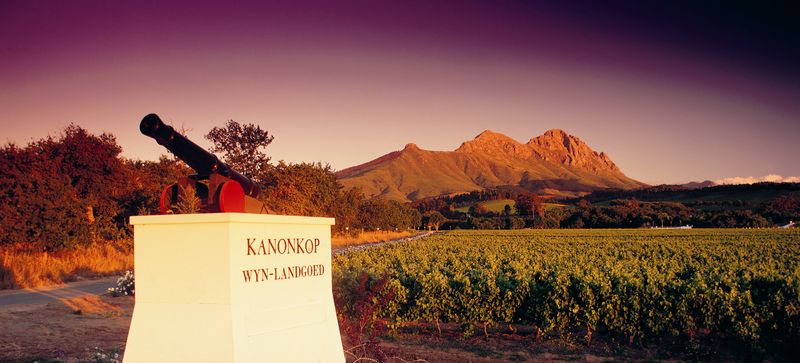
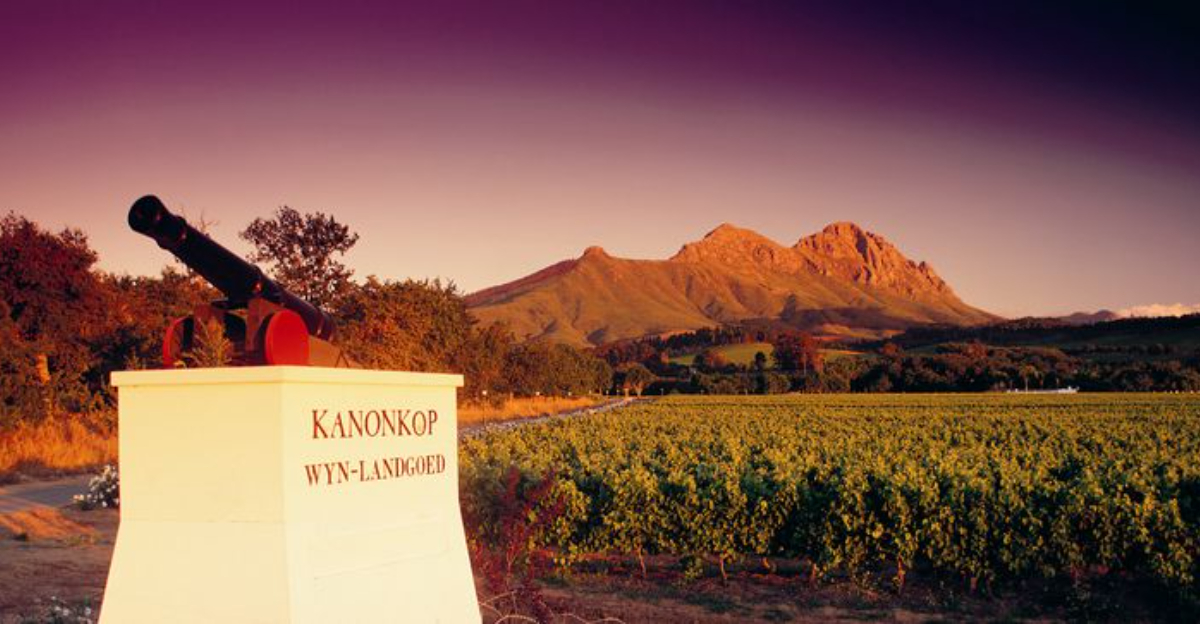
The estate’s historic cannon still fires at noon, continuing a tradition from centuries past when the sound helped farmers track time. This attention to heritage extends to winemaking, where traditional methods produce powerful, age-worthy wines that showcase South Africa’s potential.
Pinotage, a uniquely South African grape variety, reaches its peak expression here. The grape combines Pinot Noir’s elegance with Cinsault’s structure, creating something entirely original.
Kanonkop’s versions regularly win international awards, proving that South Africa can compete with established wine regions.
The Cape Blend, combining Pinotage with Bordeaux varieties, represents another signature achievement. Vineyards benefit from the Cape’s Mediterranean climate and diverse soils.
The tasting room occupies a historic building where thick walls keep wines cool. Visiting offers insight into South African wine history and the country’s ongoing journey toward recognition among the world’s elite producers.
12. Weingut Egon Müller, Mosel, Germany
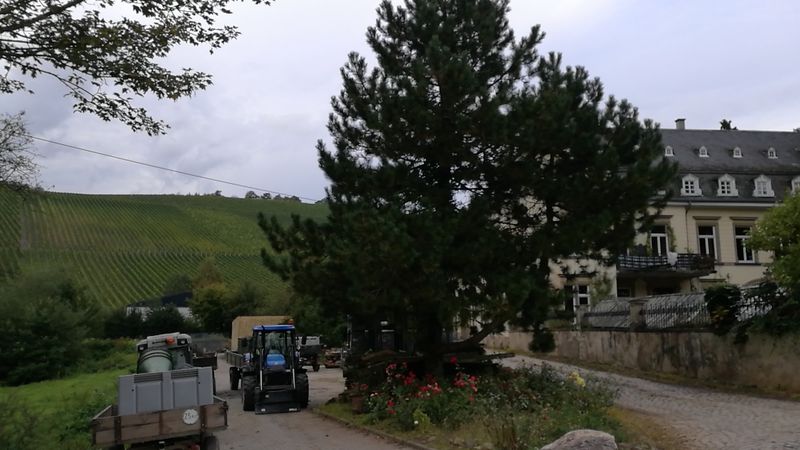
Riesling reaches its absolute pinnacle along the Mosel River’s impossibly steep slopes. Egon Müller’s wines regularly achieve prices that rival Burgundy’s greatest estates.
The Scharzhofberg vineyard has produced wine since Roman times, and the current family has owned it for over 200 years.
The extreme slopes require hand-harvesting because machines can’t navigate the terrain. Slate soils reflect sunlight back onto ripening grapes, helping them develop despite the cool climate.
The best wines balance sweetness with razor-sharp acidity, creating an experience unlike any other wine.
Production is tiny, and most bottles go to long-term customers who’ve waited years for allocation. The wines age beautifully for decades, developing complex honeyed notes while maintaining freshness.
Visiting this remote estate means witnessing winemaking at its most challenging and rewarding, where human effort conquers difficult terrain to create liquid perfection.
13. Quinta do Noval, Douro Valley, Portugal
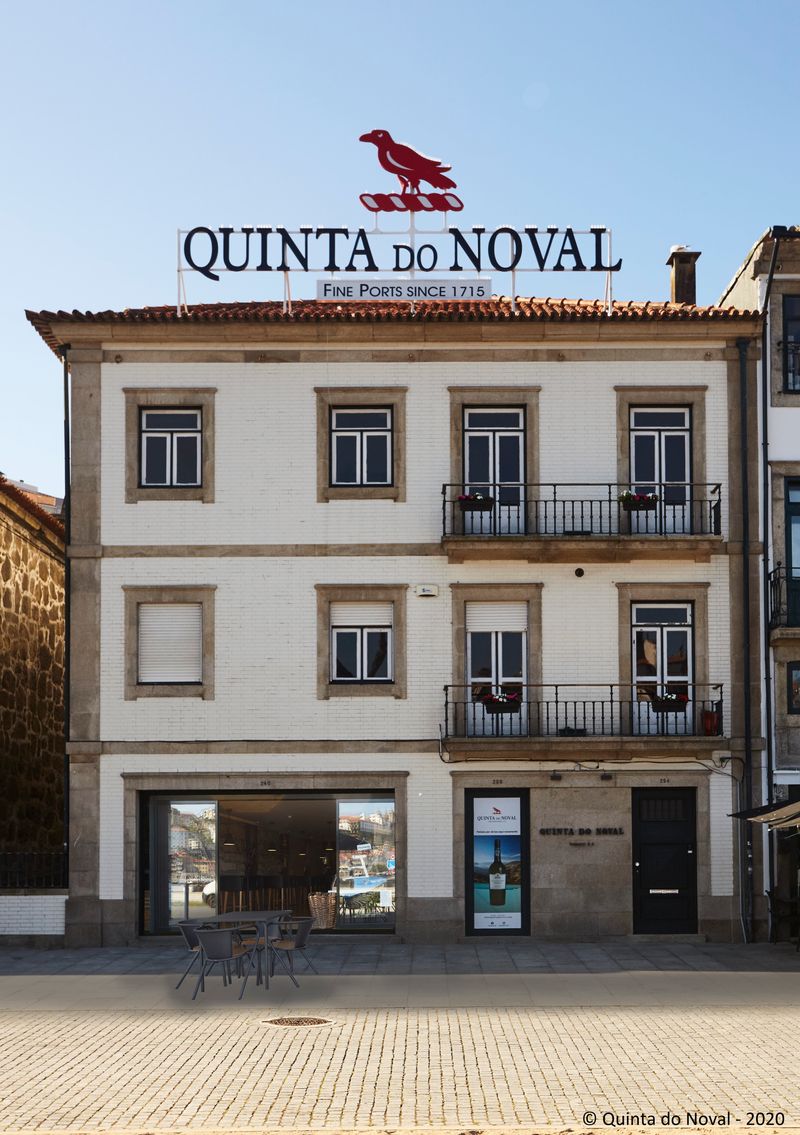
Port wine’s spiritual home lies in the Douro Valley, where terraced vineyards climb impossibly steep hillsides above the winding river. Quinta do Noval has been producing exceptional Port since 1715, making it one of the region’s oldest estates.
Their Nacional vineyard produces legendary vintage Ports from ungrafted vines.
Most European vines were grafted onto American rootstock after phylloxera devastated vineyards in the late 1800s. Nacional’s vines somehow survived, producing grapes with unique character.
The resulting wines are among the world’s most expensive and sought-after.
The estate overlooks the Douro River, where boats once transported barrels downstream to Porto’s wine lodges. Modern visitors can tour the historic cellars and taste various Port styles, from young rubies to ancient tawnies.
The combination of dramatic scenery, rich history, and exceptional wines makes this an essential stop for anyone serious about understanding fortified wines.
14. Grace Winery, Yamanashi, Japan
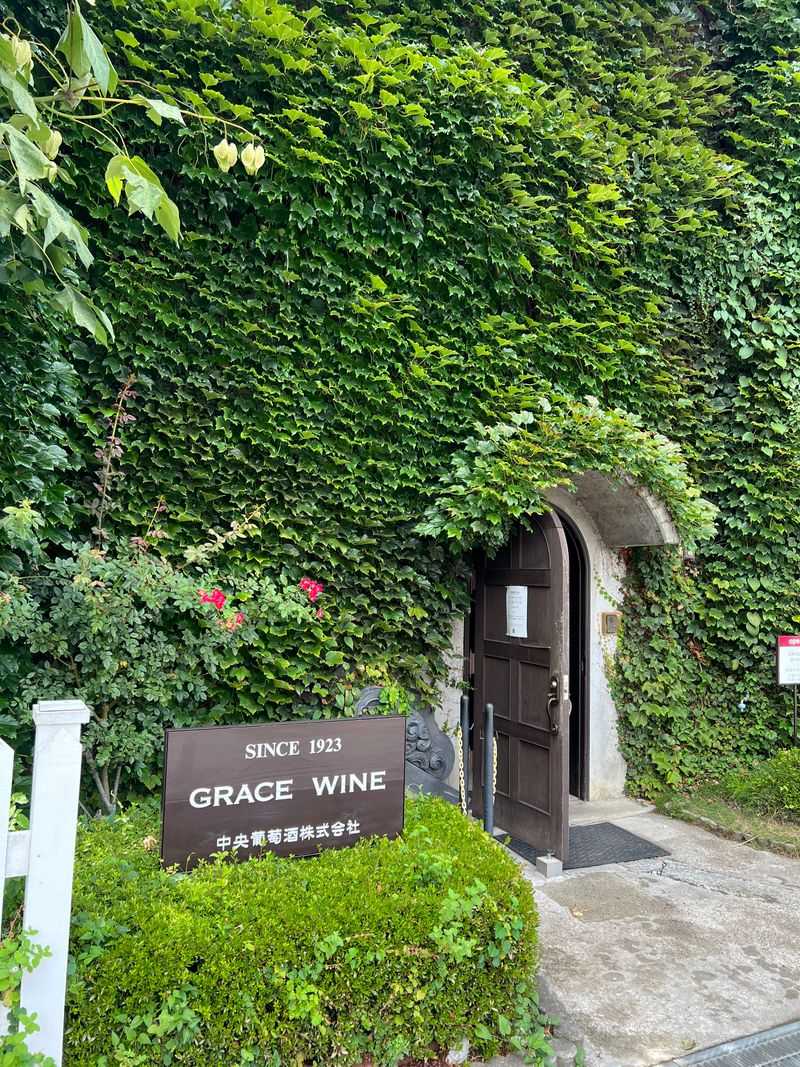
Japan might seem like an unlikely wine destination, but Grace Winery has earned international recognition for its distinctive Koshu wines. This indigenous grape variety produces delicate, food-friendly wines that pair beautifully with Japanese cuisine.
The winery sits in Yamanashi Prefecture, with Mount Fuji visible on clear days.
Koshu grapes have thick skins that help them survive Japan’s humid climate. The resulting wines show subtle citrus and mineral notes rather than bold fruit flavors.
Western critics initially dismissed them, but growing appreciation for food-pairing wines has brought new respect.
The winery combines traditional Japanese aesthetics with modern winemaking technology. Tasting rooms overlook vineyards with mountain views, creating a distinctly Japanese wine experience.
Grace’s success has inspired other Japanese producers and proven that great wine can come from unexpected places. Visiting offers a glimpse into an emerging wine culture that honors local traditions while embracing global standards.



