Some countries have figured out how to make life genuinely good for the people who live there. From excellent healthcare and top-notch education to safe streets and clean environments, these places set the gold standard for quality of life.
Whether you dream of moving abroad or simply want to know how the world measures up, this list covers the countries that consistently rank at the very top. Get ready to explore what makes each of these nations truly stand out.
1. Norway
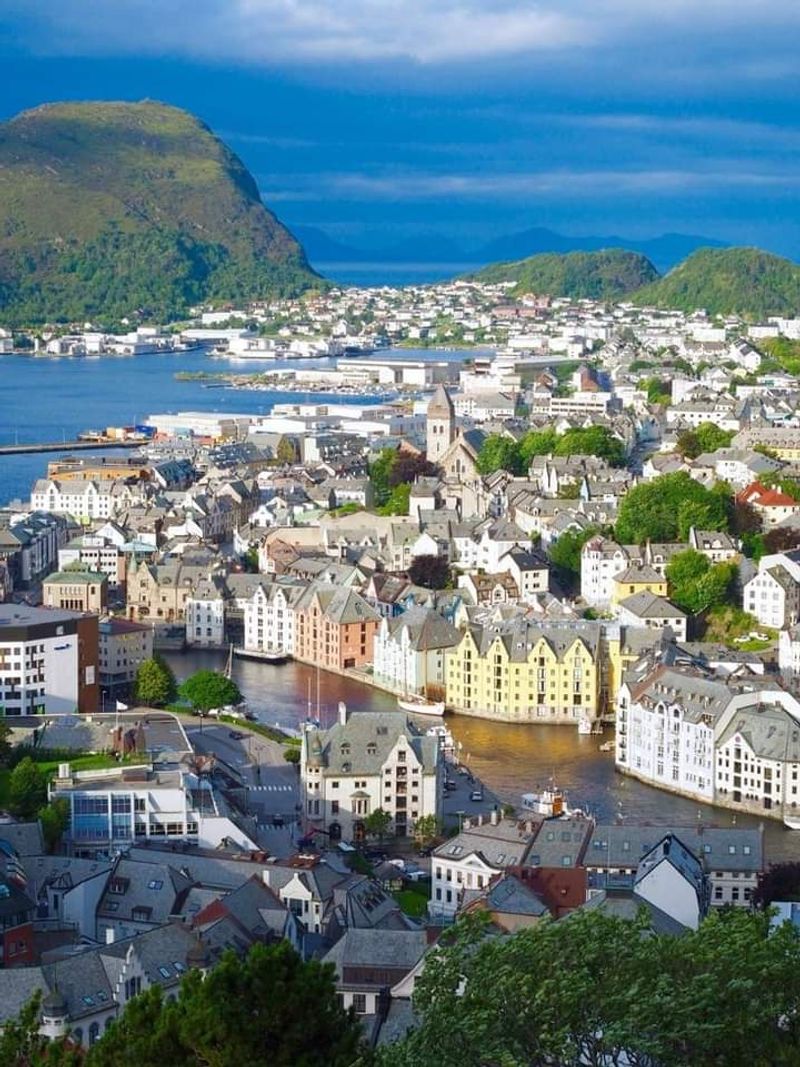
Topping nearly every global quality-of-life index, Norway is the country that seems to have cracked the code on human happiness. Nestled along dramatic fjords and vast forests, this Scandinavian nation offers its residents free university education, universal healthcare, and one of the most generous parental leave policies anywhere on Earth.
Norway’s wealth comes largely from its oil reserves, but the government invests those funds wisely through the world’s largest sovereign wealth fund. That money goes back into public services, pensions, and infrastructure that benefit everyday citizens.
Crime rates are remarkably low, and social trust between citizens and institutions runs unusually high. Workers enjoy strong protections, fair wages, and plenty of vacation time.
Norway also scores at the top for gender equality and environmental sustainability. For anyone seeking a balanced, secure, and fulfilling life, Norway offers a blueprint that few countries come close to matching.
2. Switzerland
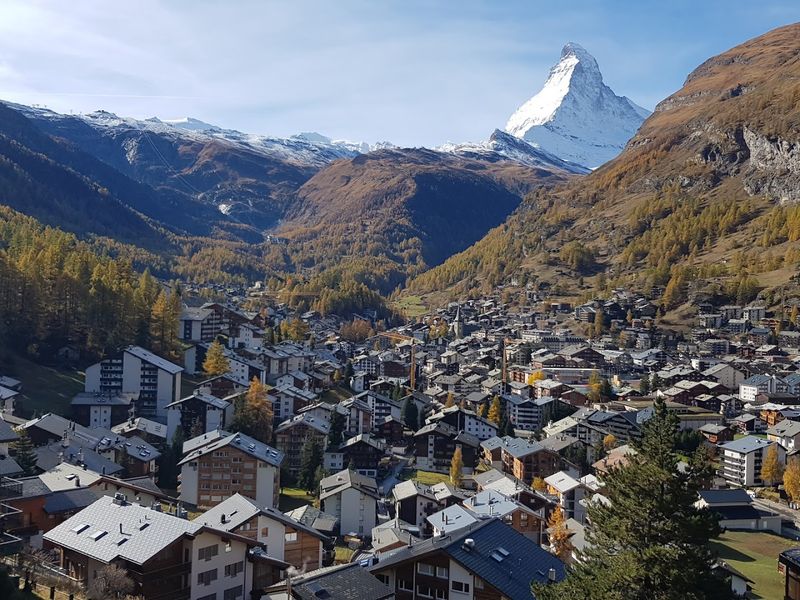
Precision, cleanliness, and reliability are practically built into Switzerland’s national identity. This small, landlocked country in the heart of Europe punches well above its weight when it comes to living standards, consistently ranking among the top three nations globally for quality of life.
The Swiss enjoy some of the highest average salaries in the world, paired with a healthcare system that is thorough and highly effective. Public transportation is so efficient and punctual that missing a train feels almost like a personal failure.
Education is rigorous and widely respected, and the country’s political system gives citizens a direct say in government decisions through frequent referendums. Four national languages reflect a rich cultural diversity that makes Switzerland feel cosmopolitan without being chaotic.
Whether you prefer mountains, lakes, or city life, Switzerland delivers comfort, security, and opportunity in equal measure.
3. Denmark
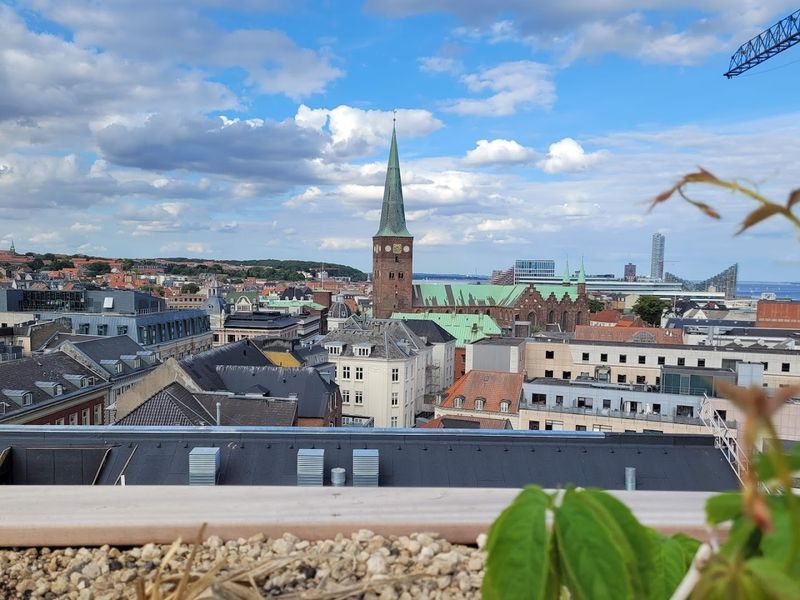
Ask a Danish person how life is going and the answer is likely to be calm, content, and quietly confident. Denmark is the birthplace of the concept of “hygge,” a cozy, feel-good approach to everyday living that prioritizes comfort, togetherness, and simple pleasures over flashy excess.
The country offers free healthcare and free university education, funded by some of the highest tax rates in the world. Danes are happy to pay those taxes because the return on investment is visible everywhere: clean cities, reliable public services, and a strong social safety net that catches people when life gets hard.
Cycling culture is deeply embedded in Danish society, and Copenhagen is regularly named the world’s most bike-friendly city. Work-life balance is taken seriously, with short working hours and generous family leave.
Denmark proves that a well-organized society can make ordinary life feel genuinely extraordinary.
4. Sweden
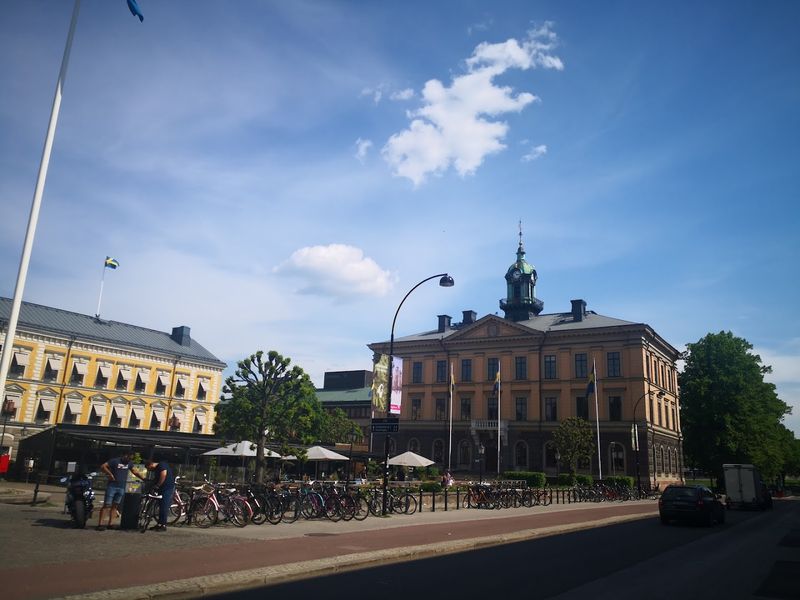
Sweden has long been a global model for how a modern society can balance economic growth with social equality. Known for its progressive values, Sweden offers universal healthcare, heavily subsidized childcare, and free education from preschool through university, making it one of the most family-friendly countries in the world.
The Swedish economy is innovative and export-driven, producing global brands like IKEA, Volvo, and Spotify. Yet despite its corporate success, the country maintains strong labor protections and one of the smallest income inequality gaps among developed nations.
Nature is woven into daily Swedish life through the concept of “allemansratten,” or the freedom to roam, which gives everyone the right to access forests, lakes, and open land. Environmental awareness is high, and sustainability is a genuine national priority.
Sweden blends modern comfort with natural beauty in a way that feels effortless and deeply livable.
5. Netherlands
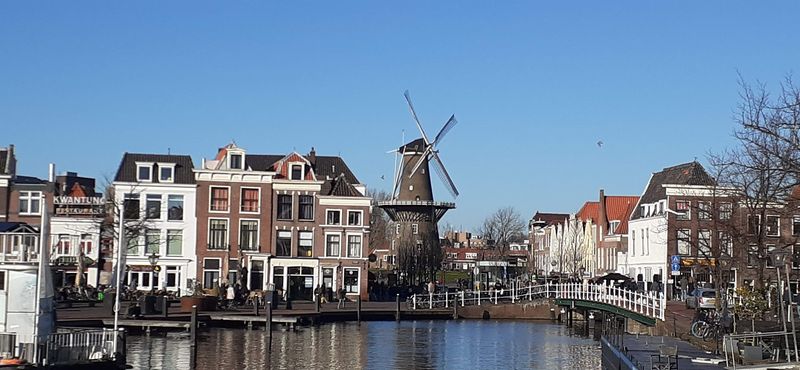
Flat, friendly, and famously practical, the Netherlands has built a society that works smoothly for almost everyone. Dutch citizens enjoy excellent public healthcare, strong social services, and an education system that emphasizes critical thinking and creativity over rote memorization.
The country is one of the world’s leading exporters of agricultural products, which is remarkable for a nation roughly the size of West Virginia. That same spirit of smart engineering extends to how the Dutch have reclaimed land from the sea, literally building parts of their country from scratch.
Amsterdam and other Dutch cities are consistently ranked among Europe’s most livable, thanks to clean streets, vibrant culture, and outstanding public transport. English is spoken widely, making the Netherlands especially welcoming to international residents.
Tolerance, openness, and a no-nonsense attitude toward problem-solving define a country where high living standards feel like a natural outcome of thoughtful governance.
6. Finland
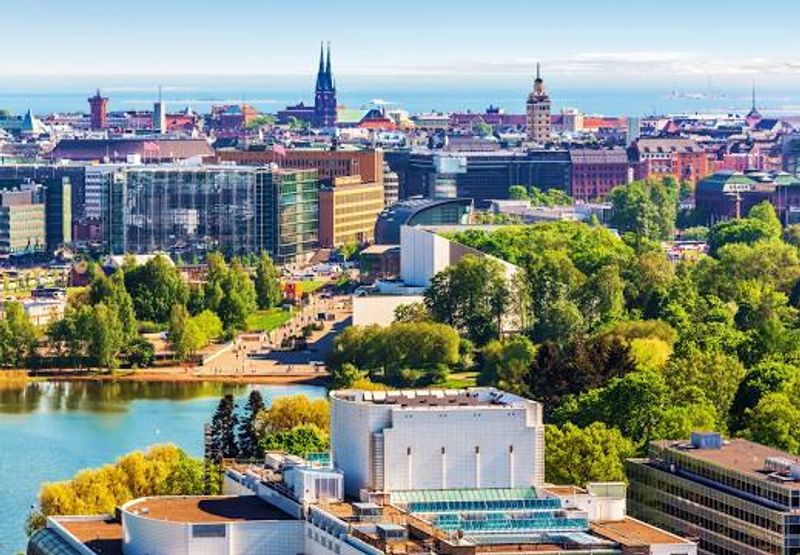
Finland has been named the world’s happiest country for multiple years running, and spending time there makes it easy to understand why. Life in Finland moves at a thoughtful pace, with deep respect for nature, personal space, and quiet contentment that the Finns call “sisu,” a kind of resilient inner strength.
The Finnish education system is world-famous for producing outstanding results without piling stress onto students. Teachers are highly respected professionals, homework is minimal, and children are encouraged to learn through play and exploration.
Healthcare is universal and accessible, and social inequality is among the lowest in Europe.
About 70 percent of Finland is covered in forest, and Finns take full advantage of that natural wealth through hiking, skiing, fishing, and the beloved national ritual of the sauna. Clean air, clean water, and clean governance make Finland a place where life feels honest, balanced, and genuinely rewarding.
7. Iceland

With a population of just over 370,000 people, Iceland punches far above its size when it comes to quality of life. This island nation in the North Atlantic runs almost entirely on renewable geothermal and hydroelectric energy, making it one of the greenest countries on the planet.
Iceland ranks at the very top globally for gender equality, and has done so for over a decade. Women hold prominent positions in business, politics, and public life, and the pay gap is among the narrowest anywhere in the world.
The country has one of the lowest crime rates globally, and police officers rarely carry firearms.
Icelanders enjoy free healthcare, free university education, and a strong culture of reading that makes it one of the most literate nations on Earth. The dramatic landscape of volcanoes, geysers, and the Northern Lights adds a breathtaking backdrop to an already exceptional quality of life.
8. Canada
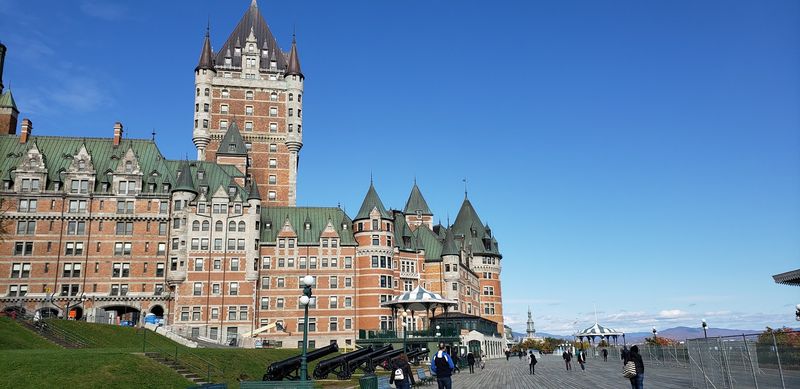
Stretching from the Atlantic to the Pacific and up to the Arctic, Canada is the second-largest country in the world by land area and one of the most welcoming places to build a life. Known for its multicultural cities, polite residents, and stunning natural landscapes, Canada consistently ranks among the top ten nations for quality of life.
Universal healthcare is a cornerstone of Canadian society, ensuring that no one goes without basic medical treatment because of cost. Education standards are high across the country, and Canadian universities attract students from every corner of the globe.
The country’s immigration system is designed to bring in skilled workers and families, making Canada one of the most diverse nations on Earth. Cities like Toronto, Vancouver, and Montreal regularly appear on lists of the world’s most livable urban centers.
Safety, opportunity, and a deep respect for human rights make Canada a genuinely great place to call home.
9. Australia

Sun, space, and a relaxed confidence define life in Australia, a country that has not experienced a recession in nearly three decades. That economic stability has helped fund world-class public services, including Medicare, Australia’s universal healthcare system, and a strong public education network that serves millions of students nationwide.
Australians enjoy one of the highest median household incomes in the world, and the minimum wage is among the most generous globally. The outdoor lifestyle is legendary, with beaches, national parks, and open wilderness providing a natural playground that residents use year-round.
Cities like Sydney, Melbourne, and Brisbane consistently rank among the most livable in the world, offering vibrant arts scenes, diverse food cultures, and efficient public transport. Australia’s multicultural population, built largely through immigration, gives the country a dynamic, open-minded energy.
For those who value both opportunity and quality of life, Australia delivers on both counts with ease.
10. Germany
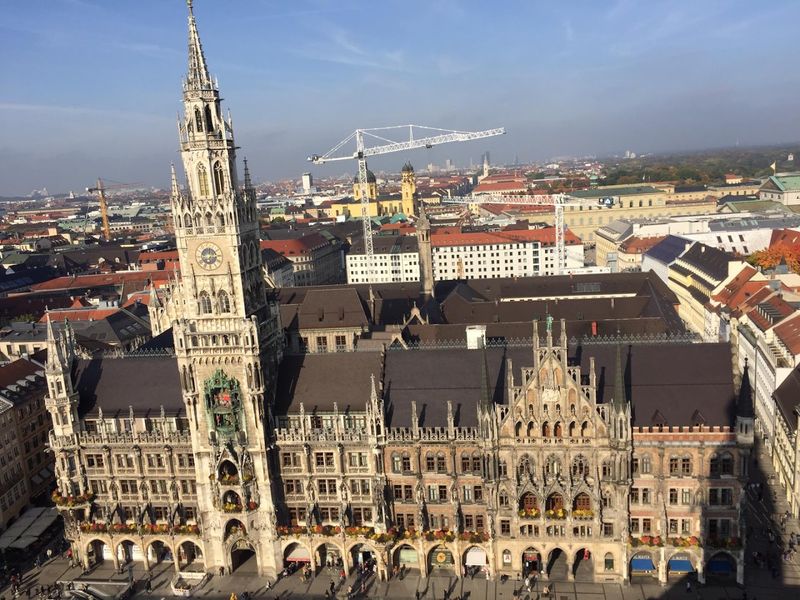
Germany is Europe’s largest economy and a country that takes its responsibilities to citizens seriously. From affordable higher education, most of which is free even for international students, to a robust public healthcare system, Germany has built a society where basic needs are reliably met and personal advancement is genuinely possible.
The German work ethic is well-known, but so is the country’s commitment to work-life balance. Workers are legally entitled to at least 20 vacation days per year, and many employers offer more.
Strong labor unions ensure fair wages and safe working conditions across most industries.
Germany’s infrastructure is excellent, its public transport is efficient, and its cities blend historic charm with modern innovation. Berlin, Munich, and Hamburg each offer distinct cultural experiences with world-class museums, cuisine, and nightlife.
Environmental policies are among the most ambitious in Europe, reflecting a national commitment to a cleaner, more sustainable future for everyone.
11. New Zealand

Remote, breathtaking, and surprisingly progressive, New Zealand has earned its reputation as one of the world’s most desirable places to live. The country became the first in the world to grant women the right to vote back in 1893, and that pioneering spirit of fairness and inclusion still runs through its national character today.
New Zealand offers universal healthcare, strong public education, and a political system known for transparency and low levels of corruption. The economy is stable and diverse, with strengths in agriculture, tourism, and technology creating steady opportunities across regions.
The natural environment is almost impossibly beautiful, from volcanic mountains and geothermal springs to pristine coastlines and ancient forests. Outdoor activities like hiking, surfing, and skiing are part of everyday life for many New Zealanders.
The country’s small size creates a tight-knit community feel, where people genuinely look out for one another and life moves at a human pace.
12. Ireland
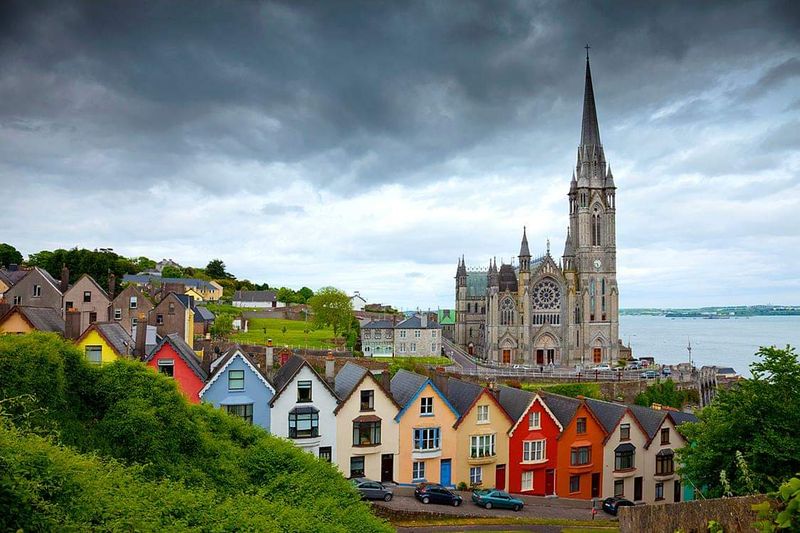
They call it the Emerald Isle for good reason, and it is not just the landscape that makes Ireland shine. Over the past three decades, Ireland has transformed from one of Europe’s poorer nations into one of its wealthiest, with a booming tech sector that has attracted global giants like Google, Apple, and Meta to set up European headquarters in Dublin.
That economic growth has funded significant improvements in healthcare, education, and infrastructure. Irish universities are internationally respected, and the country’s young, highly educated workforce is one of its greatest strengths.
Social services have expanded steadily, and quality of life indicators have climbed sharply upward.
Irish culture is famously warm and community-centered, with a storytelling tradition, vibrant pub culture, and genuine friendliness that makes newcomers feel welcome quickly. The country’s small size means cities, countryside, and coast are never far apart.
Ireland blends old-world charm with modern ambition in a way that feels uniquely its own.
13. Luxembourg
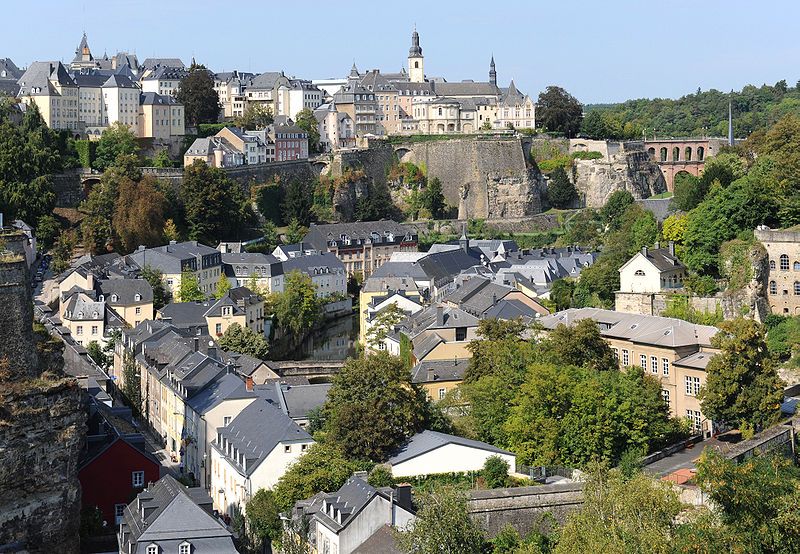
Do not let the small size fool you. Luxembourg covers just over 2,500 square kilometers, making it one of Europe’s tiniest nations, yet it consistently ranks among the world’s top countries for income, healthcare, and overall quality of life.
GDP per capita in Luxembourg is the highest in the entire European Union.
The country’s financial sector is a major driver of that wealth, with Luxembourg serving as a leading global hub for investment funds and banking. That prosperity flows into exceptional public services, including free public transport nationwide, a policy Luxembourg introduced for all residents in 2020.
Education is multilingual, with children often learning Luxembourgish, French, and German simultaneously. The country is deeply international, with over 47 percent of its population made up of foreign nationals.
Despite its compact size, Luxembourg offers a rich cultural life, beautiful landscapes, and a standard of living that rivals any nation on this list.
14. Singapore

Singapore is proof that a small city-state with no natural resources can become one of the most prosperous and well-organized places on the planet through smart governance, strategic thinking, and relentless investment in its people. Since gaining independence in 1965, Singapore has risen from a developing port town to a global financial powerhouse in just two generations.
The healthcare system blends public and private care into a model that delivers excellent outcomes at reasonable cost. Education is rigorous and highly competitive, producing students who consistently rank among the world’s best in math and science.
Cleanliness and safety are near legendary, with streets and public spaces that are spotlessly maintained.
Changi Airport is repeatedly voted the world’s best, and public transport in Singapore is fast, affordable, and remarkably reliable. The city’s multicultural mix of Chinese, Malay, Indian, and Western influences creates a food scene and cultural energy that is unlike anywhere else on Earth.
15. Austria
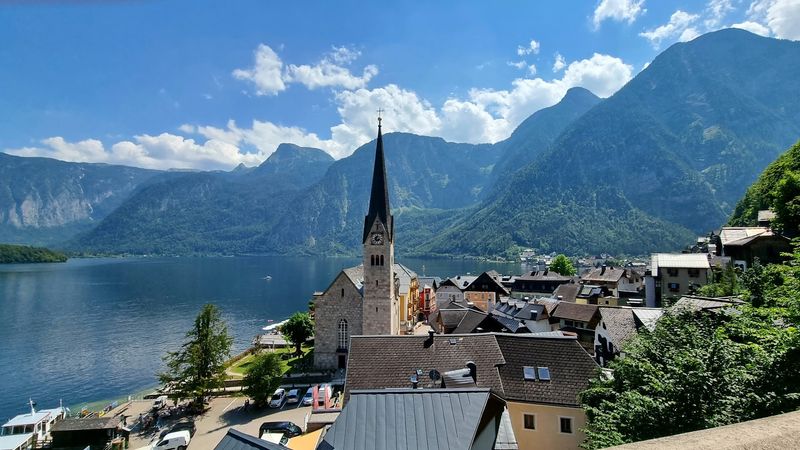
Vienna, Austria’s elegant capital, has been named the world’s most livable city by the Economist Intelligence Unit for multiple years in a row, and the rest of the country more than lives up to that reputation. Austria blends centuries of imperial history with a modern, well-functioning welfare state that takes care of its residents from birth through old age.
Healthcare is universal and high quality, education is free through university level, and public infrastructure is consistently well-maintained. The Austrian pension system is generous, making retirement genuinely comfortable for most citizens.
Workers enjoy strong legal protections and one of the shortest average working weeks in the European Union.
Cultural life in Austria is extraordinary, from classical music concerts and world-class museums to ski resorts and alpine hiking trails. The country’s central location in Europe makes travel easy, and its stable, low-crime environment makes daily life feel secure and pleasant.
Austria quietly delivers one of the finest quality of life experiences in the world.
Share this story