 Unearth The Voyage
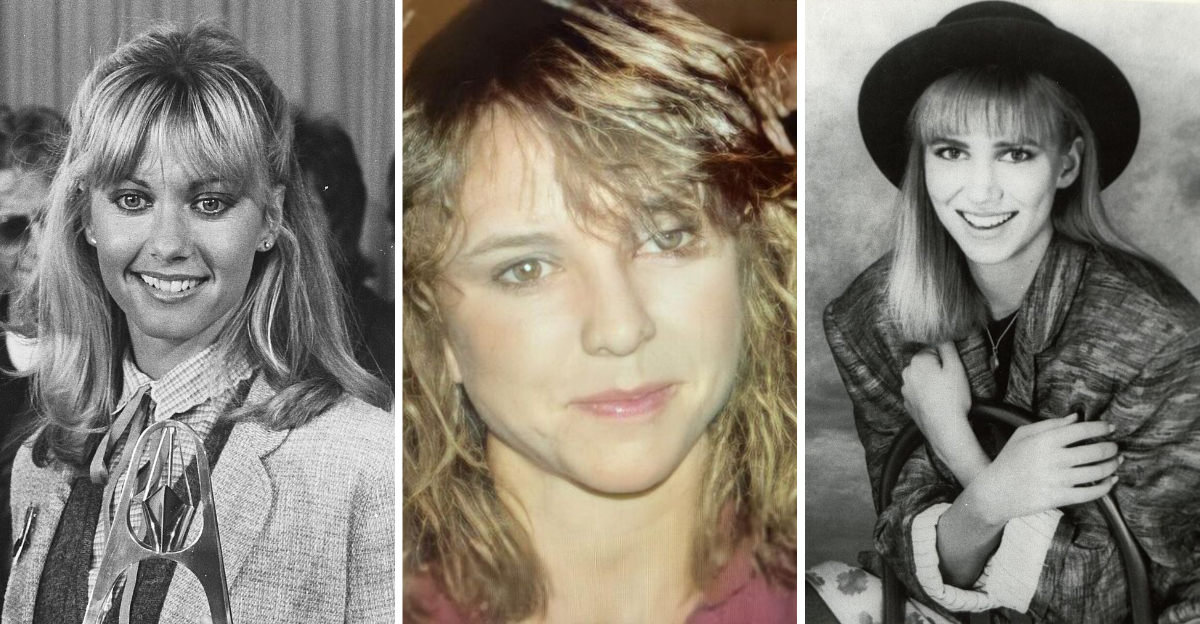
From bedroom posters to chart-topping hits, female teen idols shaped the pop culture landscape across three unforgettable decades. The ’70s, ’80s, and ’90s each had their own brand of girl-next-door stardom, producing icons who felt like best friends to millions of fans.
These young women ruled TV screens, movie theaters, and radio stations before social media even existed. Looking back at their rise is a fun trip through some of the most exciting years in entertainment history.
1. Marie Osmond
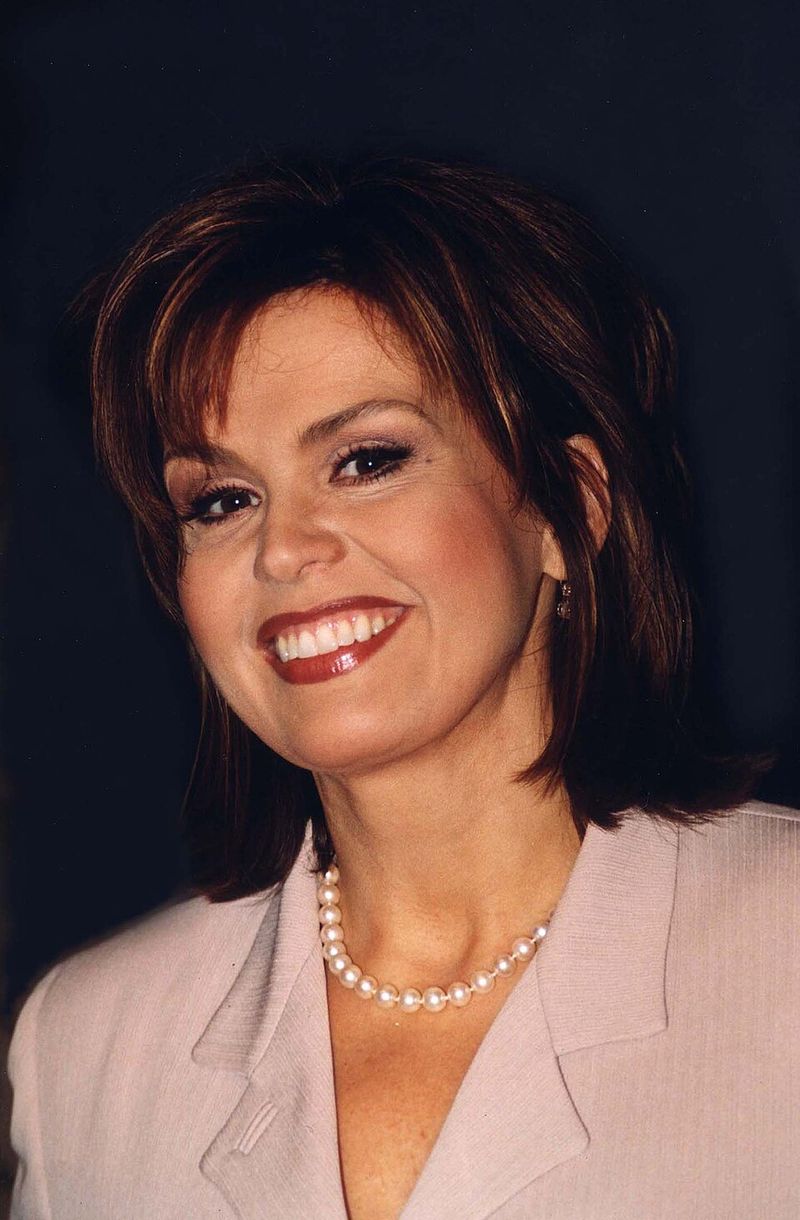
Before there were pop princesses dominating streaming platforms, there was Marie Osmond charming the entire country with her bubbly smile and powerful voice. She released her debut single “Paper Roses” in 1973 at just 13 years old, and it shot straight to the top of the country charts.
Fans could not get enough of her wholesome, girl-next-door energy.
Alongside her brother Donny, she co-hosted the wildly popular variety show “Donny and Marie,” which aired from 1976 to 1979. Teen magazines plastered her face on their covers almost every month.
She was one of the first entertainers to turn a TV hosting gig into a full-blown teen idol moment. Marie proved that you could be talented, funny, and relatable all at once, setting a standard that many young performers would try to follow for years to come.
2. Susan Dey
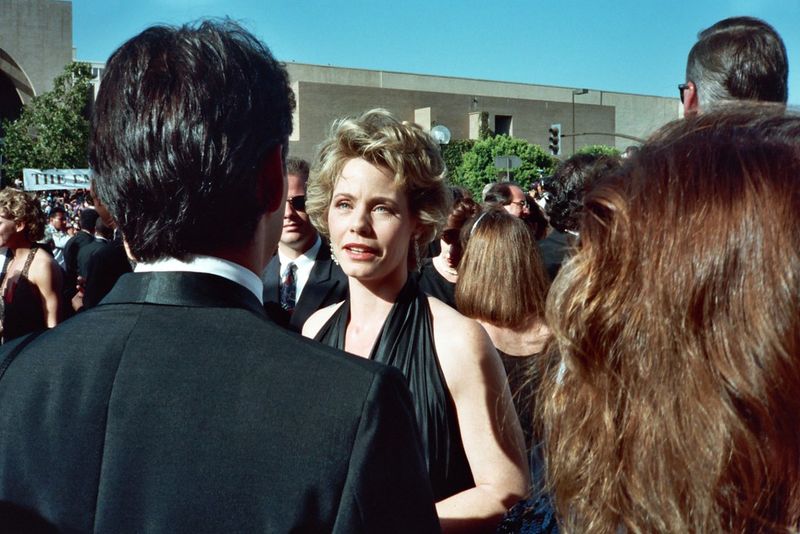
Long before binge-watching was a thing, kids across America would rush home every Friday night to catch Susan Dey on “The Partridge Family.” Playing the sweet and sensible Laurie Partridge starting in 1970, she became one of the most recognizable teen faces on television almost overnight. Her natural charm made her feel like someone you actually knew.
Teen magazines could not stop featuring her, and fan mail poured in by the thousands. What made Susan stand out was her ability to play a character that felt real, not just a TV fantasy.
She balanced schoolwork storylines with musical performances in a way that resonated with young viewers everywhere. Even after the show ended, her influence lingered, and she later earned critical praise for her dramatic work on “L.A.
Law.” Susan Dey was truly one of the ’70s most beloved TV sweethearts.
3. Jodie Foster
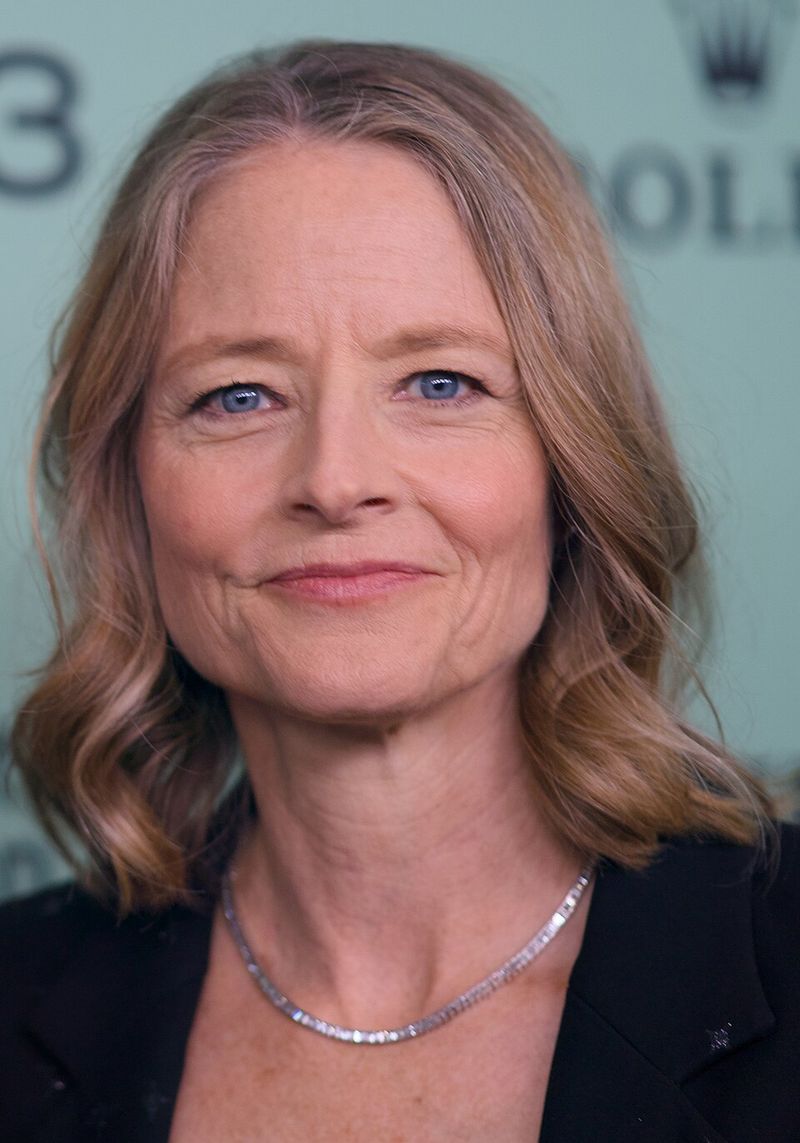
Most child actors fade into the background once they hit their teen years, but Jodie Foster did the exact opposite. By the mid-’70s, she had already appeared in serious, critically acclaimed films that left audiences stunned by her maturity and raw talent.
Her role in “Taxi Driver” (1976) sparked national conversations about young performers taking on complex material.
She also showed her lighter side in Disney’s “Freaky Friday” the same year, proving she could handle both dramatic and comedic roles with equal skill. Teen and entertainment magazines covered her constantly, fascinated by a girl who seemed wise beyond her years.
What made Jodie truly remarkable was her refusal to be put in a box. She went on to attend Yale University while still a working actress, showing the world that brains and stardom were never mutually exclusive.
She remains one of Hollywood’s most respected figures.
4. Kristy McNichol
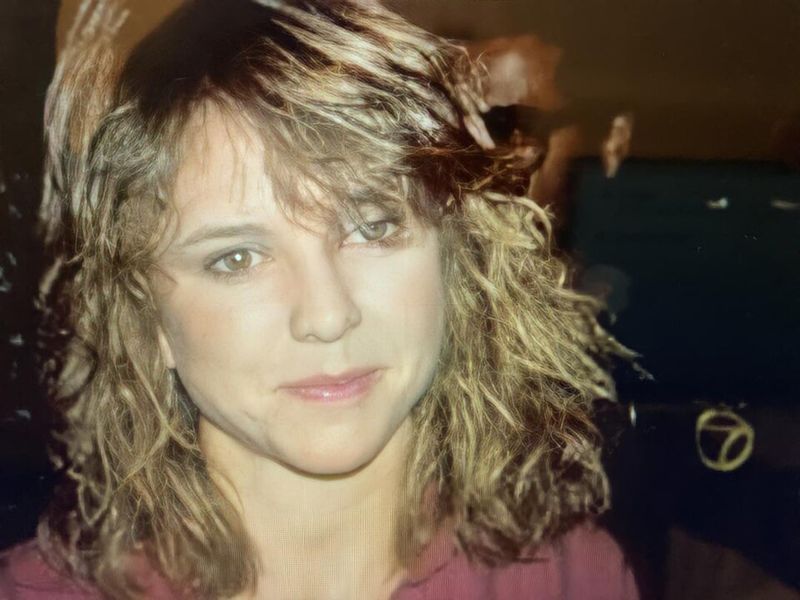
At just 14 years old, Kristy McNichol broke onto the scene in the family drama series “Family” in 1976, and audiences were immediately hooked. Her portrayal of tomboy Buddy Lawrence felt refreshingly honest at a time when most TV teens were polished and picture-perfect.
She won two Emmy Awards before she even turned 18, which was practically unheard of.
Teen fans loved her because she felt like a real kid, not a manufactured star. She had an easygoing personality that came through in every performance, whether she was delivering a heartfelt dramatic moment or a quick laugh.
Beyond “Family,” she appeared in popular films and variety specials that kept her name at the top of teen magazine polls throughout the late ’70s. Kristy McNichol was the kind of star who made you feel like everything was going to be okay just by watching her on screen.
5. Olivia Newton-John
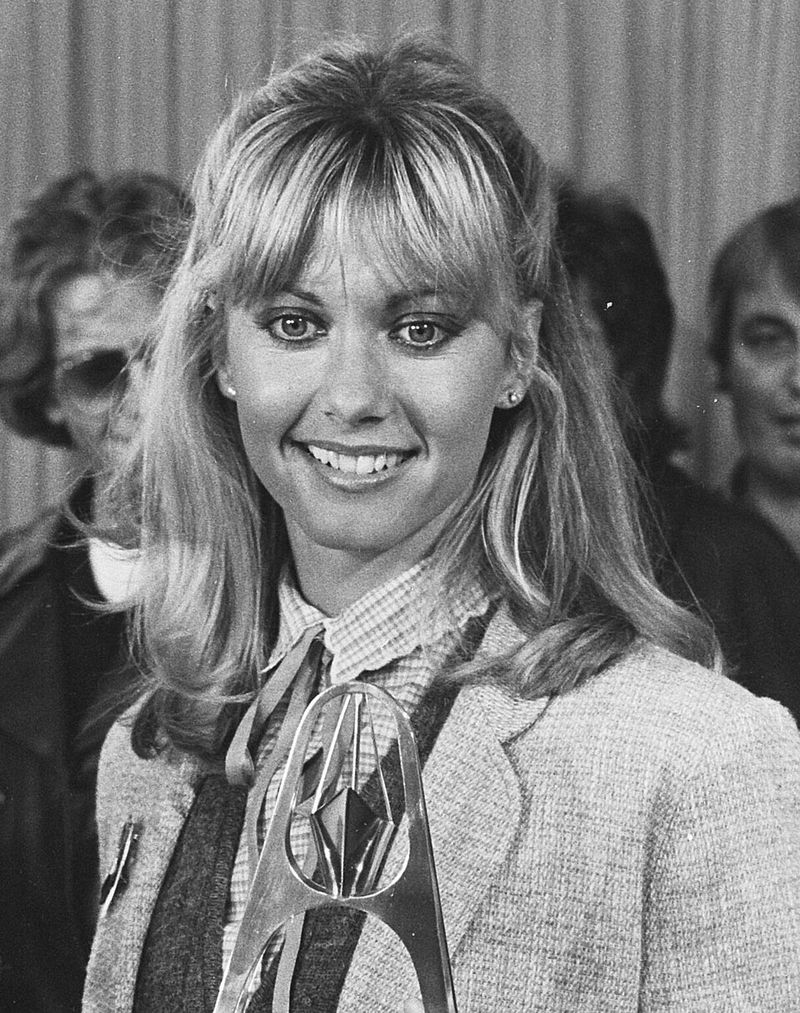
Few moments in pop culture history hit as hard as Olivia Newton-John strutting out in those black pants at the end of Grease in 1978. Even though she was in her late twenties during filming, she became the ultimate fantasy for an entire generation of teenagers who wanted to be her or be with her.
The Grease soundtrack became one of the best-selling movie albums of all time.
Her follow-up hit “Physical” in 1981 cemented her place as a pop powerhouse, but it was her Sandy persona that teens truly adored. She had a warmth and sincerity that translated effortlessly on screen and on record.
Teen magazines embraced her as a cover staple throughout the late ’70s and into the ’80s. Olivia Newton-John was not just a pop star; she was a cultural touchstone that an entire generation of young fans grew up loving and looking up to.
6. Brooke Shields
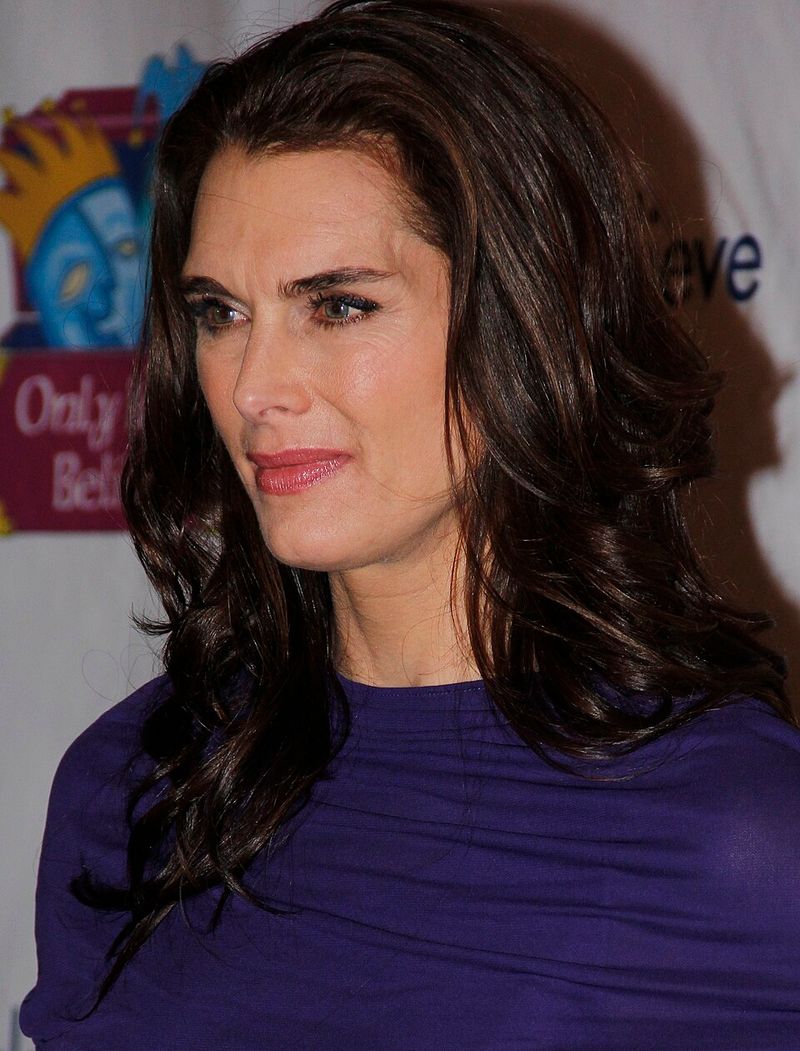
By the time Brooke Shields was 15, her face had already appeared on the covers of more magazines than most models see in a lifetime. She became a global sensation after starring in “Pretty Baby” and “Blue Lagoon,” films that generated enormous attention and made her one of the most talked-about young actresses in the world.
Her striking looks were impossible to ignore.
Her Calvin Klein jeans campaign became one of the most memorable ad moments of the early ’80s, with the tagline that had everyone talking. Teen magazines featured her constantly, and she represented a kind of glamorous, aspirational beauty that felt both unattainable and inspiring.
Despite the intense media scrutiny that came with her early fame, Brooke handled the spotlight with remarkable composure. She later attended Princeton University, reinforcing the idea that beauty and intellect could absolutely coexist in the same dazzling package.
7. Molly Ringwald
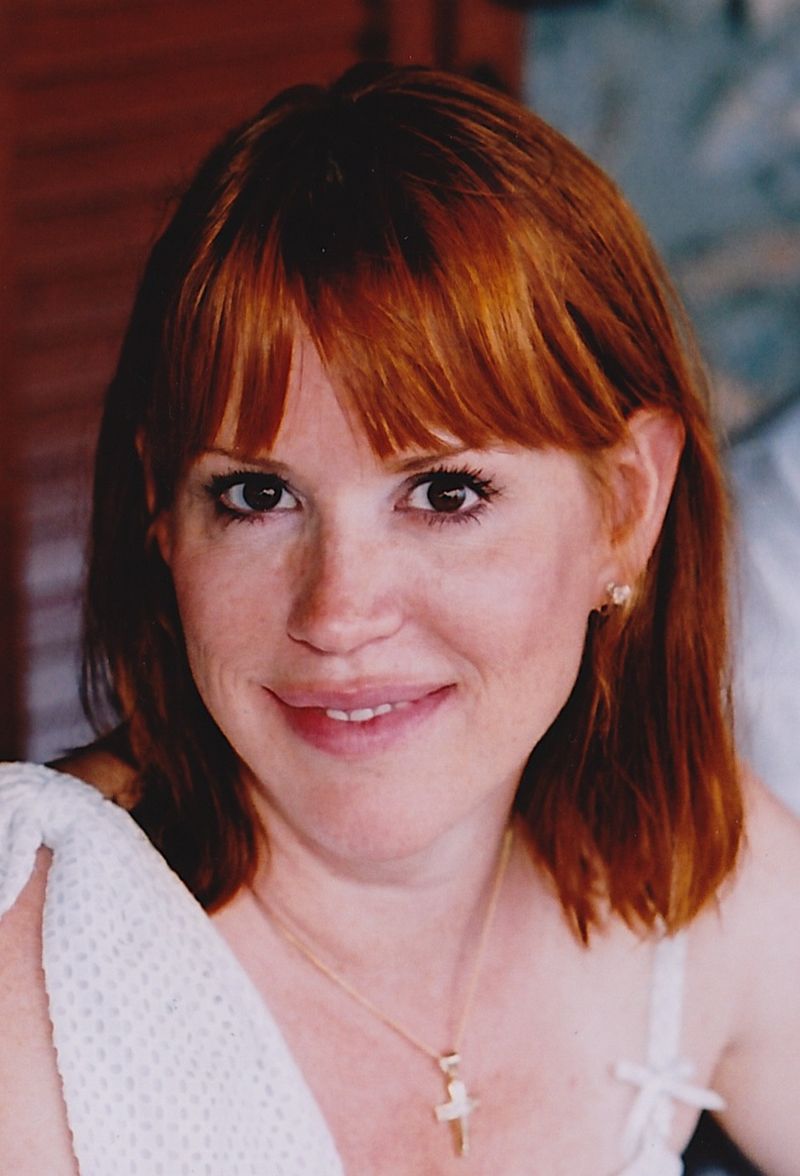
If the 1980s had a queen, it was Molly Ringwald. Director John Hughes seemed to build an entire cinematic universe around her, casting her in “Sixteen Candles” (1984), “The Breakfast Club” (1985), and “Pretty in Pink” (1986) in quick succession.
Each film captured something true and tender about what it actually felt like to be a teenager navigating friendships, crushes, and identity.
Her red hair and expressive face became symbols of a generation. Teens saw themselves in her characters, whether she was the overlooked birthday girl or the misunderstood outsider trying to find her place.
She made awkwardness feel cool and vulnerability feel brave. TIME magazine once called her the most important young actress in America, and honestly, it was hard to argue.
Molly Ringwald did not just star in teen movies; she helped redefine what teen movies could be and what stories they were allowed to tell.
8. Alyssa Milano
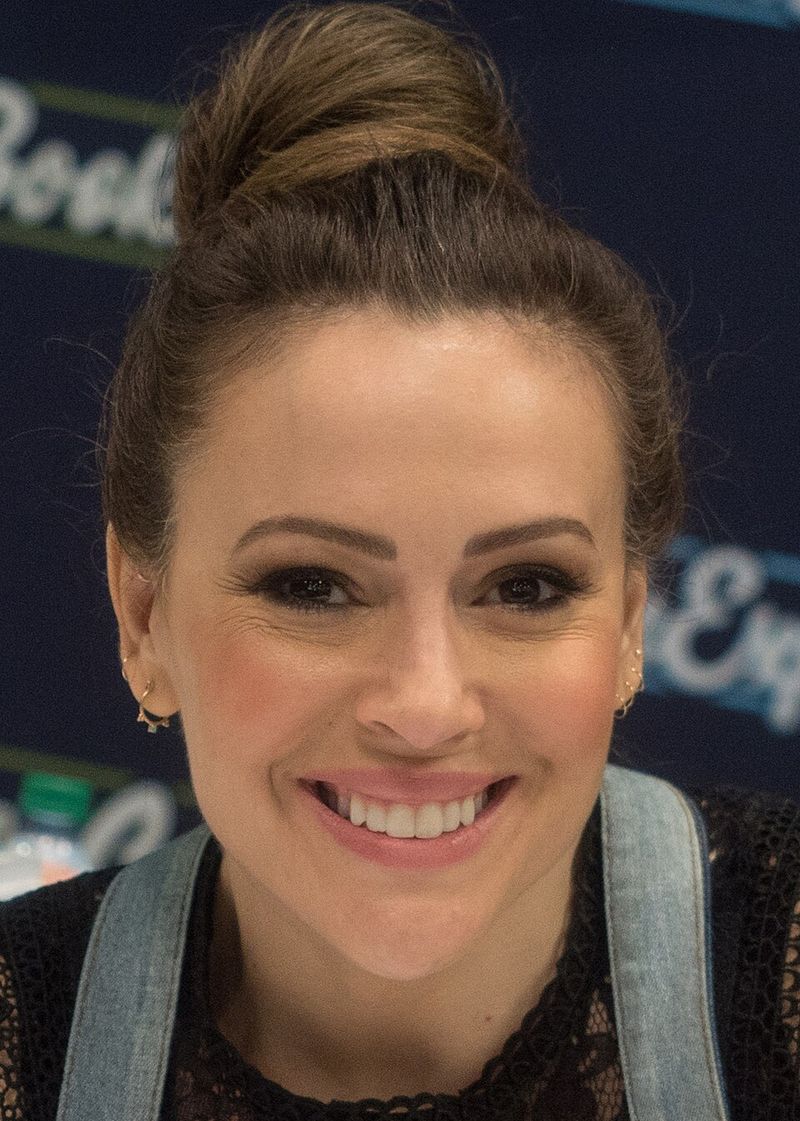
Starting at just 11 years old on “Who’s the Boss?” in 1984, Alyssa Milano grew up right before America’s eyes. As the spirited and lovable Samantha Micelli, she charmed viewers of all ages week after week.
By the time she hit her mid-teens, she had become one of the most recognized young faces on television anywhere in the world.
Teen magazines went absolutely wild for her throughout the late ’80s. She released pop albums in Japan that became massive hits, showing that her appeal stretched far beyond American borders.
Fan clubs dedicated to her popped up across multiple countries. What made Alyssa so magnetic was her genuine energy; she never seemed like she was performing stardom, she just naturally had it.
Her transition from child actress to teen idol to adult advocate made her one of the most enduring personalities to emerge from the entire decade of the ’80s.
9. Debbie Gibson
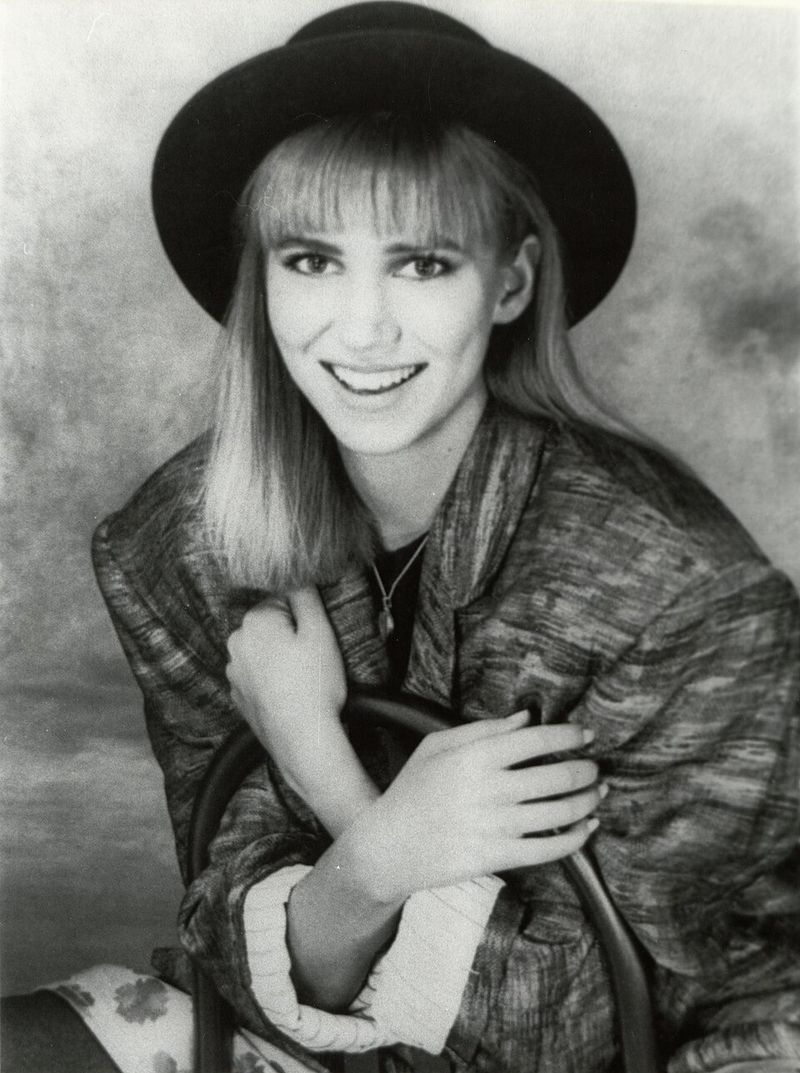
At 17 years old, Debbie Gibson made music history by becoming the youngest artist to write, produce, and perform a Billboard Hot 100 number-one single, with “Foolish Beat” in 1988. That record was not just impressive; it was a statement.
Here was a teenager from Long Island who did not need a team of industry veterans to craft her sound because she built it herself.
She toured shopping malls across the country before her debut album even dropped, building a devoted fanbase one meet-and-greet at a time. The strategy worked brilliantly.
Her albums “Out of the Blue” and “Electric Youth” became defining soundtracks of the late ’80s teen experience. Debbie had a bubbly but grounded personality that fans found deeply relatable.
She wore fun hats, wrote heartfelt lyrics, and made pop music feel personal. Decades later, her music still brings an instant smile to anyone who grew up in that era.
10. Tiffany
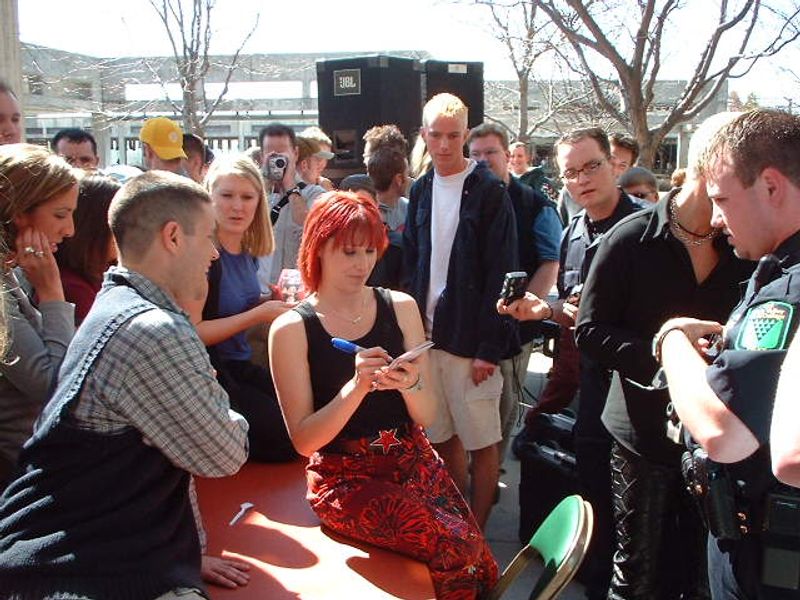
Picture a 16-year-old girl performing pop songs in shopping malls across America, drawing crowds so large that security had to be called in. That was Tiffany Darwish in 1987, and it was one of the most unconventional yet brilliant promotional strategies in music history.
Her cover of “I Think We’re Alone Now” shot to number one and stayed there, making her an overnight sensation.
The mall tour approach gave her something most pop stars never get: direct, personal access to her core audience. Teens who saw her perform at their local mall felt a genuine connection that radio play alone could never create.
Her self-titled debut album went platinum, and she followed it up with another hit record. Tiffany had a big, warm voice that felt both powerful and approachable.
She was not manufactured pop; she was a real teenager living out a dream in the most public way imaginable.
11. Britney Spears
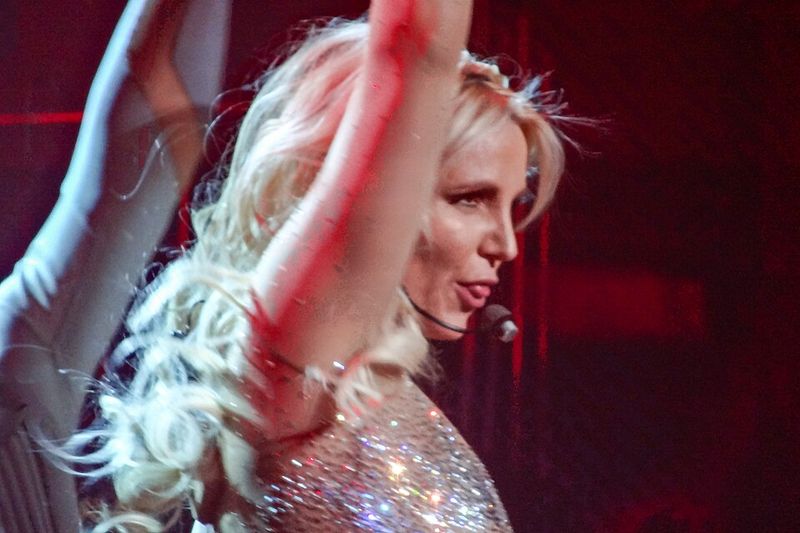
When the music video for “…Baby One More Time” hit MTV in late 1998, the world stopped and stared. Britney Spears was 16 years old, and she had just delivered one of the most memorable pop debuts in music history.
The song went to number one in multiple countries simultaneously, and suddenly everyone wanted to know who this girl from Louisiana was.
She had trained at the Mickey Mouse Club alongside future stars and spent years perfecting her craft before the world ever heard her name. That preparation showed.
Her debut album sold over 10 million copies in the United States alone, making it one of the best-selling debut albums ever recorded. Britney defined what late-’90s teen pop looked, sounded, and felt like.
Her energy was electric, her dancing was sharp, and her smile was magnetic. She did not just join the conversation about teen pop; she completely took it over.
12. Christina Aguilera
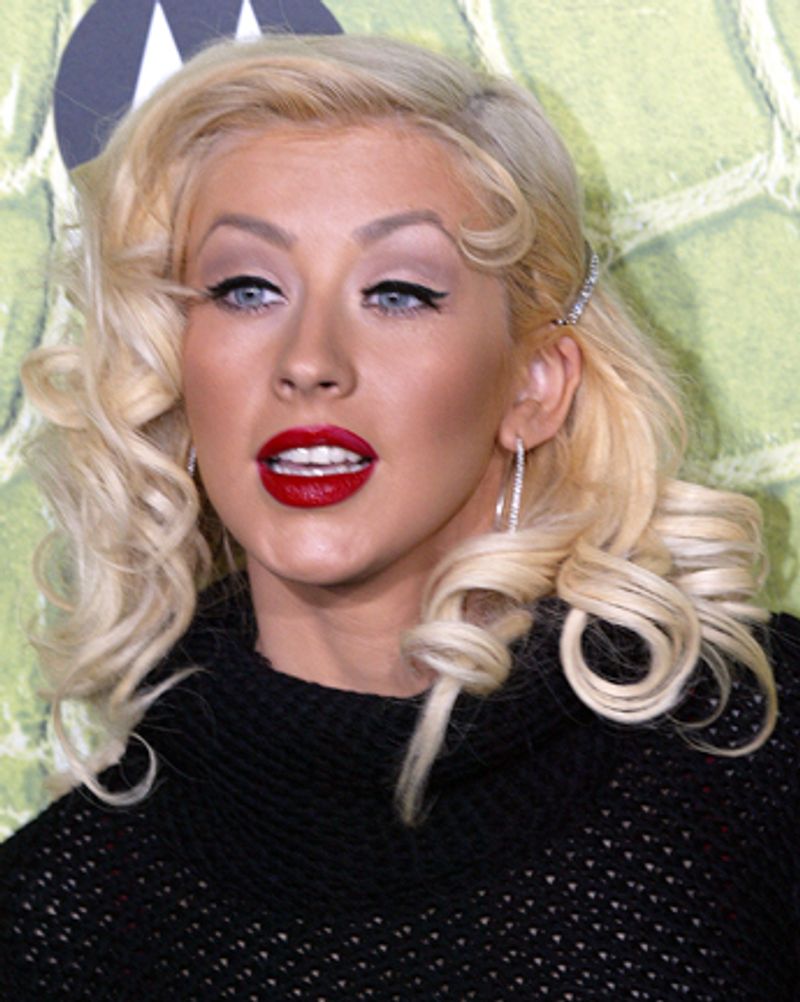
Christina Aguilera hit the music world like a force of nature in 1999. At 18, she released her debut single “Genie in a Bottle,” which rocketed to number one and announced the arrival of a voice that many critics called generational.
Unlike many of her pop contemporaries, Christina’s raw vocal ability was impossible to ignore or manufacture.
She had also been a Mickey Mouse Club alumna, spending her early teen years developing the skills that would eventually make her famous. Her debut album went five times platinum in the United States, and she won the Grammy Award for Best New Artist in 2000.
Teen fans were drawn to her powerhouse performances and her willingness to be emotionally open in her music. Christina represented something different in the late-’90s teen pop wave: pure, undeniable talent that demanded to be taken seriously from the very first note she ever sang publicly.
13. Jennifer Love Hewitt
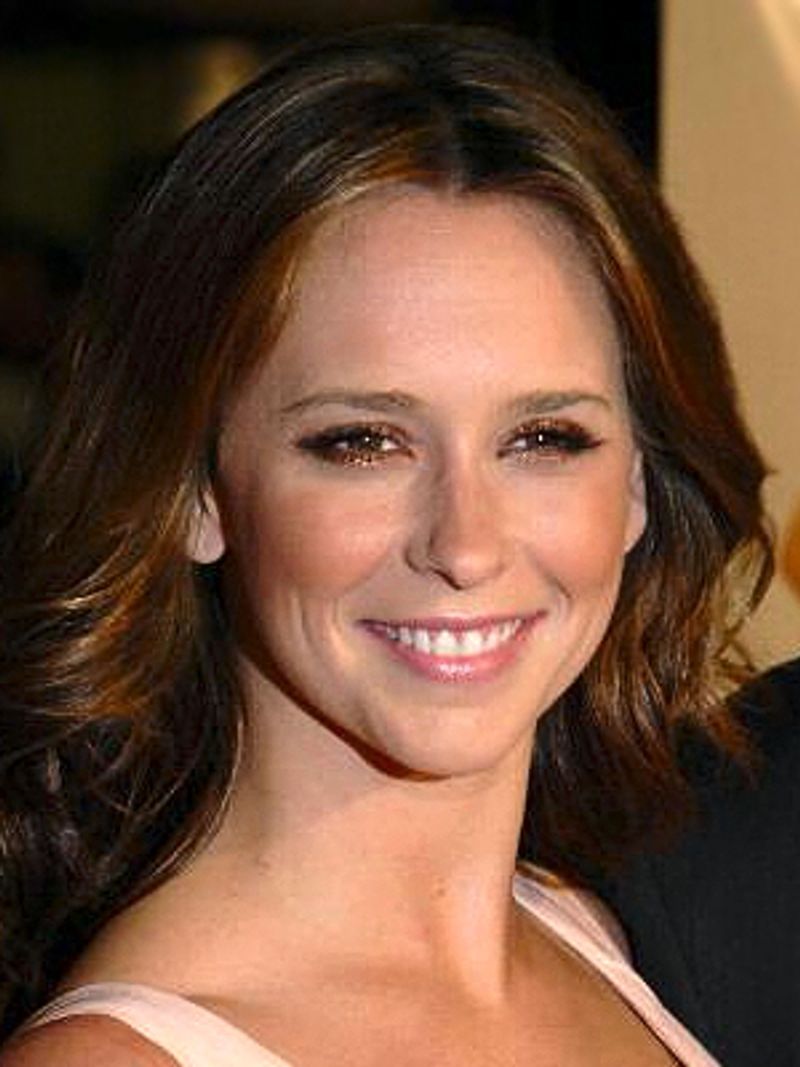
Jennifer Love Hewitt had one of those faces that made you feel comfortable the moment you saw her on screen. She joined the cast of “Party of Five” in 1995 as the kind-hearted Sarah Reeves, and teen audiences immediately claimed her as one of their own.
Her chemistry with the rest of the cast made the show feel like a real family, not just a TV production.
Teen magazines featured her constantly throughout the mid-to-late ’90s, and she regularly topped reader polls as a favorite actress. She also launched a music career during this period, releasing albums that connected with her fanbase on a personal level.
Her film work in “I Know What You Did Last Summer” (1997) expanded her reach beyond TV fans. Jennifer Love Hewitt had a warmth and relatability that made her feel less like a distant celebrity and more like someone you genuinely wished you could be friends with in real life.
14. Sarah Michelle Gellar

When “Buffy the Vampire Slayer” premiered in 1997, nobody was quite ready for Sarah Michelle Gellar. She played Buffy Summers with a combination of toughness, humor, and heart that felt completely original.
The character was a cheerleader who fought monsters, and somehow that combination made total sense because Gellar made it work with absolute conviction every single episode.
Teen viewers, especially young girls, connected with Buffy on a deeper level than most TV characters ever reach. She was strong but also vulnerable, funny but also brave.
Sarah was 20 when the show began, but the audience was firmly in the teen demographic, and her influence on that group was enormous. The show ran for seven seasons and is still considered one of the greatest TV series ever made.
Sarah Michelle Gellar did not just play a role; she helped create a cultural icon that continues to inspire young women around the world today.
15. Melissa Joan Hart
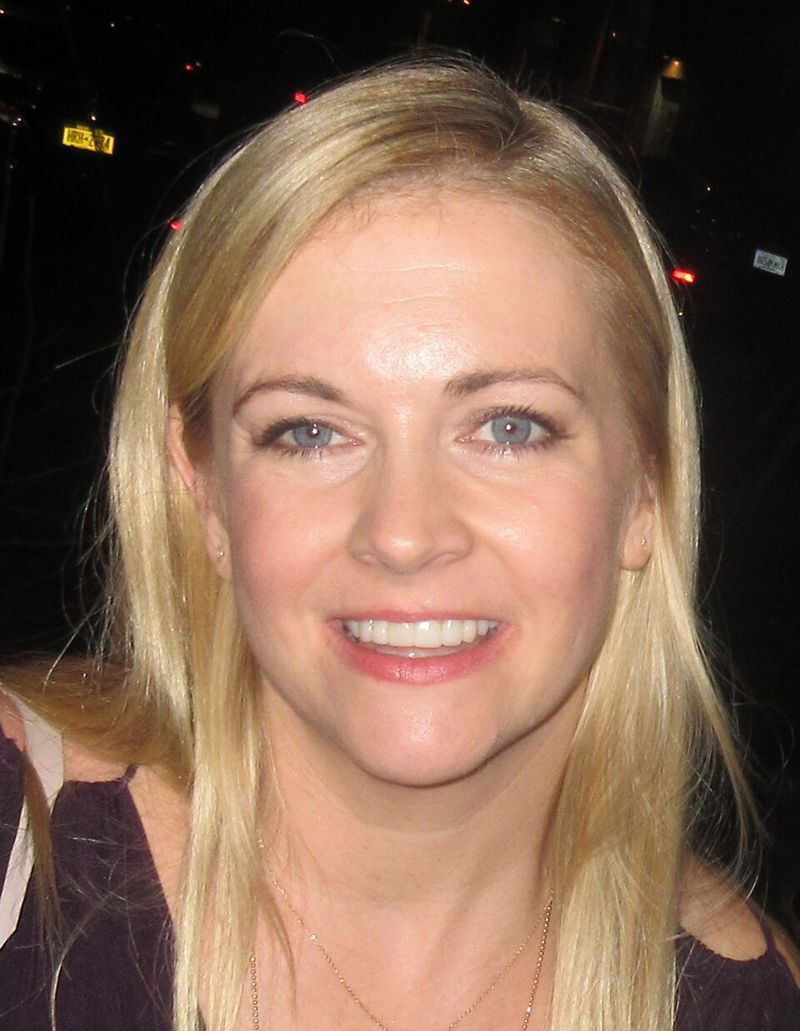
Ask anyone who grew up in the ’90s about Melissa Joan Hart, and watch their face light up immediately. She first won over young audiences as the sharp and witty Clarissa Darling in “Clarissa Explains It All” on Nickelodeon starting in 1991.
Clarissa broke the fourth wall, spoke directly to viewers, and made kids feel like they were in on the joke, which was genuinely revolutionary for children’s television at the time.
Then came “Sabrina the Teenage Witch” in 1996, where Melissa played a teenager discovering she had magical powers while navigating high school life. The show balanced comedy and heart in a way that kept fans hooked for six seasons.
She had a playful, self-aware comedic style that made her characters feel fresh and fun rather than formulaic. Melissa Joan Hart was the rare actress who defined not one but two generations of Nickelodeon and ABC family entertainment simultaneously.



