 Unearth The Voyage
Rock music has produced some of the most legendary albums in history, selling millions of copies worldwide and shaping entire generations. From hard-hitting guitar riffs to unforgettable lyrics, these records have stood the test of time and continue to influence artists today.
Whether you grew up listening to classic rock or discovered these masterpieces later, the albums on this list represent the pinnacle of musical achievement. Get ready to explore the greatest rock albums ever made, ranked by their incredible sales figures.
1. Boston – Boston (1976)
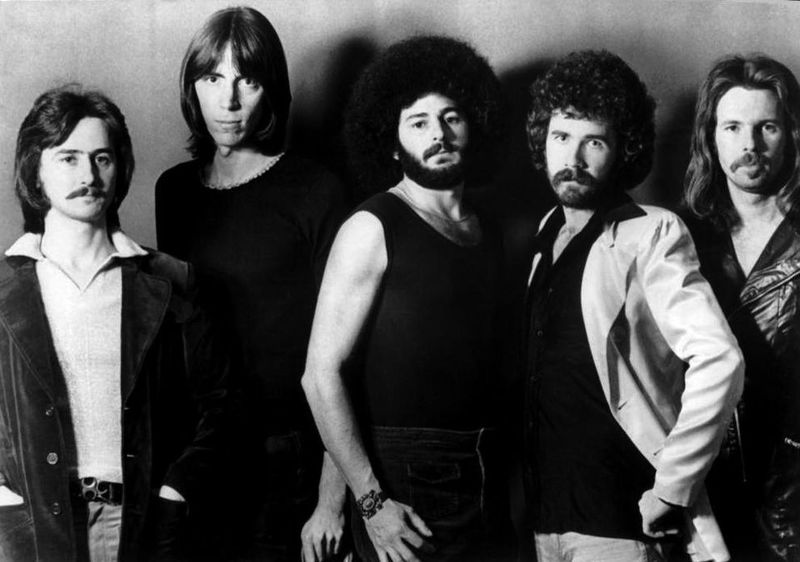
With a sound that practically defined arena rock, Boston’s self-titled debut album became an instant classic when it dropped in 1976. Tom Scholz, the mastermind behind the band, spent years perfecting the recordings in his basement studio before the world got to hear his vision.
The result was a polished, layered sound that radio stations couldn’t resist playing on repeat.
Hits like “More Than a Feeling” and “Peace of Mind” showcased soaring vocals and guitar work that felt both technical and deeply emotional. The album connected with fans who craved music that was both sophisticated and accessible.
Boston proved that a band could achieve massive commercial success without sacrificing artistic integrity.
Selling approximately 25 million copies worldwide, this record remains one of the best-selling debut albums in rock history. Its influence can be heard in countless bands that followed, making it a cornerstone of American rock music.
2. Dookie – Green Day (1994)

Green Day exploded onto the mainstream scene with Dookie, an album that brought punk rock into living rooms across America. Billie Joe Armstrong’s bratty vocals and catchy three-chord progressions made rebellion sound fun and accessible to teenagers everywhere.
Songs tackled anxiety, boredom, and youthful angst with humor and raw energy that felt refreshingly honest.
“Basket Case” became an anthem for a generation struggling with mental health and identity issues, while “When I Come Around” showed the band could write tender moments too. The album’s success helped launch the pop-punk movement of the late 1990s and early 2000s.
MTV couldn’t get enough of their music videos, which featured the band’s playful and chaotic energy.
With approximately 20 million copies sold, Dookie earned Green Day a spot among rock’s elite. The record proved that punk could be both commercially successful and artistically credible, inspiring countless garage bands to pick up their instruments.
3. Slippery When Wet – Bon Jovi (1986)
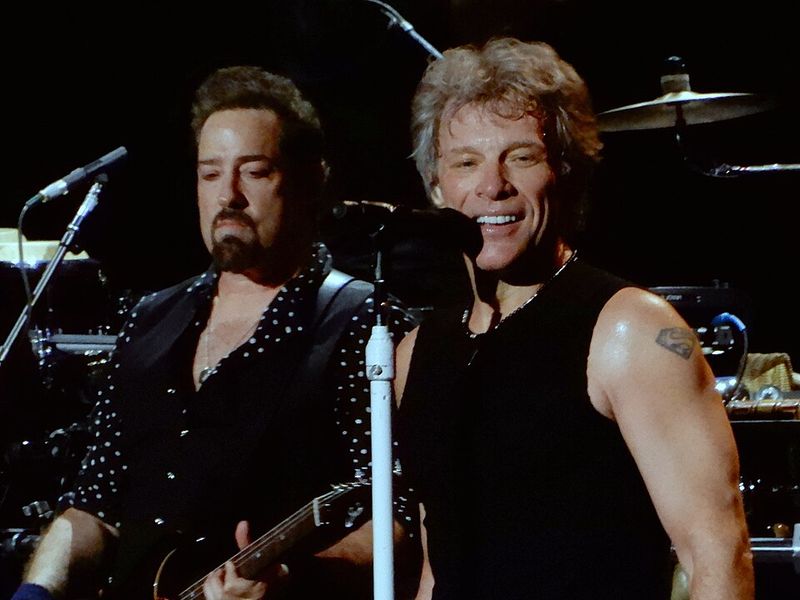
Jon Bon Jovi and his bandmates created the ultimate rock party album with Slippery When Wet, a record that dominated the charts and defined the sound of the 1980s. Big hair, bigger choruses, and anthems designed for stadium sing-alongs made this album impossible to ignore.
The band worked with songwriter Desmond Child to craft hooks that would stick in listeners’ heads for decades.
“Livin’ on a Prayer” told a working-class love story that resonated with millions, while “You Give Love a Bad Name” brought infectious energy to rock radio. The album’s glossy production and relatable lyrics helped it cross over to pop audiences without alienating rock fans.
Music videos featuring the band’s charismatic performances turned them into global superstars.
Moving approximately 28 million units worldwide, Slippery When Wet became one of the defining albums of its era. Its blend of hard rock edge and pop sensibility created a blueprint that countless bands would attempt to replicate throughout the following decades.
4. Brothers in Arms – Dire Straits (1985)
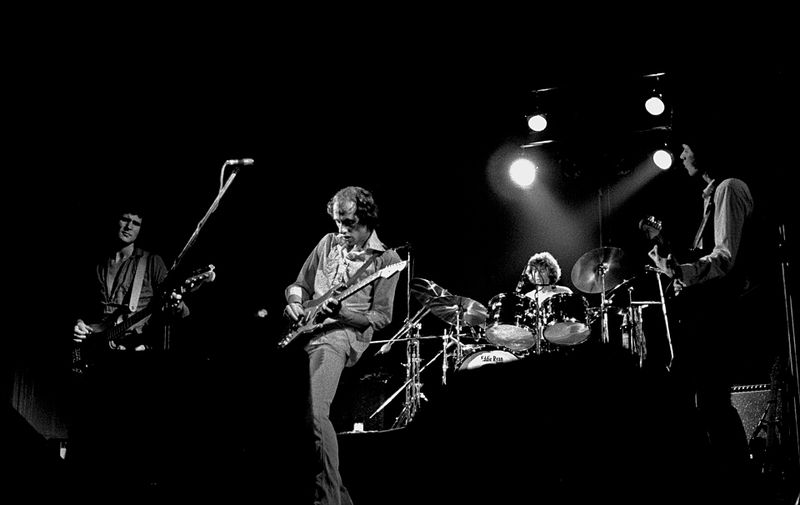
Mark Knopfler’s distinctive fingerpicking guitar style and storytelling prowess reached new heights with Brothers in Arms, an album that showcased sophistication rarely heard in 1980s rock. The record was one of the first to be recorded digitally, giving it a clarity and depth that audiophiles still appreciate today.
Its cinematic quality made each song feel like a mini-movie with vivid characters and settings.
“Money for Nothing” featured a groundbreaking computer-animated music video that became an MTV staple, while the title track offered a haunting meditation on war. The album balanced radio-friendly hits with deeper album cuts that rewarded careful listening.
Dire Straits proved that intelligent, nuanced rock could still achieve massive commercial success.
With sales reaching approximately 30 million copies, Brothers in Arms became one of the best-selling albums of the CD era. Its timeless quality ensures that new generations continue discovering its brilliance, cementing Dire Straits’ legacy as master craftsmen of rock music.
5. Jagged Little Pill – Alanis Morissette (1995)

Raw emotion poured out of every track on Jagged Little Pill, as Alanis Morissette channeled her anger, heartbreak, and frustration into one of the most cathartic albums ever recorded. Her unflinching honesty about relationships, betrayal, and self-discovery connected with listeners who felt the same complicated emotions.
Producer Glen Ballard helped create a sound that blended alternative rock with pop accessibility, making the album both edgy and radio-friendly.
“You Oughta Know” became an instant classic with its scorching lyrics about a failed relationship, while “Ironic” sparked countless debates about the definition of irony. The album gave voice to a generation of young women seeking authenticity in their music.
Morissette’s passionate vocals and willingness to be vulnerable made her a role model for aspiring artists.
Selling approximately 33 million copies worldwide, Jagged Little Pill became a cultural phenomenon that transcended music. Its impact on female artists in rock and alternative music cannot be overstated, opening doors for countless musicians to express themselves honestly.
6. The Wall – Pink Floyd (1979)
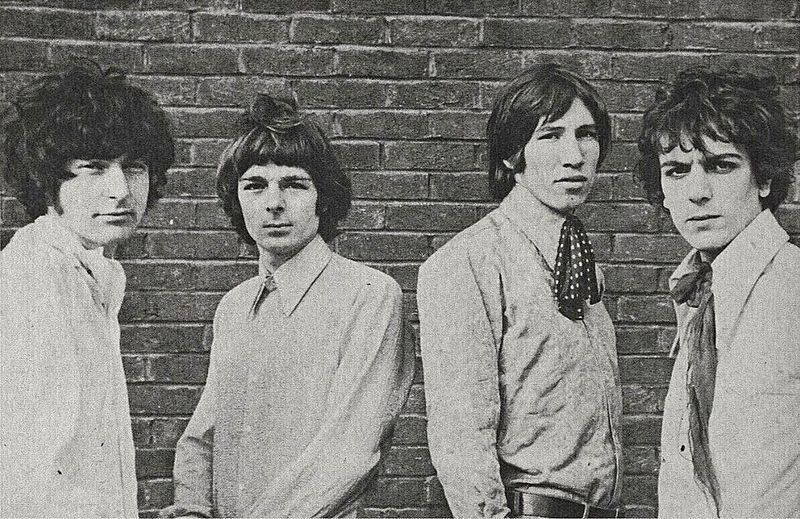
Roger Waters constructed an ambitious rock opera with The Wall, exploring themes of isolation, trauma, and the barriers people build around themselves. This double album told the story of Pink, a rock star who withdraws from society behind a metaphorical wall built from painful life experiences.
The conceptual depth and theatrical presentation pushed the boundaries of what a rock album could achieve.
“Another Brick in the Wall (Part 2)” became an unlikely hit with its protest against rigid education systems, featuring a children’s choir singing the rebellious chorus. The album’s narrative structure and recurring musical themes created a cohesive listening experience that rewarded multiple plays.
Pink Floyd later adapted the album into an elaborate stage show and film that became legendary in their own right.
Moving over 30 million copies globally, The Wall stands as one of rock’s most ambitious artistic statements. Its exploration of psychological themes and social commentary continues to resonate with audiences who appreciate music that challenges and provokes thought.
7. Born in the U.S.A. – Bruce Springsteen (1984)

Bruce Springsteen captured the complexity of American life in the 1980s with Born in the U.S.A., an album that examined both the promise and disappointments of the American Dream. Despite its patriotic-sounding title track, the album actually offered critical commentary on how America treated its veterans and working-class citizens.
The Boss delivered these messages with anthemic rock songs that filled stadiums and dominated radio.
Seven of the album’s twelve tracks became top-ten hits, an almost unprecedented achievement that demonstrated Springsteen’s songwriting mastery. “Dancing in the Dark” showed a more polished, synth-driven side while maintaining his authentic voice. The album’s iconic cover image of Springsteen in jeans and a white t-shirt against an American flag became one of rock’s most recognizable images.
With sales exceeding 30 million copies, Born in the U.S.A. transformed Springsteen from respected artist to global superstar. The album proved that thoughtful social commentary and massive commercial success could coexist, influencing generations of heartland rockers.
8. Appetite for Destruction – Guns N’ Roses (1987)

Danger and excess dripped from every note of Appetite for Destruction, as Guns N’ Roses brought a raw, streetwise edge to rock that felt genuinely threatening. Axl Rose’s distinctive wail combined with Slash’s bluesy guitar solos created a sound that harked back to classic rock while feeling completely modern.
The band looked and acted like they had crawled out of the Sunset Strip’s seediest clubs, and their music matched that gritty image perfectly.
“Sweet Child o’ Mine” featured one of rock’s most recognizable guitar riffs, while “Welcome to the Jungle” painted a vivid picture of Los Angeles’s dark underbelly. The album rejected the polished production and safe lyrics of much 1980s rock in favor of unfiltered aggression and honesty.
Critics initially dismissed the band, but audiences hungry for authentic rock embraced them immediately.
Selling between 30 and 35 million copies worldwide, Appetite for Destruction became the best-selling debut album in American history. Its influence on hard rock and metal remains profound, proving that dangerous rock and roll never goes out of style.
9. The Dark Side of the Moon – Pink Floyd (1973)
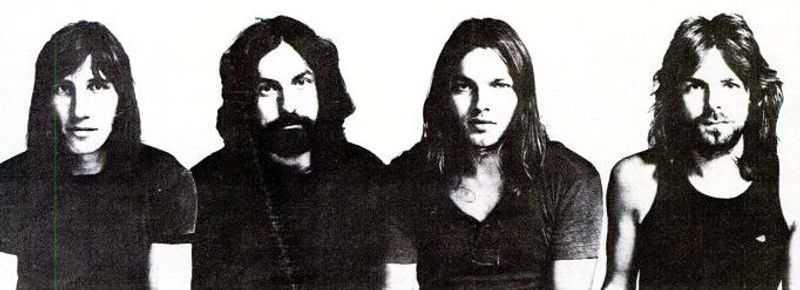
Pink Floyd created a sonic masterpiece with The Dark Side of the Moon, an album that explored universal human experiences like time, death, greed, and mental illness. The band used cutting-edge studio technology to craft soundscapes that felt both cosmic and deeply personal.
Roger Waters’ conceptual vision combined with David Gilmour’s emotive guitar work to produce something truly transcendent.
Every element of the album was carefully constructed, from the heartbeat that opens and closes the record to the cash register sounds on “Money.” The seamless flow between tracks encouraged listeners to experience the album as a complete work rather than individual songs. The iconic prism artwork became one of the most recognized images in rock history.
With approximately 45 million copies sold and over 900 weeks on the Billboard charts, this album achieved legendary status. Its combination of accessible melodies and experimental production techniques influenced countless progressive and alternative rock bands, making it one of the most important albums ever recorded.
10. Metallica (The Black Album) – Metallica (1991)
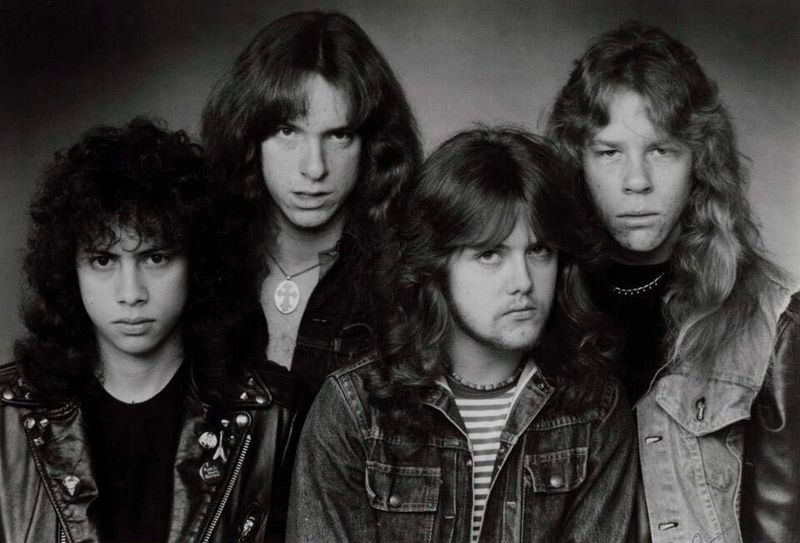
Metallica stripped away the complexity of their earlier thrash metal sound and created their most accessible album with the self-titled record fans call The Black Album. Producer Bob Rock pushed the band toward shorter, more focused songs with massive, radio-ready hooks.
James Hetfield’s rhythm guitar work became even more powerful and precise, while Lars Ulrich’s drumming provided thunderous foundation.
“Enter Sandman” became the band’s biggest hit, introducing millions to Metallica’s brand of heavy music. The album balanced aggressive tracks like “Sad But True” with the vulnerable balladry of “Nothing Else Matters,” showing the band’s range.
Some longtime fans criticized the more mainstream approach, but the songwriting quality was undeniable.
Moving over 30 million copies globally, The Black Album brought heavy metal to the masses without completely sacrificing the band’s edge. It proved that metal could dominate the charts and proved Metallica’s status as one of rock’s most important bands, influencing the entire genre’s trajectory in the 1990s.
11. Led Zeppelin II – Led Zeppelin (1969)
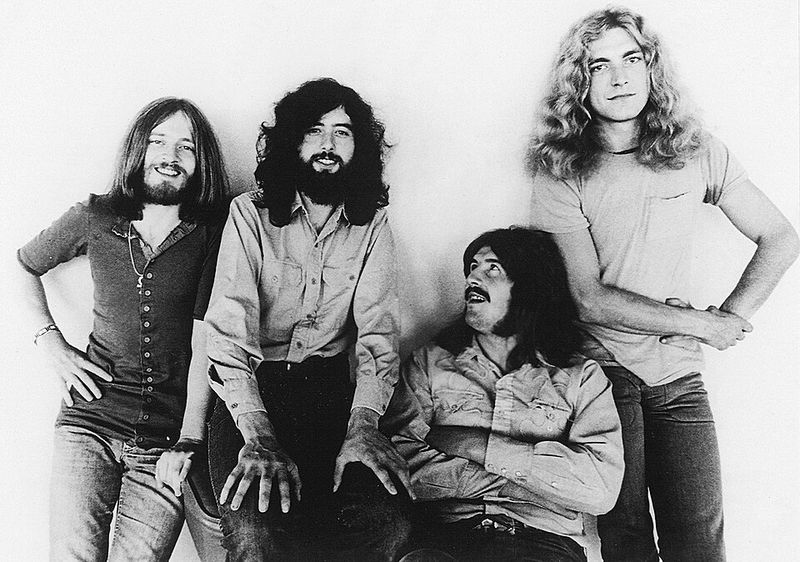
Led Zeppelin perfected their hard rock formula on their second album, creating a heavier, more confident sound than their debut. Recorded in various studios during breaks from touring, the album captured the band’s raw energy and growing chemistry.
Jimmy Page’s production experimented with guitar tones and studio effects that would influence rock production for decades.
“Whole Lotta Love” kicked off the album with one of rock’s most iconic riffs and a psychedelic middle section that showcased the band’s experimental side. Robert Plant’s vocals soared and screamed with unprecedented power and sexuality.
John Bonham’s drumming on tracks like “Moby Dick” established him as rock’s most powerful drummer.
With sales exceeding 30 million copies, Led Zeppelin II helped define what heavy rock could be and influenced countless bands across multiple genres. The album’s blend of blues, rock, and experimentation created a template that the band would expand upon throughout their career, cementing their status as rock legends.
12. Abbey Road – The Beatles (1969)
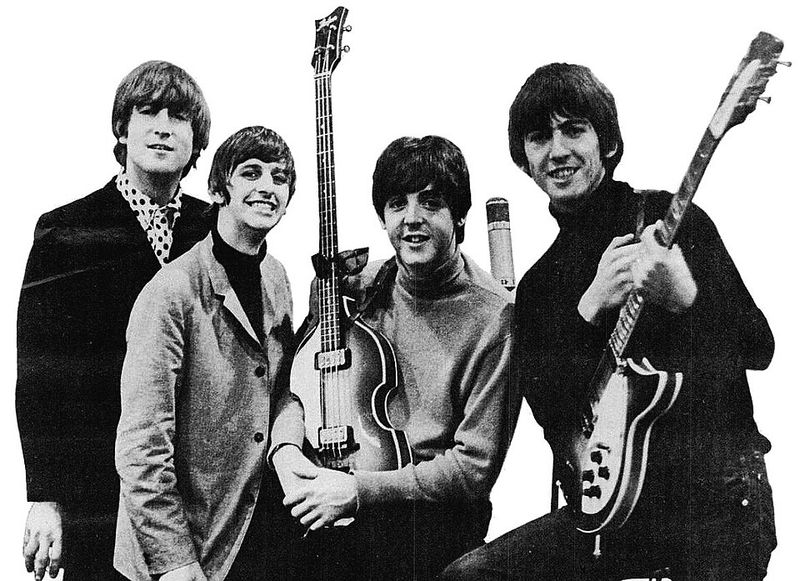
The Beatles created their most polished and cohesive album with Abbey Road, even as the band was falling apart behind the scenes. George Martin’s production gave the record a lush, sophisticated sound that showcased the band’s maturity as musicians and songwriters.
The iconic cover photo of the four Beatles crossing the street outside their recording studio became one of music’s most imitated images.
“Come Together” opened the album with John Lennon’s cryptic lyrics and funky groove, while George Harrison contributed two of his finest songs. The medley that closes side two flows seamlessly from one song to the next, creating a mini-suite that demonstrated the band’s ambition.
Paul McCartney’s “Here Comes the Sun” offered warmth and optimism that balanced the album’s more experimental moments.
Selling approximately 31 million copies worldwide, Abbey Road served as a fitting swan song for the most influential band in rock history. Though Let It Be was released later, Abbey Road represented the Beatles at their creative peak, leaving fans with an unforgettable final statement.
13. Sgt. Pepper’s Lonely Hearts Club Band – The Beatles (1967)

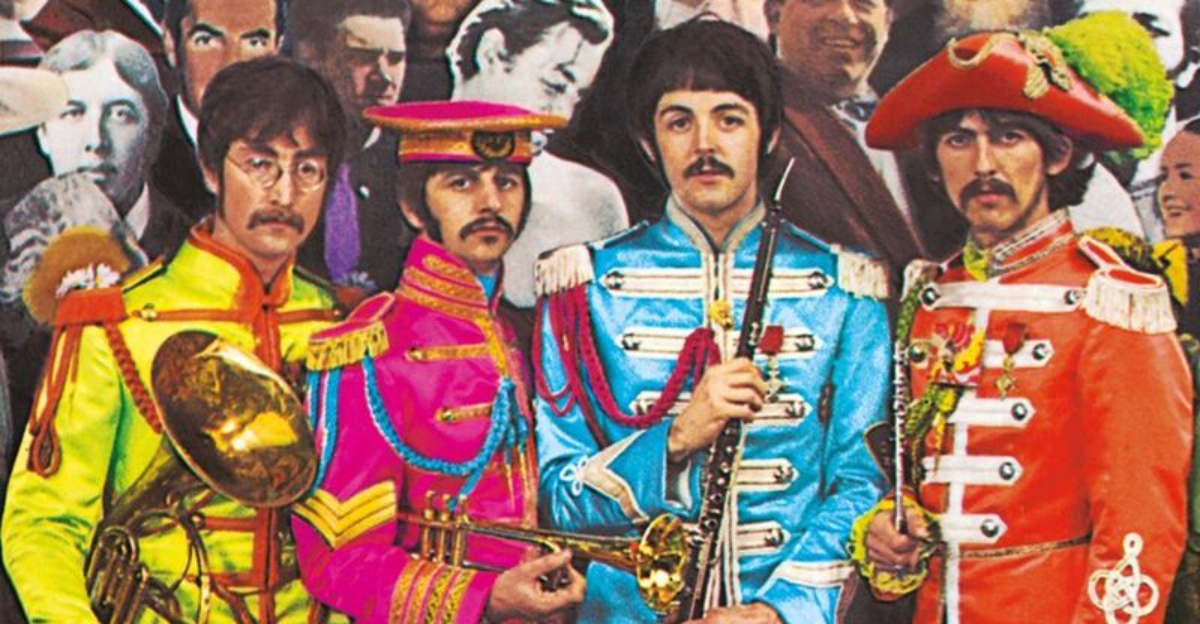
The Beatles revolutionized what a rock album could be with Sgt. Pepper’s Lonely Hearts Club Band, creating a conceptual masterpiece that treated the album as an art form rather than just a collection of singles.
The band embraced their studio-only status and used the recording studio as an instrument itself, layering sounds and experimenting with techniques that had never been attempted. The elaborate cover art featuring dozens of famous faces set a new standard for album packaging.
From the opening title track to the orchestral chaos of “A Day in the Life,” every moment felt carefully crafted and innovative. Songs like “Lucy in the Sky with Diamonds” painted vivid psychedelic imagery, while “When I’m Sixty-Four” showed the band’s playful side.
The album captured the optimism and experimentation of the 1960s counterculture movement.
With approximately 32 million copies sold, Sgt. Pepper’s influence on rock music cannot be overstated.
It inspired countless artists to view albums as complete artistic statements and pushed the boundaries of what popular music could achieve creatively.
14. Rumours – Fleetwood Mac (1977)
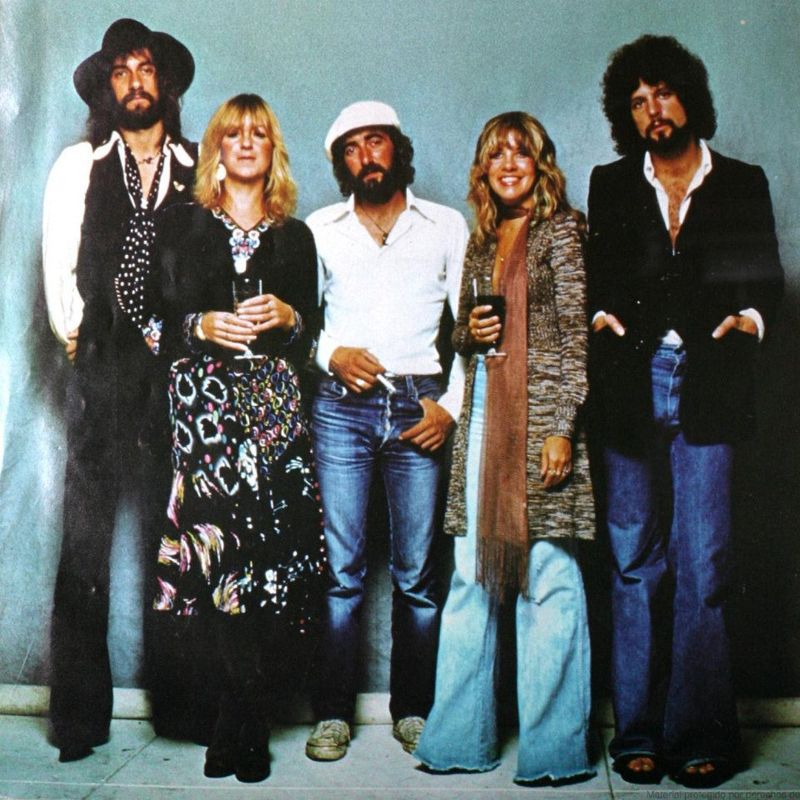
Fleetwood Mac channeled their interpersonal drama into musical gold with Rumours, an album born from multiple relationship breakups within the band. The tension and heartbreak fueled some of the most emotionally powerful songwriting in rock history.
Somehow, the band maintained professionalism in the studio even as their personal lives crumbled, creating polished pop-rock perfection.
Stevie Nicks’ “Dreams” became the band’s only number-one single, while Christine McVie’s “Don’t Stop” offered optimism amid the chaos. Lindsey Buckingham’s “Go Your Own Way” directly addressed his breakup with Nicks, creating uncomfortable but compelling listening.
The album’s immaculate production and vocal harmonies made even the saddest songs sound beautiful.
Selling over 40 million copies worldwide, Rumours became one of the best-selling albums ever and defined the soft rock sound of the late 1970s. Its ability to transform personal pain into universal art resonates with listeners decades later, proving that great music often comes from difficult circumstances and genuine human emotion.
15. Hotel California – Eagles (1976)

The Eagles crafted their masterpiece with Hotel California, an album that examined the dark side of the American Dream through the lens of 1970s California excess. The title track became rock’s most analyzed song, with its mysterious lyrics about a hotel you can never leave sparking endless interpretations.
Don Henley and Glenn Frey’s songwriting reached new levels of sophistication, blending country, rock, and pop influences seamlessly.
Joe Walsh’s addition to the band brought a harder rock edge that balanced their country-rock roots perfectly. The guitar solo on the title track, featuring Walsh and Don Felder trading licks, became one of rock’s most celebrated instrumental moments.
Songs like “New Kid in Town” and “Life in the Fast Lane” explored themes of fame, relationships, and the California lifestyle with wit and insight.
With approximately 42 million copies sold, Hotel California stands as one of the defining albums of the 1970s. Its perfect blend of accessibility and artistry influenced countless country-rock and heartland rock bands that followed.
16. Led Zeppelin IV – Led Zeppelin (1971)
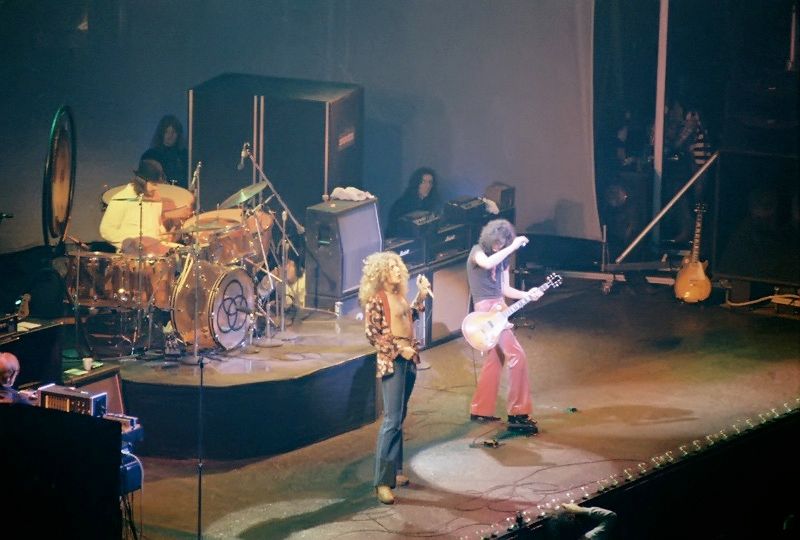
Led Zeppelin reached the absolute peak of their powers with their untitled fourth album, commonly known as Led Zeppelin IV or the album with the four symbols. Jimmy Page’s songwriting and production created a perfect balance between heavy rockers, folk influences, and mystical atmosphere.
The band deliberately left their name off the cover, letting the music speak for itself after critics had questioned their previous album.
“Stairway to Heaven” became rock’s most famous song, building from gentle acoustic beginnings to an explosive climax that showcased every member’s talents. “Black Dog” and “Rock and Roll” delivered the heavy riffs fans craved, while “Going to California” showed the band’s sensitive side. John Paul Jones’ arrangements added depth and texture throughout the album.
Selling between 37 and 40 million copies worldwide, Led Zeppelin IV became one of the best-selling rock albums ever recorded. Its influence spans generations and genres, with “Stairway to Heaven” alone cementing the band’s immortality in rock history and inspiring countless musicians to pick up guitars.
17. The Beatles (White Album) – The Beatles (1968)
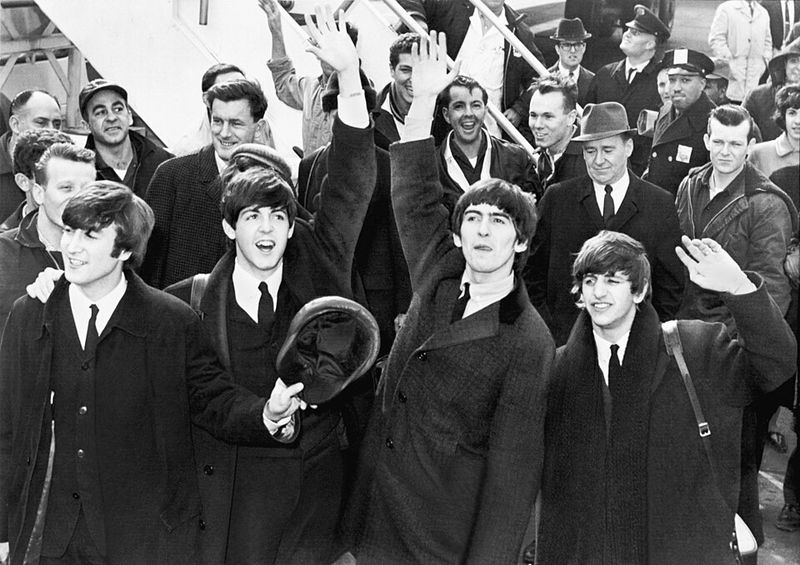
Released in 1968, The Beatles – commonly known as the White Album – is one of the most commercially successful and artistically ambitious rock albums ever released. Unlike its predecessor Sgt.
Pepper’s Lonely Hearts Club Band, the album abandoned elaborate studio concepts in favor of a raw, eclectic approach. Spanning two discs, it showcased a wide range of musical styles, including hard rock, folk, blues, experimental sound collage, and stripped-down acoustic songwriting.
The album was recorded during a period of internal tension within the band, which contributed to its fragmented but expansive sound. Despite mixed critical reactions at the time of release, it achieved immediate commercial success and has continued to sell consistently for decades.
Songs such as “While My Guitar Gently Weeps,” “Blackbird,” “Helter Skelter,” and “Back in the U.S.S.R.” became enduring parts of the Beatles’ legacy. With estimated worldwide sales approaching 50 million copies, the White Album remains one of the best-selling rock albums of all time.
18. Bat Out of Hell – Meat Loaf (1977)

Released in 1977, Bat Out of Hell is one of the most commercially successful and enduring rock albums ever recorded. Created by singer Meat Loaf and songwriter Jim Steinman, the album stood apart from typical rock releases of its era by combining hard rock instrumentation with theatrical, almost operatic compositions.
Despite a difficult production process and modest initial sales, the album gained traction through extensive touring and radio airplay, particularly on FM rock stations.
Its success was gradual rather than explosive, but remarkably persistent. Bat Out of Hell became especially popular in Europe, the United Kingdom, Australia, and later the United States, where it continued selling steadily for decades.
Tracks such as “Paradise by the Dashboard Light,” “Two Out of Three Ain’t Bad,” and the title song became long-lasting staples of rock radio. The album’s longevity – remaining in circulation and continuing to sell long after its release – is a major reason it ranks among the best-selling rock albums of all time.
19. Their Greatest Hits (1971 – 1975) – Eagles (1976)

Released in 1976, Their Greatest Hits (1971–1975) by the Eagles is the most successful album ever sold in the United States according to the Recording Industry Association of America (RIAA). The compilation brings together the band’s most recognizable songs from their early career, including “Take It Easy,” “Desperado,” “Lyin’ Eyes,” and “One of These Nights.” Its appeal lies in its accessibility, presenting a concise overview of the Eagles’ defining sound during the peak of 1970s rock.
The album benefited from strong radio support, repeated reissues, and long-term catalog sales across physical and digital formats. Unlike many studio albums, it has remained a steady seller for decades, consistently ranking high in annual sales long after its release.
While it is a compilation rather than a studio album, its verified certifications and cultural impact make it a permanent fixture in best-selling rock album rankings worldwide.
20. Back in Black – AC/DC (1980) – 50+ million copies sold worldwide

Released in 1980, Back in Black is widely regarded as the best-selling rock studio album in history. It was AC/DC’s first album following the death of lead singer Bon Scott and introduced Brian Johnson as his replacement.
Rather than dramatically altering their style, the band doubled down on a stripped-back, hard rock sound built around heavy guitar riffs, simple song structures, and high-energy performances.
The album’s success was immediate and global. Songs such as “Hells Bells,” “You Shook Me All Night Long,” and the title track became defining examples of arena rock and remain among the most recognizable rock songs ever recorded.
Back in Black achieved extraordinary sales without relying on trends, concept themes, or technological gimmicks. Its consistent popularity across generations, combined with its status as a studio album rather than a compilation, solidifies its position at the top of rock music’s commercial history.



