 Unearth The Voyage
If you have explored America’s national parks and are hungry for more, expert travel advisors urge you to look abroad. From biodiverse islands and sweeping savannas to towering mountains and lush rainforests, these parks showcase some of the most remarkable landscapes on Earth. Places where nature’s grandeur is both iconic and unforgettable await adventurous travelers willing to venture beyond familiar borders.
Serengeti National Park — Tanzania
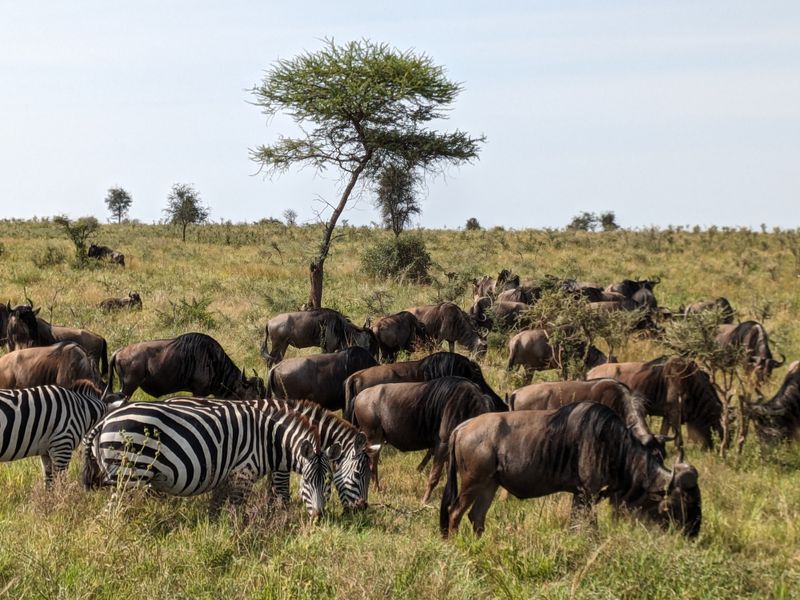
Serengeti National Park in Tanzania epitomizes African wildlife spectacle. Endless grasslands host one of the world’s most incredible natural events — the Great Migration, where millions of wildebeest, zebra and gazelle traverse predator-rich plains in search of fresh grazing.
With lions, leopards, elephants, giraffes and more roaming freely, Serengeti offers classic safari experiences and unmatched opportunities to witness wild nature at work. The sheer scale of animal movement here is breathtaking, especially during river crossings where crocodiles wait in murky waters. Dust clouds rise as thousands of hooves thunder across the savanna, creating scenes that feel almost prehistoric in their raw power.
Travel advisors recommend this park for its vast ecosystems and dramatic wildlife encounters that remain etched in memory long after the journey ends. Game drives at dawn reveal hunting predators, while sunset safaris showcase elephants silhouetted against fiery skies. The park spans nearly 15,000 square kilometers, providing ample space for wildlife to roam naturally.
Beyond the migration, Serengeti’s year-round residents include cheetahs sprinting after prey, hippos wallowing in rivers, and countless bird species filling the air with calls. Every visit feels like witnessing Earth as it existed thousands of years ago.
Namib-Naukluft National Park — Namibia
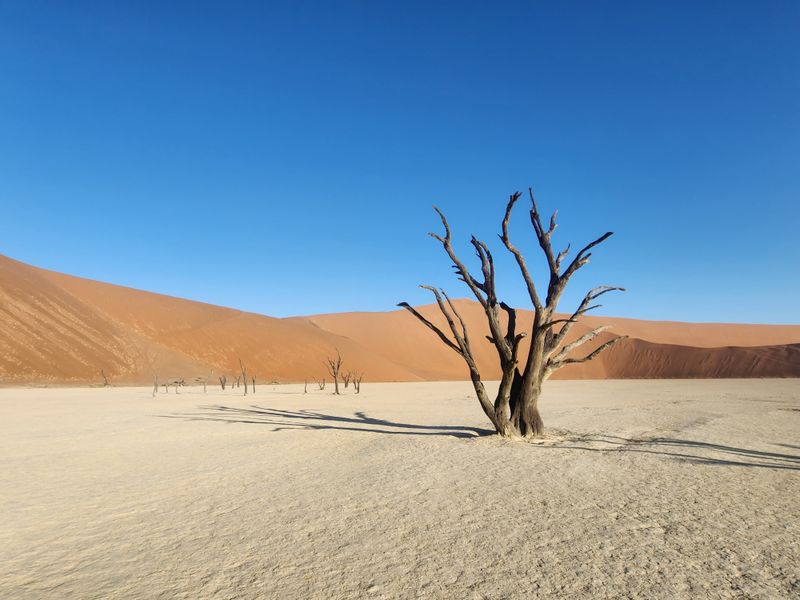
Namib-Naukluft National Park stretches across desert and mountain terrain, home to the iconic Sossusvlei dunes rising in mesmerizing hues of red and orange under the sun. Hikers and photographers alike are drawn to this ancient desert landscape, where shadows stretch at dawn and the horizon seems infinite.
The park’s diversity extends from sand seas to rocky outcrops and sparse grassland, making it one of Africa’s most compelling national parks beyond the typical safari route. Some dunes tower over 300 meters high, ranking among the tallest in the world. Climbing them at sunrise rewards visitors with panoramic views of endless desert waves painted in shifting shades of crimson and gold.
Deadvlei, a white clay pan dotted with blackened tree skeletons, creates an otherworldly scene that photographers travel thousands of miles to capture. The contrast between bleached earth, dark trees and vibrant dunes is visually stunning. Wildlife adapted to harsh conditions includes oryx, springbok and desert elephants that traverse dry riverbeds searching for water.
Night skies here are phenomenal, with minimal light pollution revealing the Milky Way in brilliant detail. Namib-Naukluft represents nature’s ability to thrive in extreme environments, showcasing beauty in barrenness.
Corcovado National Park — Costa Rica
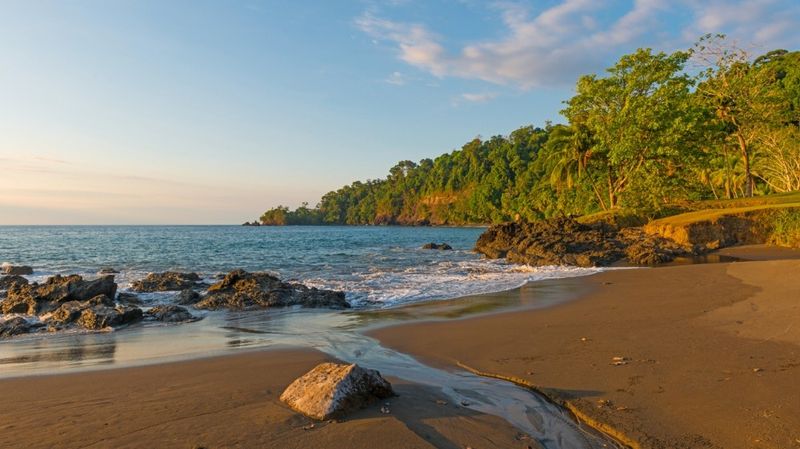
In Costa Rica’s remote Osa Peninsula lies Corcovado National Park, a biodiverse stronghold of tropical rainforest that shelters jaguars, tapirs, scarlet macaws and multiple monkey species. Often described as Central America’s most biologically intense place, Corcovado rewards adventurers with jungle trails, coastal wildlife and opportunities to spot rare species.
National Geographic once called it the most biologically intense place on Earth, and that reputation holds true today. Dense canopy forests teem with life at every level, from leaf-cutter ants marching along trails to howler monkeys calling from treetops. Both on land and in the adjacent marine zones, the park protects incredible diversity within a relatively compact area.
Travel guides frequently highlight it as a must-see for nature lovers willing to venture off beaten paths. Accessing the park often requires boat rides or long hikes through muddy terrain, but the effort pays off with sightings of endangered species rarely seen elsewhere. Four different types of monkeys swing through the canopy, while colorful poison dart frogs hop across the forest floor.
Coastal sections feature pristine beaches where sea turtles nest, and tide pools reveal marine creatures thriving in rocky habitats. Corcovado feels wonderfully wild and untamed.
Galápagos National Park — Ecuador
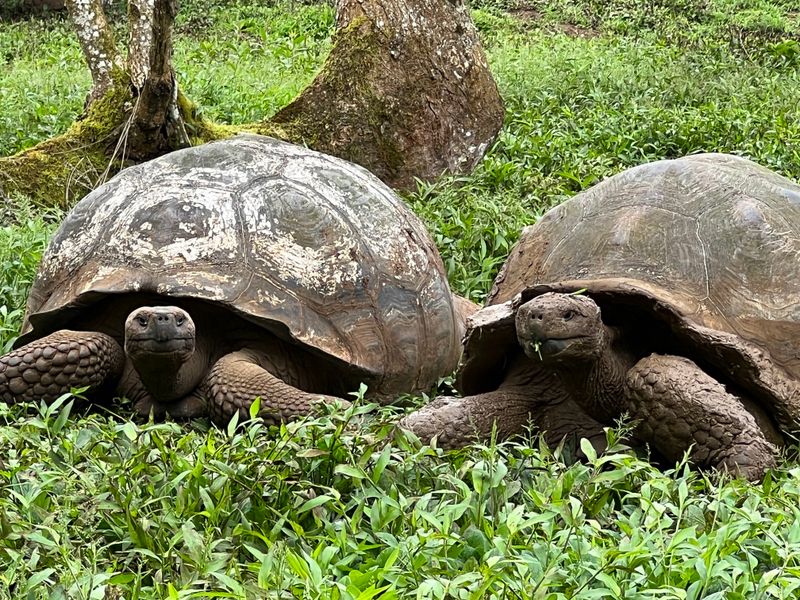
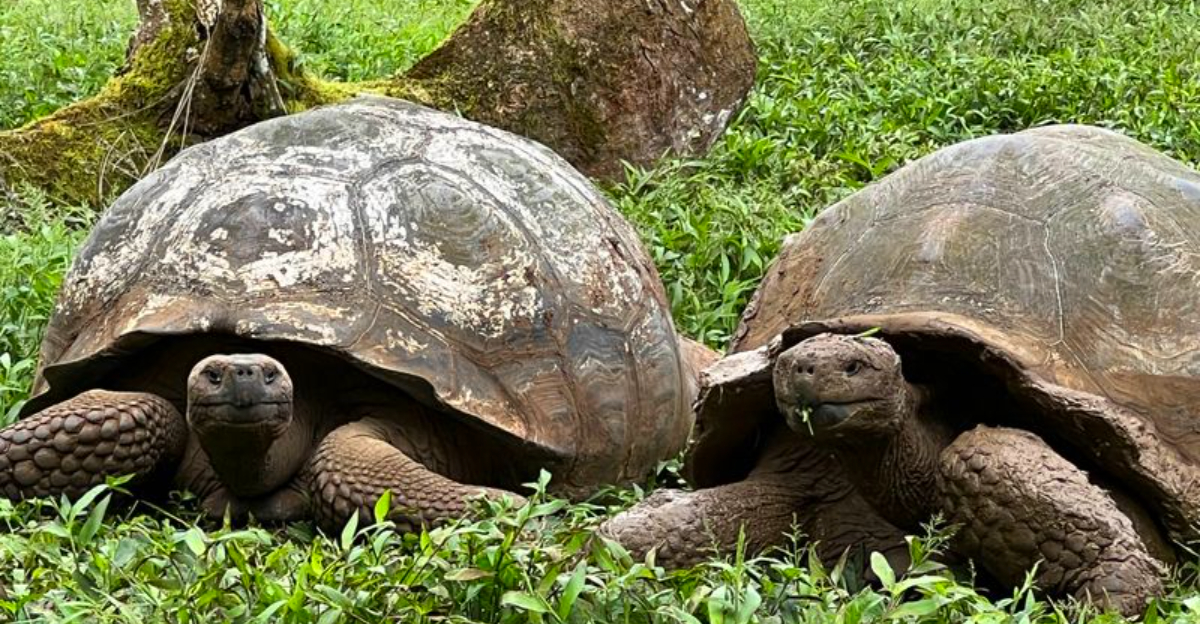
Galápagos National Park is a living laboratory of evolution and a true highlight of global conservation. Straddling the equator in the Pacific, this UNESCO World Heritage site is famed for wildlife that fearlessly approaches humans: giant tortoises, marine iguanas, blue-footed boobies and more.
Aboard small expedition boats, visitors explore volcanic islands, lava fields, sandy beaches and shallow bays alive with sea lions, penguins and reef sharks. The biodiversity here is unlike anywhere else on the planet. Each island offers a different ecosystem, from arid lowlands to misty highlands, creating micro-environments that house unique species found nowhere else on Earth.
Travel advisors consistently place it at the top of global national park lists for its unique endemic species and dramatic volcanic scenery. Snorkeling in crystal-clear waters reveals playful sea turtles and colorful fish darting through coral formations. On land, you can walk within feet of nesting birds and sunbathing iguanas without disturbing their natural behaviors.
The park covers about 97 percent of the archipelago’s land area, protecting over 7,000 square kilometers of pristine wilderness. Visiting Galápagos feels like stepping into a nature documentary where animals have never learned to fear humans, making every encounter magical and deeply memorable.
Killarney National Park — Ireland
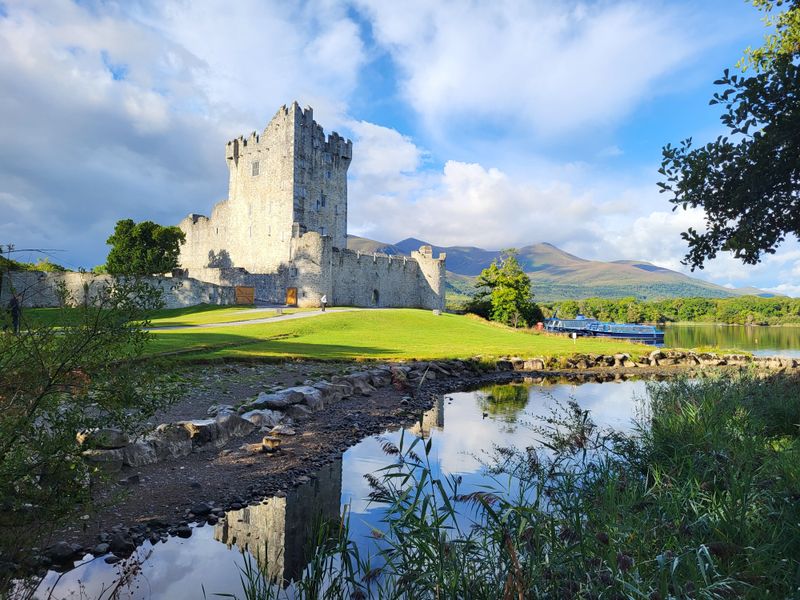
Killarney National Park, Ireland’s first established national park, features lakes, oak forests and mountain terrain in County Kerry. Its lush woodlands and sweeping views across the Lakes of Killarney create an enchanting environment for hiking, cycling and boat tours.
Cultural elements — such as historic Muckross House and traditional farm displays — blend with natural beauty here, making it a great pick for both outdoor explorers and culture enthusiasts alike. The park’s 10,000 hectares encompass three main lakes, each offering different perspectives on the surrounding mountains. Ancient oak and yew woodlands shelter Ireland’s only remaining native herd of red deer, descendants of animals that roamed these lands for millennia.
Torc Waterfall cascades dramatically through forested slopes, accessible via scenic walking paths that wind through moss-covered trees. Jaunting cars — traditional horse-drawn carriages — offer a nostalgic way to tour the park’s main attractions while learning local history from knowledgeable drivers. Ross Castle, a 15th-century tower house on the lake shore, adds medieval charm to the landscape.
The park’s combination of natural wonders and human heritage creates a uniquely Irish experience where folklore, history and wilderness intertwine. Misty mornings and emerald hillsides epitomize the romantic Irish countryside visitors dream about.
Fiordland National Park — New Zealand
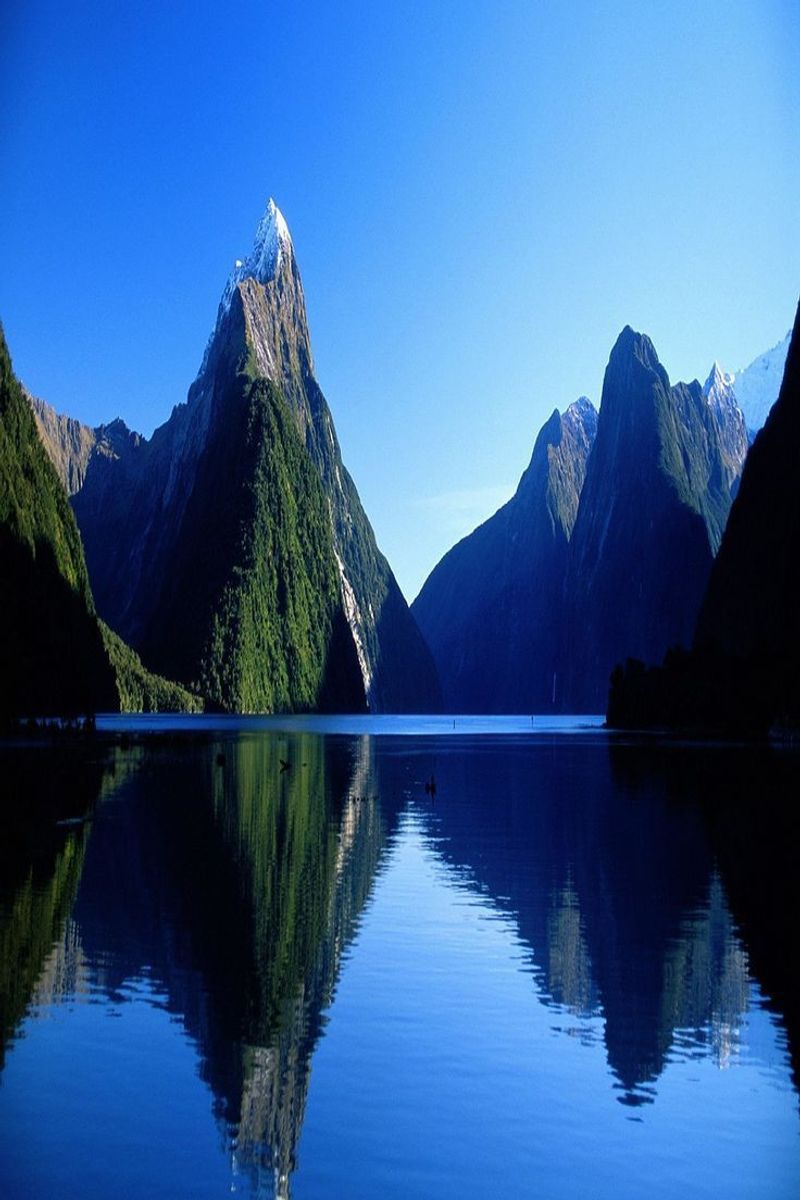
On New Zealand’s South Island, Fiordland National Park offers landscapes that feel almost otherworldly: sheer granite cliffs, cascading waterfalls and deep fjords carved by ancient glaciers. Milford Sound and Doubtful Sound are highlights where rainforest meets ocean, and boat cruises or kayaking reveal dramatic seascapes framed by towering peaks.
The park’s remoteness and vast wilderness make it a top global recommendation for immersive nature travel. Covering over 12,500 square kilometers, Fiordland is New Zealand’s largest national park and part of a UNESCO World Heritage area. Waterfalls plunge hundreds of meters from cliff faces, especially after rainfall when temporary cascades appear across sheer rock walls.
Mitre Peak rises dramatically from Milford Sound’s waters, creating one of the world’s most photographed natural landmarks. Fur seals bask on rocks, dolphins play in the fjord waters, and rare Fiordland crested penguins nest along remote coastlines. The park’s interior features pristine alpine lakes, beech forests and challenging multi-day hiking trails like the famous Milford Track.
Rain falls frequently here, nourishing temperate rainforests that drape mountainsides in emerald green. The combination of water, mountains and forest creates an atmosphere of profound wilderness that feels untouched by time.
Lençóis Maranhenses National Park — Brazil
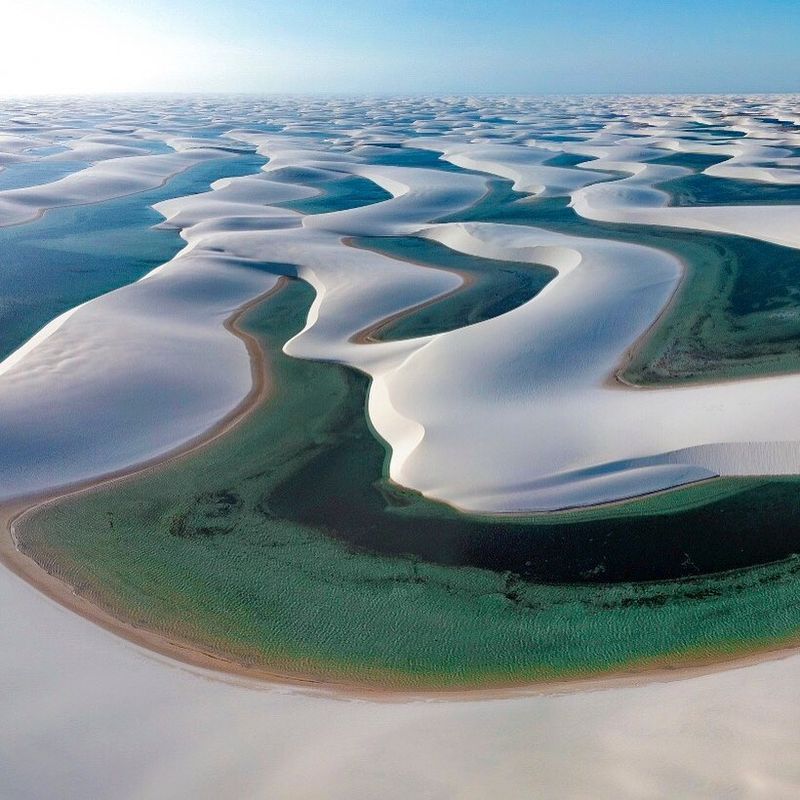
In northeastern Brazil, Lençóis Maranhenses National Park surprises visitors with vast white sand dunes interspersed with seasonal freshwater lagoons that shimmer turquoise after rains. The surreal landscape — like a desert scattered with mirrors — offers hiking, swimming in natural pools and an experience that’s visually unforgettable.
Travel guides often list it among the world’s most unique natural parks due to its striking contrasts between bleached sand and brilliant blue water. Despite appearing as a desert, the region receives substantial rainfall during the first half of the year, filling valleys between dunes with crystal-clear lagoons. These temporary oases can reach depths of three meters and remain through the dry season, creating perfect swimming spots amid seemingly endless sand.
The park covers approximately 1,500 square kilometers of coastal dunes that shift and reshape with winds and tides. Walking across the undulating landscape feels like traversing an alien planet where water and sand coexist impossibly. Local guides lead visitors to the best lagoons, some populated with small fish that somehow survive the seasonal cycle.
Sunset transforms the white dunes into shades of pink and gold, while lagoons reflect the changing sky like polished gemstones. This park defies expectations and challenges perceptions of what landscapes can be.
Cinque Terre National Park — Italy
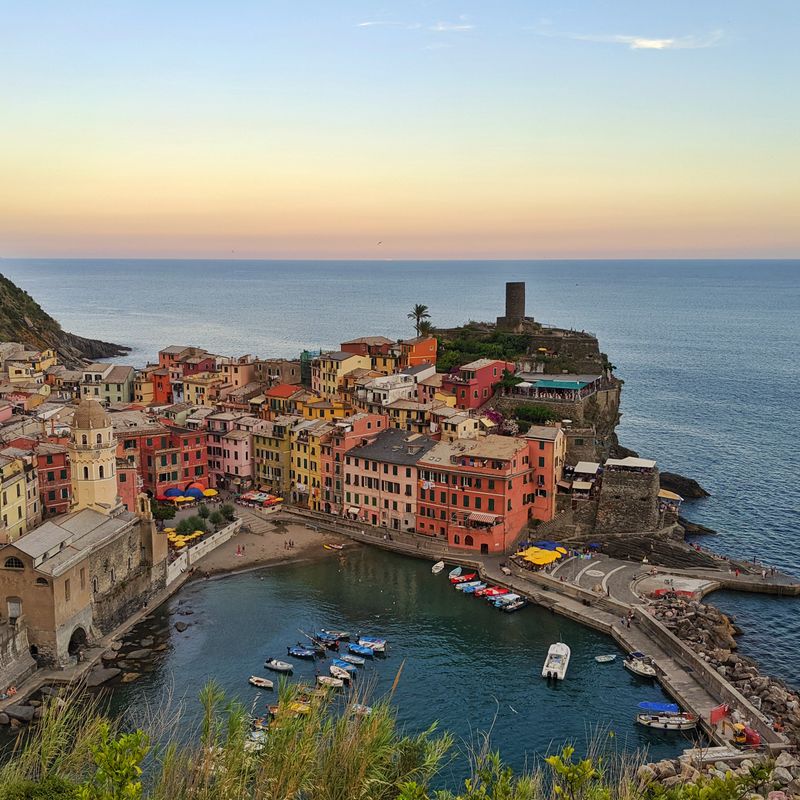
Italy’s Cinque Terre National Park blends natural beauty with cultural heritage. Stretching along the rugged Ligurian coastline, it includes five historic villages perched above the sea and a network of scenic trails that offer ocean views, terraced vineyards and glimpses of Mediterranean life.
More than just a nature reserve, this park is prized for its interplay of human and natural landscapes cultivated over centuries. The five villages — Monterosso, Vernazza, Corniglia, Manarola and Riomaggiore — cascade down steep cliffs in explosions of pastel colors, connected by ancient footpaths carved into rocky terrain. Vineyards cling impossibly to terraced hillsides, producing the region’s distinctive wines.
Hiking between villages reveals breathtaking coastal panoramas where azure waters meet dramatic cliffs, and the scent of lemon trees and wild herbs fills the air. The famous Sentiero Azzurro (Blue Trail) links all five villages, though some sections occasionally close for maintenance. Each village maintains its own character, from Monterosso’s sandy beaches to Corniglia’s elevated position requiring hundreds of steps to reach.
Fresh seafood, pesto and local focaccia fuel hikers exploring the trails. Cinque Terre demonstrates how humans and nature can coexist beautifully, creating landscapes that honor both environmental preservation and centuries-old traditions.
Tongariro National Park — New Zealand
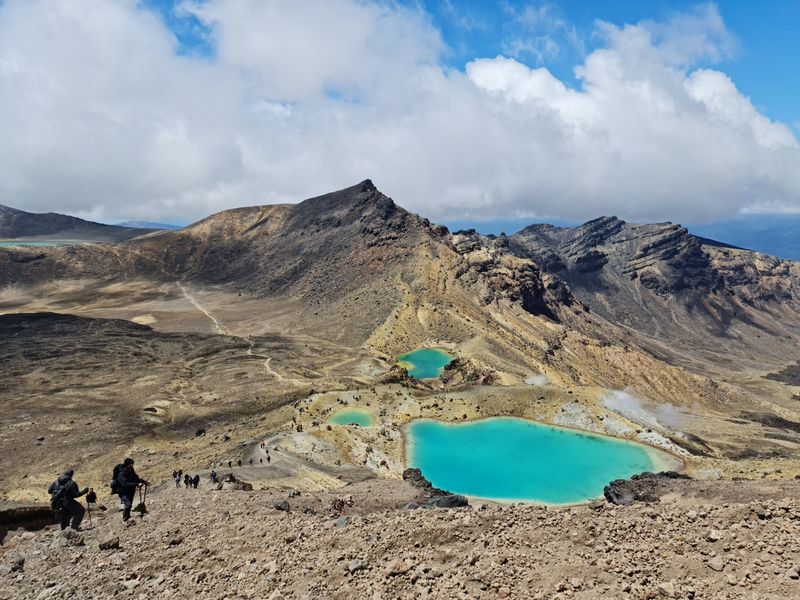
One of the world’s oldest national parks, Tongariro National Park features dramatic volcanic landscapes, emerald crater lakes and sweeping alpine vistas. The famed Tongariro Alpine Crossing is regularly cited by travel advisors as one of the best day hikes in the world, delivering close-up views of lava flows, steaming vents and stark mountain plateaus.
Scenes from The Lord of the Rings were filmed here, with Mount Ngauruhoe standing in for Mount Doom in Peter Jackson’s epic trilogy. The park’s three active volcanic peaks — Tongariro, Ngauruhoe and Ruapehu — dominate the landscape, creating an environment that feels both ancient and actively alive. Steam rises from volcanic vents, and the smell of sulfur reminds visitors that powerful forces churn beneath their feet.
The Alpine Crossing traverses 19 kilometers of otherworldly terrain, passing brilliant turquoise lakes nestled in volcanic craters and crossing fields of volcanic rock in shades of red, black and brown. Weather can change rapidly, transforming sunny skies into wind-whipped clouds within minutes. The park holds deep cultural significance for the Māori people, who consider the mountains sacred ancestors.
Winter transforms Ruapehu into a skiing destination, while summer reveals alpine wildflowers and hiking opportunities across varied terrain that showcases volcanism’s creative and destructive power.
Kruger National Park — South Africa
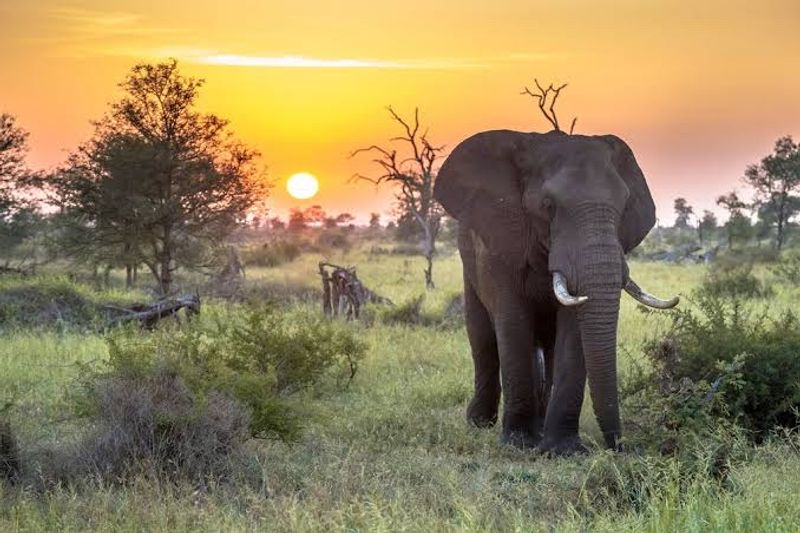
Kruger National Park is among Africa’s most renowned safari destinations, protecting a vast array of wildlife — from elephants, lions and rhinos to rare bird species. Its extensive network of roads and camps can accommodate self-drive safaris or guided tours, allowing visitors to experience the rhythms of the African bush.
Advisors laud Kruger for its diversity of species and accessible wildlife viewing that welcomes both first-time safari-goers and experienced wildlife enthusiasts. The park stretches nearly 20,000 square kilometers, roughly the size of Israel, providing habitat for the Big Five and countless other species. Over 500 bird species have been recorded here, making it a paradise for birdwatchers alongside big game enthusiasts.
Self-drive options give visitors freedom to explore at their own pace, stopping whenever interesting animals appear along the roadside. Rest camps offer accommodation ranging from basic campsites to comfortable lodges, and many feature restaurants, shops and swimming pools. Guided bush walks led by experienced rangers provide intimate encounters with smaller creatures and insights into tracking techniques and ecosystem dynamics.
Night drives reveal nocturnal animals rarely seen during daylight hours, including leopards, hyenas and bush babies. Kruger’s well-developed infrastructure makes African safari experiences accessible without sacrificing the thrill of wild animal encounters.
Banff National Park — Canada
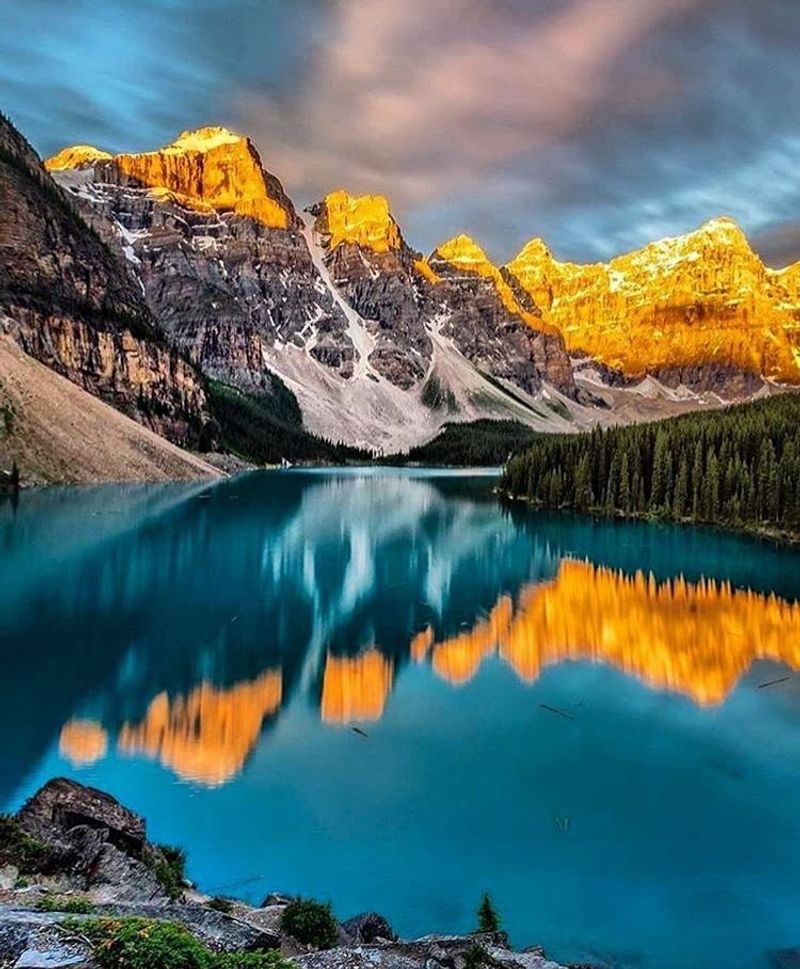
While Canada’s Banff is sometimes compared to U.S. parks, it is technically outside the U.S. and stands as one of the globe’s most scenic mountain parks. Nestled in the Canadian Rockies, it features turquoise lakes like Lake Louise, expansive glaciers, alpine meadows and crisp mountain air.
Its well-developed hiking routes, wildlife sightings and iconic views make Banff a perennial favorite among travelers seeking mountain majesty beyond U.S. borders. Established in 1885, Banff is Canada’s oldest national park and part of a UNESCO World Heritage site encompassing several Rocky Mountain parks. The impossibly blue waters of Lake Louise and Moraine Lake result from glacial flour — fine rock particles suspended in meltwater — creating colors that seem almost unreal.
Grizzly bears, black bears, elk, bighorn sheep and mountain goats roam the park’s diverse habitats from valley floors to alpine heights. The town of Banff provides a convenient base with hotels, restaurants and shops, while the scenic Icefields Parkway connects Banff to Jasper National Park through some of North America’s most spectacular mountain scenery. Winter transforms the park into a snowy wonderland perfect for skiing, snowshoeing and ice skating on frozen lakes.
Hot springs offer relaxation after days exploring trails, and the combination of accessibility and wilderness makes Banff appeal to adventurers of all experience levels.
Ivindo National Park — Gabon
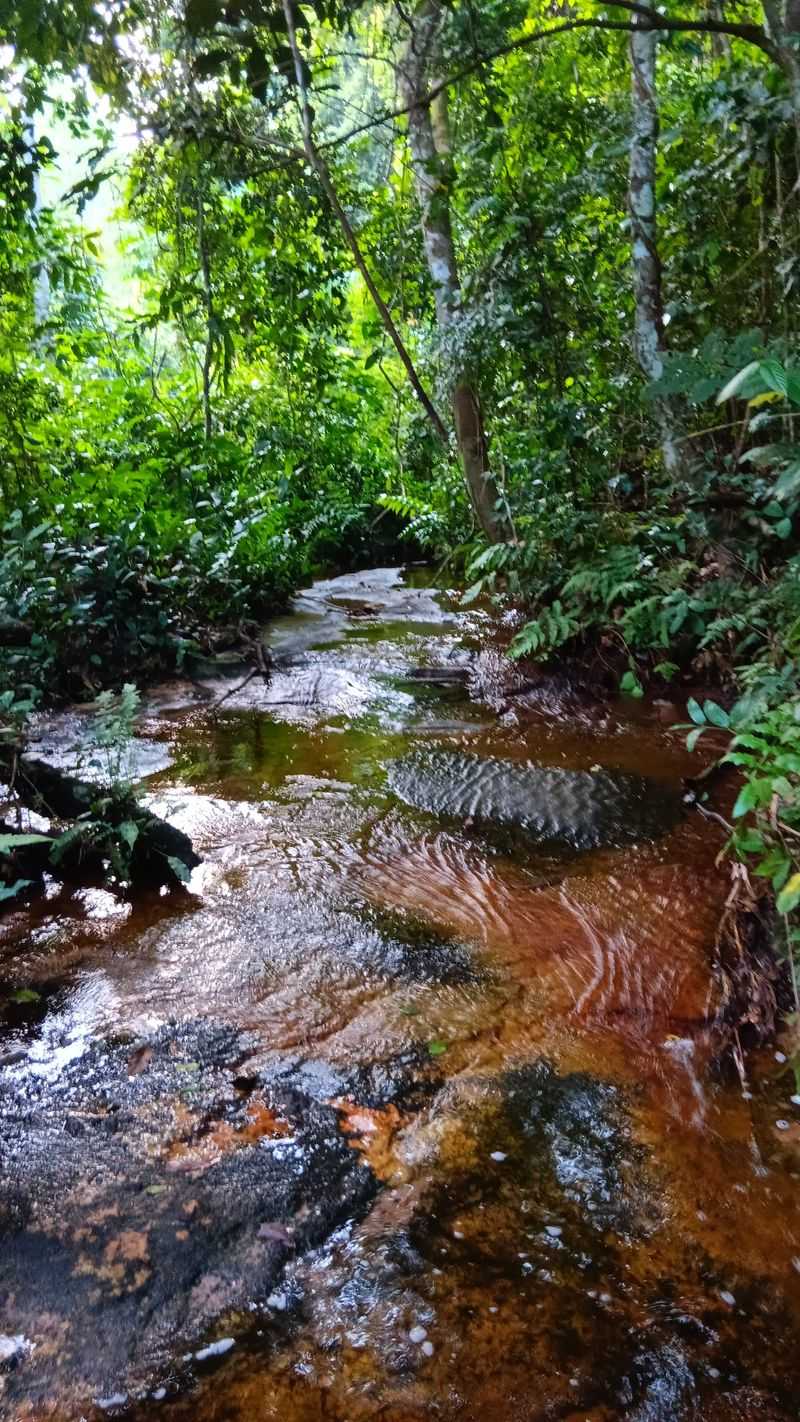
Deep in Central Africa, Ivindo National Park boasts lush tropical rainforests and the spectacular Kongou and Mingouli waterfalls along the Ivindo River. Designated a UNESCO World Heritage Site for its biodiversity, the park offers rare chances to see pristine forest ecosystems, threatened fish species and dense wildlife habitats that few travelers encounter.
Ecotourism here means connecting with one of Africa’s most intact natural systems, far from crowds and development. Kongou Falls spans nearly a kilometer wide, creating a thunderous curtain of water that plunges through rainforest in multiple cascades. The falls’ remote location means visitors often experience them in near solitude, accompanied only by the roar of water and calls of forest birds.
The park protects populations of forest elephants, lowland gorillas, chimpanzees and mandrills, though spotting these elusive animals requires patience and expert guides. Rivers harbor unique fish species adapted to fast-flowing waters, including several found nowhere else. Gabon has protected over 10 percent of its territory as national parks, demonstrating commitment to conservation uncommon in Central Africa.
Visiting Ivindo requires genuine adventure spirit — access is challenging, facilities are minimal, and conditions can be tough. But for those seeking authentic wilderness experiences in one of Earth’s last great rainforests, few places compare.
Tayrona National Natural Park — Colombia
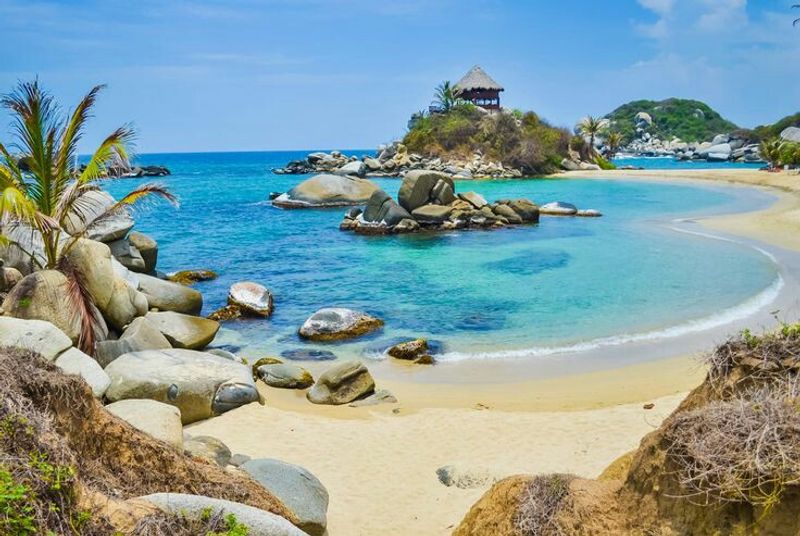
On Colombia’s northern Caribbean coast, Tayrona National Natural Park combines mountain slopes, tropical forests and seaside beauty as part of the Sierra Nevada de Santa Marta. Its landscapes range from coastal reefs and sandy beaches to elevated trails that reveal sweeping views of sea and jungle.
This versatile and vibrant national park offers opportunities for wildlife encounters, hiking and beach-side relaxation in equal measure. Pristine beaches like Cabo San Juan feature powdery sand and coconut palms swaying over crystal-clear waters, though strong currents make some areas dangerous for swimming. Designated calm zones allow safe ocean dips while surrounded by stunning natural beauty.
Trails wind through humid forests where howler monkeys announce their presence with deep roars, and colorful birds flit between branches heavy with tropical vegetation. The park protects archaeological sites from the indigenous Tayrona people, including ancient stone terraces and ceremonial platforms that hint at sophisticated civilizations that once thrived here. The Sierra Nevada mountains rise dramatically inland, creating microclimates that support diverse ecosystems within a compact area.
Camping options and eco-lodges provide overnight stays, allowing visitors to experience sunrise over the Caribbean and nighttime sounds of the jungle. Tayrona showcases Colombia’s natural diversity and growing reputation as an ecotourism destination combining adventure, culture and conservation.



