 Unearth The Voyage
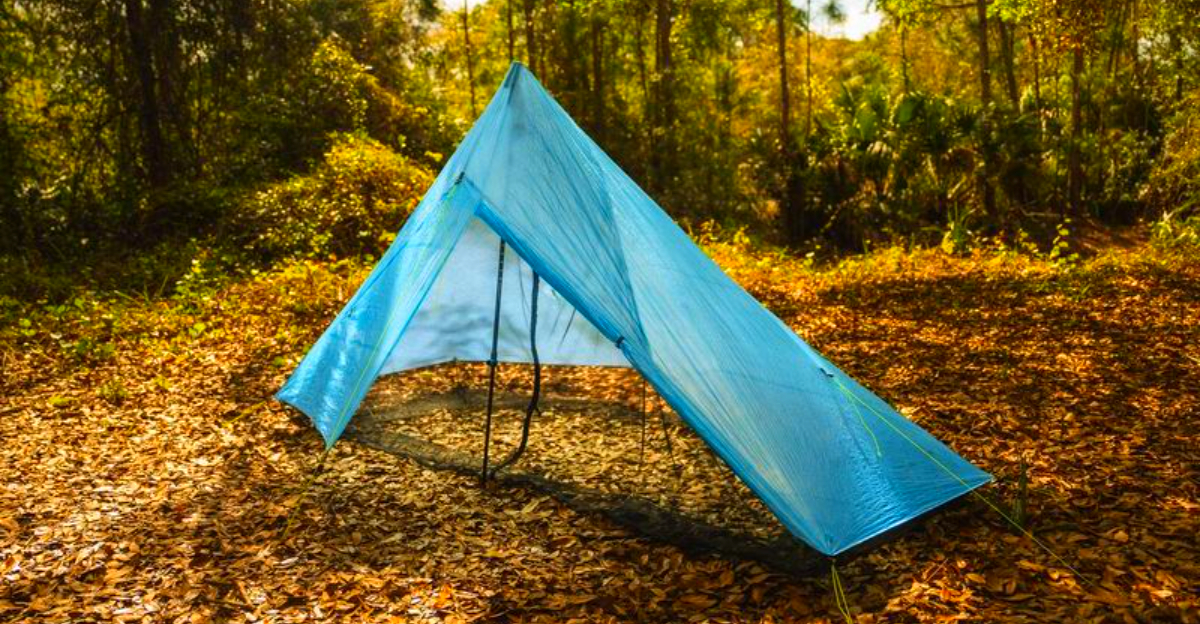
Rain on the PCT or AT can turn an epic day into a soggy mess fast. The right ultralight shelter keeps you dry, confident, and moving strong without weighing down your pack. In this guide, you will find proven favorites trusted by thru hikers in harsh, changing mountain weather. Keep reading to pick a shelter that matches your miles, your style, and your forecast.
1. Zpacks Hexamid Solo Shelter
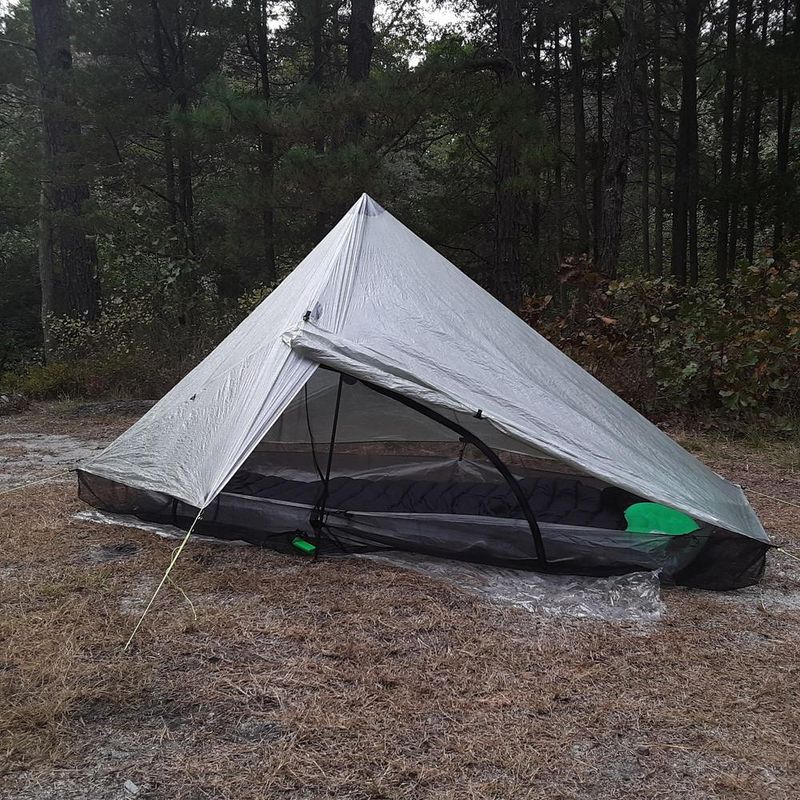
This featherlight Hexamid thrives when miles stack up and storms threaten. Dyneema fabric shrugs off sustained rain, and the shaped cut sheds wind when pitched low. Set it with a single trekking pole and smart guylines, then hunker down confident your sleep system stays dry.
You trade framed tent convenience for big weight savings and adaptable pitches. Site selection matters, and splashback is minimized with careful orientation. For thru hikers chasing sub 20 ounce shelter systems, it delivers trustworthy protection and simplicity that vanishes in the pack.
2. Zpacks Duplex Dyneema Tent
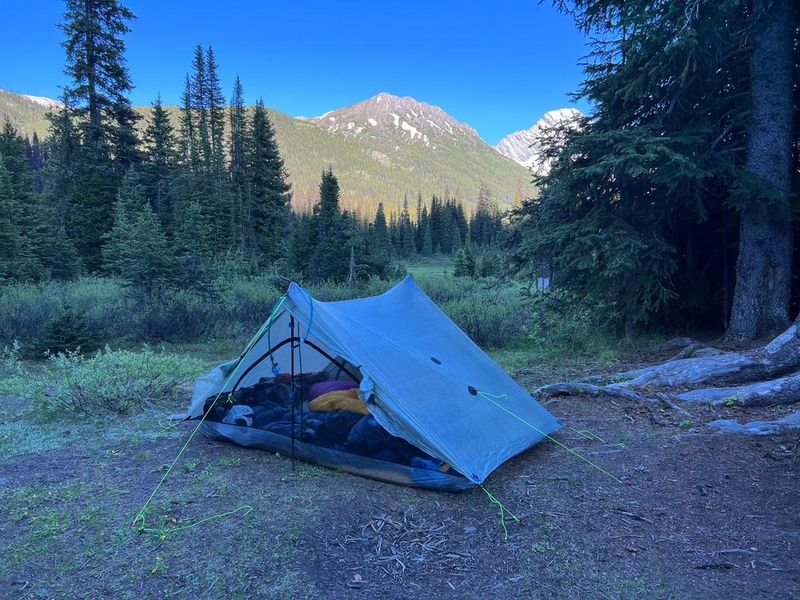
The Duplex is a crowd favorite because it nails the balance of storm security, livability, and gram shaving. Dyneema panels are waterproof and do not sag when soaked, keeping pitch taut through long, wet nights. Two doors and vestibules mean easy entry, exit, and gear management for partners or a solo hiker spreading out.
You will need trekking poles and good stakes, but setup becomes second nature. Venting helps manage condensation, critical in humid forests. If you want thru proven comfort without sacrificing big-mile efficiency, this tent sets the standard many others chase.
3. Hyperlite Mountain Gear Ultamid
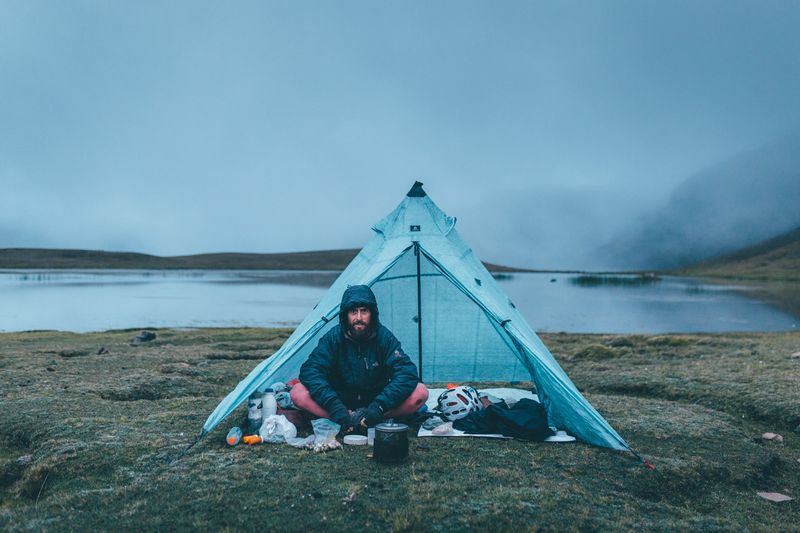
The Ultamid brings expedition-grade confidence in a surprisingly light package. Pyramid geometry sheds wind and rain efficiently, and the Dyneema canopy stays drum tight through squalls. Pitch it high for airflow or low for storm mode, using a trekking pole or a two-piece pole jack.
Space-to-weight is excellent, with generous headroom and modular inner options when bugs surge. You will appreciate the simplicity on exposed passes and soggy valleys alike. For hikers who prioritize bombproof shelter security during shoulder-season storms, the Ultamid earns trust day after day.
4. Durston X‑Mid 1P / 2P Shelter
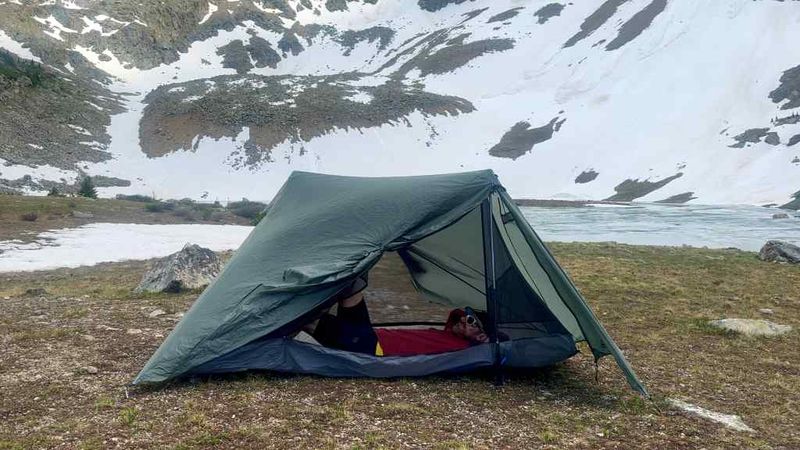
The X‑Mid design uses smart geometry to create excellent rain shedding, roomy interiors, and straightforward pitching. Offset trekking poles keep entry and exit uncluttered, while large vestibules protect packs from runoff. A full-coverage fly and high bathtub floor defend against splash and pooling water.
Setup is intuitive even on tired evenings, and the rectangular footprint makes site choice easier. Venting is solid, curbing condensation during humid stretches. If you want a forgiving, storm-savvy shelter that still counts grams, the X‑Mid lineup is a dependable, hiker-designed solution.
5. Tarptent StratoSpire Ultra
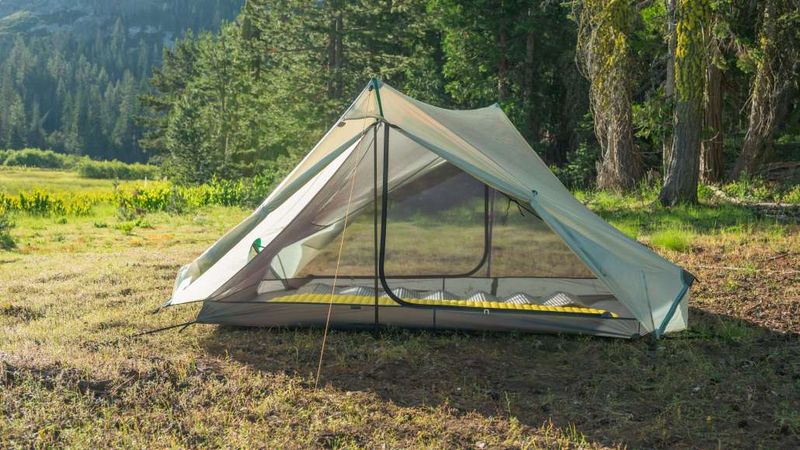
The StratoSpire Ultra merges tarp-like efficiency with tent-like structure for reliable storm performance. Its offset pole architecture opens generous vestibules and interior space while keeping weight impressively low. The fly geometry sheds rain fast, and guylines anchor solidly when gusts roll through.
You can pair it with an inner for bug season or run fly-only to cut ounces. Setup feels deliberate yet quick once practiced. If you want an adaptable, high-stability shelter for fast miles across mixed weather, this design delivers comfort without sacrificing ultralight goals.
6. Six Moon Designs Haven Tarp + Net
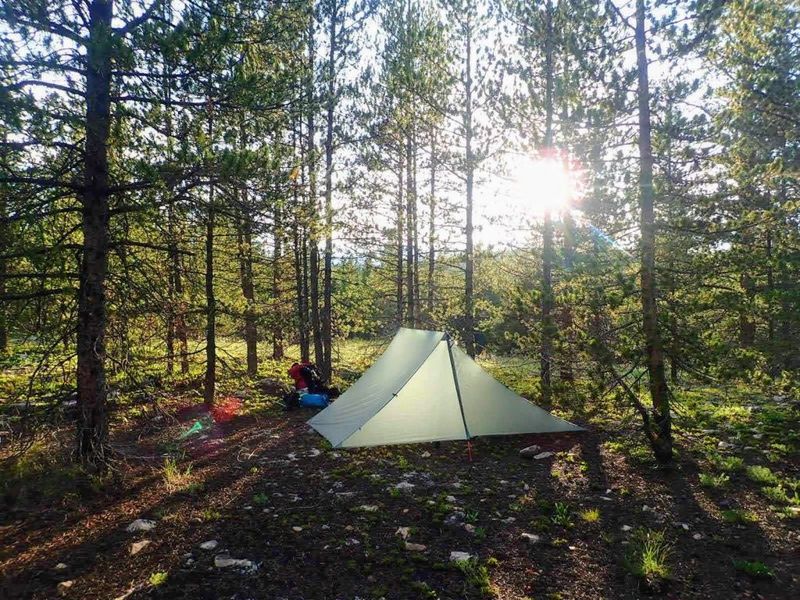
The Haven system shines with modular flexibility for long trips where conditions change daily. Run the tarp alone for minimal weight, or add the net insert when bugs hatch along swampy stretches. Its catenary cut pitches tight and sheds sustained rain while maintaining workable headroom for cooking and gear sorting.
Two trekking poles keep structure steady, and dual doors improve livability. You will appreciate packing only what you need for each section. For hikers fine-tuning base weight while preserving storm security, the Haven offers a customizable, trail-smart approach.
7. Gossamer Gear The Two
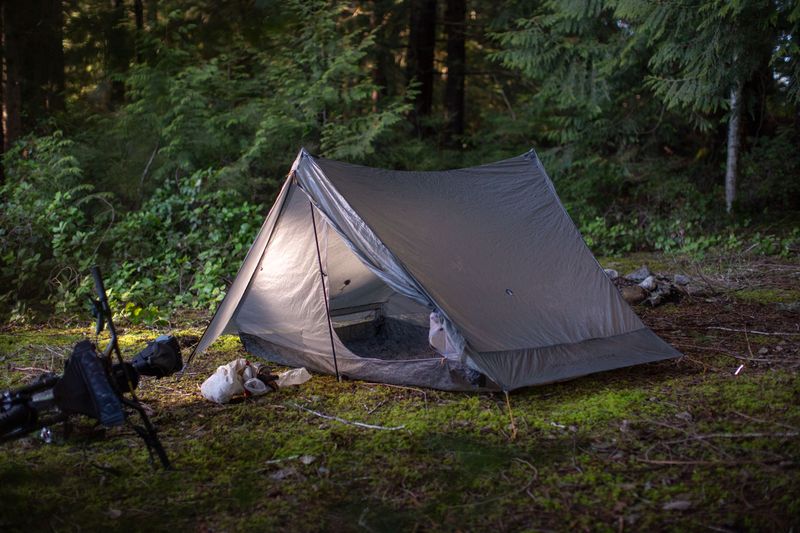
The Two delivers classic simplicity, excellent space, and reliable rain protection in a tidy weight class. Dual doors and vestibules make camp chores smoother, while the fly geometry resists sag and channels water off cleanly. Setup is uncomplicated and forgiving when fatigue meets fading light.
Ventilation is thoughtfully placed to reduce condensation in humid valleys. Materials balance durability and ounce counting, ideal for big-mile seasons. If you want a proven, comfortable home that does not punish your pack, The Two is an easy recommendation for PCT and AT trekkers.
8. Mountain Laurel Designs Grace Tarp
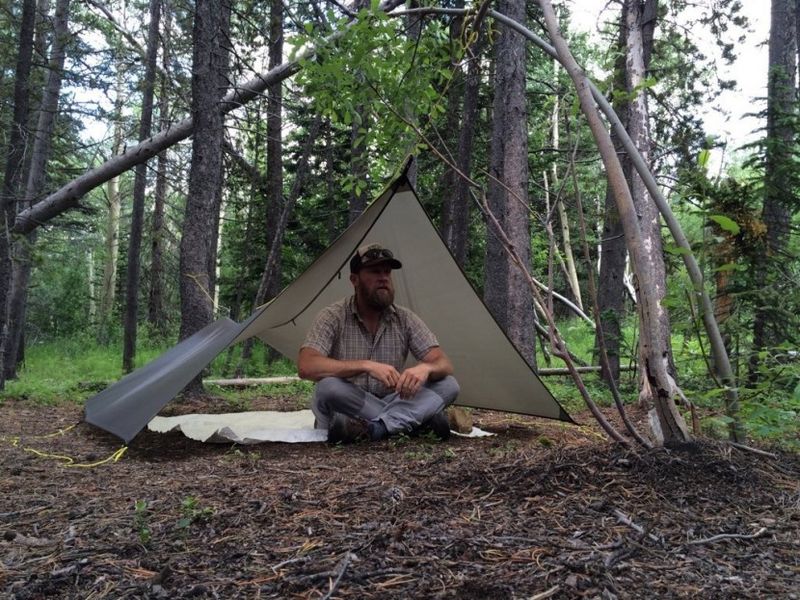
The Grace Tarp is for hikers who value refined minimalism and skillful pitching. Its catenary curves create a drum-tight canopy that sheds rain and resists flap, even during gusty downpours. Pitch low for storm armor or raise for airflow and cooking space during lighter weather.
You will need a good groundsheet, a bivy or net, and savvy site selection to control splash. The payoff is a remarkably light, compact shelter that disappears in your pack. If you prefer mastery and adaptability over zippers and poles, Grace rewards practiced hands.
9. Zpacks Hexamid Solo + Mesh Option
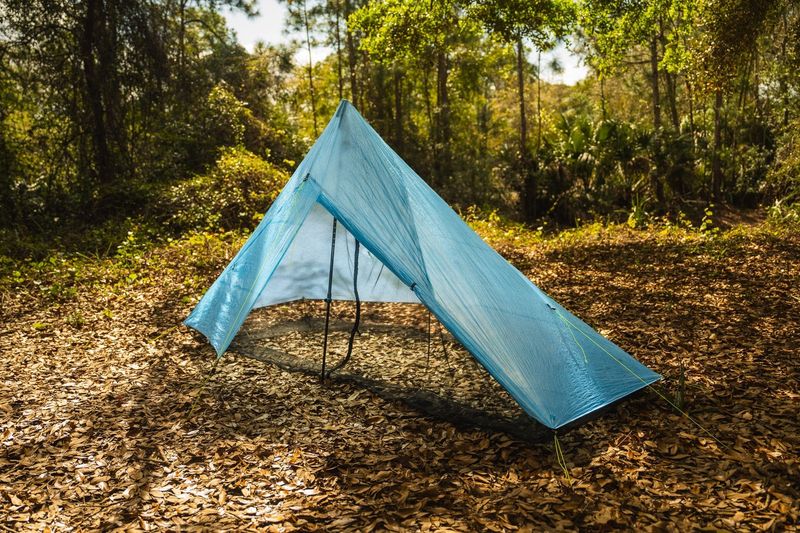
This Hexamid variant adds a mesh insert for bug season without losing the featherweight ethos. The Dyneema fly fends off soaking rain, while the mesh keeps mosquitos out when the trail turns swampy. Pitching stays quick with one pole and simple stake placement.
Ventilation is improved, helping reduce condensation on humid nights. Weight remains impressively low for a protected sleep space. If you want ultralight weather defense plus bug control for shoulder seasons and Eastern forests, this configuration hits a practical sweet spot for long trails.
10. Six Moon Designs Lunar Solo
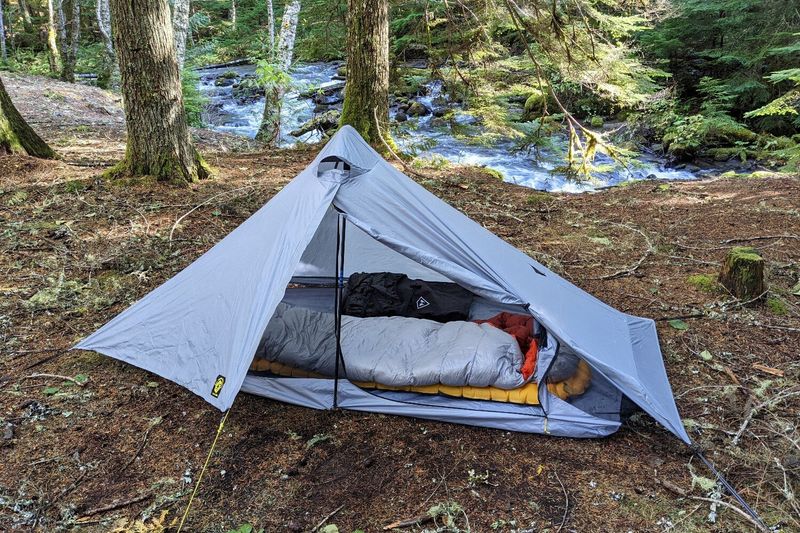
The Lunar Solo gives enclosed protection with minimal complexity, perfect when rain and bugs are both on the menu. Its single offset pole creates generous headroom, and the high bathtub floor blocks splashback. The canopy shape sheds water efficiently when pitched with a properly low perimeter.
Vent options help manage single-wall condensation, crucial on humid AT sections. Setup is fast, forgiving, and easy after long days. If you want tent-like comfort at tarp-like weights, the Lunar Solo remains a dependable, budget-friendlier favorite among distance hikers.
11. Big Agnes Tiger Wall UL Tent
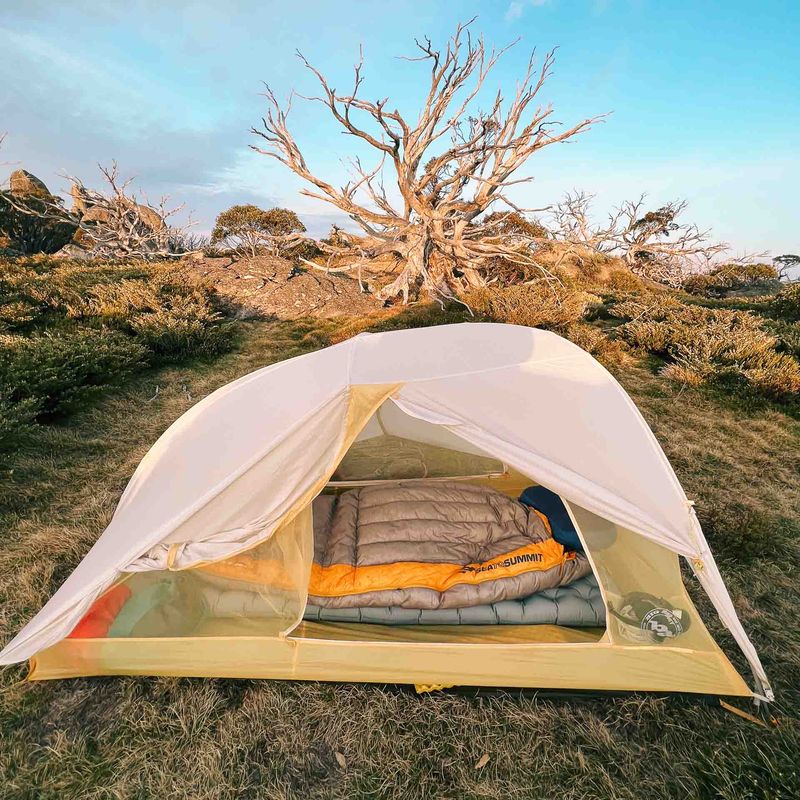
The Tiger Wall UL trades a few ounces for convenience and comfort many hikers appreciate. Semi-freestanding pitching simplifies site selection on rocky platforms, while dual doors and vestibules make life easier during wet entries. The fly fabric handles prolonged rain and dries quickly when the sun returns.
Interior volume feels generous for an ultralight category, improving sleep and downtime on zero-like evenings. Venting and guyout points help with wind and condensation management. If you prioritize easy setup and livable space while staying light, this tent is a trail-proven choice.
12. Nemo Hornet Osmo
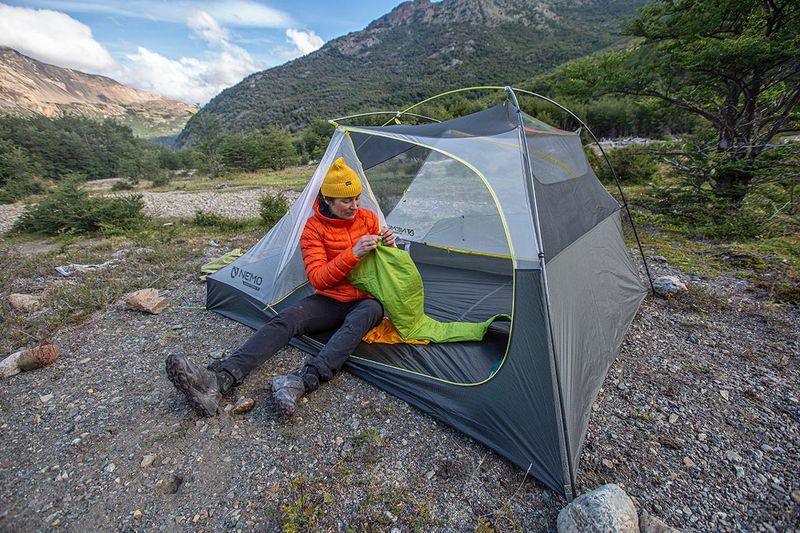
The Hornet Osmo uses a proprietary fabric that resists stretch when wet and improves waterproof performance without big weight penalties. Semi-freestanding architecture speeds setup when storms roll in at dusk. Dual doors and vestibules keep gear accessible while preserving a dry entry.
Vents and strategic mesh help curb condensation, and interior pockets organize essentials for early starts. It balances comfort, storm worthiness, and packability for big-mile seasons. If you want a capable, modern ultralight tent that thrives in rainy forests and breezy ridgelines, the Hornet Osmo is a strong contender.



