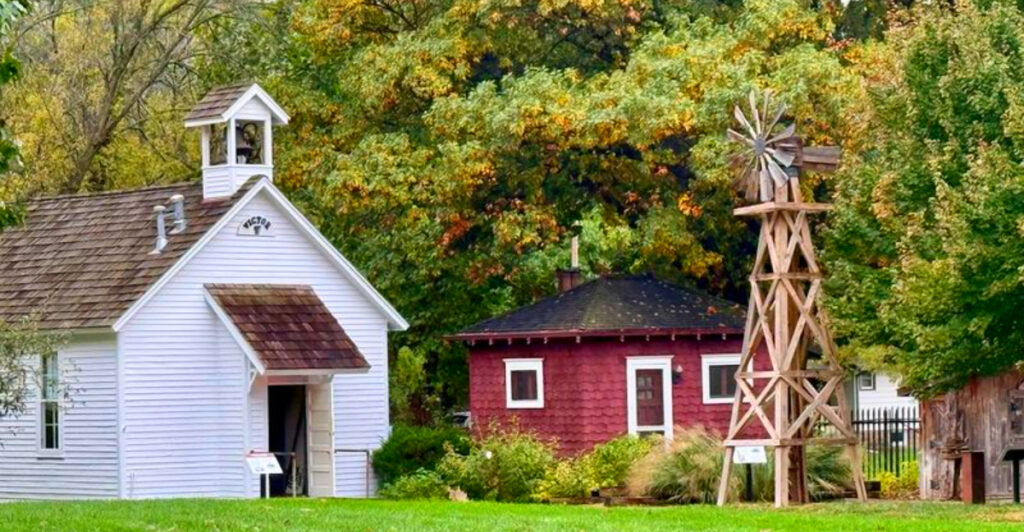
Somewhere in Topeka, Kansas, there is a place where a grand Victorian mansion stands just steps away from a replica 1880s prairie village, and where thousands of tulips bloom alongside over 1,000 varieties of hostas in a nationally recognized botanical garden. That combination alone is enough to make you stop and wonder how one six-acre park managed to pack in so much history, beauty, and character. What started as a pioneer homestead in 1854 has grown into one of the most layered and rewarding landmarks in the entire state. By the time you finish reading, you will know exactly why locals are quietly proud of this place and why first-time visitors almost always leave planning their return trip.
Where the Adventure Begins: Location and First Impressions
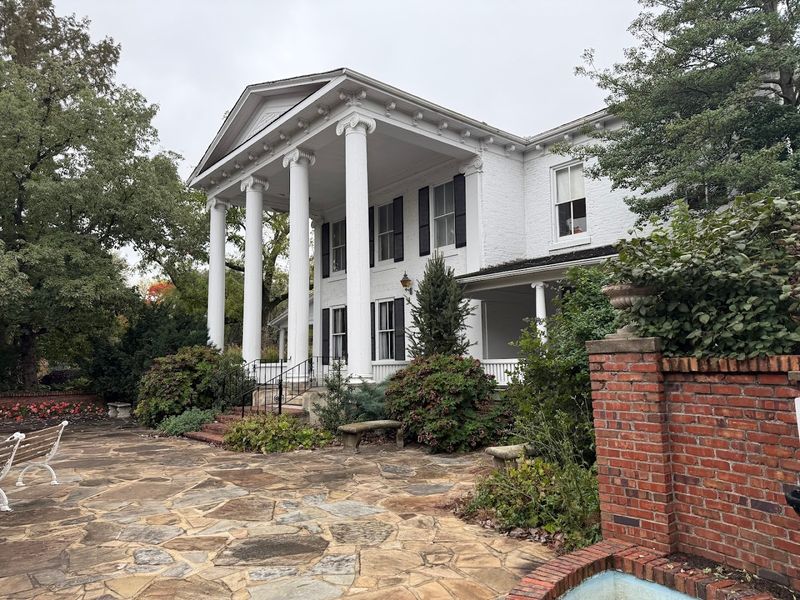
The address is 124 NW Fillmore St, Topeka, KS 66606, and the moment you pull up, something feels different about this corner of the city. Ward-Meade Park does not announce itself with flashy signs or a crowded parking lot. Instead, it greets you with green lawns, towering trees, and the quiet silhouette of a white Victorian mansion rising above the landscape.
The park covers six acres and earns a 4.7-star rating from over 619 visitors, which tells you something important before you even walk through the gate. It is open daily from 8 AM to 6 PM, and the grounds are completely free to enter.
Phone ahead at +1 785-251-6989 if you want to ask about guided tours or seasonal events. First-time visitors often say they expected something small and left feeling like they had stumbled onto an entire chapter of American history hiding in plain sight.
The Grand Dame of Topeka: Inside the Ward-Meade Mansion
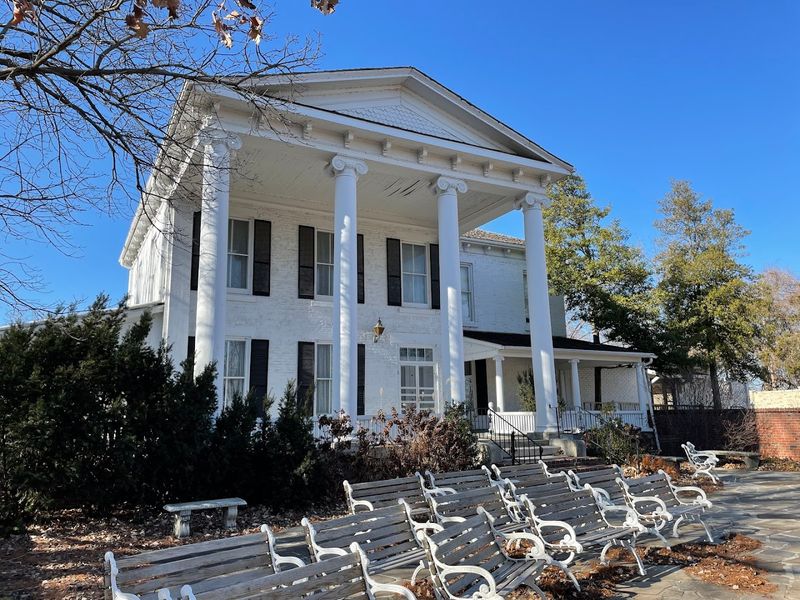
Anthony A. Ward built this mansion in 1870, and it was considered Topeka’s very first mansion. The structure is a multi-story white Victorian beauty that has survived more than 150 years of Kansas weather, political change, and urban growth around it.
The City of Topeka purchased the property around 1960 and 1961, and by 1976 the mansion had been carefully restored to its original floor plan. That restoration earned it a well-deserved spot on the National Register of Historic Places, officially recognized on November 12, 1975.
Guided tours of the mansion are available and give visitors a real sense of what life looked like for a prosperous frontier family in the late 1800s. The rooms feel lived-in rather than museum-stiff, which makes the experience surprisingly personal. There are also reports of spirit activity inside the mansion, which adds an unexpected layer of intrigue for those who enjoy a good mystery alongside their history lesson.
A Candle in the Window: The Pioneer Story of Mary Jane Ward
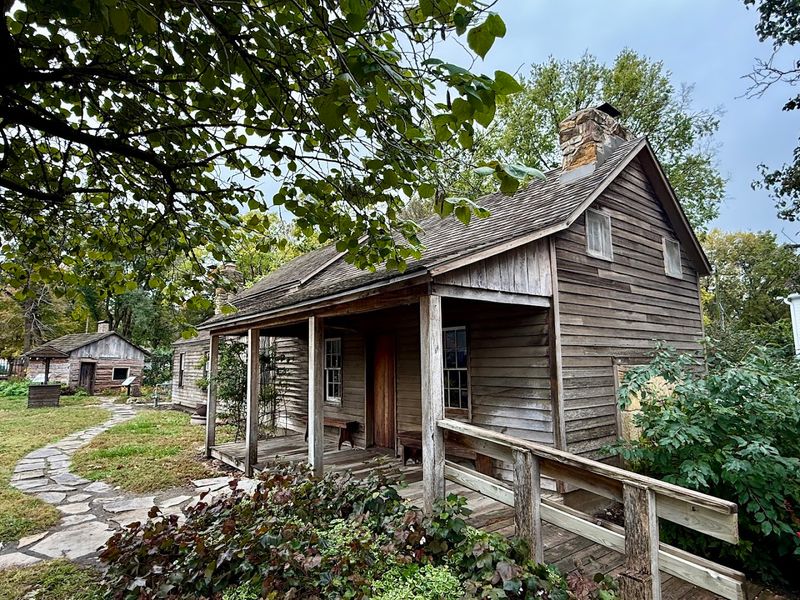
Before the grand mansion existed, there was a log cabin and a family determined to make a life on the Kansas frontier. Anthony Ward acquired the land in 1854 and settled here with his wife, Mary Jane Foster Ward, in what was then raw, open territory.
Mary Jane Ward became a beloved figure in Topeka’s early history, earning the nickname the mother of Topeka. She kept a candle burning in her window at night so that travelers moving along the frontier could find their way in the dark. That small, steady act of kindness became a symbol of the warmth and community spirit that defined early settler life.
The replica 1854 log cabin on the grounds honors that original homestead directly. During winter months, hearth meals are actually prepared and served inside the cabin, giving visitors a hands-on taste of frontier cooking. Guided tours of the cabin bring the Ward family story to life in a way that a simple plaque never could.
Old Prairie Town: A Whole Village Hiding in the Park
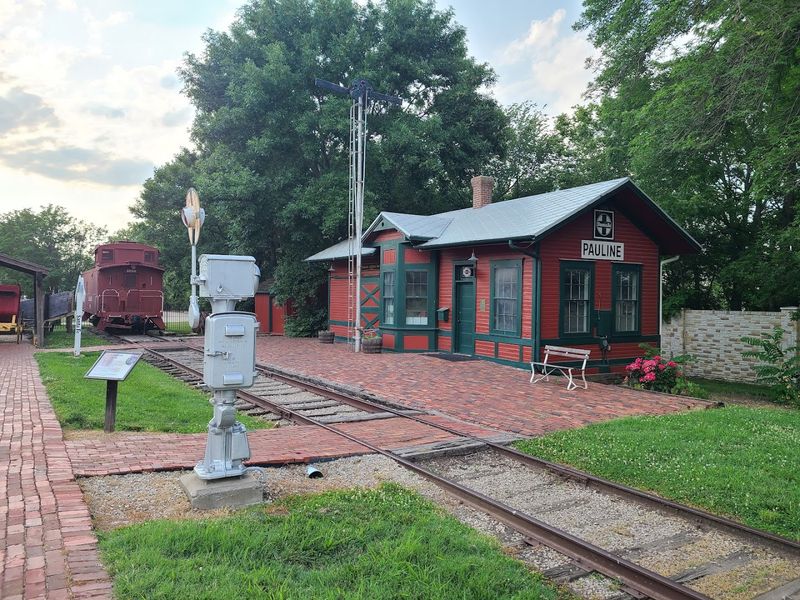
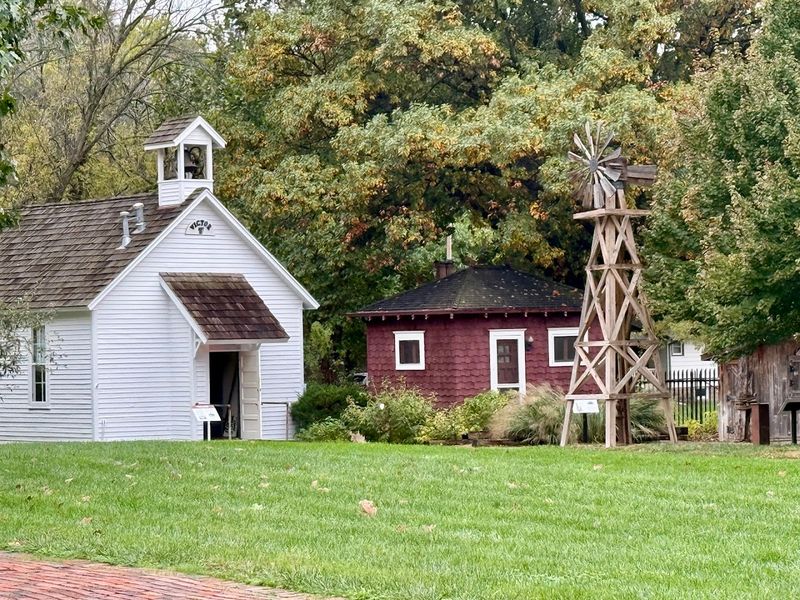
Most parks have a historic building or two. Ward-Meade Park has an entire 1880s village. Old Prairie Town is a collection of authentic 19th-century structures that were physically relocated to the site to save them from being lost forever.
Each building tells a different story about life on the Kansas frontier. The 1891 Victor Schoolhouse still has its original outhouse out back. The 1880 Everest Church was moved from Everest, Kansas, and now hosts weddings inside its charming walls. The Mulvane General Store functions as both a visitors center and a gift shop where you can browse locally inspired souvenirs.
The Pauline Depot and Caboose offer a glimpse into railroad history, while the turn-of-the-century barber shop looks like time simply forgot to update it. Informational plaques outside each building explain the history clearly, so even visitors who skip the guided tour come away with a solid understanding of what daily life looked like in a Kansas prairie town during the 1880s.
Soda Fountains and Frontier Medicine: The Potwin Drug Store
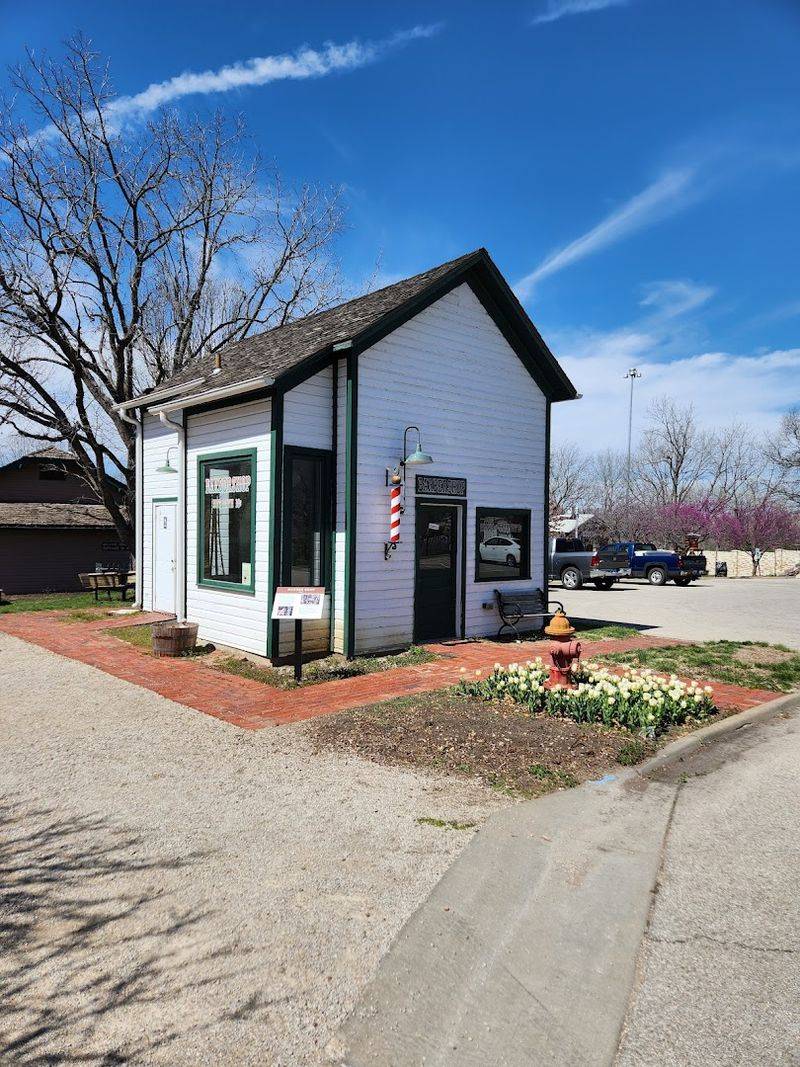
The Potwin Drug Store is one of the most delightful surprises inside Old Prairie Town, and it earns every bit of the attention it gets. The soda fountain inside is fully operational, serving shakes, malts, ice cream, and cold drinks to visitors who have been exploring the grounds.
Brown bread ice cream is a fan favorite, and the atmosphere inside feels genuinely vintage rather than artificially themed. The staff behind the counter are known for being friendly and welcoming, which makes the stop feel more like visiting a neighborhood shop than a museum exhibit.
Beyond the sweet treats, the drug store also features period-specific doctor and dentist offices that offer a fascinating and sometimes slightly unsettling look at 19th-century medical practices. The combination of working soda fountain and historical medical displays in the same building creates a quirky contrast that visitors consistently remember long after they leave. Arriving hungry is highly recommended.
The Oregon Trail Connection You Might Not Expect
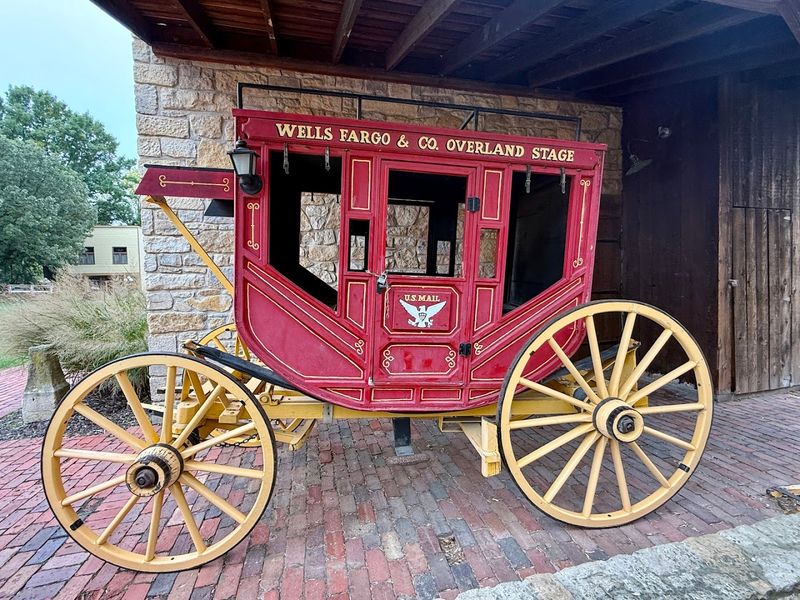
Ward-Meade Park sits on land that carries a significance far beyond the Ward family story. The site rests along the historic Oregon Trail, one of the most important migration routes in American history, used by hundreds of thousands of pioneers heading west during the 19th century.
The Lingo Livery Stable on the grounds houses a dedicated exhibit focused entirely on the Oregon Trail experience. Inside, visitors can learn about the wagons, the gear, the hardships, and the remarkable determination of the families who passed through this region on their way to new lives further west.
The Lingo Tack Shop sits alongside the stable and adds another layer of authenticity to the experience. For history enthusiasts, this section of the park is particularly rewarding because it connects the local Ward family story to the much larger national narrative of westward expansion. The park essentially becomes a physical crossroads between personal pioneer history and American history on a grand scale.
Two and a Half Acres of Pure Botanical Wonder
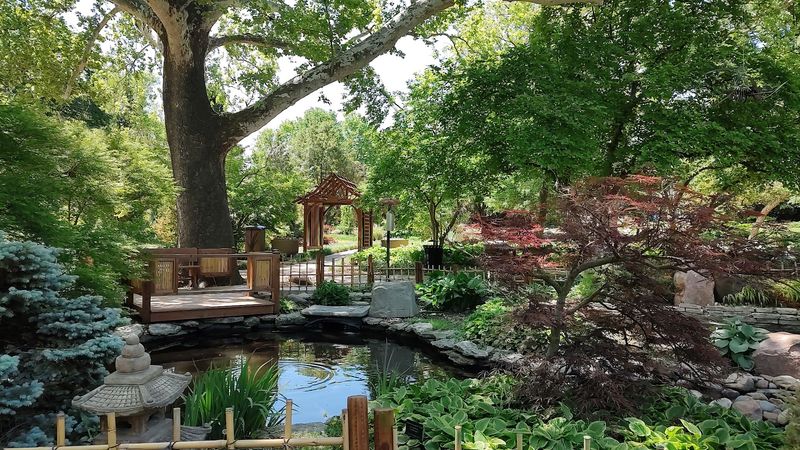
The Ward-Meade Botanical Garden covers 2.5 acres adjacent to the mansion, and it has been growing in reputation since it was established in 1963. What began as a garden on historic grounds has evolved into one of the most diverse botanical collections in the entire region.
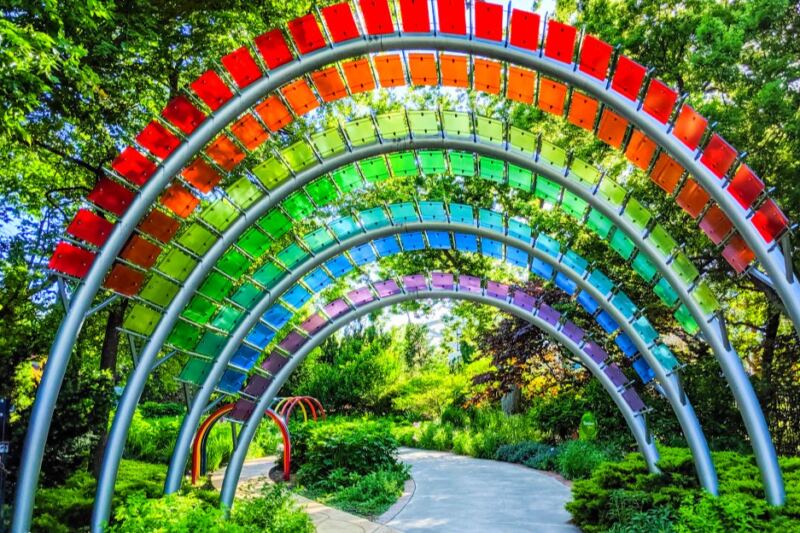
Paved paths wind through distinct garden areas, making the space accessible to visitors of all ages and physical abilities. Water features, arbors, gazebos, and small bridges appear throughout, giving the garden a layered and peaceful quality that rewards a slow, unhurried walk rather than a quick loop.
Over 500 varieties of trees and shrubs fill the space, and every single one is labeled with both its common name and its scientific name. That detail makes the garden genuinely educational without feeling like a classroom. The monarch butterfly way station adds an ecological dimension that feels especially meaningful, and the Asian Garden at Anna’s Place brings a calm, contemplative corner to a garden that already has plenty of reasons to make you linger.
Hostas, Daylilies, and a Garden with National Recognition
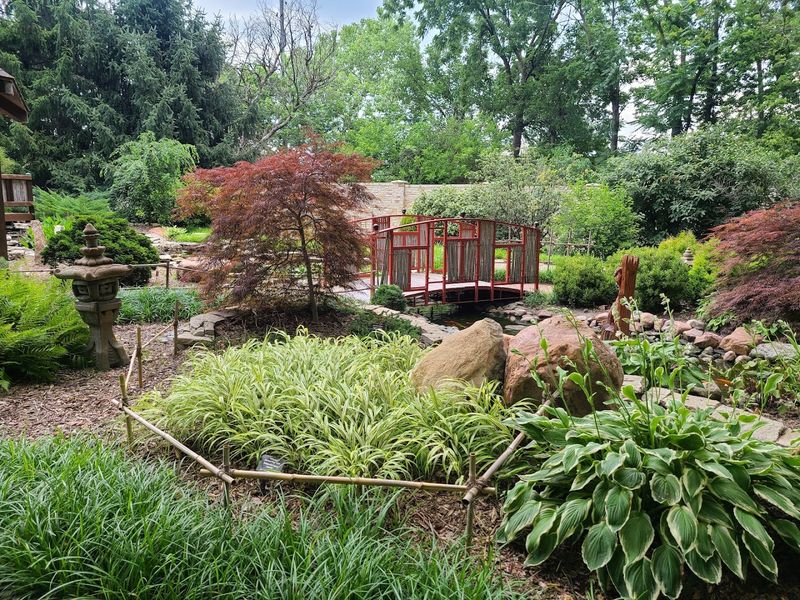
Not every city park can claim to host a nationally recognized display garden, but Ward-Meade manages it with ease and then some. The botanical garden holds national display garden status for both hostas and daylilies, which is a distinction that draws serious plant enthusiasts from well beyond Topeka.
The hosta collection alone includes over 1,000 varieties, which is a number that sounds almost impossible until you actually walk through the shaded sections of the garden and see row after row of beautifully varied foliage. The daylily collection blooms in summer and creates waves of color across the garden beds.
A national conifer reference garden rounds out the list of specialized collections, giving the space a year-round appeal that goes beyond spring and summer blooms. Horticulture students, garden club members, and casual visitors all find something to appreciate here because the collections are curated with genuine care. The labels on every plant make it easy to take notes and bring ideas home to your own garden.
Tulip Time: The Event That Turns the Garden Into Something Magical
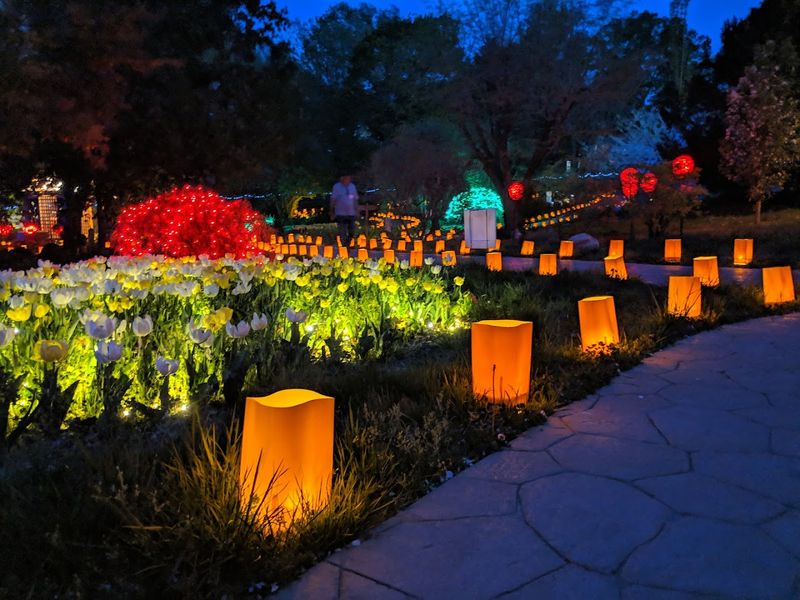
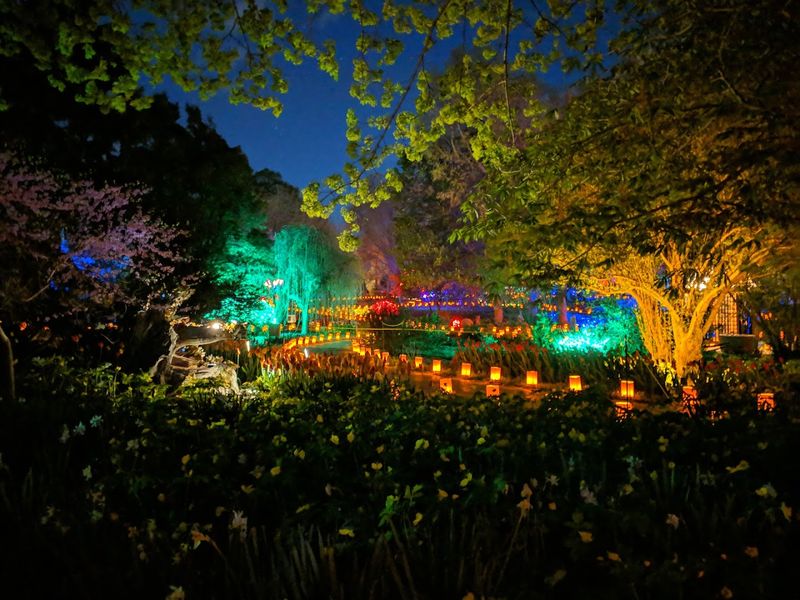
Every April, the botanical garden transforms into a sea of color when thousands of tulips reach full bloom. The annual Tulip Time celebration draws visitors from across Kansas and beyond, and the signature event within it is Tulips at Twilight, an evening experience that turns the garden into something genuinely spectacular.
Colored accent lights illuminate gnarly old trees, ponds shimmer with reflected light, and textile sculptures appear throughout the woodland setting. The combination of natural beauty and thoughtful lighting design creates an atmosphere that feels festive without being overdone.
Visitors who have attended Tulips at Twilight consistently describe it as one of the most visually impressive events in the Topeka area. Picking up ice cream from the Drug Store soda fountain and wandering through the lit garden afterward has become something of an unofficial tradition for many attendees. Between 5,000 and 10,000 annual flowers are planted each year, which means the garden never looks quite the same twice no matter how many times you visit.
Ghost Tours and the Mansion’s Mysterious Side
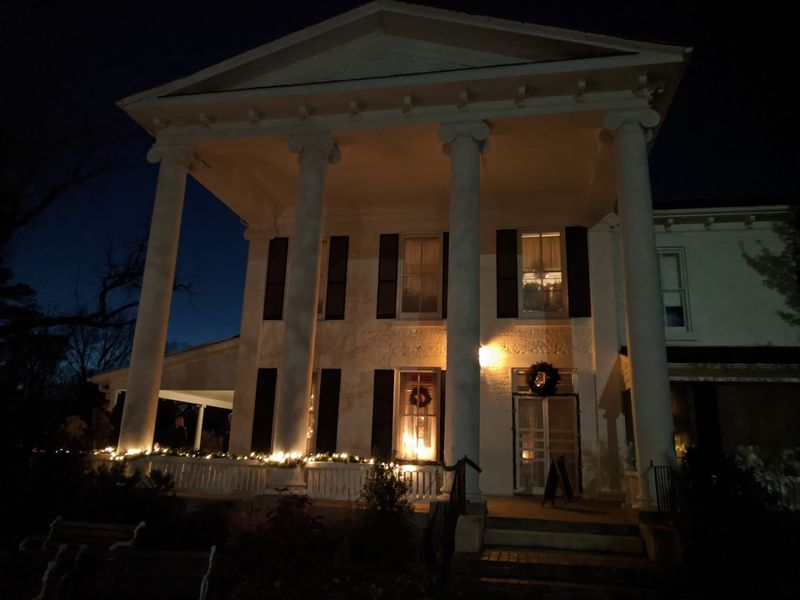
The Ward-Meade Mansion has a reputation that goes beyond its architectural beauty and historical significance. Reports of spirit activity inside the mansion have circulated for years, and the park now offers official ghost tours and paranormal investigations for those curious enough to explore after dark.
The tours are led by knowledgeable guides who combine genuine historical information with accounts of unexplained activity reported inside the building. The result is an experience that works equally well for history enthusiasts and paranormal thrill-seekers, since both groups leave with a deeper understanding of the mansion’s layered past.
The guides bring warmth and enthusiasm to the experience, making even skeptical visitors feel engaged throughout the tour. The mansion’s age, its frontier history, and its long list of former residents create a natural backdrop for storytelling that keeps the tour feeling grounded rather than sensationalized. For anyone who wants to see Ward-Meade in a completely different light, the ghost tours offer an unforgettable angle on a landmark that already has plenty of stories to tell.
Practical Tips for Getting the Most Out of Your Visit
The grounds and botanical gardens are free to enter every day from 8 AM to 6 PM, which makes Ward-Meade one of the most accessible landmarks in Topeka regardless of your budget. Guided tours of the mansion and the 1854 log cabin are available for a small fee and are well worth adding to your visit if your schedule allows.
Weekday visits tend to offer a quieter, more relaxed experience, while weekends bring more foot traffic and a livelier atmosphere around Old Prairie Town. Restrooms are available on the premises, and water bottle refill stations are also on site, so there is no need to cut the visit short for practical reasons.
Picnic spots are scattered throughout the grounds, making it easy to pack a lunch and spend a full afternoon without rushing. Arriving in spring for the tulip bloom is highly recommended, but the garden offers something worth seeing in every season. The park’s phone number is +1 785-251-6989 for any questions before you go.
Why This Topeka Landmark Deserves a Spot on Your Travel List
Ward-Meade Park does something that very few places manage to pull off successfully. It combines a nationally recognized botanical garden, a preserved Victorian mansion, a replica pioneer village, and a living connection to the Oregon Trail, all within six walkable acres in the middle of a modern city.
The fact that the grounds are free and open every day removes every possible excuse not to visit. Whether you come for the flowers, the history, the soda fountain, or the ghost stories, the park delivers on every angle without feeling crowded or chaotic.
Families with children find plenty to explore and discuss, garden lovers lose track of time among the hostas and daylilies, and history enthusiasts can spend hours moving between the mansion, the log cabin, and the buildings of Old Prairie Town. Ward-Meade Park is the kind of place that earns its 4.7-star rating honestly, one visitor at a time, and it quietly rewards everyone who takes the time to show up.
Share this story