 Unearth The Voyage
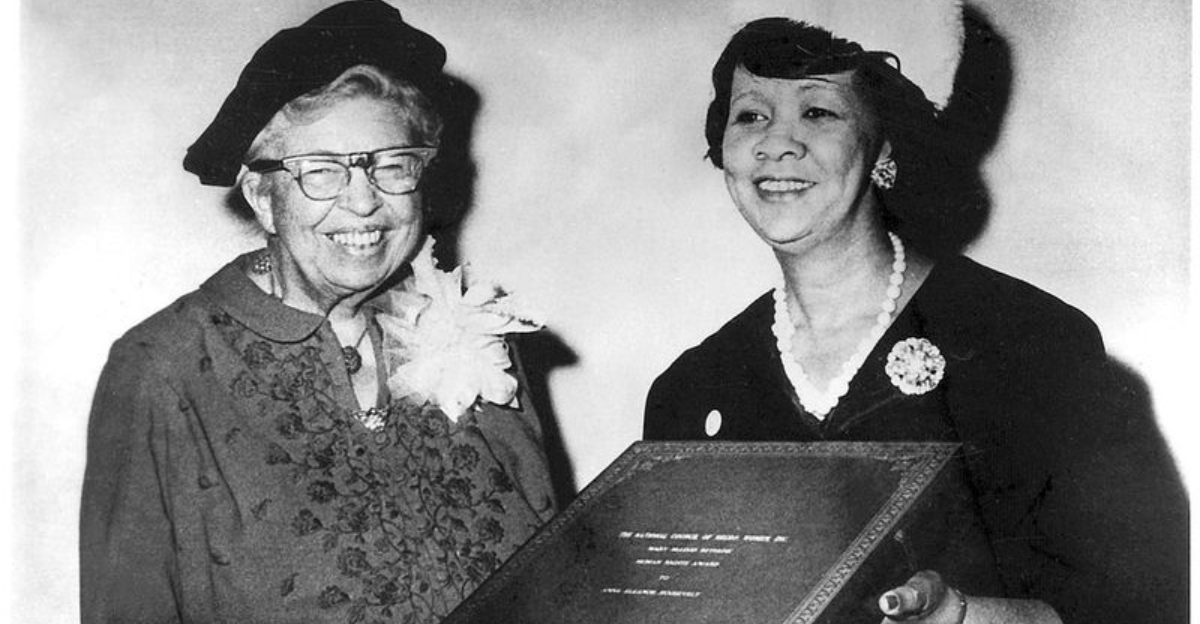
History often overlooks the quiet architects who change how we live, move, and think. This article spotlights Black women whose brilliance shaped science, justice, education, flight, and freedom without the credit they deserved.
You will meet innovators and organizers whose legacies ripple through your phone’s GPS and your right to vote. Their stories invite you to look closer and carry their impact forward.
Gladys West
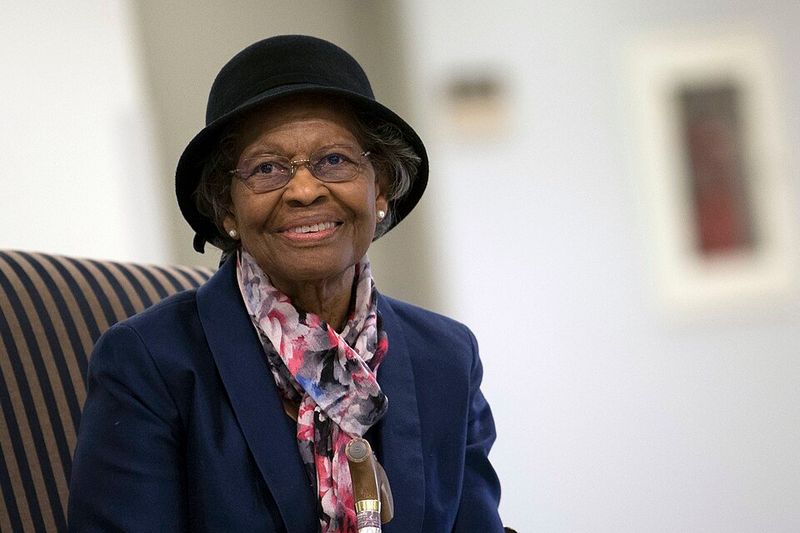
You use GPS every day, but the math that makes it tick rests on Gladys West’s meticulous work. At the U.S.
Naval Proving Ground, she wrangled satellite data, gravity anomalies, and Earth’s imperfect shape to refine geodetic models. Those models became the backbone for precise positioning that guides planes, ships, smartphones, and emergency responders.
Imagine computing crustal wiggles and orbital quirks with punch cards and patience. West led teams through years of iteration, verifying errors, tuning algorithms, and turning chaos into coordinates you can trust.
Her breakthroughs helped transform navigation from guesswork into a global utility.
For decades, few knew her name while enjoying the benefits of her calculations. When recognition finally arrived, it reframed GPS as a human story of persistence and brilliance.
You navigate with confidence because she insisted on accuracy, method, and quiet rigor. Her legacy lives in every blue dot that finds your way.
Claudette Colvin
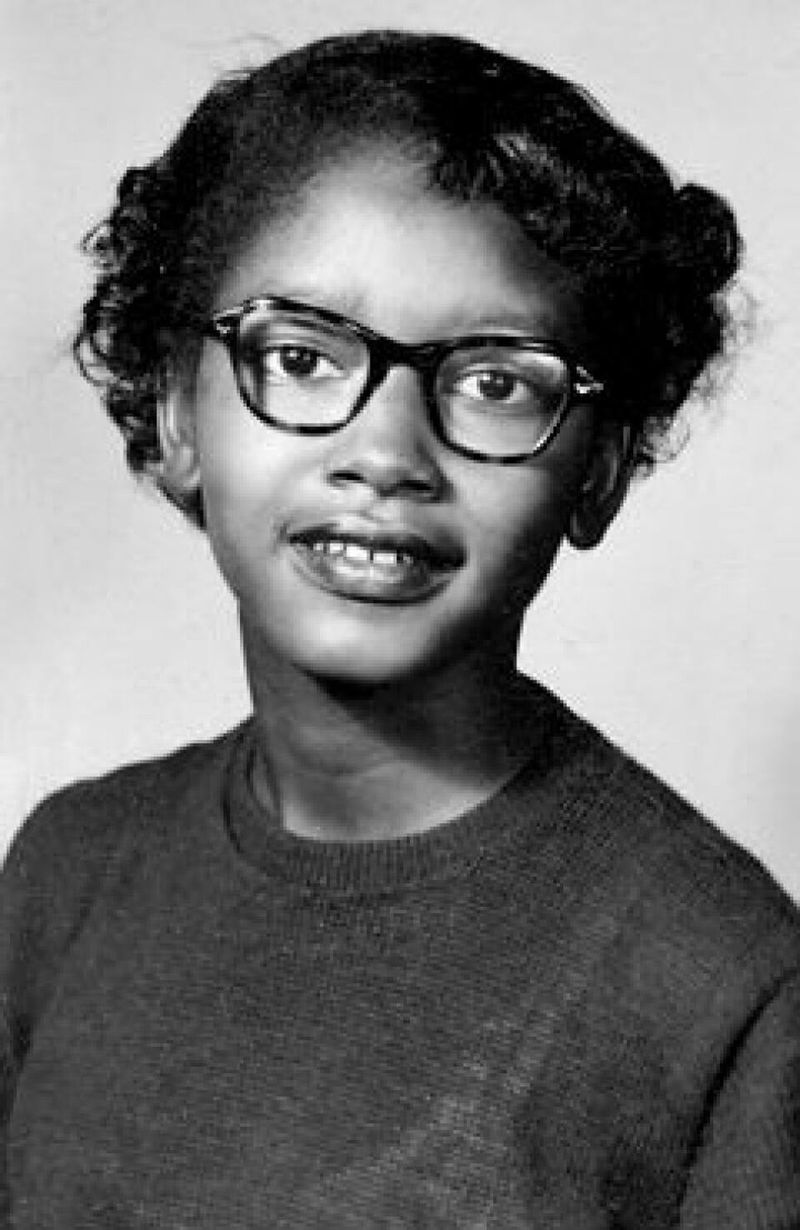
Nine months before Rosa Parks, 15 year old Claudette Colvin refused to surrender her seat on a segregated Montgomery bus. Police dragged her away, yet her courage entered the legal record that helped topple bus segregation.
The case Browder v. Gayle drew directly on her arrest, pushing constitutional arguments into the light.
Colvin was young, working class, and later pregnant, details that biased leaders and the press against making her the face of resistance. Still, her stand demonstrated that ordinary people could disrupt an unjust system.
You can feel the heartbeat of a movement starting in that crowded aisle.
For years, history sidelined her, packaging change into neater narratives. Recent scholarship and interviews have restored Colvin’s rightful place as a catalyst.
When you think about civil courage, remember how a teenager’s refusal challenged an entire city’s order.
Her story proves that momentum often begins with one no.
Euphemia Lofton Haynes
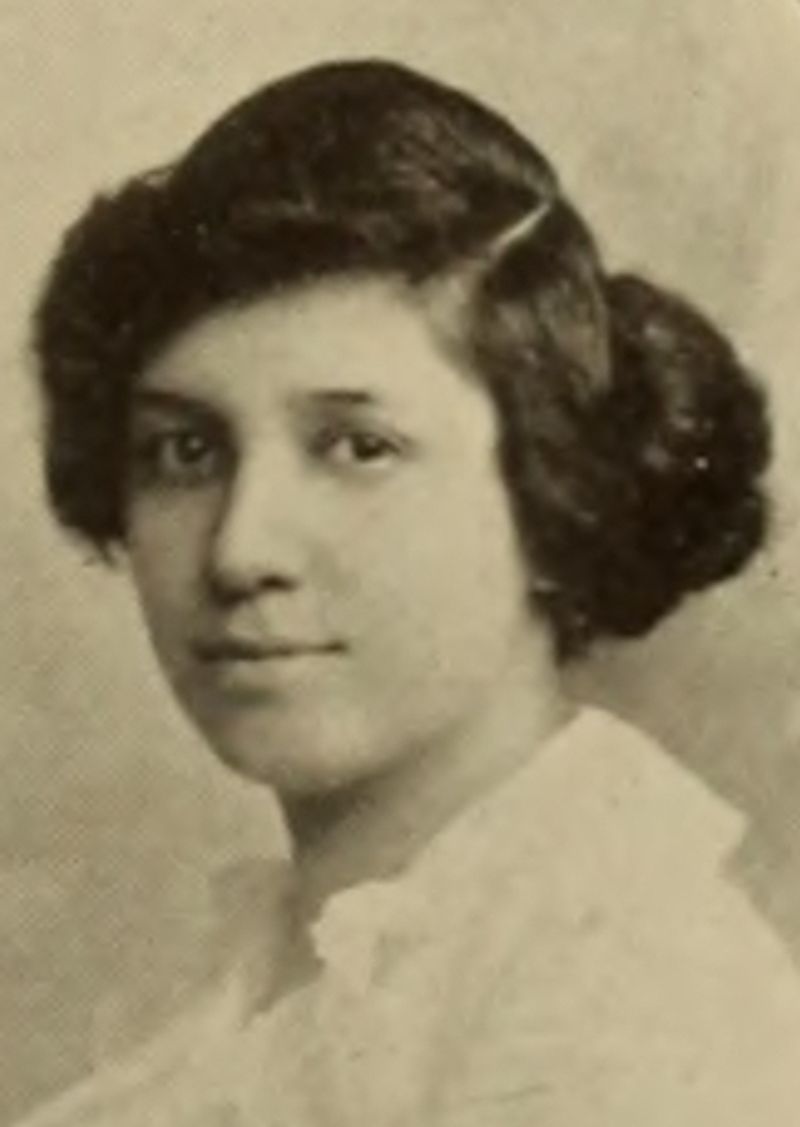
In 1943, Dr. Euphemia Lofton Haynes became the first African American woman to earn a PhD in mathematics. She taught across Washington, D.C., mentoring students who rarely saw themselves reflected at the chalkboard.
Her scholarship and presence challenged assumptions about who belongs in rigorous mathematics.
Haynes did not stop at the classroom door. She fought tracking systems that funneled Black students away from advanced courses and opportunity.
Through school board service and legal challenges, she pressed for equity where policy quietly denied it.
Think about the power of a proof combined with the power of policy change. Haynes used both to widen pathways for young minds, insisting that talent thrives when access is fair.
If you were steered by a counselor or inspired by a teacher, you know how structural choices shape futures. Haynes proved numbers and justice can work together.
Fannie Lou Hamer
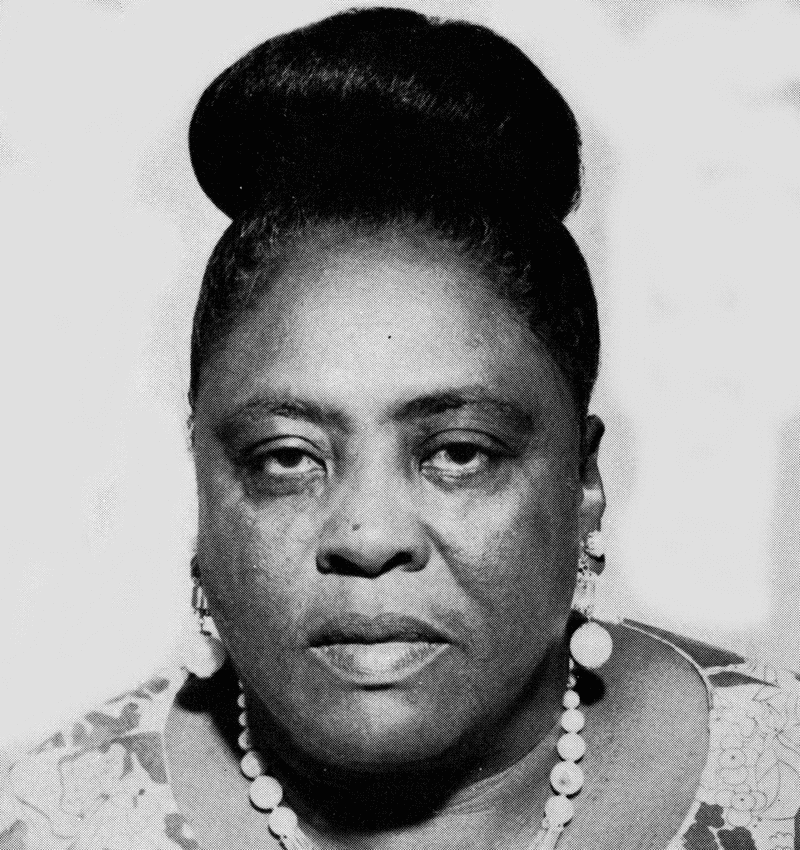
Fannie Lou Hamer spoke from the gut, turning personal pain into collective power. She helped register Black voters in Mississippi where fear and violence were the tools of suppression.
At the 1964 Democratic National Convention, her testimony sliced through polite denial and forced America to look.
Hamer co founded the Freedom Farm Cooperative to create economic independence, not just ballots. She understood that voting rights ring hollow without food, land, and dignity.
You can hear her voice still, insisting that equality must be tangible and local.
Though male leaders often eclipsed her in coverage, her grassroots strategy endured. She taught that ordinary people, organized and informed, can transform policy.
When you register a neighbor or support mutual aid, you walk her path. Hamer’s lesson is simple and hard: freedom requires courage, and courage multiplies in community.
Fannie Barrier Williams
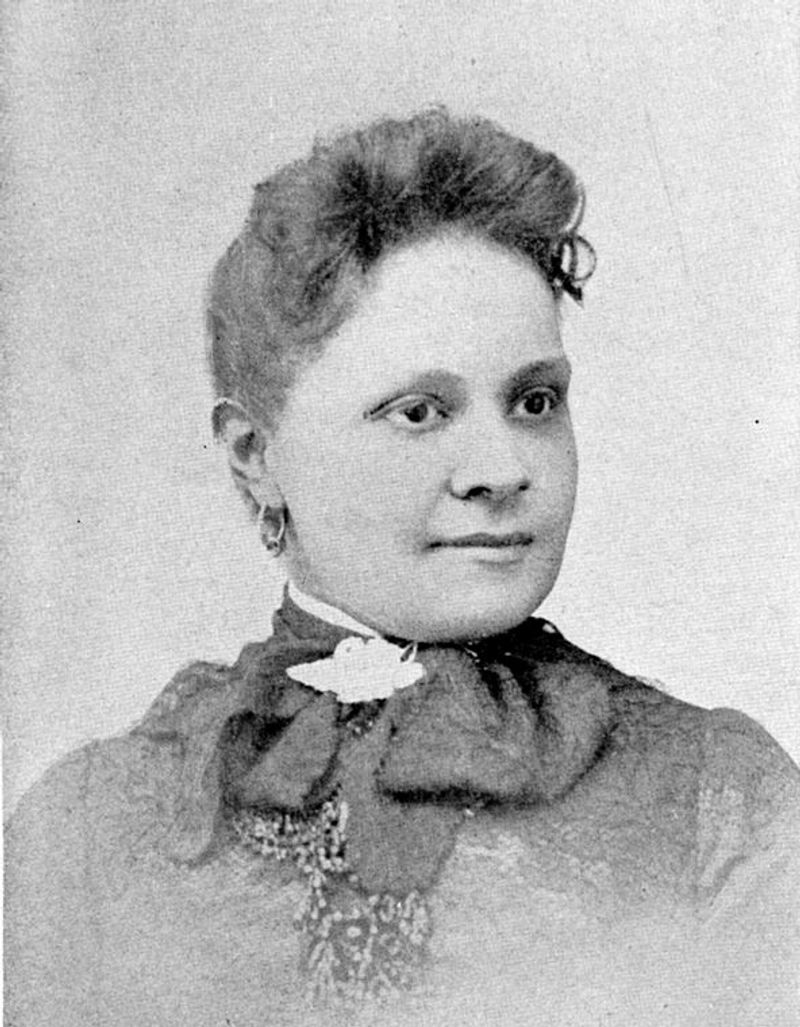
Fannie Barrier Williams carved space where none was offered. As the first Black woman admitted to the Chicago Woman’s Club, she demanded representation inside institutions that shaped civic life.
Her speeches and essays mapped strategies for inclusion when exclusion was the rule.
She helped found the National League of Colored Women, which evolved into the National Association of Colored Women. Networks like these became training grounds for future leaders, linking social reform to organized infrastructure.
You benefit today from the scaffolding she helped build.
Williams understood respectability politics and its limits, yet she leveraged clubs to pry open closed doors. She argued that citizenship means participation, not permission.
When you sit on a board, volunteer, or push for diverse leadership, you echo her vision. She proved culture shifts when marginalized voices enter the room prepared and unafraid.
Josephine Silone Yates
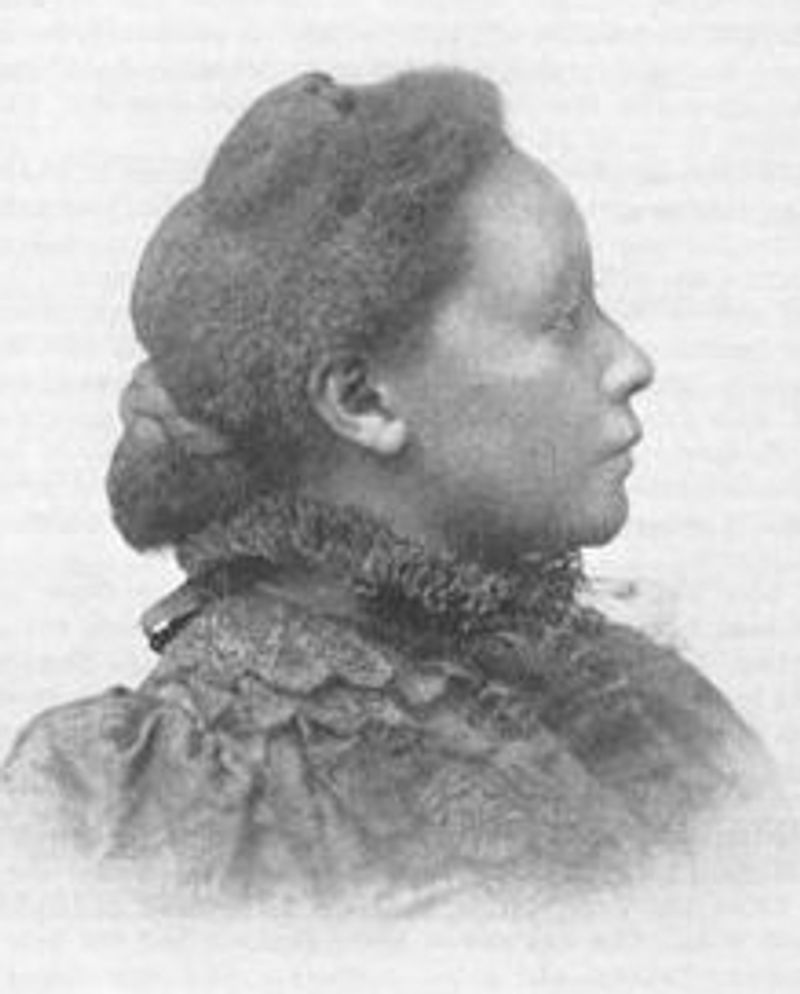
Josephine Silone Yates rose to head a college chemistry department when few Black women could secure laboratory space. As possibly the first Black woman with a full professorship in the United States, she modeled scientific authority and rigor.
Her lectures and mentorship seeded careers that multiplied her impact.
Beyond the lab, Yates wrote essays and led clubs devoted to Black women’s advancement. She believed intellectual life and community uplift belong together.
You can trace her influence in the networks that sustained scholars through segregation’s barriers.
Picture a classroom humming with inquiry while the world outside narrows opportunity. Yates insisted that curiosity deserved a future and built one student at a time.
If you have been encouraged by a teacher who saw your potential, you know her legacy’s shape. Science moves forward when gatekeepers become door openers.
Henrietta Lacks
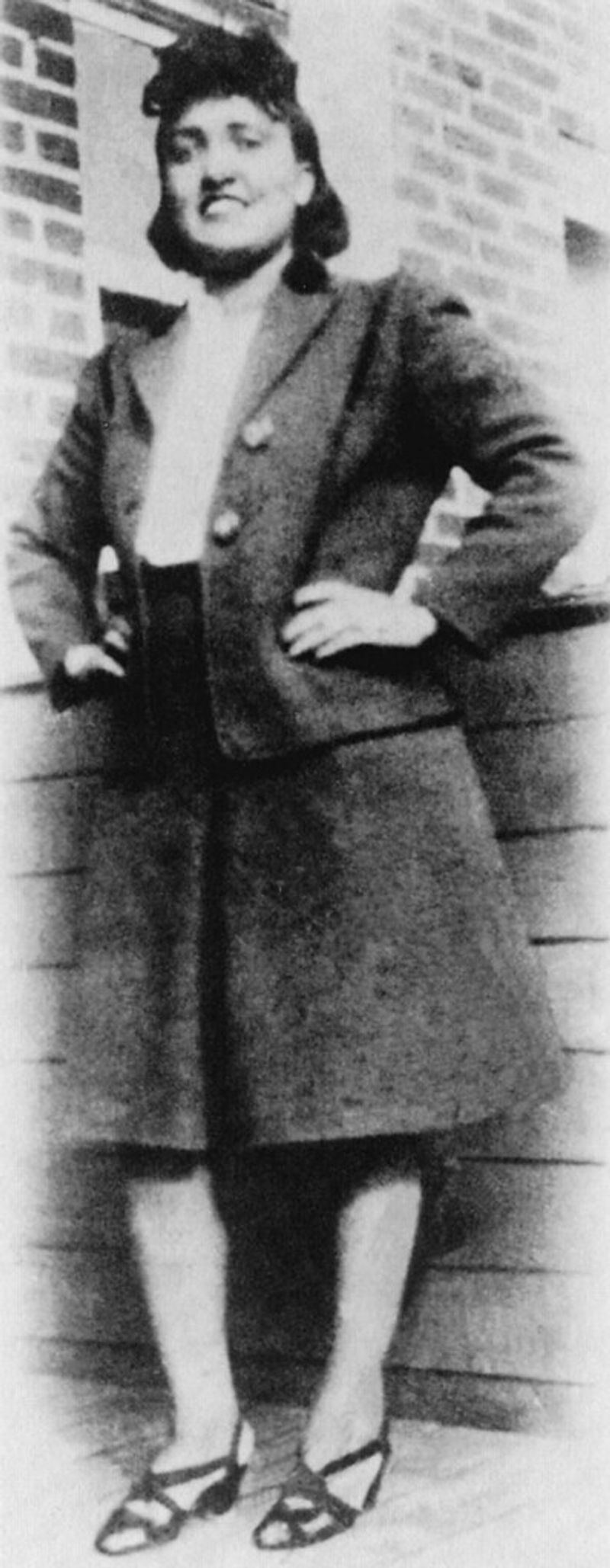
Henrietta Lacks went to Johns Hopkins for treatment in 1951. Without her consent, doctors took tumor cells that became HeLa, the first immortal human cell line.
Those cells enabled breakthroughs from polio vaccines to cancer therapies and gene mapping.
Medical progress soared while her family was left in the dark for decades. Today, her name prompts urgent conversations about consent, compensation, and equity in biomedical research.
You benefit from therapies rooted in her biology, making accountability more than an academic debate.
Recognition does not erase harm, but it can guide better practice. Institutions now craft policies with community oversight and transparent consent.
When you read about a trial’s ethics statement, you are seeing lessons learned from her story. Henrietta Lacks gave science a powerful tool, and her legacy demands that science honor people first.
Sojourner Truth
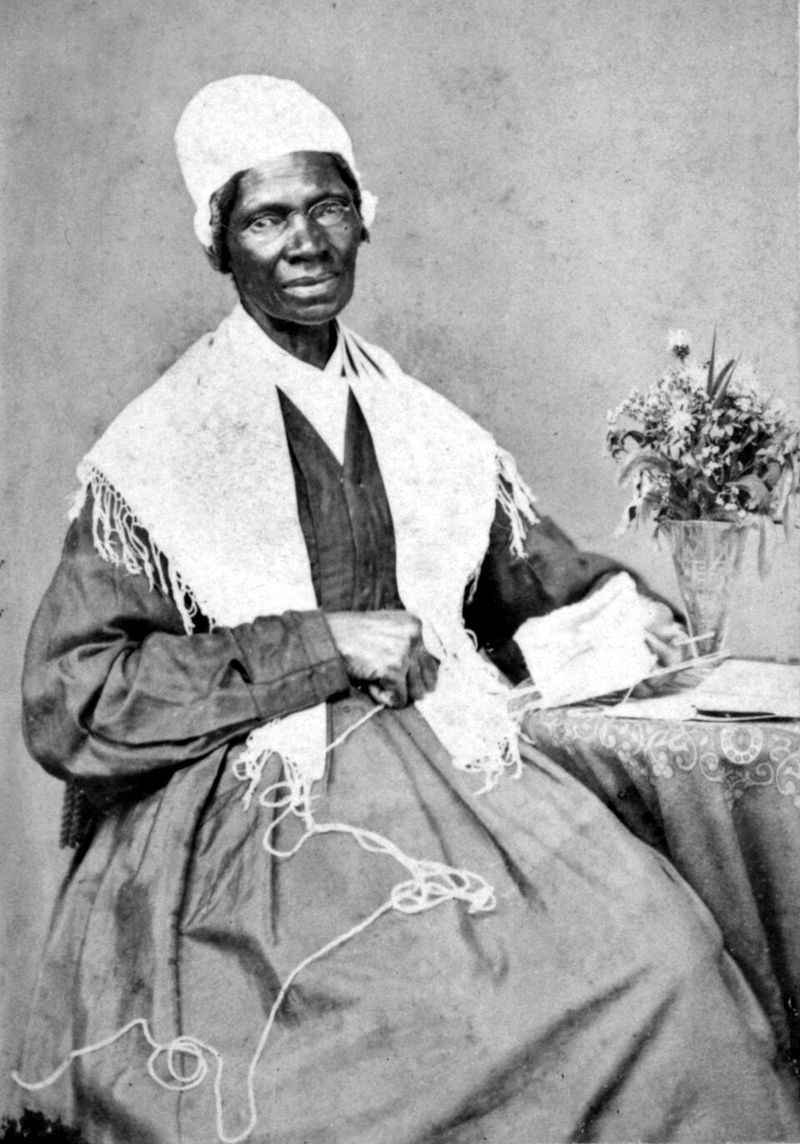
Born into slavery, Sojourner Truth escaped and turned her voice into a national instrument. Her speech often titled Ain’t I a Woman challenged racism and sexism in one breath.
She traveled relentlessly, selling photographs to fund the work and insisting that freedom must be universal.
Truth bridged abolition and women’s rights, refusing to rank one struggle above the other. She counseled Black communities and petitioned for land and legal protections.
You can feel the sturdiness of her message in today’s intersectional movements.
Her legacy is not just a quote but a method: speak plainly, witness boldly, and demand coherence between ideals and action. When you call out a double standard, you follow her line.
She taught that rights are indivisible, and compromise on humanity is not an option. The name Sojourner fits a life always moving toward justice.
Mary McLeod Bethune
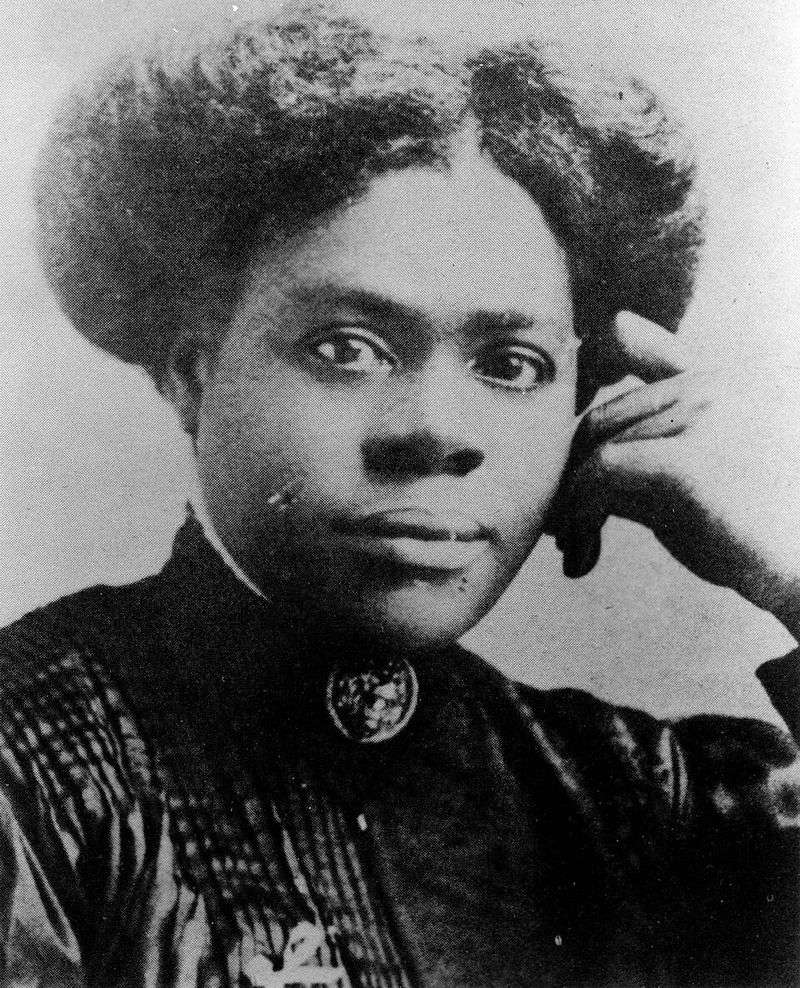
Mary McLeod Bethune built a school with faith, five dollars, and secondhand furniture, then grew it into Bethune Cookman University. She organized the National Council of Negro Women to align education with political power.
Her strategy linked classrooms to corridors of influence.
As a federal advisor in Franklin Roosevelt’s administration, Bethune championed youth programs and Black inclusion in New Deal initiatives. She navigated rooms where policy was forged and insisted on seats for those excluded.
You benefit from her blueprint that marries institution building with advocacy.
Bethune’s cane and calm presence signaled authority earned through relentless service. She taught that leadership is both a vision and a schedule.
When you mentor a student or draft a policy memo, you channel her practical optimism. She proved that durable change grows from schools, councils, and a steady hand.
Ella Baker
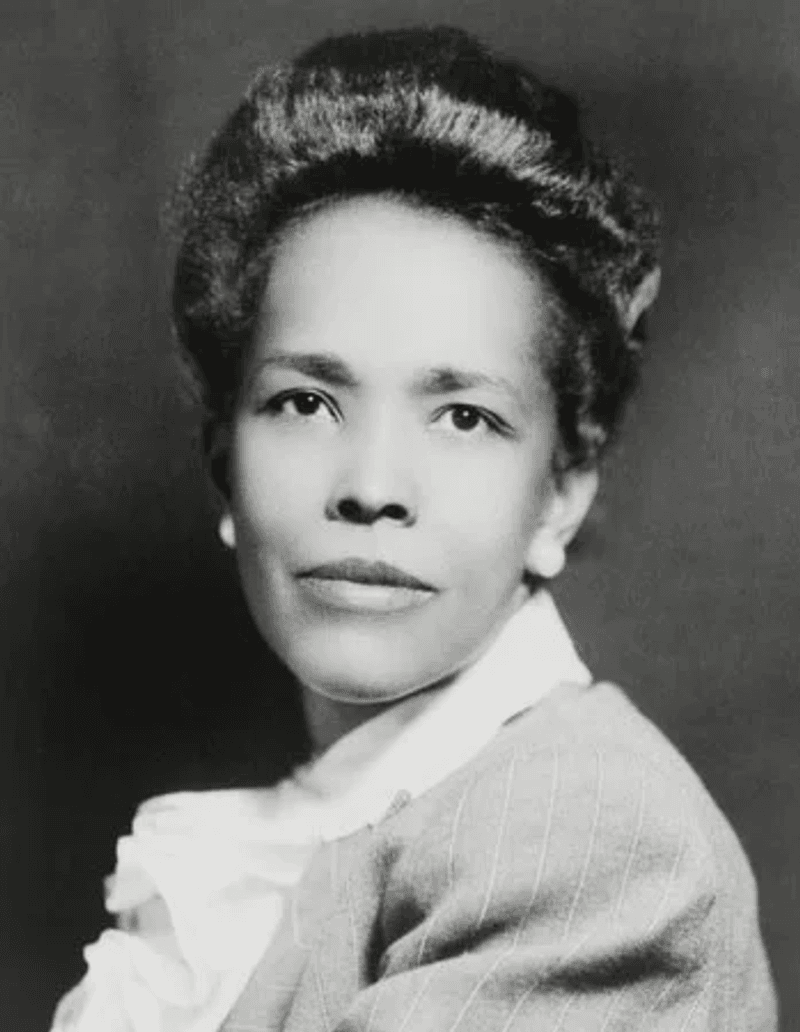
Ella Baker believed movements are strongest when ordinary people lead. She helped birth the Student Nonviolent Coordinating Committee, urging students to trust their own power.
Instead of celebrity, she cultivated structure that could survive repression.
Baker’s method centered listening, local autonomy, and careful training. She challenged top down habits that left communities passive.
You can see her fingerprints in decentralized organizing today, where skills and relationships matter more than headlines.
Her wisdom traveled quietly but stuck. When you plan a meeting with shared facilitation and clear roles, you practice Baker’s craft.
She showed that sustained change prefers many hands to one hero. The measure of leadership, she argued, is how many leaders you produce.
Mamie Till-Mobley
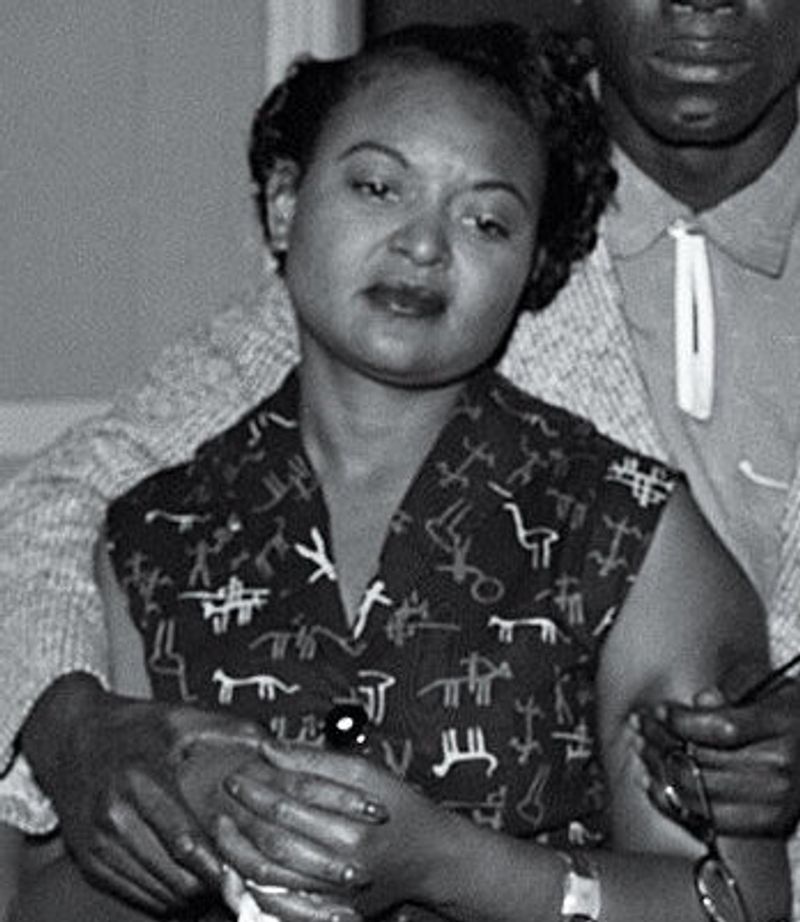
After the lynching of her son Emmett, Mamie Till Mobley made a searing choice: an open casket. She wanted the world to see what terror looked like, unblinking and undeniable.
Jet magazine’s photographs turned private grief into public indictment.
Her bravery galvanized a new urgency in the civil rights movement. She spoke, organized, and mentored, transforming mourning into mission.
You can trace a line from her decision to later media strategies that expose injustice.
Till Mobley demanded accountability when conventional channels offered none. Her example teaches that truth telling, however painful, can reorder national conscience.
When you confront sanitized narratives, you echo her insistence on seeing clearly. She showed that a mother’s love can move history.
Dorothy Height
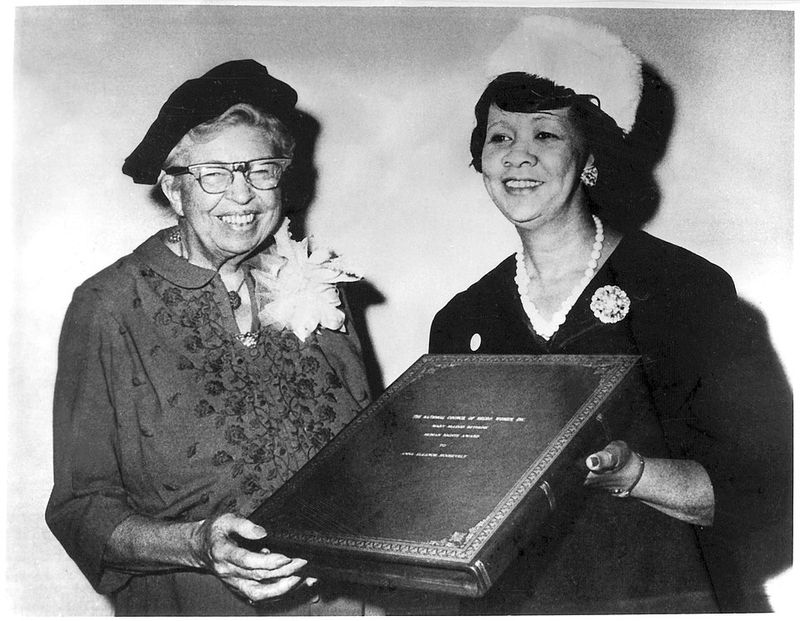
Dorothy Height mastered the long game of policy and persuasion. As head of the National Council of Negro Women, she built coalitions that stitched civil rights to women’s rights.
Her presence was steady, strategic, and often behind the scenes.
Height advised presidents and negotiated across egos to keep issues moving. She knew that durable wins require patient groundwork and institutional memory.
You benefit when advocacy groups coordinate instead of compete, a habit she refined.
Her hats became a symbol of elegance carrying hard truths. Height insisted that gender equity belongs at the center of racial justice work.
When you add women’s concerns to the agenda from the start, you honor her discipline. She showed how quiet authority can redirect history.
The 6888th Six Triple Eight Battalion
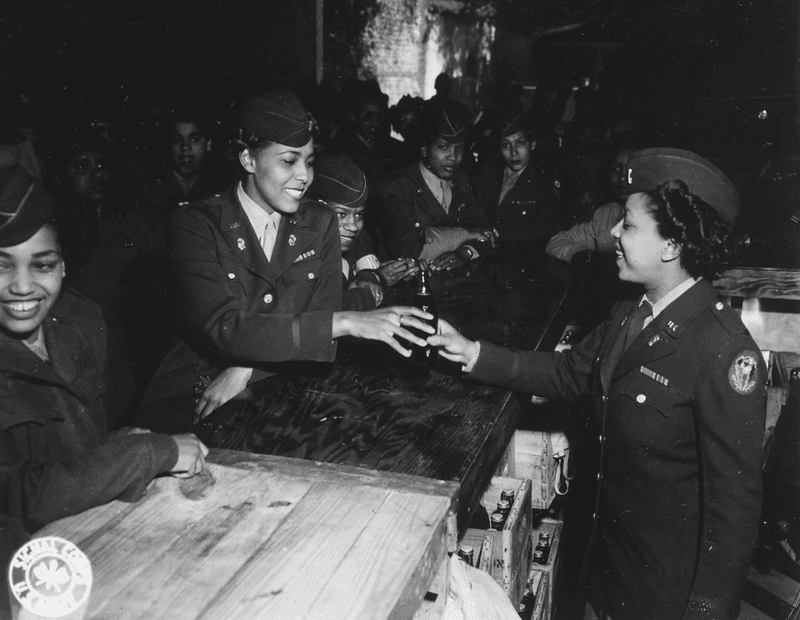
The 6888th Central Postal Directory Battalion tackled a mountain of undelivered mail in wartime Europe. All Black and all female, they worked in freezing warehouses under relentless deadlines.
Their motto No mail, low morale captured how letters sustain soldiers far from home.
They created an innovative tracking system and cleared massive backlogs in record time. Despite segregation and limited resources, they proved logistical excellence under pressure.
You can picture stacks shrinking as morale rose across the front.
Recognition lagged for decades until a Congressional Gold Medal signaled overdue thanks. Their story widens what heroism looks like, highlighting precision and endurance as forms of courage.
When supply chains hold in a crisis, remember the Six Triple Eight. They delivered connection, which is to say they delivered hope.
Katherine Johnson
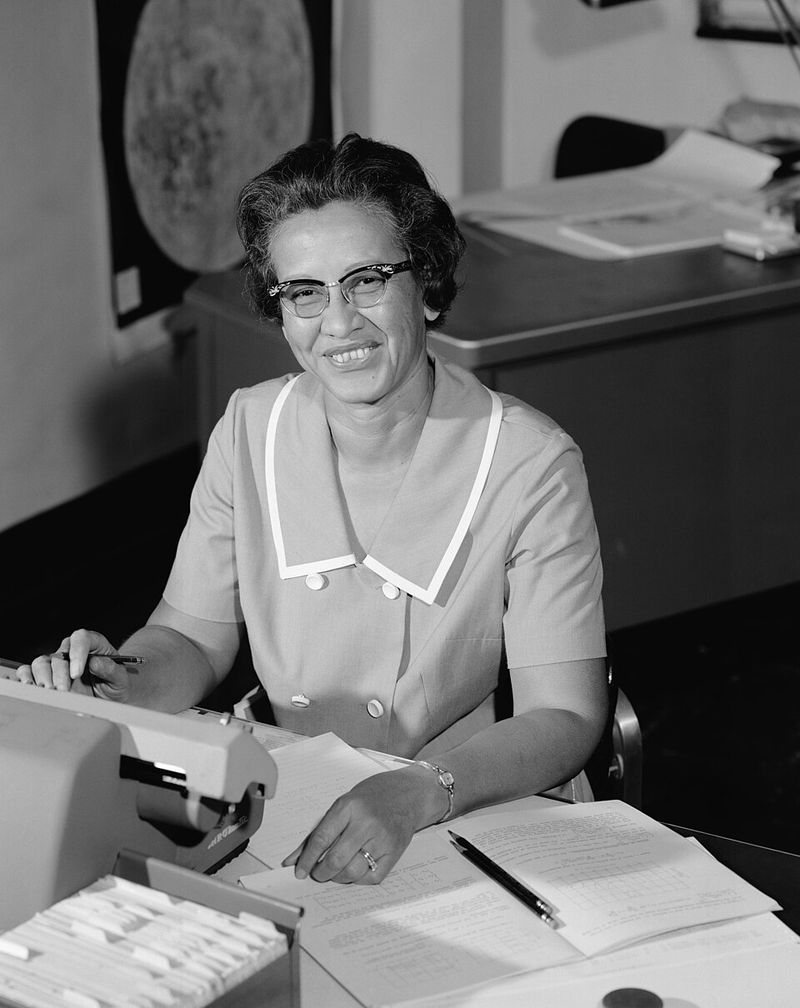
Katherine Johnson’s calculations sent astronauts safely to and from space. Her trajectory analysis for Mercury and Apollo missions turned celestial mechanics into flight plans.
When machines needed verification, engineers asked for her number.
Johnson worked through segregated workplaces and earned trust with precision. Her math made rendezvous possible and reentry survivable, linking human courage to reliable figures.
You rely on the same rigor every time a spacecraft navigates uncertain skies.
While fame arrived late, her example reshaped who could be seen as a mathematician. Classrooms now teach orbital mechanics alongside her story.
When you double check a result or peer review a model, you follow her ethic. Johnson proved that accuracy is a form of care.



