 Unearth The Voyage
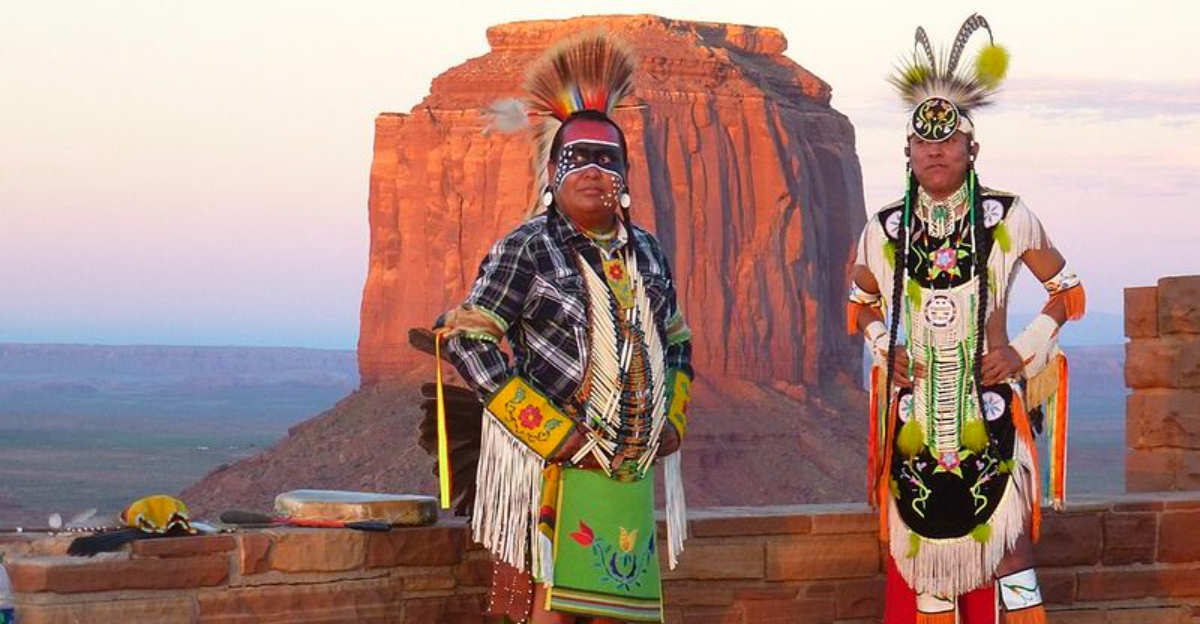
Traveling through Navajo Nation is not just a road trip but a journey through living history, sacred landscapes, and stories written into stone and sky. Covering parts of Arizona, Utah, and New Mexico, Navajo Nation is the largest Native American reservation in the U.S., and every mile offers something meaningful if you know how to look.
Here are 15 must-see scenic routes and cultural insights to help you travel respectfully and deeply.
1. U.S. Route 163 – The Road to Monument Valley
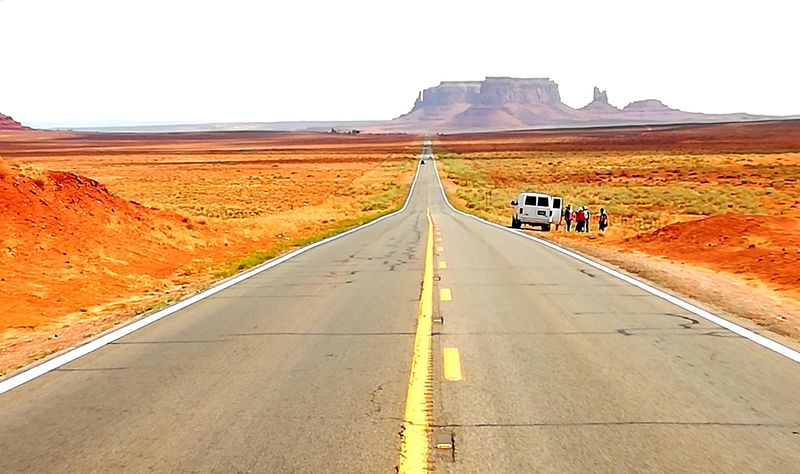
This iconic highway delivers one of the most photographed views in the American Southwest. As the towering sandstone buttes of Monument Valley rise ahead, you enter a place of profound spiritual importance to the Navajo people, who call this land Tsé Biiʼ Ndzisgaii.
Slow down, pull over safely, and take it in because it is more than a postcard.
The red earth seems to glow at sunrise and sunset, casting shadows that shift like ancient dancers across the valley floor. Every curve in the road reveals another angle of these massive formations that have stood for millions of years.
Families traveling this route often stop at pullouts to capture photos, but the real magic happens when you simply sit and absorb the silence.
Many visitors rush through, eager to reach their next destination, but the journey itself holds as much power as any single landmark. Respect the land by staying on designated roads and viewpoints.
Remember that this highway crosses sovereign Navajo territory, where traditions remain strong and the connection between people and place runs deep. Traveling slowly allows the landscape to speak to you in ways that speed never could.
2. Monument Valley Tribal Park – A Sacred Landscape
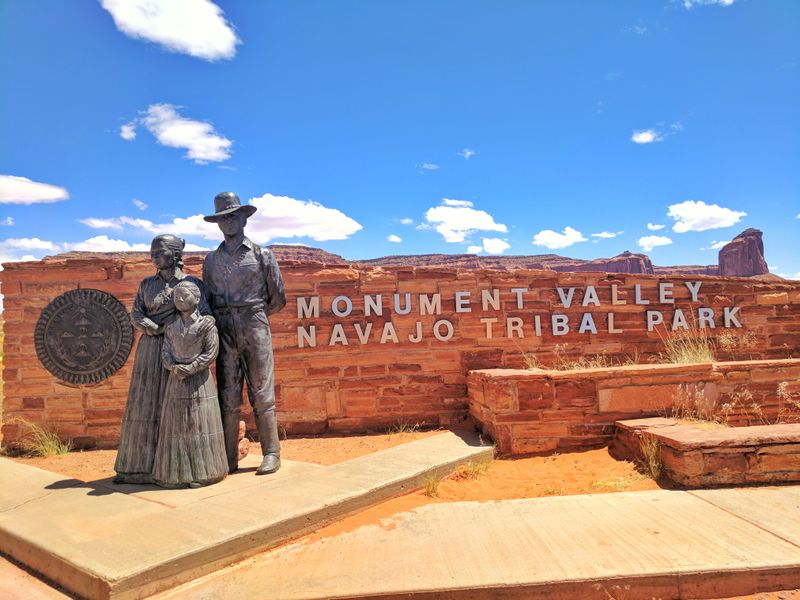
Guided tours led by Navajo locals reveal stories you will not find on signs. You learn how each formation fits into Navajo cosmology and why access to certain areas is restricted.
Hiring a Navajo guide directly supports the community and offers cultural context that transforms the experience.
Walking among the buttes with someone who grew up hearing their names and meanings changes everything. Guides share oral histories passed down through generations, explaining how Totem Pole, Mittens, and other formations play roles in creation stories.
Photography is welcome in most areas, but always ask your guide first, especially near sacred sites or Navajo homes.
Tours range from short drives to full-day adventures that venture deep into the backcountry. Some guides offer horseback rides or overnight camping experiences under star-filled skies.
Prices vary, but the investment goes directly to families who maintain their traditional way of life on this land. Booking ahead is wise, especially during peak travel seasons.
Respect boundaries, listen carefully, and leave only footprints behind to honor this sacred space.
3. Navajo Nation Route 12 – Quiet Beauty and Big Sky

Less traveled than nearby highways, this road passes through wide-open desert, grazing sheep, and distant mesas. It serves as an excellent reminder that much of Navajo Nation remains rural and traditional, where livestock still plays a central role in daily life.
The solitude here feels almost meditative, with long stretches where you might not see another car for miles.
Sheep herding is woven into the fabric of Navajo culture, representing wealth, sustenance, and harmony with the land. Along Route 12, you may spot flocks moving slowly across the landscape, tended by herders on horseback or in pickup trucks.
These scenes reflect a lifestyle that has endured for centuries, adapting to modern times while preserving ancient practices.
Pullouts are rare, so drive carefully and watch for livestock crossing the road. Stopping to stretch your legs offers a chance to breathe in the dry desert air and listen to the wind.
The sky seems impossibly vast here, stretching endlessly in every direction. Carry water and snacks, as services are sparse along this route, and always respect private property and livestock.
4. Canyon de Chelly – Living History in Stone
Unlike many national parks, Canyon de Chelly is home to Navajo families whose ancestors have lived here for generations. Ancient cliff dwellings sit alongside modern homes, blending past and present in a way few places can.
Access to the canyon floor requires a Navajo guide, ensuring that visitors respect the privacy and traditions of those who still call this place home.
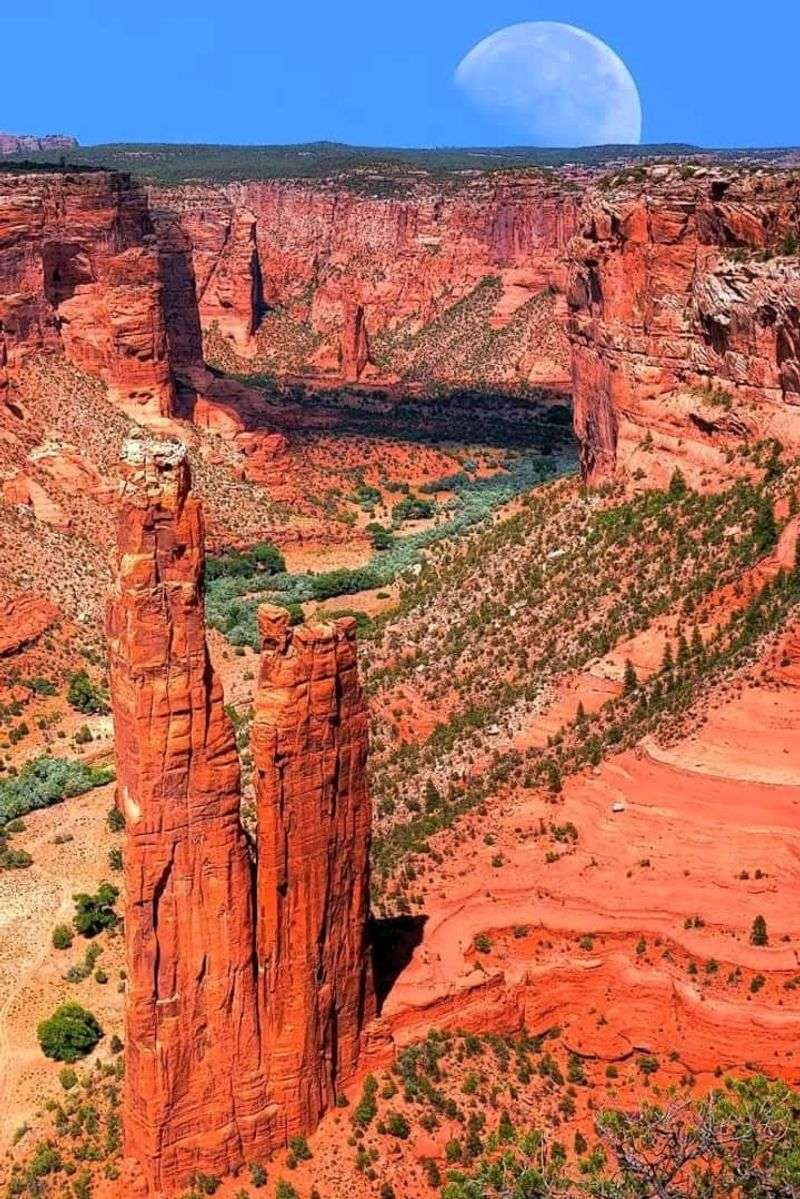
The canyon walls rise hundreds of feet, painted in layers of red, orange, and brown that tell geological stories spanning millions of years. Ancestral Puebloan ruins cling to alcoves high above the valley floor, silent witnesses to centuries of human habitation.
Spider Rock, a towering sandstone spire, stands as a sacred landmark central to Navajo mythology and storytelling.
Rim drives offer stunning overlooks accessible without a guide, but the real depth of understanding comes from descending into the canyon itself. Guides share family histories, point out petroglyphs, and explain how agriculture, weaving, and seasonal rhythms shape life here.
Respect is paramount because this is not just a tourist destination but a living community where privacy and cultural integrity matter deeply.
5. Chinle to Window Rock – The Political and Spiritual Heart
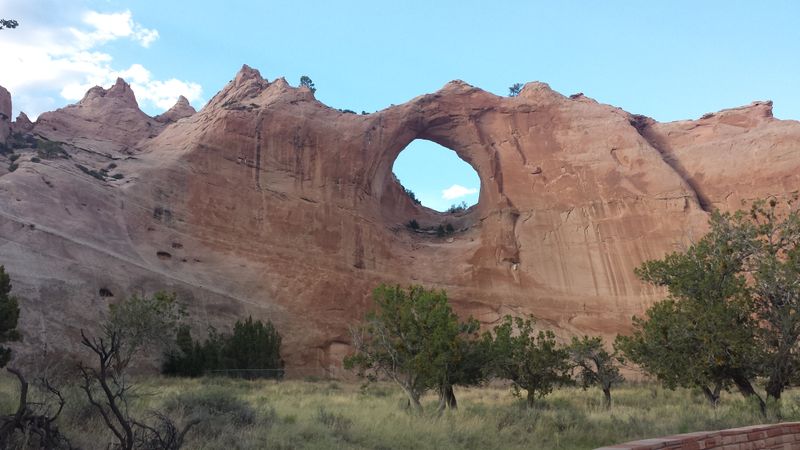
This drive takes you to Window Rock, the capital of Navajo Nation. The Window Rock formation itself is sacred, and nearby you will find the Navajo Nation Council Chamber, where modern governance and tradition meet.
Driving this route offers a glimpse into how the Navajo people balance contemporary political structures with cultural values rooted in centuries of tradition.
Window Rock stands as a natural arch carved by wind and water, its opening framing the sky like a portal between worlds. For the Navajo, it symbolizes connection, vision, and the enduring strength of their nation.
The Council Chamber, built in the shape of a traditional hogan, hosts meetings where elected leaders address issues affecting over 170,000 tribal members across 27,000 square miles.
Visitors can view the formation from a distance and explore nearby parks and memorials. The Navajo Nation Museum offers exhibits on history, art, and contemporary life, providing context that enriches your travels.
Respect signs and boundaries, as some areas remain ceremonially significant. Spending time here deepens your understanding of sovereignty, resilience, and the ongoing work of preserving language, land, and identity in a changing world.
6. Window Rock Tribal Park – Respectful Reflection
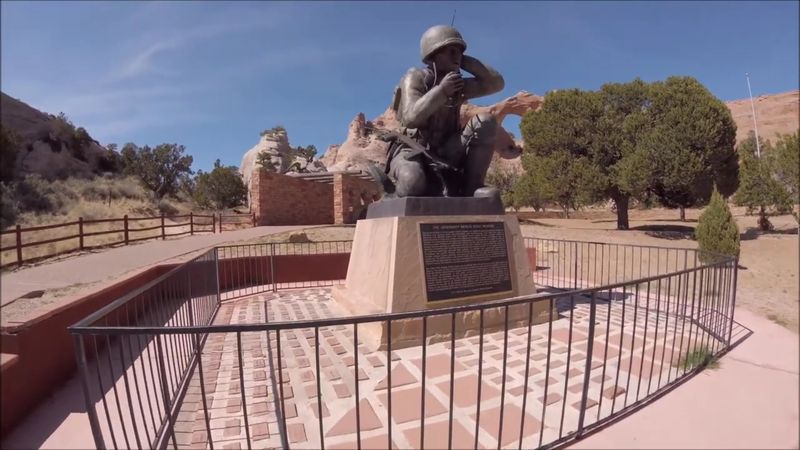
The park surrounding Window Rock includes memorials honoring Navajo Code Talkers and those lost to uranium mining. It serves as a place for learning, reflection, and understanding the resilience of the Navajo people.
Walking these grounds reminds visitors that history is not just about landscapes but about the sacrifices and strength of individuals and communities.
The Navajo Code Talkers played a crucial role in World War II, using their native language to create an unbreakable code that helped secure Allied victories. Their bravery and ingenuity are commemorated here with statues and plaques that tell their stories.
Nearby, memorials acknowledge the devastating impact of uranium mining, which brought jobs but also illness and environmental harm to many Navajo families.
Visiting this park is an act of honoring both triumph and tragedy. Take your time reading inscriptions, observing the sculptures, and reflecting on the complex history that shaped modern Navajo Nation.
Photography is generally allowed, but approach memorials with reverence. The park offers shaded seating areas and walking paths, making it accessible for families and individuals seeking a quiet moment of connection and respect.
7. U.S. Route 191 – Commerce and Community Life
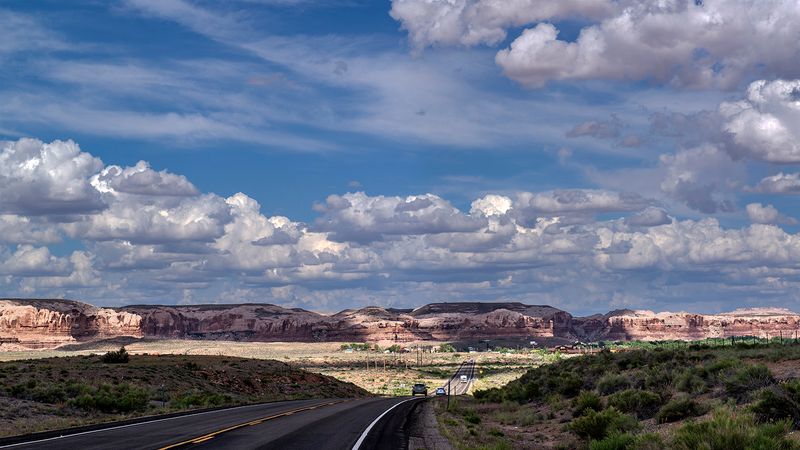
This busy route runs through several Navajo towns and shows everyday life, including trading posts, roadside vendors selling jewelry, and chapter houses that serve as local government centers. Stop when invited, ask before photographing, and engage respectfully.
Route 191 is not just a highway but a lifeline connecting communities across vast distances.
Towns like Chinle and Ganado bustle with activity, where gas stations, grocery stores, and small restaurants serve both locals and travelers. Roadside stands offer handmade jewelry, pottery, and woven goods, often displayed on blankets or folding tables.
These vendors are artists and entrepreneurs, selling pieces that carry cultural meaning and personal artistry. Buying directly from them supports families and keeps traditional crafts alive.
Chapter houses function as community hubs where residents gather for meetings, events, and social services. Passing through, you might see signs for local elections, public hearings, or cultural celebrations.
Driving Route 191 offers a window into the rhythms of daily life, far removed from tourist attractions. Slow down, wave to locals, and remember that you are a guest passing through someone else’s home.
Respect, patience, and curiosity make the journey richer.
8. Traditional Trading Posts – Stories Behind the Goods
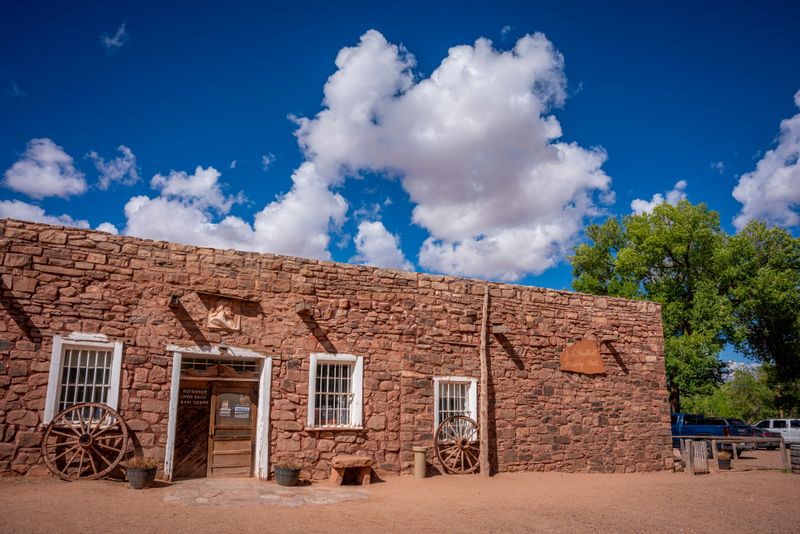
Historic trading posts like Hubbell Trading Post near Navajo Nation reflect a complicated history of trade and survival. Inside Navajo Nation, smaller posts remain community hubs where locals gather, shop, and exchange news.
These buildings, often weathered and unassuming, hold decades of stories within their walls.
Trading posts once served as the economic lifeline for Navajo families, places where wool, livestock, and handmade goods were exchanged for groceries, tools, and supplies. The relationship between traders and Navajo people was complex, sometimes exploitative, but also essential for survival in remote areas.
Today, some posts continue operating, blending old-world charm with modern convenience.
Walking inside, you might find shelves stocked with canned goods, saddles hanging from rafters, and glass cases displaying silver jewelry and turquoise pieces. Locals stop by to catch up on news, pay bills, or simply share a conversation.
Visitors are welcome, but remember these are working businesses serving real communities. Purchase respectfully, ask questions politely, and appreciate the role these posts play in preserving connection and commerce across wide, isolated landscapes.
9. Shiprock Peak – A Sacred Landmark
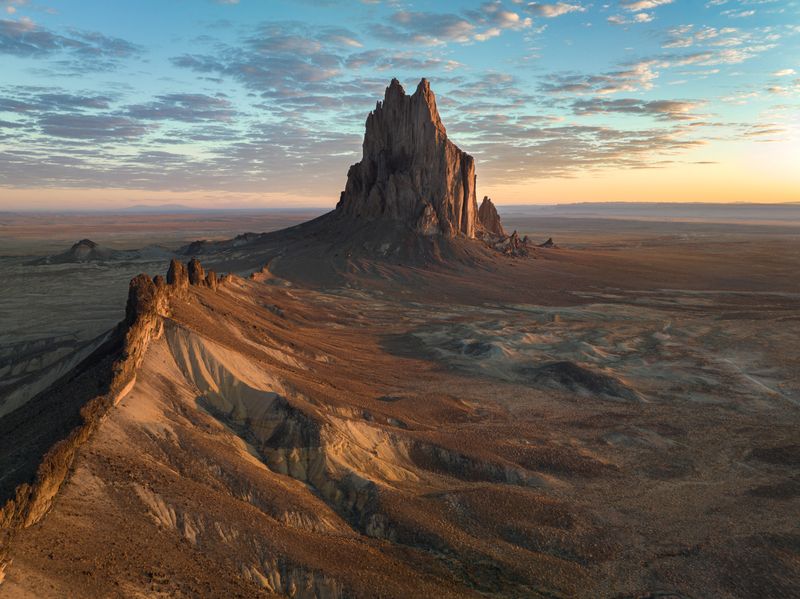
Rising dramatically from the desert, Shiprock, known as Tsé Bitʼaʼí, is sacred and not open to climbing. Viewing it from a distance while learning its origin story adds meaning to its striking silhouette.
According to Navajo legend, the peak is a giant bird that carried ancestors to safety, then turned to stone when its mission was complete.
Shiprock stands nearly 1,600 feet tall, its jagged volcanic rock cutting sharply against the sky. The formation is visible from miles away, a solitary sentinel rising from flat desert plains.
For the Navajo, it represents protection, guidance, and the deep spiritual connection between land and people. Climbing is prohibited out of respect for its sacred status, and visitors are asked to honor this boundary.
The best views come from Highway 491 and nearby roads, where pullouts allow safe stops for photos and contemplation. Early morning and late afternoon light cast dramatic shadows that highlight the peak’s rugged texture.
Bring binoculars to appreciate details from afar. Remember that respecting sacred sites means observing from a distance, listening to stories with humility, and leaving the land undisturbed for future generations.
10. Navajo Nation Route 64 – Desert to Forest
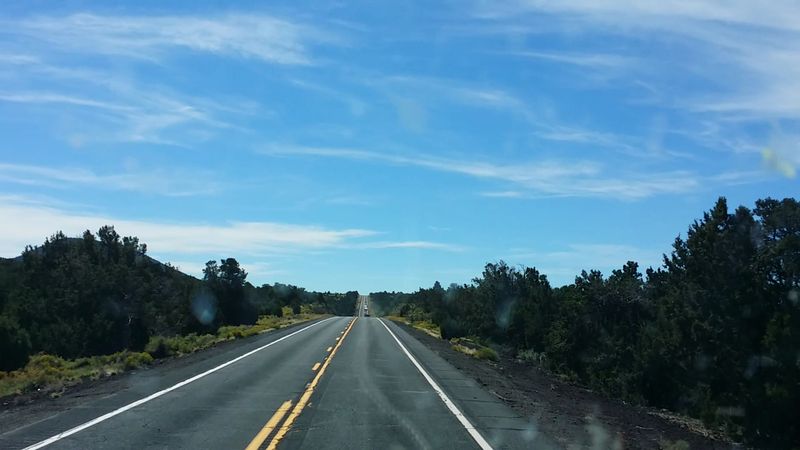
This route transitions from arid desert to pine forests near the Chuska Mountains. The dramatic change in landscape reflects the ecological diversity of Navajo Nation and the seasonal movement of people and livestock.
Driving Route 64 feels like traveling through multiple worlds, each with its own climate, vegetation, and character.
Starting in low desert, the landscape is dotted with sagebrush, juniper, and red rock formations. As elevation increases, the air cools, and piñon pines begin to appear.
Higher still, ponderosa pines tower overhead, their bark smelling sweet in the mountain breeze. This ecological gradient has shaped Navajo lifeways for generations, with families historically moving livestock between lowland winter pastures and highland summer grazing areas.
The Chuska Mountains offer cooler temperatures, hiking opportunities, and a refreshing contrast to the desert heat. Small communities along the route maintain traditional practices, including sheepherding, weaving, and farming.
Wildlife such as deer, elk, and wild turkeys inhabit these forests. Drive carefully, especially in winter when snow and ice can make roads treacherous.
The journey showcases the incredible variety within Navajo Nation, reminding travelers that this land is far more than desert alone.
11. Local Roadside Markets – Art with Meaning
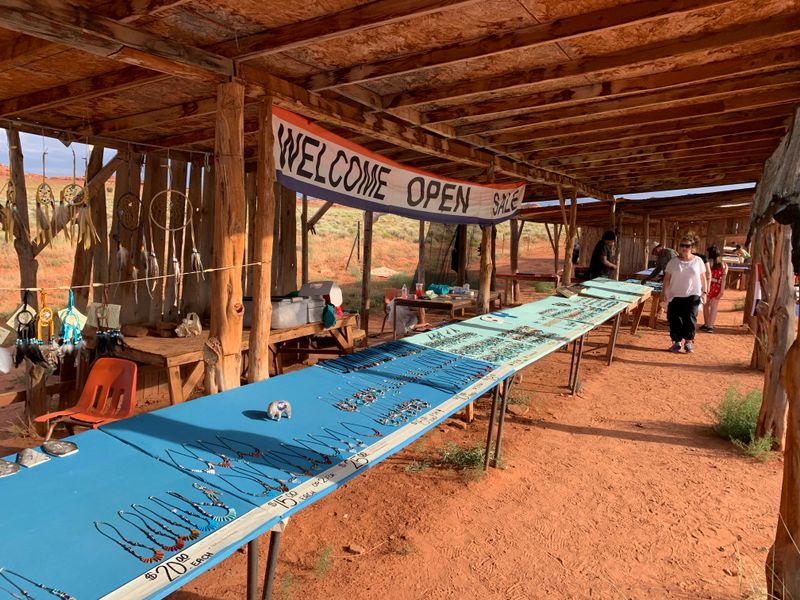
Jewelry, rugs, and carvings sold along the road are often made by the seller or their family. Each piece reflects clan identity, symbolism, and skill passed down through generations.
Buying directly supports artists and preserves tradition. Roadside markets are informal, often just a table or blanket spread beside a highway, but they offer authentic connections to Navajo artistry.
Silver jewelry featuring turquoise, coral, and intricate stamp work is a hallmark of Navajo craftsmanship. Rugs woven on traditional looms display geometric patterns and natural dyes, with each design telling a story or representing a family lineage.
Carvings, pottery, and beadwork also appear, each item reflecting hours of meticulous work and cultural knowledge.
When you stop, take time to talk with the artist. Ask about materials, techniques, or the meaning behind patterns.
Most are happy to share their process and stories. Prices are often negotiable, but haggling should be respectful and fair.
Cash is preferred, and purchases directly benefit families without middlemen taking a cut. These roadside encounters offer more than souvenirs; they provide glimpses into living traditions and the people who keep them alive through dedication and creativity.
12. Navajo Language – A Living Voice
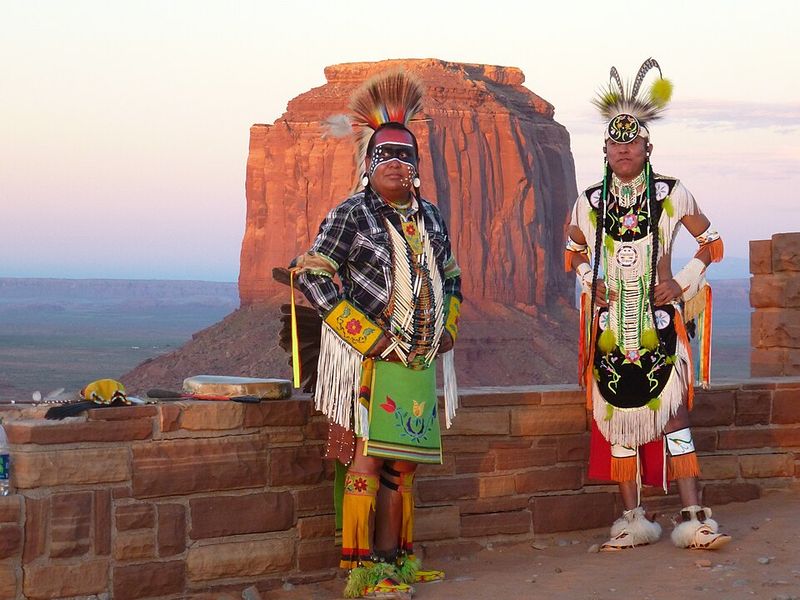
You will hear Navajo, known as Diné Bizaad, spoken in homes, stores, and on the radio. It remains one of the most widely spoken Indigenous languages in North America and is central to cultural identity and storytelling.
Listening to its rhythms and tones, even without understanding, offers a sense of the richness and complexity embedded in every word.
Navajo is a tonal language, meaning pitch and inflection change meaning, making it challenging for outsiders to learn but beautifully expressive for native speakers. During World War II, its complexity made it the perfect foundation for the unbreakable code used by Navajo Code Talkers.
Today, efforts to preserve and teach the language continue through schools, community programs, and media.
Radio stations broadcast in Navajo, sharing news, music, and traditional stories. Signs in towns and public buildings often display both English and Navajo text.
Learning a few basic phrases like yá’át’ééh (hello) or ahéhee’ (thank you) shows respect and appreciation for the culture. Language is more than communication; it carries history, values, and worldview.
Supporting language preservation efforts honors the resilience and identity of the Navajo people and ensures future generations can speak the words of their ancestors.
13. Sheep Camps and Hogan Homes
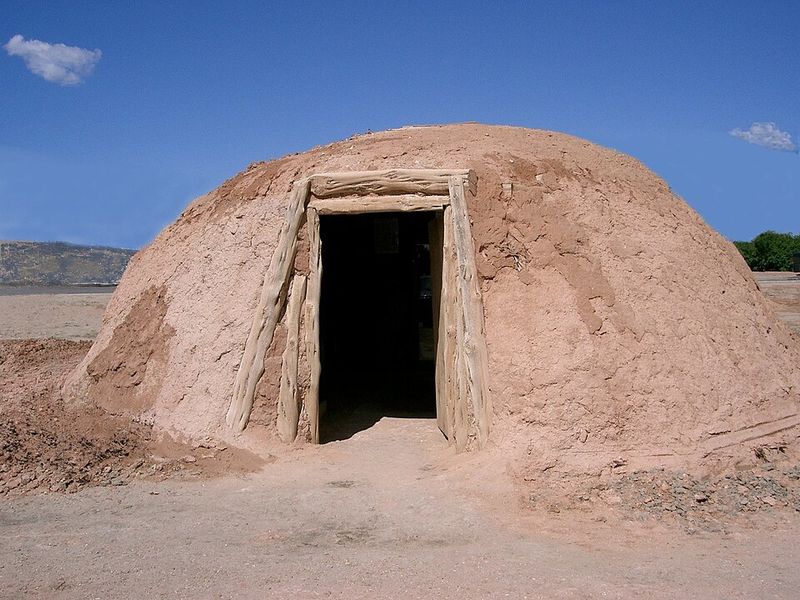
Along back roads, you may see traditional hogans and sheep camps. Sheep are deeply tied to Navajo culture, representing sustenance, wealth, and harmony with the land.
Hogans, the traditional eight-sided homes, are built with doorways facing east to greet the rising sun, a practice rooted in spiritual beliefs and daily rituals.
Sheep provide wool for weaving, meat for sustenance, and a connection to the land that spans generations. Herding is often a family activity, with children learning from elders how to care for flocks, move them seasonally, and respect the rhythms of nature.
Camps may consist of simple shelters, corrals, and water sources, reflecting a lifestyle that prioritizes mobility and adaptability.
Hogans vary in construction, some made with logs and mud, others with stone or modern materials, but all maintain the traditional shape and orientation. Inside, they serve as living spaces, ceremonial sites, and places of family gathering.
Seeing these structures from the road offers a window into enduring traditions. Never approach or photograph hogans or camps without permission, as they are private homes and sacred spaces.
Respecting boundaries honors the people who live here and the culture they uphold.
14. Night Skies – Stories in the Stars
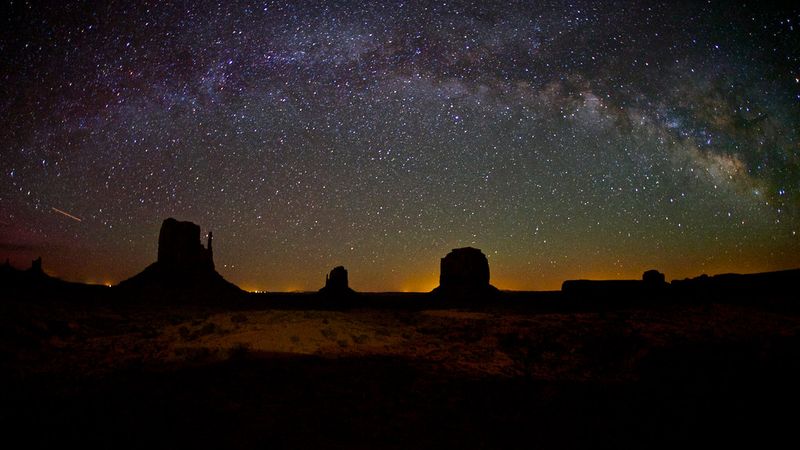
Far from city lights, Navajo Nation offers some of the darkest skies in the Southwest. In Navajo tradition, stars and constellations are part of oral history, teaching lessons about time, seasons, and balance.
Looking up at the Milky Way stretching across the sky, you witness what ancestors saw for thousands of years, unchanged and awe-inspiring.
Navajo astronomy includes constellations that differ from Western systems, with stories explaining their origins and meanings. Certain stars mark planting and harvest times, guide travelers, or represent figures from creation stories.
Elders pass these stories down through generations, ensuring that knowledge of the night sky remains alive and relevant.
Camping or staying overnight on Navajo Nation provides opportunities for stargazing unlike anywhere else. Bring a blanket, lie back, and let your eyes adjust to the darkness.
Meteors streak across the sky, planets shine steadily, and satellites drift silently overhead. The silence and vastness can feel overwhelming, humbling, and deeply peaceful.
Some guided tours include evening programs that share traditional star knowledge. Whether you stargaze alone or with a guide, the experience connects you to something timeless, reminding you of your place in the universe and the wisdom embedded in the land.
15. Traveling with Respect – The Most Important Insight
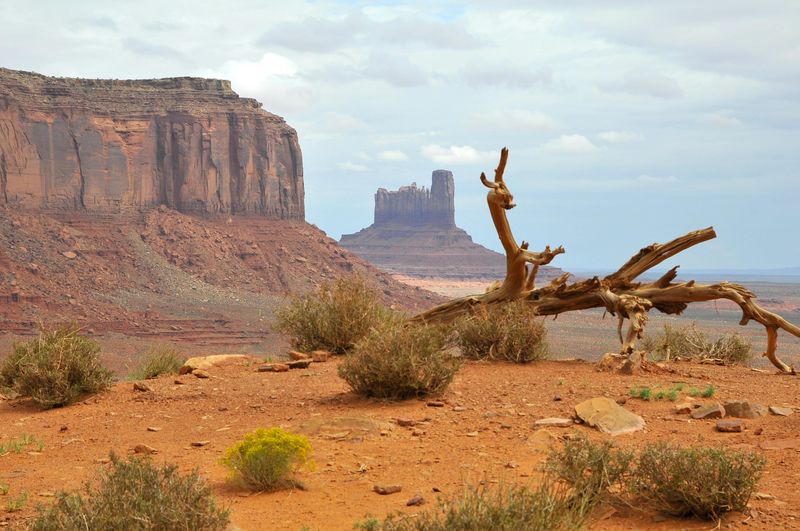
Always ask before taking photos of people or homes, respect restricted areas, follow local rules, and remember you are a guest on sovereign land. Traveling thoughtfully ensures these landscapes and traditions endure for generations.
Respect is not just a guideline but a necessity when visiting Navajo Nation, where culture, spirituality, and daily life are deeply intertwined with the land.
Many areas are off-limits to visitors due to their sacred significance or because they are private property. Signs and guides will indicate boundaries, and ignoring them is not only disrespectful but can also be illegal.
Photography is a sensitive issue; people may not want their images taken, and some ceremonies or sites prohibit cameras entirely. Always ask permission and accept refusals graciously.
Support local businesses, hire Navajo guides, and purchase art directly from artists. Avoid littering, stay on designated roads and trails, and pack out everything you bring in.
Learn a bit about Navajo history and culture before you visit, so you arrive with context and awareness. Traveling with respect means recognizing that Navajo Nation is not a theme park but a living homeland where people maintain traditions, govern themselves, and protect what is sacred.
Your actions as a visitor matter, shaping how the community views outsiders and whether these places remain open and welcoming.



