A northern Michigan site has turned a former 19th-century hospital farm into one of the most unique garden experiences in the region. Visitors come for the landscaped grounds, but stay for the mix of history, design, and unexpected details built into every corner.
The property includes structured gardens, preserved buildings, and features like an underground tunnel used before refrigeration. Free golf cart tours make it easy to cover the grounds, while a garden created in partnership with the Grand Traverse Band of Ottawa and Chippewa Indians adds cultural depth that sets it apart.
It’s more than a walk through gardens. The combination of history, storytelling, and thoughtful design gives visitors plenty to explore and even more to look into after they leave.
Where the Garden Meets Its Address and Origins
The Botanic Garden at Historic Barns Park sits at 1490 Red Drive, Traverse City, Michigan 49684, and the address alone gives you almost no hint of what waits behind that entrance. The land itself carries a weight that most botanical spaces simply do not have.
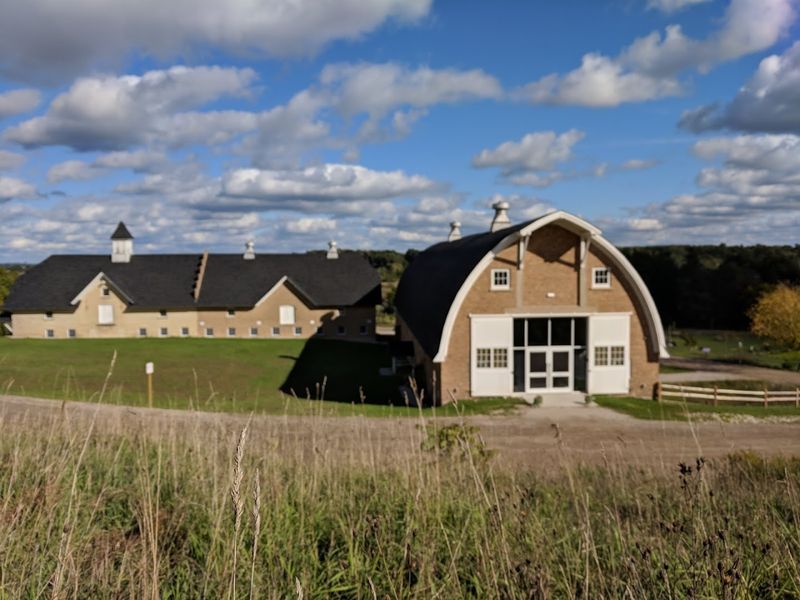
This 25-acre site was once a working farm attached to the Traverse City State Hospital, which was established in 1885.
Patients and staff once grew food right here on this ground, turning the soil season after season for decades. That agricultural past is not hidden or glossed over; it is woven into the identity of the garden at every turn.
The historic barns that give the park its name are still standing, and they anchor the landscape visually and historically.
You can reach the garden by phone at 231-935-4077, and the website at thebotanicgarden.org has current event listings. The garden is open Tuesday through Saturday from 10 AM to 5 PM, and admission is completely free, which makes the whole visit feel like a generous gift from the community.
The 1886 Granary Turned Visitor Center
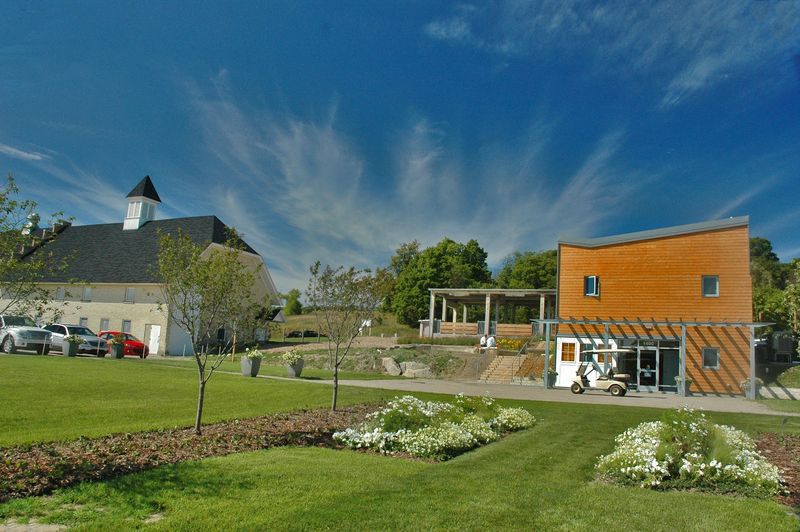
Old buildings have a way of holding stories inside their walls, and the visitor center here is a perfect example of that idea made real. The structure was originally built in 1886 as a granary, meaning it stored grain for the hospital farm that once operated on this land.
Rather than tearing it down or letting it decay, the team behind the garden transformed it into the heart of the entire operation.
The renovation choices are genuinely interesting. Wood paneling salvaged from Manistee’s Vogue Theater lines the interior, giving the space a warm, layered character that a brand-new building could never replicate.
Energy-efficient systems were installed throughout, reflecting the garden’s commitment to environmental responsibility without sacrificing comfort or function.
The visitor center is where free docent-led tours begin, and the staff inside are consistently described as knowledgeable and welcoming. There is also a gift shop worth browsing before you leave.
And if you ask nicely, someone might just show you the tunnel beneath the building that predates modern refrigeration entirely.
The Secret Underground Tunnel Most Visitors Miss
Most people walk through the visitor center, browse the gift shop, and head straight out to the gardens without realizing that something extraordinary exists beneath their feet. Beneath the old granary is a tunnel that was used for food storage before refrigeration existed, a practical necessity in the 1800s that now reads as a fascinating piece of living history.
The tunnel is not always on the official tour route, but volunteers have been known to offer impromptu visits to guests who express curiosity. That kind of spontaneous discovery is exactly what makes this place feel different from a polished, corporate botanical attraction.
The space feels raw and authentic, like a genuine artifact rather than a curated exhibit.
There are hopes that the tunnel will eventually be restored and potentially used as an event space, which would be a remarkable transformation. For now, getting a peek inside feels like finding a secret room in a very old house.
Ask about it at the visitor center, and you might just get lucky enough to see it for yourself.
Ten Distinct Gardens, Each With Its Own Personality
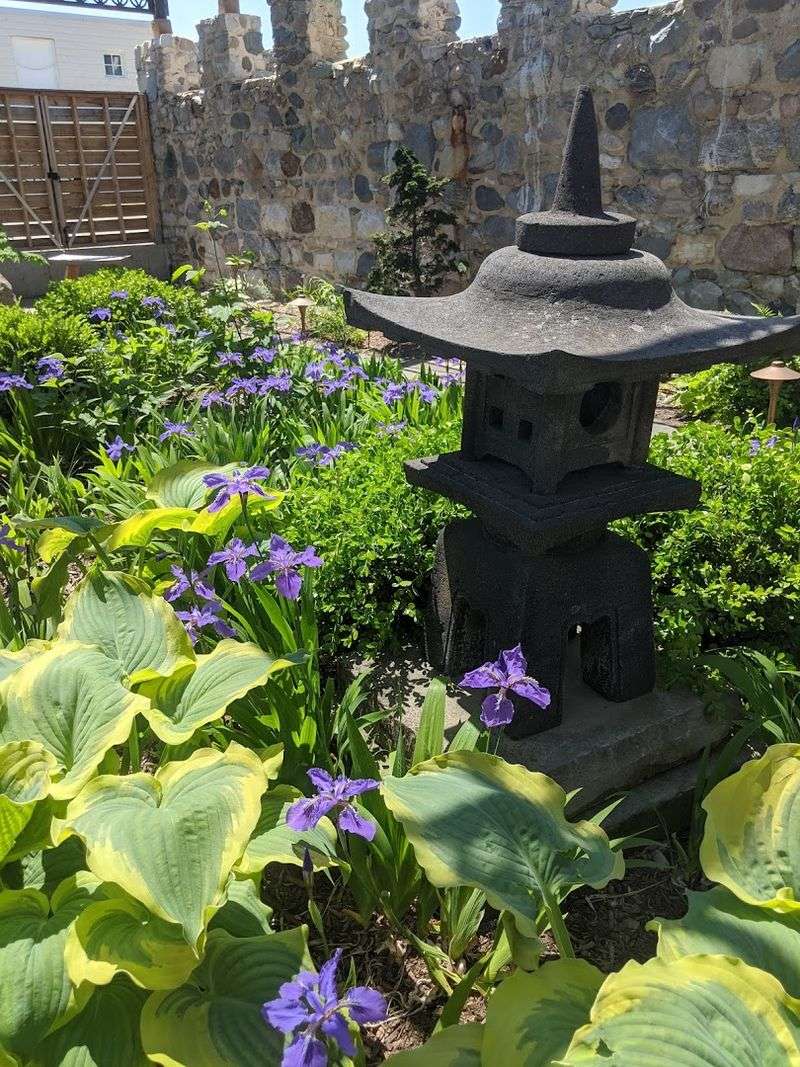
One thing that sets this place apart from a typical botanical garden is the deliberate variety built into its design. Rather than one continuous landscape with similar plantings throughout, the grounds are divided into ten distinct garden spaces, each one designed with a specific theme, purpose, or cultural perspective in mind.
A native Michigan plant garden celebrates the species that belong to this region naturally, offering a kind of ecological education you can walk through at your own pace. A medicinal herb garden brings centuries of plant knowledge into a tangible, touchable form.
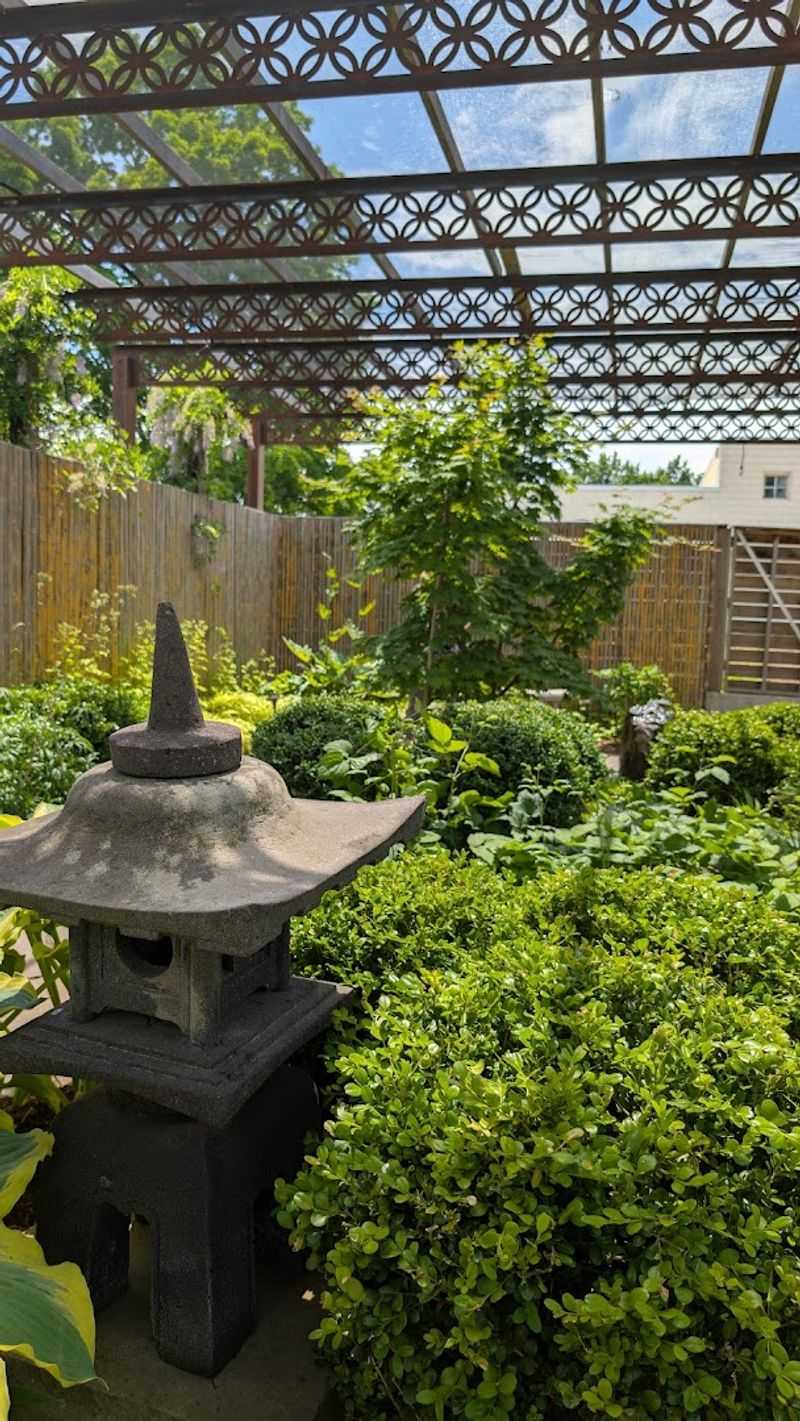
The Asian-inspired garden, frequently described by visitors as one of the most visually striking sections, creates a moment of calm that feels almost separate from the rest of the park.
Each garden transitions into the next in a way that feels intentional rather than abrupt, keeping the overall experience cohesive even while every section surprises you with something new. Spending time in all ten areas in a single visit is possible, but many people find themselves lingering in certain spots far longer than planned, which is honestly the best possible problem to have.
The Anishinabek Garden and Its Cultural Significance
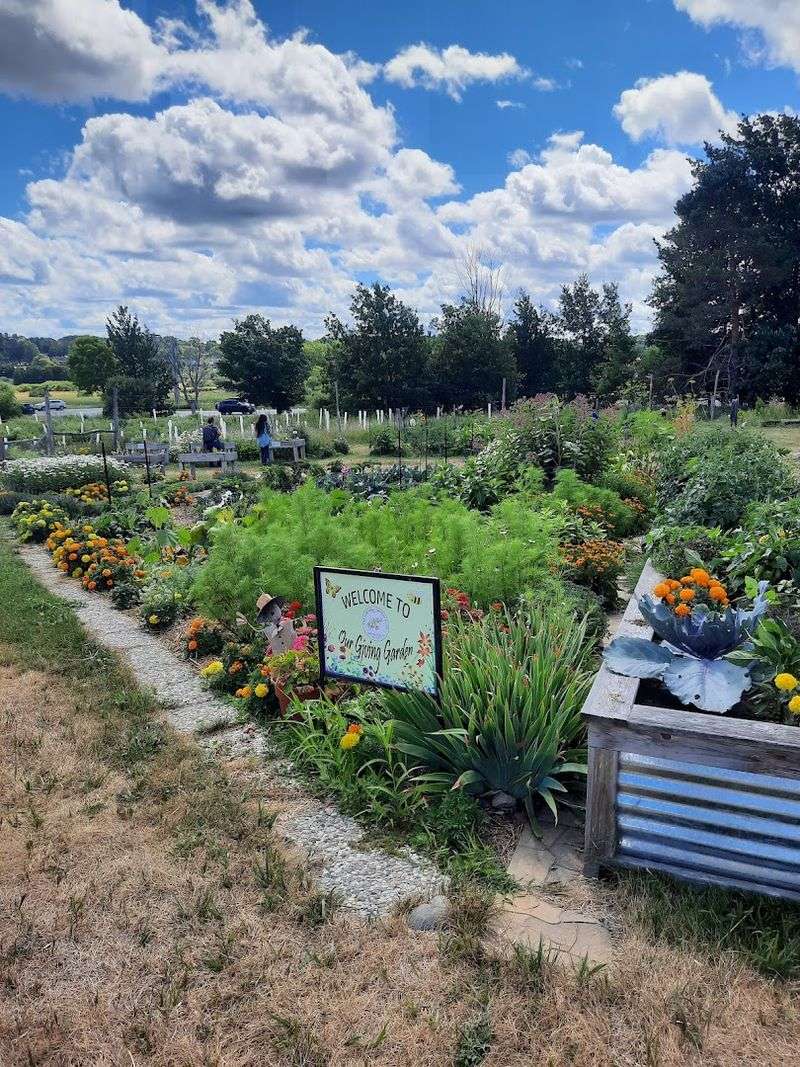
Among all the garden spaces on the property, the Anishinabek garden carries perhaps the most meaningful story. Created in collaboration with the Grand Traverse Band of Ottawa and Chippewa Indians, this garden is not simply a collection of native plants arranged for visual appeal.
It is a deliberate act of cultural recognition and partnership.
The plantings reflect Indigenous knowledge about the land, the plants, and the relationships between people and the natural world that have existed in this region for thousands of years. Being in this space feels different from the other gardens, quieter and more grounded, as if the design itself encourages a slower, more thoughtful kind of attention.
That collaboration with the Grand Traverse Band gives the garden a layer of authenticity and respect that elevates the entire site. It is a reminder that the land here has a much longer history than the 1885 state hospital, and that honoring that history requires listening to the people whose connection to it runs deepest.
This garden rewards visitors who take the time to read, observe, and reflect.
Golf Cart Tours That Make the Whole Site Accessible
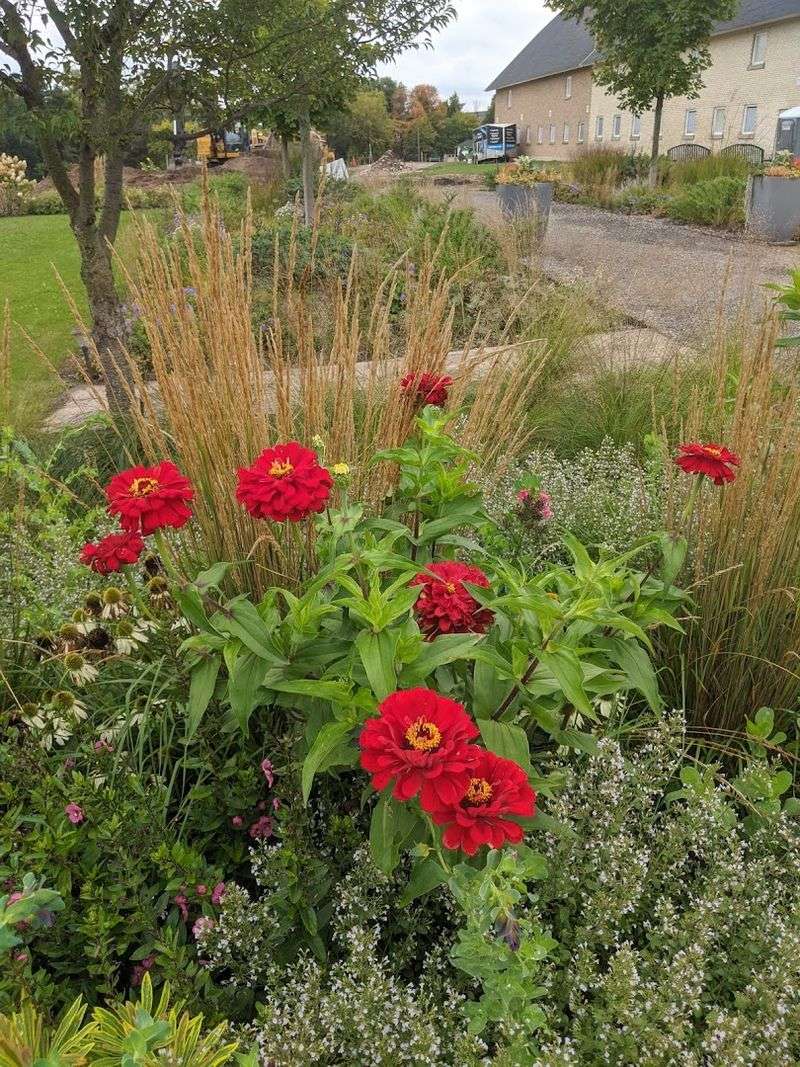
Free admission is already a generous offer, but the golf cart tours take the generosity of this place to another level entirely. Volunteer-led tours depart from the visitor center and cover significant portions of the 25-acre grounds, giving visitors context, history, and garden knowledge that would be easy to miss on a solo walk.
The tours are especially valuable for visitors who have mobility challenges, since the cart allows access to areas that would otherwise require a fair amount of walking. Dogs have been known to ride along too, which adds a cheerful, relaxed energy to the whole experience.
The guides are volunteers who genuinely love this place, and that enthusiasm comes through in every stop they make.
Tour guides like Patti and Sheila have earned their own fan followings based on visitor feedback, with multiple guests specifically mentioning laughter, unexpected stories, and a sense that they learned far more than they anticipated. Showing up and simply asking about the next available tour at the visitor center desk is all it takes to get started.
The Fairy Trail and the Community Spirit Behind It
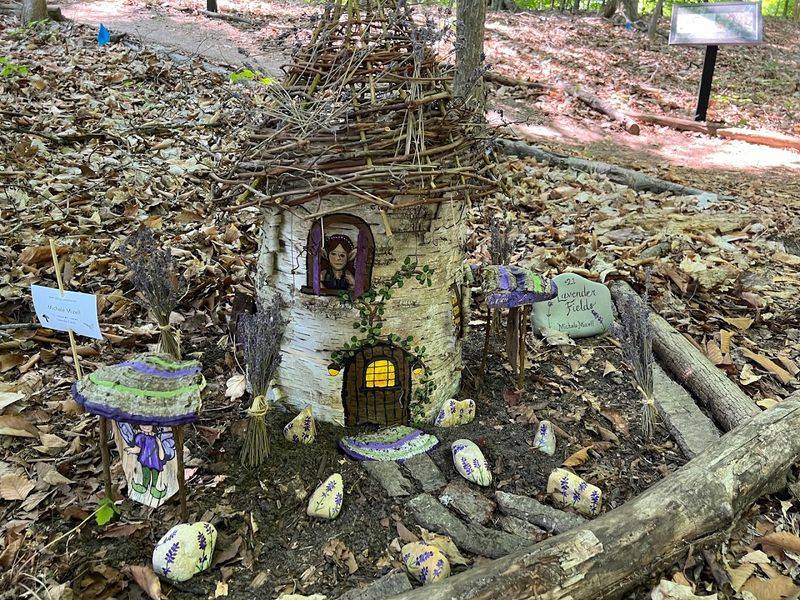
There is a section of the garden that children tend to migrate toward immediately, and it is not hard to understand why. The fairy trail winds through a playful, imaginative landscape where small handmade fairy houses created by local children and community members are placed on display among the plantings.
Visiting shortly after the annual fairy house celebration means seeing fresh creations that have just been installed, which gives the trail a lively, ever-changing character. The houses range from carefully crafted miniature structures to charmingly rough creations that clearly belong to very young builders, and that range is part of what makes it so endearing.
The trail is a smart example of how this garden functions as more than a passive viewing space. Community participation is built directly into the experience, making the garden feel like something the whole region has a hand in shaping.
Kids who visit once often want to come back, either to see if their house is still there or to build something new for the next celebration, creating a cycle of engagement that keeps the place feeling alive.
The Brick Labyrinth Near the Parking Lot
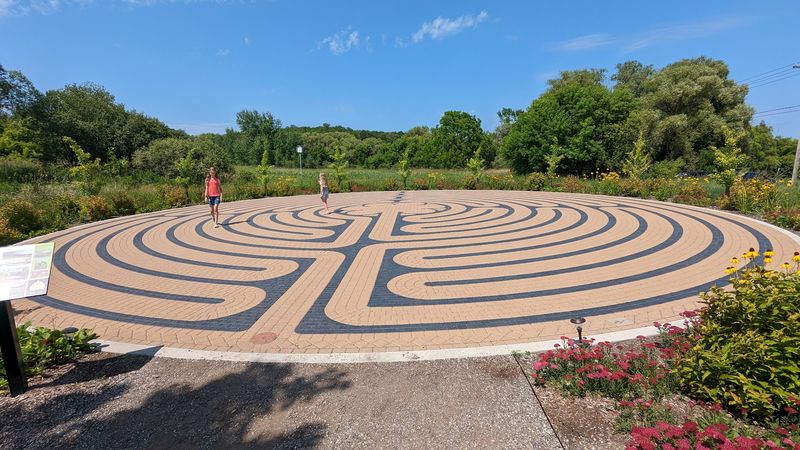
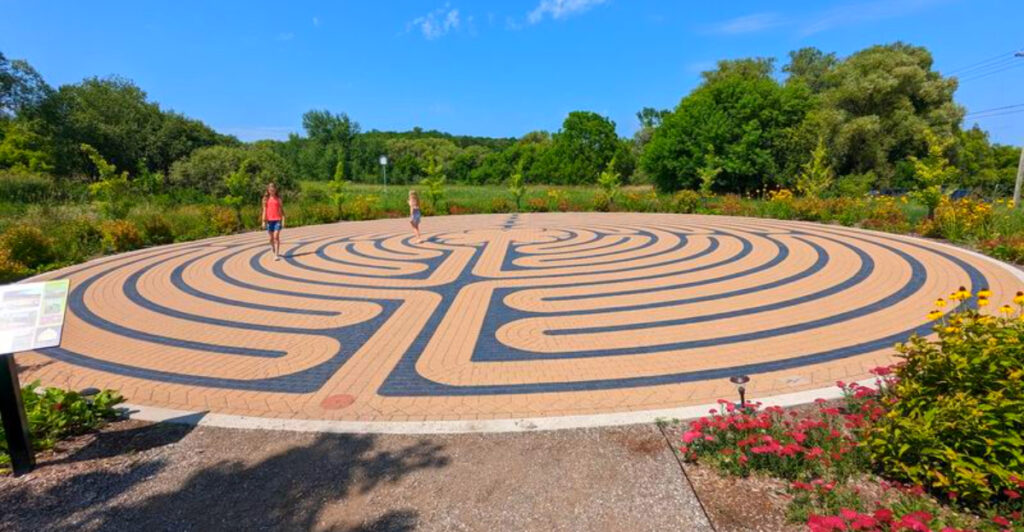
Some of the best surprises at this garden are the ones you almost walk right past. Near the parking lot, a brick labyrinth sits quietly, inviting visitors to slow down before they have even officially started their tour.
Walking a labyrinth is a meditative practice with a long history, and having one here fits perfectly with the garden’s overall character.
The path winds in a deliberate pattern that encourages focus and calm, which is a useful mental reset before exploring the rest of the grounds. It takes only a few minutes to complete, but those minutes tend to shift the mood of whoever walks it.
Visitors who notice it on their way in often circle back to walk it again before leaving.
Small details like this labyrinth are what separate a thoughtfully designed space from one that is simply well-maintained. The garden is full of these quiet touches, each one rewarding the kind of visitor who pays attention.
Once you finish the labyrinth, the gardens beyond it feel like they were worth every step of the journey to get there.
Sculptures, Water Features, and the Art of Garden Design

Beyond the plants themselves, the garden incorporates sculptures and water features that give the landscape a richer visual texture. The sculptures are scattered throughout the grounds in a way that feels discovered rather than displayed, rewarding visitors who wander off the main path and take their time exploring corners of the property that are easy to overlook.
Water features add sound to the experience, which matters more than most people realize until they are standing beside one. The gentle movement and noise of water create a sense of enclosure and peace that transforms even an ordinary garden bench into a genuinely restful spot.
Colorful roses appear in several sections, and the variety of colors has drawn specific admiration from visitors who appreciate the care that went into selecting and maintaining them.
The overall design philosophy here seems to prioritize layered sensory experience over pure botanical spectacle. You are not meant to simply look at this garden; you are meant to hear it, smell it, and move through it in a way that feels personal and unhurried.
That approach is what keeps people coming back year after year.
A Perfect Spot for Weddings and Special Events
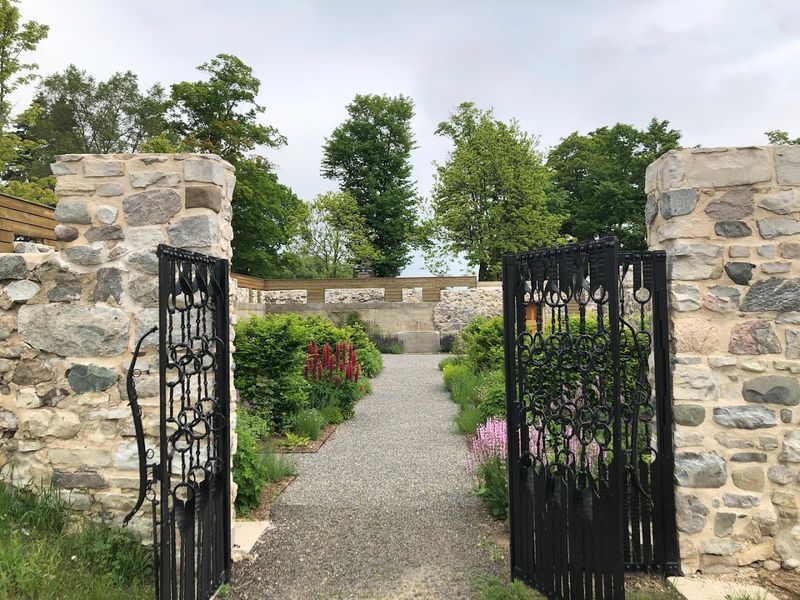
Not every botanical garden doubles as a wedding venue, but this one does it with a level of charm that is hard to manufacture artificially. The combination of historic barns, manicured garden spaces, and open green areas creates a setting that works beautifully for ceremonies of all sizes.
Couples have used both the barn interior and the outdoor garden areas for their weddings, and both options deliver something genuinely beautiful.
The staff coordination for events has earned consistent praise, with the team described as thorough, warm, and easy to work with throughout the planning process. That kind of behind-the-scenes support makes a significant difference when the day itself arrives and there is no room for logistical surprises.
Beyond weddings, the garden hosts community gatherings, workshops, and seasonal celebrations throughout the year. The fairy house event is one example, but the programming calendar extends well beyond that single occasion.
Checking the website before visiting is always a good idea, since arriving on an event day adds an entirely different and often wonderful dimension to the experience.
Community Gardens and the Shared Love of Growing Things
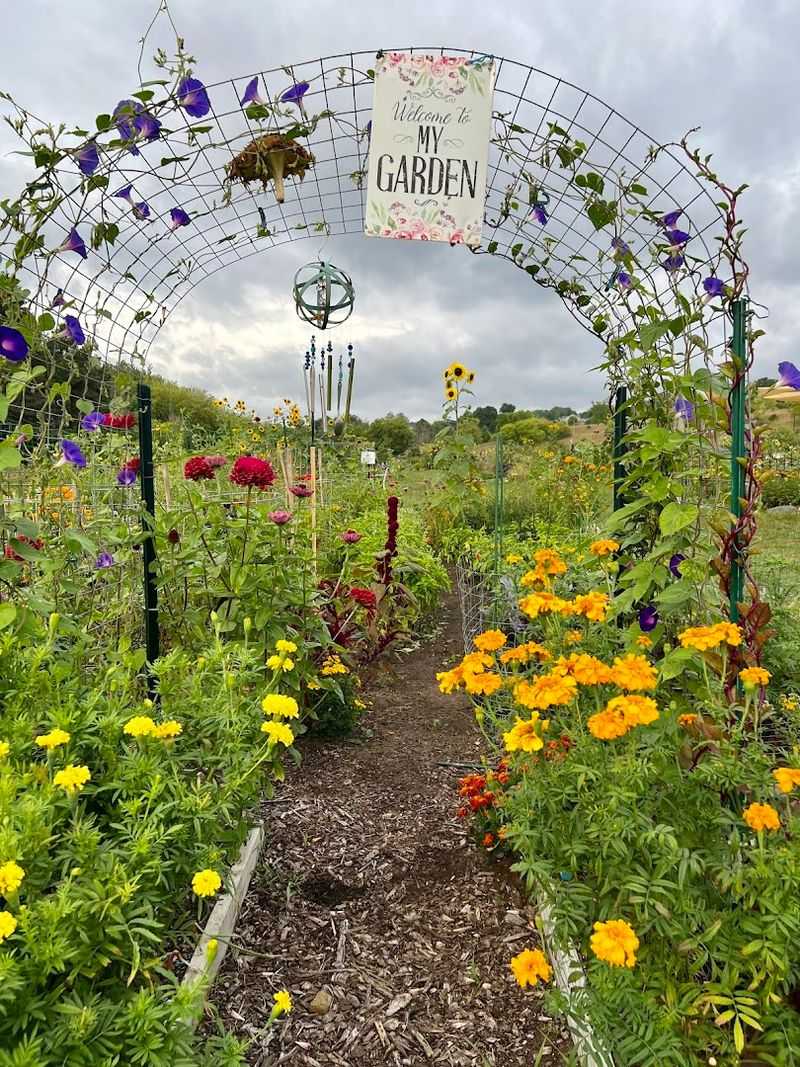
Community garden plots occupy a portion of the property, and they bring a working, productive energy to a space that might otherwise feel purely ornamental. Seeing actual vegetables and herbs growing alongside display gardens is a grounding reminder of what this land was originally used for, and it creates a satisfying continuity between past and present.
The community garden model encourages learning and knowledge-sharing among participants, connecting neighbors through a shared interest in growing food and cultivating plants. For visitors who garden at home, walking through these plots tends to spark ideas and inspiration in a very practical way.
More than one visitor has left with a new plant variety on their mental shopping list.
The garden also hosts workshops that expand on this educational spirit, covering topics related to horticulture, sustainability, and organic practices. Those programs are open to the broader community, not just plot holders, making the knowledge accessible to anyone curious enough to sign up.
The whole setup reflects a genuine belief that gardens are most valuable when they are shared spaces rather than private ones.
Share this story