There is a town in southeastern Ohio where the streets feel like pages torn from an old history book, and every corner holds a story worth stopping for. It sits right at the point where two rivers meet, and that geography alone has shaped everything about it, from its founding to its food to the way locals carry themselves with quiet pride.
This place was the first permanent American settlement in the Northwest Territory, which means it has been doing things first for over two centuries. If you have ever wanted to feel the weight of early American history without standing in a museum, keep reading, because this town delivers exactly that, with charm to spare.
America’s First Planned City in the Northwest Territory
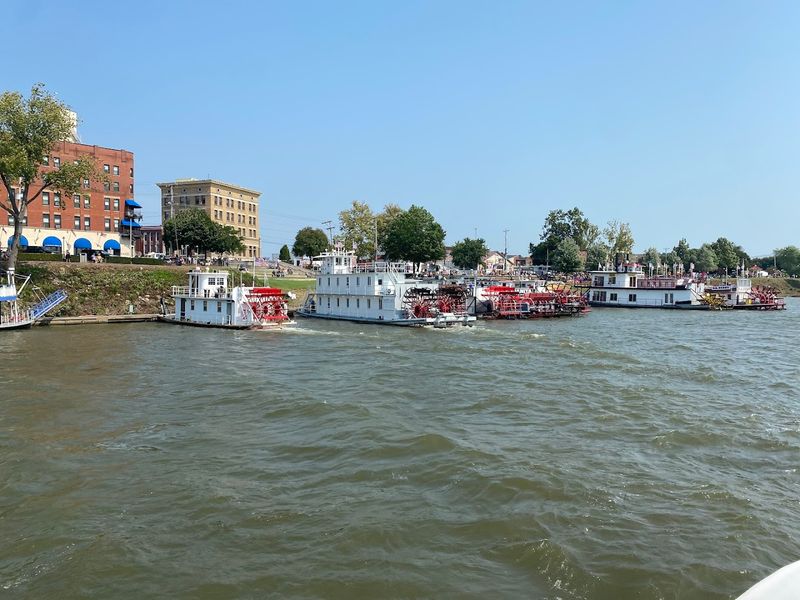
Long before most of the Midwest existed on any map, Marietta, Ohio, was already being carefully planned and built. Founded on April 7, 1788, it became the first permanent American settlement in the Northwest Territory, making it one of the oldest cities in the entire country west of the original thirteen colonies.
The founders, many of them Revolutionary War veterans, named the city after Marie Antoinette of France as a gesture of gratitude for French support during the war. That founding story alone sets the tone for everything you experience here.
A visit to the Campus Martius Museum at 601 Second Street in Marietta, Ohio 45750 gives you a front-row seat to that origin story. The museum sits on the original site of the fortified settlement, and it holds artifacts that bring those early days to life in a way that feels personal rather than distant.
Where Two Rivers Shape Everything
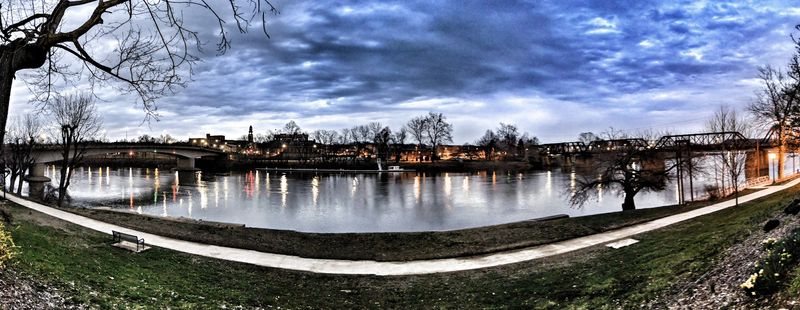
Two rivers define this city in ways that go far beyond geography. Marietta sits at the exact point where the Muskingum River flows into the Ohio River, and that confluence has driven commerce, culture, and daily life here for more than two centuries.
The Ohio River forms the city’s southern edge, while the Muskingum cuts right through the heart of downtown. Standing on the levee and watching both rivers move at once gives you a real sense of why early settlers chose this spot so deliberately.
The Muskingum River Parkway is a popular walking and cycling path that runs along the riverbank and offers some of the most scenic views in the region. On a clear morning, the reflection of the historic buildings on the water is something that sticks with you long after you have left town.
Downtown Streets That Feel Frozen in Time
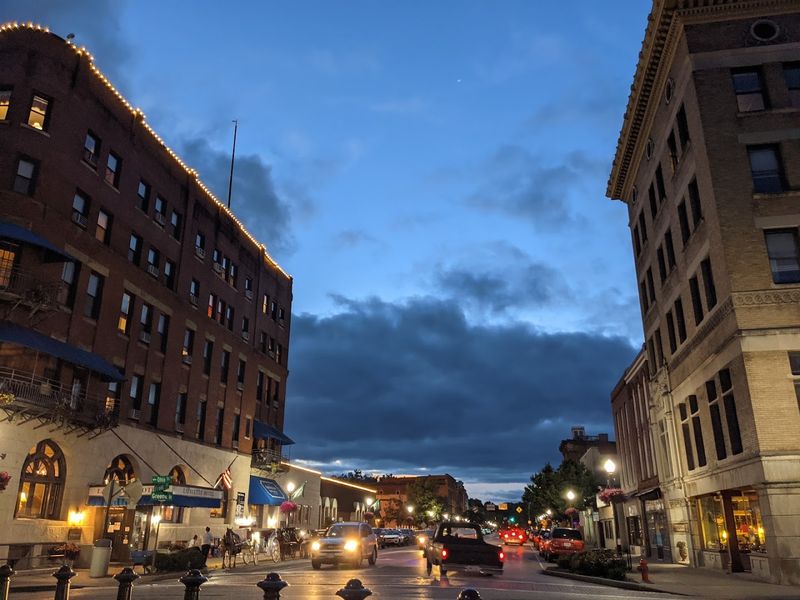
Few downtowns in Ohio feel as authentically preserved as this one. The historic district is packed with 19th-century brick buildings that now house local shops, bakeries, and small restaurants, all without the glossy chain-store makeover that erases character from so many small cities.
Ohio Street and Front Street are the two main arteries of downtown, and walking them back to back gives you a full picture of what makes Marietta so visually distinctive. The architecture ranges from Federal-style storefronts to ornate Victorian facades, and the mix feels organic rather than staged.
What really sets it apart is the scale. Nothing towers over you, nothing feels rushed, and the sidewalks are wide enough to actually enjoy the view.
It is the kind of downtown where you slow your pace naturally, not because you are told to, but because everything around you invites it.
The Mound Cemetery and Its Ancient Secrets
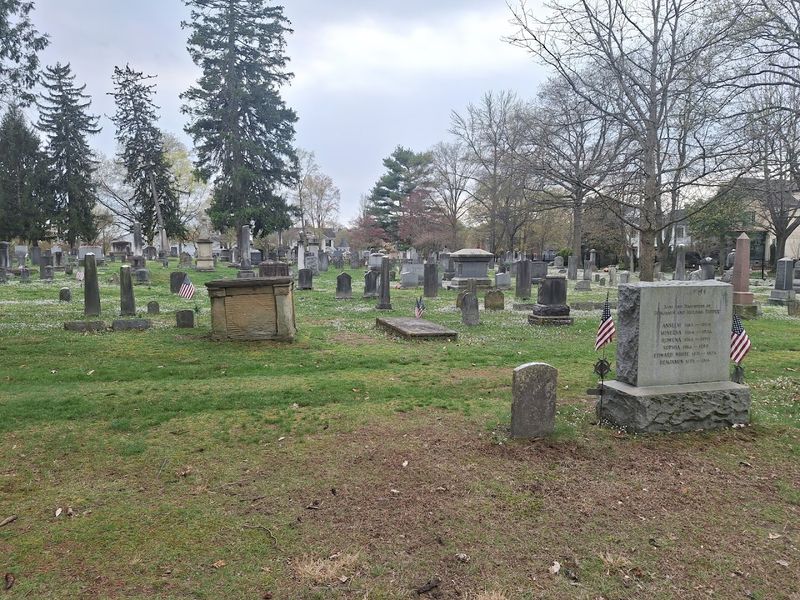
Right in the middle of a working cemetery, there is a 30-foot-tall conical earthen mound that is roughly 2,000 years old. Conus Mound, located inside Mound Cemetery on Fifth Street, was built by the Hopewell culture, a group of ancient Indigenous people who inhabited this region long before European settlers arrived.
What makes this site even more remarkable is that Revolutionary War officers and early Marietta settlers are buried around the base of the mound, creating a layered history that spans thousands of years in a single location.
Mound Cemetery is believed to hold more graves of Revolutionary War officers than any other cemetery in the United States, which adds yet another dimension to an already extraordinary place. Visiting here feels less like a cemetery tour and more like standing at the intersection of two completely different worlds in American history.
Campus Martius Museum and the Fortified Past
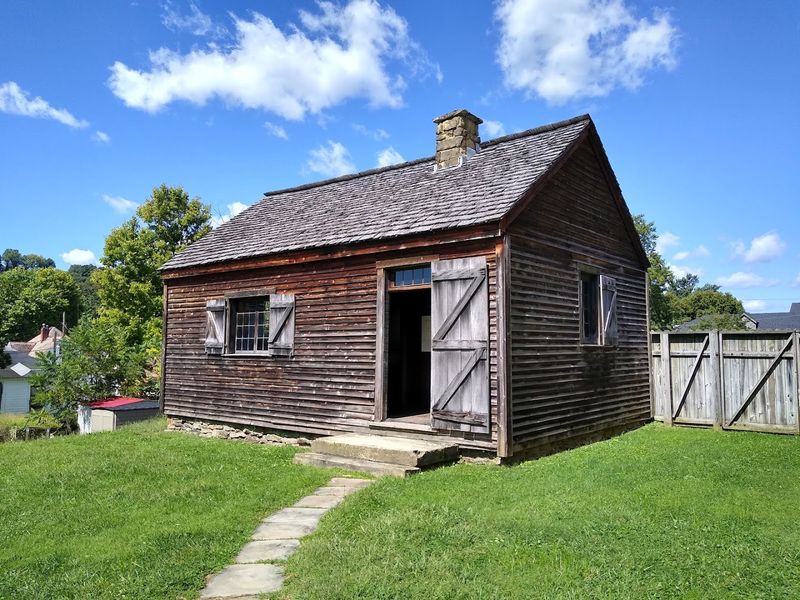
Campus Martius was the name of the original fortified settlement built by the Ohio Company of Associates when they arrived in 1788. Today, the Campus Martius Museum preserves a significant piece of that original structure and tells the broader story of the Northwest Territory’s settlement in remarkable detail.
One of the most striking features inside is the actual Rufus Putnam house, which is the oldest surviving structure in Ohio and still stands within the museum walls. Putnam was the leader of the first settlers, and his home has been carefully preserved inside the building since the museum opened in 1929.
The exhibits cover everything from Native American life before European contact to the land surveys that carved up the territory into the states we know today. History enthusiasts will find the depth here genuinely satisfying rather than surface-level, and even casual visitors tend to stay longer than they planned.
The Ohio River Museum and Sternwheelers
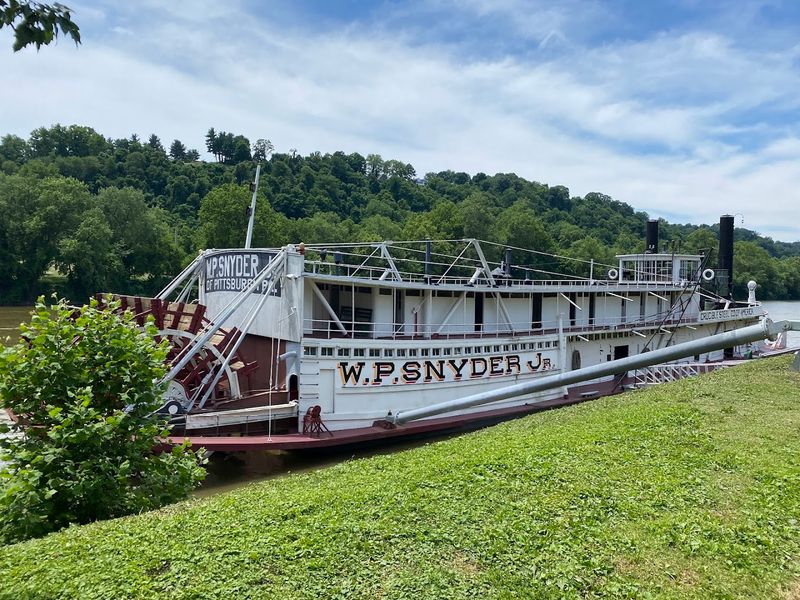
The Ohio River Museum on Front Street is dedicated entirely to the history of river life, and it earns every bit of the attention it gets. The museum covers the natural history of the Ohio River, the rise of steamboat travel, and the role this waterway played in shaping American commerce and migration throughout the 18th and 19th centuries.
Outside the museum, the W.P. Snyder Jr. is docked and available for viewing.
It is the last surviving steam-powered sternwheel towboat in the United States, and seeing it up close puts the scale of river industry into immediate perspective.
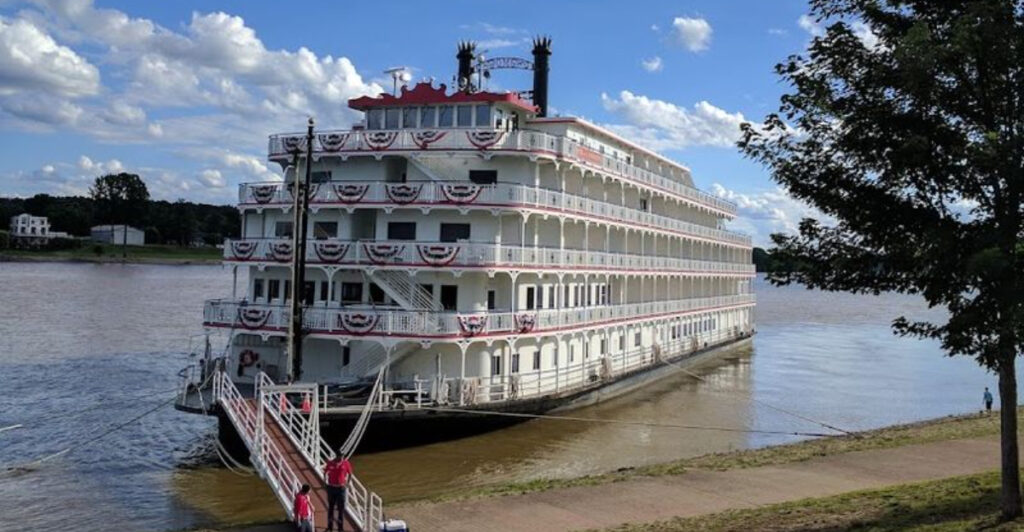
Every September, Marietta hosts the Sternwheel Festival, which draws massive sternwheel riverboats from across the region to parade along the Ohio River. The event transforms the waterfront into a celebration of riverboat culture that feels genuinely connected to the city’s roots rather than just a tourism attraction.
Harmar Village Across the Muskingum
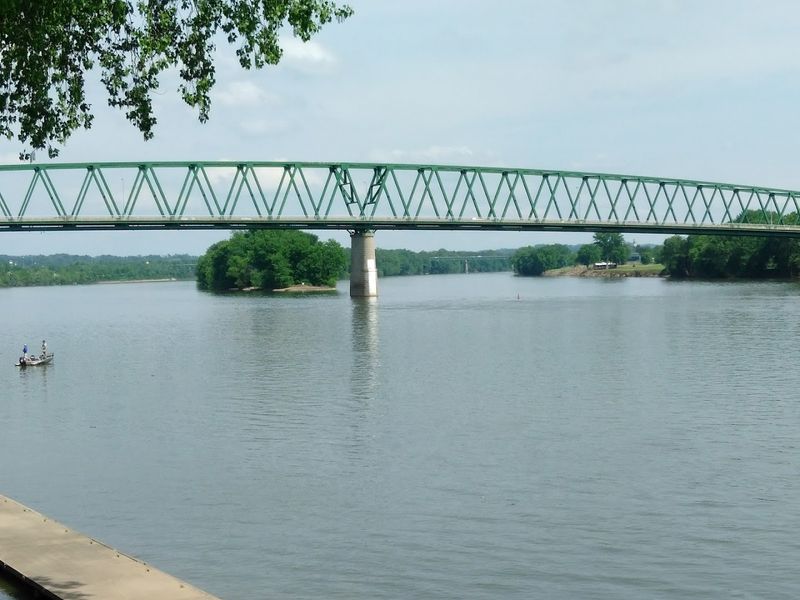
Cross the Putnam Street Bridge over the Muskingum River and you land in Harmar Village, a neighborhood that operates at a slightly different frequency than the rest of the city. It has its own collection of Victorian homes, a handful of independent shops, and a relaxed atmosphere that feels more residential and artistic.
Harmar was actually a separate village before being annexed into Marietta, and that independent spirit still comes through in the way locals talk about it. The streets are quiet and walkable, lined with mature trees and homes that have been lovingly maintained for generations.
A few small galleries and specialty shops dot the main street, making it a nice complement to the more commercial downtown area. The neighborhood also has its own scenic views of the Muskingum, and sitting along the riverbank here feels like a reward after a full day of sightseeing across the bridge.
The Anchorage House and Antebellum Architecture
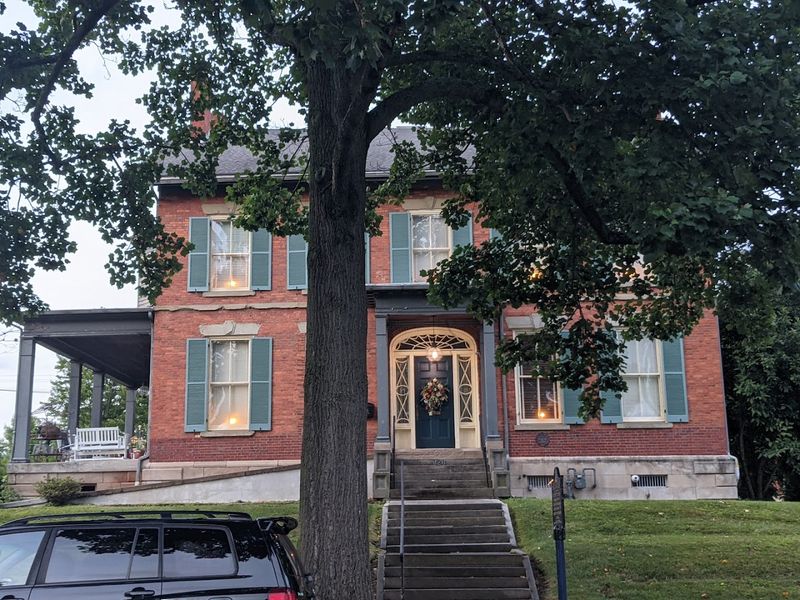
Marietta is home to some genuinely impressive antebellum architecture, and the Anchorage is one of the finest examples. Built in 1859, this Greek Revival mansion sits above the Ohio River and commands views that must have felt almost theatrical to its original occupants.
The home was built for Douglas Putnam, a grandson of the founder Rufus Putnam, and it later served as a stop on the Underground Railroad. That combination of architectural grandeur and historical significance makes it one of the most layered properties in the entire region.
The house is now part of the Ohio History Connection’s network of historic sites, and tours are available seasonally. Walking through the rooms and learning about the family who lived there, as well as the freedom seekers who passed through quietly, adds a moral and emotional depth to what could otherwise be just a beautiful old house.
Local Food Worth Slowing Down For
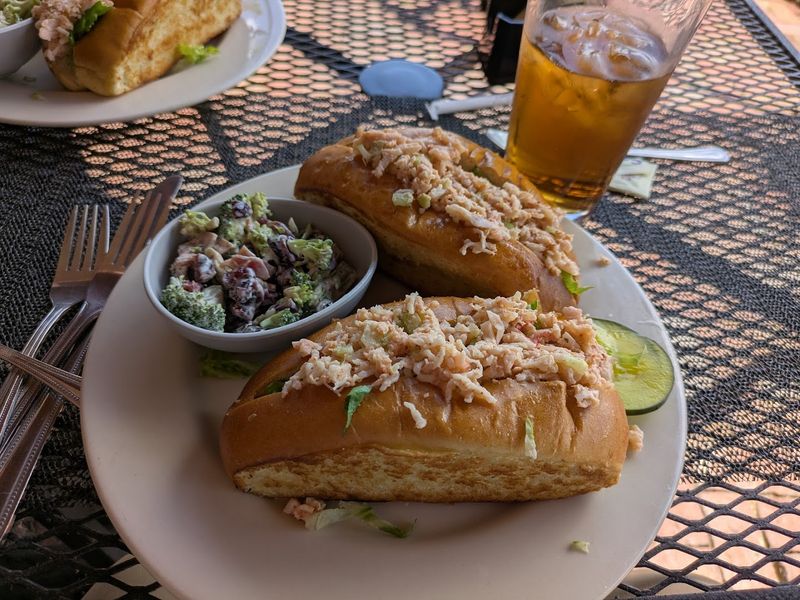
The food culture in Marietta does not try to compete with big-city dining, and that restraint is actually one of its strengths. The restaurants here focus on doing a few things well, using locally sourced ingredients, and creating an environment where you actually want to linger over your meal.
The Levee House Cafe, one of the most well-known spots in town, sits right on the riverbank and pairs solid American fare with views of the Ohio River that make the meal feel like an event. The building itself is historic, which adds another layer to the experience.
Farmers markets run seasonally and give you a direct look at what this part of Ohio grows well, from sweet corn to local honey to handmade preserves. Eating your way through a Saturday morning market in Marietta is genuinely one of the more enjoyable things you can do here.
Marietta College and the Campus That Adds Life
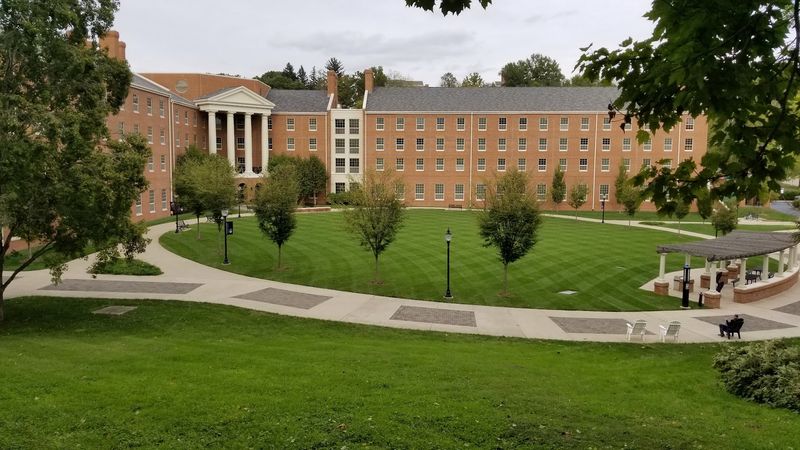
Marietta College, founded in 1835, sits right in the heart of the city and brings an energy that keeps the downtown from feeling too sleepy. The campus is compact and walkable, with brick buildings and mature trees that blend seamlessly into the surrounding historic neighborhood.
The college has a strong reputation for petroleum engineering, a nod to the oil and gas history of southeastern Ohio, but it also runs a well-regarded liberal arts program that attracts students from across the country.
During the academic year, the campus hosts public lectures, performances, and community events that give visitors an additional reason to spend time in the city. The presence of a college also means there are good coffee shops and bookstores within easy walking distance, which is never a bad thing when you are spending a full day exploring a new place.
The Lafayette Hotel and Staying in History
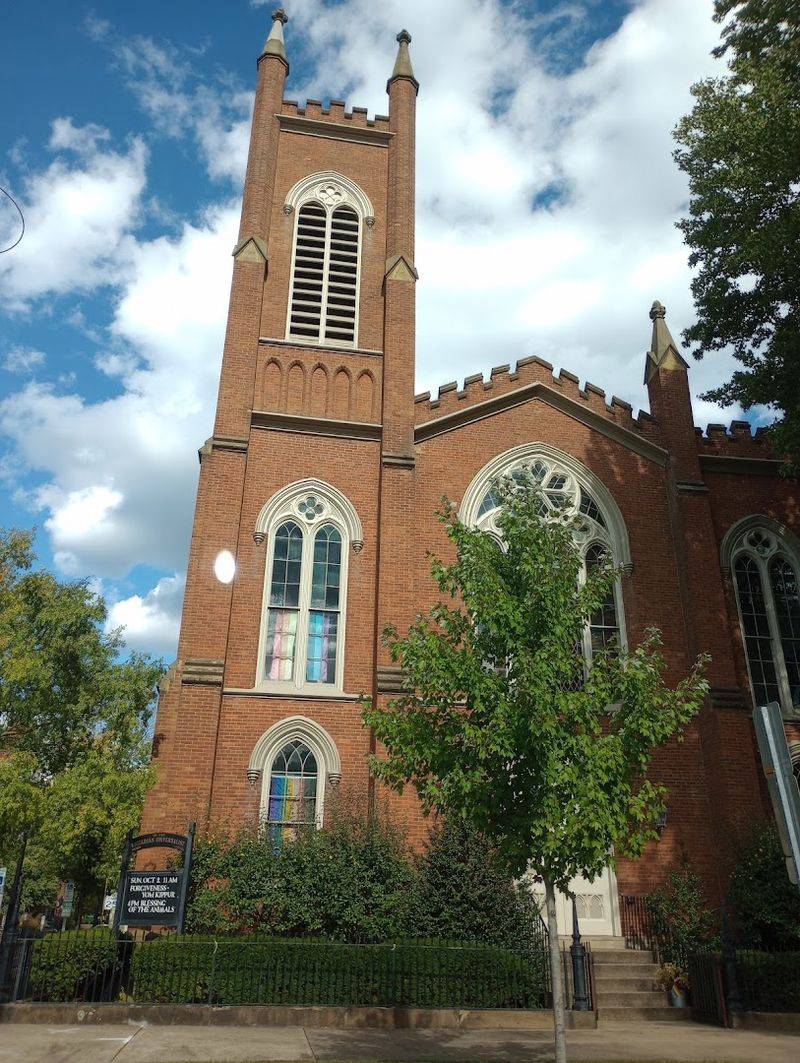
Some hotels are just places to sleep. The Lafayette Hotel on the riverfront is something else entirely.
Built in 1918 and listed on the National Register of Historic Places, it has been the social center of Marietta for over a century and still operates as a fully functioning hotel today.
The lobby alone is worth a visit, with its original woodwork, vintage furnishings, and a sense of occasion that most modern hotels simply cannot manufacture. Rooms on the river side offer direct views of the Ohio, and waking up to that sight in the morning sets a tone for the day that is hard to beat.
The hotel’s Gun Room Restaurant is a longtime local favorite, named for the antique firearms collection displayed on the walls. Staying here is not just convenient; it genuinely deepens your connection to the city’s long and layered history in a way that a chain hotel never could.
Outdoor Activities Along the Rivers
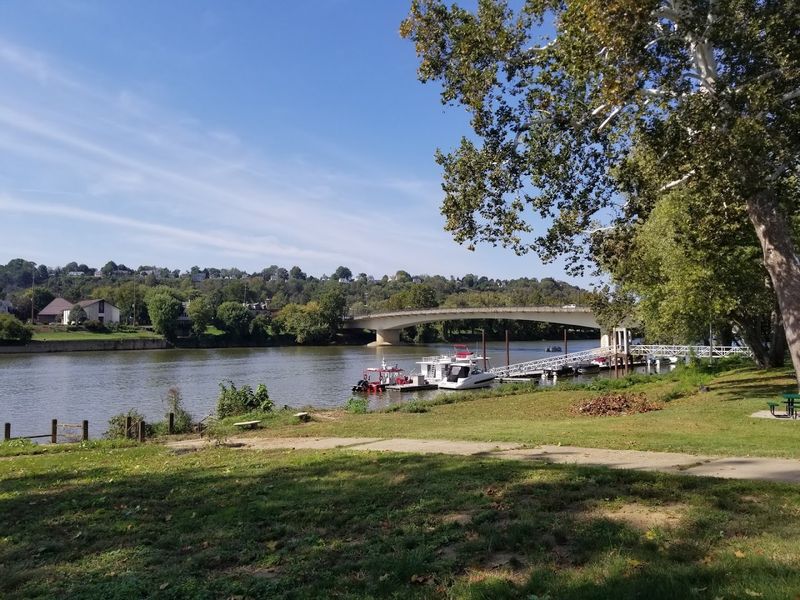
The rivers that define Marietta are not just scenic backdrops. They are active playgrounds for anyone who enjoys time on the water.
Kayaking and canoeing on the Muskingum River are popular activities, and the relatively calm stretches near downtown make it accessible for paddlers of most skill levels.
Fishing is another major draw, with both rivers offering walleye, catfish, bass, and sauger depending on the season. Local outfitters can set you up with gear and advice, and the riverbanks have several public access points that make getting to the water easy.
The Muskingum River Parkway also doubles as a trail for walking, jogging, and cycling, giving non-water-based visitors a way to enjoy the riverside scenery at their own pace. On a warm afternoon, the trail fills up with locals and visitors alike, and the shared energy along that path feels like a natural extension of the city’s community spirit.
The Sternwheel Festival Every September
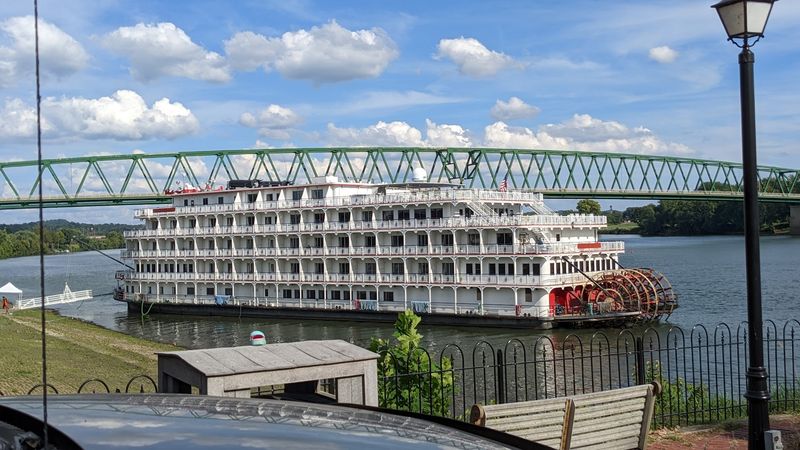
Once a year, Marietta turns its waterfront into one of the most visually spectacular events in Ohio. The Sternwheel Festival, held every September, brings a fleet of massive paddlewheel riverboats to the banks of the Ohio River for a multi-day celebration of the region’s riverboat heritage.
The boats themselves are the main attraction, and watching them parade along the river while the city buzzes with activity is a genuinely memorable experience. Live music, food vendors, craft markets, and historical demonstrations fill the surrounding streets throughout the weekend.
The festival draws tens of thousands of visitors from across the tristate area and beyond, which means the city feels electrified in a way that is quite different from its usual calm pace. If you are planning a visit and can time it around this event, it is absolutely worth building your trip around, because the energy is unlike anything else in the region.
Day Trips and the Surrounding Region
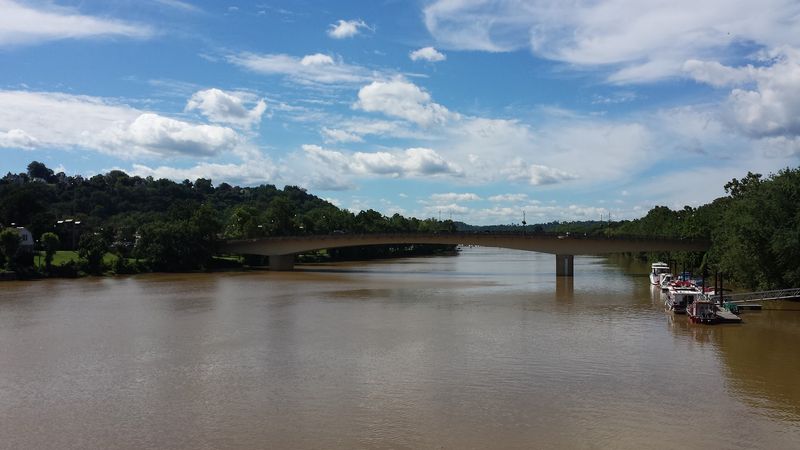
Marietta makes an excellent base for exploring the broader southeastern Ohio region, which is far more scenic and historically rich than most people realize. The rolling hills of the Appalachian Plateau begin just east of the city, and the landscape shifts noticeably within just a few miles of downtown.
Parkersburg, West Virginia, sits just 11 miles to the southwest and offers its own collection of historic sites and riverfront attractions. The short drive across the Ohio River into West Virginia adds a nice cross-state dimension to any visit.
The Wayne National Forest, the only national forest in Ohio, stretches across parts of the surrounding counties and offers hiking trails, scenic overlooks, and wildlife viewing that complement the urban history experience of Marietta perfectly. Spending a morning in the forest and an afternoon in the city is a combination that covers a remarkable amount of ground in a single day.
Why Marietta Stays With You Long After You Leave
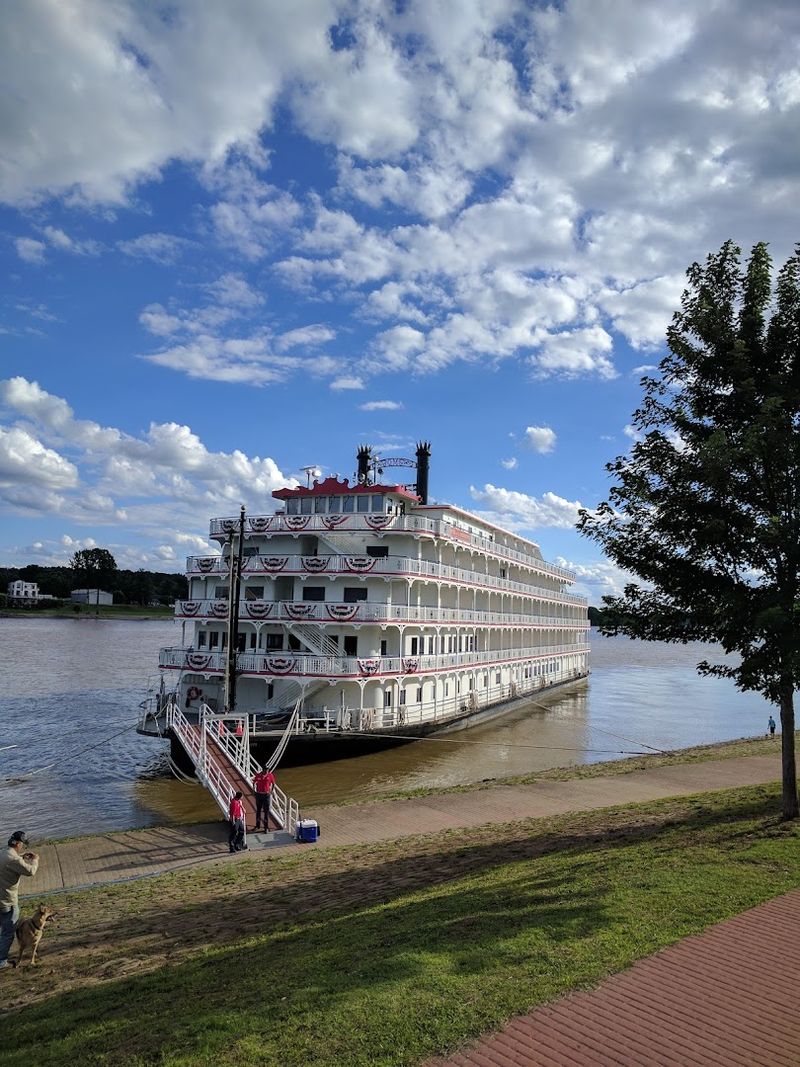
Some places are enjoyable while you are there and forgettable the moment you drive away. Marietta, Ohio, is not one of those places.
The combination of genuine history, preserved architecture, active rivers, and a community that clearly values its own story creates something that lingers in your memory in a specific and satisfying way.
There is no performance here, no manufactured charm designed to attract visitors. The city is simply itself, confidently and without apology, and that authenticity is rarer than it should be in American travel.
Whether you come for a weekend or squeeze it into a single day, you will leave with a fuller sense of how this country began and how a small city can hold onto its identity across more than two centuries of change. That is a quiet kind of remarkable, and Marietta earns it honestly every single day.
Share this story