 Unearth The Voyage
Most people visit Miami for the beaches and the nightlife, but tucked along the southern edge of the city is a place that has been surprising visitors since the early 1930s. Here, the usual rules of a zoo are flipped completely upside down: the monkeys roam free across seven acres of lush, open land, and the humans are the ones walking through enclosed pathways.
The whole setup feels wonderfully strange in the best possible way. I spent a full morning there, fed a monkey using a tiny chain-and-bucket system that I still think about, and left genuinely impressed by how much heart this little park has packed into its grounds.
Where the Wild Things Roam Free: The Address and Setting
Monkey Jungle sits at 14805 SW 216th St, Miami, nestled in the far southern reaches of Miami-Dade County, where the city slowly gives way to subtropical greenery and open land.
Getting there requires a bit of a drive from downtown Miami, but the reward is a setting that feels genuinely removed from the urban hustle. The air changes as you pull into the parking lot, which is free and easy to navigate.
Tall trees form a canopy overhead, and the sounds of wildlife greet you well before you reach the front gate. The park is open every day from 9:45 AM to 4:15 PM, with the last ticket sold at 3:00 PM, so arriving early gives you the most time to enjoy everything on offer.
A History That Goes Back Nearly a Century
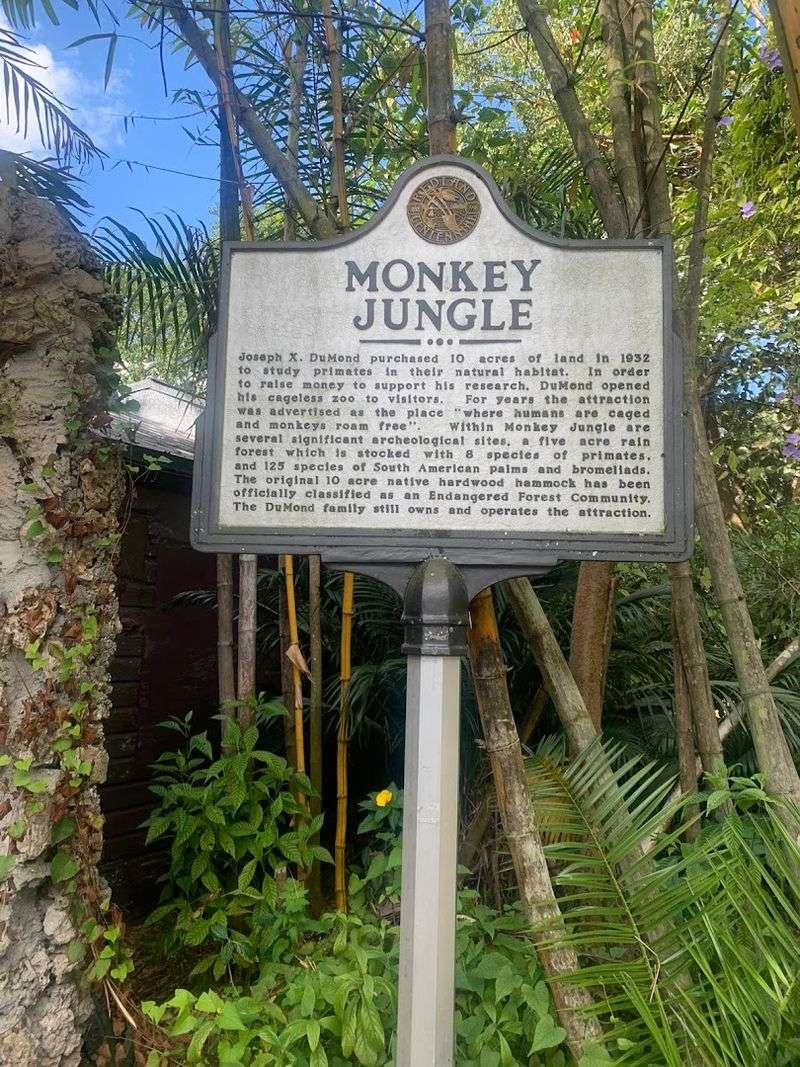
Few wildlife parks in Florida can claim a history as rich and layered as this one. The park opened in 1933, making it one of Miami’s longest-running wildlife attractions, and it was originally founded by Joseph DuMond, a man who genuinely believed that monkeys should live as freely as possible.
His vision was simple but radical for the time: let the monkeys roam and put the people in the cages instead. That philosophy has shaped every inch of the park ever since.
The property also carries the scars of Hurricane Andrew, which tore through in 1992 and caused catastrophic damage. Staff members stayed on-site during and after the storm to protect and recover the animals, a fact that still speaks volumes about the dedication behind this place.
Knowing that history makes every visit feel a little more meaningful.
The Concept That Turns a Zoo Visit Upside Down
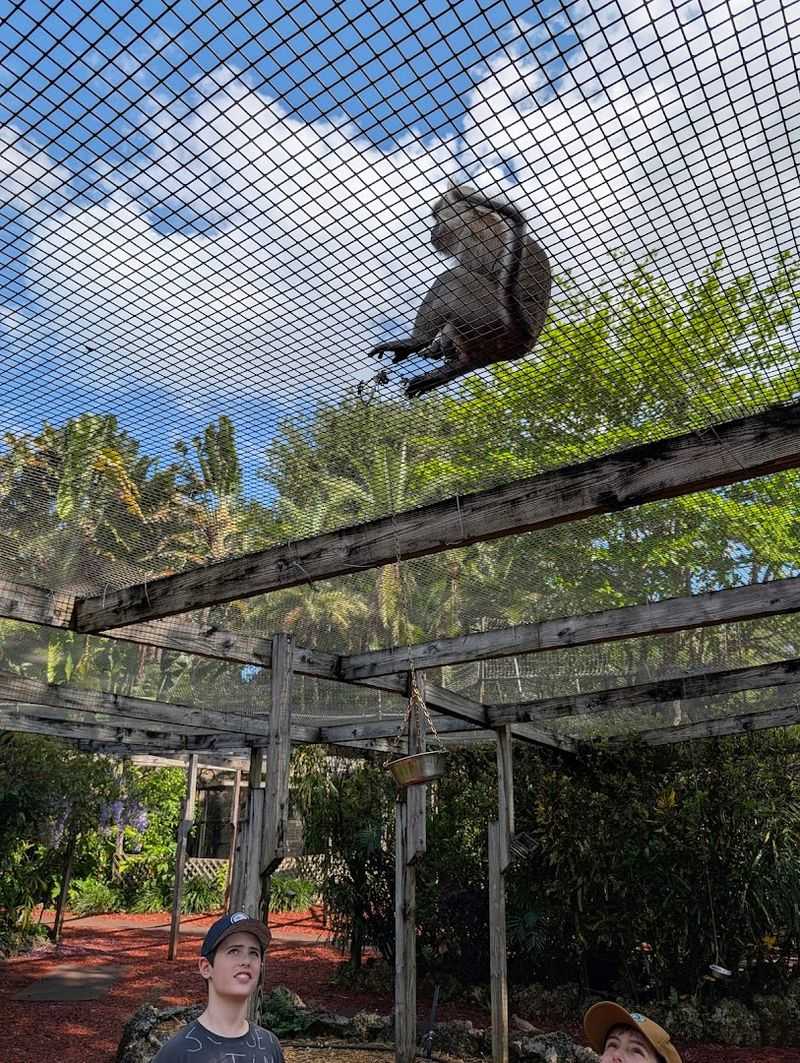
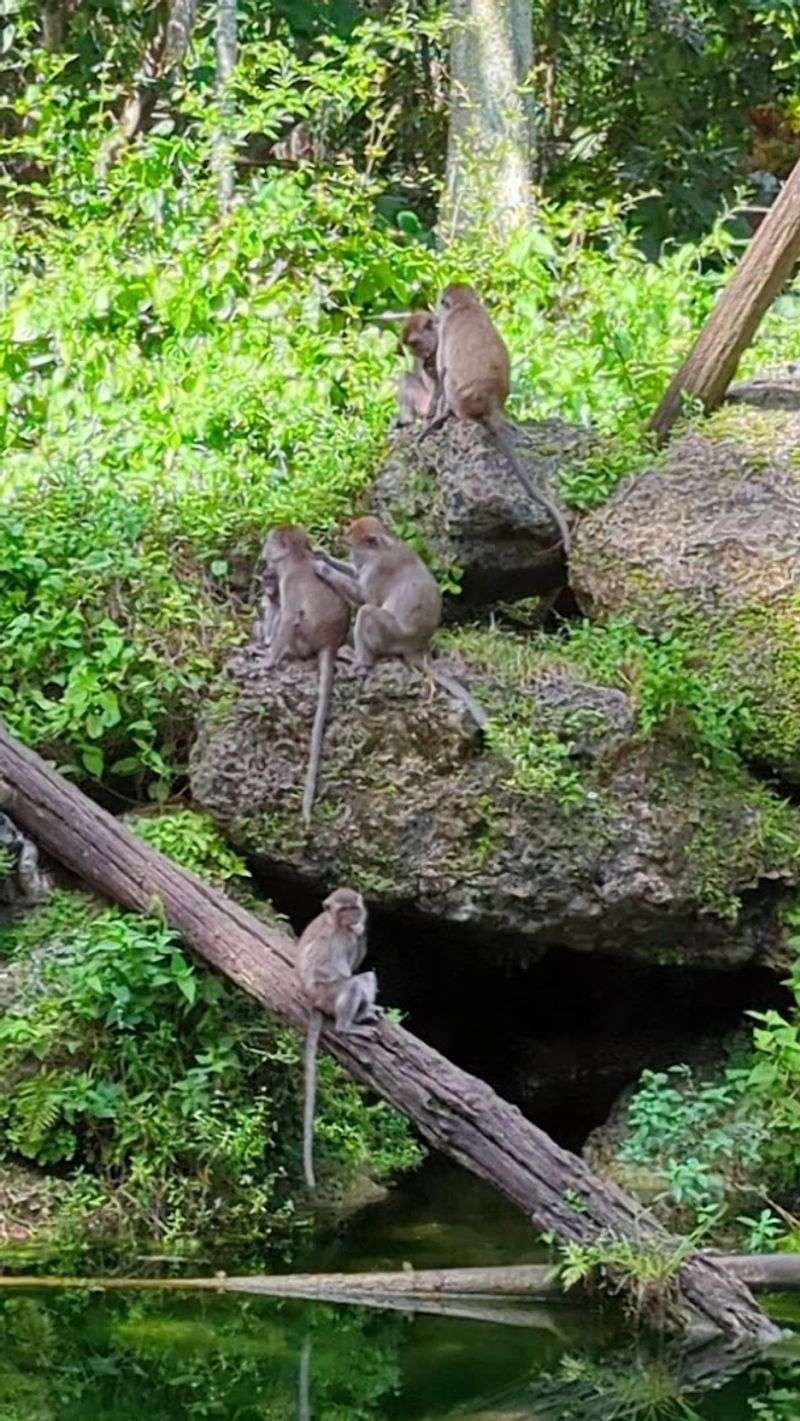
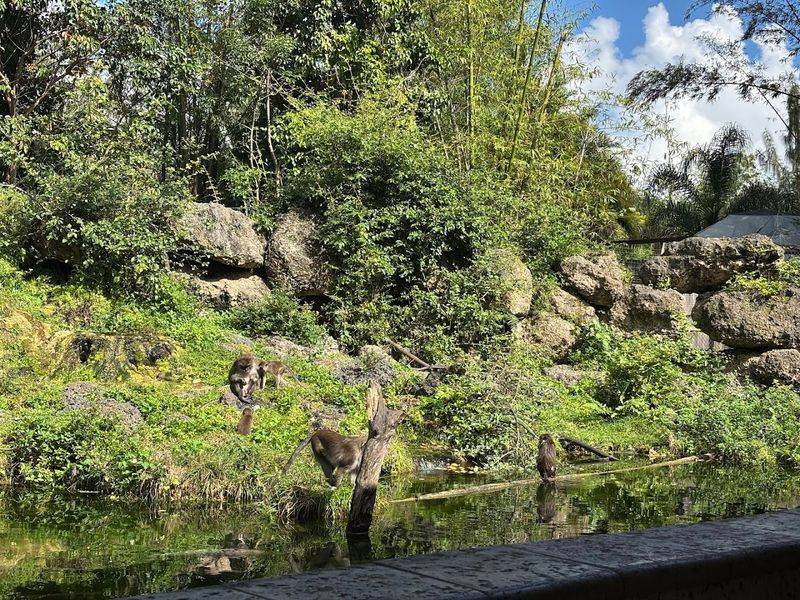
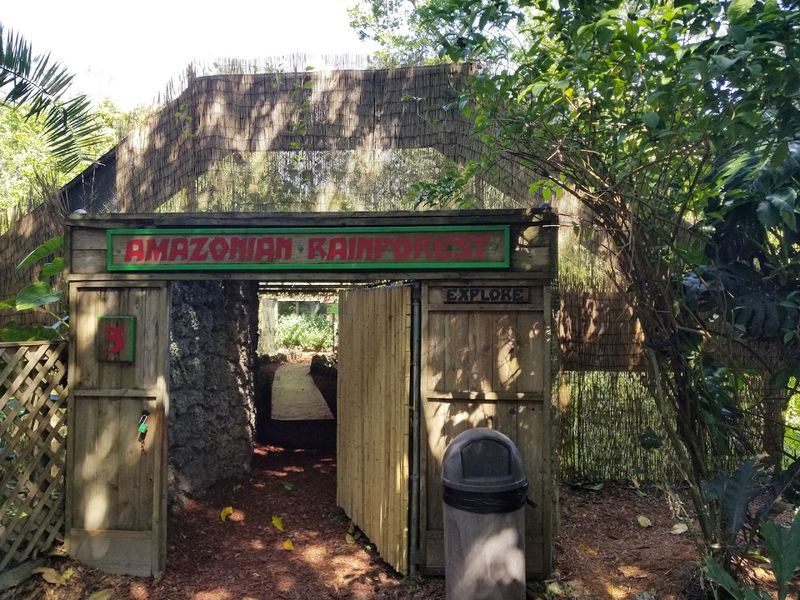
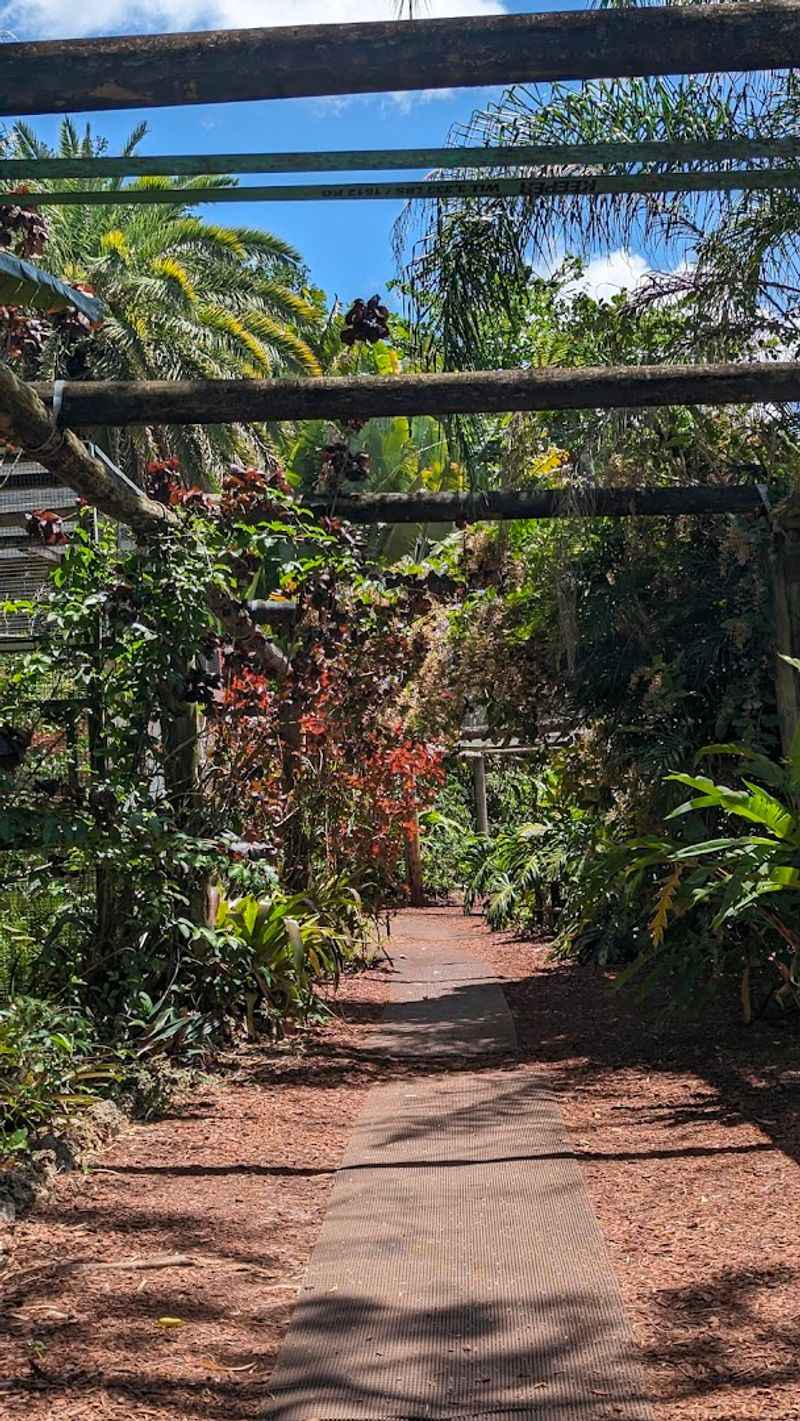
The single most surprising thing about this park is the reversal of the traditional zoo model. Instead of watching animals pace behind glass, you walk through screened tunnels and wire-framed pathways while the Java macaque monkeys move freely across seven acres of open land around you.
It sounds odd on paper, but in person it creates a completely different emotional experience. You feel like a guest in their space rather than a spectator looking in from outside.
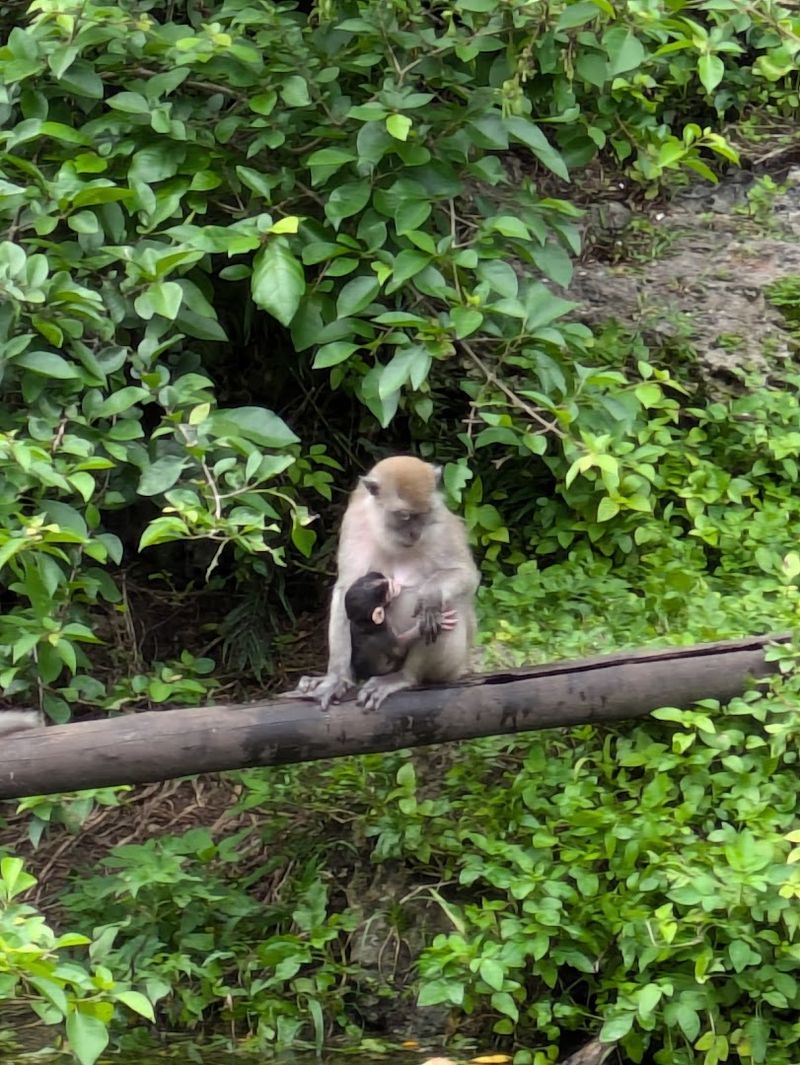
The macaques are curious, lively, and completely unimpressed by human presence, which is oddly refreshing. They go about their business, groom each other, chase each other through the trees, and occasionally peer down at you with an expression that suggests they find the whole arrangement just as amusing as you do.
This concept alone makes the park worth visiting.
The Famous Bucket-and-Chain Feeding Experience
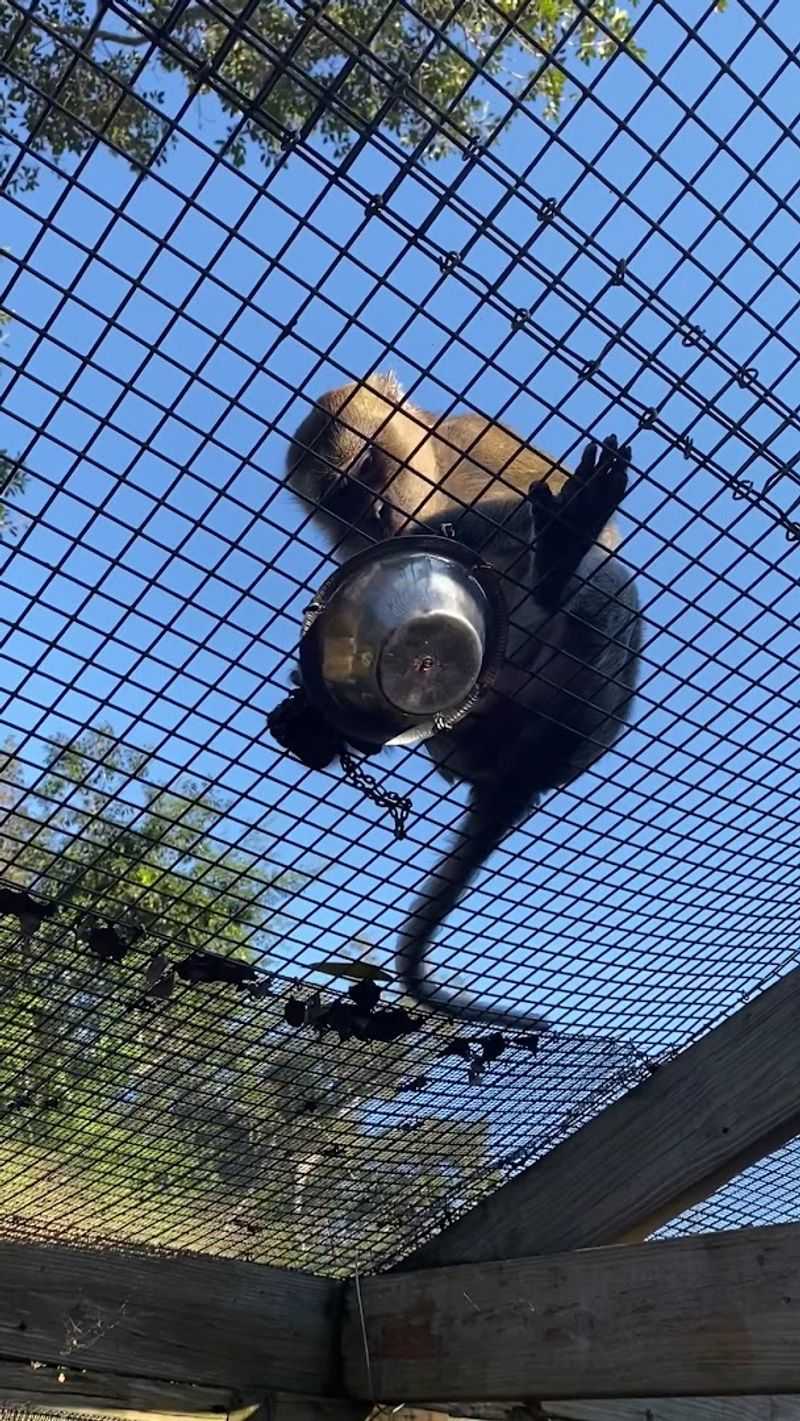
For just a dollar or two per pack, you can buy small bags of raisins or sunflower seeds at the entrance, and what happens next is one of the most delightful things I have ever done at any animal park anywhere.
Along the main walkway, there are small bowls attached to chains hanging down through the wire mesh above. You place a few raisins in the bowl, and a monkey perched above hoists the chain up, retrieves the food, and then lowers the bowl back down for more.
It is a simple system, but watching a monkey figure out the mechanics with such casual efficiency is genuinely entertaining. The staff recommends picking up at least two packs per person, and based on my experience, that advice is spot on.
Every pack disappears faster than you expect.
Meet the Spider Monkeys Up Close
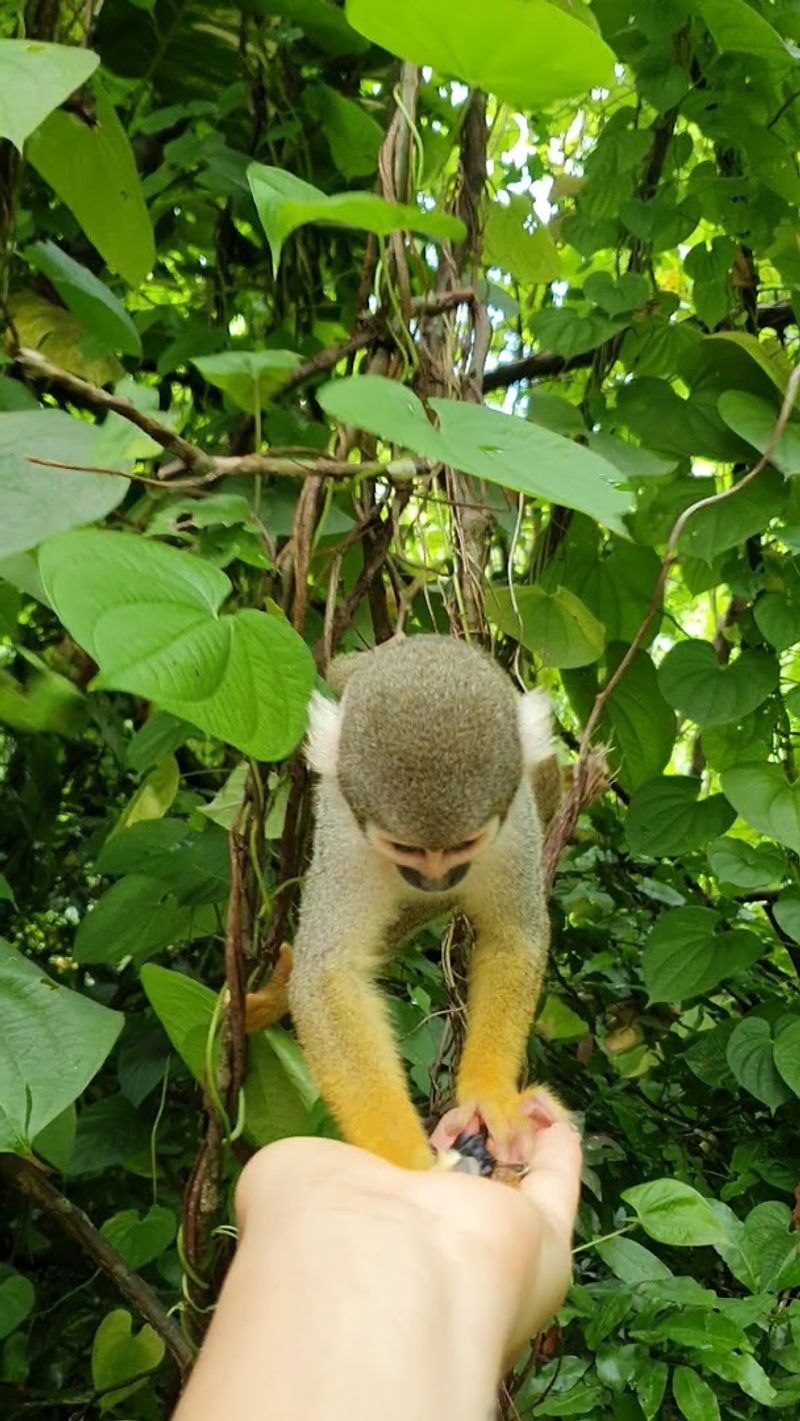
Beyond the general admission experience, the park offers a premium interactive session with spider monkeys that lasts around 45 minutes and gives you a level of access that most wildlife parks simply do not offer.
The spider monkeys are housed in a separate enclosure, and during the session, guides walk you through their behaviors, personalities, and natural habits while the monkeys move freely around you. Some will reach out, some will investigate your clothing, and a few will climb onto you if you stay calm and relaxed.
The session costs extra on top of general admission, but the amount of time you get and the quality of the interaction make it feel reasonably priced. If you are traveling with curious kids or animal lovers of any age, this upgrade is the kind of thing people talk about for years after the trip.
Squirrel Monkeys and the Rainforest Showcase Experience
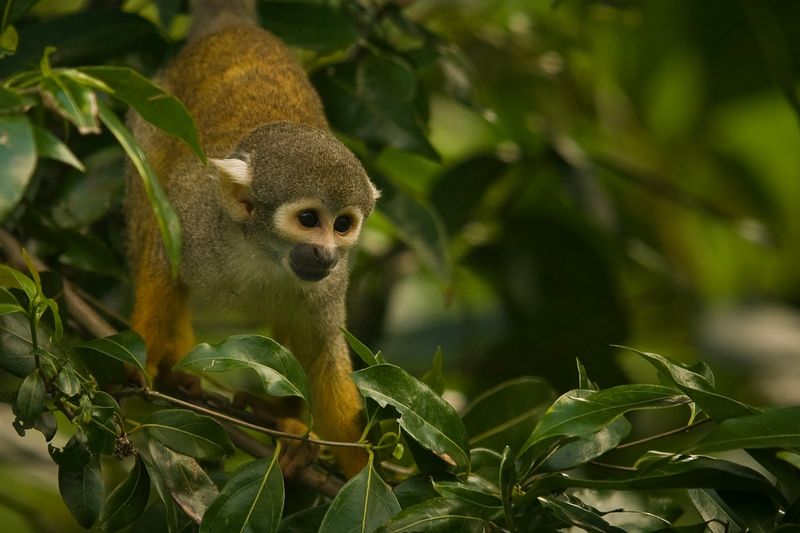
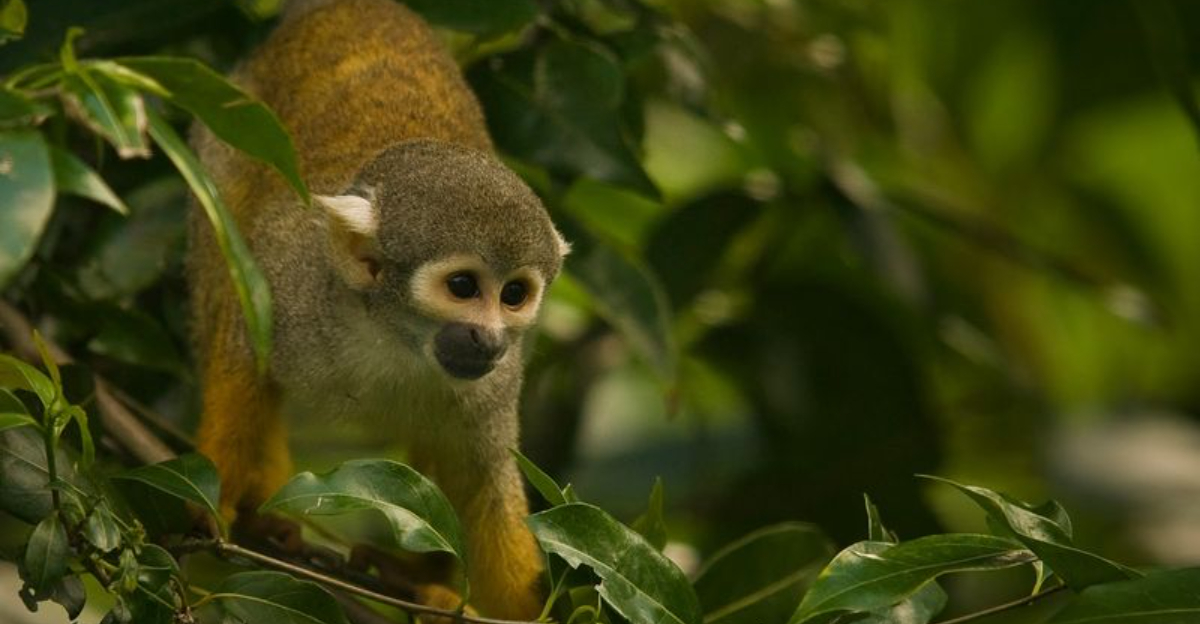
The squirrel monkey habitat is a separate highlight that operates as its own premium experience. For around $150 per person, you enter an enclosed rainforest showcase where squirrel monkeys and capuchins move freely around you, climb onto your shoulders, and investigate you with their tiny, nimble hands.
Guides like the enthusiastic staff member named Will, who multiple visitors have mentioned by name, lead these sessions with genuine warmth and deep knowledge of each animal’s personality. The energy in that enclosure is infectious, and the monkeys seem to genuinely enjoy the interaction just as much as the visitors do.
The park sometimes offers a discount on this experience if certain areas are closed for maintenance, so it is worth asking at the front desk when you arrive. Either way, the squirrel monkey session is the kind of experience that reframes what a zoo visit can actually feel like.
Educational Shows Scheduled Throughout the Day
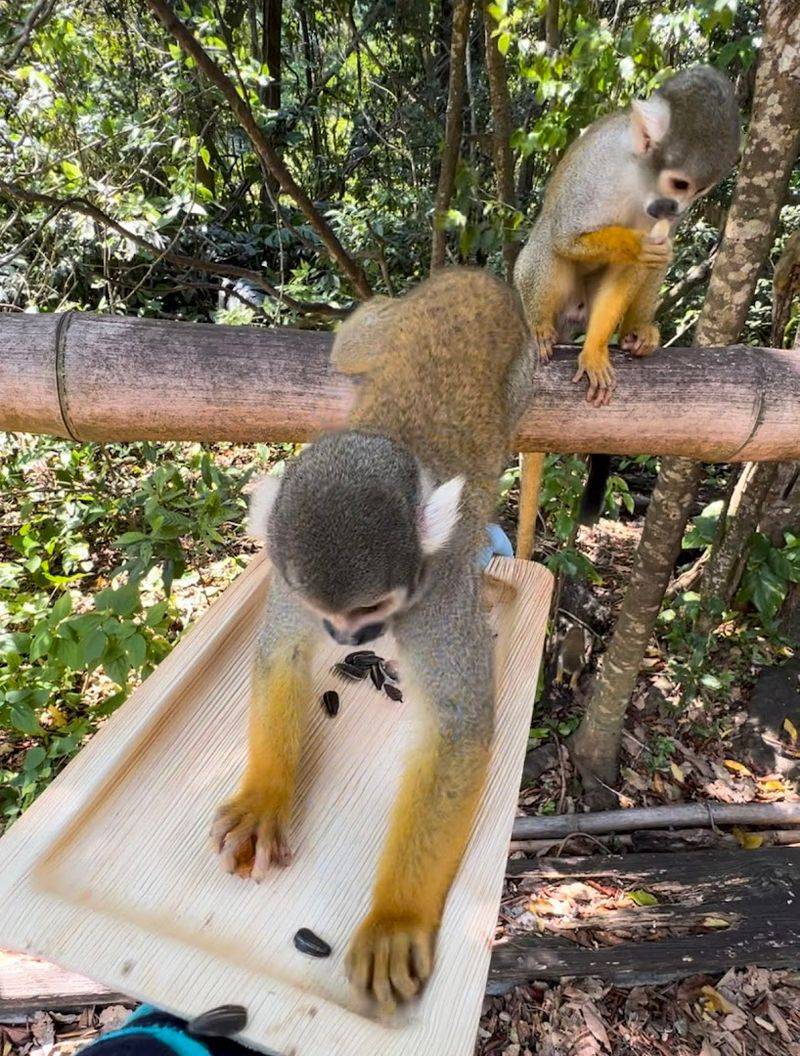
One of the things that keeps the energy up throughout the day is the rotation of live educational presentations that happen roughly every 30 minutes across different areas of the park.
There are shows covering reptiles, birds, and monkeys, each led by staff members who clearly know their subjects inside and out. The presentations are lively, interactive, and pitched at a level that works for both kids and adults without ever feeling dumbed down.
The swimming pool show, in which monkeys actually dive into water to retrieve food, is a particular crowd favorite and something you genuinely do not see anywhere else. Arriving early means you can catch multiple shows throughout your visit rather than rushing to squeeze one in before closing.
The staff answering questions after each session adds an extra layer of depth that makes the whole experience feel more personal.
Mandrills, Parrots, Turtles, and More
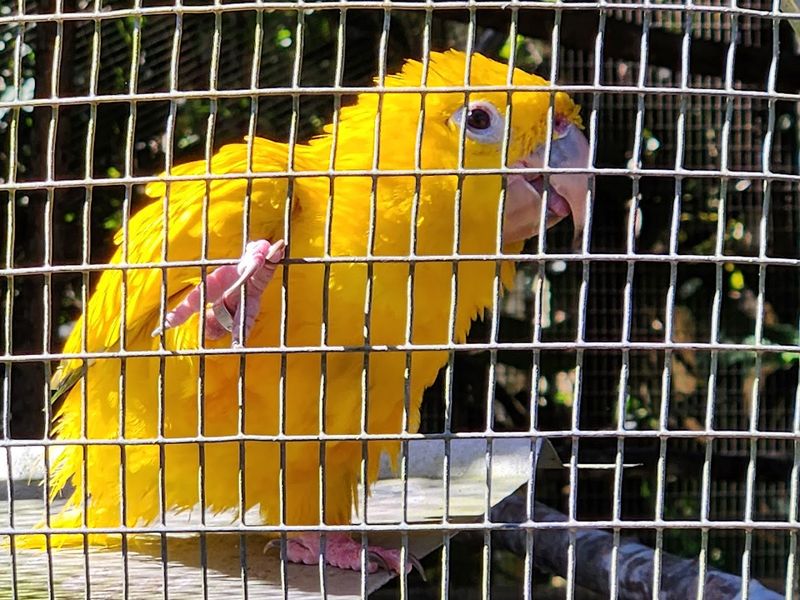
While monkeys are clearly the main event, the park holds a broader cast of animals that adds real variety to the visit. Mandrills, with their striking blue and red facial coloring, are a genuine showstopper, and younger visitors often recognize them immediately as the inspiration for Rafiki in The Lion King.
Large, colorful parrots are stationed throughout the grounds, and their willingness to interact with visitors gives the whole place a lively, unpredictable atmosphere. Turtles move slowly through their enclosures, and you can purchase fish food to feed them as well as the fish that share their space.
The variety of species on display means the park never feels like a one-trick show. Even if monkeys are not your personal passion, there is enough going on throughout the grounds to keep you genuinely engaged from one end of the property to the other.
The 10,000-Year-Old Fossil Display
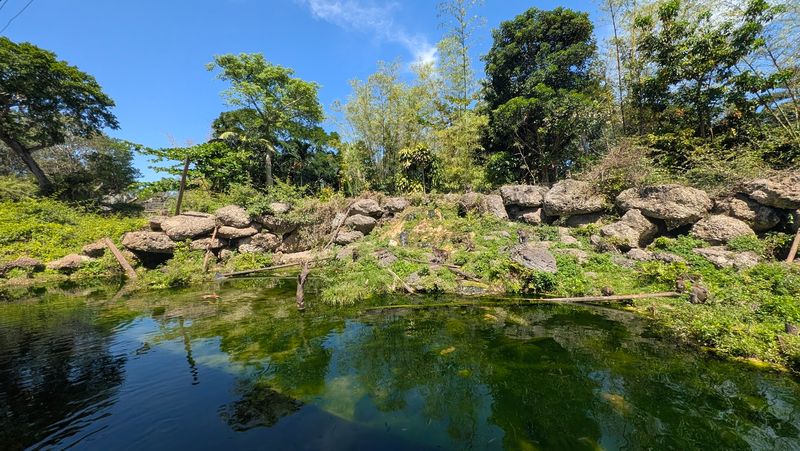
Not many people expect to find prehistoric fossils at a monkey park, but Monkey Jungle has a display of fossils estimated to be around 10,000 years old, which adds a surprisingly rich layer to the overall experience.
The display is a reminder that this corner of South Florida has a much longer and more complex history than most visitors realize. Standing a few feet from ancient remains while a macaque watches you from a nearby branch is the kind of juxtaposition that makes this place genuinely unlike any other attraction in the Miami area.
It is a small exhibit but one that rewards curious visitors who take the time to read the accompanying information. For families with school-age children, it opens up a natural conversation about natural history, evolution, and the deep timeline of life in Florida that goes far beyond what any textbook can convey.
Ticket Prices and What to Expect at the Gate
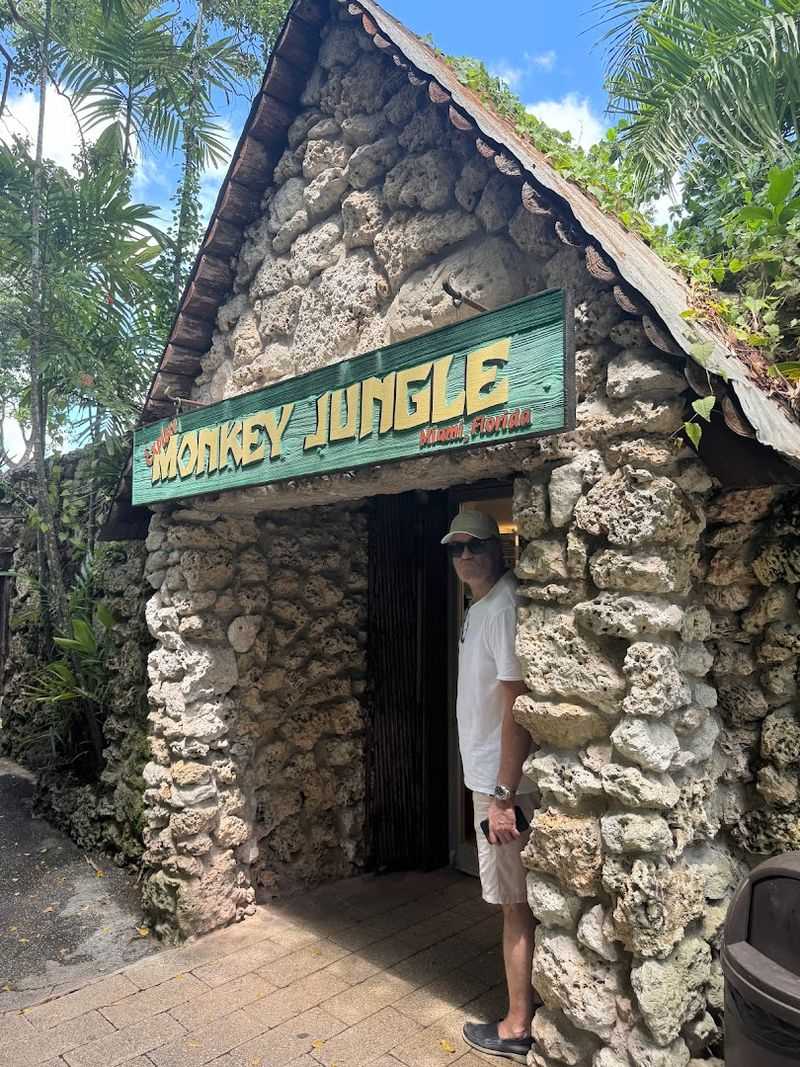
General admission is priced at $20 for adults and $10 for children, which makes it one of the more affordable wildlife experiences in the Miami area. The value feels solid for what is included, particularly given the live shows and the feeding opportunities built into the standard ticket.
At the entrance, staff will suggest picking up food packs for the monkeys and fish, and it is genuinely worth doing. The interactive feeding experiences are a core part of what makes the visit memorable, and skipping them to save a dollar or two would be a mistake.
Some sections of the park have occasionally been closed for repairs or maintenance, and the park has offered discounted entry on those days, which is a fair and transparent approach. Calling ahead at +1 305-235-1611 before your visit is a smart move to confirm what is currently open and accessible.
Best Time to Arrive and How Long to Plan For
Arriving right when the gates open at 9:45 AM is the smartest move you can make. The park is quieter in the early hours, the animals tend to be more active in the cooler morning air, and you have the best chance of attending multiple shows before the afternoon crowds settle in.
One important detail: the park stops selling tickets at 3:00 PM and closes at 4:15 PM, so arriving later than 2:30 PM will leave you feeling rushed and possibly disappointed. For general admission without the premium experiences, plan on spending between one and two hours at a relaxed pace.
If you add the spider monkey or squirrel monkey interactive sessions, budget closer to three hours total. Weekday mornings tend to be the quietest, and arriving early on a Sunday can also feel surprisingly peaceful, almost like having the whole place to yourself.
The Knowledgeable and Friendly Staff
One of the things that genuinely sets this park apart from larger, more corporate wildlife attractions is the quality of its staff. The people who work here are not just ticket-takers and path-sweepers; they are enthusiastic, well-informed, and clearly invested in the animals and the visitors.
During the educational sessions, staff members field questions with patience and depth, going well beyond rehearsed scripts to share real knowledge about primate behavior, conservation, and the park’s own layered history. Several guides have earned enthusiastic mentions from visitors by name, which is rare and speaks to the kind of personal connection that forms when someone truly loves their work.
Even at the front desk, the welcome is warm and genuine. For families with curious kids who ask a lot of questions, that kind of engaged, knowledgeable staff presence transforms a simple outing into something that actually sticks in memory.
The Gift Shop and Souvenirs
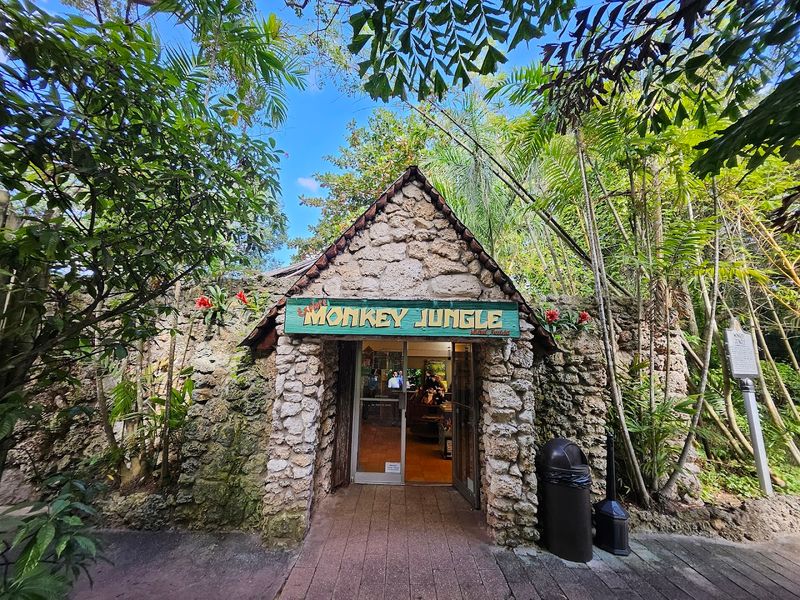
Near the exit, the gift shop offers a solid selection of monkey-themed souvenirs, plush toys, apparel, and keepsakes at prices that feel fair rather than inflated. For a small park, the variety on offer is genuinely impressive, and the quality of the items is better than the average tourist-trap gift shop.
Plush monkeys in various sizes are a predictable hit with younger visitors, but there are also educational books, nature-themed gifts, and items specific to the park’s history that make for more meaningful keepsakes.
Picking up something from the shop is a nice way to close out the visit, and the proceeds support the ongoing care of the animals on the property. The staff in the shop carry the same friendly energy as the rest of the team, making even a quick browse feel like part of the overall experience rather than an afterthought tacked onto the exit.
Practical Tips for a Smooth Visit
A few practical notes can make a real difference in how much you enjoy the visit. Wear comfortable, closed-toe shoes because the paths wind through natural, uneven terrain.
Light, breathable clothing is a must in the South Florida heat, and a hat or sunscreen is worth the extra effort.
There are vending machines on-site for drinks, but no food service was available on some recent visits, so eating before you arrive or packing a snack is a smart precaution. Water fountains were also absent on certain days, so bringing a refillable bottle is a practical move.
Parking is free and straightforward, which is a small but appreciated detail in a city where parking fees can add up quickly. The park’s website at monkeyjungle.com has current information on pricing, available experiences, and any closures, and a quick check before heading out can save you a surprise at the gate.
Why This Little Park Still Matters After All These Years
There is something quietly remarkable about a place that has been doing the same thing, with genuine care and commitment, for nearly a century. Monkey Jungle is not flashy, it does not have roller coasters or high-tech exhibits, and parts of it show their age in ways that a fresh coat of paint cannot entirely hide.
But the core of what it offers, which is a real, unscripted connection between people and animals in a setting that respects the animals first, is something that most modern attractions spend millions trying to replicate and never quite achieve.
For families, curious travelers, or anyone who has ever wanted to hand a raisin to a monkey through a wire mesh and watch it disappear up a chain into the canopy above, this park delivers something that stays with you long after the drive back into Miami fades in the rearview mirror.



