 Unearth The Voyage
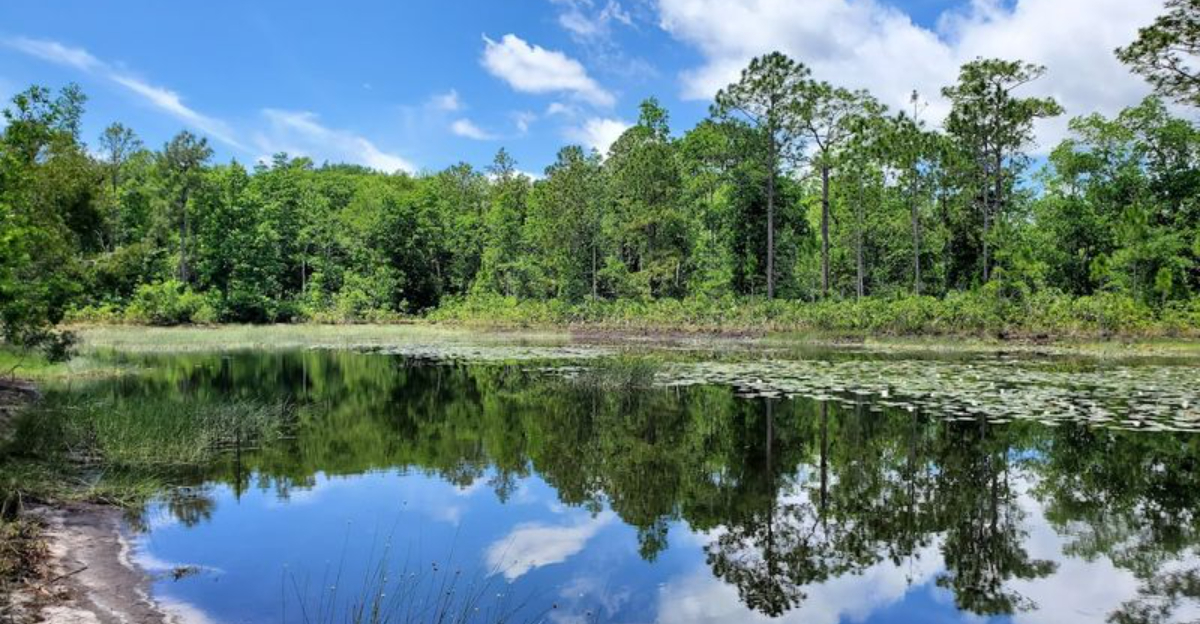
Most people drive right past Old Lockwood Road without a second thought, not realizing that a 240-acre slice of genuine Florida wilderness is waiting just beyond the tree line. This place does not announce itself with flashy signage or tourist traps.
What you get instead is a trail system that winds through pine flatwoods, cypress domes, and riverbanks that look the same today as they did a century ago. Gopher tortoises cross the path at their own unhurried pace, deer appear without warning, and the sound of nearby traffic fades the deeper you walk in.
Whether you are a seasoned hiker or someone who just needs a break from the suburban grind, this hidden corner of Seminole County has something worth discovering. Keep reading, because this one is genuinely worth your afternoon.
Where to Find It and What to Expect on Arrival
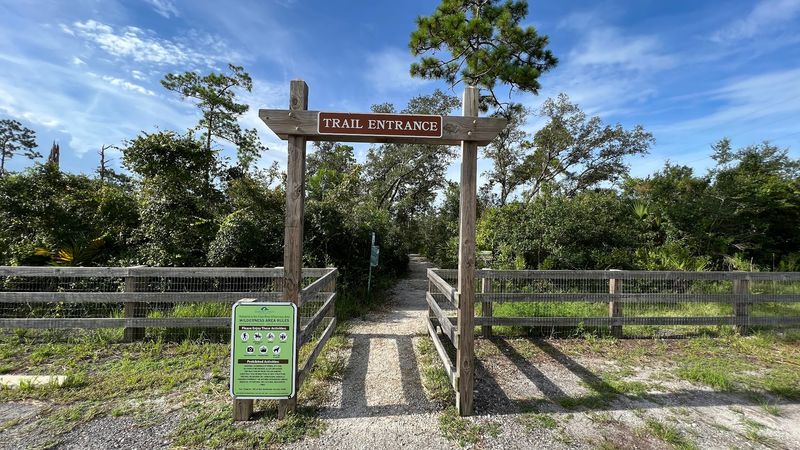
The address is 3795 Old Lockwood Rd, Oviedo, and the park sits in Seminole County, managed by Seminole County government. Getting there is straightforward, but first-timers sometimes expect something grander at the entrance.
What you actually find is a modest parking lot, a small picnic area near the trailhead, and clear signage pointing you toward the trail system. There are no bathrooms at the entrance, so that is one practical detail worth handling before you arrive.
The park opens at 8 AM every day of the week and closes at 5 PM, which gives you a solid window to explore without rushing. Arriving early on weekends is a smart move since the lot fills up faster than you might expect.
The 240-Acre Landscape That Surprises Every First-Timer
Two hundred and forty acres sounds large on paper, but walking through this property makes that number feel even bigger than expected. The terrain shifts noticeably as you move deeper into the trail system, which keeps the experience from feeling repetitive.
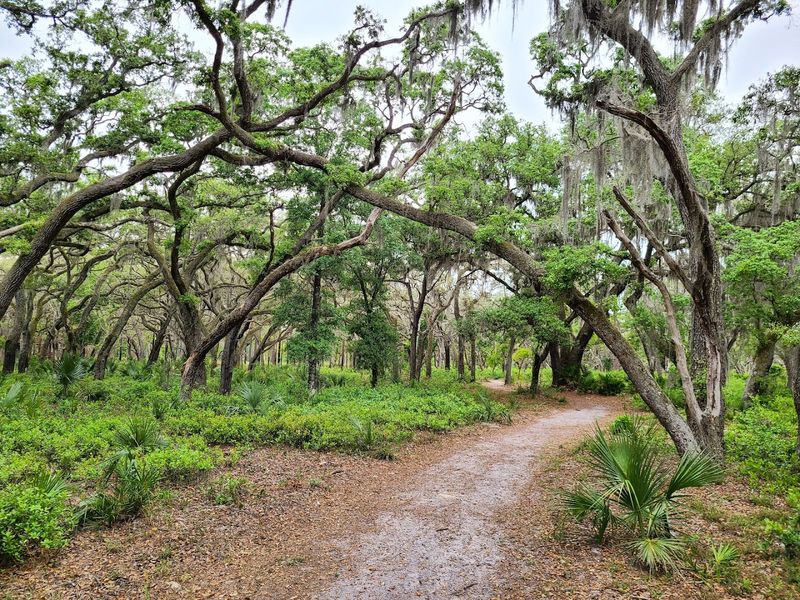
Near the trailhead, open pine flatwoods stretch out with scattered oak trees and wildflowers dotting the ground. The landscape gradually transitions into denser forest the farther back you go, with the red trail leading into a canopy so thick it feels like a different world entirely.
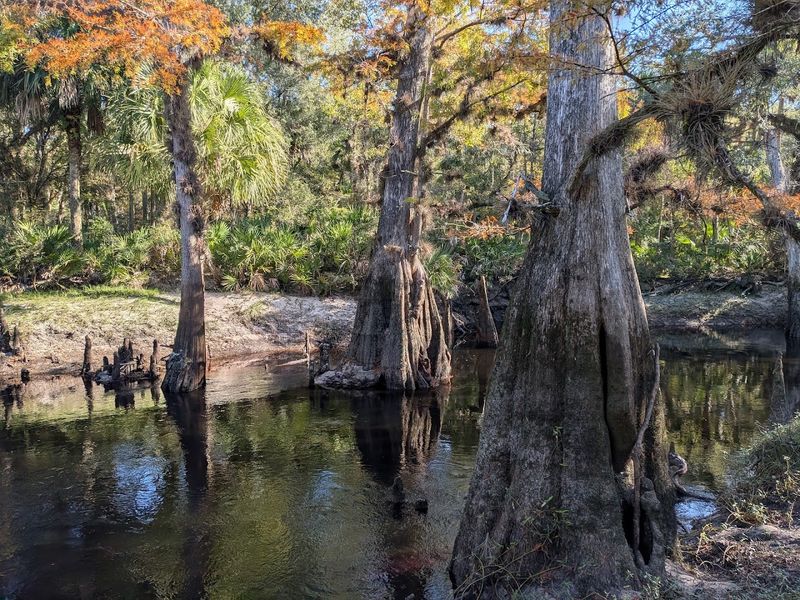
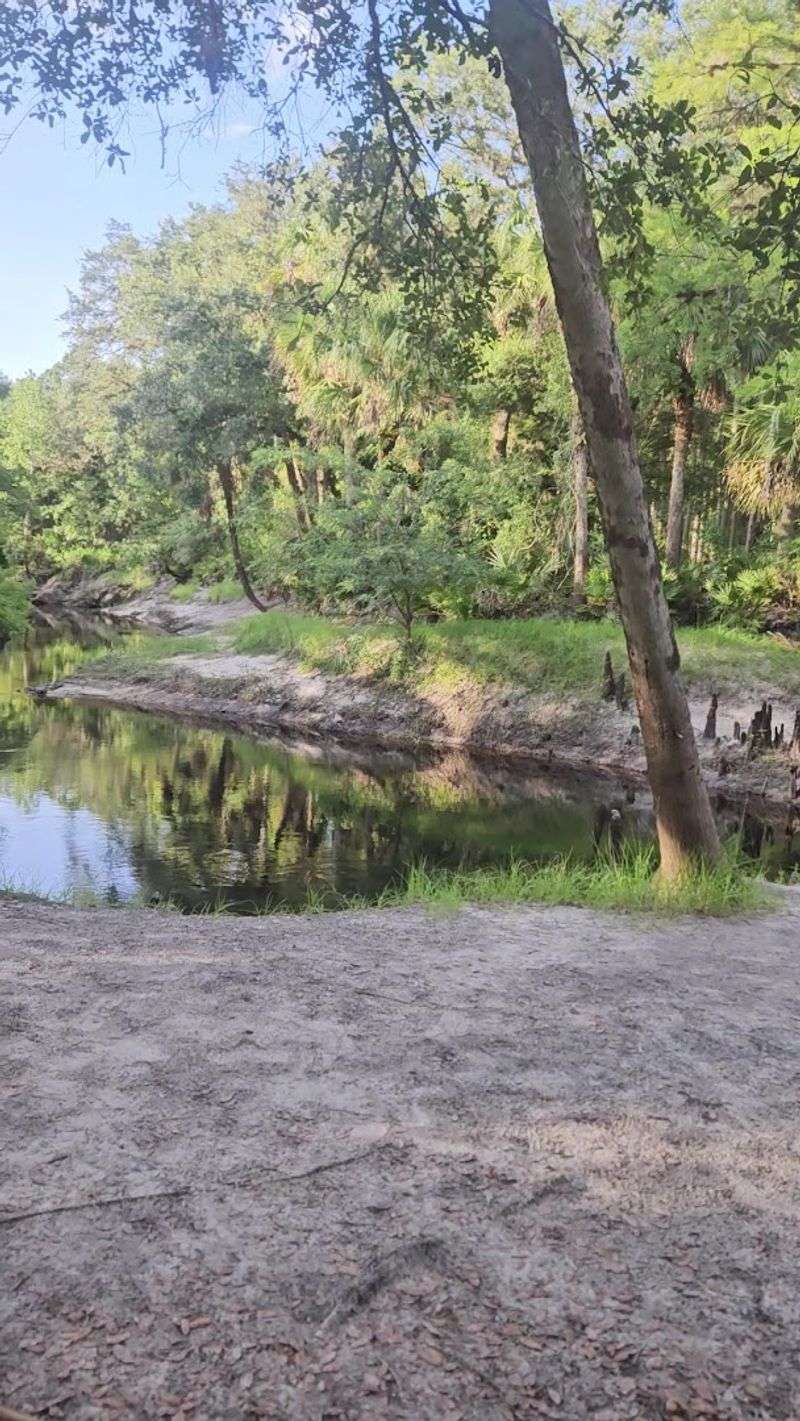
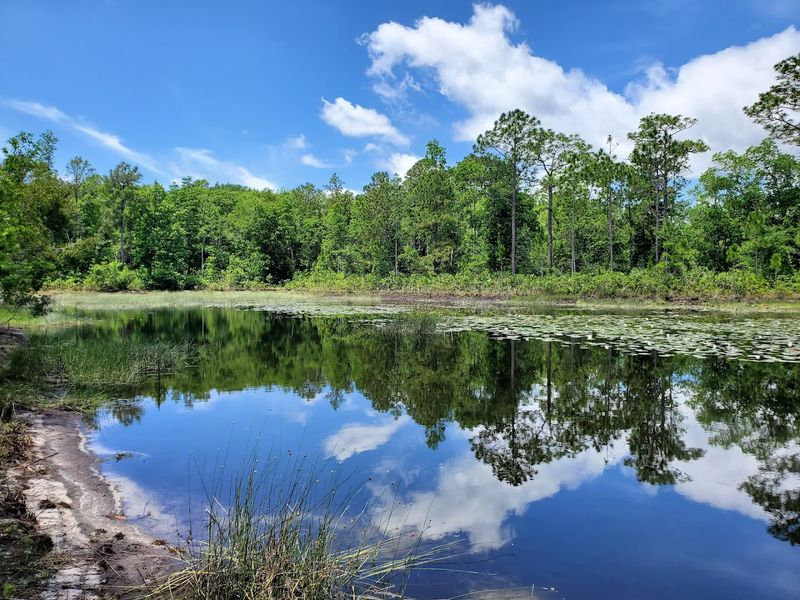
Cypress domes appear along the route, and when you reach the Little Econ River, the cypress trees and their distinctive knees rising from the water create a scene that is hard to believe sits minutes from a suburban neighborhood. The variety packed into this relatively compact space is what makes the first visit so genuinely memorable.
Trail Options for Every Fitness Level
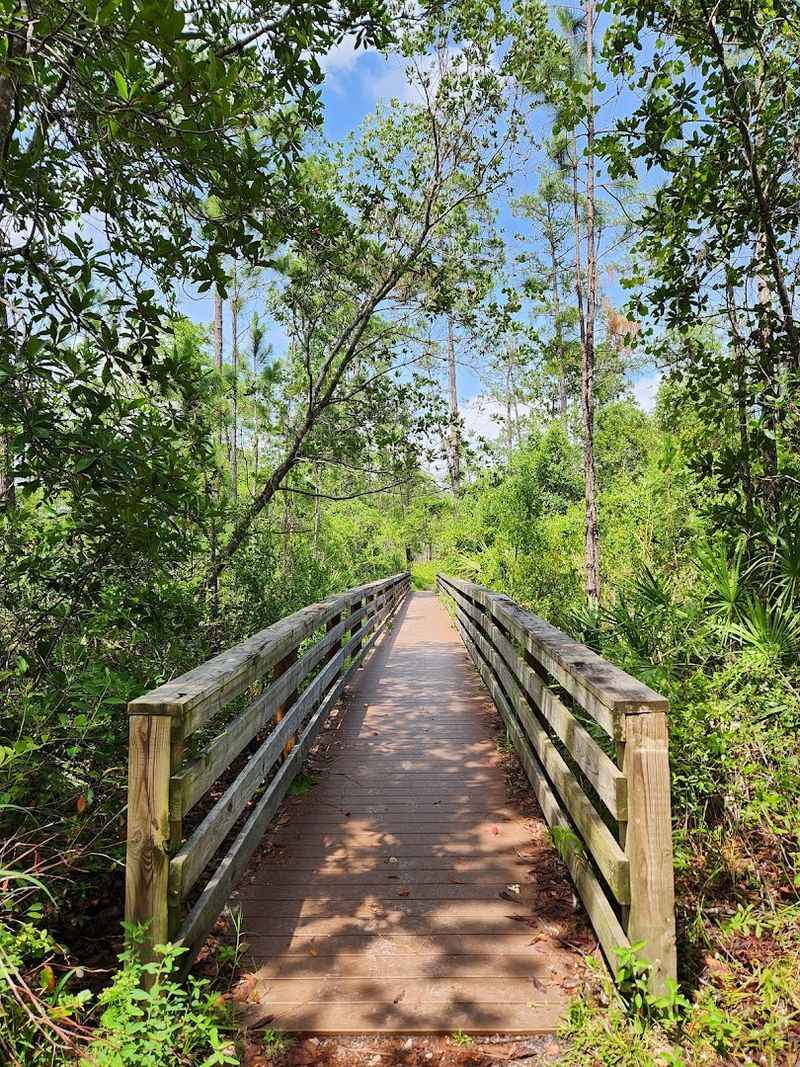
The trail system here is flexible enough to suit casual walkers and more determined hikers alike. You can complete a shorter loop of around 1.2 to 1.5 miles for a quick outing, or string together multiple loops to push the total closer to 3.5 miles.
The trails are well-marked with color-coded signs, and most first-timers find them easy to follow. That said, the distances are not always clearly posted along the route, so some sections feel longer than the map suggests, which is worth keeping in mind before you head out.
Terrain is mostly flat and compact, making this an accessible option for families with kids, joggers looking for a nature run, and cyclists who want a relaxed off-road ride. The park also welcomes horseback riders on designated paths, which adds a layer of old-Florida character that you do not find at many urban green spaces.
Sun, Shade, and the Importance of Bringing Water
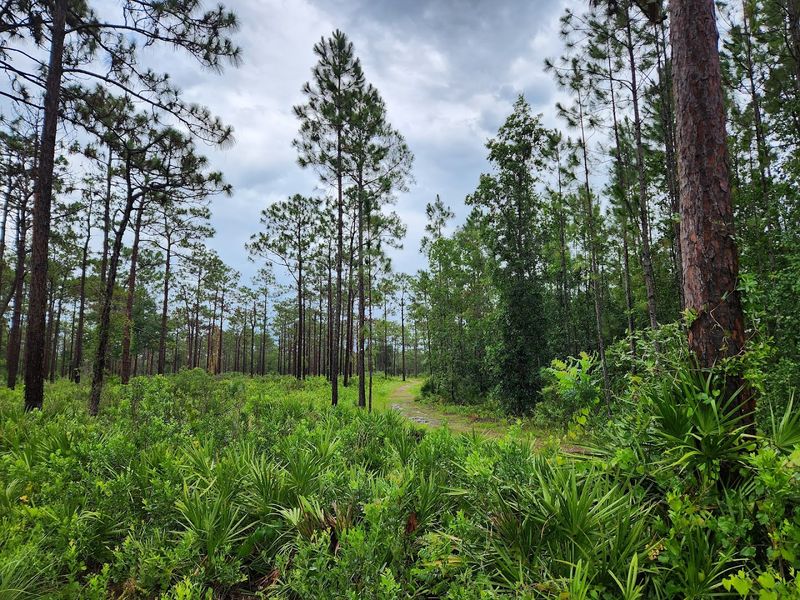
Florida sun is not subtle, and this trail does not always offer cover when you need it most. The yellow trail, in particular, runs through open flatwoods where shade is minimal for long stretches, especially in the middle of the day.
Summer visits can push the heat index well above 90 degrees, and the lack of shade makes the experience genuinely draining if you are not prepared. Bringing more water than you think you need is the single most consistent piece of advice from people who have walked these trails more than once.
The good news is that the red trail and the sections closer to the river offer noticeably more shade as the tree canopy thickens. Arriving early in the morning is the best strategy for beating the heat and enjoying the quieter, cooler parts of the day before the weekend crowds show up.
Wildlife That Makes the Walk Worth Every Step
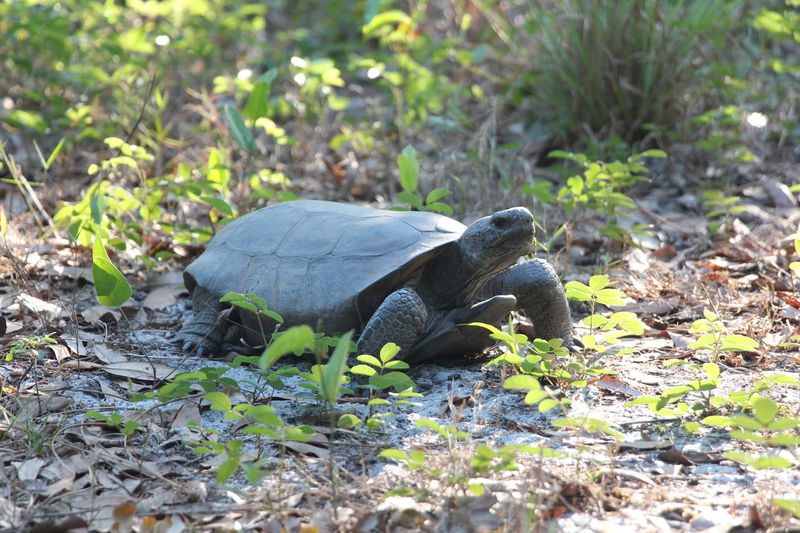
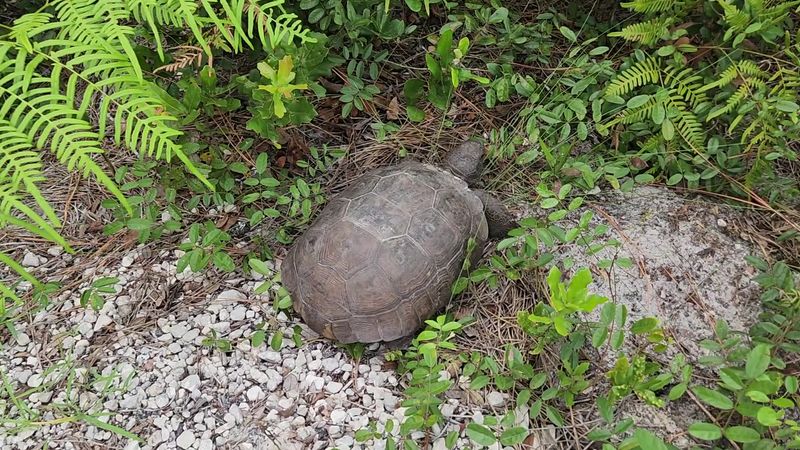
Gopher tortoises are practically the unofficial mascots of this wilderness area. On a good morning walk, spotting five or more of them crossing the trail or resting near their burrows is entirely realistic, and their calm indifference to hikers makes close-up observation easy.
White-tailed deer appear with surprising regularity, especially on quieter weekday mornings when foot traffic is low. The area also harbors softshell turtles near the river, and patient visitors have reported seeing baby alligators along the water’s edge, which is a reminder to keep a respectful distance from the riverbank.
Bird activity is consistent throughout the year, with the dense canopy near the cypress dome attracting species that thrive in shaded, humid environments. The variety of wildlife packed into 240 acres is genuinely impressive, and each visit tends to produce at least one sighting that makes you stop and pull out your phone.
The Little Econ River and Its Cypress-Lined Banks
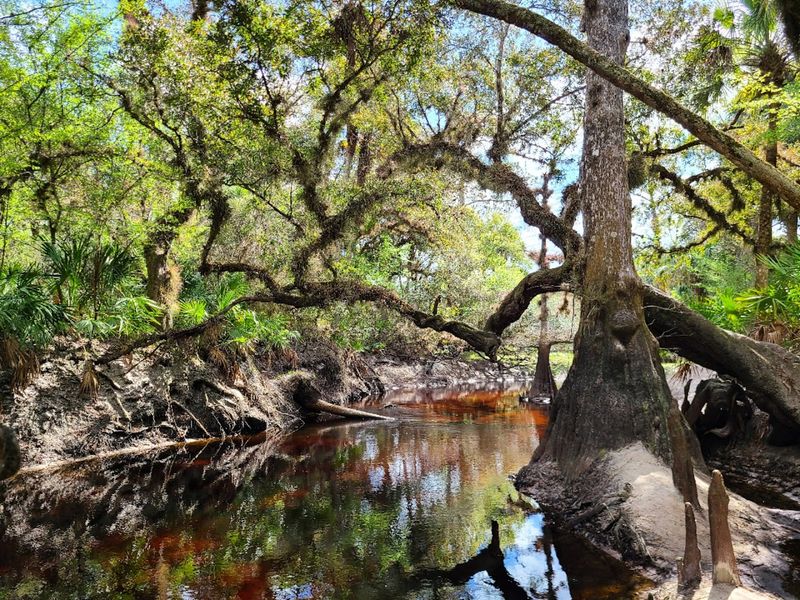
Reaching the Little Econ River feels like arriving at the reward at the end of a good walk. The cypress trees lining the banks are old and dramatic, their knees poking up through the shallow water in clusters that look almost architectural.
The river itself moves slowly and carries the dark tannin color typical of Florida blackwater systems, which gives it a moody, atmospheric quality that photographs beautifully in morning light. Fishing is permitted along the river, and anglers have reported catching gar and catfish in the deeper sections near the bank.
The riverbank area is where the noise of the surrounding roads disappears almost completely, replaced by birdsong and the soft sound of moving water. Spending even ten minutes sitting by the river before heading back to the trailhead has a noticeably calming effect that is hard to replicate anywhere closer to the city.
A Dog-Friendly Destination With a Few Ground Rules
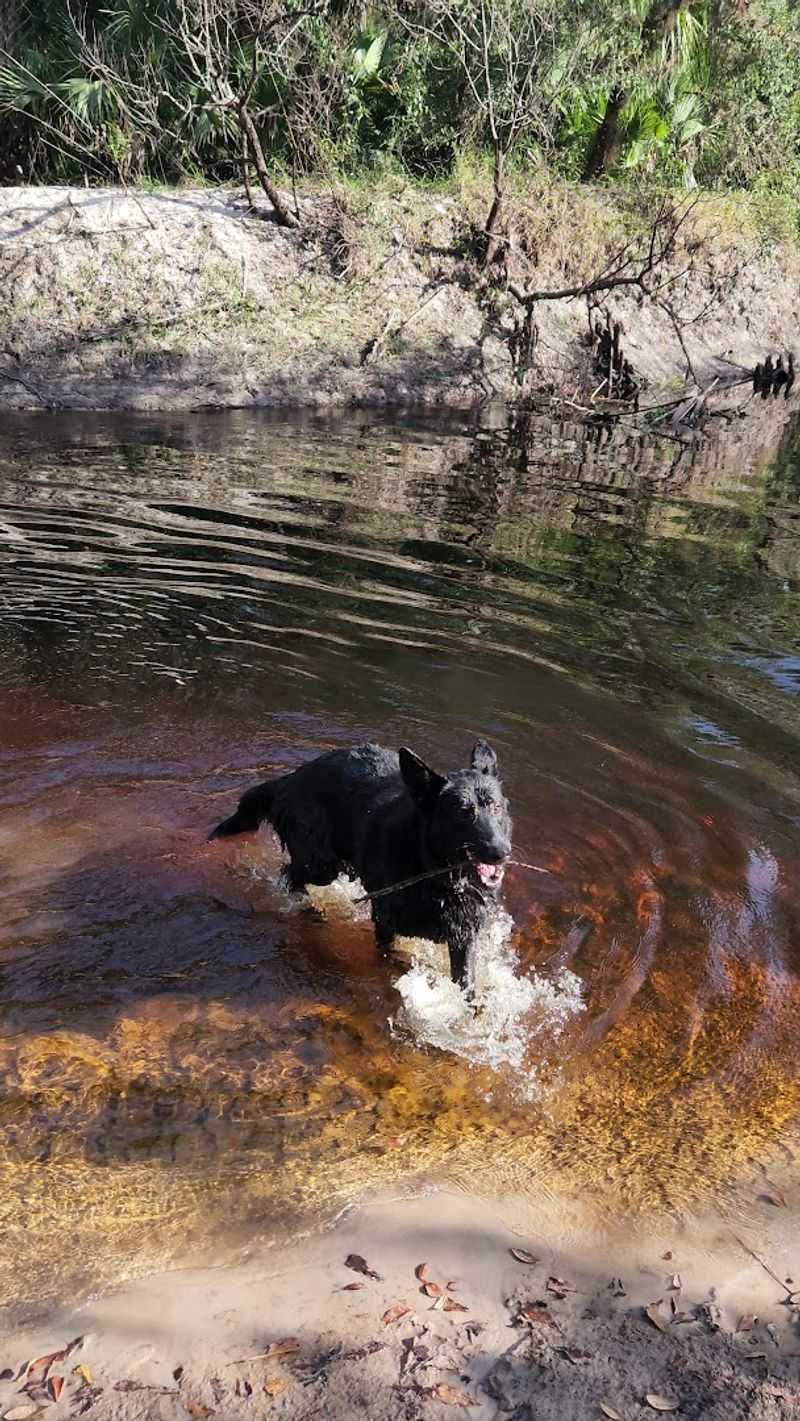
Dogs are welcome at Econ River Wilderness Area, and the trails are well-suited for leashed pets who enjoy sniffing through natural Florida vegetation. The wide, flat paths give dogs plenty of room to explore without pulling their owners into the brush.
Keeping dogs on a leash is required throughout the park, which makes practical sense given the wildlife present. Gopher tortoises, which are a protected species in Florida, den along the trail edges, and the last thing anyone wants is an enthusiastic dog disrupting a burrow.
Water for your dog is just as important as water for yourself, since there are no facilities at the trailhead and the heat builds quickly on open sections. Many regular visitors pack a collapsible bowl and a dedicated bottle for their pet.
Dogs who have visited consistently seem to enjoy the experience, which is probably the most reliable endorsement this trail can receive.
Flatwoods, Magnolias, and the Plant Life Along the Path
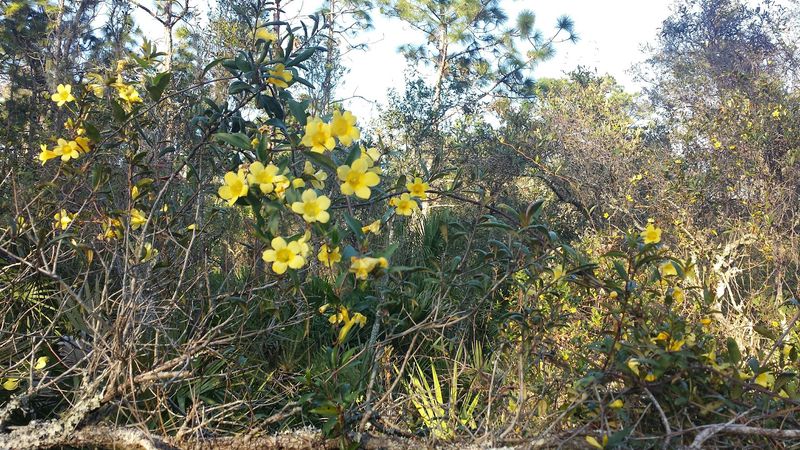
The plant life along these trails tells a detailed story about native Florida ecosystems if you slow down long enough to notice it. Longleaf pine and scattered oaks dominate the open sections, with wiregrass and saw palmetto filling in the understory in classic flatwoods fashion.
Deeper into the trail, the vegetation shifts dramatically. Magnolia trees appear alongside the oaks, and the ground cover becomes denser and more varied as the canopy closes overhead near the cypress dome and river corridor.
Wildflowers are a reliable highlight during spring and early summer, painting the open flatwoods sections with color that contrasts sharply with the sandy soil beneath. The park does not currently offer interpretive signage identifying specific plant species along the route, which is a gap some visitors notice and wish was filled.
Bringing a Florida native plant identification app on your phone is a practical workaround that enhances the walk considerably.
What Happens After Rain and How to Plan Around It
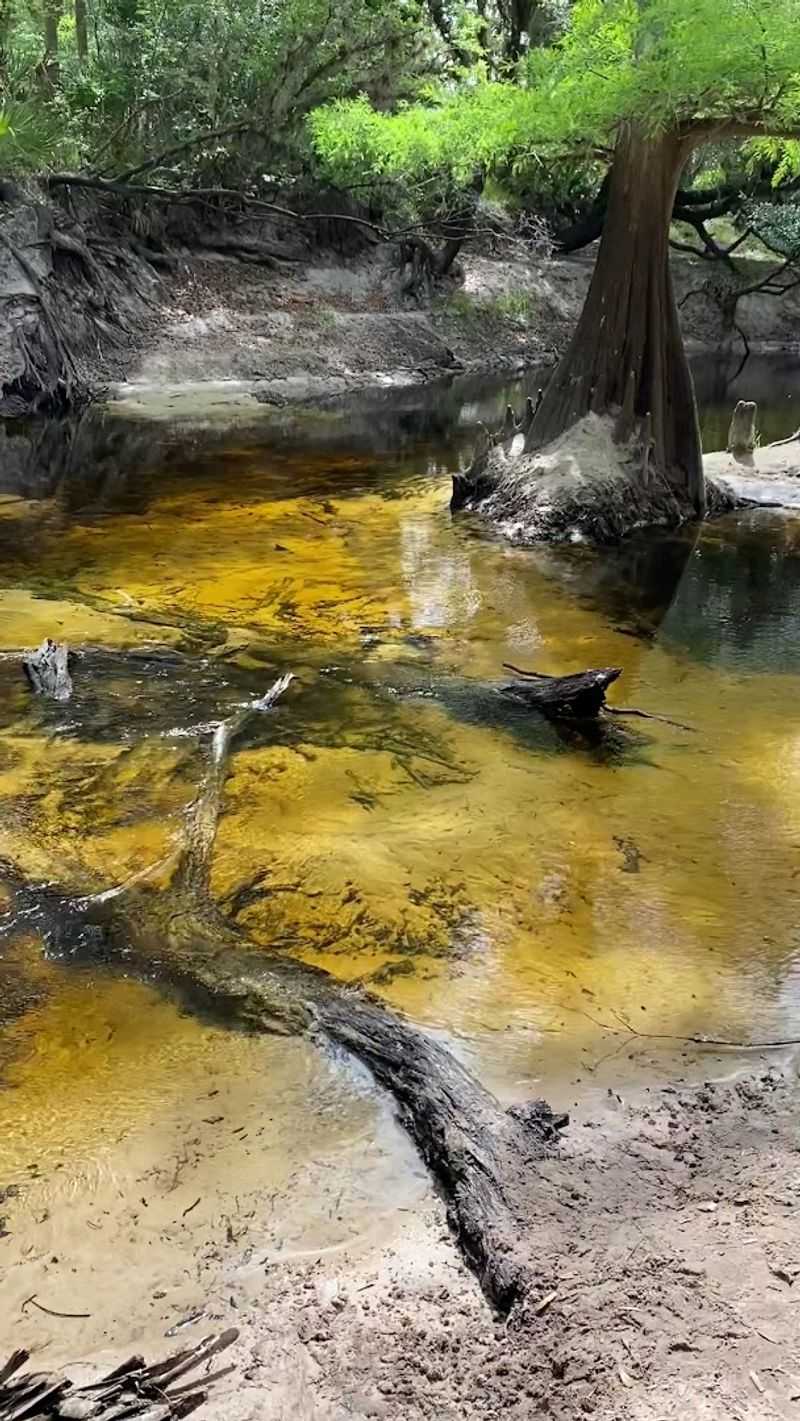
Florida and afternoon thunderstorms are practically inseparable from May through September, and this wilderness area responds to heavy rain the way most natural Florida landscapes do: parts of it flood. The 1.2-mile inner loop is particularly prone to standing water after significant rainfall, sometimes forcing hikers to detour around submerged sections.
A day or two after a hard rain, some trail sections can turn into genuine mud challenges, which is either an adventure or an inconvenience depending on your footwear choices. Waterproof trail shoes or old sneakers you do not mind getting dirty are the practical call for post-rain visits.
Checking the weather forecast before heading out is always worthwhile, but even more useful is timing your visit for early morning during dry stretches of weather. The trails drain reasonably well in the sandy soil, so conditions usually improve within a day or two after a storm passes through.
Biking and Horseback Riding Opportunities
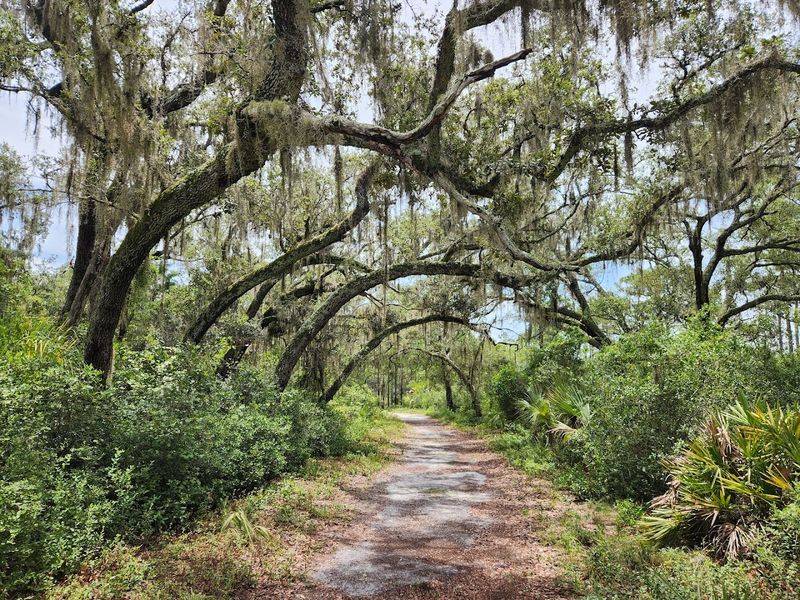
Hiking is the most common way people experience this park, but it is far from the only option. The trail system is open to cyclists, and the flat, wide paths through the flatwoods sections make for an enjoyable low-intensity ride that does not require a high-performance bike.
Horseback riding is permitted on designated trails, which is a genuinely rare feature for a park this close to a major metropolitan area. The equestrian-friendly sections add a dimension to the property that connects it to Florida’s long ranching and rural heritage, especially given that the back portion of the trail borders an active horse farm.
Cyclists and equestrians share the space with hikers, so trail awareness and courteous yielding matter here. The combination of multiple trail uses gives the park a community feel that goes beyond the typical walk-in, walk-out nature reserve experience most suburban parks offer.
The Picnic Area and How to Make a Full Morning of It
Near the trailhead, a small picnic area gives visitors a reason to linger before or after the walk rather than rushing back to the car. The setup is simple but functional, with shaded tables that feel genuinely pleasant during the cooler morning hours.
Packing a full picnic spread turns a quick trail visit into a proper half-day outing, especially for families with kids who need a sit-down break after covering a couple of miles on foot. The area is calm and rarely crowded on weekday mornings, which makes it one of the more relaxing spots in the park for just sitting and listening to the birds.
Combining a sunrise walk with a post-hike picnic breakfast is a routine that regular visitors have clearly figured out. Arriving at 8 AM when the gate opens, completing a loop before the heat builds, and settling into the picnic area afterward is a genuinely satisfying way to spend a Florida morning.
How Busy It Gets and the Best Times to Visit
Weekend mornings are when this park shows its popularity most clearly. The parking lot fills up faster than newcomers expect, and the trails see enough foot traffic by mid-morning to make the solitary nature experience feel a bit less solitary.
Arriving right at 8 AM on a Saturday or Sunday gives you the best chance of having the trail largely to yourself for the first hour. Weekday visits are noticeably quieter across the board, with the park feeling almost private on Tuesday and Wednesday mornings in particular.
The park’s proximity to the UCF area means it draws a consistent crowd of students, joggers, and young families throughout the academic year. That consistent use is actually part of why the trails are so well-maintained.
The land managers keep the property in solid condition, and the community clearly takes pride in keeping it clean and respecting the natural environment.
Getting Lost in the Best Possible Way
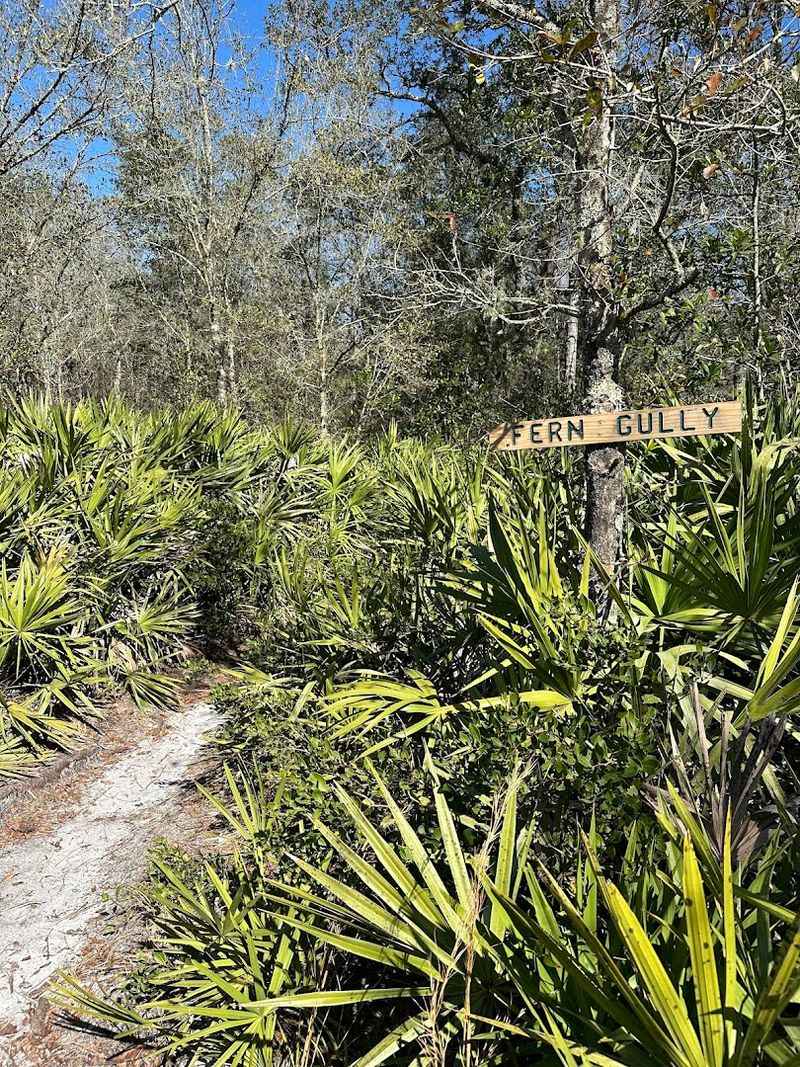
The trail system is well-signed, but first-time visitors occasionally wander into a loop they did not intend to take, which usually turns out to be a happy accident. The color-coded markers on the yellow and red trails make navigation manageable, though the transitions between loops are not always immediately obvious.
Getting slightly turned around in a park this well-maintained is not stressful. The property is compact enough that finding your way back to the trailhead from any point is achievable without a map, though having one on your phone is a smart precaution for anyone who tends to second-guess trail junctions.
Some of the most rewarding sections of the park are the less-traveled paths that branch off the main loops. Exploring those quieter stretches is where the sense of genuine wilderness really clicks in, and it is where the distance markers feel least reliable, so pace yourself and enjoy the detour.
Conservation and the Bigger Picture Behind the Park
Econ River Wilderness Area exists within a broader network of protected lands in Seminole County, and its preservation reflects a deliberate effort to maintain natural Florida habitat in a region that has seen significant development pressure over the past few decades.
Gopher tortoises, which are a keystone species in Florida flatwoods ecosystems, rely on undisturbed sandy soil to build their burrows. Their visible presence throughout this park is a sign that the habitat management here is working.
Dozens of other species use those same burrows for shelter, making tortoise protection a community conservation effort in the most literal sense.
The county’s ongoing maintenance of the trail system and the land itself reflects a genuine commitment to keeping this space functional and accessible. For a park that charges no admission fee and sits within easy reach of a major metropolitan area, the quality of the experience it delivers is quietly remarkable.
Why This Spot Keeps Pulling People Back
The parks and trails that earn genuine repeat visitors are not always the ones with the most amenities. This one keeps drawing people back because it delivers something harder to quantify: the feeling of being genuinely outside, away from pavement and noise, even when you are only a few miles from a major highway.
The combination of varied terrain, consistent wildlife sightings, dog-friendly access, and no admission cost creates a value proposition that is difficult to argue with. Families return because kids love the tortoises.
Joggers return because the flat trails are kind on joints. Photographers return because the light on the river at 8 AM is something worth chasing repeatedly.
Econ River Wilderness Area is not a destination that tries to impress you all at once. It reveals itself gradually, which is exactly why the people who find it tend to come back, and eventually start bringing everyone they know.



