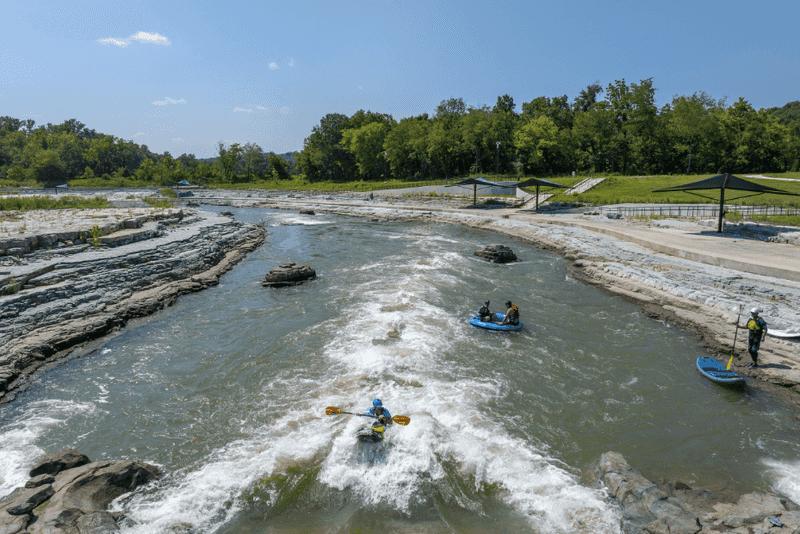
Deep in the forested hills of northeastern Oklahoma, a stretch of churning whitewater sits right off the side of a natural river, waiting to give you the ride of your life. Most people have no idea this place exists, and that is honestly part of what makes it so special.
The park features eight distinct rapids, rental equipment, shaded seating, and a setup that works for first-timers and experienced paddlers alike. Whether you come with a family tube or your own kayak, the current does not care about your skill level, and that is exactly what makes this place worth the drive.
Where WOKA Whitewater Park Actually Is
The full address is 474986 Twin Falls Rd, Watts, OK 74964, and getting there feels like the prelude to something genuinely exciting. The park sits in the rolling, tree-covered hills of Adair County in northeastern Oklahoma, right along the Illinois River watershed, tucked into a landscape that does not look like it belongs in the same state as flat prairie farmland.
Watts is a small community, so do not expect a big-city setup when you arrive. The road leading in winds through dense forest, and the sound of rushing water reaches you before you even park the car.
That first moment of hearing the rapids before seeing them is a quiet promise the park delivers on completely.
The park is open every day of the week from 8 AM to 7 AM, giving visitors a solid window to plan a half-day or full-day trip. Parking costs $10 per vehicle, which is a fair price even if you just want to walk the bank and watch the water move.
The phone number for the park is +1 918-610-9652, and the website at visitwoka.com has updated safety information and rental details worth reading before you go.
The Eight Rapids and What Makes Each One Different
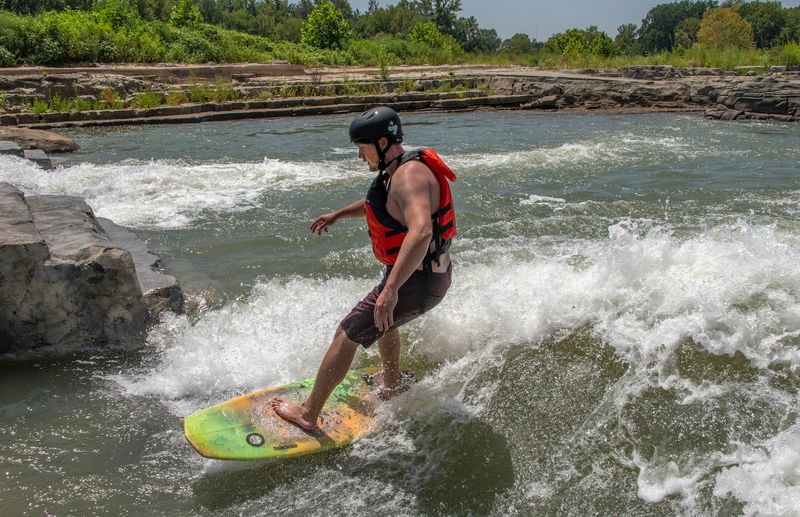
Eight rapids sounds like a lot until you are standing at the top of the first one, and then it sounds like not nearly enough. Each drop along the course has its own personality, shaped by the natural rock formations and the engineered channel design that guides the flow of water through the park.
Some sections are fast and punchy, pushing you sideways before you even register what happened. Others build slowly, giving you just enough time to brace before the current accelerates and sends you bouncing through a foamy stretch of whitewater.
The variety is what keeps repeat runs from feeling repetitive, and most visitors end up going through the course multiple times.
At moderate water levels, the rapids are classified around Class III, which means they are challenging enough to be genuinely exciting but manageable for people who pay attention and follow the safety guidelines. Strong eddy currents near the sides of the channel can push you back in for another pass or redirect you toward the exit, depending on how you read the water.
Experienced kayakers use those eddies to practice technical skills, while tubers just enjoy the wild ride from top to bottom.
Rental Equipment and What It Costs
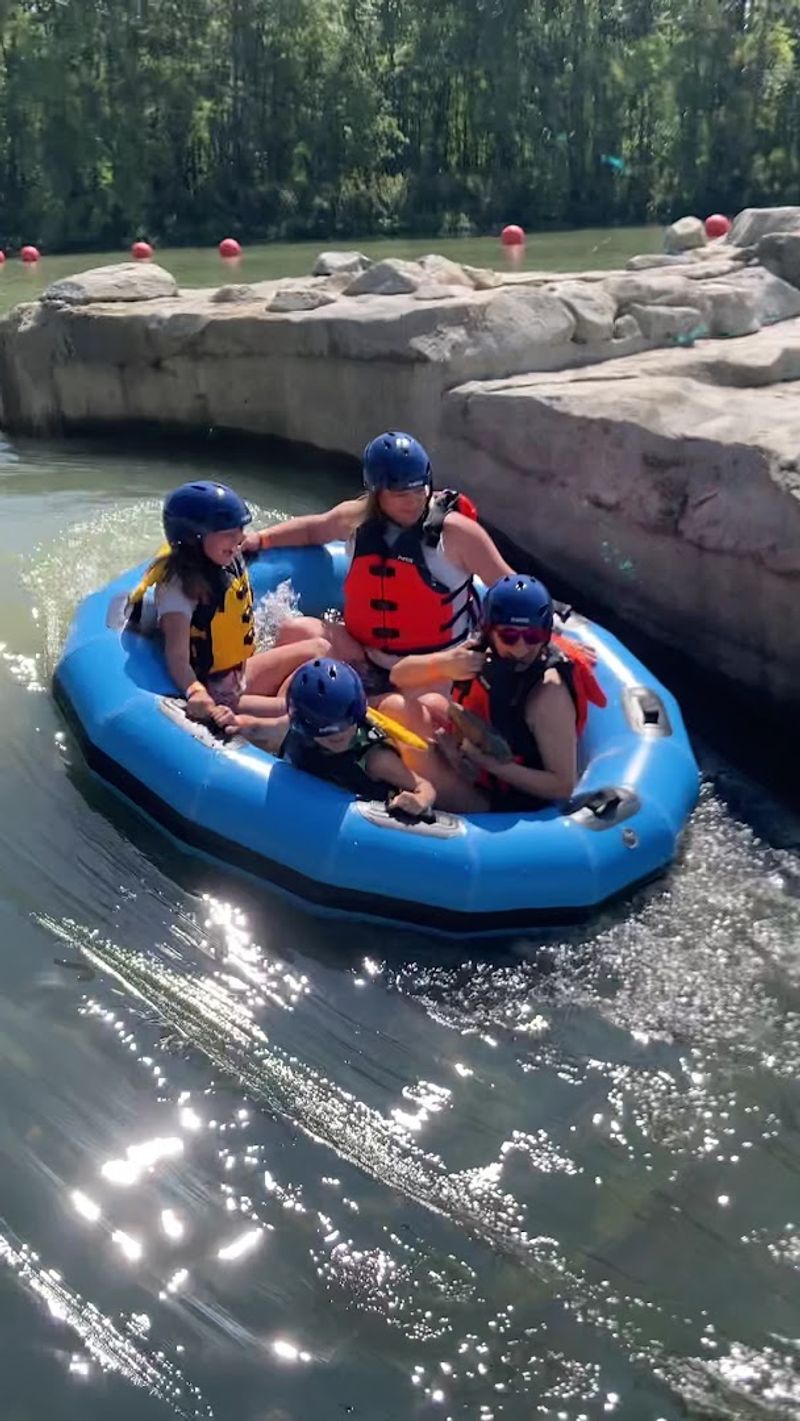
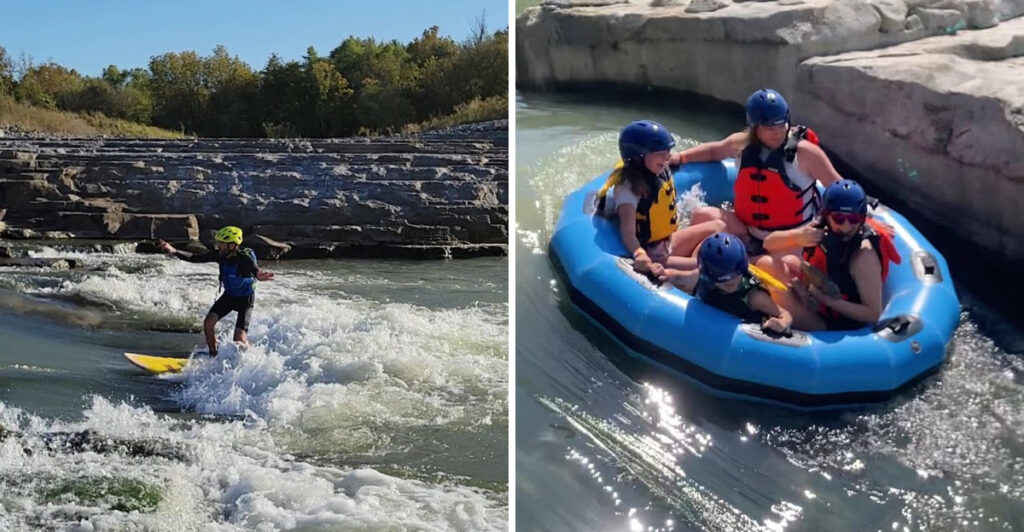
The rental setup at WOKA is one of the most talked-about parts of the experience, mostly because the prices are surprisingly reasonable for what you get. A family tube rental, a single tube, a kayak, and even a body board are all available, giving groups the flexibility to mix and match based on who wants what kind of ride.
Helmets and life jackets are included with every rental, and both are required on the water. The life jackets need to fit snugly, not just tossed on loosely, so plan for a few extra minutes at check-in to get everything adjusted properly.
Rentals are typically offered in four-hour blocks, which sounds short at first but feels just right once you realize how physically demanding it is to haul your tube back to the top of the course repeatedly.
One family of five reported spending around $70 for four hours of fun, which breaks down to a very manageable per-person cost. Bringing your own equipment is also an option, and the $10 parking fee is all you pay in that case.
The concession area keeps snack prices fair, so you are not stuck paying premium rates just because you are in the middle of a park.
The Natural River Setting and What to Expect
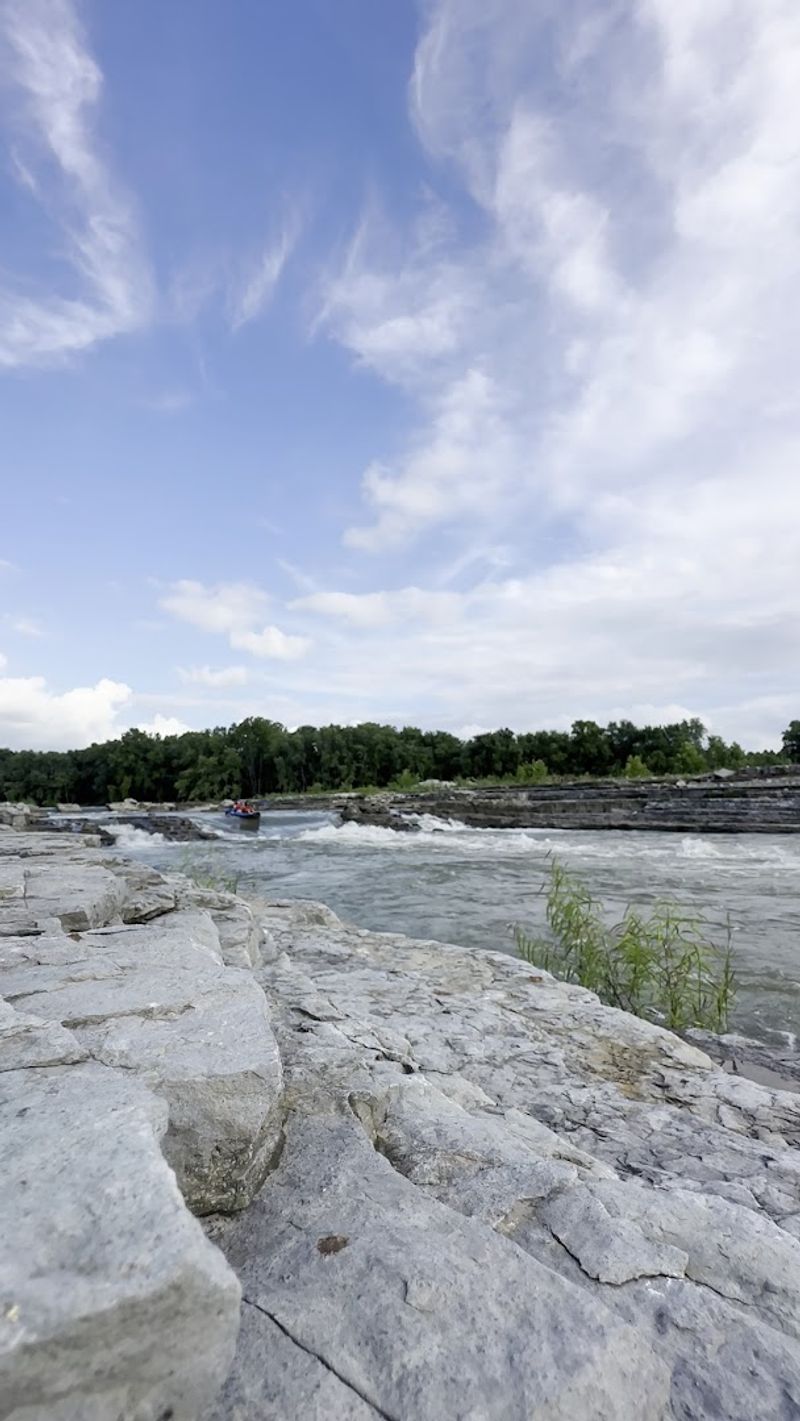
The channel at WOKA is not a manufactured concrete chute. It is carved directly alongside a natural river, which means the water, the rocks, and the surrounding environment are all genuinely wild.
Moss grows on the rocks near the waterline, the banks are lined with native vegetation, and the whole place feels more like a wilderness experience than a typical water park visit.
That natural setting comes with a few things to keep in mind. The rocks can be slippery, especially near the water’s edge, so water shoes with grip are a smart choice.
Wildlife is part of the landscape too, and snakes have been spotted on the rocky banks near the rapids. The park is upfront about this, noting that maintaining a natural environment is part of what makes the experience unique.
The take-out area at the bottom of the course sits near the main river channel, and the current there can feel stronger than expected. A natural eddy near the exit tends to push people toward the bank even when it looks like the river might carry them further downstream.
Still, staying aware of your surroundings and knowing where the exits are before you start is the kind of preparation that keeps the experience fun rather than stressful.
Safety Rules and What You Need to Know Before Going
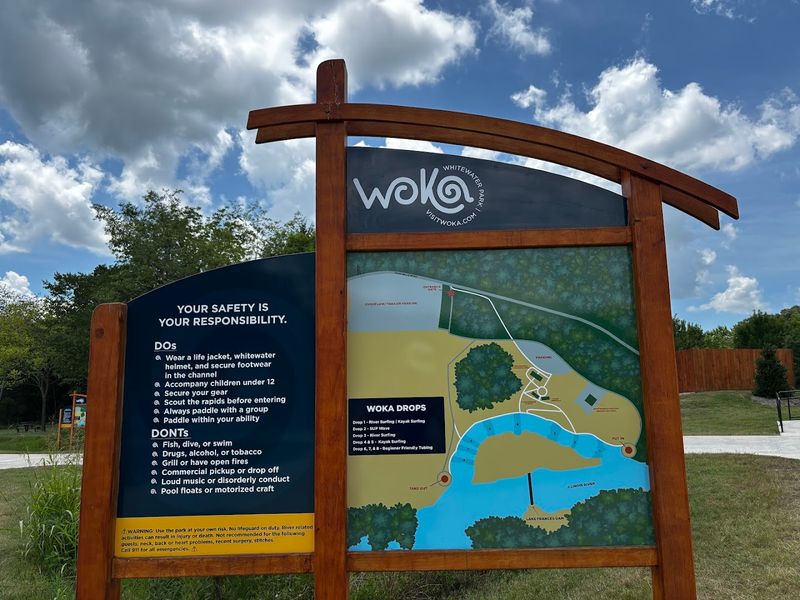
Before anyone gets in the water at WOKA, there is a safety video to review, and the park strongly encourages visitors to watch it upon arrival. The information at visitwoka.com also has a dedicated safety section that covers the basics, including how to exit the course, what to do if you flip, and why snug life jackets matter more than most people initially think.
Footwear requirements are specific and worth noting ahead of time. Shoes or sandals with a heel strap are required, and slip-on water shoes are not allowed on the course because the current will pull them right off your feet.
Tennis shoes work well and give you the grip you need when climbing back up the rocky path to the top of the rapids.
Children are welcome, and the park has hosted plenty of families with kids in the ten-to-fourteen age range who had a fantastic time. That said, this is an active whitewater environment, not a lazy river, and anyone who is not a confident swimmer or who has physical limitations should think carefully about which activities are the right fit.
The park is honest about what it is, and that transparency is actually one of its strongest qualities.
The New Surf Wave Feature
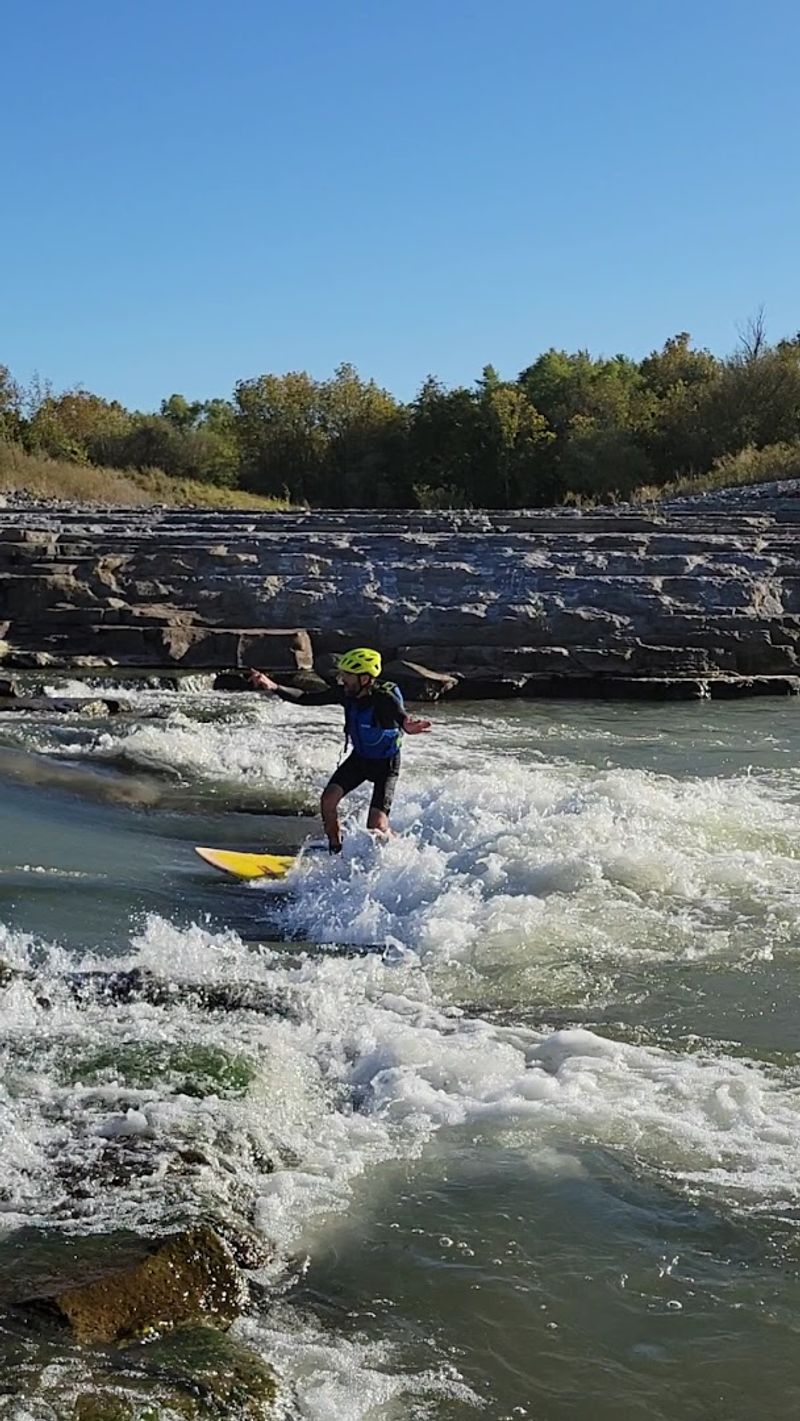
One of the most recent additions to the park is a surf wave, and early visitors have described it as an absolute highlight of the trip. Unlike the main rapids course, the surf wave creates a standing wave that experienced riders can attempt to surf on a board, similar to a river surfing setup found at high-end whitewater parks in larger cities.
Getting up on a surfboard over moving water is genuinely difficult, and most first-timers do not stay upright for long. But the attempts are half the fun, and watching someone finally find their balance before the wave tosses them sideways is the kind of moment that gets the whole crowd cheering.
The wave adds a completely different dimension to the park beyond just tubing and kayaking.
The surf wave is the kind of feature that sets WOKA apart from other Oklahoma outdoor attractions. Most whitewater parks in the region do not offer anything close to it, and the fact that it is included as part of the overall park experience without a massive separate fee makes it an especially appealing addition.
Reviews of the new wave have been enthusiastic, and it is quickly becoming one of the most talked-about reasons to make the trip out to Watts.
Mountain Bike Trails and Extra Activities
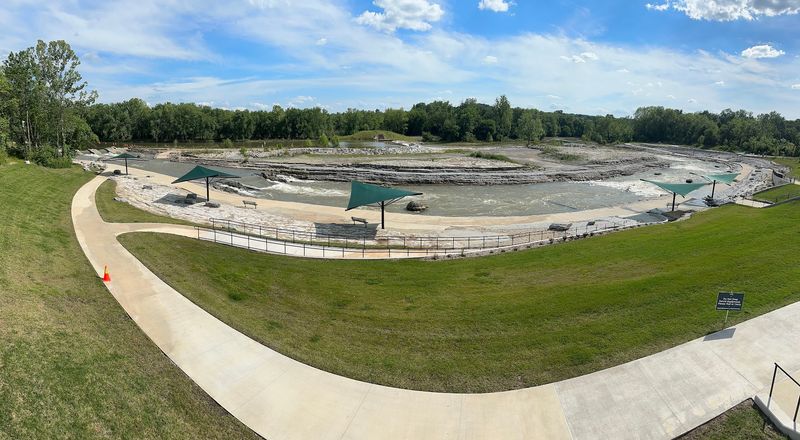
The whitewater channel is the main draw, but WOKA has been building out a connected mountain bike trail system that runs just outside the parking area. The trails wind through the same forested hillside that surrounds the river, offering a completely different way to experience the natural landscape without getting wet.
For visitors who want to make a full day of it, the combination of whitewater tubing in the morning and a trail ride in the afternoon is a genuinely satisfying way to spend a Saturday. The trails are still being expanded, and early visitors have noted that even the existing sections are scenic and well-routed through the trees.
Runners also use the trails, so the network serves multiple user groups depending on what you bring with you.
The broader area around Watts also has additional outdoor options nearby. The Siloam Springs Kayak Park is roughly fifteen minutes away and offers a couple of additional drops for paddlers who want to extend their river day.
Combining both parks into a single outing is a popular move among kayakers who drive several hours to reach the region, and the proximity of both spots makes the trip feel like excellent value for the time invested in getting there.
Why This Park Draws Visitors From Hours Away
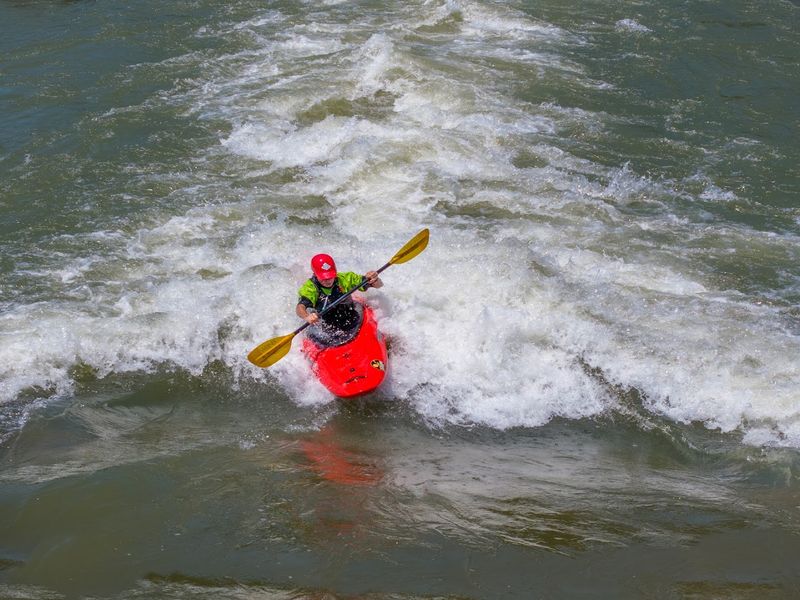
People drive four-plus hours to reach WOKA, and they say they would do it again without hesitation. That kind of loyalty does not come from a mediocre experience.
The park fills a very specific gap in the whitewater landscape of the south-central United States, offering a year-round flowing course at a time when most other comparable spots have shut down for the season or dried up during summer dry spells.
For kayakers working on technical skills, the consistent flow and strong eddy lines make WOKA one of the only reliable practice spots within roughly a thousand miles during dry periods. For families just looking for an outdoor adventure that feels different from a standard theme park, the combination of real whitewater, shaded seating, reasonable prices, and clean facilities checks every box.
The park has earned a 4.3-star rating across dozens of reviews, and the most common thread through the positive feedback is surprise. People arrive not quite sure what to expect and leave already planning their next visit.
That reaction is the clearest sign that WOKA is doing something right, and the steady stream of returning visitors suggests the experience holds up just as well on the second and third trip as it does on the first.
Share this story