 Unearth The Voyage
Television has always reflected the values and attitudes of its time, but looking back at some of the most popular shows from decades past can feel like peering into a completely different world. What audiences once accepted as harmless entertainment now seems shocking, offensive, or just plain wrong.
From racist stereotypes to casual sexism, many beloved programs featured content that would never make it past the pitch stage today. These 17 shows remind us how much society has changed and how television both shaped and mirrored cultural norms that we’ve thankfully left behind.
1. Amos ‘n’ Andy (1951–1953): TV’s most infamous stereotype sitcom
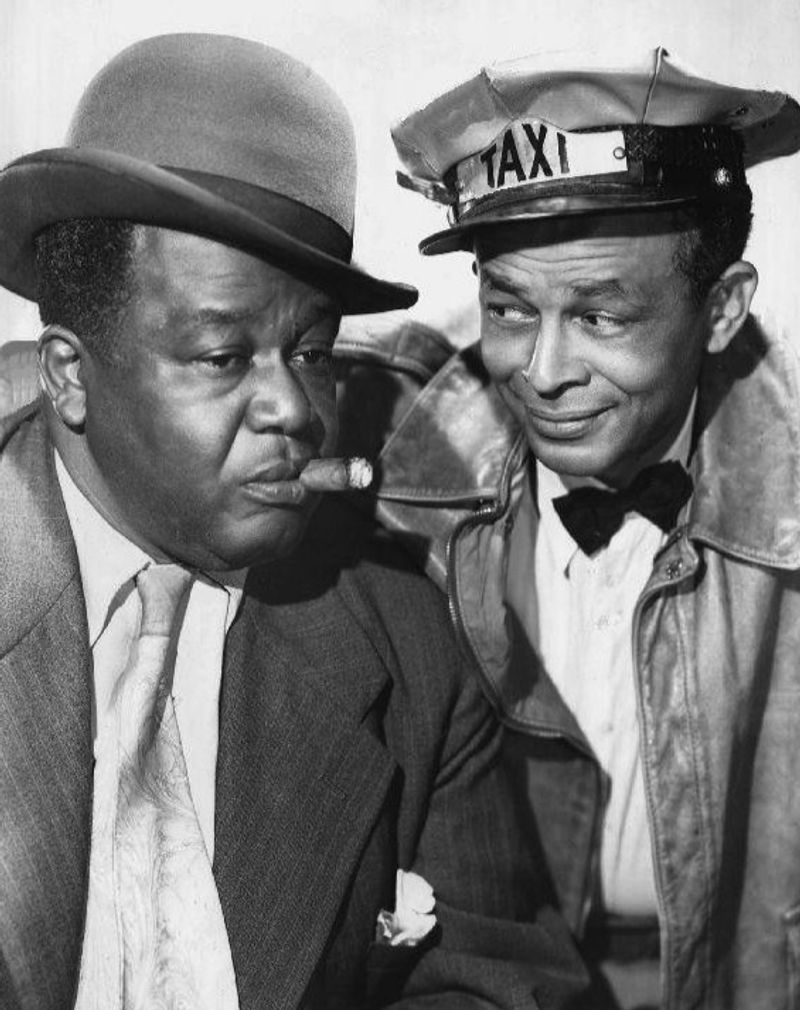
Before streaming services and social media backlash, Amos ‘n’ Andy made it to CBS as one of the first television shows to feature an all-Black cast. Sounds progressive, right?
Unfortunately, the show was anything but. Originally a radio program voiced by white performers, the TV version continued to perpetuate harmful stereotypes about African Americans that had already sparked controversy.
Characters were portrayed as lazy, scheming, and foolish, reinforcing racist caricatures that had plagued Black representation for decades. The NAACP protested the show from the beginning, calling it degrading and damaging to the civil rights movement.
Despite high ratings among both Black and white audiences initially, the mounting criticism couldn’t be ignored.
CBS pulled the show after just two seasons, though reruns continued for years afterward. Today, the series is studied as an example of how entertainment can harm marginalized communities, even when it claims to provide representation.
The controversy surrounding Amos ‘n’ Andy helped spark important conversations about who gets to tell whose stories and how media shapes public perception. Networks became more cautious about racial stereotypes, though progress would remain frustratingly slow for decades to come.
2. All in the Family (1971–1979): A bigoted lead character as the weekly punchline
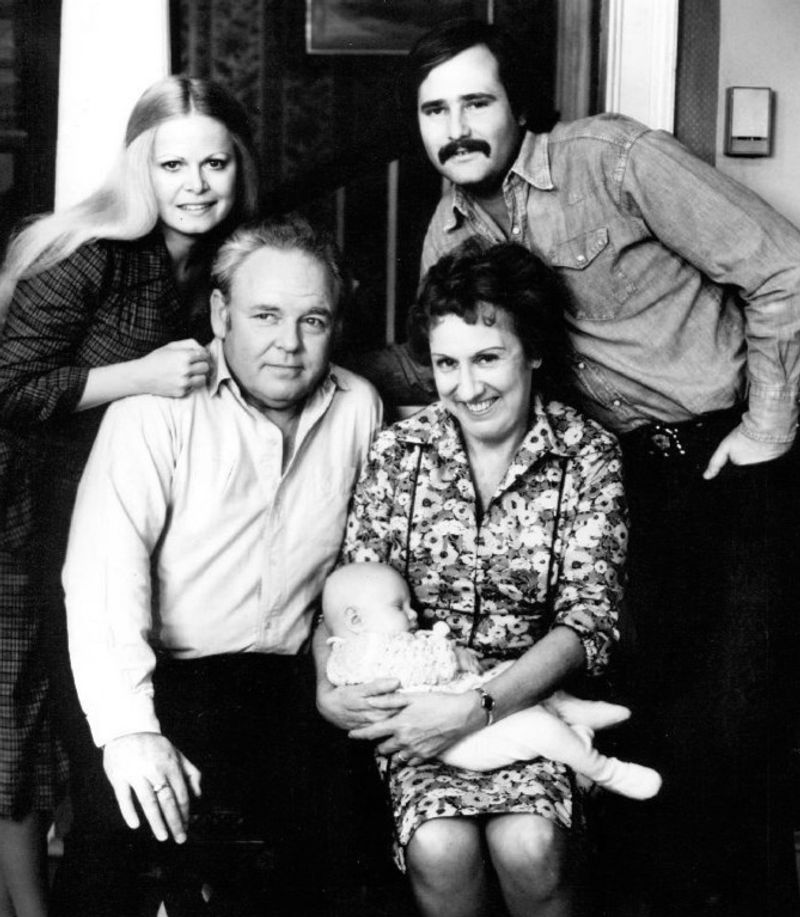
Norman Lear’s groundbreaking sitcom put bigotry front and center by making Archie Bunker, a loudmouthed racist and sexist, the star of the show. Every week, Archie spouted offensive opinions about minorities, women, and anyone different from him.
The twist? We were supposed to laugh at him, not with him.
The show aimed to expose prejudice by exaggerating it, using satire to challenge viewers’ own biases. Archie’s progressive son-in-law Mike frequently called him out, creating heated debates that tackled everything from feminism to the Vietnam War.
For many viewers, this approach worked brilliantly, sparking dinner-table conversations about real issues.
But here’s the problem that makes it unthinkable today: not everyone got the joke. Some viewers loved Archie precisely because he said what they were thinking, turning him into a hero rather than a cautionary tale.
Modern audiences question whether giving a bigot a platform, even satirically, does more harm than good.
The show won numerous Emmys and changed television forever by proving sitcoms could tackle serious topics. Yet in today’s climate, where every word is scrutinized and representation matters deeply, creating a lovable bigot as your protagonist would be considered irresponsible, no matter how clever the satire.
3. The Dukes of Hazzard (1979–1985): The Confederate-flag ‘hero car’ era
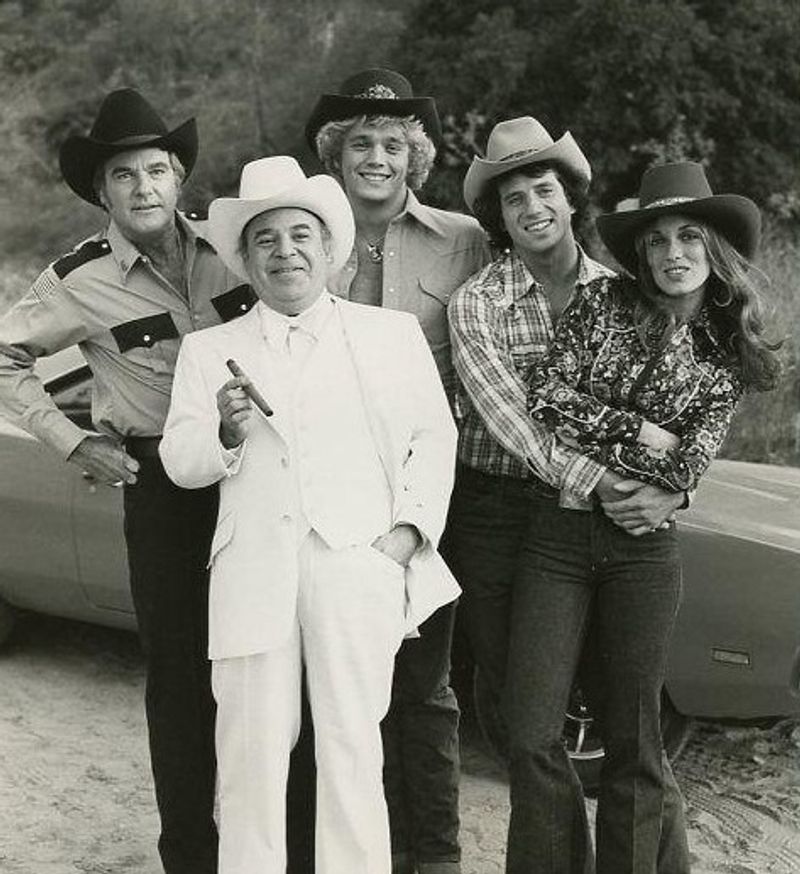
Good ol’ boys Bo and Luke Duke tore across rural Georgia in their bright orange Dodge Charger, outrunning corrupt cops and charming audiences for seven seasons. The problem?
Their beloved car, the General Lee, prominently displayed the Confederate flag on its roof and doors, turning a symbol of slavery and oppression into family-friendly entertainment.
During the show’s original run, many viewers saw the flag simply as a symbol of Southern heritage and rebellion against authority. The Dukes were portrayed as heroic underdogs fighting against the crooked Boss Hogg, and the flag was just part of the Southern aesthetic.
Nobody seemed to think twice about it.
Fast-forward to the 2010s, and everything changed. As conversations about racism and Confederate symbols intensified, especially after the Charleston church shooting in 2015, the General Lee became deeply problematic.
TV Land pulled the show from syndication, Warner Brothers stopped producing merchandise with the flag, and even the show’s stars admitted they understood why it was offensive.
Attempts to revive or reboot the franchise have stumbled over this central issue. You can’t have the Dukes without the General Lee, but you can’t have the General Lee with that flag anymore.
The show remains a perfect example of how cultural symbols carry different meanings as society evolves.
4. Married… with Children (1987–1997): Prime-time “trash family” shock comedy
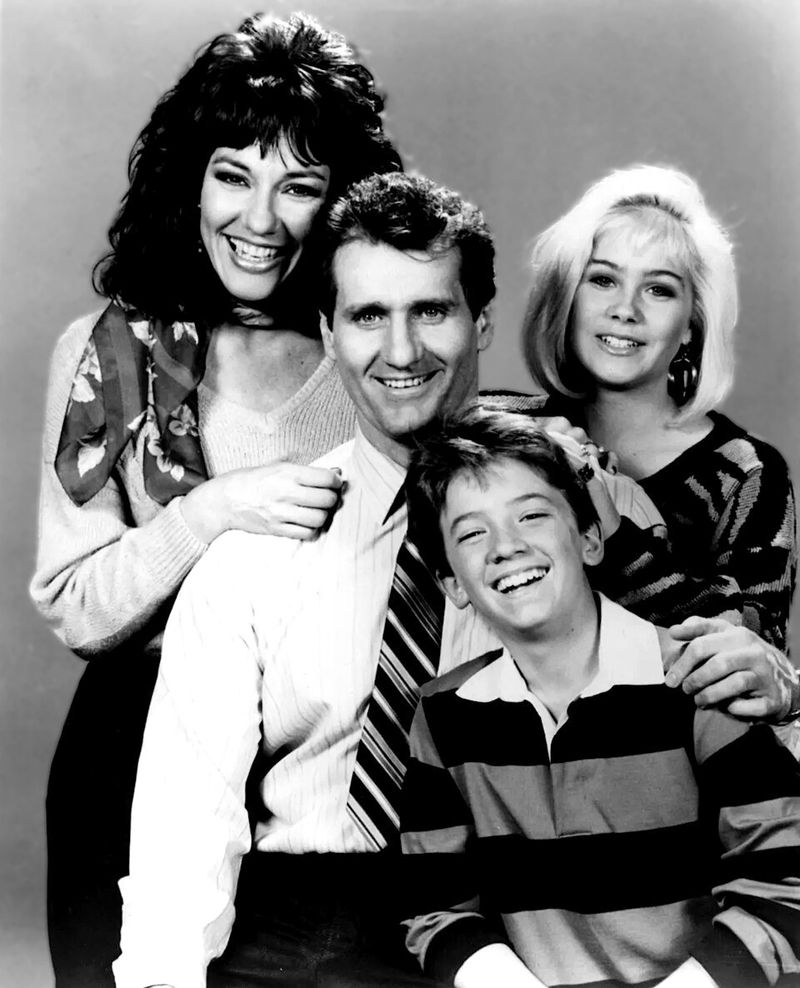
Al Bundy hated his life, his job, his wife, and pretty much everything except his glory days as a high school football star. For eleven seasons, this sitcom celebrated dysfunction, making jokes about Al’s sexless marriage, his wife Peg’s laziness and spending habits, and their kids’ various schemes and failures.
The show deliberately positioned itself as the anti-Cosby Show, rejecting wholesome family values for crude humor and constant insults. Al openly lusted after other women, fat-shaming and objectifying them in nearly every episode.
Peg was portrayed as a negligent mother who refused to cook or clean. Their relationship was built entirely on mutual contempt.
Fox promoted the controversy, using it to build their edgy brand as the rebellious network. A Michigan housewife even started a boycott campaign, which only brought more attention and viewers.
The show became a massive hit precisely because it was offensive and boundary-pushing for its time.
Today’s audiences would struggle with the relentless misogyny, fat-shaming, and celebration of a toxic marriage. While some humor was genuinely subversive and class-conscious, much of it punched down at women, overweight people, and working-class struggles.
The laugh track played over jokes that would now spark outrage, making it nearly impossible to imagine this format working in our current cultural moment.
5. Three’s Company (1977–1984): The ‘he has to pretend he’s gay’ premise
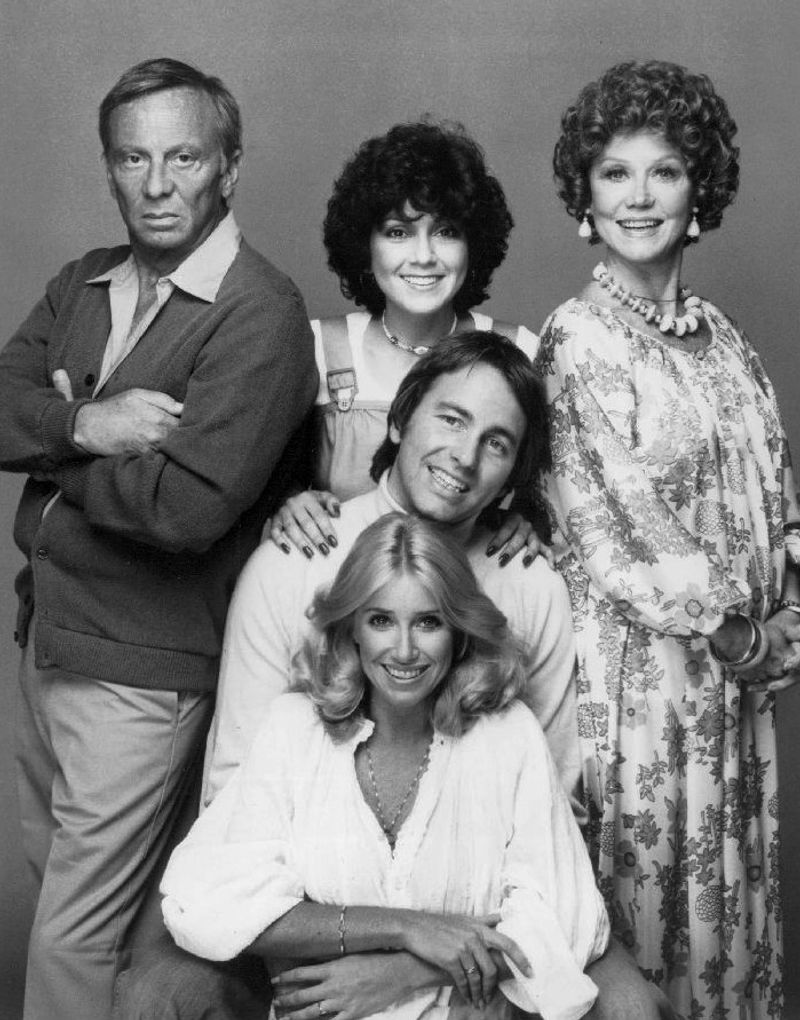
Jack Tripper needed an affordable place to live in Los Angeles, and two single women had an extra bedroom. Simple solution, right?
Not according to their landlord, Mr. Roper, who would only allow the arrangement if Jack pretended to be gay, making him “safe” to live with two attractive women.
This premise drove the entire series, with Jack constantly acting stereotypically effeminate around the landlords while pursuing women behind their backs. The show mined this deception for endless jokes about sexuality, with Jack lisping, prancing, and making exaggerated gestures whenever the Ropers appeared.
Meanwhile, the actual humor often came from misunderstandings and physical comedy.
For 1977, this was considered progressive because it suggested gay men were harmless, not predatory. The show even featured some sympathetic gay characters in later episodes.
But the entire foundation rested on the idea that being gay was something to fake, a useful lie rather than a real identity worth respecting.
Modern LGBTQ+ advocates point out how the show turned queerness into a punchline and reinforced stereotypes about how gay men supposedly act. The idea that a gay man couldn’t be attracted to women, so he was “safe,” also erased bisexuality entirely.
While the cast had great chemistry and the show was genuinely funny at times, its central premise relied on homophobia that today’s audiences wouldn’t tolerate.
6. The Benny Hill Show (1955–1989): Chase-scene horny slapstick as a format
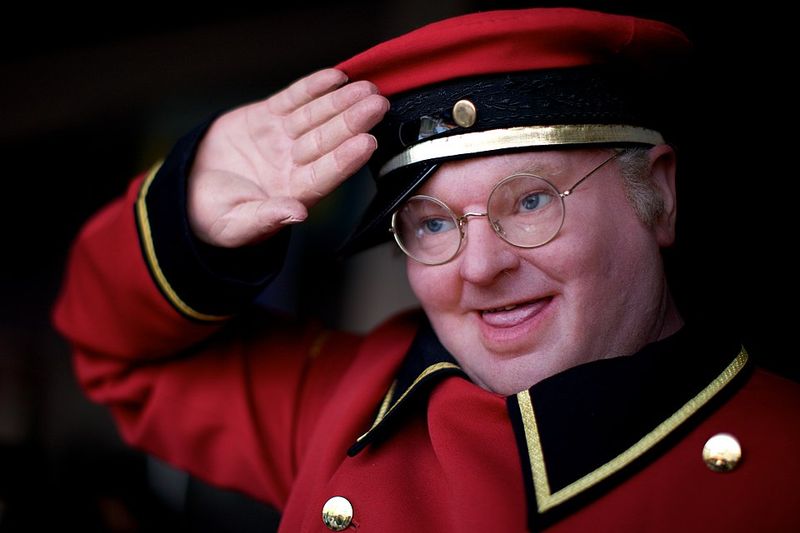
Picture this: a middle-aged man in various ridiculous costumes chasing scantily-clad young women around in fast-motion while cartoonish music plays. That was basically the entire second half of every Benny Hill Show episode, and it made the British comedian an international sensation for over three decades.
Hill’s comedy relied heavily on sexual innuendo, double entendres, and visual gags that objectified women as props for male desire. The famous chase scenes, sped up and set to “Yakety Sax,” featured Hill and other male characters pursuing women in nurses’ outfits, bikinis, or other revealing costumes.
The women were rarely characters with personalities, just objects to be chased and ogled.
British audiences loved it for years, and American stations aired edited versions during the 1980s. Critics dismissed it as lowbrow, but Hill’s defenders argued it was innocent fun, harmless slapstick in the tradition of silent film comedy.
The sexual humor was silly rather than explicit, they claimed.
By the late 1980s, attitudes had shifted enough that Thames Television cancelled the show, citing changing tastes. Today, the format is seen as embarrassingly sexist, reducing women to running punchlines in a dirty old man’s fantasy.
While Hill had genuine comedic talent beyond the chase scenes, his legacy is forever tied to a brand of humor that modern audiences find creepy rather than funny.
7. The Mighty Boosh (2004–2007): A beloved surreal comedy pulled over blackface content
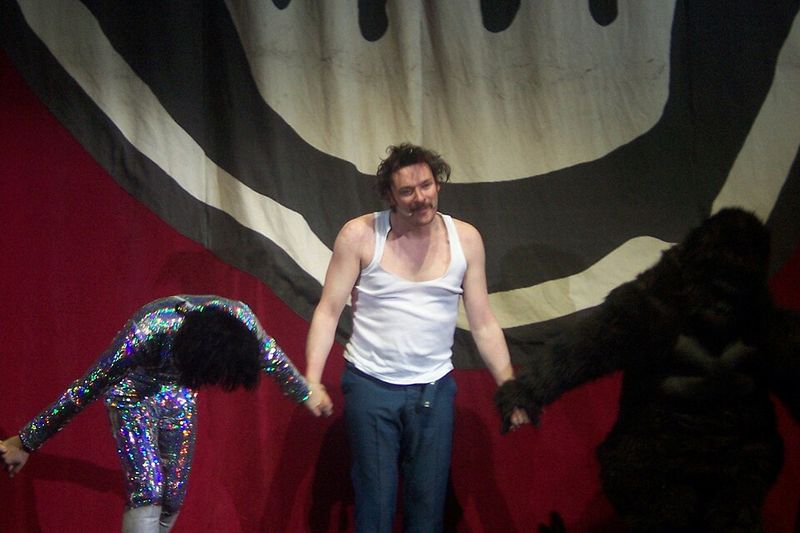
Noel Fielding and Julian Barratt created one of the most imaginative and visually stunning comedies British television had ever seen. The Mighty Boosh combined music, animation, and absurdist humor to tell the adventures of Vince Noir and Howard Moon, two friends working in a zoo and later running a vintage shop.
The show became a cult sensation, beloved for its originality and psychedelic aesthetic.
With its talking animals, musical numbers, and trips to surreal dimensions, The Mighty Boosh felt like a fever dream in the best possible way. Fielding’s fashion-forward Vince and Barratt’s pretentious Howard had perfect chemistry, and the show launched both performers to stardom.
Fans adored its weirdness and creativity, seeing it as a breath of fresh air in British comedy.
So it shocked many when the show was removed from Netflix in 2020 due to blackface content. Specifically, Noel Fielding had played the Spirit of Jazz with a darkened face in one episode.
The character was meant to be a mystical, supernatural being rather than a representation of any race, but the use of dark makeup was enough to get the show pulled.
Fans argued this was an overreaction, pointing out the show’s surreal nature and lack of racist intent. However, streaming platforms were drawing hard lines about any blackface content, regardless of context.
The Mighty Boosh eventually returned with warnings, but the controversy showed how even the most beloved and progressive-seeming shows could contain elements that hadn’t aged well.



