 Unearth The Voyage
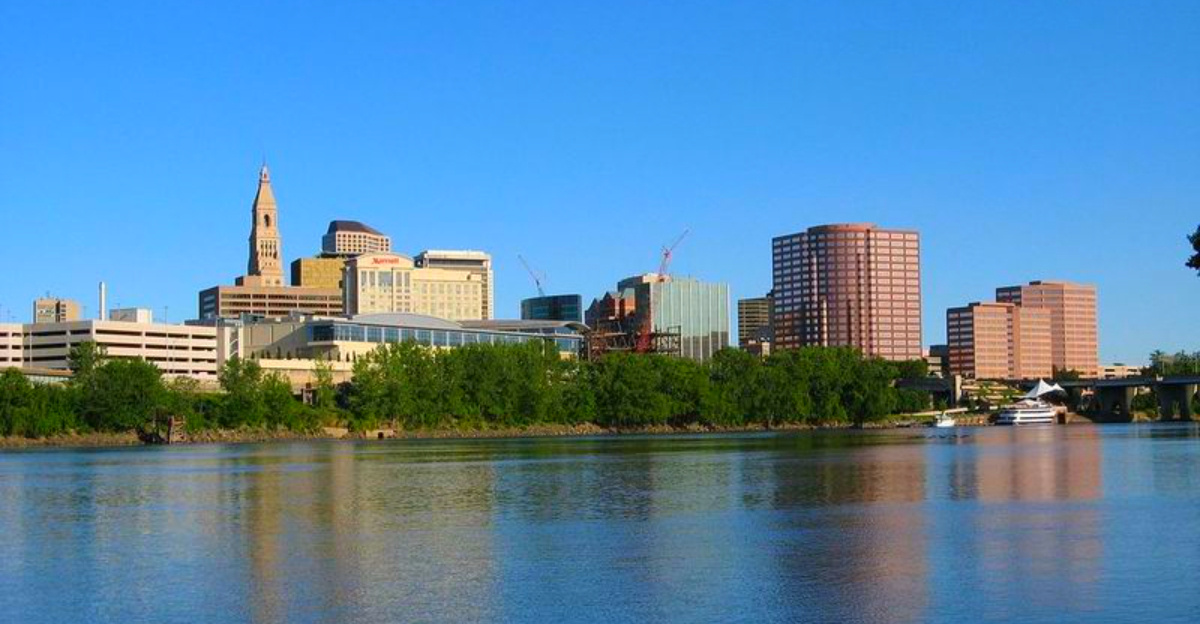
If headlines about booming Sun Belt cities have you wondering what is happening elsewhere, you are not alone. Many beloved communities are quietly losing residents, reshaping local economies, housing markets, and daily life. Understanding why people move can help you make smarter decisions about careers, investments, and where to put down roots. Let’s look at the cities shrinking fastest right now and what their trajectories might mean for you.
1. Portage, Michigan

Portage is shedding residents as manufacturing restructures and young talent chases opportunity elsewhere. You can feel it in the smaller crowds at festivals and a rental market with more signs lingering. Families weigh school quality, taxes, and commute time, then follow jobs beyond the county line.
Still, the core offers breweries, trails, and research anchors trying to stabilize demand. Housing remains comparatively affordable, which helps first-time buyers and remote workers. If you are considering a move, timing matters. Watch inventory, incentives, and university partnerships, because momentum can flip quickly when employers expand.
2. Bossier City, Louisiana
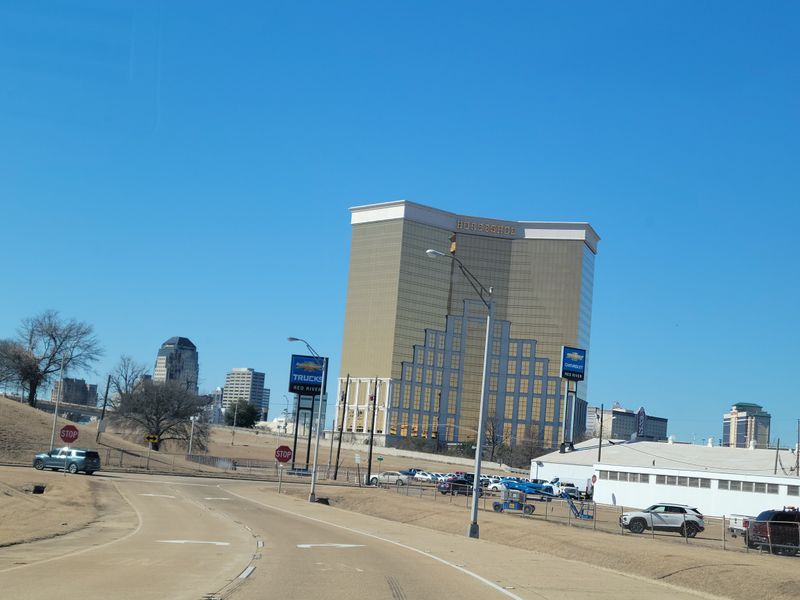
Bossier City faces steady outmigration, driven by energy sector swings and limited high-wage growth. You might notice shorter lines at restaurants and fewer new subdivisions. Crime perceptions and aging infrastructure also push some households toward nearby parishes or entirely new regions.
There are bright spots along the riverfront and in logistics, but they have not offset losses yet. If you are job hunting, target healthcare and transportation corridors. Homebuyers can find bargains, though resale timelines may stretch. For investors, focus on cash flow over appreciation, and track policy moves around incentives, blight reduction, and workforce training.
3. Fort Smith, AR-OK

Fort Smith spans two states yet contends with the same reality: more people leaving than arriving. Industrial employers automate, and younger workers often chase bigger metros. You will see it in slower retail turnover and schools adjusting to smaller class counts.
Even so, logistics and defense-adjacent manufacturing offer a base. If you are evaluating the area, weigh wages, training programs, and cross-border taxes. Housing is inexpensive, which can stretch your budget. Entrepreneurs can test ideas with low overhead, but customer acquisition may take patience. Keep an eye on infrastructure and riverport investments that could stabilize population.
4. Grand Island, Nebraska

Grand Island’s decline reflects broader rural-to-urban migration and agricultural consolidation. You might see storefront turnover and fewer applicants for specialized jobs. Meatpacking remains important, yet automation and tight margins limit new hiring, nudging families to larger Nebraska hubs.
For you, the draw could be affordability, short commutes, and community cohesion. Remote workers can win big with low costs and accessible amenities. Buyers should assess flood risk and property tax trajectories. Entrepreneurs can serve niche agricultural tech or logistics. Watch state workforce programs and housing rehabilitation grants, which can cushion decline and create selective neighborhood rebounds.
5. Sioux City, IA-NE-SD
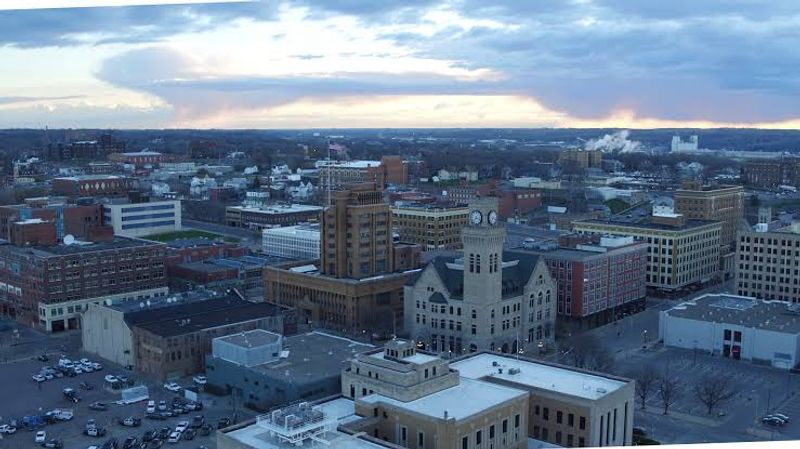
Sioux City’s tri-state footprint has not insulated it from outmigration. Manufacturing and meat processing persist, but limited white-collar scaling nudges graduates to leave. You will notice a soft rental market, slower restaurant openings, and headlines about workforce shortages.
Still, regional healthcare and logistics create anchors. If you are considering a move, compare wages with Omaha and Sioux Falls. Home values are steady but not surging, offering negotiating room. Entrepreneurs can explore cross-border incentives. Keep tabs on riverfront redevelopment and apprenticeship pipelines that could slow the decline and improve retention of early-career talent.
6. Chico, California

Chico’s numbers reflect complex pressures after catastrophic wildfires and affordability shocks across Northern California. Some residents left amid housing shortages, insurance spikes, and rising costs. You may feel lighter foot traffic downtown and rental fluctuations as students cycle through.
On the upside, the university and outdoor lifestyle still attract newcomers. If you are weighing Chico, scrutinize insurance, fire-hardening, and evacuation routes. Buyers should assess rebuild quality and defensible space. Remote workers can benefit from scenery and culture but must budget for higher utilities and premiums. City investments in resilience and infill housing could eventually stabilize migration.
7. Panama City, Florida
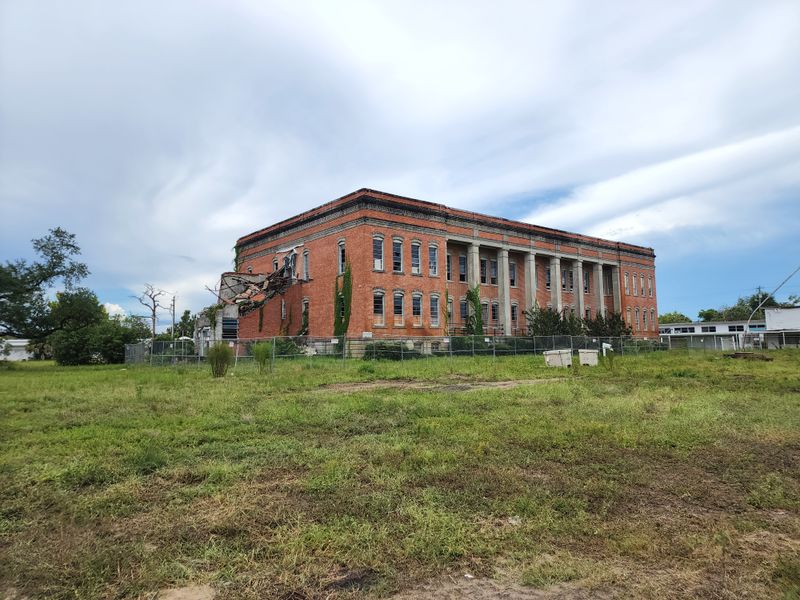
Panama City’s decline ties closely to hurricane impacts and uneven rebuilding. Some neighborhoods lost housing stock faster than it returned, pushing families to nearby counties. You will notice patchwork recovery, insurance volatility, and labor shortages in construction.
Still, waterfront access and tourism create long-term appeal. If you are moving here, plan for insurance quotes, elevation certificates, and mitigation steps. Investors can pursue build-to-rent near job nodes but should model storm downtime. Watch infrastructure grants, resilient codes, and workforce housing initiatives. Stabilization often follows when supply catches up and employers expand outside seasonality.
8. Bloomington, Illinois
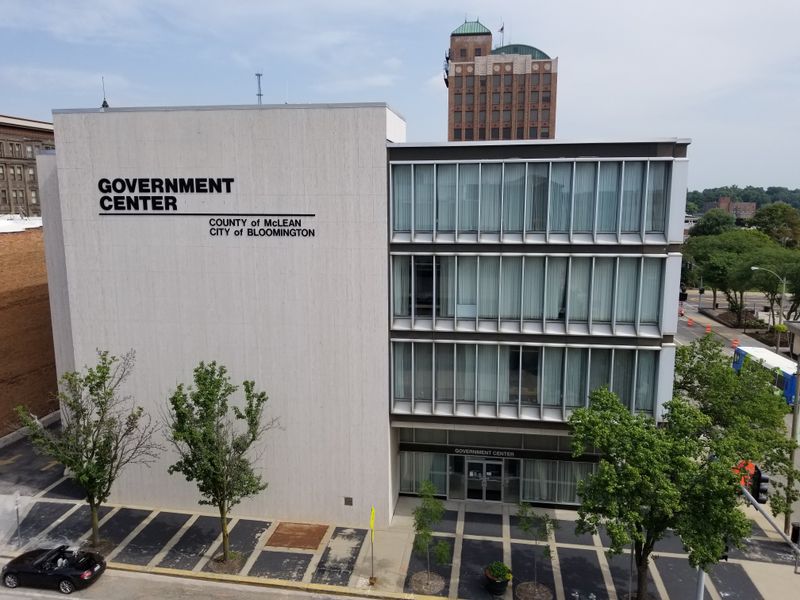
Bloomington’s headcount has slipped as corporate restructurings and remote work reshaped office footprints. You might see sublease signs and fewer relocations tied to insurance and tech operations. Graduates often sample Chicago or Sun Belt hubs before considering a return.
For you, the tradeoff is affordability, reasonable schools, and short commutes. If buying, look at neighborhoods with stable owner-occupancy and proximity to medical corridors. Investors should prioritize cash flow and tenant stability. Civic efforts around downtown housing and talent retention could help. Track hybrid work policies because they directly influence local demand for rentals and restaurants.
9. Blacksburg, Virginia
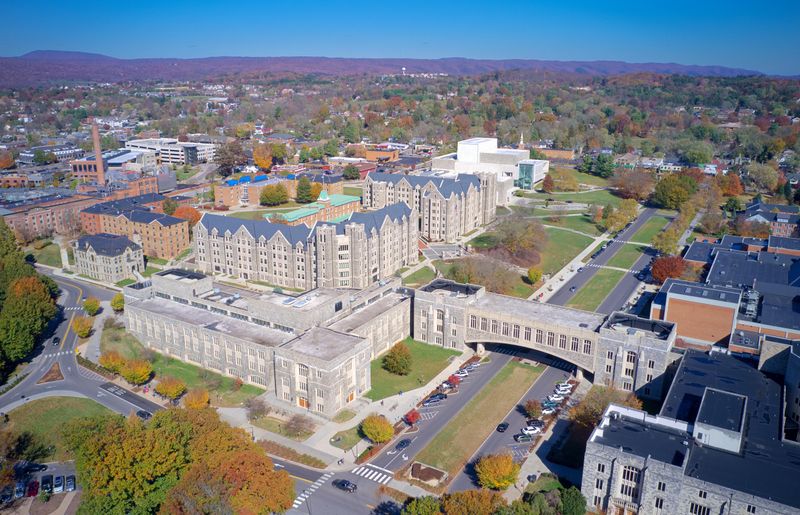
Despite a strong university brand, Blacksburg shows periods of decline tied to enrollment cycles and housing constraints. When students reduce on-campus presence, local sales soften and rentals sit longer. You will notice that seasonality more than in larger metros.
For prospective residents, the lifestyle is exceptional, with trails and research assets. If you are evaluating a move, study lease terms around academic calendars. Buyers should gauge HOA rules and short-term rental restrictions. Employers in tech and aerospace create potential, but scale remains limited. Continued research funding and incremental housing supply could steady population trends over time.
10. Urbana, Illinois
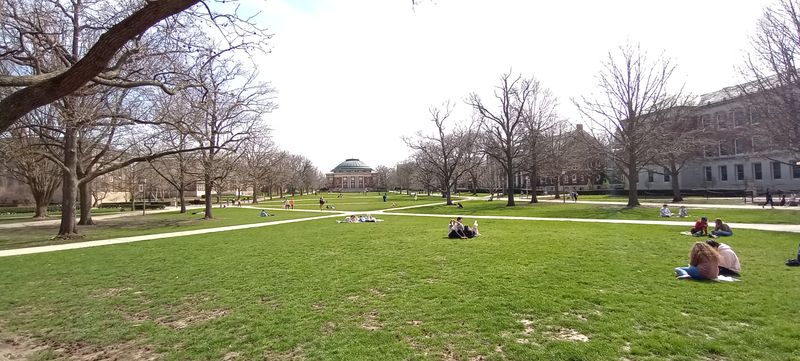
Urbana’s fluctuations connect to university dynamics and state budget cycles. When public funding tightens or enrollment shifts, you feel it in cafes, labs, and leases. Some alumni head to Chicago or coastal markets, pulling population numbers down.
Still, research and ag-tech startups are legitimate bright spots. If you are moving here, align timing with academic calendars and consider transit routes. Buyers should examine older housing stock for energy efficiency upgrades. Investors can target student-adjacent areas but plan for turnover costs. Watch state appropriations, immigration policy, and tech transfer, which affect talent pipelines and local demand.
11. Cleveland, Ohio
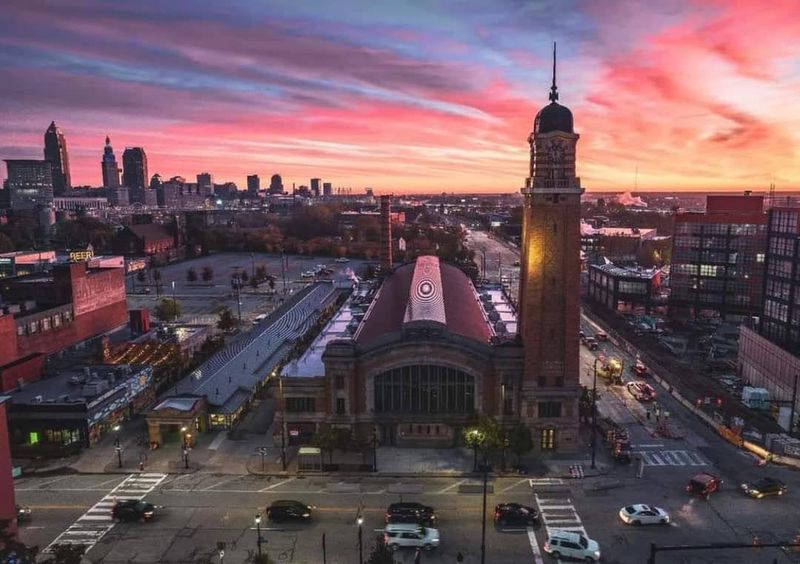
Cleveland continues a long negotiation with deindustrialization and suburban pull. Population declines persist in some neighborhoods despite downtown wins. You will notice renovated districts alongside blocks with demolition gaps, reflecting uneven recovery.
For you, affordability and healthcare anchors are real advantages. If buying, evaluate property taxes, school choices, and street-level momentum. Investors should underwrite for capex and target stable rental demand near hospitals and universities. Civic land bank strategies and lakefront plans are worth tracking. Cleveland can surprise, but patient timelines and neighborhood specificity matter for anyone considering a move or investment.
12. Buffalo, New York
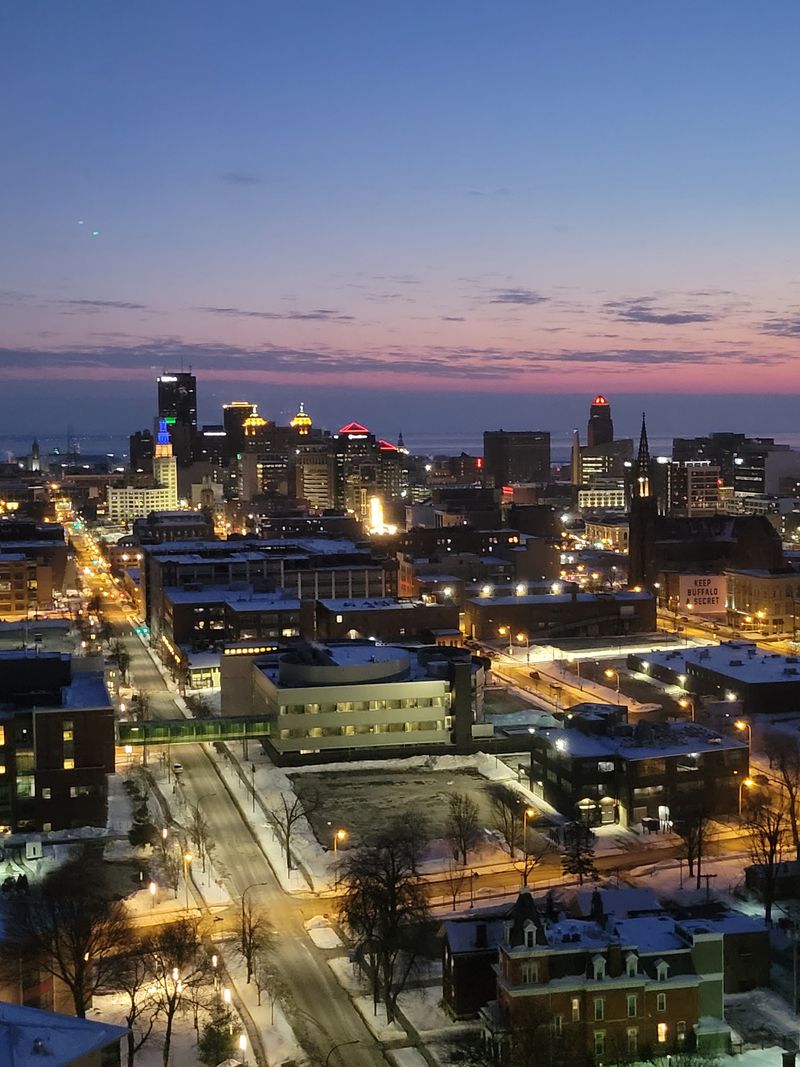
Buffalo has won headlines for revitalization, yet regional population still edges down. Losses concentrate in specific neighborhoods while downtown and waterfront improve. You might see home prices holding in hot pockets but softer demand elsewhere.
For movers, tradeoffs include snow resilience and energy costs balanced by cultural amenities. If buying, assess roof age, insulation, and tax assessments. Investors can explore small multifamily in stable districts but should budget for winter maintenance. Watch state incentives, semiconductor supply chain moves, and cross-border Canadian dynamics. Incremental growth could offset decline if job creation keeps accelerating.
13. St. Louis, Missouri

St. Louis struggles with city-suburb fragmentation and legacy vacancy. Population has trended down within city limits even as some suburbs grow. You will notice strong medical and aerospace anchors, yet persistent neighborhood disinvestment.
If you are considering St. Louis, pick carefully by school district, commute routes, and crime patterns. Buyers should examine rehab quality in historic housing. Investors can find cash flow but must plan for insurance, permitting, and renovation risk. Regional collaboration around transit, tech corridors, and site readiness could change the trajectory, but the timeline is measured in years, not months.
14. Detroit, Michigan
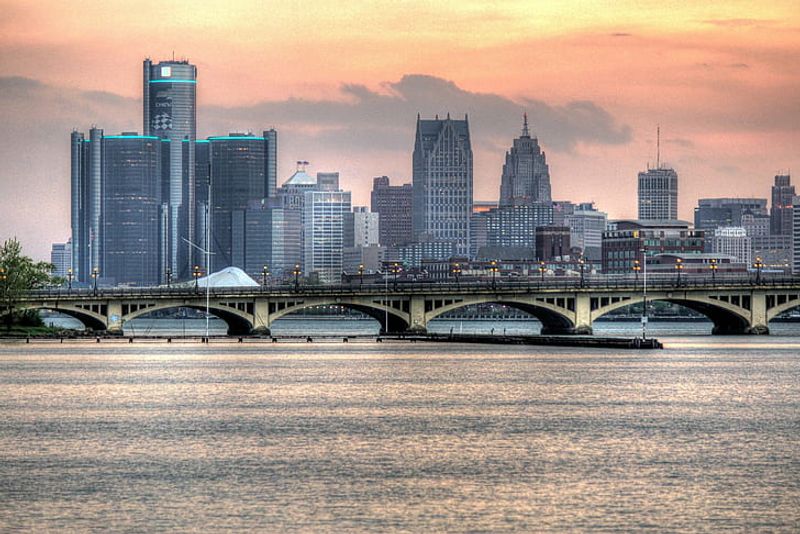
Detroit’s comeback story is real but incomplete. City population continues to inch down even as downtown and Midtown attract investment. You will see vibrant blocks next to quiet streets and prairie-like lots.
For you, the opportunity is affordability plus a growing startup and arts scene. If buying, scrutinize property taxes, rehab scope, and neighborhood associations. Investors should calculate stabilization costs and partner locally. Watch auto EV transitions, mobility tech, and land reuse policy. Detroit rewards patience and block-by-block knowledge, which can turn decline into personal upside if you plan thoughtfully.
15. Baltimore, Maryland
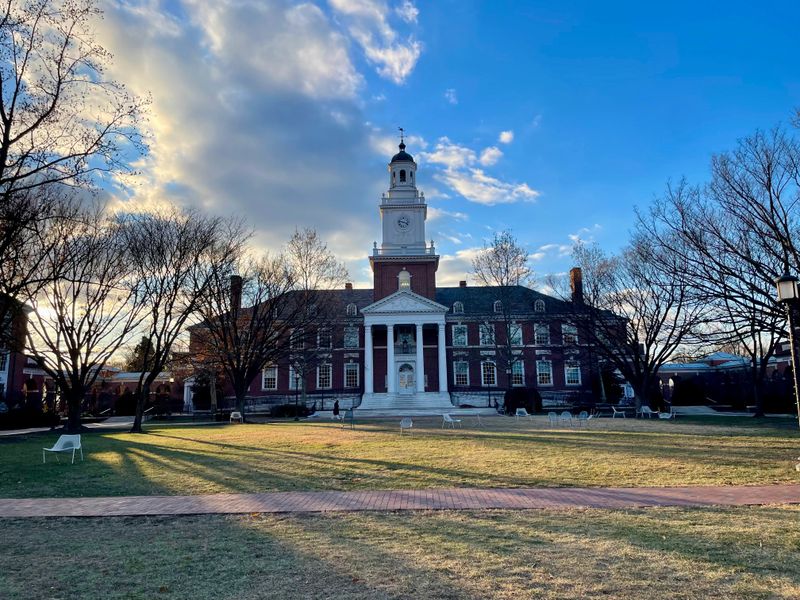
Baltimore’s losses reflect decades of disinvestment, yet anchors like Johns Hopkins and the port remain powerful. Population decline shows up in school enrollment and vacancy maps. You will find thriving blocks near the harbor and others still waiting for investment.
If you are moving here, prioritize block-by-block research, commute options, and school boundaries. Buyers should evaluate lead and renovation histories in older homes. Investors can find solid yields but need strong property management. Track public safety improvements, water infrastructure fixes, and biotech expansions, which could stabilize trends. Baltimore’s story is complicated but not static.
16. New Orleans, Louisiana
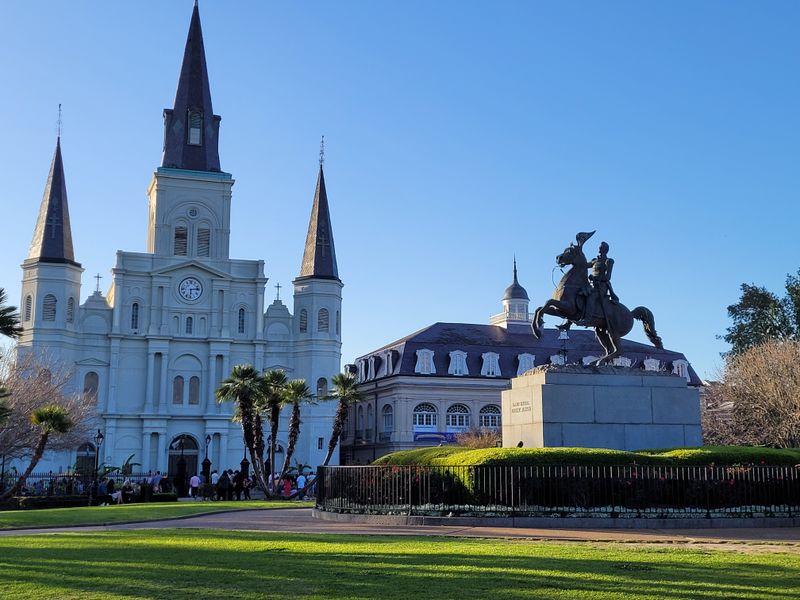
New Orleans remains culturally magnetic, yet population has slipped with storm risk, insurance spikes, and limited wage growth. You will notice service industry churn and periodic housing constraints. Some households decamp to higher ground in nearby parishes.
For you, the calculus blends lifestyle with resilience planning. If buying, check elevation, flood maps, and wind mitigation features. Investors should stress test for insurance and evacuation downtime. Tourism and healthcare drive demand, but seasonality is real. Policy shifts on levees, drainage, and insurance markets will shape whether outmigration eases or accelerates in coming years.
17. Norwalk, Connecticut
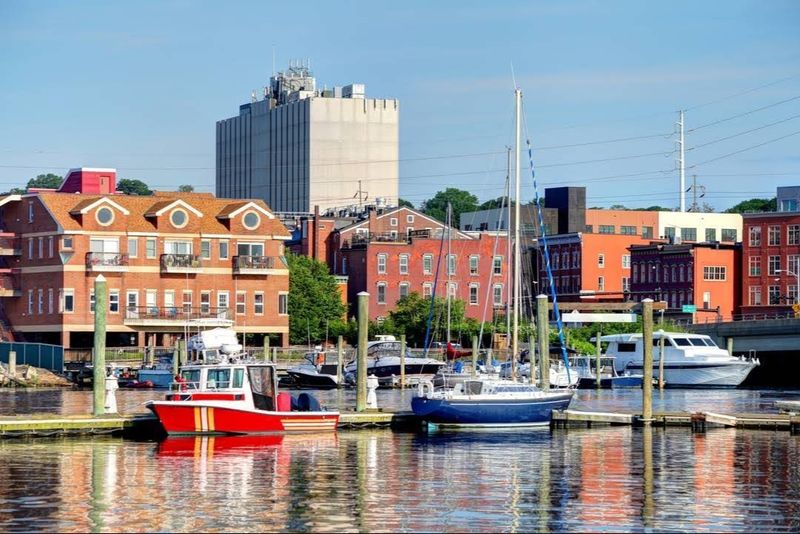
Norwalk shows softness as some residents chase lower costs or fully remote lifestyles elsewhere. Corporate relocations and hybrid schedules reduced daily foot traffic. You might see slower leasing for older offices and apartments built for pre-remote demand.
For movers, schools and transit remain strengths. If buying, compare property taxes and HOA costs with nearby Westchester and New Jersey. Investors should favor modernized units and flexible office conversions. Track commuter rail improvements and corporate hiring rounds. Stabilization could come as employers recalibrate space and residents return for proximity to New York without Manhattan pricing.
18. San Francisco, California

San Francisco experienced one of the most visible post-2020 population dips. Remote work, high housing costs, and safety narratives pushed some residents away. You will find vibrant neighborhoods, yet downtown foot traffic remains uneven.
For you, the opportunity is negotiating power in rents and a world-class job ecosystem. If buying, budget for taxes and HOA fees, and study seismic retrofits. Investors should be cautious with office exposure but consider mixed-use conversions. Track AI hiring, zoning reforms, and transit reliability, which could shape the city’s stabilization over the next cycle.
19. Portland, Oregon
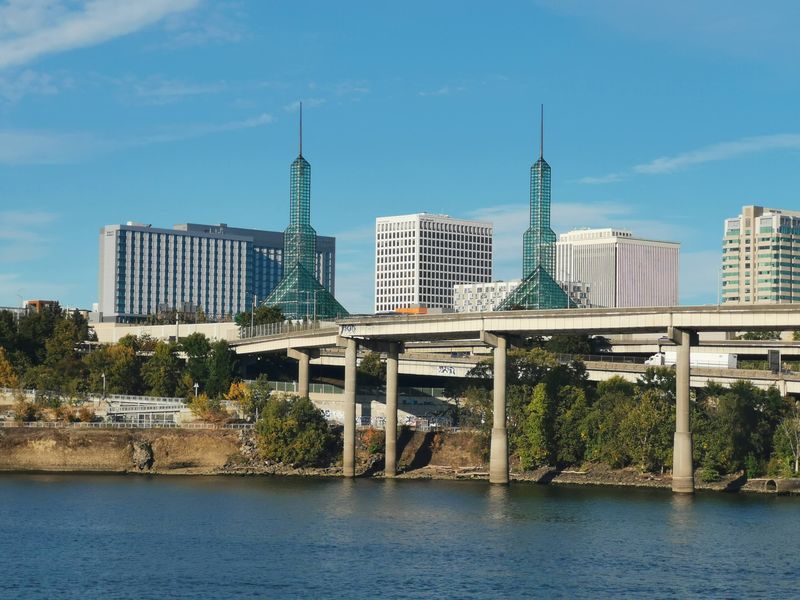
Portland’s population slipped as affordability, public safety concerns, and remote work reshaped choices. Some residents opted for suburbs or entirely new states. You can feel thinner crowds downtown and a rental market offering more concessions.
For movers, lifestyle assets remain strong: biking, food, forests. If you are buying, weigh school boundaries and commute patterns. Investors should model slower lease-up and elevated maintenance costs. Policy on housing supply, homelessness response, and street activation will influence momentum. Portland can rebound, but it will require consistent execution on livability and job growth.
20. Chicago, Illinois

Chicago’s city population has edged down in recent years, reflecting tax burdens, crime perceptions, and remote work dispersion. You will notice leasing concessions downtown and stable demand in select neighborhoods. Families often weigh suburban schools and yard space against urban amenities.
For you, price diversity is a plus. If buying, focus on transit-rich areas with strong school catchments. Investors should prioritize resilient corridors near hospitals and universities. Track fiscal policy, policing reforms, and corporate HQ moves. Chicago’s scale and talent base are advantages that could stabilize losses if economic momentum broadens.
21. Pittsburgh, Pennsylvania
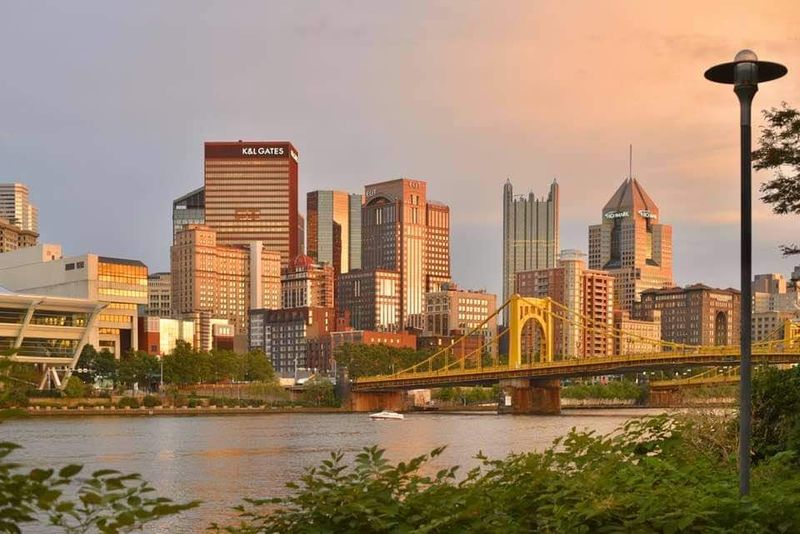
Pittsburgh’s slow drip of decline continues despite tech and healthcare wins. Aging demographics and limited net in-migration keep numbers soft. You may see steady prices but modest appreciation outside hot pockets.
If you are moving here, the calculus is affordability, universities, and outdoors. Buyers should vet hillside properties for maintenance and winter access. Investors can target stable duplexes near campuses and hospitals. Watch AI and robotics hiring, plus immigration-friendly policies that could boost headcount. Pittsburgh’s fundamentals are solid, yet population growth remains the missing ingredient for sustained momentum.
22. Hartford, Connecticut
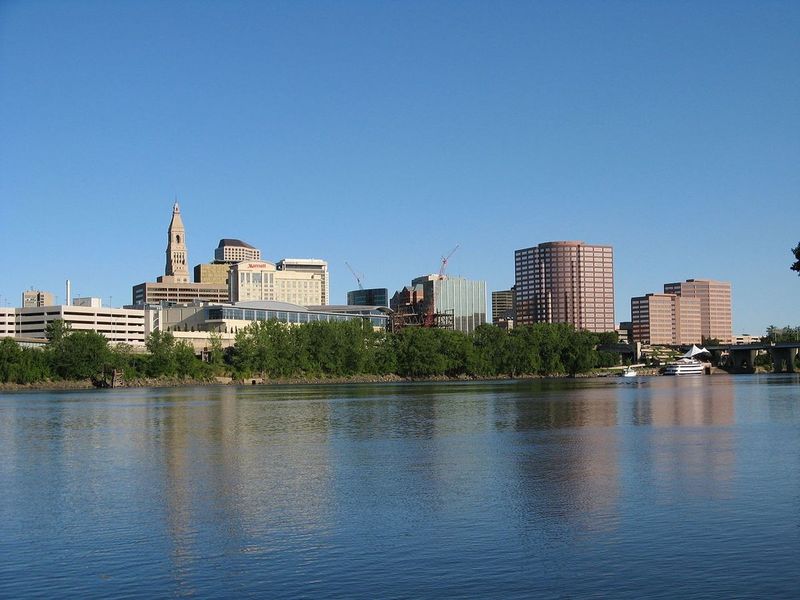
Hartford’s population softness ties to corporate consolidation and limited new household formation. Downtown shows progress, but not enough to counter long-term outflows. You will notice a commuter-heavy core and quieter evenings.
For movers, the region’s schools and proximity to Boston and New York are assets. If buying, compare city versus suburb taxes and consider renovation budgets. Investors should underwrite carefully for vacancy and concessions. Watch innovation districts, state incentives, and housing supply reforms. With steady policy and targeted job growth, Hartford could stabilize but remains in a delicate balance.



