 Unearth The Voyage
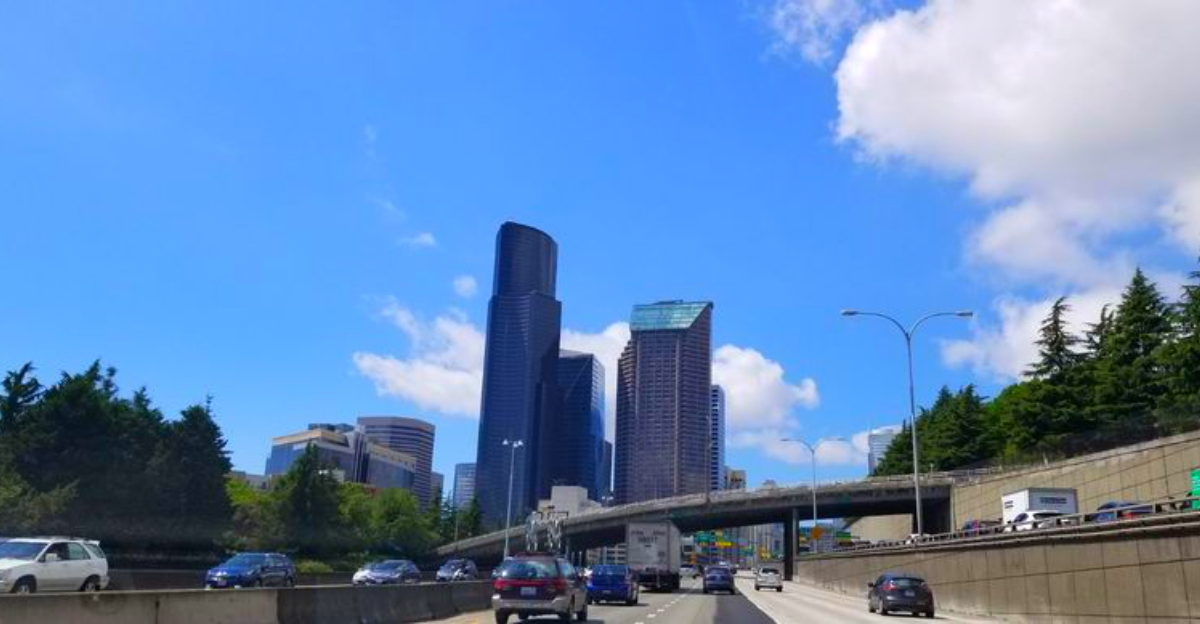
If you have ever gripped the steering wheel and wondered how everyone got their license, you are not alone. Locals across the country have strong opinions about which states are the toughest to drive in, and recent studies back many of those complaints. From sky high accident rates to eye opening DUI numbers and a surprising share of uninsured drivers, some places make every commute feel like a gamble. Ready to see where road chaos meets cold hard data?
1. North Dakota
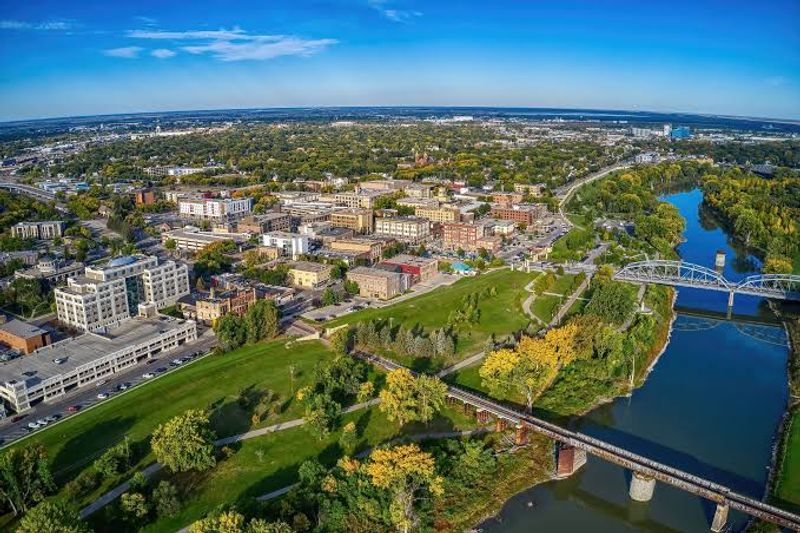
Locals talk about surprise blizzards, long rural stretches, and oilfield traffic mixing with everyday commuters. You feel it in winter, when black ice and whiteout conditions turn simple drives into survival tests. The stats align with those stories, with high incidents per 1,000 drivers and a leading DUI rate.
Combine sparse enforcement coverage across huge distances with confident drivers in big trucks, and mistakes escalate fast. Passing etiquette gets loose, and fatigue on endless highways invites risk. You brace for sudden crosswinds, drifting snow, and wildlife. Add in alcohol related stops, and you understand why North Dakota tops worst driver rankings.
2. New Jersey

Ask locals and you will hear stories about razor thin gaps, horn heavy merges, and exit only lanes appearing in a blink. The pace is relentless, and mistakes get amplified by sheer volume. Data shows extremely high incidents and the nation’s highest accident rate, which is exactly how it feels.
You are constantly negotiating jughandles, toll lanes, and drivers who treat turn signals like optional accessories. Rain turns everything slick, yet speeds barely drop. Defensive driving becomes survival driving. The culture rewards assertiveness, and newcomers freeze up. That split second hesitation? Someone else already took the space.
3. Utah

Utah’s roads look wide open, but locals will warn you about speed differentials and overconfident canyon commuters. You notice fast left lane trains and distracted right lane drifters, with sudden braking near exits. The incident rate ranks near the top, reflecting what everyday drivers experience.
Snowstorms sweep in, and powder day traffic heads for the canyons while traction laws kick in. Meanwhile, suburban growth packs arterial roads with impatient rush hour sprints. Merging feels like a test you must pass quickly. If you hesitate, a tailgater fills your mirror. Calm helps, but vigilance matters more.
4. Rhode Island
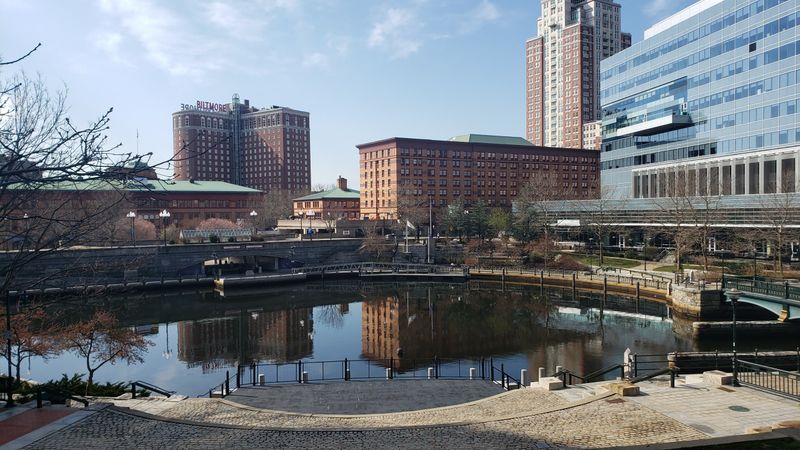
Locals joke that blinkers are rare and parking battles are constant. You will feel the squeeze on tiny on ramps and abrupt merges where timing is everything. Despite its size, Rhode Island posts a high incident rate, which matches the daily reality of hurried commutes on compact infrastructure.
Short distances encourage rolling stops and quick darts through gaps. Add weathered pavement and sudden coastal fog, and reaction time shrinks. You keep scanning for door swings, cross traffic, and scooters threading lanes. Courtesy exists, but momentum rules. Miss your moment, and you are looping the block again.
5. Washington
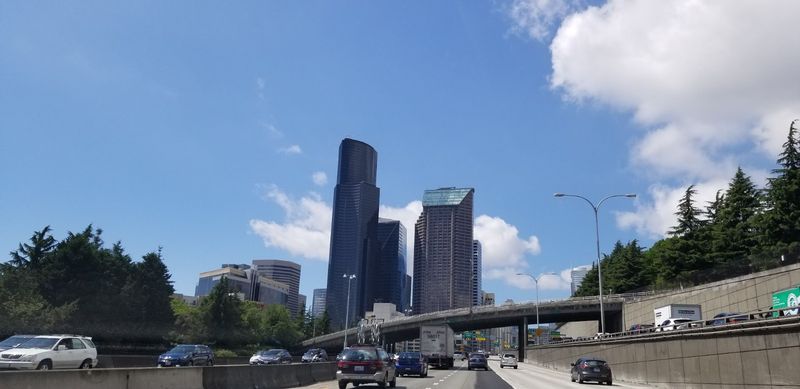
Rain defines the rhythm here, and locals complain that drivers either crawl or fly. Hydroplaning risk rises as oil lifts on slick pavement, yet lane discipline stays fuzzy. The state’s high incident rate tracks with frequent fender benders in stop and go corridors.
Left lane camping meets sudden impatience, especially near bottlenecks. Add hills, bridge grates, and foggy mornings, and visibility changes fast. Signal use can be polite, but follow through is inconsistent. You learn to expect last second exits and distracted glances toward the skyline. Calm patience helps, though not everyone practices it.
6. Florida
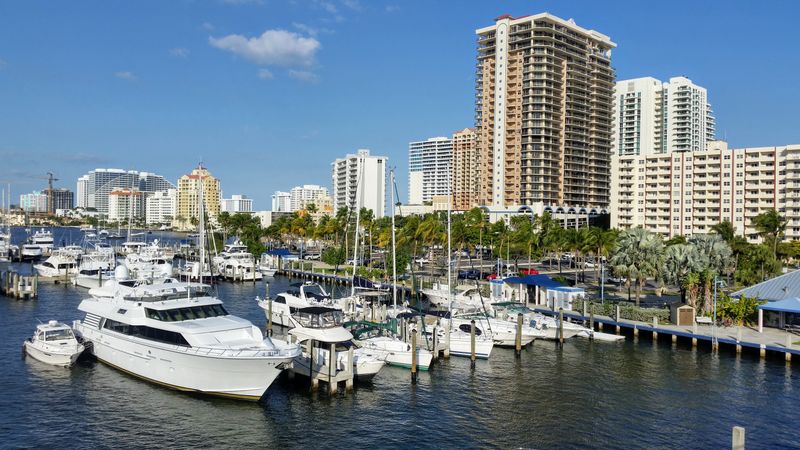
Locals gripe about tourists in rentals mixing with retirees and daily commuters, all under monsoon skies. Downpours appear instantly, wiping visibility while speeds barely change. Intersections feel chaotic with long light cycles and ambitious left turns. Studies often flag Florida for rough driving outcomes.
Insurance rates reflect frequent crashes and a notable share of uninsured motorists. Add beach weekend traffic, spring breakers, and theme park congestion, and patience evaporates. You stay alert for sudden U turns and last second lane dives toward unfamiliar exits. Defensive spacing helps, but gaps invite cut ins.
7. Mississippi
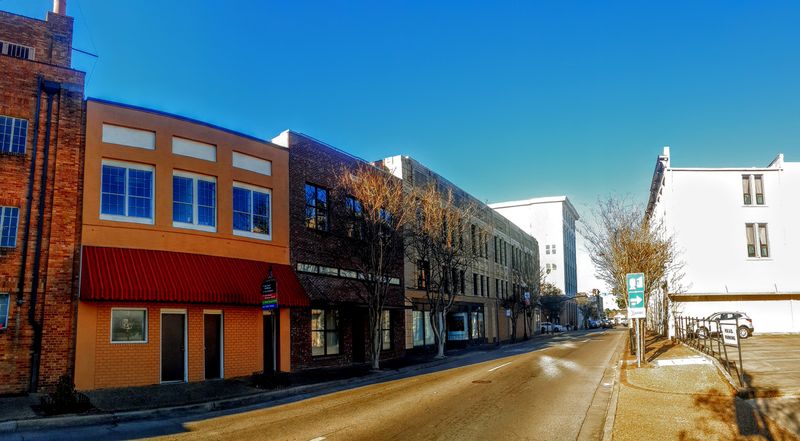
Local drivers talk about aging infrastructure, limited lighting, and high rural speeds. Two lane roads become pressure cookers when passing zones are scarce. Historical studies often place Mississippi near the bottom for safety metrics, with fatalities and uninsured rates fueling concern.
Weather swings from heavy rain to fog across delta plains. You watch for slow farm equipment and sudden turns into gravel drives. Enforcement feels spread thin in remote areas, so risks can compound. Seatbelts and headlights become non negotiables. Patience pays off when a tempting straightaway dares you to pass.
8. Louisiana
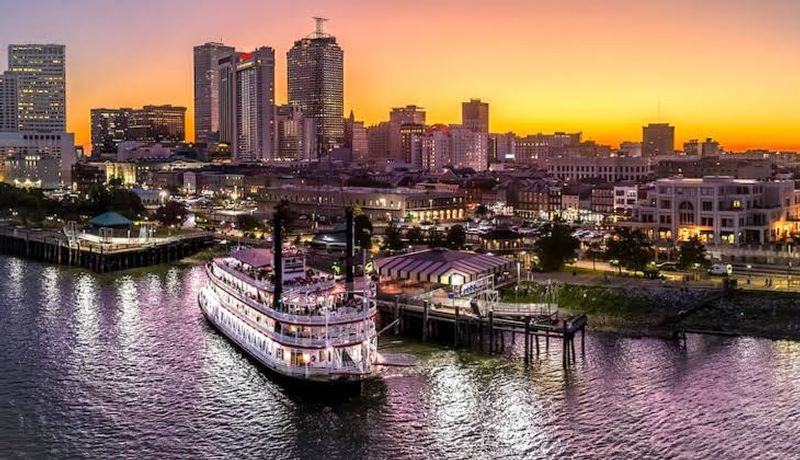
Louisiana locals mention potholes, sudden showers, and a go with the flow attitude that can turn risky. Urban arteries mix tourists with locals who know shortcut patterns. Crash rates and insurance costs remind you the margin for error is thin.
In New Orleans, tight streets and streetcar lines complicate turns. Flooded lanes appear after quick storms, tempting drivers to guess depth. You keep scanning for hidden dips and aggressive merges near bridges. Patience, headlights, and tire awareness matter. The rhythm is expressive, but your situational awareness must be sharper still.
9. South Carolina

Residents point to fast interstates toward the coast, weaving near exits, and distracted drivers during vacation season. Construction zones appear often, shrinking lanes just when traffic peaks. Safety rankings regularly raise eyebrows here, and locals say it matches daily experience.
Rainstorms slick up worn asphalt, and tailgating turns minor taps into multi car messes. You guard your following distance, but someone fills it instantly. Rural cut throughs introduce unexpected farm trucks. Patience helps, yet merge points become contests. Keep your eyes far ahead, because brake lights ripple without warning.
10. Arizona
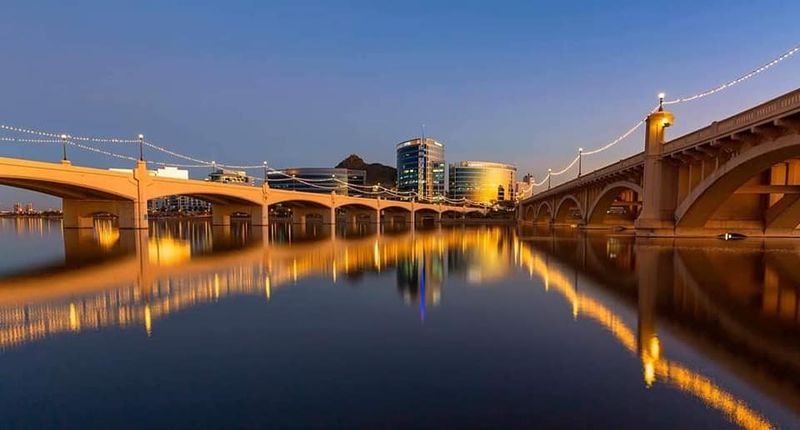
High speeds and wide lanes invite bold moves, locals say, until a dust wall drops visibility to near zero. Sun glare bakes windshields and hides turn signals. Crash clusters near major interchanges are common during rush hour sprints.
Winter brings snowbirds and unfamiliar drivers, while summer heat stresses tires and tempers. You watch mirrors for motorcycles and fast lane closures around construction. When a haboob rolls in, you either exit or pull safely off and kill lights. Those who push on often become headlines. Respect the desert, and you will get home.
11. Texas
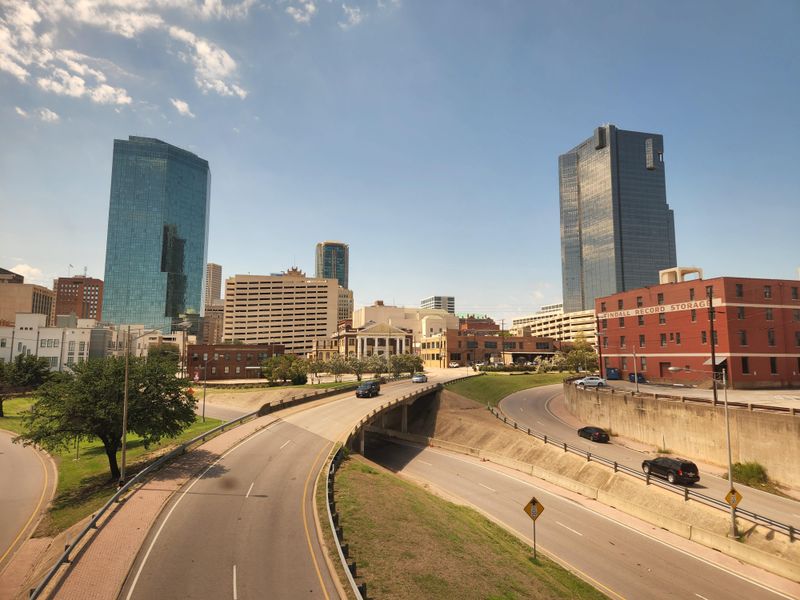
Everything feels bigger, including the risks. Locals talk about intense speed, long commutes, and complex frontage road systems that invite last second decisions. Urban centers add lane closures and impatient merges, while rural corridors stretch fatigue into a real hazard.
Storm cells slam down sheets of rain, and hydroplaning follows. Add lifted trucks with limited rear visibility and you will guard your escape routes. Space equals survival, though gaps get stolen fast. The culture prizes confidence, but humility saves bumpers. Watch for debris and unpredictable exit dives.
12. Nevada

Tourist turnover means many drivers do not know the lanes, and locals say it shows near every resort driveway. Nighttime glare, rideshare swarms, and party buses create chaotic patterns. The freeway feels fast, then jams suddenly behind a missed exit.
In the desert, long hauls invite drowsiness and wildlife surprises. Wind gusts shove high profile vehicles. You plan your exits early and protect your space. Weekend nights demand extra patience as celebrations spill onto the streets. Enforcement is visible but cannot be everywhere. Expect the unexpected after midnight.
13. New Mexico
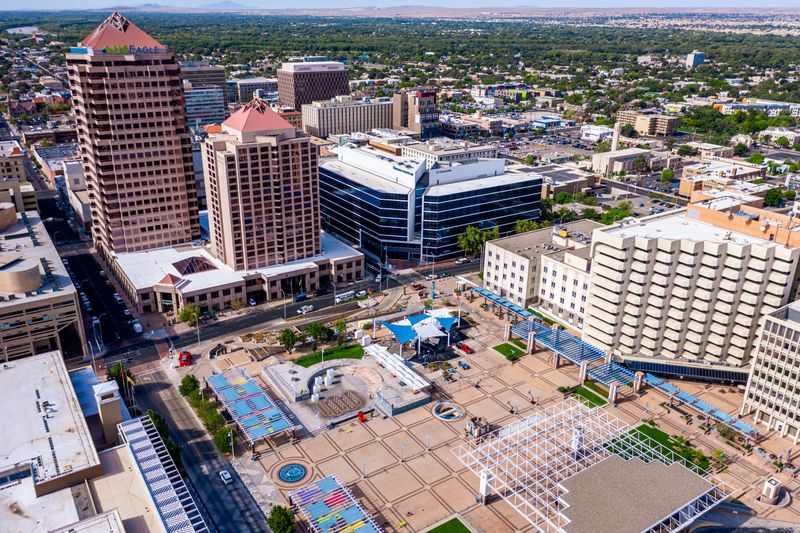
Locals describe vast distances, fatigue, and quick storms that turn dust to slick mud. Passing etiquette matters on two lane stretches where patience wears thin. Crash narratives often include speed, distraction, and surprise wildlife crossings.
Urban corridors are calmer, but aggressive merges happen near short ramps. You watch the horizon for storm build ups and keep water handy. Night driving demands extra caution, because visibility drops and shoulders vanish. The desert rewards steady focus and maintained vehicles. Skipping a fuel stop can become a safety issue fast.



