 Unearth The Voyage
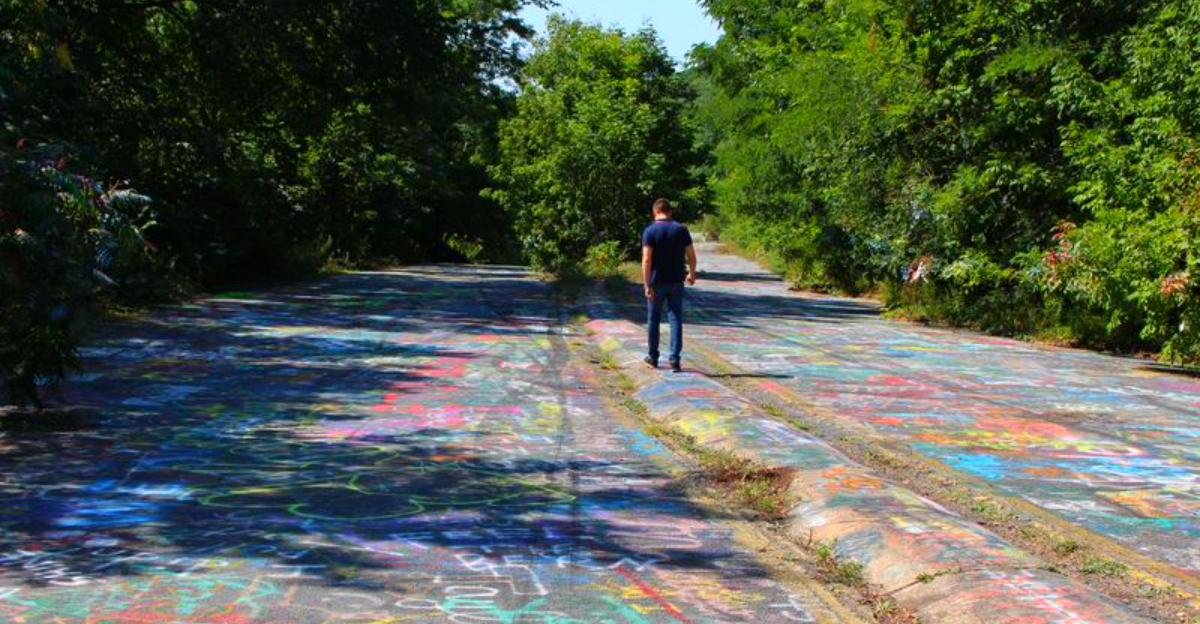
Across America, some towns went quiet almost instantly, as if someone flipped a switch. One day there were busy streets, clattering railcars, and neon diner signs.
Then a fire, a flood, a poison plume, or a sudden economic collapse swept through, and people packed up fast. Walk through these 16 places and you can almost hear what was left behind.
1. Times Beach, Missouri
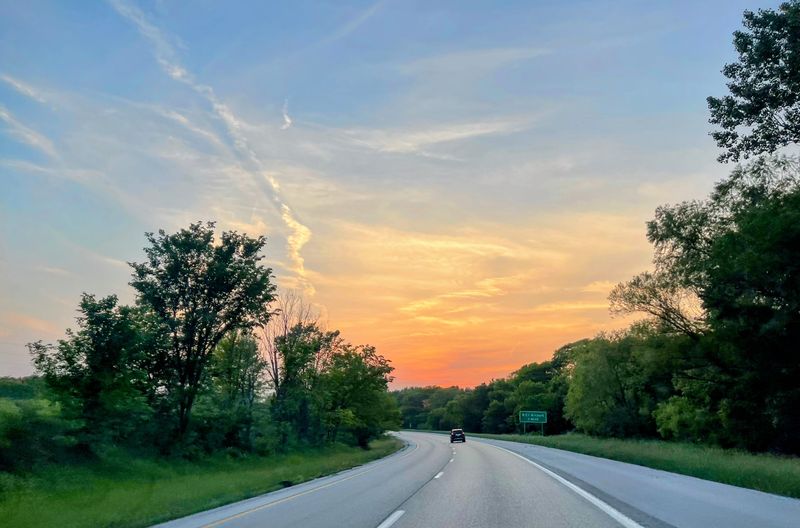
Dust control sounded harmless. A contractor sprayed oil along dirt roads, not realizing it carried toxic dioxin.
Pets died, children got sick, and tests confirmed a townwide contamination that no one could outrun.
Authorities ordered evacuations in the early 1980s, and bulldozers later erased houses. The city was disincorporated in 1985, its residents scattered and address wiped away.
You can stand where streets once ran, reading signs about what was lost, and feel how quickly routine can dissolve when poison gets into the soil under your feet.
2. Kennecott, Alaska
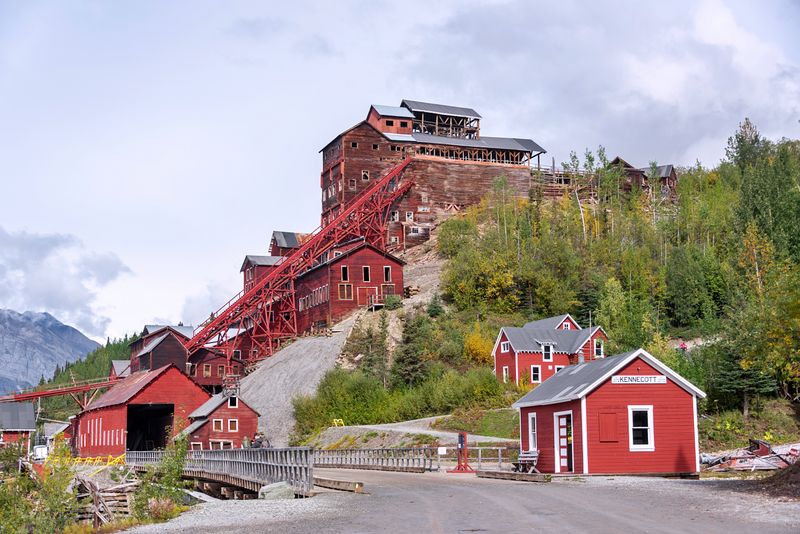
Kennecott rose fast on copper veins and a promise of fortune. Engineers built an audacious mill against a rugged mountainside, feeding ore down chutes while workers braved brutal winters.
When prices fell and the lodes thinned, trains stopped coming and lights went dark.
The remoteness sealed its fate. Families left, leaving ledgers, machinery, and quiet bunkhouses in the cold.
Today you can walk boardwalks under bright subarctic skies, hearing only wind in rafters. The buildings stand like a frozen ledger of profit and departure, proof that even mighty operations can shutter almost overnight when the ore runs out.
3. Rhyolite, Nevada
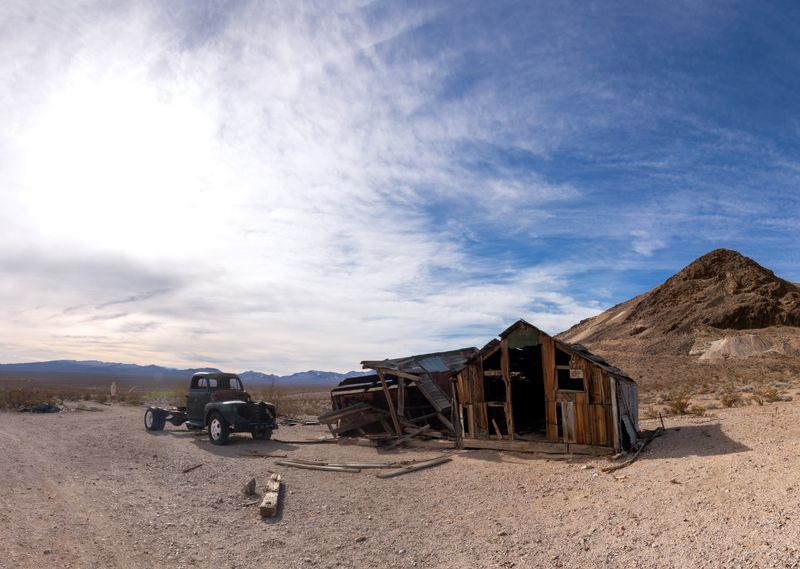
Rhyolite glittered during a short, feverish gold rush. Investors built stone banks, an opera house, and electric lights, betting the future was bright.
Then the ore disappointed, money dried up, and construction stopped almost mid-hammer.
Families loaded wagons and vanished down dusty roads. Today windowless walls frame blue sky, glass bottle walls glow, and a silent rail grade cuts the basin.
You feel how quickly hype turns to hush when capital flees. The desert is patient, and it reclaimed the boomtown with sand, sun, and the long memory of abandoned dreams.
4. Gilman, Colorado
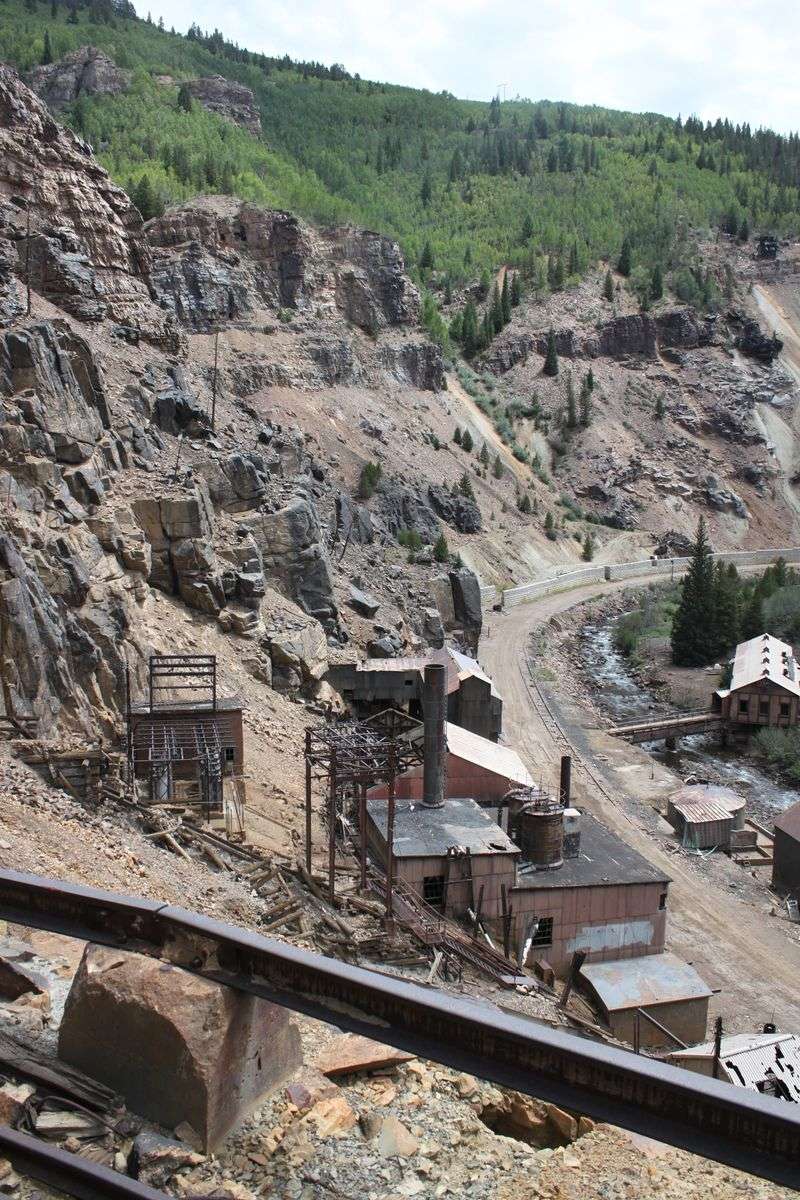
Gilman clings to a cliff like a secret. For decades, miners pulled zinc and lead from the mountain while families built lives along steep streets.
When contamination concerns grew, regulators stepped in and operations halted abruptly.
By the mid 1980s the town was evacuated and fenced. Superfund signs warn you away, and wind whistles through empty windows.
It is the uneasy silence of prosperity turned toxic, a place you view from a distance because the ground and water remember what industry leaves behind when the paychecks stop.
5. Thurmond, West Virginia
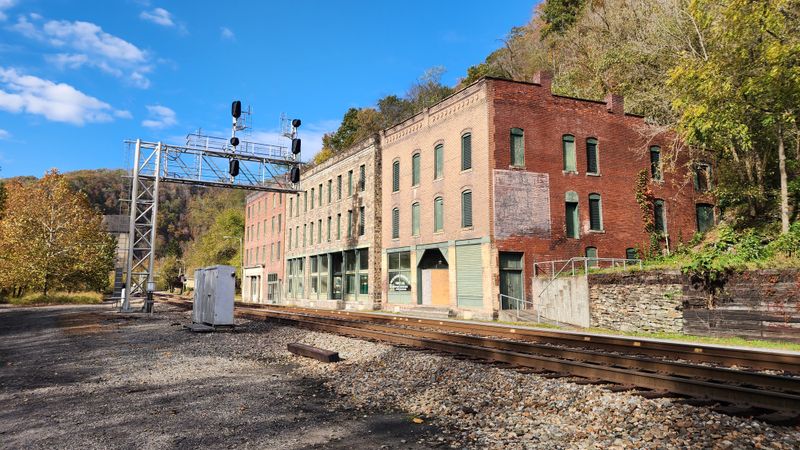
Thurmond lived by the timetable. Coal trains stopped here, hotels bustled, and the depot pulsed with travelers.
When traffic shifted and diesel engines changed routes, business skipped town, leaving storefronts to stare at the tracks.
The National Park Service preserves the bones: depot, towers, and a few proud facades. You can step off a modern platform into yesterday, hearing phantom whistles in the gorge.
People left as quickly as the schedules changed, a reminder that sometimes the end comes not with disaster, but with the quiet re-routing of commerce.
6. Centralia, Pennsylvania
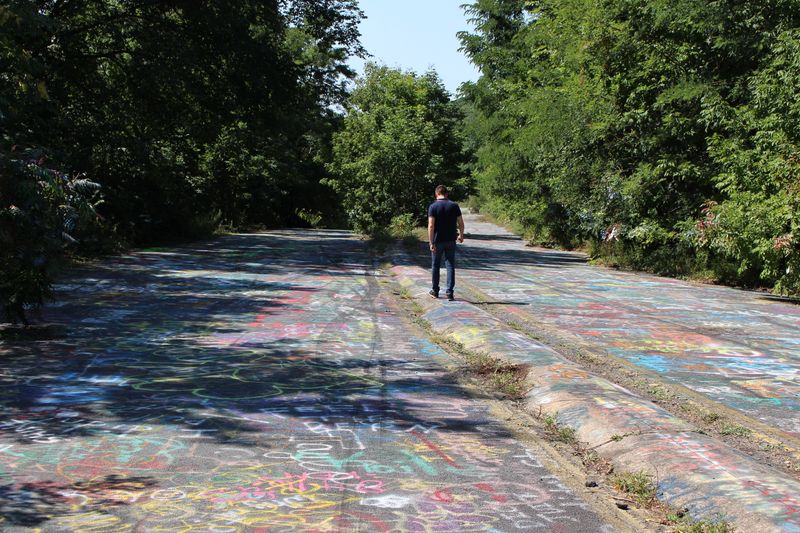
Centralia looks normal until the ground exhales. The coal seam fire that ignited in 1962 still burns beneath streets, warming the earth and cracking pavement.
Fumes seep through fractures, and sinkholes can open without warning, turning sidewalks into hazards.
By the 1980s, evacuations accelerated and homes were bulldozed. Mail service ended, the ZIP code vanished, and the grid was mostly erased.
You can drive nearby, but it is a cautionary lesson in how a single spark can unmake a town almost overnight.
7. Bodie, California
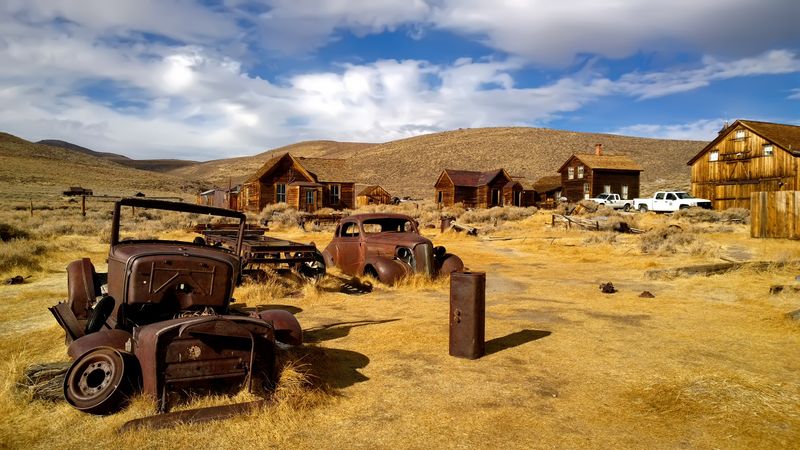
Bodie was rough, rich, and rowdy. Gold pulled people into the thin Sierra air, and violence, fortune, and fever followed.
When fires struck and ore dipped, families drifted away until the last few cared for what remained.
California froze it in arrested decay. Walking past leaning cabins and a silent schoolhouse, you feel departures still echoing between boards.
It did not vanish in one night, but the collapse felt sudden. Harsh winters and dwindling chances can make a town fold faster than anyone expects.
8. Cahawba, Alabama
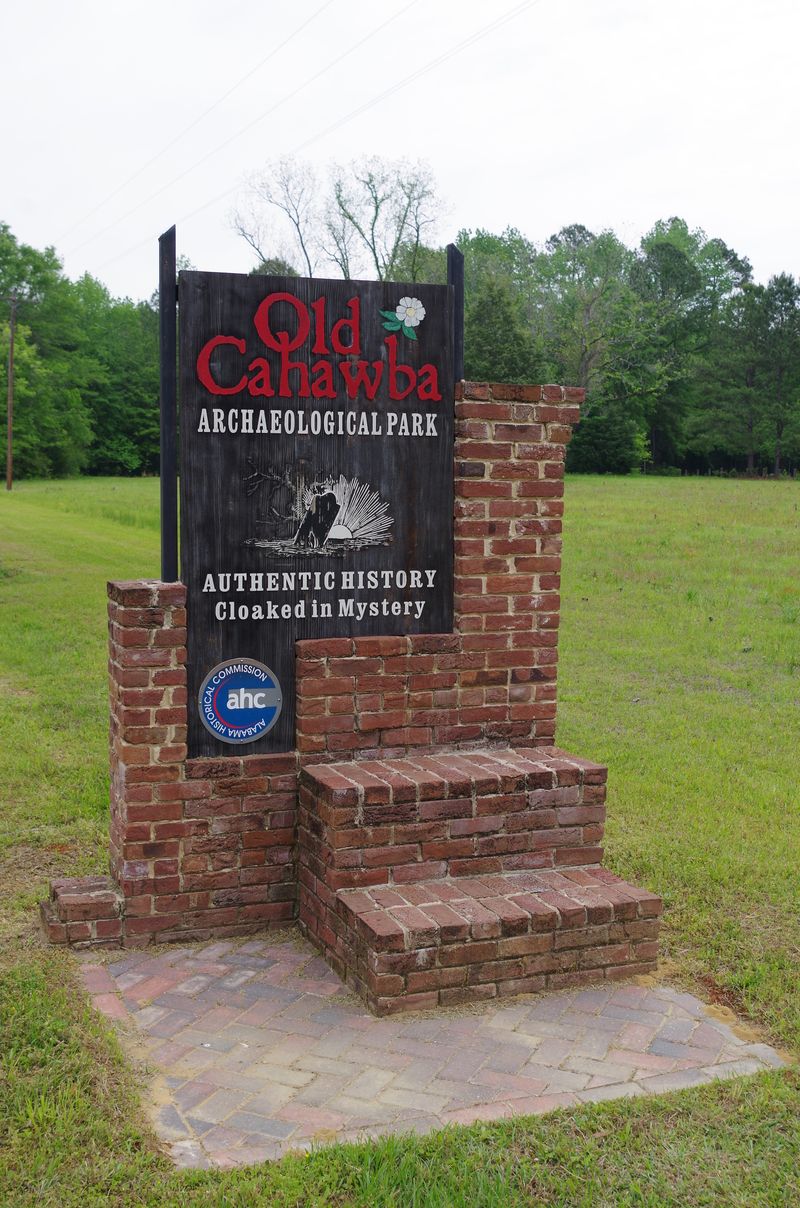
Cahawba wore the crown as Alabama’s first capital, set between rivers that gave life and trouble. Floods soaked streets, fever seasons spread suffering, and political power drifted to higher ground.
Merchants saw the tide turning and left quickly.
Today, brick columns and cemetery stones peek through green. Trails loop past foundations where parlors once hosted arguments and dances.
You can read markers and picture the sudden quiet after lawmakers and shopkeepers packed up. Water rules here, and when it rises, people do not wait long before moving on.
9. Valsetz, Oregon
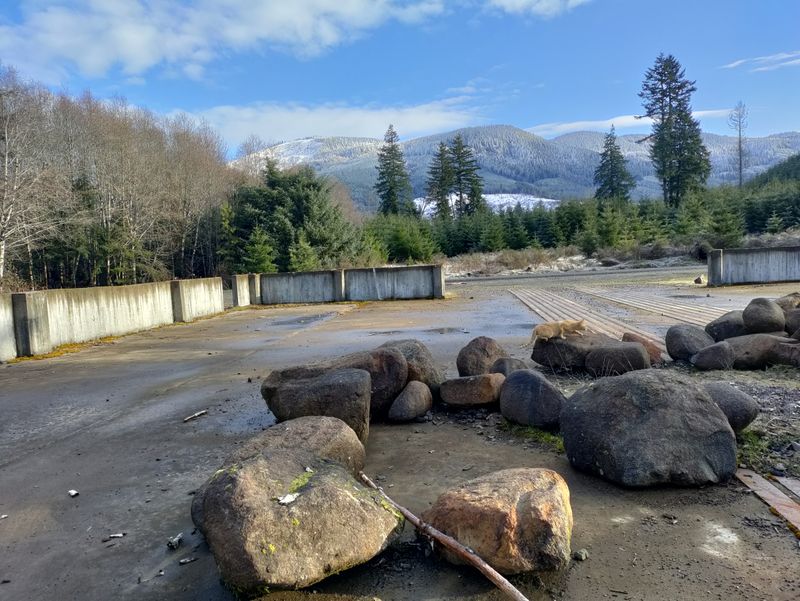
Valsetz existed because timber did. Company houses lined muddy streets, and whistles set the rhythm of daily life.
When the trees thinned and mills slowed, decisions were made in boardrooms far away. In 1984, crews arrived to dismantle almost everything.
Buildings were hauled off, foundations scraped, and a town vanished from maps in a season. You can stand on logging roads and try to place a schoolyard that is only memory now.
Company towns can end as quickly as they start when the resource runs out and spreadsheets say go.
10. Cisco, Utah
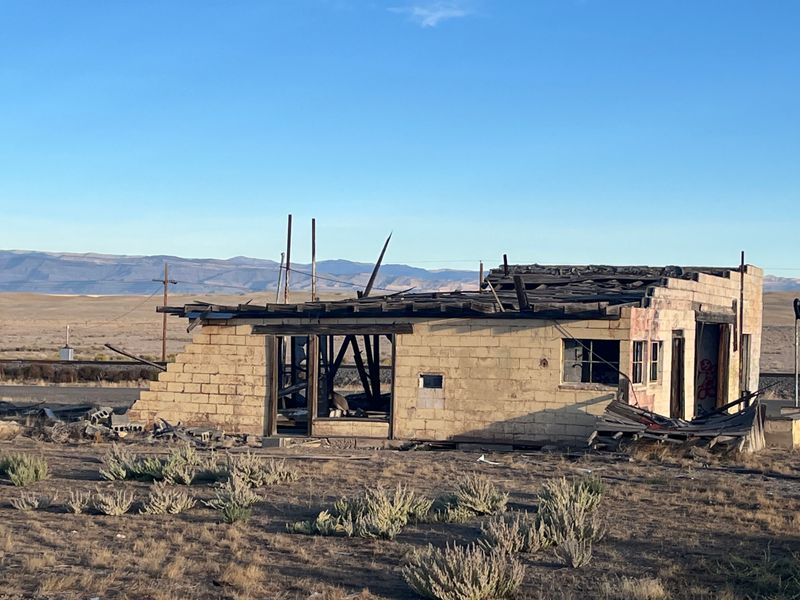
Cisco made a living from trains, sheep, and the road. When rail traffic changed and highways bypassed the pumps, the steady trickle of customers dried up.
Storefronts shuttered quickly, and winds took over the conversation.
What remains is a scatter of cabins, signs fading into the sun, and artful reminders that people tried to stay. You feel the thinness of luck in a place this exposed.
Once the last service closed, last residents left with little ceremony, leaving behind a stage set for tumbleweeds and late afternoon light.
11. St. Thomas, Nevada
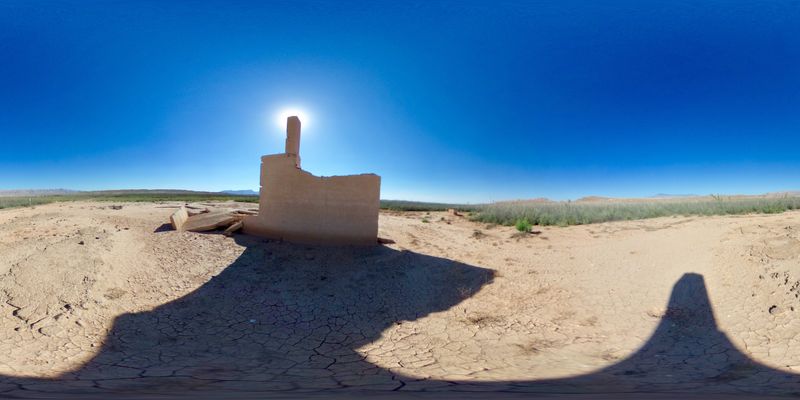
St. Thomas surrendered to water. When Hoover Dam rose, Lake Mead swallowed homes, fields, and footsteps.
Families had days to move, some setting fires to their houses before the lake crept in.
Drought later pulled the curtain back. Foundations and doorways stand again in the desert sun, outlines of a town that once hosted school bells and church suppers.
You walk carefully among stones that remember both flood and thirst. It left quickly because the river said so, and that is a timeline no one negotiates.
12. Drawbridge, California
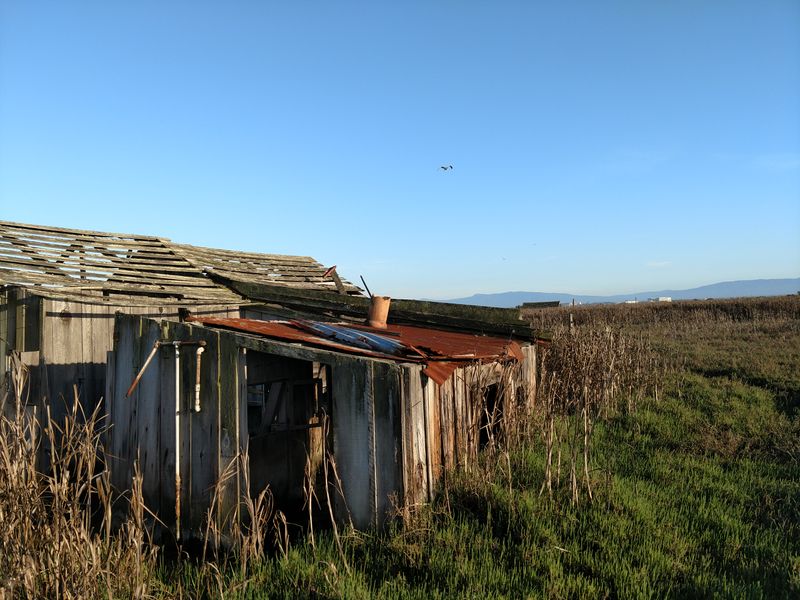
Drawbridge was a weekend frontier for duck hunters and rail workers. Two rail bridges gave it access, and tides gave it trouble.
As marsh levels rose and trains changed, the cabins sagged, and visitors stopped coming.
Without roads or services, the last holdouts left and birds reclaimed the channels. You see warped porches tilting into reeds and feel the hush of fog telling you to tread lightly.
It slipped away not with a crash, but with a slow drowning that finally tipped into overnight emptiness.
13. Elk Falls, Kansas (Partially Abandoned)
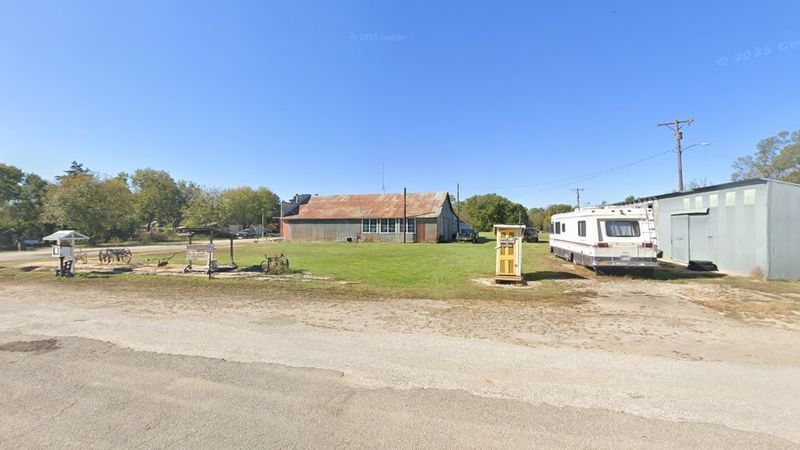
Elk Falls calls itself the world’s largest living ghost town, and it fits. When rail lines rerouted and incentives dried up, businesses shuttered and families packed quickly.
Yet a heartbeat remains in porch conversations and craft fairs.
You can stroll the bridge to the waterfall and feel both absence and pride. Empty buildings share space with stubborn residents who never left.
Overnight decline does not always mean total silence, but it can feel that way on a weekday when the wind owns the street.
14. Dearfield, Colorado
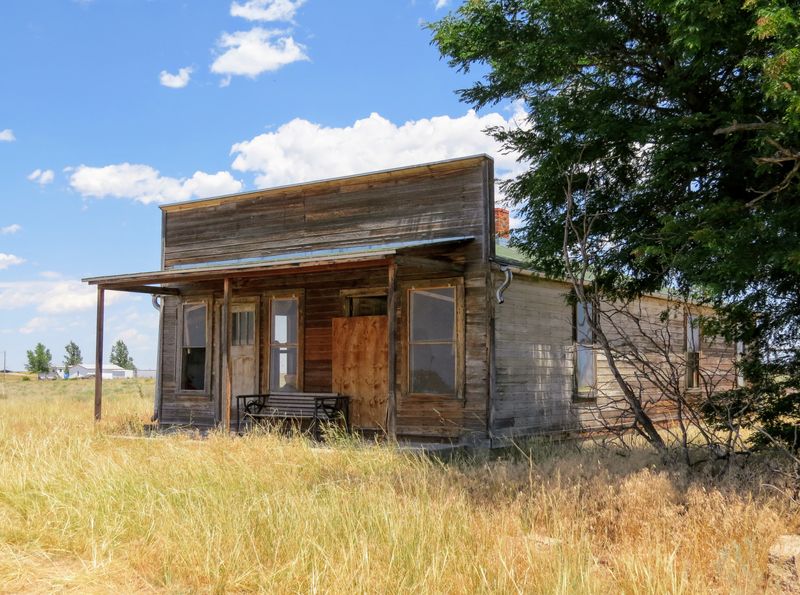
Dearfield began with hope and grit as a Black farming colony on Colorado’s plains. Good seasons proved the promise was real.
Then drought, the Dust Bowl, and the Great Depression arrived in a one-two punch that emptied pantries and pockets.
When harvests failed, people left quickly for cities, chasing work. A few structures still stand, stubborn against winds that never stop.
You can read the optimism in peeling paint and feel the urgency in the departures. Dreams do not always die slowly when the sky stops giving rain.
15. Picher, Oklahoma
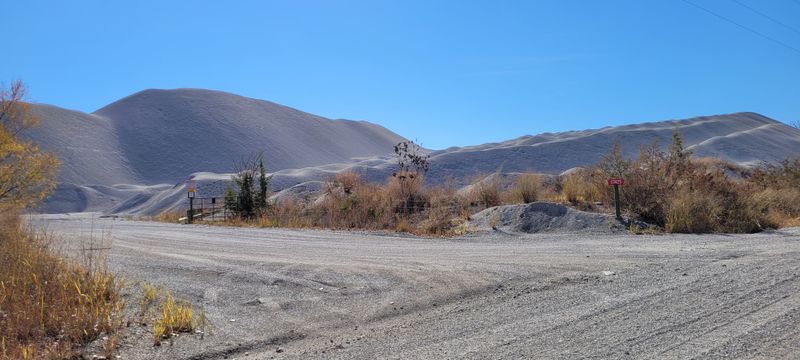
Picher once hummed with lead and zinc. Decades of digging left towering chat piles and poisoned soil.
Kids played on tailings that hid danger in every handful, and sinkholes began swallowing yards.
Buyouts followed tests that showed alarming lead levels. By 2009, most residents were gone, schools closed, and bulldozers worked through neighborhoods.
Driving past, you see earthworks and scars where blocks used to be. It is the kind of exit no one celebrates, a fast retreat from a town that poisoned the people who built it.
16. Garnet, Montana
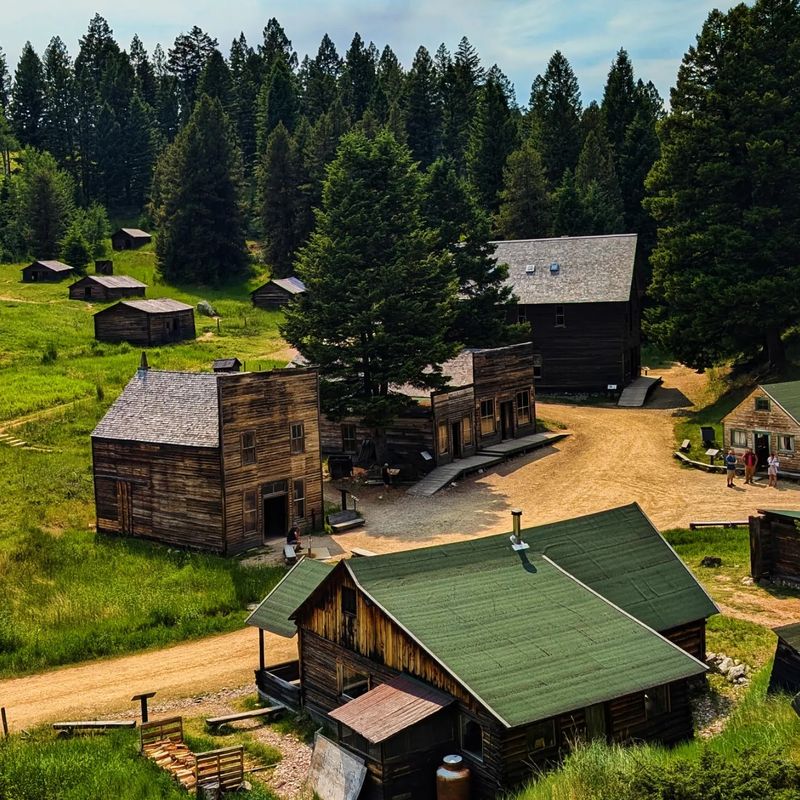
Garnet boomed with hard rock mining and a tight community in a timbered gulch. When veins played out and a fire took key buildings, the population thinned fast.
Winter isolation hurried the exit, leaving dishes, stoves, and letters waiting for no one.
Today caretakers keep it steady in slow decay. Walking among cabins, you hear boots on boards and your breath in thin air.
It feels sudden because the last departures always do. One winter, doors were locked; the next, snow filled the rooms.



