 Unearth The Voyage
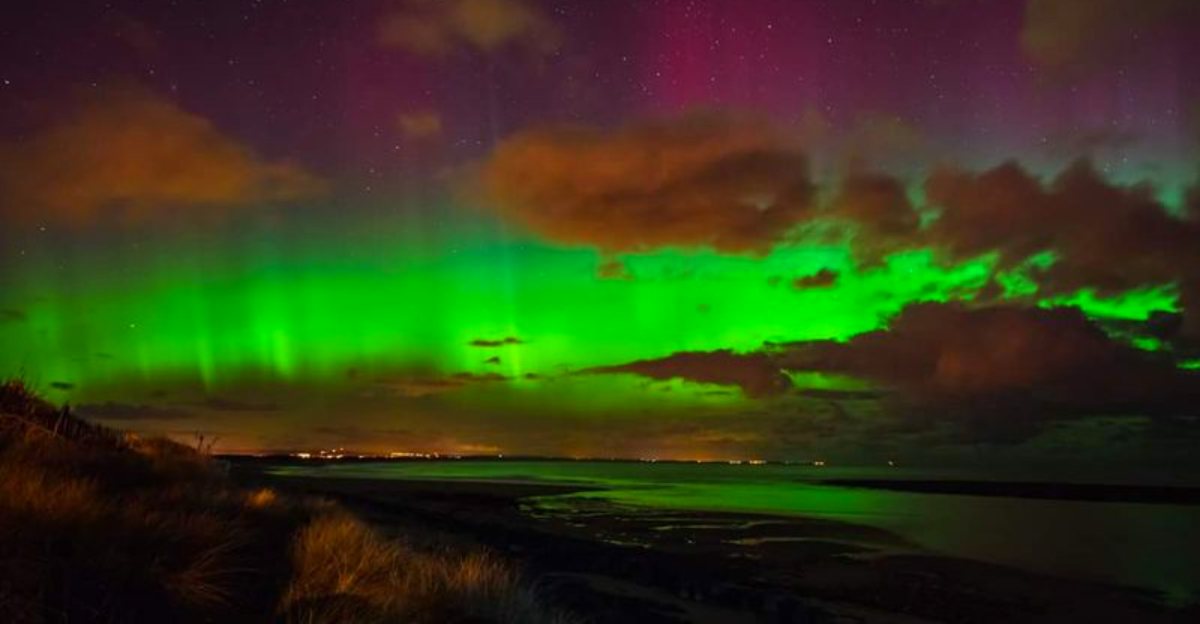
Northumberland, tucked away in England’s far northeast, has earned a reputation as one of the best places in the entire UK to see stars in their full glory. This quiet county combines officially protected dark skies, expert-led observatories, and landscapes so remote that light pollution barely exists.
Whether you’re a complete beginner or a seasoned sky-watcher, Northumberland offers experiences that turn casual curiosity into unforgettable cosmic moments.
1. It’s officially a Gold-Tier Dark Sky Park (and that matters)
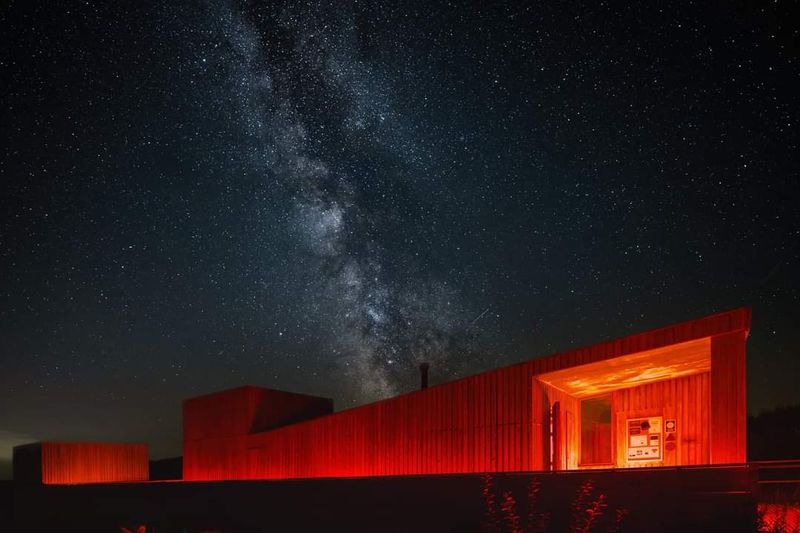
Northumberland’s stargazing fame is not just hype. It is backed by formal International Dark Sky Park Gold Tier recognition.
The combined areas of Northumberland National Park and much of Kielder Water & Forest Park were awarded Gold Tier status in December 2013.
Gold Tier is the highest accolade in this classification system. It signals exceptionally low light pollution and serious long-term commitment to keeping the sky dark.
That official stamp means you are visiting a place that meets rigorous global standards.
2. Low population density keeps light pollution naturally low
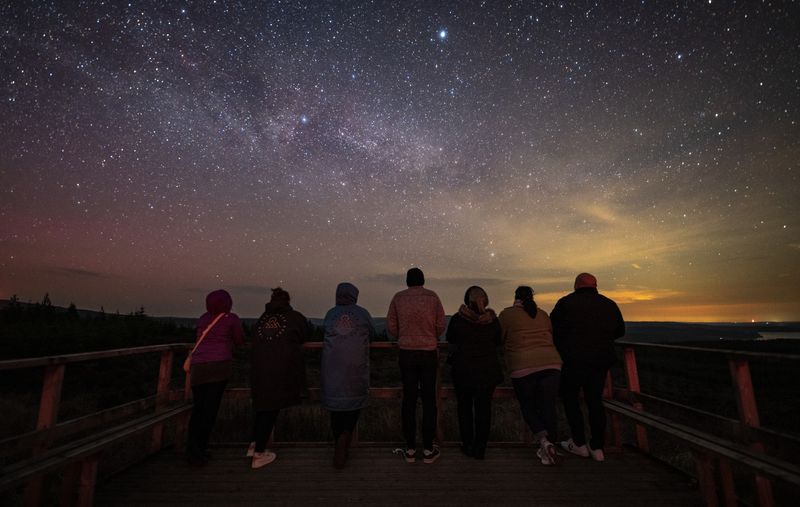
One of the simplest reasons Northumberland works so well is also the hardest to manufacture elsewhere. There just are not many bright, built-up areas spilling light into the sky.
Low population density is a key factor behind the region’s dark-sky status.
Translation: fewer streetlights, fewer glare domes, and more nights where your eyes actually adapt to darkness. The county’s rural character is not just scenic, it is functionally essential for stargazing success.
3. Local partnerships actively protect the darkness
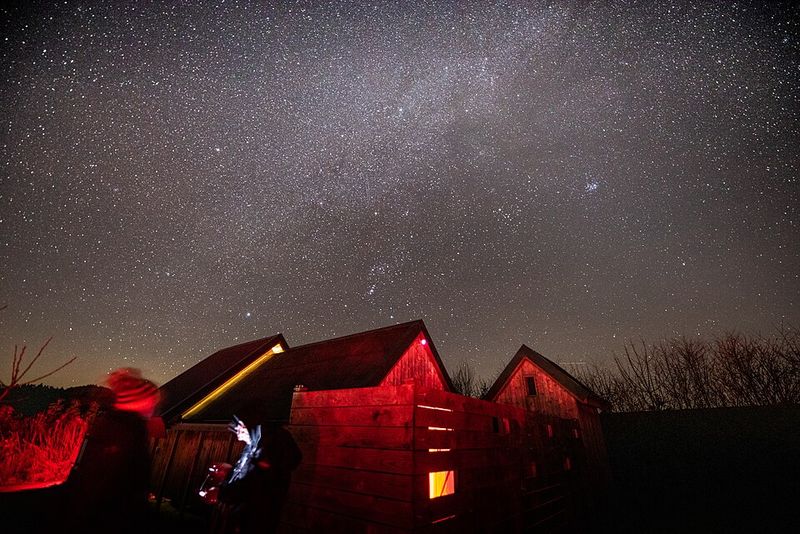
Great night skies do not stay great by accident. In Northumberland, dark-sky protection has been supported by coordinated work with councils and local partners to limit unnecessary lighting and preserve night quality.
That is a big part of why visitors can still find genuinely dark horizons, not just a dark-ish park name on a brochure. These partnerships ensure that new developments follow lighting guidelines.
The commitment is real and ongoing across the entire region.
4. Kielder Observatory is a headline experience, even for total beginners
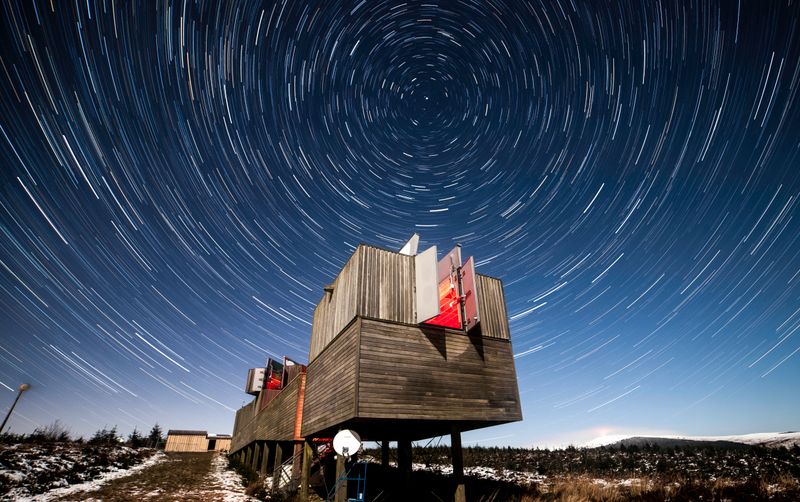
If you want your first wow moment without needing to know anything about telescopes, Kielder Observatory is the anchor attraction. It sits inside the Dark Sky Park and is widely positioned as a top place to experience the night sky.
You are not left alone in the cold guessing what you are seeing. Teams guide you through planets, nebulae, and star clusters with real equipment and real explanations.
Complete novices leave feeling like they have genuinely discovered something amazing.
5. The observatory’s location is deliberately remote (in the best way)
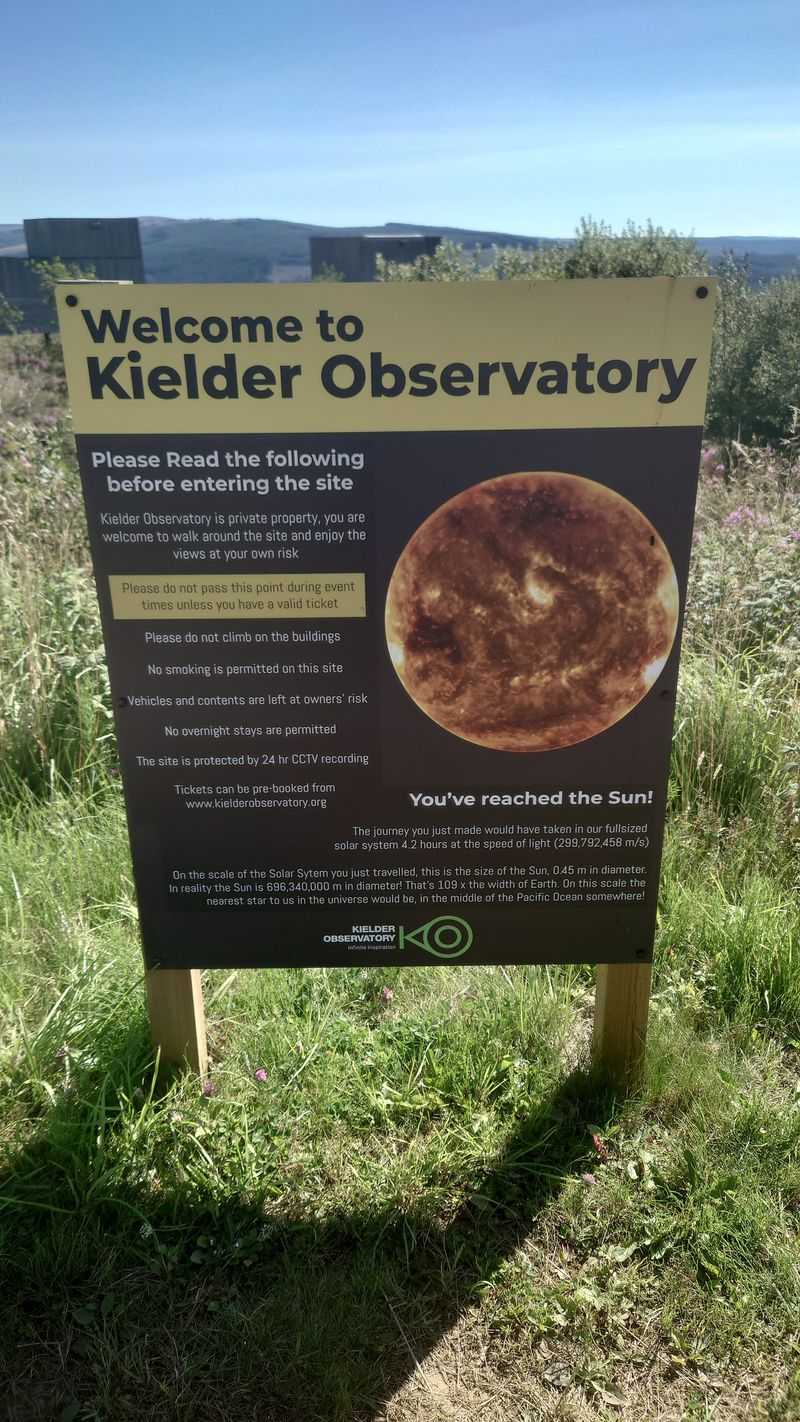
Kielder Observatory is reached via a track and sits at around 1,200 feet elevation, away from distracting light sources. Exactly what you want for clearer skies.
In practical terms: darker surroundings, better contrast, and a stronger chance of seeing faint detail like the Milky Way’s structure. The remoteness is not a bug, it is the entire feature.
Getting there takes a little effort, but that isolation is precisely why the views are so breathtaking and unobstructed.
6. You can still have a great night even when clouds ruin the plan
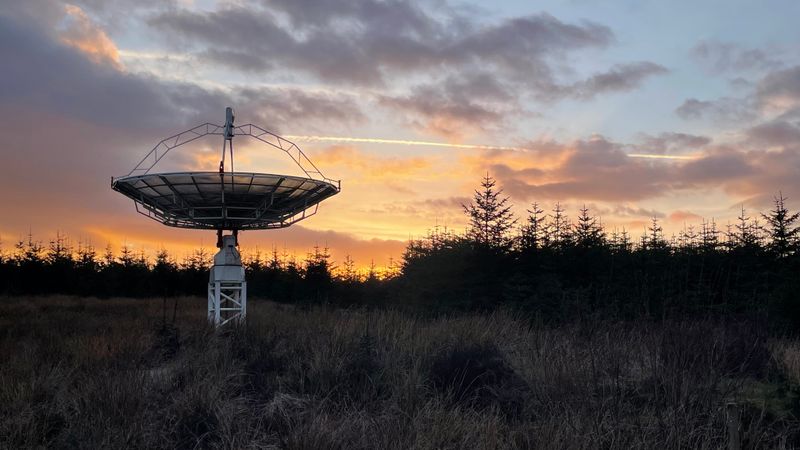
One underrated reason Northumberland is a smart stargazing trip: venues plan for reality. If it is overcast, Kielder runs a cloudy-night style experience using tools like Stellarium to show what would be overhead in real time and to teach you how to navigate the sky.
So instead of welp, guess we are done, you get a guided crash course. You are ready to make the most of the next clear window, armed with knowledge and confidence.
7. There are serious telescopes, not just casual sky-watching
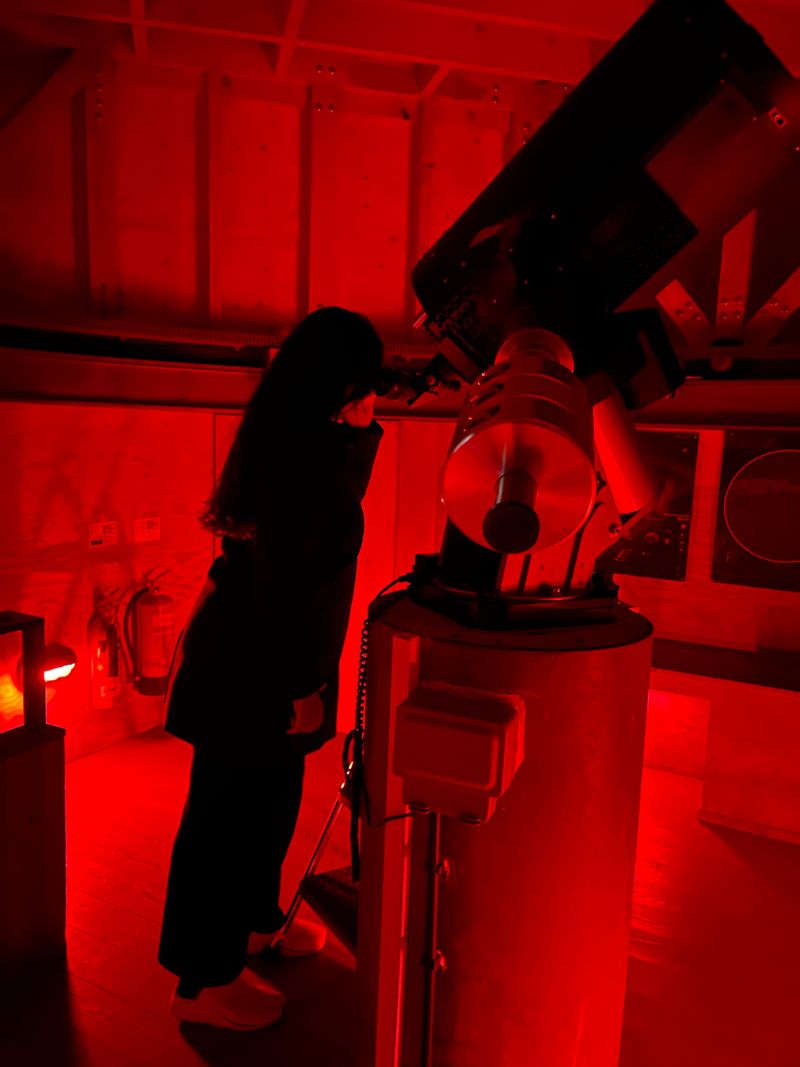
Kielder’s experiences can include high-end kit, including large telescopes used for deep-sky viewing on clear nights. Significant, professional-grade equipment is being used in guest sessions.
If you have only ever seen Saturn in a blurry phone photo, this is where your expectations get rewritten. You will see planetary rings, moon craters, and distant galaxies with clarity that feels almost unreal.
The equipment quality transforms casual interest into genuine awe.
8. There are hundreds of events meaning you can fit it into your trip
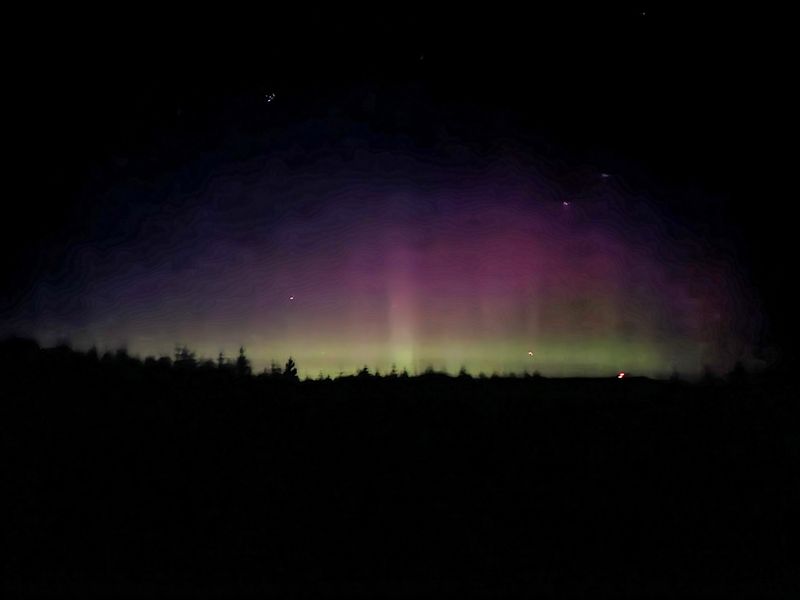
It is not a maybe it is open kind of place. The observatory now runs well over 700 events per year, far beyond what was initially expected.
That volume matters for travelers: more dates, more options, and a better chance of grabbing a session that matches your schedule. You do not have to plan your entire vacation around one single stargazing slot.
Flexibility makes the experience accessible and stress-free for visitors.
9. You’re not limited to one venue – Northumberland has a whole stargazing network
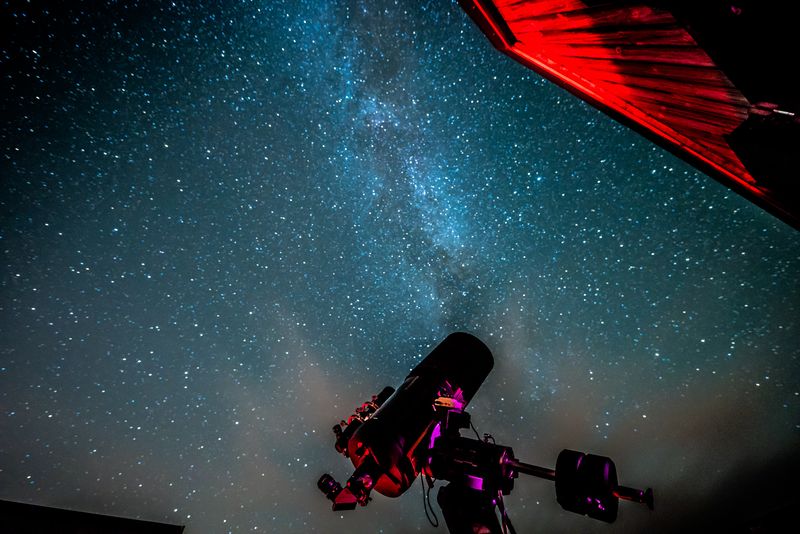
Kielder is the star (pun intended), but it is not the only stage. Northumberland National Park highlights multiple dedicated stargazing venues and experiences across the region, including Battlesteads and Twice Brewed Stargazing.
That variety is huge: you can do a guided observatory night one evening and a self-guided pull up and look up session the next. The network means you can explore different atmospheres, landscapes, and styles all within the same trip.
10. You can pair stars with iconic landscapes like Hadrian’s Wall

Northumberland’s night skies come with dramatic ground scenery, especially around the Hadrian’s Wall corridor. National Geographic specifically spotlights the Twice Brewed area near Hadrian’s Wall as part of the region’s growing astro-tourism scene.
This is where your stargazing photos stop looking like random field and start looking like a movie still. Ancient Roman ruins silhouetted against the Milky Way create an unforgettable visual and emotional experience that blends history with cosmic wonder.
11. Twice Brewed adds a planetarium + guided sessions for a different vibe
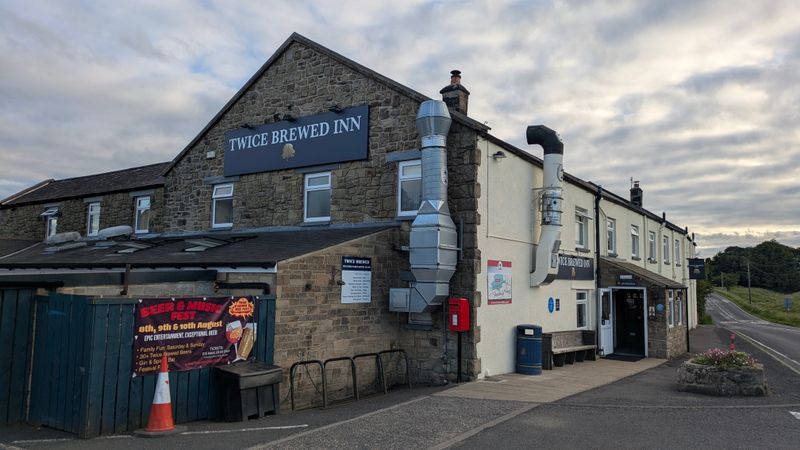
For a more social, indoors-to-outdoors experience, Twice Brewed Inn has developed a planetarium-style offering and stargazing events with portable telescopes.
It is a great choice if you want a structured evening and a pint before stepping outside to scan the sky. The combination of cozy pub atmosphere and expert-led stargazing makes for a uniquely British astro-tourism experience.
You get warmth, community, and cosmic views all in one night.
12. The best seasons are built into the calendar: autumn and winter
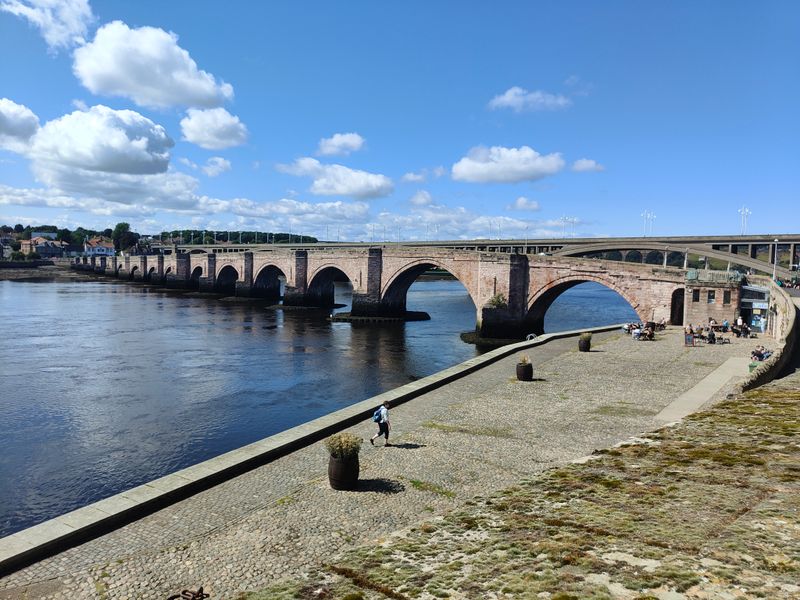
You can stargaze year-round, but if your goal is maximum darkness for the longest hours, aim for the colder months. Visit Northumberland recommends autumn and winter as prime months because darkness arrives earlier and stars appear brighter.
Bonus: you are more likely to catch longer observing sessions without staying up until a painfully late hour. The crisp cold air also tends to be clearer, reducing atmospheric haze and improving visibility for detailed celestial observations.
13. The region gives you a simple, proven stargazing checklist
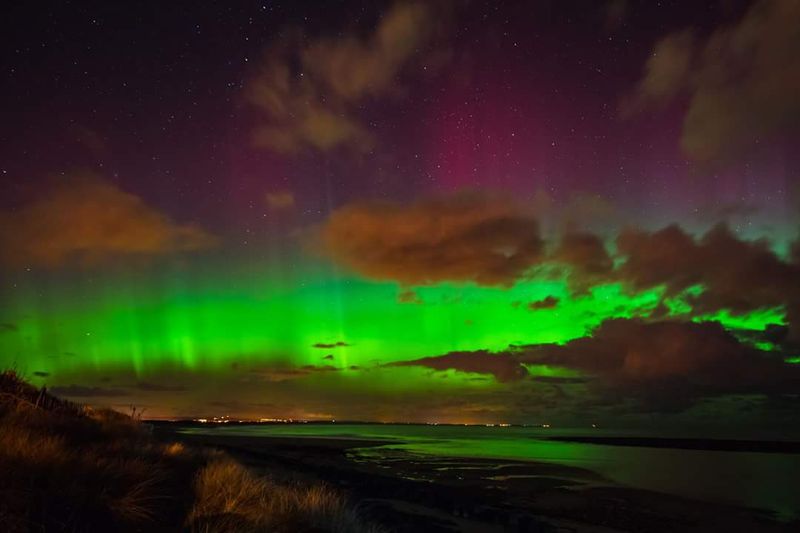
Good sky plus bad prep still equals a disappointing night. Local guidance emphasizes practical basics like warm clothing and hot drinks, a red-light torch (helps preserve night vision), and binoculars (often recommended around 10×50) or a telescope if you want deeper objects.
This is the difference between I think I saw something and I cannot believe that is real. Proper preparation transforms your experience from uncomfortable confusion to comfortable wonder under Northumberland’s magnificent skies.



