 Unearth The Voyage
Most travelers stick to the same famous landmarks, snapping photos at spots millions of people visit every year. But some of the best experiences in America are hiding in plain sight, tucked into back alleys, beneath city streets, and behind unmarked gates.
I once stumbled onto a hidden staircase in New York City and felt like I had discovered a secret the whole city was keeping. This list is your cheat sheet to the coolest, weirdest, and most underrated spots across the country.
Eastern State Penitentiary – Philadelphia, Pennsylvania
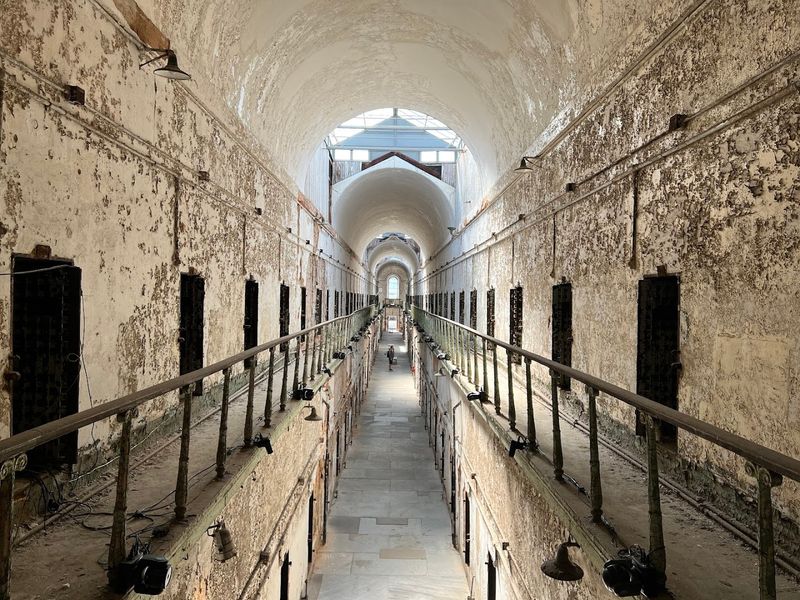
Few buildings in America carry as much weight as Eastern State Penitentiary. Opened in 1829, it once held Al Capone and was considered the most expensive building in the country at the time.
Today, it stands as a crumbling, atmospheric museum that pulls you straight into history.
The cellblocks are left intentionally deteriorating, which makes the whole place feel eerily cinematic. Exhibits tackle the serious realities of the U.S. prison system in ways that are thought-provoking without being preachy.
It is history that actually sticks with you.
The Halloween Terror Behind the Walls event is legendary in Philly. But even a daytime visit is genuinely unforgettable.
Admission is affordable, parking nearby is manageable, and guided audio tours are available. If you are visiting Philadelphia and skip this, you are truly missing out on something special.
Fairmount Park’s Hidden Trails – Philadelphia, Pennsylvania
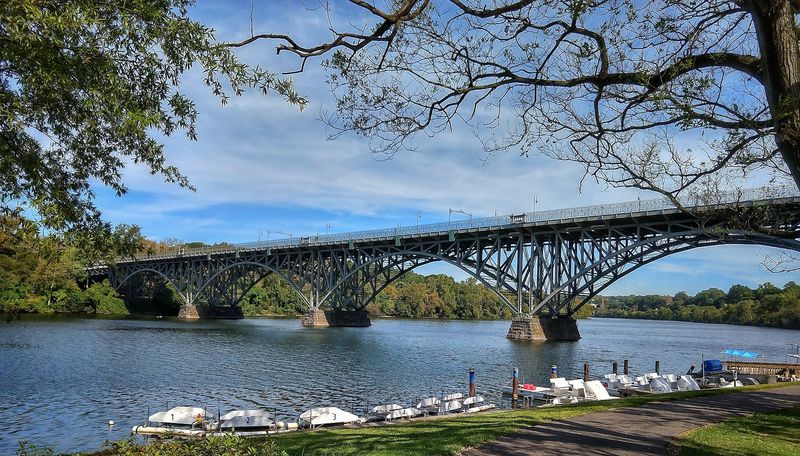
Most people know Fairmount Park as a big green space near the art museum. What they do not know is that tucked behind the lawns are miles of forested trails leading to crumbling ruins, creek crossings, and complete urban silence.
It genuinely feels like leaving the city behind.
The Wissahickon Valley section is the real gem here. Trails wind through dense woodland where you can spot herons, foxes, and wildflowers just minutes from busy Philadelphia streets.
A few historic covered bridges and old mill ruins add a storybook quality to the whole thing.
Wear solid shoes because some trails get muddy after rain. Dogs are welcome on most paths, which makes it even better.
Parking is free at several entry points. I went expecting a casual walk and ended up spending four hours completely absorbed.
This park deserves way more attention than it gets.
Secret Neighborhood Walks – San Francisco, California
San Francisco gets reduced to cable cars and the Golden Gate Bridge in most travel guides. But the city’s neighborhoods are where the real magic lives.
The hidden stairway gardens are a perfect example of something locals treasure and tourists almost never find.
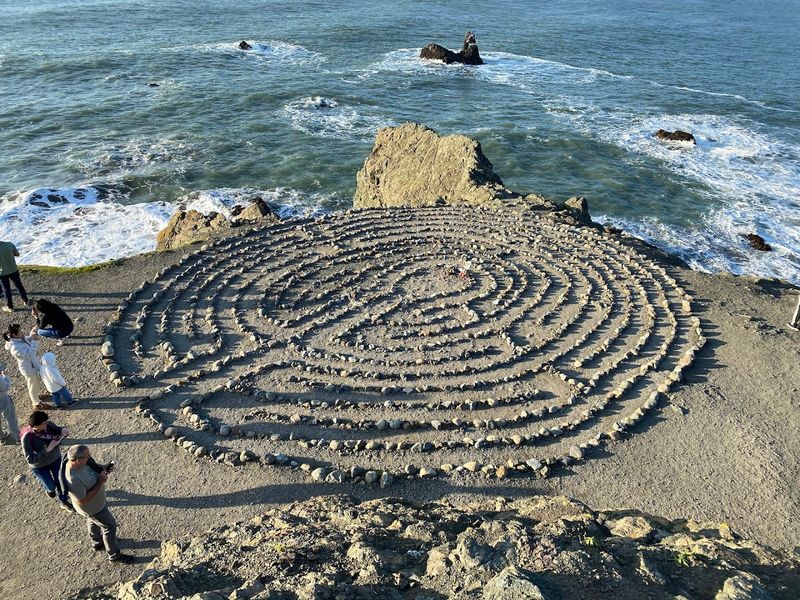
The 16th Avenue Tiled Steps are a jaw-dropping mosaic staircase built by neighborhood volunteers and covered in thousands of hand-painted tiles. Nearby, the Lands End Labyrinth sits on a clifftop with views that will genuinely stop you mid-step.
Neither spot requires a reservation or an entry fee.
The best strategy is to grab a map of San Francisco’s hidden staircases and plan a self-guided walking tour. Wear comfortable shoes because the hills are no joke.
Most of these spots are in residential areas, so keep the noise down and be respectful. The reward is a version of San Francisco that feels entirely your own.
Allen Park (Hobbitville) – Salt Lake City, Utah
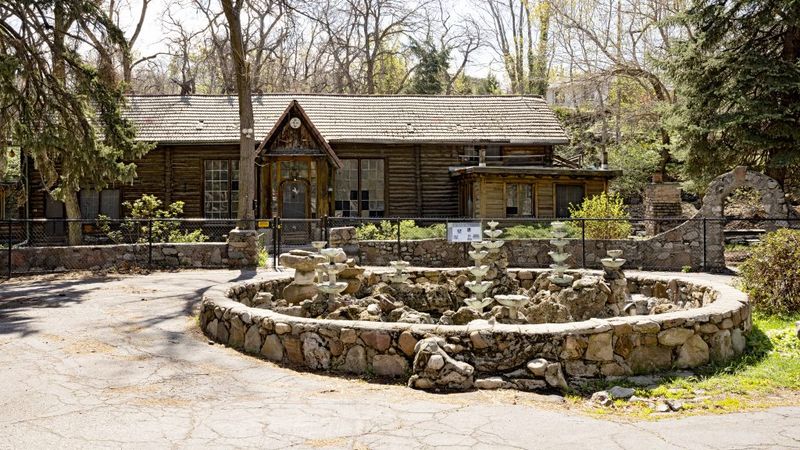
Hobbitville is exactly as delightful as it sounds. Tucked into the foothills of Salt Lake City, Allen Park is a quirky collection of 1930s stone cabins, folk art, and woodland paths that genuinely feels like a place a hobbit would retire to.
It is completely free to visit.
The park was built by a man named Thomas Child during the Great Depression using stones from the surrounding mountains. He filled it with handcrafted sculptures and whimsical structures that have been lovingly maintained ever since.
The whole place has this warm, handmade quality that big tourist attractions simply cannot replicate.
It is small enough to explore in under an hour, which makes it perfect for a spontaneous detour. Kids absolutely love it, but adults tend to linger longer than expected.
If you are in Salt Lake City and want something genuinely offbeat, Hobbitville delivers every single time without fail.
Murals and Alleyways of the Arts District – Los Angeles, California

LA’s Arts District used to be a forgotten warehouse zone. Now it is arguably the most visually exciting neighborhood in the entire city.
Every block feels like flipping through a massive art book, except the pages are building-sized and painted by world-class artists.
Wander down any alley and you will find murals that range from hyper-realistic portraits to abstract explosions of color. A few key spots, like the Hauser and Wirth gallery and Bestia restaurant, anchor the neighborhood, but the real draw is just walking around with no plan.
Getting a little lost here is actually the goal.
The best time to visit is on a weekend morning before the crowds arrive. Coffee shops and small galleries open early, making it easy to spend a whole morning exploring.
Street parking exists but fills up fast. The Arts District proves that the most impressive galleries in LA do not charge admission.
Underground City – Seattle, Washington
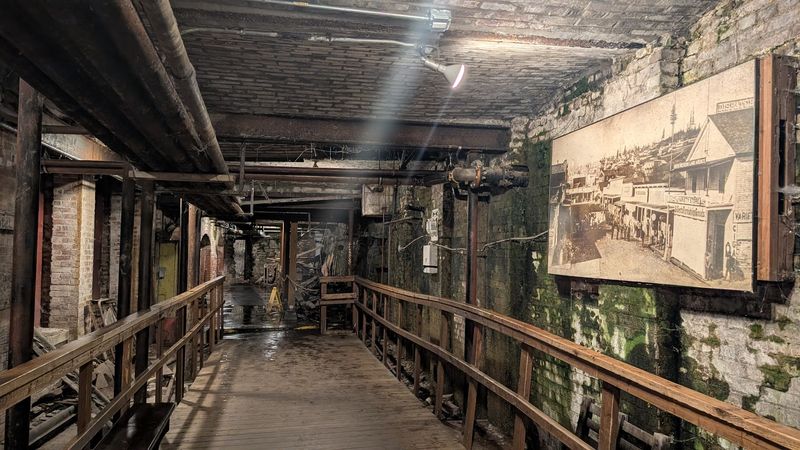
Seattle literally has a whole city underneath it. After a massive fire destroyed the original downtown in 1889, the city was rebuilt one story higher, leaving the original streets and storefronts buried underground.
Bill Speidel’s Underground Tour has been taking visitors down there since 1965.
The tour is funny, historically rich, and genuinely surprising. Guides tell stories about the city’s rowdy early days with a sense of humor that keeps the whole group laughing.
The underground passages are well-preserved, and seeing original storefronts frozen in time is a strange and wonderful experience.
Tours run daily and last about 75 minutes. Tickets are reasonably priced and easy to book online.
The tour starts in Pioneer Square, which is itself a great neighborhood to explore before or after. Seattle’s underground is one of those attractions that sounds gimmicky on paper but ends up being one of the most memorable things you do in the city.
The Neon Boneyard – Las Vegas, Nevada
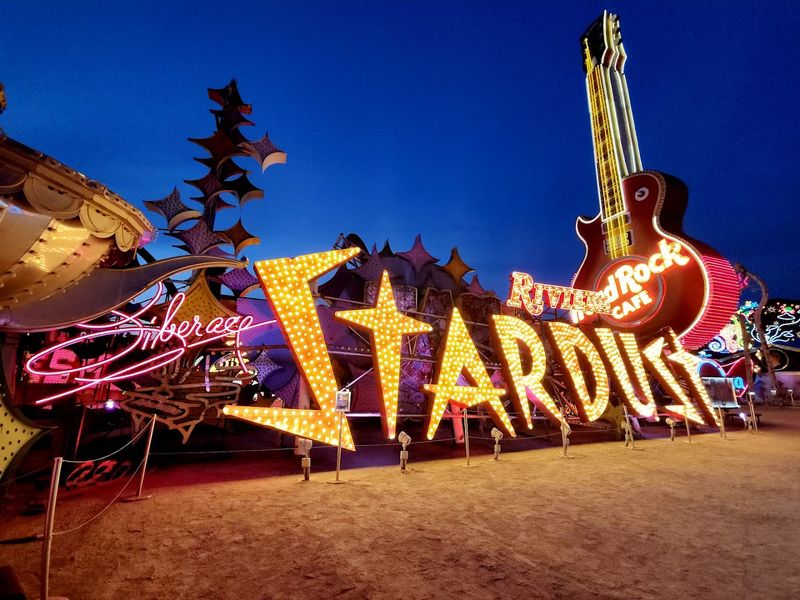
Vegas is famous for its lights, but the Neon Boneyard is where the old lights go to retire in style. The Neon Museum collects and restores vintage signs from demolished casinos and businesses, displaying them in an outdoor boneyard that is part art installation, part time machine.
Signs from the Stardust, the Moulin Rouge, and Binion’s Horseshoe stand side by side in the desert air. At night, the illuminated tour transforms the whole space into something genuinely magical.
The contrast of neon glow against the dark sky is the kind of visual that burns into your memory.
Daytime tours are cheaper and give a more detailed historical experience. Night tours sell out fast, so book well in advance.
The museum is small enough to cover in 90 minutes but rich enough that you will wish it were longer. Skip the casino floor for one evening and visit this instead.
You will not regret it.
Zapata Falls – South of Denver, Colorado
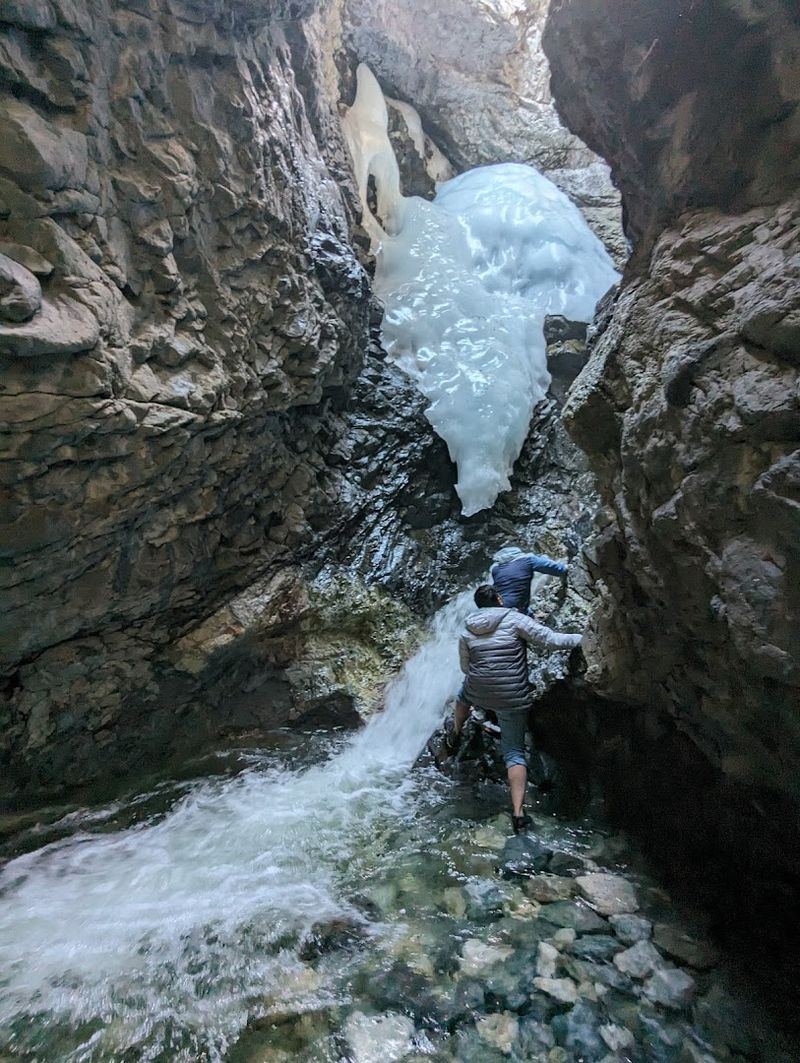
Most Colorado waterfalls require a serious hike to earn. Zapata Falls near the Great Sand Dunes rewards you after just a short 15-minute walk, making it one of the best effort-to-payoff ratios in the entire state.
The catch is that the final approach requires wading through ankle-deep icy water through a narrow canyon slot.
The waterfall itself drops about 25 feet inside a tight rock cleft, creating a roaring, mist-filled chamber that feels completely hidden from the outside world. In summer, the cold water is a welcome shock.
In winter, ice formations turn the whole canyon into a frozen sculpture gallery.
Waterproof shoes or sandals are a must. The parking area is free and the trail is straightforward.
Kids handle it well as long as adults help with the water crossing. Zapata Falls gets far fewer visitors than nearby Great Sand Dunes National Park, which makes the whole experience feel like a private discovery.
Cathedral of Junk – Austin, Texas
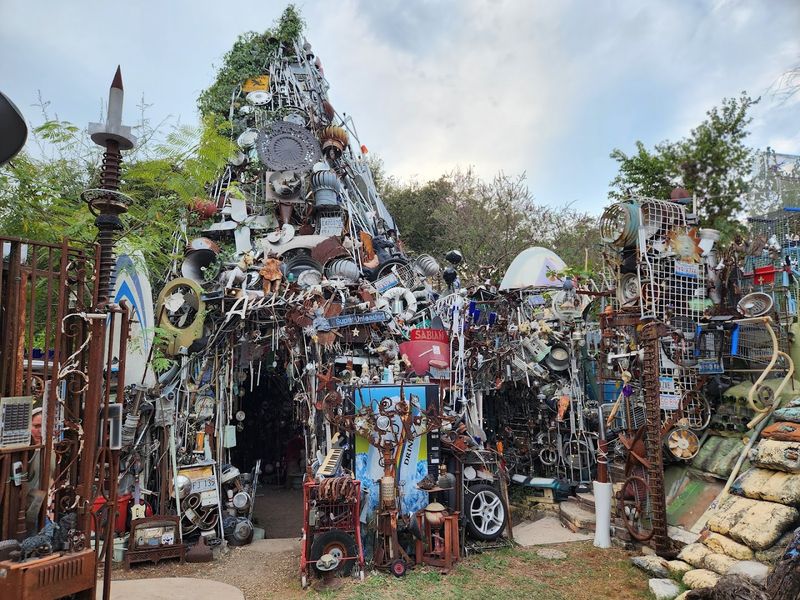
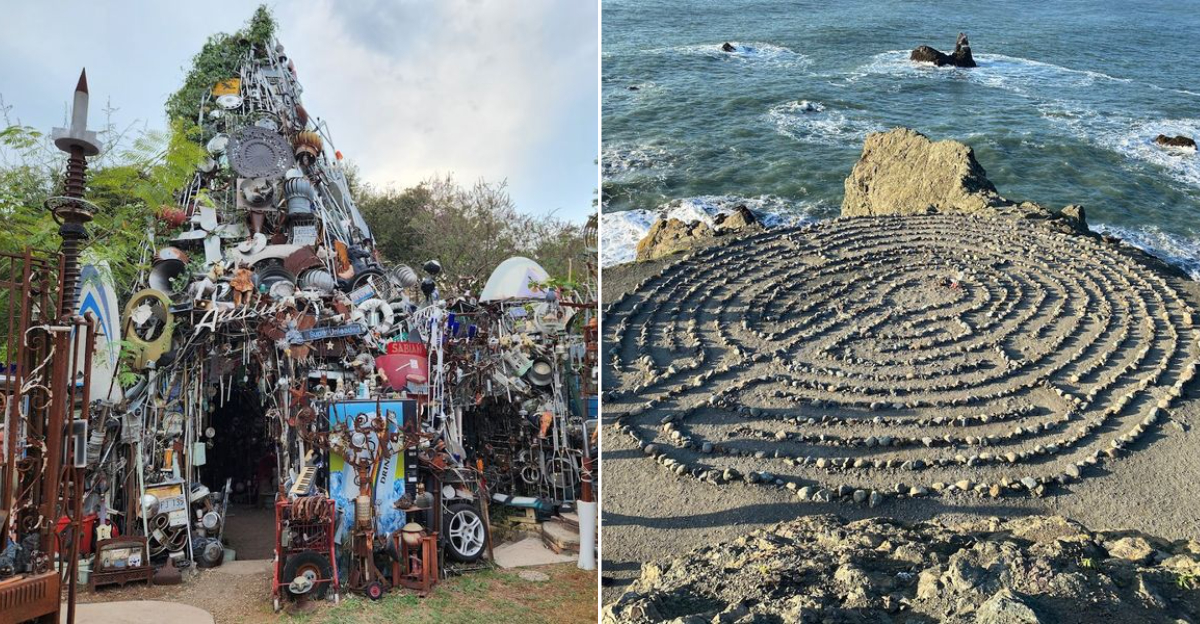
Vince Hannemann started building his Cathedral of Junk in 1988 with no master plan and no budget. What exists today in his South Austin backyard is a multi-story sculpture made from over 60 tons of found objects, including bicycles, televisions, CDs, toys, and things that defy easy description.
It is completely absurd and completely brilliant.
Arches, towers, and tunnels wind through the structure, which visitors can actually walk through and climb inside. Every surface tells a different story.
The whole thing has survived city permit battles, storms, and skeptics, which somehow makes it even more impressive.
Visits are by appointment only, so check the Cathedral’s social media pages before showing up. Admission is free, though donations are appreciated.
This is not a polished tourist attraction with gift shops and audio guides. It is one person’s wild creative vision made real, and that makes it one of the most honest attractions in America.
The Wave Garden – Minneapolis, Minnesota
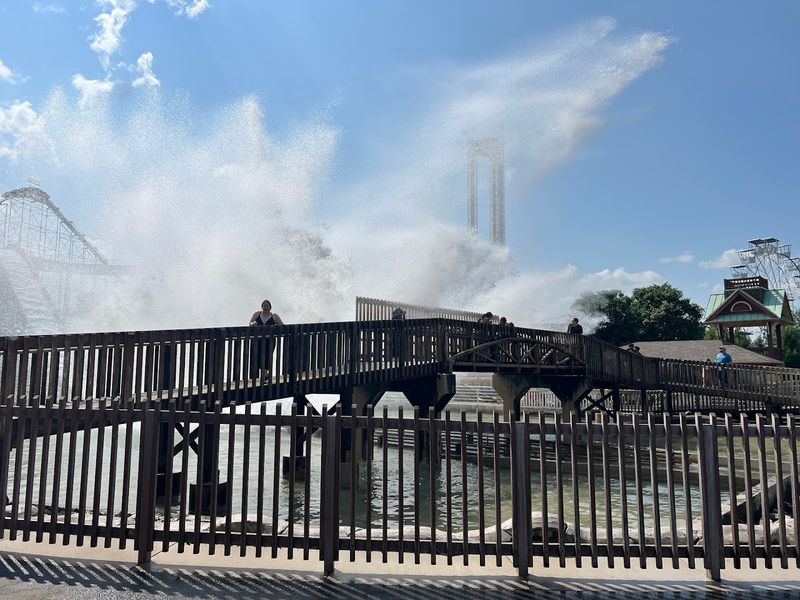
Minneapolis has a reputation for handling winter better than any other major American city, but its warm-season parks are genuinely underrated. The Wave Garden is a beautifully designed urban green space that most visitors to the Twin Cities completely overlook in favor of the Chain of Lakes or the Mall of America.
The garden features flowing water channels, curved plantings, and a layout that encourages slow, meandering walks. It is the kind of place where you sit down for five minutes and somehow end up staying for an hour.
The sound of moving water in the middle of a city does something quietly restorative that is hard to explain but easy to appreciate.
Entry is free and the garden is accessible year-round. Nearby coffee shops make it easy to combine a visit with a relaxed morning.
Minneapolis locals treat it as a neighborhood secret, which is exactly what makes it worth seeking out when you visit.
Secret Gardens of Chicago’s Bronzeville
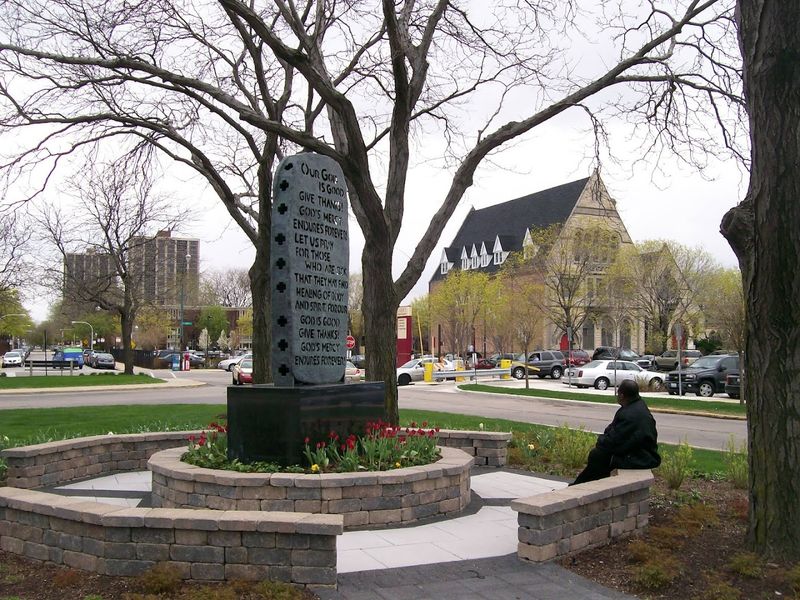
Bronzeville has one of the richest cultural histories in Chicago, tied deeply to the Great Migration and the rise of Black arts and music in America. Most tourists never make it this far south on the South Side, which means the neighborhood’s hidden gardens and historical remnants remain almost entirely off the tourist radar.
Community gardens carved out of vacant lots burst with color during summer months. Some feature murals that reference the neighborhood’s deep cultural roots.
A few spots preserve the foundations of demolished buildings, turning them into contemplative outdoor spaces that feel more like living memorials than parks.
Walking tours of Bronzeville run occasionally through local historical organizations and are absolutely worth booking. The Bronzeville Children’s Museum and the Chess Records historical site are nearby and worth adding to the visit.
This is a neighborhood that rewards curiosity and respect in equal measure. Come ready to learn something genuinely meaningful.
The Witch’s Castle – Forest Park, St. Louis, Missouri
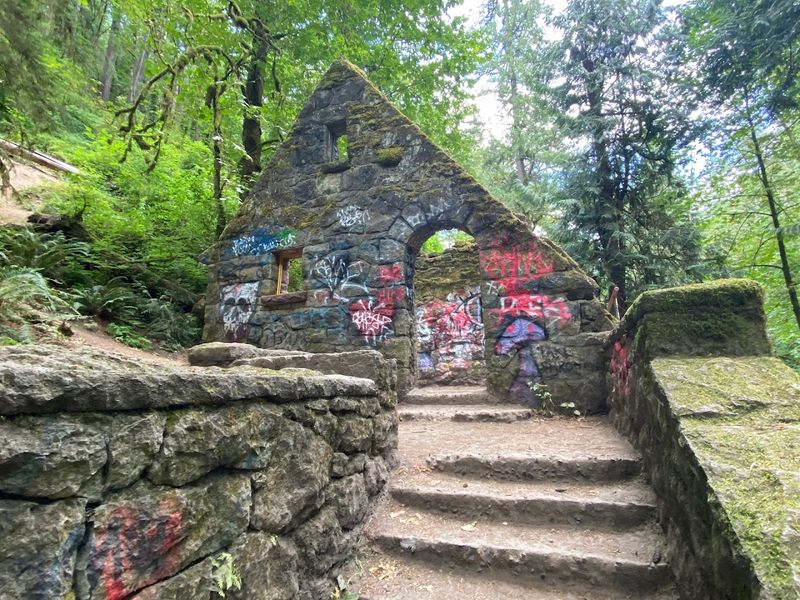
Forest Park in St. Louis is best known for hosting the 1904 World’s Fair and housing some of the best free museums in the country. What the tourist maps leave off is the crumbling stone structure deep in the woods that locals have nicknamed the Witch’s Castle for decades.
The ruins are the remains of an old building whose exact history is disputed, which only adds to the mystique. Moss creeps over the stone walls, vines pull at the archways, and the surrounding forest muffles city noise completely.
It is genuinely atmospheric in a way that no designed attraction can manufacture.
Finding it requires a bit of trail navigation, which is half the fun. The structure sits within walking distance of the main park paths but feels completely removed from them.
Go in the early morning when the light filters through the trees and the park is quiet. Bring a friend, because the Witch’s Castle is the kind of place that demands company.
Berkeley’s Tilden Regional Park Merry-Go-Round – Berkeley, California
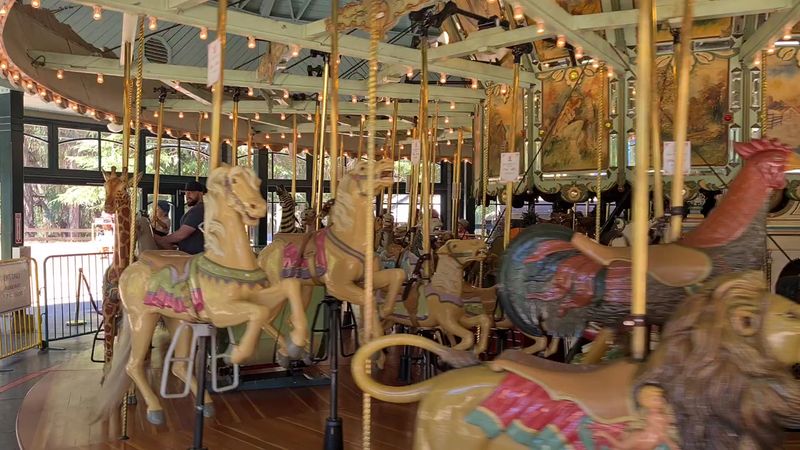
Tucked inside the rolling hills of Tilden Regional Park above Berkeley sits a 1911 antique carousel that has been spinning continuously for over a century. It is not the flashiest attraction in the Bay Area, but there is something genuinely joyful about finding a beautifully preserved historic merry-go-round in the middle of a forested park.
The carousel features hand-carved wooden horses and operates on weekends and holidays year-round. Tickets cost just a dollar, which has to be the best deal in California.
The surrounding park is enormous and includes a botanical garden, a little farm, and miles of hiking trails with stunning Bay Area views.
Getting there requires a short drive up into the Berkeley Hills, and parking is free at several lots. The combination of the carousel, the farm animals, and the scenic trails makes Tilden a perfect full-day outing.
It is the kind of place that reminds you that the best things really do not need to be complicated or expensive.
Secret Staircases of New York City – Multiple Boroughs
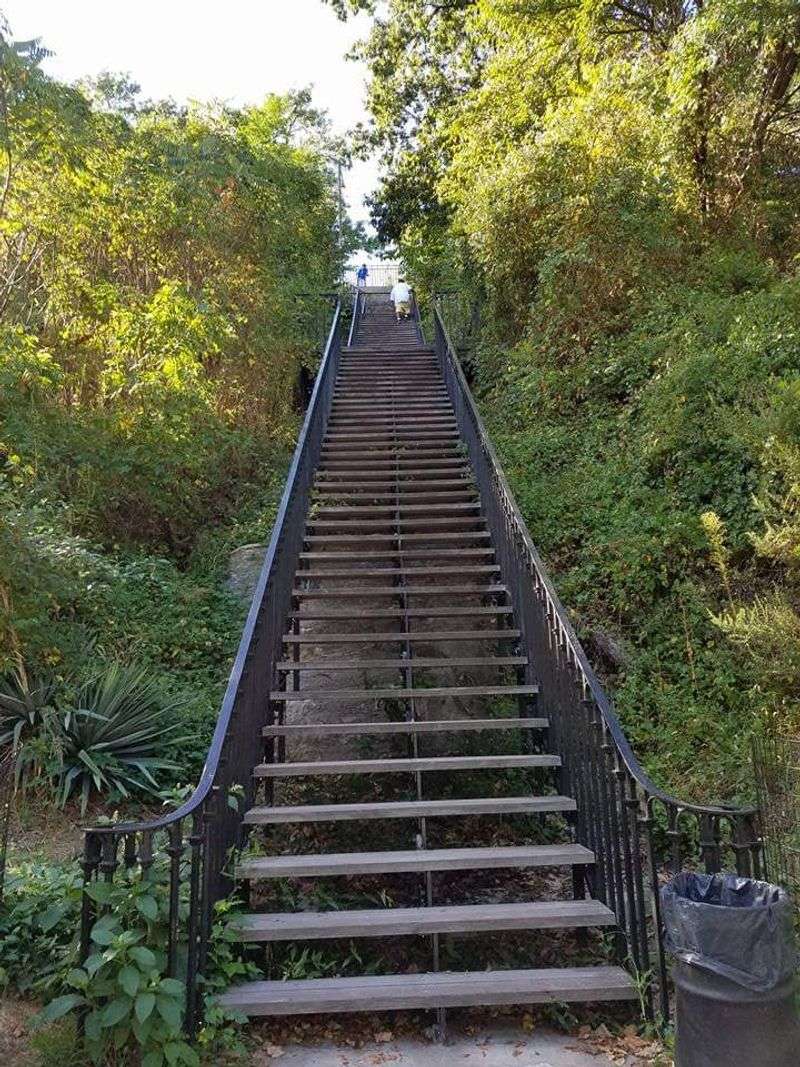
New York City has over 200 outdoor staircases scattered across its five boroughs, and most New Yorkers have never climbed more than a handful of them. These are not subway stairs or building lobbies.
These are actual public staircases built into hillsides and cliffs, connecting neighborhoods across dramatic elevation changes.
The Bronx alone has dozens of them, some dating back to the early 1900s. Staten Island’s staircases cut through dense woodland and offer views that rival anything you would pay for at a rooftop bar.
In Washington Heights, staircases lead to hidden parks that most Manhattan tourists never find. I spent an entire Saturday just staircase-hopping through the Bronx and barely scratched the surface.
A free online map called the NYC Staircase Project documents most of them with photos and directions. Wear good shoes and bring water.
The staircases are completely free, endlessly varied, and genuinely one of the most rewarding ways to explore a city that most people think they already know.



