 Unearth The Voyage
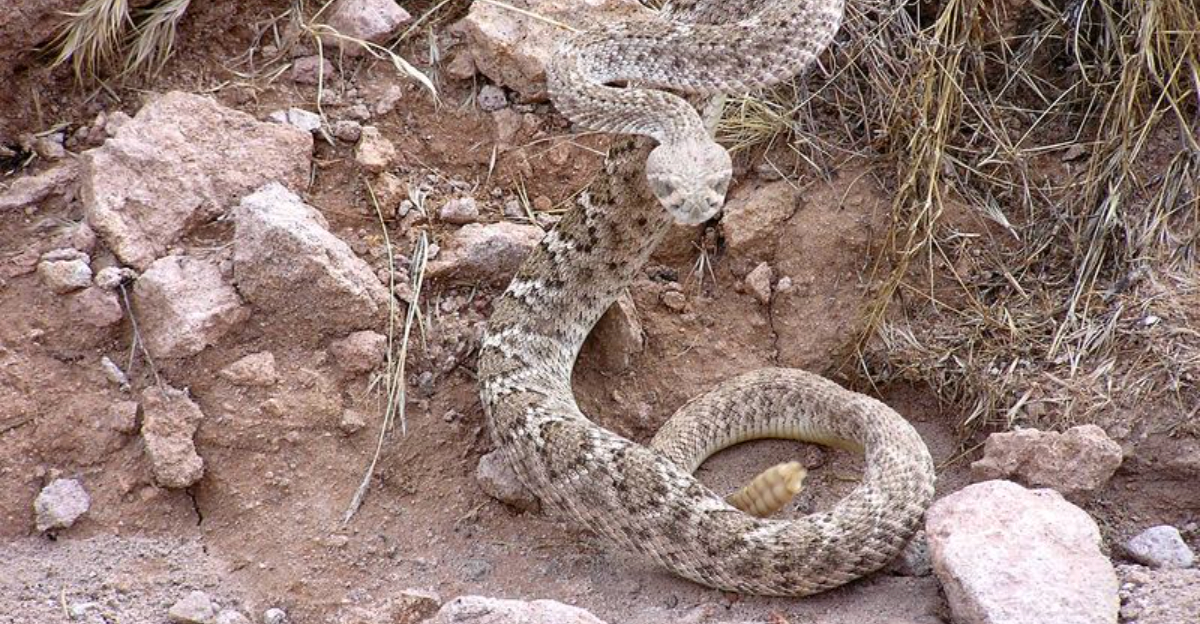
When winter arrives, rattlesnakes face a serious problem: they cannot keep their bodies warm like mammals do. To survive freezing temperatures, these cold-blooded reptiles must find special hiding places where they can enter a deep sleep called brumation. From desert caves to mountain crevices, rattlesnakes across the United States have discovered some truly amazing winter shelters that keep them safe until spring returns.
1. Cascade Range, Oregon

Volcanic activity millions of years ago left behind perfect rattlesnake hotels in Oregon’s Cascade Range. Piles of broken lava rock called talus fields contain thousands of air pockets and tunnels. Northern Pacific rattlesnakes navigate these maze-like structures to find deep chambers where frost cannot reach.
Forested mountain slopes provide extra insulation from harsh winter winds. Fallen logs and thick moss layers trap warmth near the ground. Snakes often den beneath large Douglas fir trees whose root systems create natural cavities in the volcanic soil.
The Cascades receive heavy snowfall, but rattlesnakes stay snug under several feet of white insulation. Snow actually helps by creating a blanket that holds ground heat. Come spring, these snakes emerge onto sunny rocks to bask and warm up before beginning their hunt for small mammals and birds.
2. Joshua Tree National Park, California
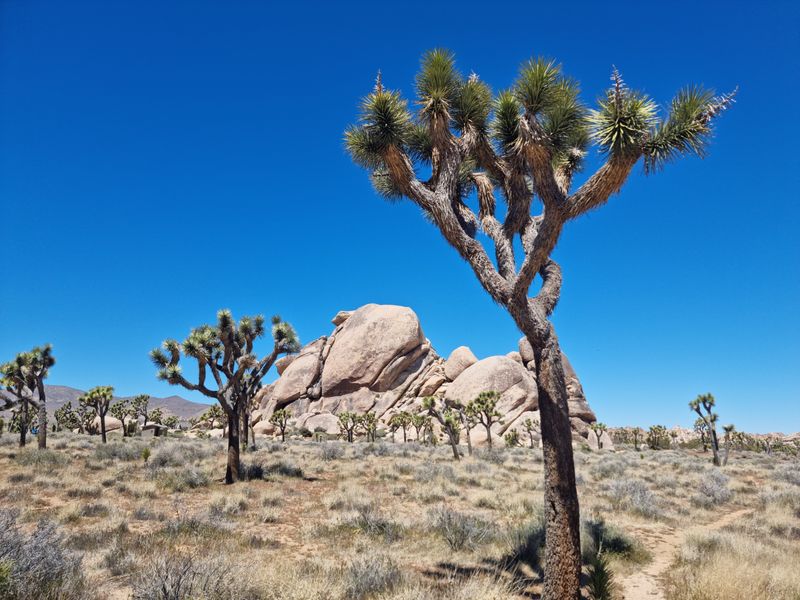
Massive granite boulders stacked like giant building blocks dominate Joshua Tree’s landscape. Red diamond rattlesnakes and speckled rattlesnakes explore the countless cracks and caves formed when these rocks cooled and fractured long ago. Deep inside these formations, temperatures stay remarkably stable even when desert nights turn frigid.
The park’s unique position where two deserts meet creates diverse hiding opportunities. Some snakes prefer tight horizontal crevices while others seek vertical shafts that drop several feet underground. Rock piles heated by California sunshine release warmth slowly through winter nights.
Park rangers sometimes discover communal dens containing multiple rattlesnake species sheltering together peacefully. Competition disappears when survival becomes the only goal. These ancient rock formations have protected desert rattlers for thousands of years, serving as reliable winter apartments that require no rent and offer maximum security from predators and weather.
3. Sonoran Desert, Arizona
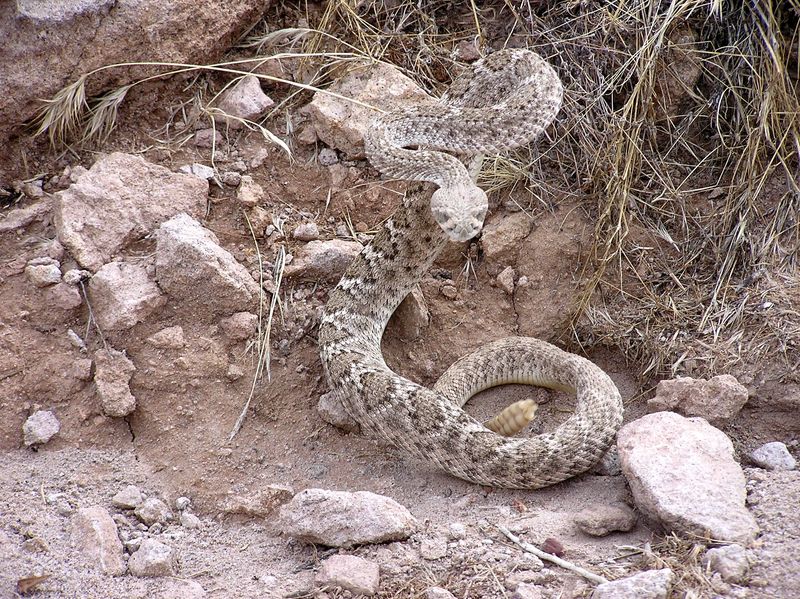
Rocky crevices scattered across Arizona’s Sonoran Desert become lifesaving shelters when temperatures drop. Rattlesnakes squeeze into narrow gaps between boulders where the sun’s warmth gets trapped during the day. These microclimates can stay several degrees warmer than the surrounding air, making them perfect for brumation.
The desert’s unique geology creates countless hiding spots among granite outcrops and limestone formations. Western diamondbacks and Mojave rattlesnakes often share these cozy spaces with other reptiles. Sometimes dozens of snakes pile together in a single den to conserve body heat.
South-facing rock walls absorb maximum sunlight, creating the warmest winter retreats. Snakes instinctively know which crevices offer the best protection from cold desert nights. They return to the same proven hideouts year after year, following scent trails left by previous generations of rattlers seeking winter refuge.
4. Mammoth Cave, Kentucky
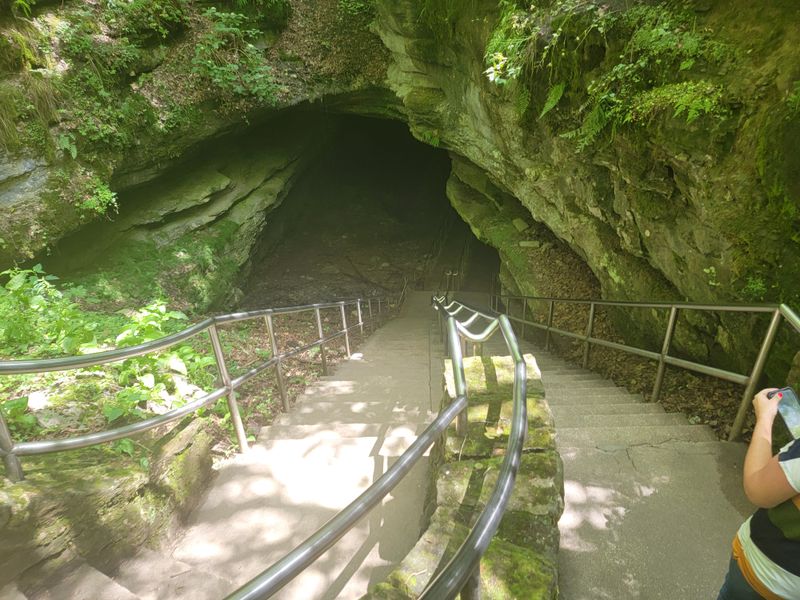
Deep beneath Kentucky’s rolling hills lies the world’s longest cave system, stretching over 400 miles. Timber rattlesnakes discovered these limestone labyrinths make outstanding winter quarters. Cave temperatures hover around 54 degrees year-round, never too hot or too cold for a sleeping serpent.
Rattlers typically stay near cave entrances rather than venturing into total darkness. These twilight zones offer perfect conditions without the danger of getting lost in endless passages. Moisture levels stay consistent, preventing snakes from drying out during their long winter fast.
Scientists have studied these cave-dwelling rattlesnakes for decades, learning how they navigate and choose denning spots. Some individuals return to the exact same ledge or crack every single winter. The stable environment means snakes can enter deeper brumation states, conserving maximum energy. When spring arrives, they simply slither back toward daylight and resume normal activities in the surrounding forests.
5. Blue Ridge Mountains, North Carolina
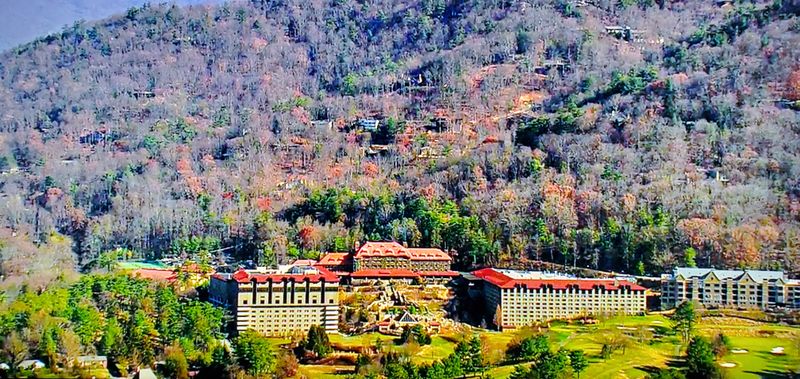
Ancient Appalachian peaks wear their age proudly through countless cracked cliffs and tumbled boulders. Timber rattlesnakes living in North Carolina’s Blue Ridge Mountains seek out south-facing rocky slopes that catch maximum sunshine. These natural solar panels warm up quickly on clear winter days, giving snakes occasional opportunities to bask.
Mountain crevices often extend deep into hillsides, reaching below the frost line where ground temperatures stay above freezing. Rattlers share these prime real estate locations with copperheads and black rat snakes. Different species stack up peacefully, creating living blankets that help everyone stay warmer.
Elevation matters tremendously in these mountains. Snakes living higher up must find deeper, better-insulated dens than their lowland cousins. Some rattlers travel over a mile from summer hunting grounds to reach traditional denning sites passed down through countless generations. The journey exhausts them, but reaching a proven winter hideout means survival until spring wildflowers bloom again.
6. Texas Hill Country, Texas
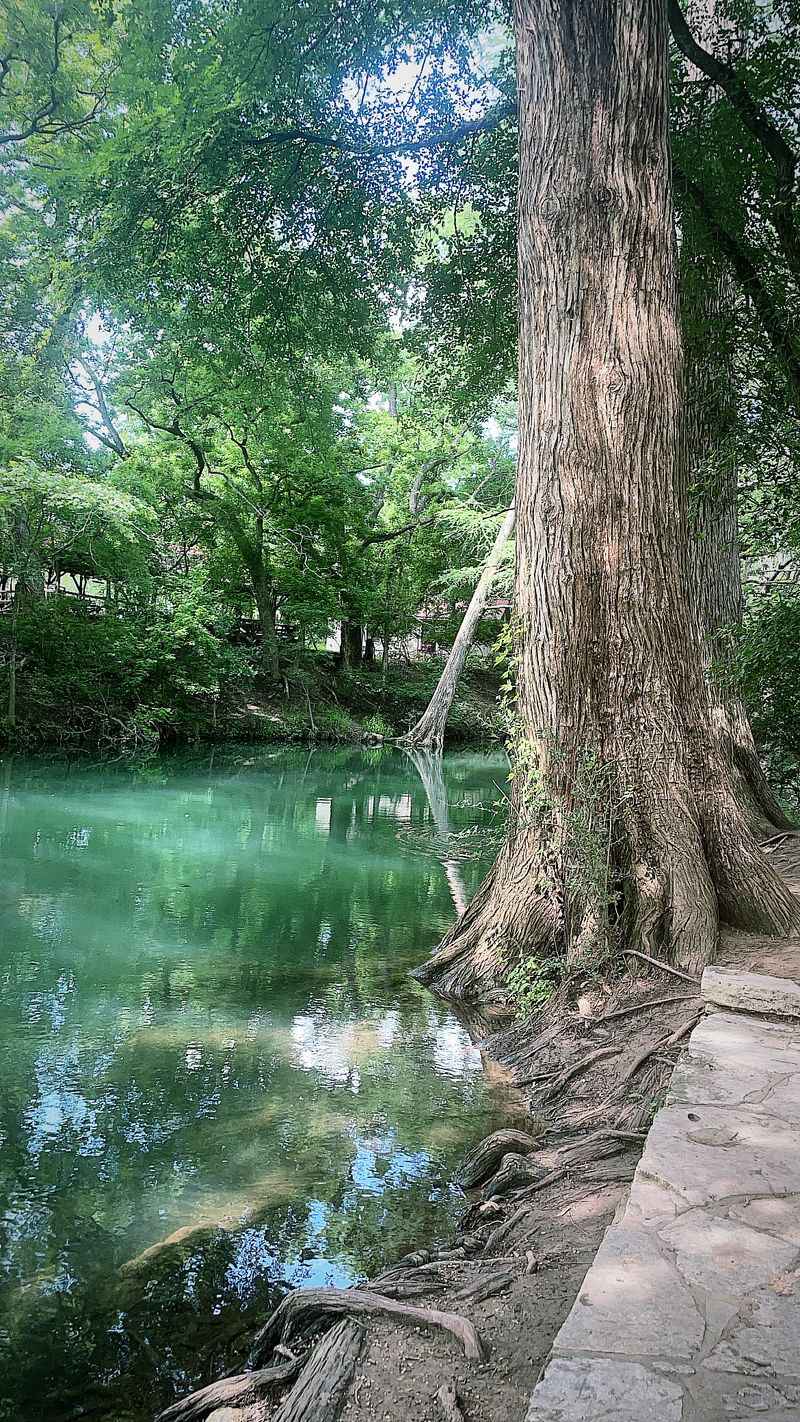
Rolling limestone hills define central Texas, creating a rattlesnake paradise of natural burrows and caves. Western diamondbacks thrive here, finding countless hideaways among the brushy terrain. Old armadillo burrows become snake apartments, offering ready-made tunnels that extend several feet underground where temperatures stay moderate.
Limestone dissolves slowly over centuries, creating underground voids and sinkholes. Rattlers discover these openings and follow them to protected chambers. The porous rock allows some air circulation while blocking cold winds that sweep across the hills during winter cold fronts.
Hill Country ranchers often find multiple rattlesnakes denning under old fence posts or abandoned buildings. The snakes aren’t picky about natural versus human-made shelters as long as conditions stay right. Brush piles of cedar and mesquite create additional cover, trapping warm air near the ground. Come March, these Texas rattlers emerge hungry and ready to hunt the abundant rodent populations that also thrive in this perfect habitat.
7. Atchafalaya Basin, Louisiana
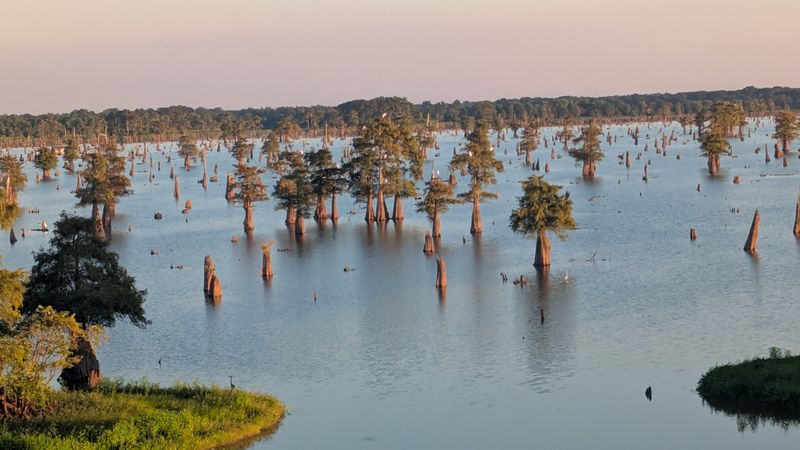
America’s largest river swamp seems like an odd place for rattlesnakes, but canebrake rattlers have adapted perfectly. They seek elevated ground along wetland edges where cypress roots create natural platforms above water level. Dense vegetation tangles provide insulation and protection from winter floods that can surge through the basin.
These southern snakes face milder winters than their northern cousins, but they still need shelter from occasional freezes. Hollow logs and debris piles left by hurricanes become valuable real estate. Rattlers sometimes climb into low tree cavities to escape rising water, proving they can adapt when necessary.
The basin’s complex ecosystem provides year-round cover, making winter survival easier than in exposed habitats. Thick Spanish moss and palmetto fronds create layers of insulation. Snakes often brumate for shorter periods here, emerging during warm spells to drink or relocate. The swamp’s humidity prevents dehydration, a serious risk for brumating reptiles in drier climates where moisture evaporates quickly.
8. Chihuahuan Desert, New Mexico
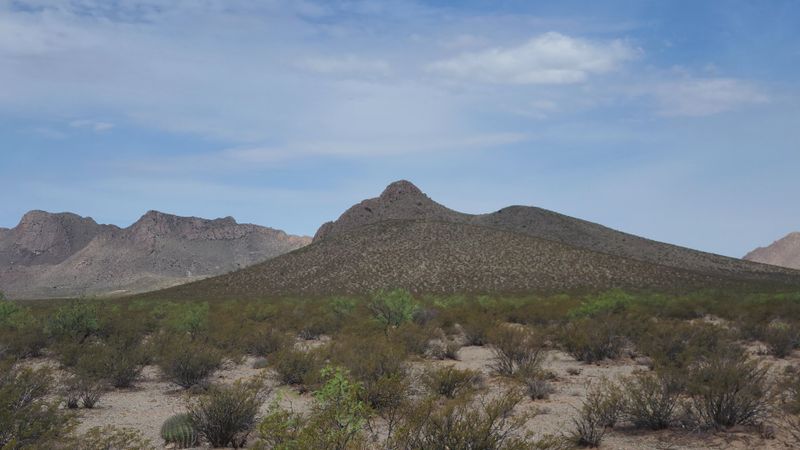
Sandy soils covering much of New Mexico’s Chihuahuan Desert allow rattlesnakes to dig their own winter apartments. Western diamondbacks and prairie rattlers excavate burrows or enlarge existing rodent holes. Sandy substrate makes digging easier than in rocky deserts, giving snakes more control over their winter accommodations.
Underground temperatures stay surprisingly stable once you get below three feet deep. Desert sand insulates effectively, blocking both summer heat and winter cold. Snakes often create multiple chambers connected by tunnels, moving between rooms to find the most comfortable microclimate as weather changes.
Cold snaps can drop desert temperatures below freezing at night, making good burrows essential for survival. Rattlers instinctively know to seal burrow entrances with loose sand, reducing heat loss and blocking predators. Some burrows get reused for decades, becoming traditional hibernacula known to local snake populations. When spring rains soften the ground, emerging rattlers hunt for toads and lizards that also appear after winter dormancy ends.
9. Sleeping Bear Dunes, Michigan
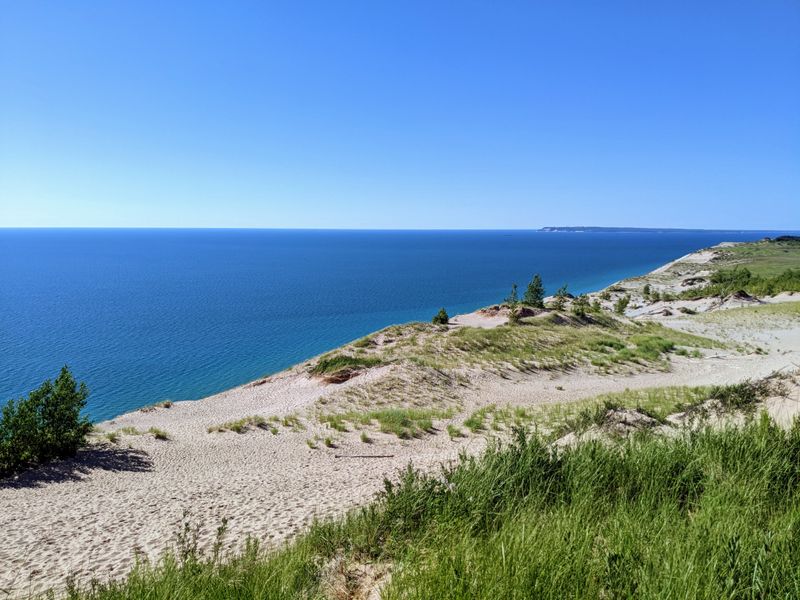
Towering sand dunes along Lake Michigan’s shore seem too cold for rattlesnakes, but eastern massasaugas prove otherwise. These small rattlers survive harsh northern winters by denning at dune bases where forest meets sand. Tree roots stabilize the soil, creating permanent tunnels and cavities that extend below the frost line.
Michigan winters bring heavy snow and subzero temperatures that would kill exposed snakes within hours. Massasaugas must find deep, insulated dens to survive until April or May. They often share burrows with other snake species, toads, and salamanders, creating underground communities that benefit from shared body heat.
Forest fringes provide crucial cover, blocking brutal north winds that sweep across Lake Michigan. Fallen leaves and pine needles pile up naturally, adding insulation layers above denning snakes. These northern rattlers have adapted to spend seven or eight months underground, far longer than their southern relatives. Their survival proves that with the right hideout, even cold-blooded creatures can thrive in surprising places.
10. Everglades National Park, Florida
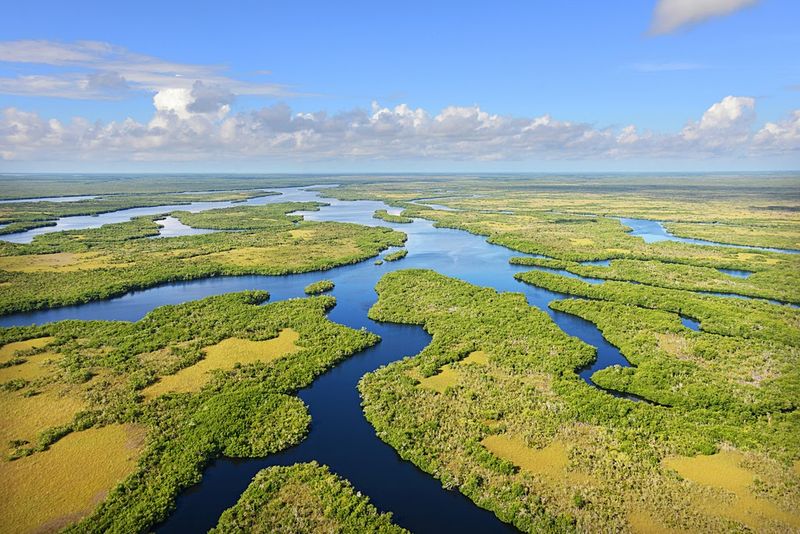
Subtropical swamps rarely freeze, but Everglades rattlesnakes still seek winter cover during cooler months. Eastern diamondbacks retreat to pine islands and hardwood hammocks that rise slightly above surrounding wetlands. These elevated patches stay dry even during high water, providing reliable refuge from both floods and occasional cold fronts.
Gopher tortoise burrows scattered throughout the Everglades become valuable snake shelters. Rattlers peacefully share these underground tunnels with their tortoise landlords. The burrows extend several feet deep, maintaining stable temperatures even when surface conditions fluctuate wildly during winter weather systems.
Thick vegetation creates natural insulation above ground, trapping warm, humid air. Rattlers may only brumate for a few weeks or remain semi-active all winter, emerging to hunt on warm days. This flexibility gives Florida snakes advantages over northern populations that must commit to months of inactivity. The Everglades’ year-round productivity means food stays available, allowing rattlers to maintain body condition throughout their brief winter rest period.
11. Rocky Mountains, Colorado
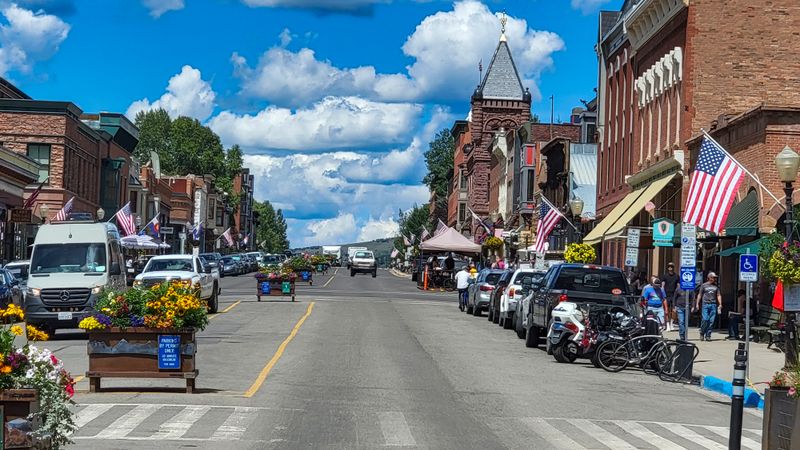
High altitude presents serious challenges for cold-blooded creatures, yet prairie rattlesnakes thrive in Colorado’s Rockies up to 9,000 feet elevation. South-facing rocky outcrops become critical winter survival sites. These sun-exposed cliffs absorb solar radiation throughout winter, creating warm microclimates even when surrounding areas stay frozen solid.
Deep fissures in ancient metamorphic rocks provide access to underground chambers where temperatures hover just above freezing. Dozens or even hundreds of rattlesnakes may converge on a single prime denning site. These communal dens, called hibernacula, represent generations of knowledge passed down through instinct and learned behavior.
Mountain winters last six months or more at higher elevations, requiring snakes to enter true hibernation rather than light brumation. They stop all activity, relying entirely on stored fat reserves accumulated during brief summer hunting seasons. Spring emergence happens late, often not until May when snowmelt finally exposes south-facing rocks. Pregnant females especially need these warm spots to bask and develop their young before giving birth in late summer.
12. Great Basin, Nevada
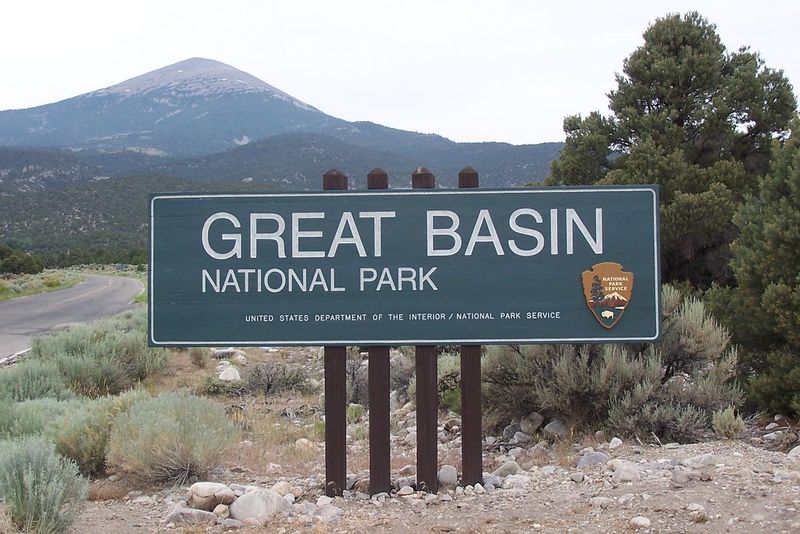
Classic images of rattlesnake dens often come from Nevada’s Great Basin, where communal hibernacula have been documented for over a century. Rock talus fields covering mountain foothills contain perfect denning habitat. Broken boulders create three-dimensional mazes with countless chambers and passageways reaching deep underground where ground heat persists all winter.
Great Basin rattlesnakes gather from miles around to reach traditional denning sites each autumn. Some dens have been used continuously for hundreds or possibly thousands of years. Snakes navigate using scent trails and memory, returning to the exact location where they were born.
Winter temperatures here regularly drop below zero, making quality dens absolutely essential. Talus fields offer superior insulation compared to soil burrows because air gaps between rocks trap heat effectively. Biologists have counted over 1,000 snakes emerging from single large hibernacula during spring. These gatherings represent some of nature’s most impressive examples of communal survival behavior, proving that cooperation beats competition when facing life-threatening conditions.
13. Wichita Mountains, Oklahoma
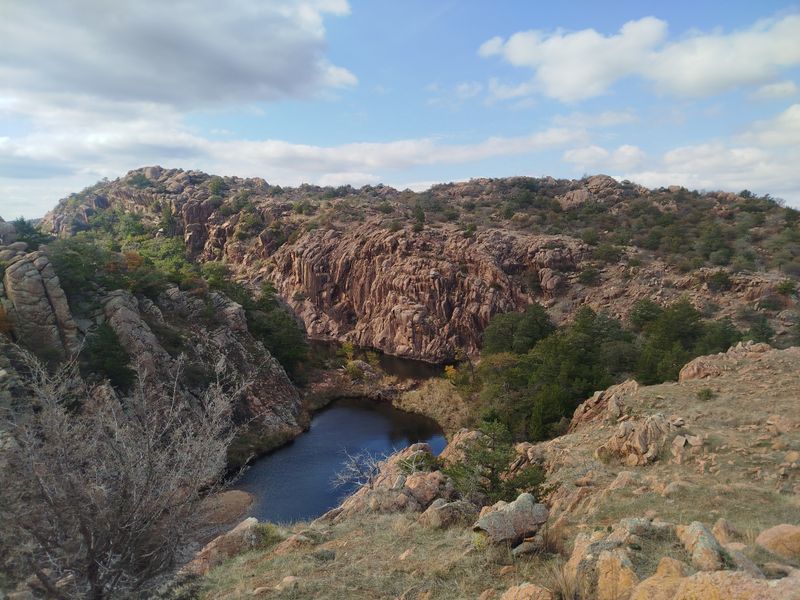
Ancient granite mountains rising from Oklahoma prairies create perfect rattlesnake winter quarters. Western diamondbacks and prairie rattlers both inhabit these rugged peaks, seeking crevices in billion-year-old rock formations. The mountains’ geology provides countless fractures and caves where snakes can escape freezing prairie winds that sweep across surrounding flatlands.
Boulders stacked precariously create natural shelters with multiple entrance points. This gives snakes escape routes if predators discover their hideouts. South-facing slopes warm quickly during sunny winter days, allowing occasional basking opportunities when temperatures climb above 50 degrees.
The Wichita Mountains support diverse wildlife, and many species compete for limited denning sites. Rattlesnakes sometimes share quarters with collared lizards, box turtles, and tarantulas, creating underground communities. Protection within the wildlife refuge has allowed rattlesnake populations to thrive here, maintaining healthy numbers that support the ecosystem. These mountains demonstrate how relatively small habitat features like rock crevices can determine whether snake populations survive or disappear from a landscape.
14. Arches National Park, Utah
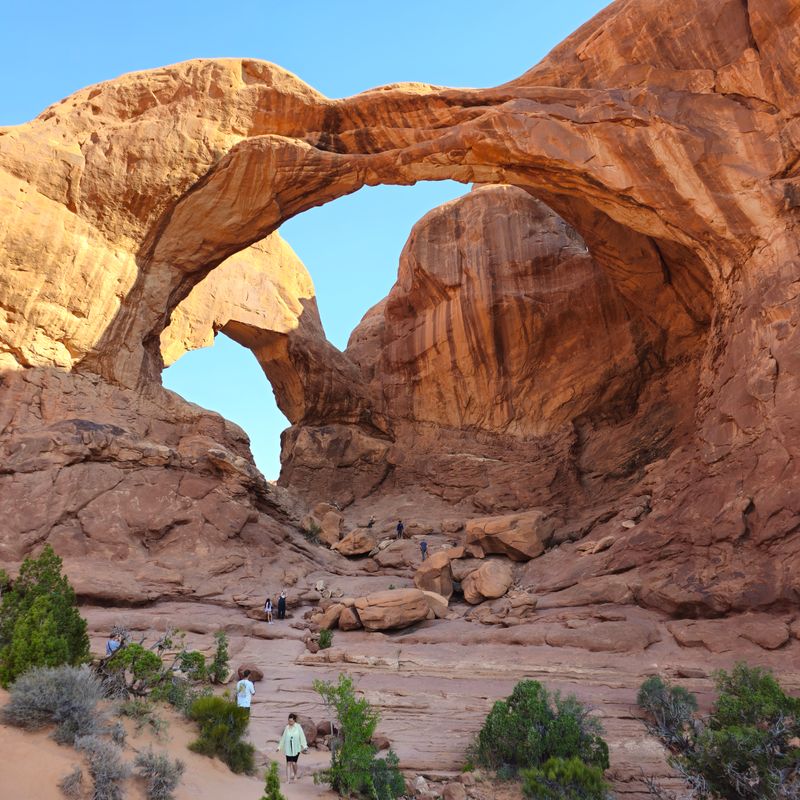
Spectacular red sandstone formations that give Arches National Park its fame also provide hidden rattlesnake sanctuaries. Midget faded rattlesnakes, one of the region’s most specialized species, disappear into narrow cracks in the colorful rock layers. These sedimentary formations contain countless horizontal and vertical fractures created as ancient sand turned to stone and then eroded over millions of years.
Sandstone absorbs heat beautifully, making it ideal thermal mass for cold-blooded creatures. South-facing walls stay warm long after sunset, radiating stored heat through winter nights. Deep within the rock layers, temperatures remain stable regardless of surface weather conditions.
Park visitors rarely see rattlesnakes during winter months because the snakes hide so effectively in their secret dens. Some crevices are barely wider than a pencil yet extend deep into cliff faces. Rattlers squeeze through impossibly tight spaces to reach secure chambers. The park’s iconic arches and fins result from the same erosion processes that create perfect snake hideouts, proving that geological beauty and biological function often go hand in hand.
15. Okefenokee Swamp, Georgia
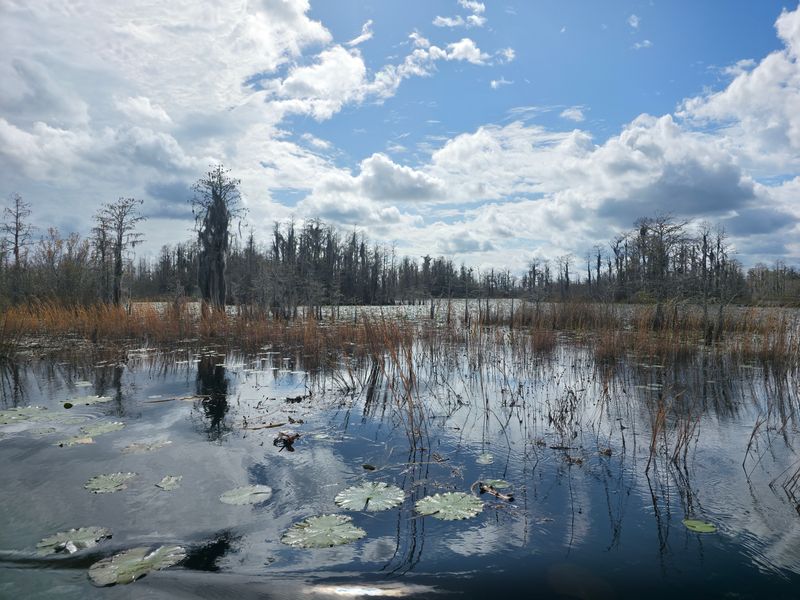
Georgia’s mysterious Okefenokee Swamp creates unique winter challenges and opportunities for eastern diamondback rattlesnakes. Cypress root tangles form elevated platforms called hummocks that stay above water level year-round. These natural islands provide dry ground where snakes can brumate without drowning during winter floods that regularly inundate the swamp.
Dense vegetation creates insulating blankets that trap humidity and warmth. Spanish moss, ferns, and thick undergrowth form multiple protective layers. Rattlers often shelter inside hollow logs or beneath fallen cypress trunks that resist rotting in the acidic swamp water.
Winter temperatures stay relatively mild in southern Georgia, but cold snaps still occur. Snakes must find secure hideouts that protect them during brief freezes while allowing quick emergence when warmth returns. The swamp’s tangled complexity provides countless hiding spots, making it nearly impossible to locate denning rattlers. This same complexity has protected the Okefenokee ecosystem for thousands of years, preserving wilderness that supports incredible biodiversity including these impressive venomous serpents.
16. Badlands National Park, South Dakota
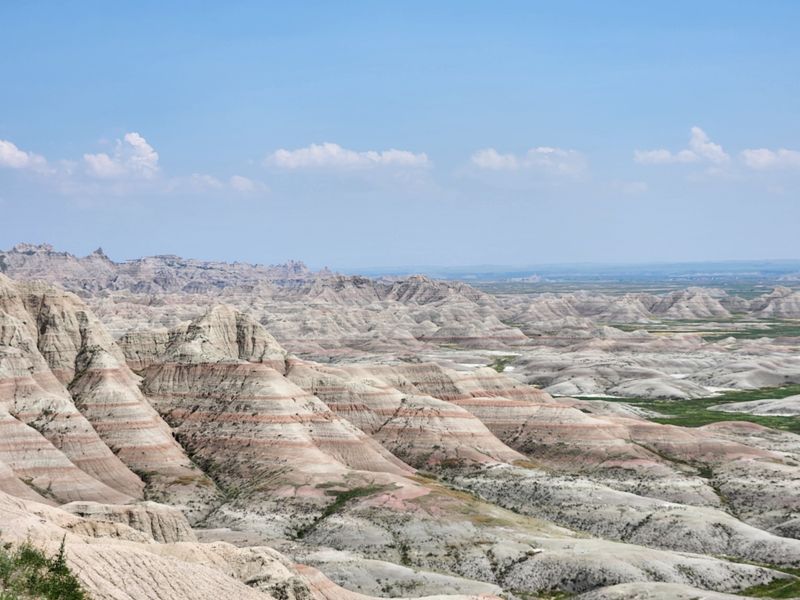
Eroded buttes and spires rising from South Dakota grasslands create an otherworldly landscape perfect for prairie rattlesnakes. Millions of years of erosion carved countless crevices and caves into soft sedimentary layers. These protected spaces buffer cold prairie winds that can drop temperatures dangerously low during brutal northern winters.
Layered rock formations contain different colored bands representing ancient seas, rivers, and volcanic ash deposits. Each layer erodes at different rates, creating overhangs and shelves where snakes can den. Some crevices extend horizontally into butte faces, providing deep refuges that stay above freezing even during January blizzards.
Badlands rattlers face some of the harshest winter conditions of any U.S. population. They must den by late September and may not emerge until May, spending eight months underground. Despite these challenges, healthy rattlesnake populations persist here, proving these eroded formations provide adequate protection. The same dramatic erosion that creates stunning scenery for tourists also creates essential habitat features that allow prairie rattlesnakes to survive at the northern edge of their range.



