 Unearth The Voyage
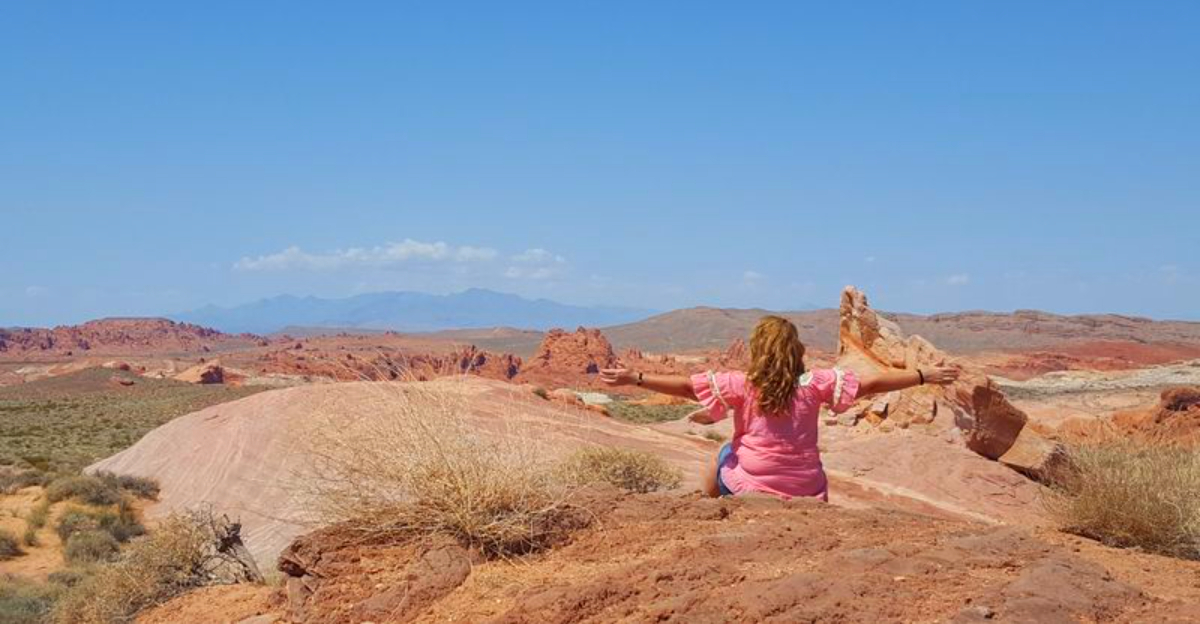
Before GPS, before interstates, before the idea of “getting there fast,” there was a road that promised something better than speed: adventure. Route 66 wasn’t just a way from Chicago to California – it was a lifeline, a dream, and a daring invitation to hit the open road.
Neon-lit motels, chrome-trimmed diners, and strange roadside wonders sprang up along its path, turning miles of asphalt into a living scrapbook of American ambition. Born in 1926 and shaped by migration, hardship, and hope, Route 66 became the heartbeat of a nation on the move – and a symbol of freedom that still calls to travelers nearly a century later.
Route 66 Turns 100 This Year
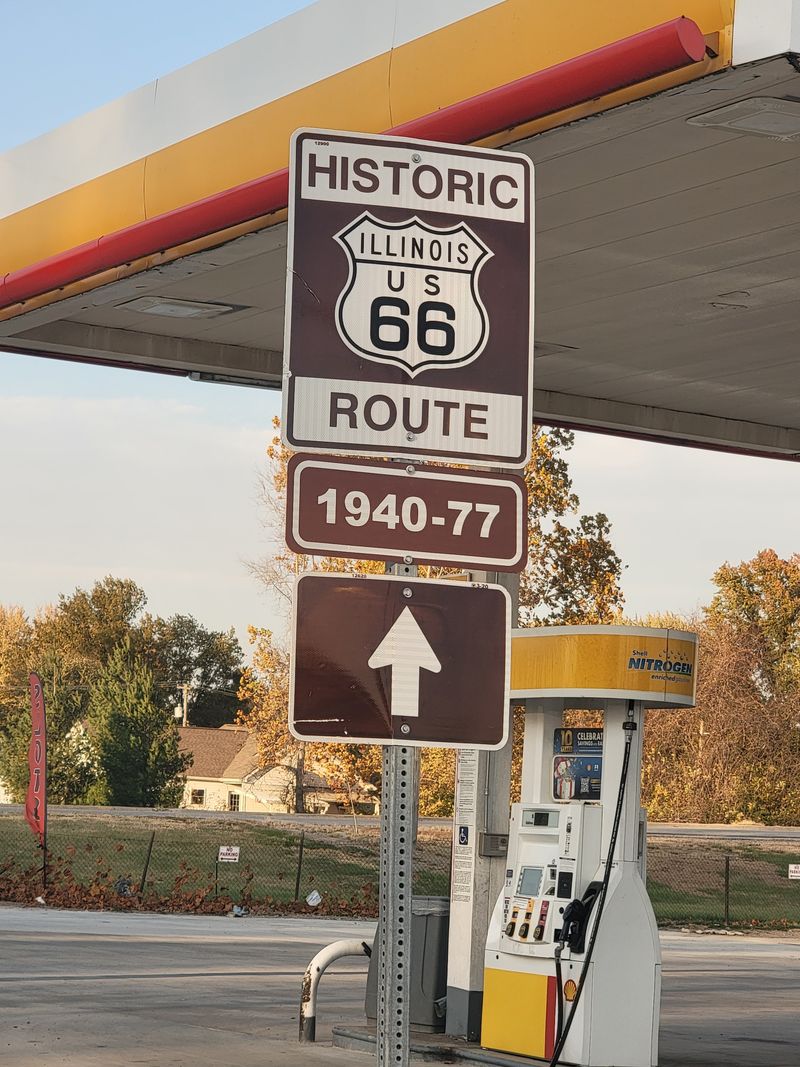
A road so famous it earns its own birthday party across eight states. Route 66 officially became part of the U.S.
Highway System in 1926, which means this year marks its centennial celebration. Communities along the historic route are planning festivals, car shows, and special events to honor this milestone.
The highway has survived being officially decommissioned, replaced by faster interstates, and nearly forgotten. Yet here it stands, more popular than ever with travelers from around the world.
Its 100th birthday proves that some things only get better with age.
From Chicago to Santa Monica, people are rediscovering what made this road special in the first place. The centennial celebrations remind us that Route 66 isn’t just asphalt and paint.
It represents American dreams, family vacations, and the simple joy of hitting the open road without worrying about the fastest route.
It Runs Through Eight U.S. States
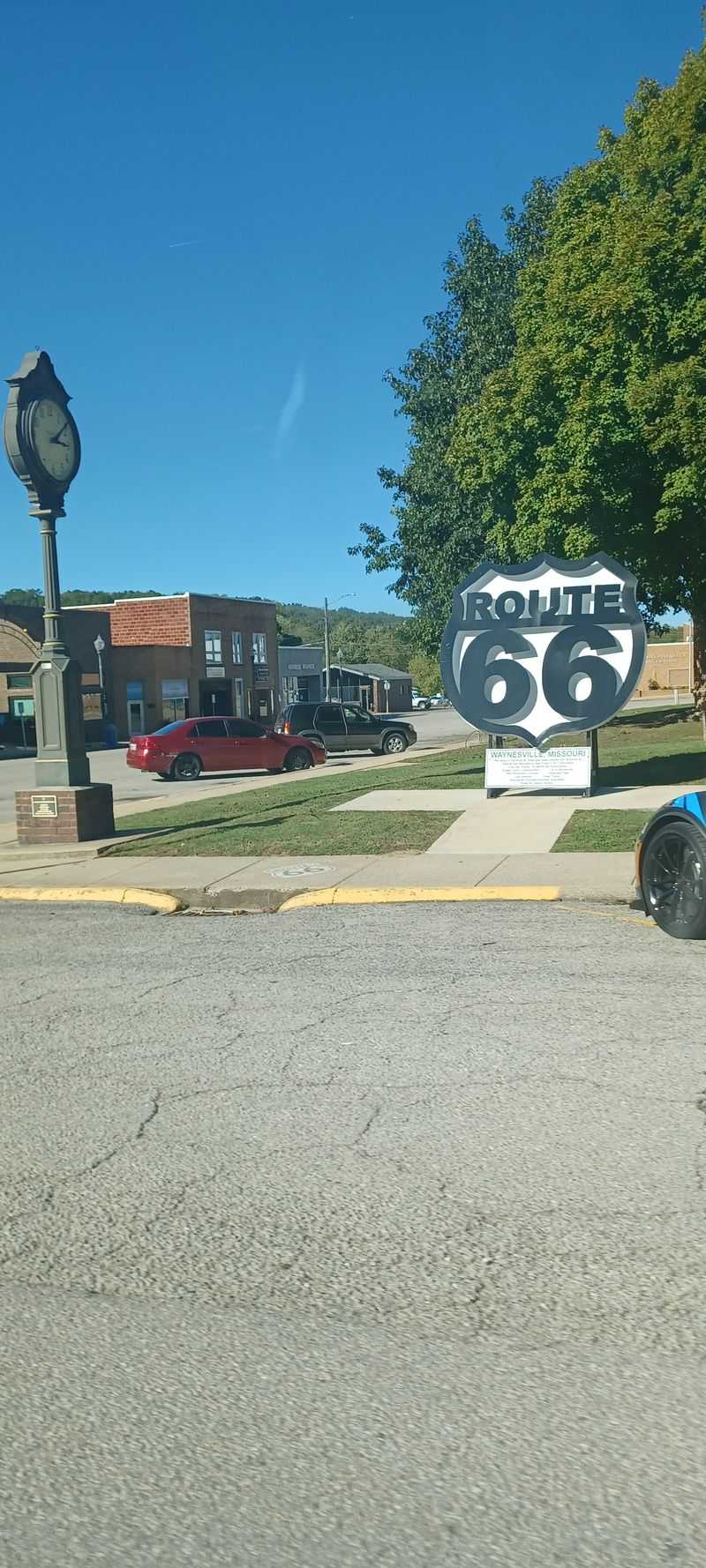
Starting in Illinois and ending in California, Route 66 weaves through the heartland of America like a thread connecting different cultures and landscapes. Each of the eight states along the route offers its own flavor, from Midwestern farmland to Southwestern desert.
Missouri brings rolling hills and the Gateway Arch city of St. Louis. Kansas contributes a brief but memorable stretch through mining country.
Oklahoma claims the longest continuous section, showcasing prairie towns and Native American heritage.
Texas offers wide-open spaces and quirky roadside attractions. New Mexico delivers stunning desert vistas and pueblo architecture.
Arizona showcases dramatic canyons and petrified forests before California welcomes travelers with palm trees and ocean breezes. This diversity made Route 66 more than just a road.
It became a cross-country adventure where every state border meant discovering something completely new and unexpected.
The Road Is Nearly 4,000 Kilometers Long
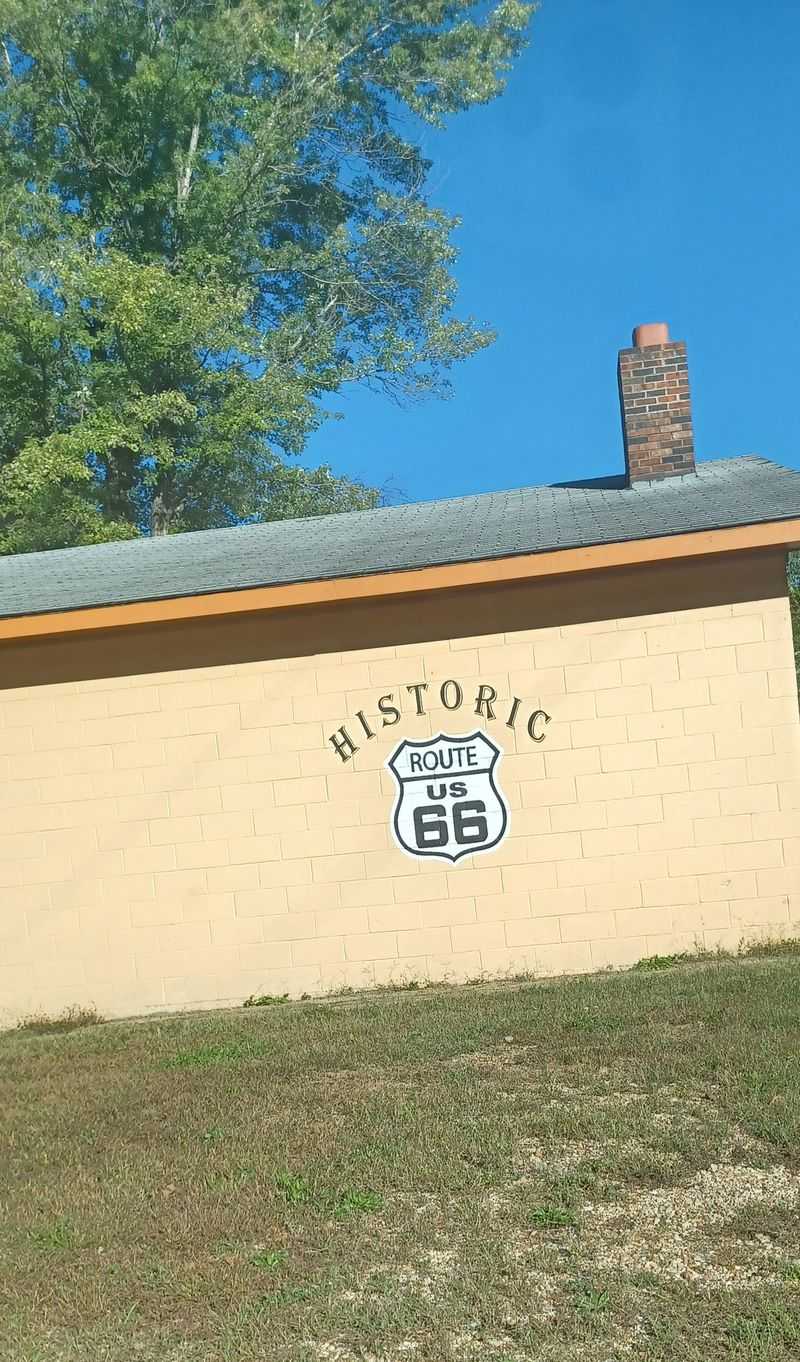
Stretching approximately 3,940 kilometers or 2,448 miles, Route 66 ranks among the longest historic highways ever built in America. That distance equals driving from New York to Los Angeles with room to spare.
For perspective, you could drive across England about six times in that same distance.
The sheer length meant travelers needed multiple days to complete the journey, even when driving conditions improved. Early motorists in the 1920s might take two weeks or more to traverse the entire route.
Today, even with modern vehicles, most people spend at least five days driving it properly.
This massive scale created opportunities for countless businesses along the way. Gas stations, motels, restaurants, and tourist traps popped up every few miles to serve weary travelers.
The length also meant the road passed through incredibly diverse terrain, from flat prairies to mountain passes, making every mile feel like a new adventure worth experiencing.
It Connects Chicago and Santa Monica
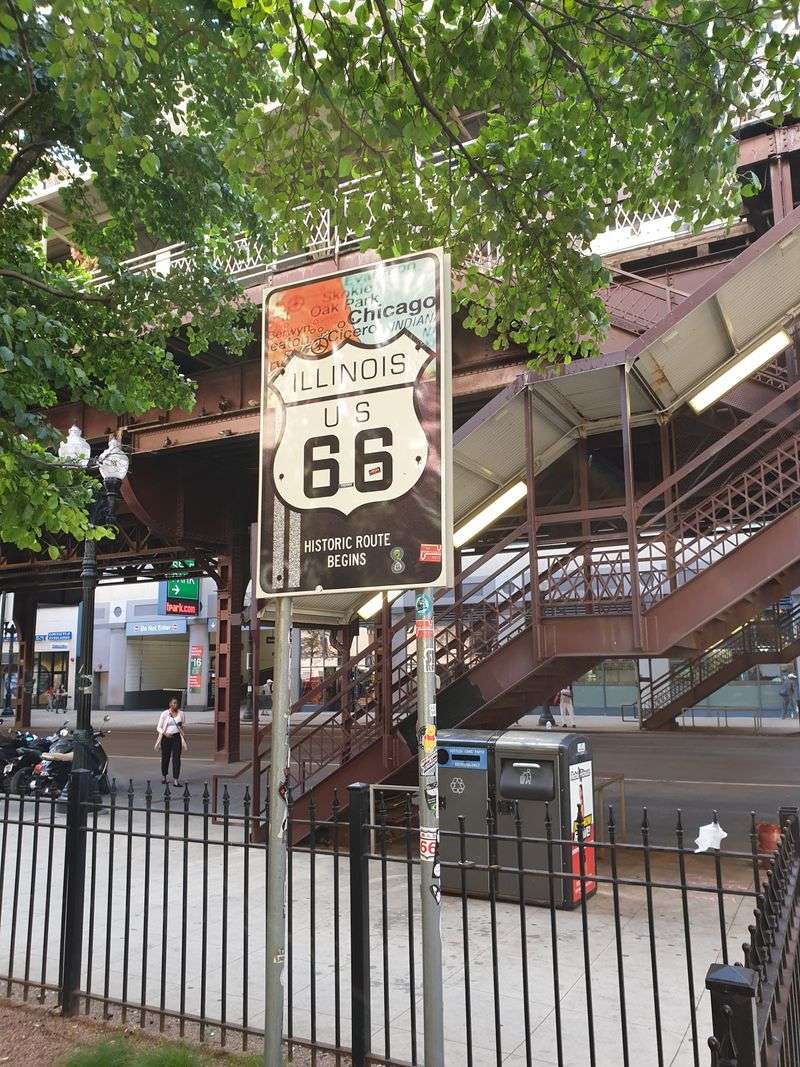
Adams Street and Michigan Avenue in downtown Chicago mark the official starting point where countless journeys began. The endpoint sits at the Santa Monica Pier, where the Pacific Ocean crashes against California’s coast.
These two locations became legendary bookends to an American adventure.
Chicago represented the industrial Midwest, with its stockyards, factories, and bustling urban energy. Santa Monica symbolized the promised land, with sunshine, beaches, and opportunities for a fresh start.
The contrast between these endpoints made the journey feel transformative.
Travelers could literally start their trip surrounded by skyscrapers and end it with their toes in the sand. Many families moved west during the Dust Bowl years, seeking better lives in California.
Even today, standing at either endpoint creates a powerful connection to those who made this journey out of necessity or simply for the thrill of crossing America on its most famous highway.
It’s Known as the Mother Road
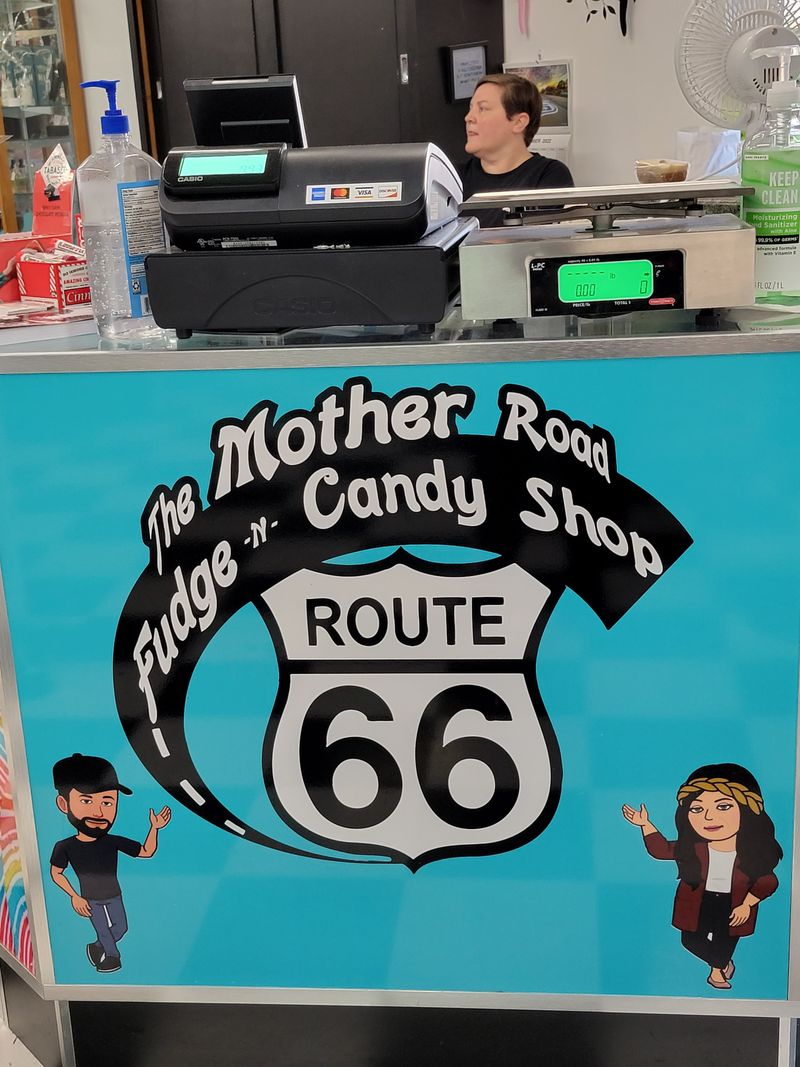
John Steinbeck gave Route 66 its most enduring nickname when he wrote The Grapes of Wrath in 1939. His novel followed the Joad family fleeing Oklahoma’s Dust Bowl, traveling west toward California on what he called the Mother Road.
That phrase stuck because it perfectly captured the highway’s nurturing role.
Like a mother, Route 66 guided displaced families toward new opportunities and better lives. It provided shelter through its motels, nourishment through its diners, and hope through every westward mile.
The nickname also suggested that this road gave birth to modern American car culture and the road trip tradition.
Other highways existed, but none earned such an affectionate title. The name reflects how deeply this road connected with people’s emotions and dreams.
Even now, calling it the Mother Road evokes images of families packed into old cars, heading west with everything they owned, trusting this ribbon of concrete to deliver them safely to a brighter future.
Once the Fastest Route to the West
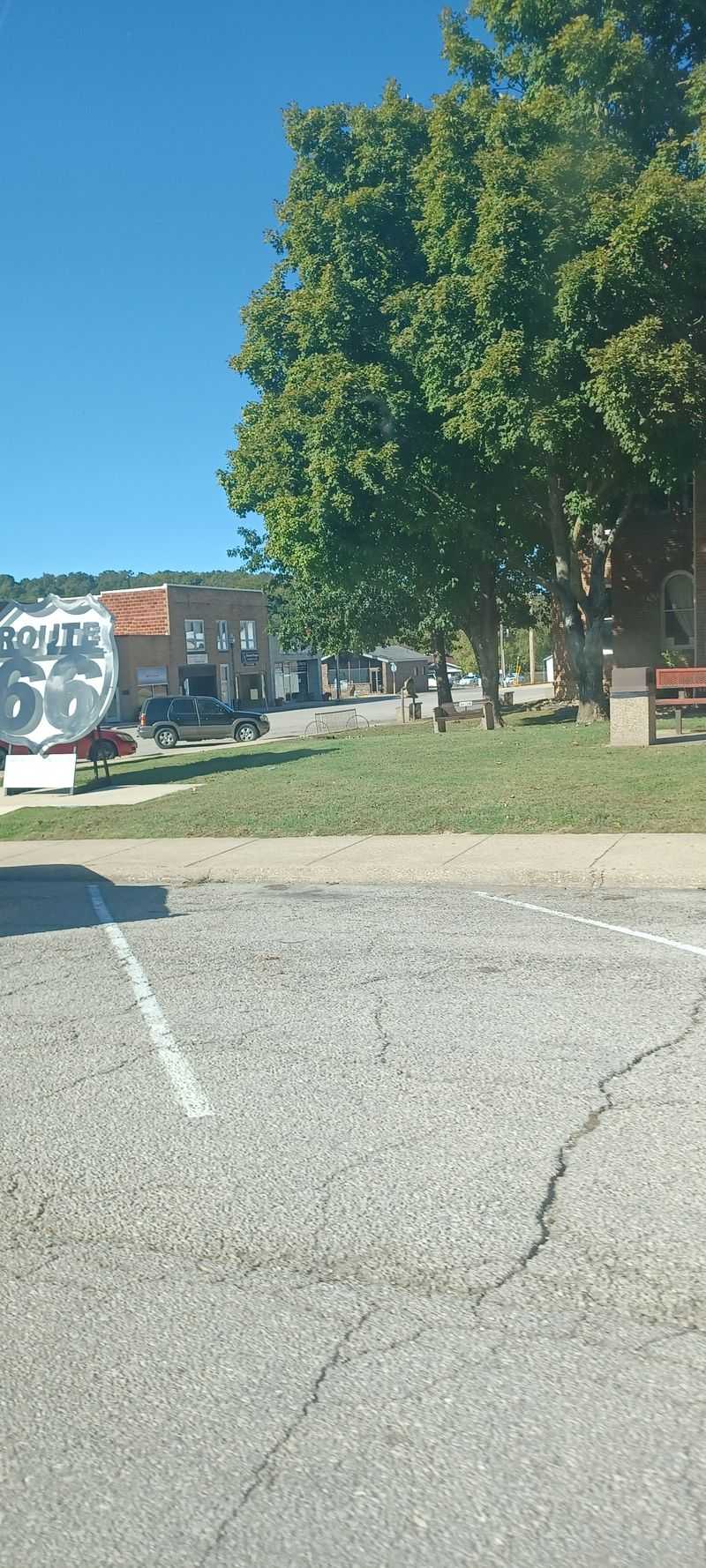
Back in the 1920s, getting from the Midwest to the West Coast meant choosing between rough, poorly maintained roads that zigzagged all over the map. Route 66 changed everything by offering the shortest, fastest path available at the time.
Promoters advertised it as the most direct route to California sunshine.
The highway also promised scenic beauty, passing through diverse landscapes instead of just the fastest terrain. This combination of speed and scenery made it irresistible to travelers.
Business owners along the route loved the steady stream of customers driving through their towns.
Before Route 66, cross-country travel felt like an expedition requiring serious planning and mechanical skills. Afterward, ordinary families could attempt the journey with confidence.
The road’s reputation for being the best way west lasted for decades, even as other highways developed. That early marketing created a legend that outlived the highway’s practical advantages, transforming it into something more valuable than just pavement.
It Was Born in 1926
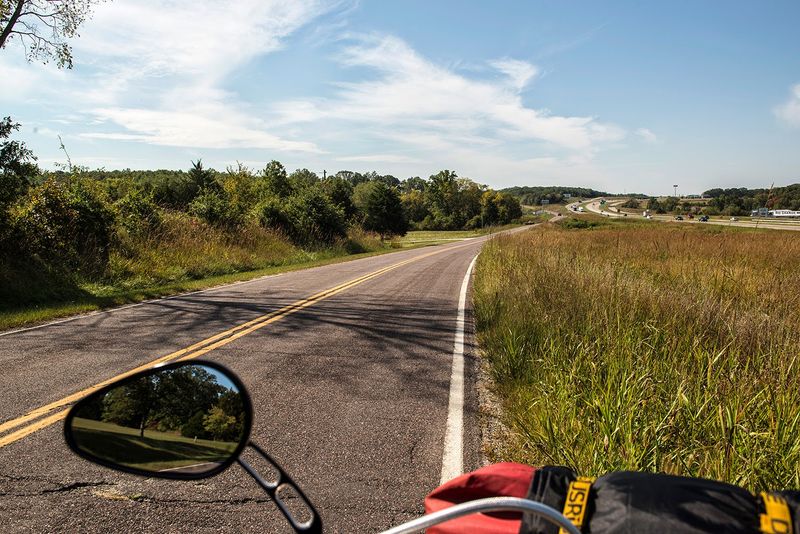
The U.S. Highway System officially designated Route 66 on November 11, 1926, though the road itself existed in pieces before that date.
Creating a continuous, numbered highway required cooperation between eight state governments and the federal government. Cyrus Avery and other highway boosters worked tirelessly to make it happen.
When first established, much of Route 66 consisted of dirt roads, gravel sections, and poorly maintained pavement. The designation meant a commitment to improve and connect these segments into one continuous route.
Completion took time and money.
Full paving wouldn’t happen until 1938, twelve years after the official birth. Those early years saw constant construction, detours, and challenges for travelers brave enough to attempt the full journey.
Despite the rough conditions, the 1926 designation marked the beginning of something special. It gave Americans a clear path westward and created the foundation for what would become the nation’s most beloved highway, even if nobody knew it yet.
It Was Removed From the Highway System
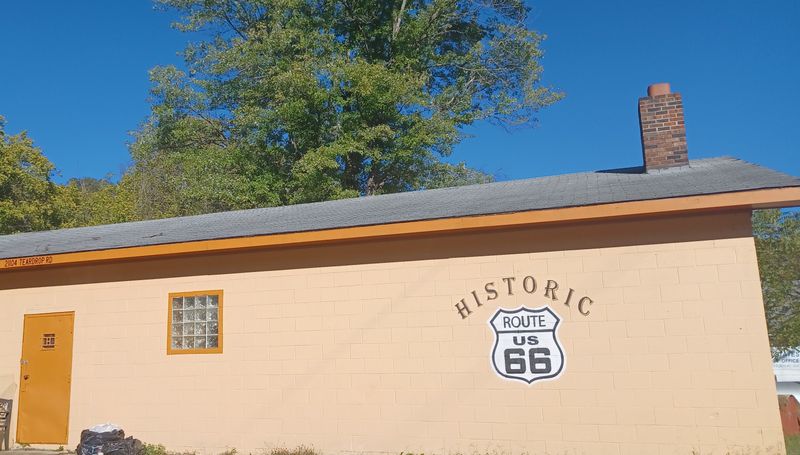
June 27, 1985, marked the official end of Route 66 as a U.S. Highway when it was removed from the federal system.
Interstate highways had gradually replaced sections of the old road, offering faster, safer travel with fewer stops. The final blow came when Interstate 40 bypassed Williams, Arizona, the last town still depending on Route 66 traffic.
Many small communities panicked, fearing economic disaster without the steady stream of travelers. Business owners who had served Route 66 customers for decades suddenly faced uncertain futures.
The decommissioning seemed like a death sentence for the Mother Road.
Yet something unexpected happened. Instead of fading into obscurity, Route 66 began its transformation into a cultural icon.
Preservationists, historians, and nostalgic travelers started deliberately seeking out the old road. The removal from the highway system actually freed Route 66 to become something more valuable than just efficient transportation infrastructure.
Today, It’s a Major Tourist Attraction
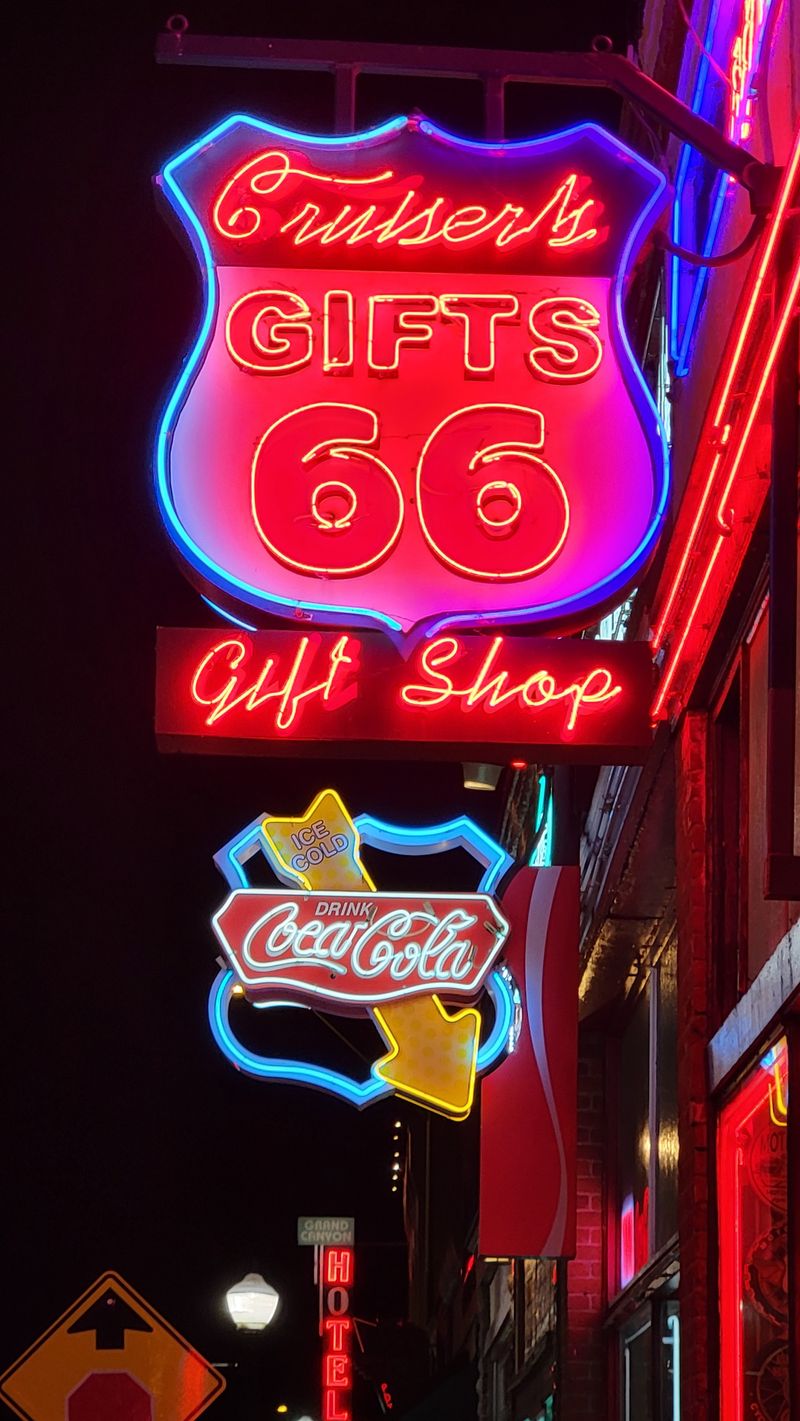
Rather than disappearing after decommissioning, Route 66 experienced a remarkable rebirth as a premier tourist destination. Millions of visitors from around the world now deliberately travel the old highway, seeking authentic Americana and connection to the past.
The road that once served practical transportation needs now feeds something deeper.
International tourists, especially from Europe and Asia, often spend their entire American vacation following Route 66 from end to end. They photograph every vintage sign, eat at classic diners, and stay in restored motels.
This tourism boom saved many small towns that would have otherwise withered away.
Communities along the route now actively preserve and promote their Route 66 heritage. Museums, festivals, and guided tours celebrate the highway’s history and culture.
What started as nostalgia became a thriving industry. The road’s transformation proves that sometimes losing practical purpose allows something to gain greater cultural value, turning old pavement into a living museum stretching across America.
Historic Diners and Iconic Motels Still Line the Road
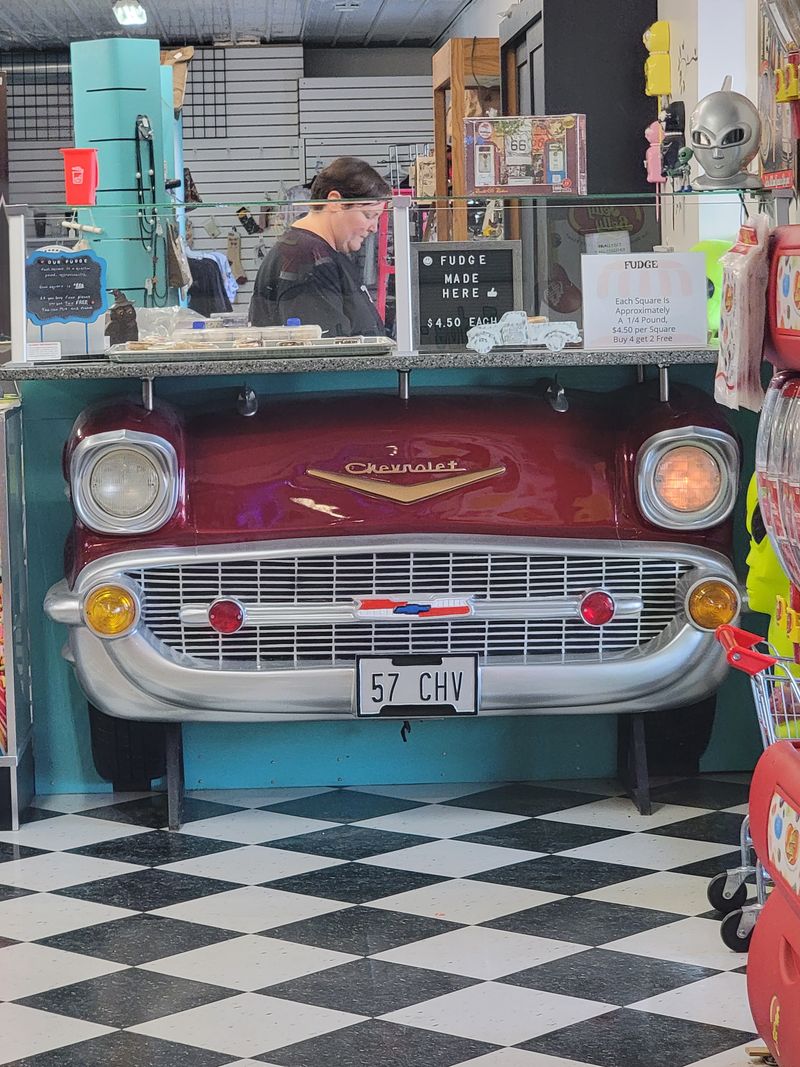
Step into certain diners along Route 66 and you’ll swear you’ve traveled back to 1955. Red vinyl booths, chrome-edged tables, and jukeboxes playing oldies create perfect time capsules.
These establishments aren’t reproductions; they’re the real deal, lovingly maintained by owners who understand their historical value.
The motels tell similar stories, with their vintage neon signs glowing against desert nights. Many feature the classic motor court layout, where individual cabins face a central parking area.
Some still have original furniture, tile work, and fixtures from their heyday.
Eating at these diners and sleeping in these motels provides more than just food and shelter. You’re experiencing travel the way your grandparents did, when stopping for the night meant personal service from owners who lived on-site.
The survival of these businesses depends on tourists seeking authentic experiences rather than corporate chains. Every meal served and every room rented helps preserve a vanishing piece of American culture.
Oklahoma Has the Longest Stretch
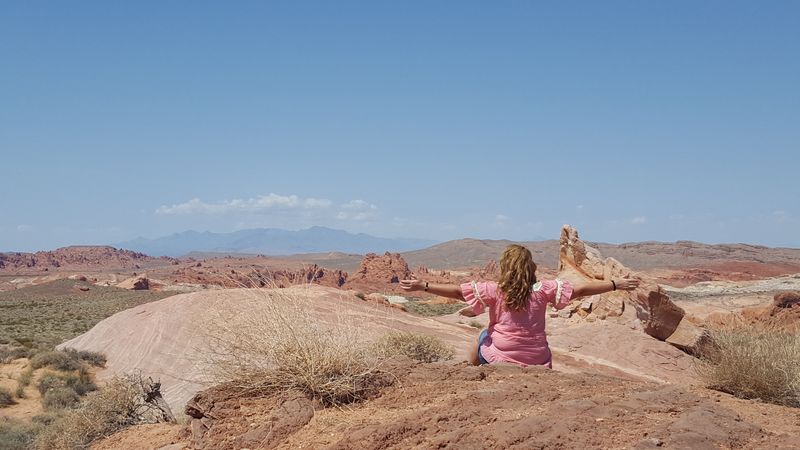
Oklahoma earned the nickname “the heartland of Route 66” by hosting nearly 700 kilometers of the original highway within its borders. That’s more continuous mileage than any other state along the route.
The road enters Oklahoma from Kansas and doesn’t leave until reaching the Texas border.
This generous helping of highway means Oklahoma developed particularly strong connections to Route 66 culture. Towns like Tulsa, Oklahoma City, and Elk City built their identities around serving travelers.
The state also claims Cyrus Avery, the “Father of Route 66,” as one of its own.
Oklahoma has invested heavily in preserving and promoting its Route 66 heritage. Visitors can drive long stretches of original pavement, visit multiple Route 66 museums, and experience small towns that look remarkably similar to their 1950s appearance.
The state’s substantial mileage means travelers spend several days crossing Oklahoma, giving them plenty of time to appreciate the prairie landscapes and genuine hospitality that characterize this central section.
Kansas Has the Shortest but Most Packed Section
Blink and you might miss Kansas on Route 66, since the state contains only about 21 kilometers of the historic highway. That tiny slice cuts through the southeastern corner near Galena and Baxter Springs.
Despite its brevity, this section punches well above its weight in terms of historic significance and attractions.
The short Kansas stretch passes through former mining country, where lead and zinc once fueled the local economy. Towns here embraced Route 66 tourism enthusiastically, packing their few miles with restored buildings, museums, and photo opportunities.
Visitors can see more attractions per mile in Kansas than almost anywhere else on the route.
This concentration creates a unique experience where you can thoroughly explore everything Kansas Route 66 offers in just a few hours. The compact nature also means preservation efforts could focus intensely on a manageable area.
Sometimes less really is more, and Kansas proves that a short section with personality beats a long stretch with nothing to see.
A Man Named Cyrus Avery Made It Happen
Without Cyrus Avery’s vision and political skills, Route 66 might never have existed. As Oklahoma’s highway commissioner during the 1920s, Avery recognized that a diagonal highway connecting the Midwest to California would benefit everyone along its path.
He lobbied tirelessly for the route’s creation and designation.
Avery didn’t just draw lines on maps; he built coalitions between states, convinced federal officials, and promoted the highway concept to businesses and communities. His persistence overcame numerous obstacles, including disputes over numbering and routing.
Some wanted the road numbered 60, but Avery helped secure the now-famous 66 designation.
His nickname, “Father of Route 66,” recognizes these contributions to American transportation history. Avery understood that highways meant more than just pavement; they represented economic opportunity and connection.
His work helped create the infrastructure that enabled westward migration, tourism, and the birth of car culture. One determined man with a vision really can change the country, and Avery proved it by championing America’s most beloved highway.
A Famous Cross-Country Race Helped Promote It
The 1928 Bunion Derby sounds like something from a tall tale, but it really happened. Promoter C.C.
Pyle organized a transcontinental footrace from Los Angeles to New York, with much of the route following the newly designated Route 66. Nearly 300 runners started, though only 55 finished the grueling competition.
The race took months to complete and generated massive publicity for the highway. Newspapers across America covered the runners’ progress, spreading awareness of Route 66 to millions of readers.
Towns along the route hosted runners and spectators, giving local businesses a taste of tourism potential.
Winner Andy Payne, a Cherokee runner from Oklahoma, became a celebrity and Route 66 ambassador. The race demonstrated that the highway was now fully traversable, even on foot.
While the Bunion Derby itself seemed crazy, it served as brilliant marketing for a road that needed public awareness. Sometimes the best promotion comes from doing something so outrageous that everyone pays attention.
It Symbolized Hope but Not for Everyone
Route 66 represented freedom and opportunity in American mythology, but that promise didn’t extend equally to all travelers. African American families faced harsh discrimination along the highway, especially through the South and Southwest.
Many towns enforced “sundown laws” requiring Black visitors to leave before dark or face violence.
Finding safe places to eat, sleep, and buy gas became a dangerous challenge for Black travelers. The Negro Motorist Green Book published guides listing welcoming businesses, but options remained limited.
Some families drove through the night to avoid stopping in hostile areas.
This painful history reminds us that Route 66’s story includes both triumph and tragedy. While some Americans freely enjoyed the open road, others navigated it with fear and caution.
Acknowledging this complicated past doesn’t diminish the highway’s cultural importance; it makes the story more complete and honest. True appreciation requires understanding who benefited from Route 66’s promise and who faced barriers along its celebrated path through America.



