 Unearth The Voyage
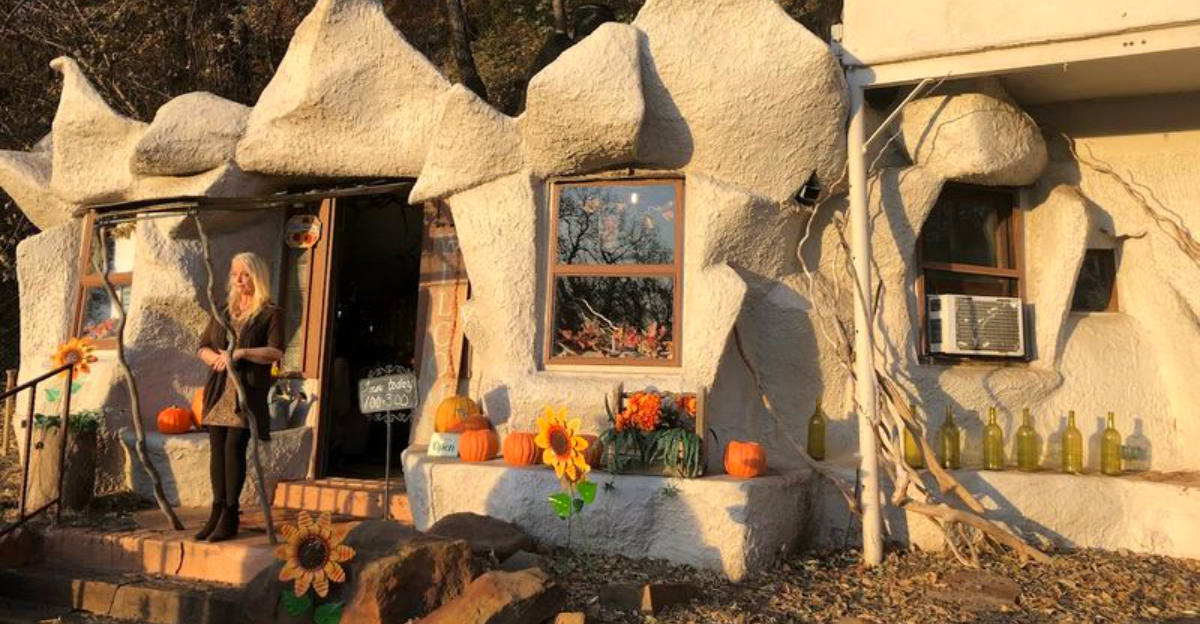
There is a house in Tulsa, Oklahoma that looks like it was carved straight out of a fairy tale and then left on the side of a busy road for curious passersby to discover. Its rounded stone walls, arched doorways, and cave-like exterior make it stand out from every other building on the block.
Built back in 1924, this quirky structure has played many roles over the decades, from feeding hungry diners to hiding secrets beneath its floors. The story behind it is layered, surprising, and absolutely worth your time to explore in full.
Where to Find This One-of-a-Kind Tulsa Landmark
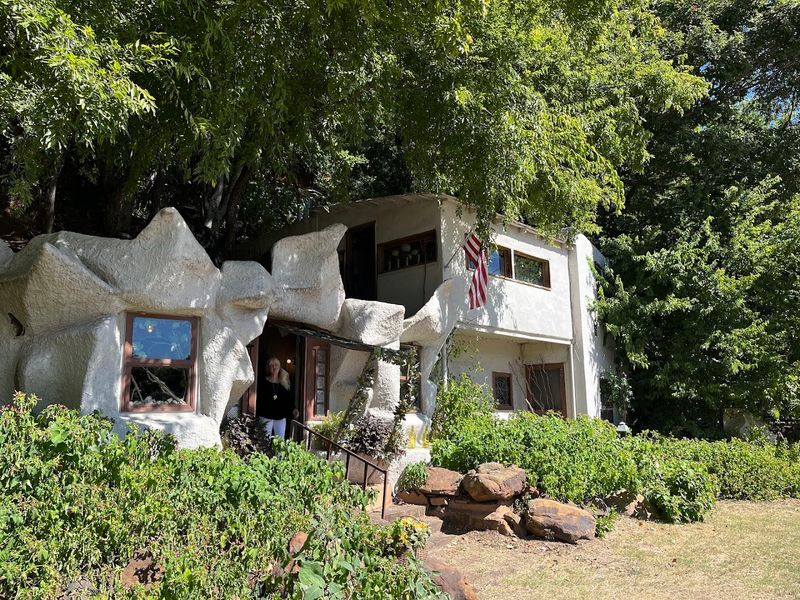
The first time I drove past 1623 Charles Page Blvd in Tulsa, Oklahoma 74127, I genuinely thought I had taken a wrong turn into a storybook neighborhood. The Cave House sits right along a well-traveled road, yet it feels completely out of place in the best possible way.
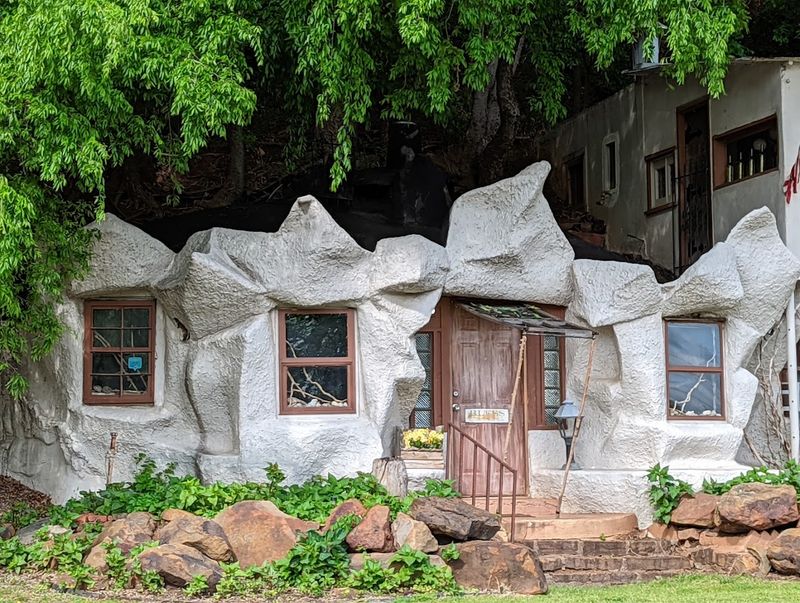
Its stone exterior is rounded and uneven, with arched windows and a low roofline that gives it the unmistakable look of something carved from the earth rather than built by human hands. You can spot it from the road without any trouble, which makes the experience of seeing it for the first time feel almost surreal.
The surrounding area is a mix of everyday Tulsa neighborhoods and commercial strips, which makes the Cave House look even more dramatic by comparison. It sits on a modest lot, but the structure itself commands serious attention.
Before you visit, call or text the owner to schedule a tour, because just showing up does not guarantee entry. The phone number is listed on the official website at cavehousetulsa.com, and the owner, Linda, is responsive and genuinely welcoming to anyone curious enough to reach out.
Built in 1924 and Full of Surprises
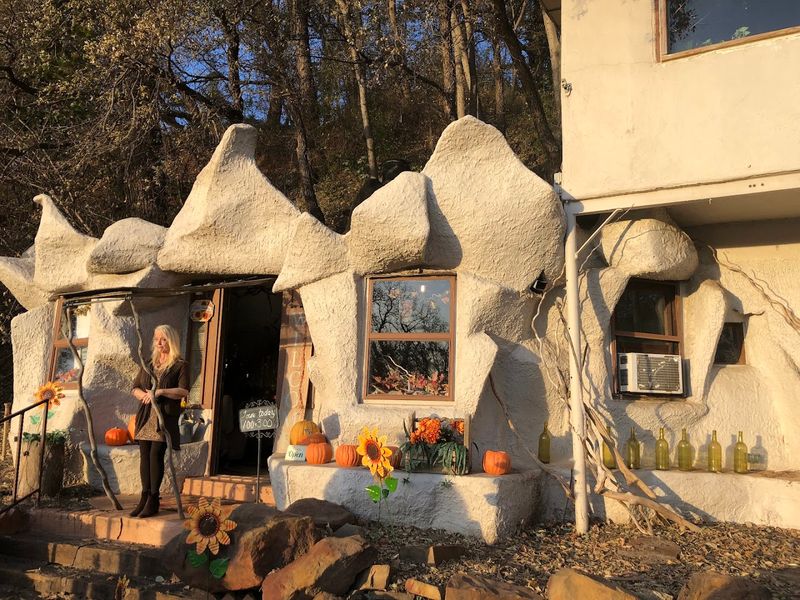
A century of history is packed into the walls of this place, and you can feel it the moment you step onto the property. The Cave House was constructed in 1924, which means it has outlasted trends, economic shifts, and generations of Tulsa residents who had no idea it existed just around the corner.
The building was not always a tourist attraction. Over the decades it shifted identities more than once, functioning as a restaurant during daylight hours while quietly serving another, less publicly advertised purpose after dark.
That dual life gives the place a layered history that is genuinely fascinating to unpack, especially when Linda walks you through it with the kind of storytelling flair that makes a hundred-year-old building feel alive and immediate.
Photographs documenting the history of the building are shared during the tour, which adds a visual richness to the stories. Seeing the structure as it appeared in earlier decades, compared to how it looks today, gives you a deeper appreciation for how much care has gone into preserving it.
History does not always come wrapped in a museum setting, and the Cave House proves that point beautifully.
The Restaurant That Hid Its Real Business
By day, the Cave House operated as a restaurant, serving meals to locals who may or may not have known what was really going on beneath the surface. That combination of ordinary dining and hidden activity made it a fascinating piece of Oklahoma social history during a time when such arrangements were surprisingly common.
The Prohibition era turned many legitimate-looking businesses into cover operations, and the Cave House fit that pattern with remarkable style. Its cave-like design was not just an architectural novelty.
Those thick stone walls and underground spaces made it a practical choice for concealing what was not meant to be seen or heard from the street.
During Linda’s tour, the stories about this period come to life in a way that feels more like hearing a family legend than sitting through a history lecture. She connects the dots between the building’s physical features and the activities that once took place inside, making it easy to picture the whole scene.
The restaurant facade gave the place a sense of normalcy, but the real action was happening in spots that most customers never knew existed. That contrast is what makes this chapter of the Cave House story so memorable.
The Secret Hatch and What Was Found Underneath
One of the most talked-about moments on the Cave House tour is the discovery of a secret hatch hidden beneath the floor. Lifting that hatch reveals a small compartment that still holds old bottles and pennies, physical remnants of the building’s more clandestine past.
For visitors who love tangible connections to history, this is the kind of detail that makes the whole trip worthwhile. The bottles are not behind glass or labeled with museum tags.
They are just there, sitting in the dark the way they were left, which gives the moment an almost accidental quality, like you stumbled onto something that was never meant to be found.
Kids and adults alike tend to react with genuine excitement when the hatch comes open. There is something universally appealing about a hidden compartment, especially one that holds actual artifacts from a century ago.
The secret hatch is a perfect physical symbol of everything the Cave House represents: a surface story and a deeper one running quietly underneath it. That layered quality, the visible and the hidden existing in the same space, is exactly what makes this place so different from anything else you will find in Oklahoma or anywhere else.
Linda: The Heart and Soul of Every Tour
No review of the Cave House is complete without talking about Linda, the owner, tour guide, historian, and frankly the main reason so many visitors leave with a smile they cannot fully explain. She has devoted serious time and energy to researching the building’s past, and that dedication shows in every story she tells.
Her delivery is warm, funny, and completely unscripted-feeling, even though you can tell she has refined these stories through hundreds of tours. She has a natural gift for pulling you into the narrative and making you feel like you are the first person to hear it.
The tour runs about an hour and a half, and not one minute of that time feels wasted.
Visitors consistently describe her as one of the most memorable parts of the experience, which is saying something given how extraordinary the house itself is. She does not just recite facts.
She connects the history of the building to the broader story of Tulsa, giving the whole experience a sense of place and community that you do not expect from a roadside attraction. Book your visit by texting or calling her through the number listed on the official site, and come ready to listen.
A Collection of Keys, Bones, and Beautiful Oddities
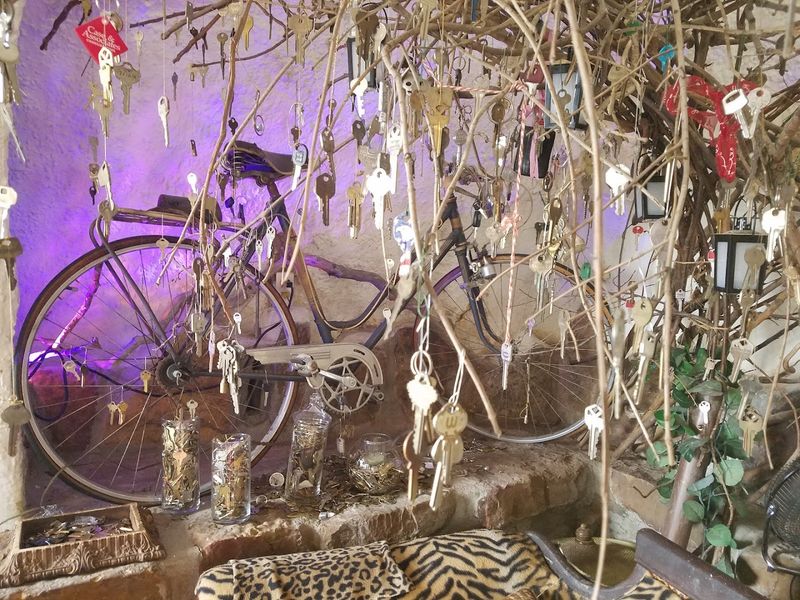
The inside of the Cave House is not decorated in any conventional sense. Every surface, corner, and shelf holds something unexpected, and the overall effect is closer to a curated wonderland than a typical home interior.
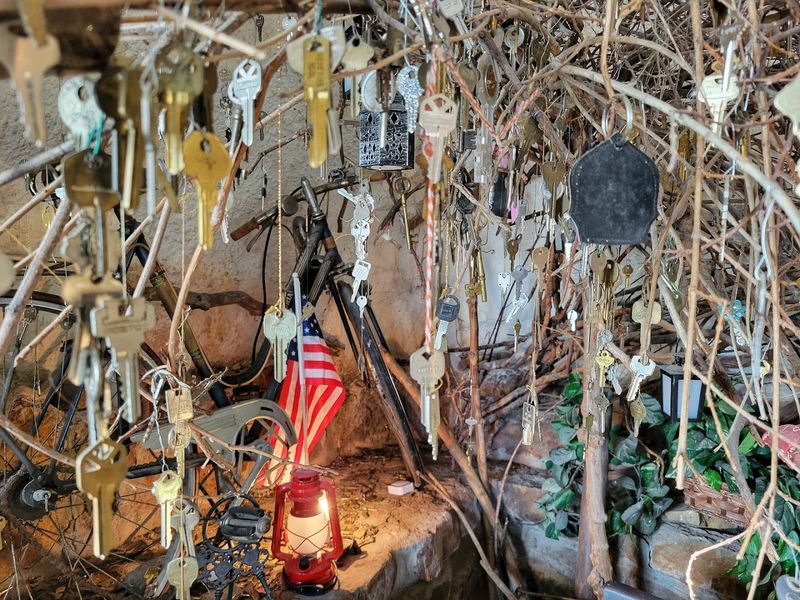
The key tree is one of the most beloved features, a living or natural tree-like structure covered in keys that visitors have left behind over the years.
There is also an impressive collection of art made from bones and sticks, which sounds unsettling until you see it and realize it is actually quite beautiful in a raw, organic way. The pieces have a handcrafted quality that feels intentional and personal rather than random.
Each item in the house seems to carry its own backstory, and Linda connects those stories to the larger history of the building during the tour.
The decorative choices reflect a sensibility that is hard to categorize. It is not quite folk art, not quite antique collecting, and not quite natural history display, but it borrows something from all three.
What ties it together is the sense that every object was chosen with care and kept with purpose. For anyone who appreciates spaces where the decor tells a story rather than just filling a room, the Cave House interior is genuinely unforgettable.
The Bedroom Slide That Nobody Expects
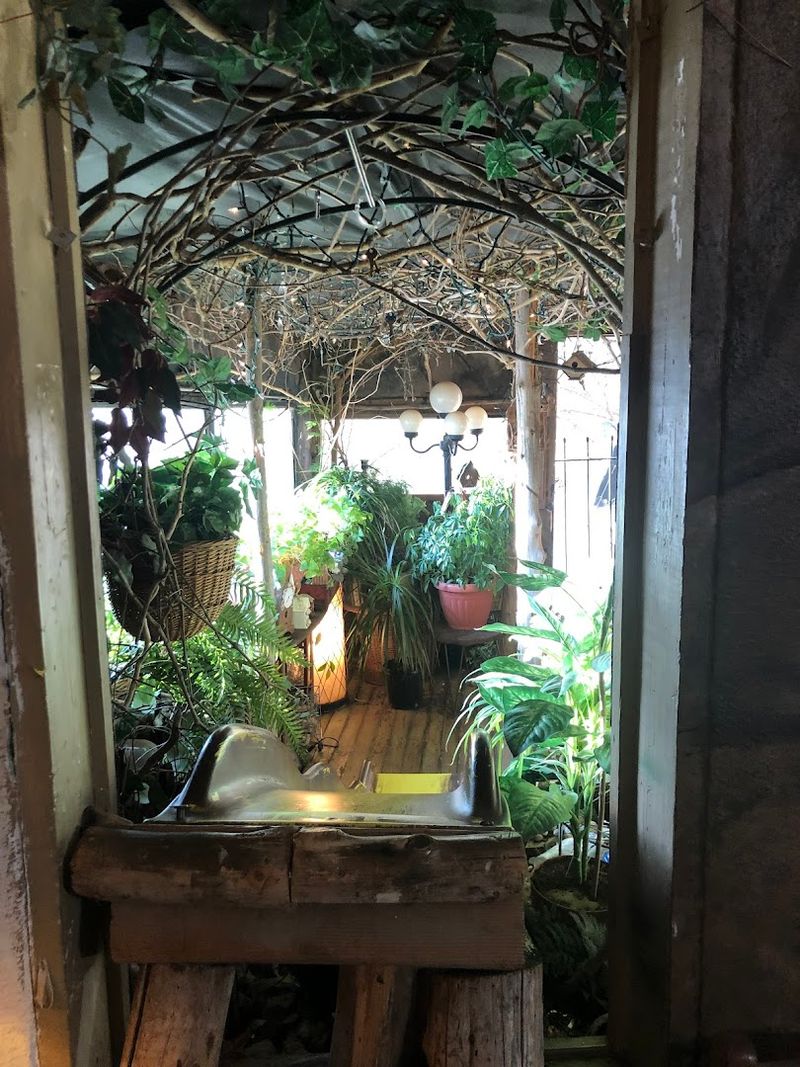
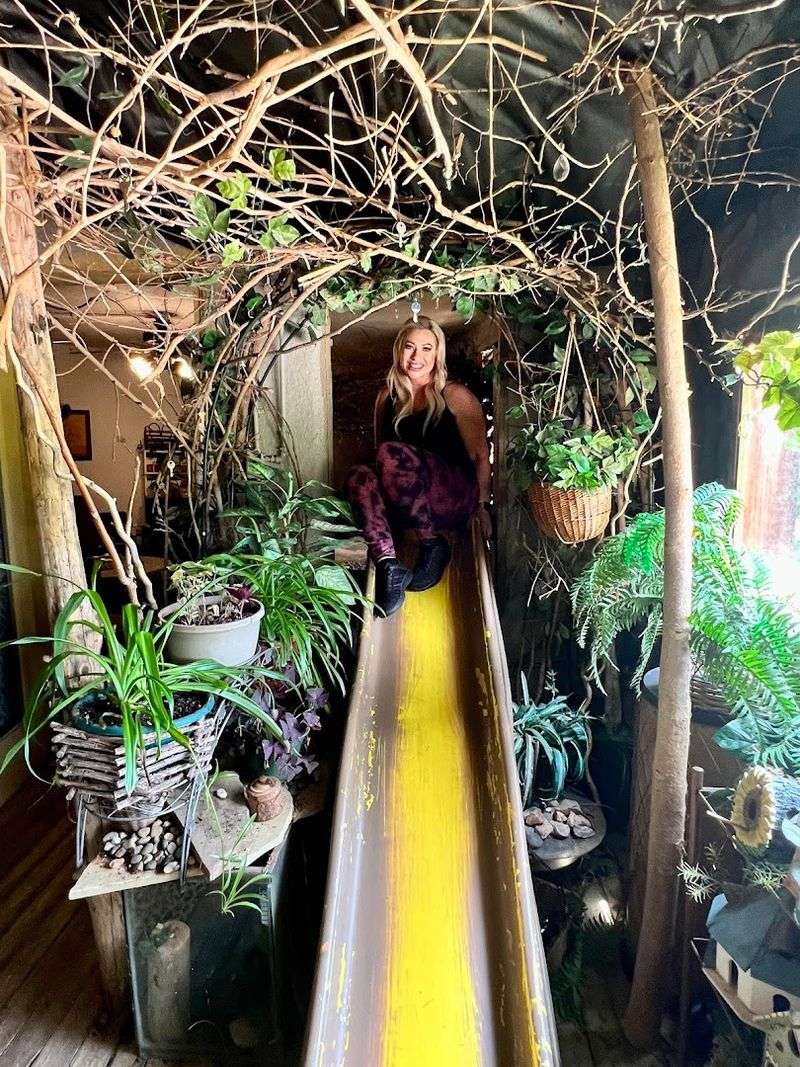
Tucked inside one of the Cave House’s most personal spaces is a detail that stops every visitor in their tracks: a yellow children’s slide built right into the bedroom. It is the kind of feature that makes you do a double take and then immediately want to try it, regardless of your age.
The slide is not a replica or a prop added for tourists. It is an original part of the house’s character, and it speaks to the personality of the people who lived here and shaped this space over the decades.
There is something deeply charming about a home that takes itself just seriously enough to be livable but not so seriously that it forgets to be fun.
Visitors who go down the slide tend to describe it as one of the highlights of the tour, which makes perfect sense. It is a tactile, joyful moment in the middle of a history-focused experience, and the contrast makes it land even harder.
The nest bed nearby adds to the bedroom’s surreal quality, making the whole room feel like a space designed for someone who refused to grow up in all the right ways. This single room captures the spirit of the Cave House better than almost anything else inside it.
The Architecture That Started It All
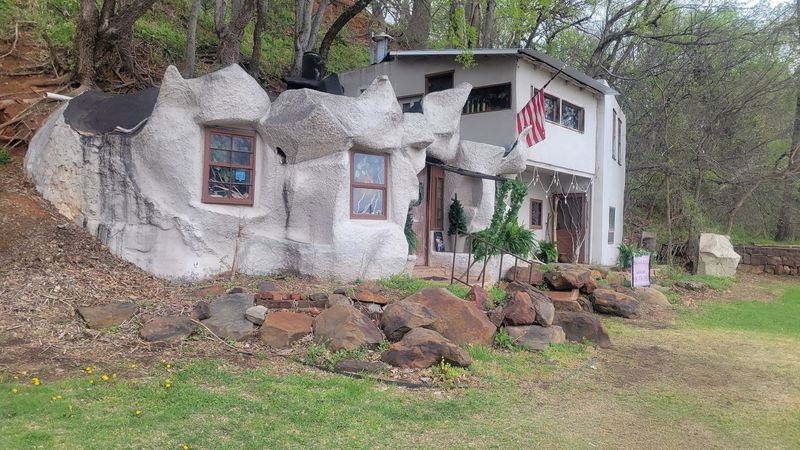
The structure itself is worth discussing separately from everything that happened inside it, because the architecture of the Cave House is genuinely unlike anything most people have seen in a residential setting. The rounded walls, low arches, and rough stone surfaces give it the appearance of a dwelling that grew out of the ground rather than being assembled from plans and materials.
Built in 1924, the design reflects a creative vision that was ahead of its time in some ways and deeply rooted in a specific moment of American architectural experimentation in others. Cave-style homes were never common, which makes surviving examples like this one especially valuable as cultural artifacts.
The thick walls that give it such a distinctive look also made it a naturally cool and insulated space, practical as well as striking.
From the road, the building reads as an oddity, something your eye catches and your brain takes a moment to process. Up close, the craftsmanship becomes more apparent, and you start to appreciate the skill involved in shaping stone into curves rather than straight lines.
The Cave House is proof that architecture can be both deeply functional and completely original, a combination that is rarer than it should be.
Planning Your Visit: What to Know Before You Go
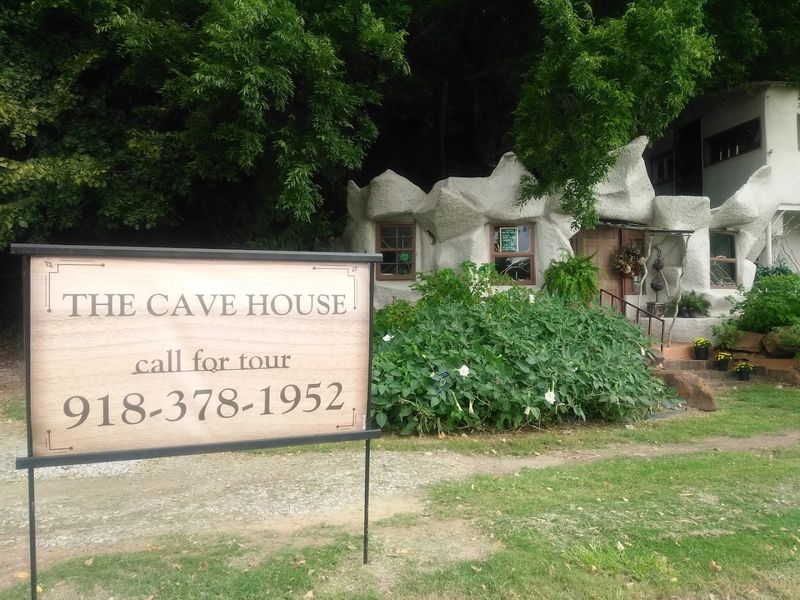
The Cave House is not a walk-in attraction, and that is actually part of what makes it special. Tours are arranged directly with Linda, and the best way to book is by texting or calling the number listed on the official website at cavehousetulsa.com.
She is responsive and happy to work with your schedule, but she does appreciate a little advance notice since she manages the property on her own.
Tours run for roughly an hour and a half, which is the right amount of time to cover the house without feeling rushed. The experience is best suited for visitors who enjoy storytelling and interactive history rather than passive sightseeing.
There is some movement involved, including stairs that may be steep in places, so visitors with mobility concerns should keep that in mind when planning.
Parking along Charles Page Blvd is limited, so arriving with that expectation helps avoid frustration. The Cave House has been featured on Atlas Obscura, which gives you a sense of the audience it attracts: curious travelers who seek out places that do not show up in standard guidebooks.
Whether you are visiting Tulsa for the first time or have lived there for decades and somehow missed this spot, the Cave House rewards the effort it takes to get there.
Why the Cave House Belongs on Every Oklahoma Road Trip
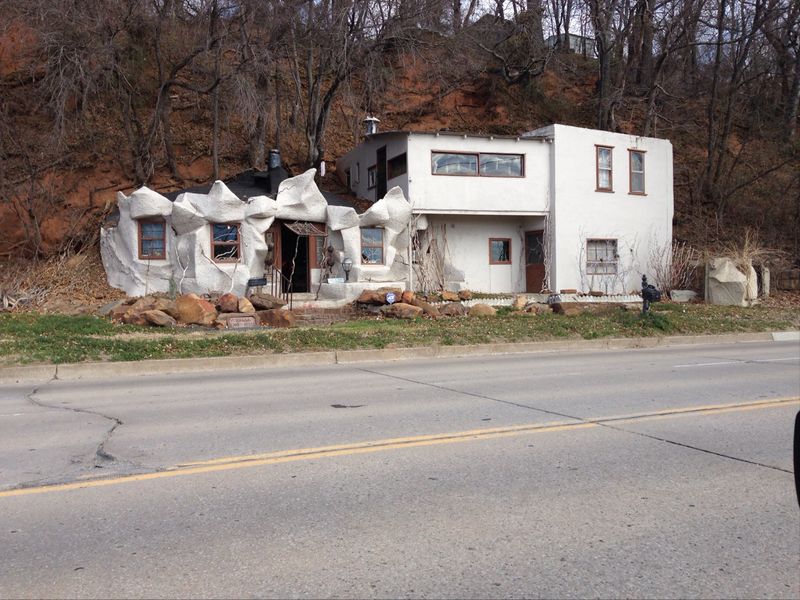
Oklahoma has no shortage of interesting roadside stops, but the Cave House occupies a category all its own. It is not a museum, not a theme park, and not a historic site in the traditional sense.
It is something more personal and harder to define, a living piece of local history that has been kept alive by one person’s dedication to honoring the stories attached to a very unusual building.
The combination of strange architecture, hidden compartments, eccentric decor, and a genuinely gifted storyteller at the center of it all makes for an experience that is difficult to replicate anywhere else. Visitors who stop in Tulsa specifically to see the Cave House consistently say it was worth the detour, and those who stumble upon it by chance tend to leave wishing they had planned more time for it.
For road trippers cutting through Oklahoma, the Cave House at 1623 Charles Page Blvd is the kind of stop that turns a regular drive into a story worth telling. It sits at the intersection of history, creativity, and community in a way that feels completely authentic.
Some places earn their reputation through marketing, and others earn it one visitor at a time. The Cave House has clearly chosen the second path, and it shows.



