 Unearth The Voyage
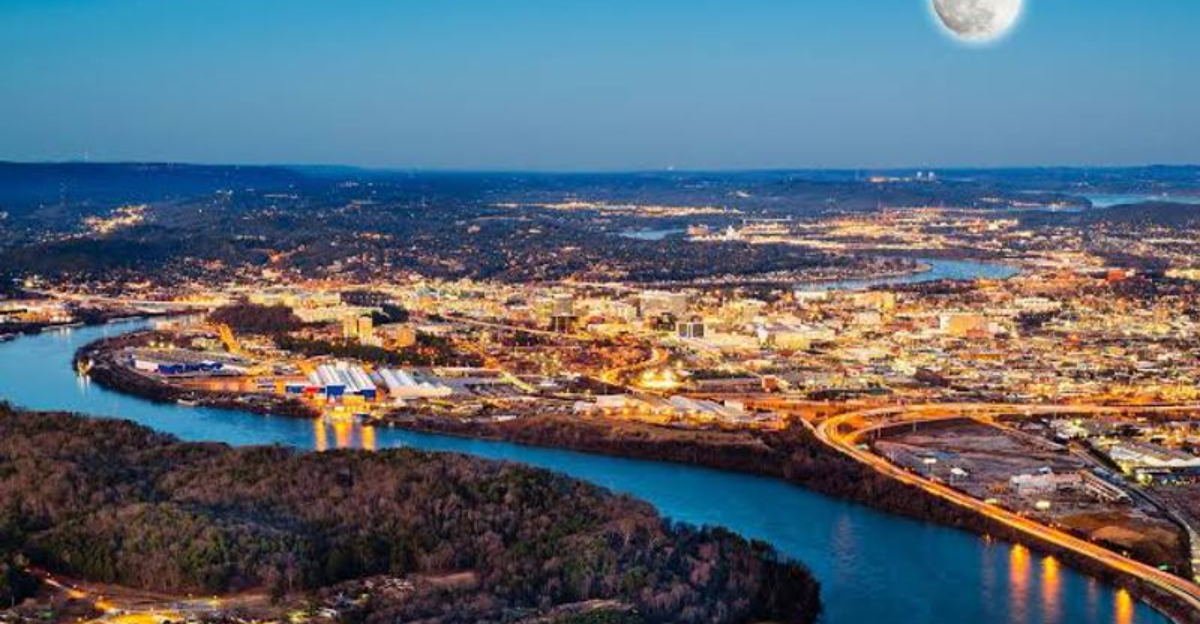
Most people think they know Appalachia. They know the jokes, the clichés, the surface-level stories passed around online.
What they rarely know are the people who live here, the history that shaped them, and the communities that refuse to be reduced to stereotypes. The real Appalachia is deeper, more complex, and far more resilient than the punchlines suggest.
Appalachia Is Bigger Than Most People Realize
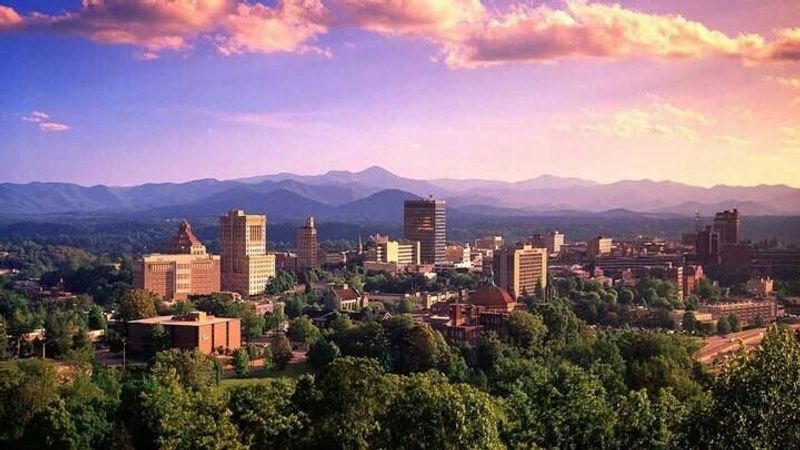
Start with a map surprise. Appalachia stretches wider than most folks picture, running from northern Alabama up through New York, touching big valleys, river towns, and ridgelines that roll for days.
You could drive for hours and still be in it, passing college campuses, hospitals, farms, and tight little hollers where neighbors know your dog’s name.
On my first long drive through the Blue Ridge, I learned quick that the region is not a single mood. North Georgia feels different from western Pennsylvania, and both feel different from eastern Kentucky.
The scenery changes, the accents shift, and the barbecue opinions get very serious, very fast.
That scale matters because it crushes the one-size-fits-all narrative. A coal town in southern West Virginia is not a craft-beer corridor in Asheville, and neither is a river city like Chattanooga.
When people say Appalachia like it is a single town, you can kindly point to the mileage.
It Was Shaped by Extraction, Not Isolation
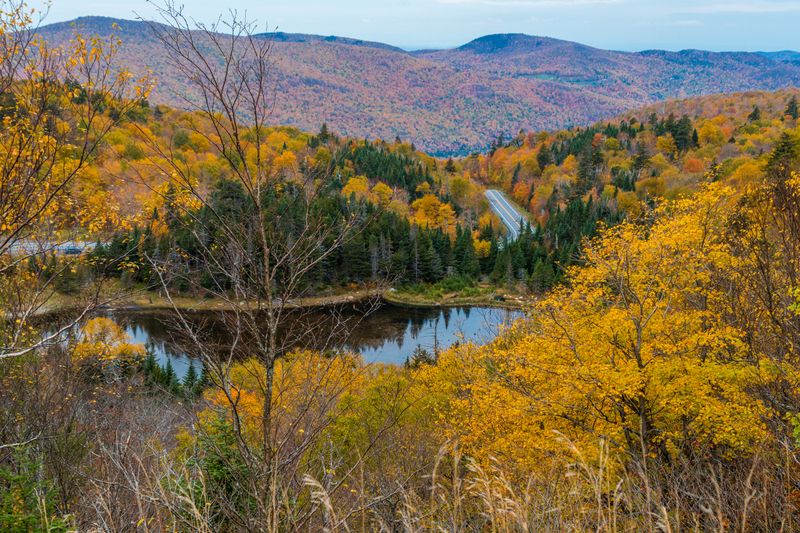
Forget the myth of untouched mountains hiding from history. For generations, outside companies arrived with rail lines, payrolls, and contracts that funneled wealth out while leaving blasted hills and broken streams behind.
Isolation is a neat excuse, but extraction is the plot twist.
I heard elders describe company scrip and company stores like it was yesterday. Pay came light, bills came heavy, and the ledger always seemed to balance against the worker.
It was an economy designed to anchor people in place while value rode the rails elsewhere.
When pundits call Appalachia forgotten, they skip the receipts. Timber, coal, and minerals were tracked, taxed, and shipped with ruthless efficiency.
The region was not ignored. It was mined, logged, and depleted, while communities absorbed the risk and the aftermath.
Coal Is Part of the Story – But Not the Whole Story
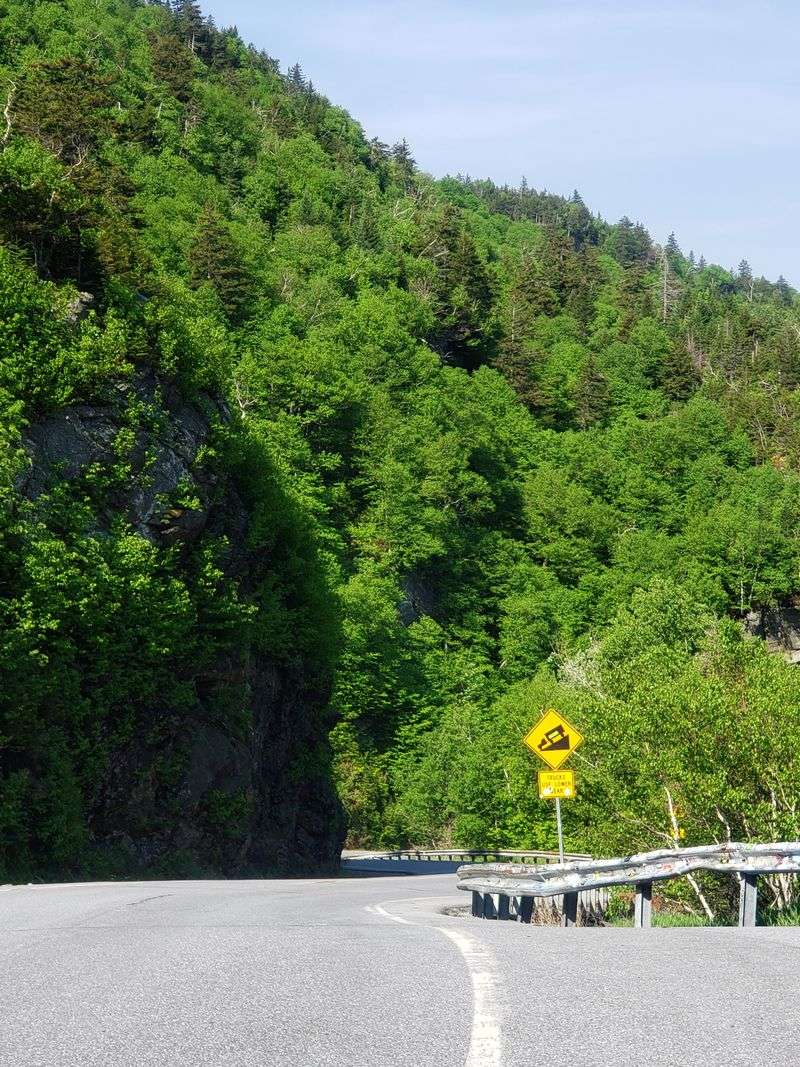
Coal casts a long shadow, but it does not block the sun. Across Appalachia, people work farms, run shops, build furniture, staff hospitals, teach classes, and guide visitors up switchbacks to sweeping views.
Plenty of families never saw a mine except on a field trip.
On a weekend wander through a mountain market, I bought heirloom beans, a hand-turned bowl, and a hot sauce that still scares me. That table of vendors could have been anywhere, but the rhythm was Appalachian: practical, creative, stubbornly local.
The jobs reflect that mix.
Economies evolve like rivers, shifting channels without asking permission. Manufacturing parks hum beside orchards, and tourism floats on top of old rail beds turned greenways.
Coal shaped politics and identity, sure, but it is one chapter in a larger, ongoing book.
The Region Has a Long History of Labor Organizing
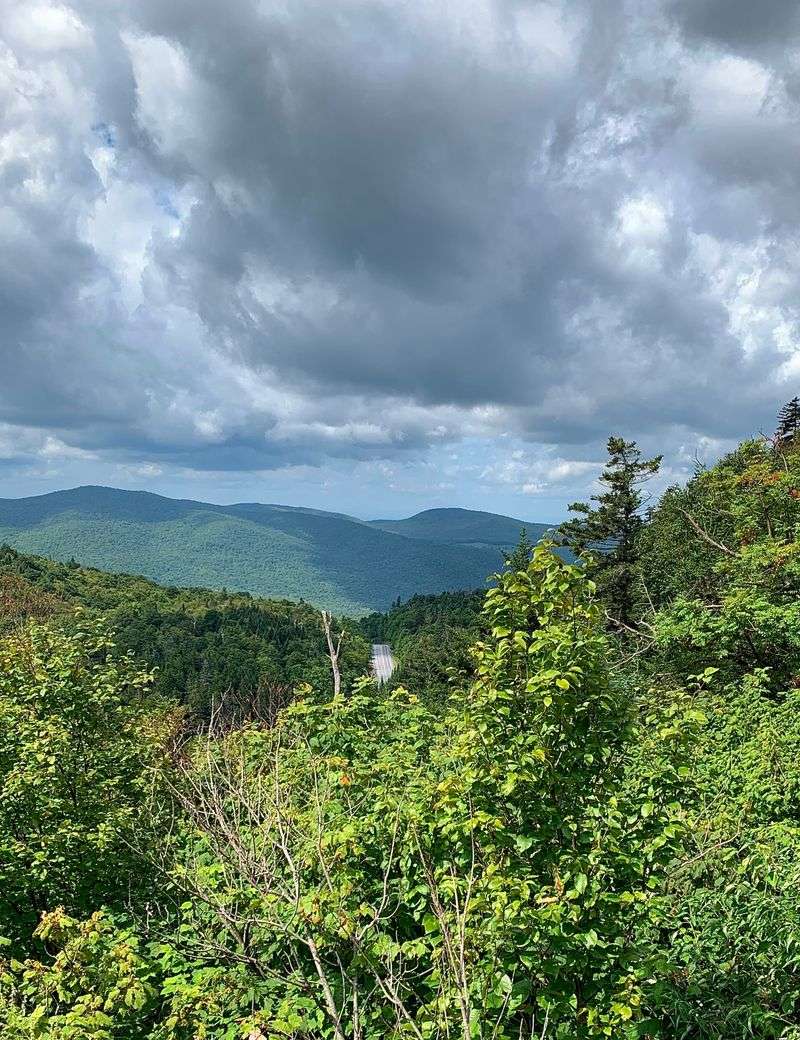
Raise your sign, because this ground remembers. Appalachia birthed strikes that shook boardrooms, with miners risking jobs and lives to demand safety, pay, and dignity.
These fights were not footnotes. They were front-page clashes with company guards and deputized muscle.
I once stood where a union rally had thundered decades earlier, and a local pointed out the ridge where shots rang. The air felt ordinary, which is how history hides.
But the stories remain, carried in family names and union songs that still bite.
Call the region backwards and you erase courage. Organizing here meant facing private armies, blacklists, and hunger.
The labor tradition is a backbone, not a relic, teaching that solidarity is a skill learned the hard way.
Appalachia Has Always Been More Diverse Than People Assume
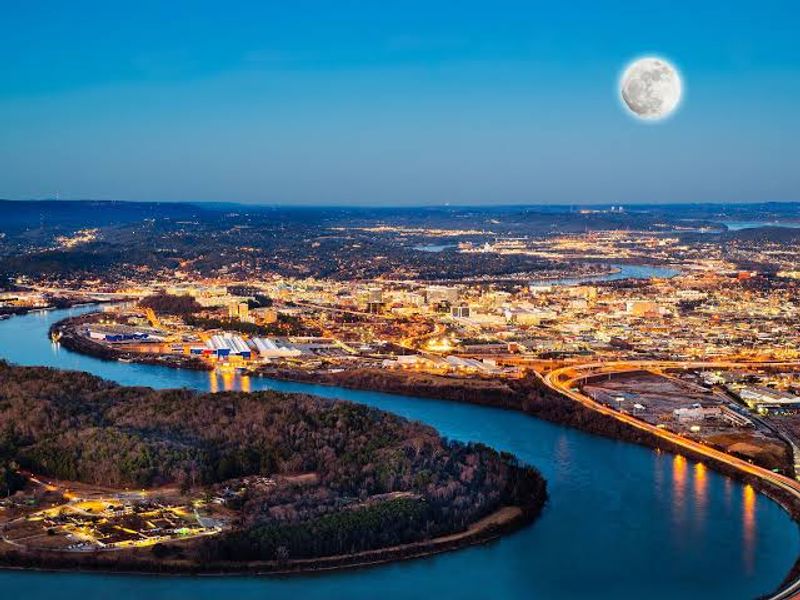
Look closer and the crowd gets beautifully mixed. Black Appalachian neighborhoods anchor city blocks, Cherokee history runs through place names, and Latino families power new businesses from restaurants to roofing crews.
Immigrant waves once filled mill towns, bringing languages that still echo in church basements.
At a summer street festival, I heard a fiddle trading licks with a gospel choir while kids queued for pupusas. No committee planned that blend.
It just happened because that is who showed up and claimed space. Diversity here is not a theory.
Music tells the truth fastest. Banjo lines carry African roots, ballads lean Scots-Irish, and rhythms migrate like people do.
When outsiders insist the region is monochrome, they miss the color right in front of them.
Appalachian English Isn’t “Bad Grammar” – It’s a Legitimate Dialect
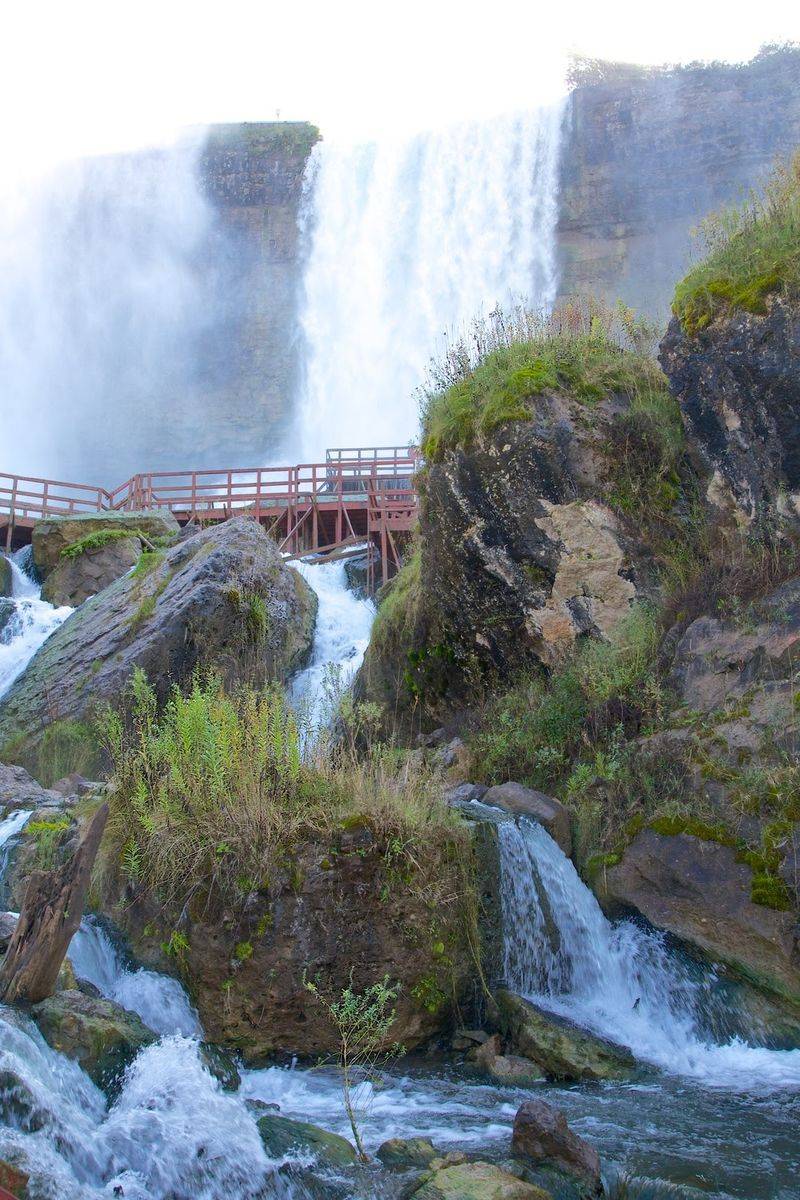
Say it plain: a dialect is not a mistake. Appalachian English has rules, rhythms, and roots that trace to Scots-Irish speech and older English forms.
When people mock it, they reveal bias, not brilliance.
I remember being corrected for saying might could in a classroom far from home. Later a linguist smiled and mapped its logic like clockwork.
That moment felt like vindication and a reminder that language tells you who holds the red pen.
Double negatives, a-prefixing, and particular verb forms are consistent, not random. The dialect is a living toolkit shaped by hills, kin, and work.
Respect the code and you will hear precision where others hear noise.
Appalachia Has Major Cities, Too
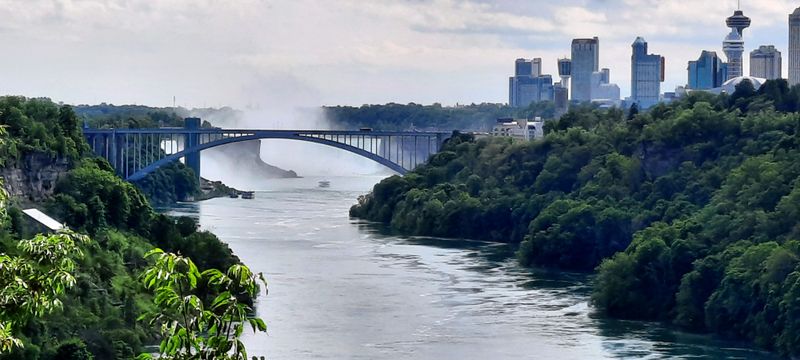
City lights do shine in these hills. Knoxville hosts packed arenas, Asheville pours coffee like a science, Chattanooga hums with startups by the river, and Roanoke glows under the star.
Even Pittsburgh’s nearby counties lean Appalachian while the arts budgets flourish.
I landed in one of these cities for a weekend and left with a notebook full of venues to revisit. Galleries, breweries, libraries, and lab spaces share blocks with old brick warehouses turned bright.
It felt both grounded and hungry.
So retire the cabins-only cliché. Urban Appalachia is real and lively, with universities pulling talent and hospitals training the next round of specialists.
The region is rural and urban, and that tension makes it interesting.
The Food Is More Than Biscuits and Gravy
Bring an appetite and maybe a second plate. Appalachian cooking leans seasonal and smart, with foraged ramps sizzling in cast iron, mushroom baskets emptied at dawn, and cornbread baked in more styles than anyone admits.
Soup beans meet bright chow chow, then disappear fast.
One autumn, a neighbor traded a jar of pickled beans for my extra apples, and the swap tasted like a handshake. Apple stack cake slices thin but stacks tall.
Wild game shows up respectfully, prepared by someone who knows the woods.
This is survival cuisine turned heritage, not pity on a plate. Smoke, salt, vinegar, and patience do heavy lifting while waste sits in the corner sulking.
If you come hungry, you leave converted.
Appalachia Has Some of the Most Beautiful Landscapes in America
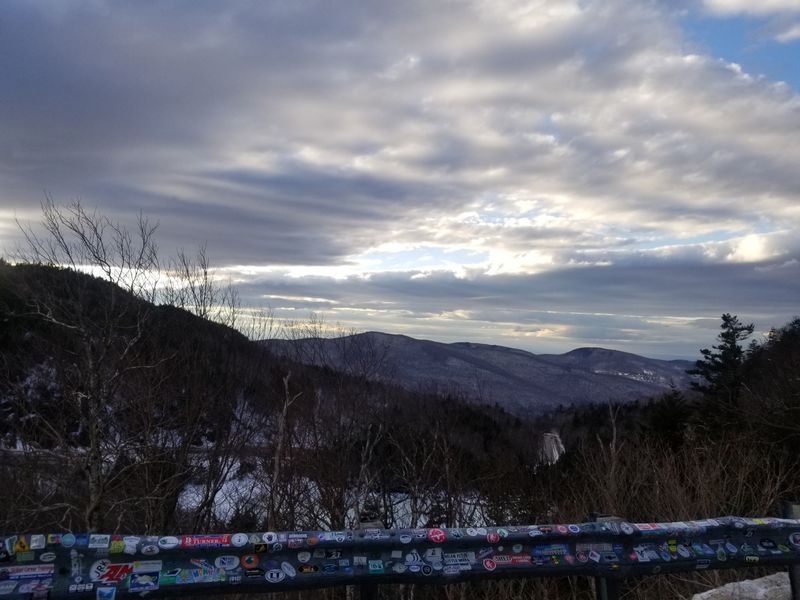
Breathe in and count the blues. The ridgelines stack like pages, soft and endless, with morning haze that turns valleys into whispered secrets.
Waterfalls thread the rock, wildflowers paint balds, and rivers write cursive through hardwood forests.
I have stood on an overlook in the Smokies and felt time slow to a patient crawl. The park is the most visited in the country for a reason, and yet a side trail can gift you a quiet that feels borrowed from another century.
Boots help, but wonder does the heavy lifting.
If this were tucked in Europe, brochures would call it legendary and charge extra. Instead, it is yours for the price of a tank of gas and a good map.
The scenery alone could carry a lifetime of weekends.
Tourism Helps – But It Can Also Hurt
Follow the money and the rent receipts. Tourism packs streets, fills tip jars, and funds trail maintenance, but it also nudges housing costs into the clouds.
Short-term rentals multiply while the workers serving lattes commute from farther away each season.
A friend who bartends downtown watched her lease double between summer festivals. Joy from the crowds got complicated by the math.
That is not a vibe problem. It is policy and planning lagging behind popularity.
Towns need balance: year-round jobs, mixed housing, and guardrails that keep locals from getting priced out of their own block. The mountains can welcome visitors and still protect neighbors.
Beauty is priceless, but living here should not be.
The Region Has Been Politically Simplified
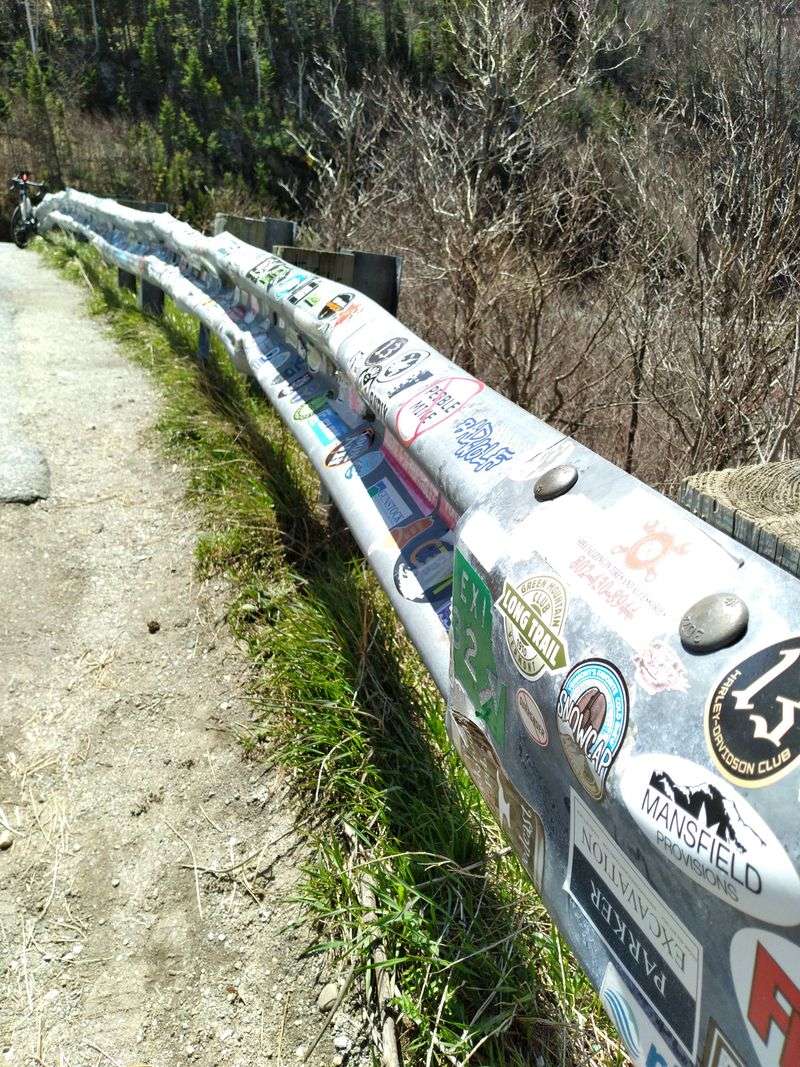
Beware the tidy headline. Depending on the year, Appalachia gets stamped as union blue, deep red, or culture war central.
The truth sprawls across county lines, split by jobs, churches, campuses, and local issues that rarely fit cable news.
I have canvassed streets where one porch displayed a union sticker and a libertarian flag, and the next porch smiled and said they vote issue by issue. People are complicated, and so is this region.
Oversimplify and you miss what actually moves the needle.
Look for university towns, old mill communities, and mountain hamlets trading policy for practicality. That patchwork is the real map.
It is not confusion. It is complexity.
Many Communities Have Been Fighting for Clean Water for Decades
Turn on a tap and you learn the stakes. Mining scars, leaky landfills, and sloppy development can turn creeks sour and wells suspect.
Floods hit harder when hills are scraped, sending mud and grief into kitchens.
I watched neighbors line up with jugs for testing, swapping notes about filters like recipes. The patience in that line was not acceptance.
It was resolve wrapped in courtesy, backed by years of petitions and court dates.
Clean water is not a scenic issue. It is a public health baseline, as basic as a working roof.
Communities here keep pushing because families deserve to drink without reading a lab report.
Appalachia Has a Quiet, Powerful Tradition of Mutual Aid
When the sirens fade, the trucks roll from next door. Mutual aid here is muscle memory: casseroles on porches, tool belts loaned without paperwork, and fundraisers that fill a gym by sunset.
The phrase we take care of our own is not a slogan. It is logistics.
After a flood wrecked a low valley street I know, people showed up with bleach, gloves, and a short list of who needed help first. Nobody waited for a podium speech.
Someone brought a pressure washer and we turned a corner.
This is not charity theater. It is a practical response to thin systems and long memories.
When institutions run slow, neighbors run fast, and that speed saves days that feel impossible.
Young People Are Leaving – But Many Are Also Coming Back
Watch the door swing both ways. Plenty of graduates chase paychecks elsewhere, but a surprising number bring skills home and start things.
Coffee shops replace pawn signs, farms sprout from fallow fields, and laptops glow on porches with strong Wi-Fi and stronger sunsets.
I bumped into an old classmate running a tiny print shop that now ships nationwide. He left, learned, returned, and hired two neighbors.
That loop felt like a blueprint more towns could use.
Brain drain still hurts, but trickle-back momentum is real. Remote work helps, as do microloans and empty storefronts hungry for ideas.
Change arrives slower than headlines, then all at once on a busy Saturday.
Appalachia Is Not “Forgotten” by the People Who Live There
Here is the line that matters. Appalachia does not sit around waiting for rescue.
People stay, rebuild, argue, sing, and show up again tomorrow. Home is a habit reinforced by work boots and Sunday dinners.
I have watched a town toast a rebuilt bridge like it was a championship. Pride is not performative here.
It is stitched into daily choices and held together with humor that lands even on hard days.
Call it forgotten if you are far away. Up close, it is remembered hourly by the folks who keep it running.
The label says more about outsiders than residents. Around here, we just call it home.



