 Unearth The Voyage
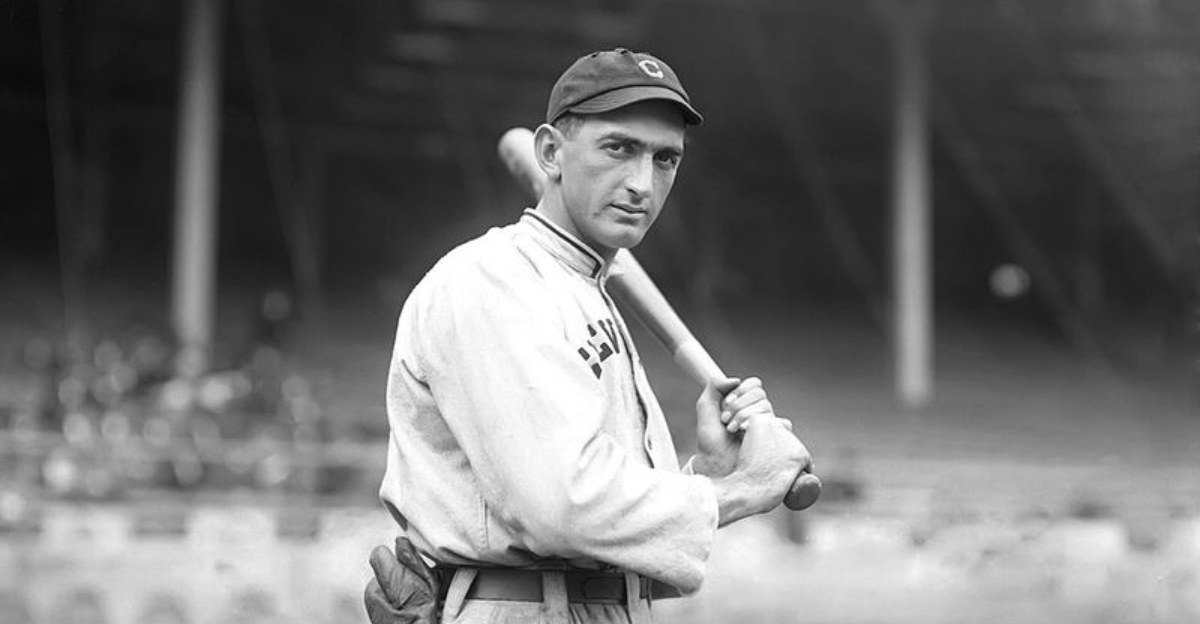
The Baseball Hall of Fame is supposed to honor the greatest players who ever stepped onto a diamond. But sometimes, amazing athletes get left out for reasons that don’t always seem fair. Some players had incredible careers with jaw-dropping stats, yet they’re still waiting for that call to Cooperstown. Whether it’s because of controversies, bad timing, or just being overlooked, these legends deserve a closer look at why they belong among the immortals.
1. Barry Bonds
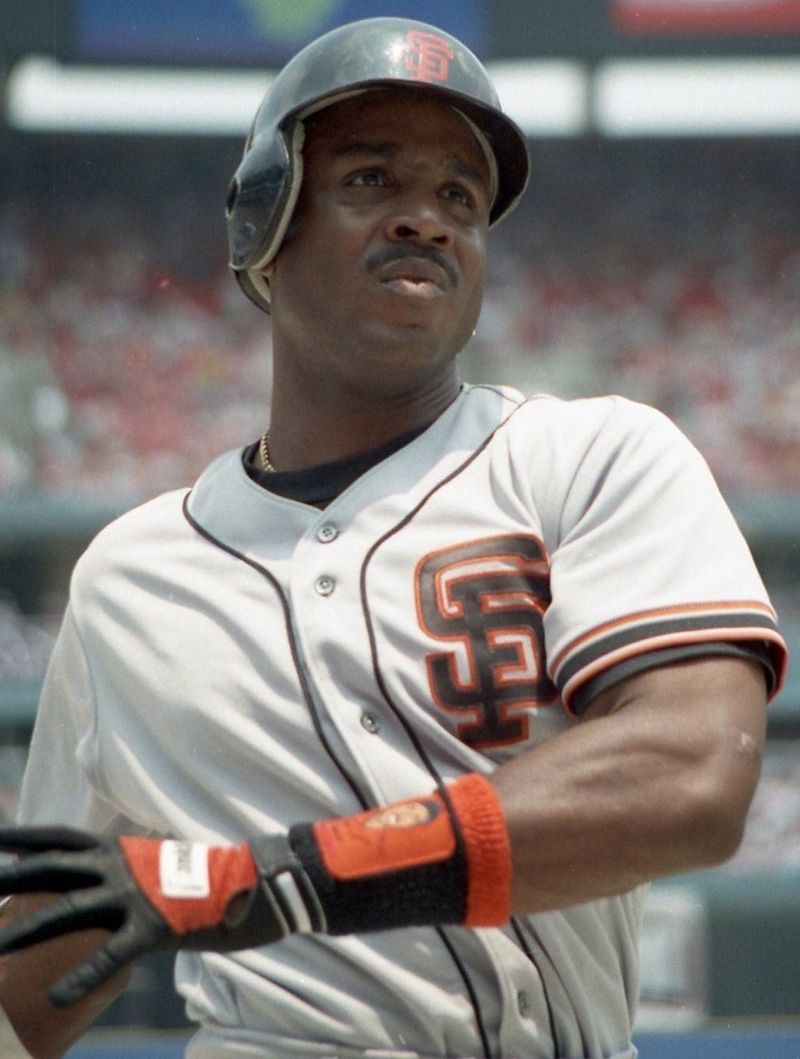
Seven MVP awards. That’s more than any player in baseball history. Bonds rewrote the record books with 762 home runs and a single-season record of 73 homers that still stands today.
His batting eye was legendary. Pitchers walked him 2,558 times because they were terrified to give him anything good to hit. Before anyone whispered about steroids, he was already a superstar with speed, power, and defense that made him a complete player.
The steroid allegations have kept him out of Cooperstown, but his numbers speak louder than any controversy. Even if you only count his stats before 1999, he’d still be a Hall of Famer. His combination of power and plate discipline changed how teams approached the game, making him one of the most feared hitters ever to grip a bat.
2. Roger Clemens

The Rocket launched fastballs past hitters for 24 seasons. Clemens won seven Cy Young Awards, more than any pitcher except for one other player. He struck out 4,672 batters and won 354 games during his incredible career.
His dominance lasted decades, not just a few good years. Clemens could blow hitters away with heat or fool them with breaking balls. He was a fierce competitor who brought intensity to every single pitch he threw.
Like Bonds, steroid accusations have blocked his path to the Hall. But his achievements on the mound are undeniable. He was the best pitcher of his generation and remained effective well into his 40s. Whether you focus on his early Boston years or his later success, the numbers prove he belongs with the all-time greats in Cooperstown.
3. Pete Rose
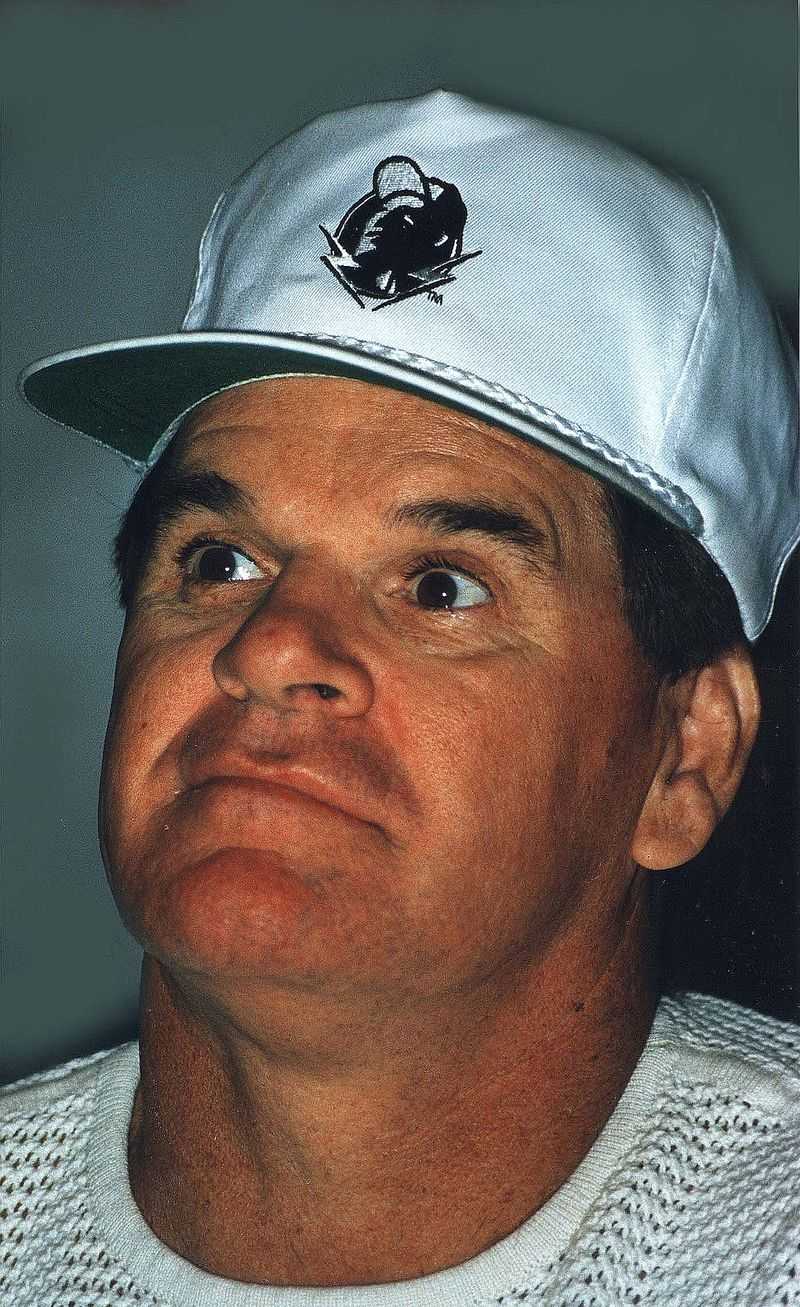
Charlie Hustle earned his nickname by running to first base on walks. Rose collected 4,256 hits, more than anyone in baseball history. He played with a passion that inspired teammates and frustrated opponents for over two decades.
His versatility made him special. Rose played multiple positions and won three batting titles while helping the Big Red Machine dominate the 1970s. He was a 17-time All-Star who showed up ready to compete every single day.
The lifetime ban for gambling on baseball keeps him out permanently. MLB rules are clear about betting, and Rose broke them while managing the Reds. Still, many fans argue that his on-field accomplishments should be separated from his mistakes. His hit record alone makes a strong case for enshrinement, even if it remains controversial.
4. Shoeless Joe Jackson
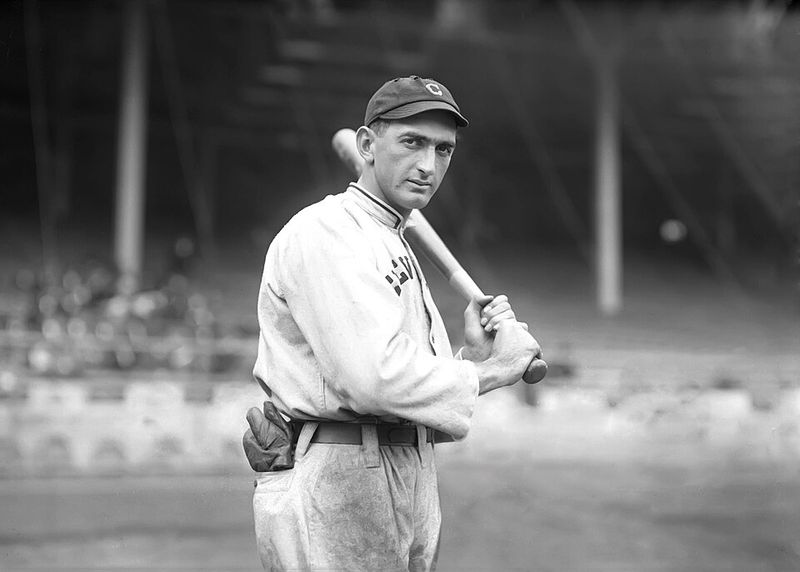
A .356 lifetime batting average tells you everything about Joe Jackson’s talent. Only Ty Cobb and Rogers Hornsby finished their careers with higher marks. Jackson could hit anything pitchers threw at him, making solid contact that seemed almost effortless.
The 1919 Black Sox Scandal ruined his legacy forever. Eight White Sox players, including Jackson, were accused of intentionally losing the World Series for gambling money. Despite being acquitted in court, Commissioner Kenesaw Mountain Landis banned all eight players for life.
Here’s the twist: Jackson played brilliantly during that World Series, hitting .375 with no errors. Many historians believe he took money but didn’t actually throw games. His incredible skills and the murky details of his involvement make his exclusion one of baseball’s saddest stories. Fans still debate whether justice was truly served.
5. Curt Schilling
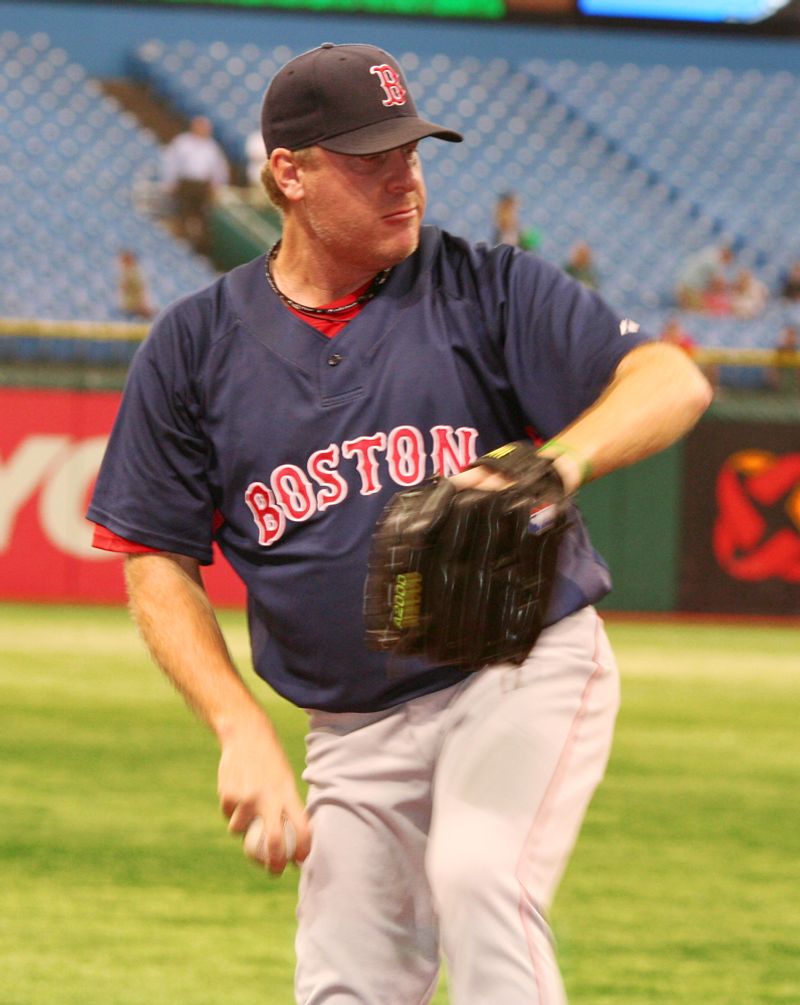
The bloody sock game defined clutch pitching. Schilling won three World Series championships and posted a 2.23 ERA in postseason play, one of the best marks ever. When the stakes were highest, he delivered performances that became instant legends.
His regular season numbers are Hall-worthy too. Schilling struck out 3,116 batters with excellent control, walking far fewer hitters than most power pitchers. He won 216 games and finished in the top five for Cy Young voting multiple times.
Personal controversies and social media comments have hurt his candidacy. Some voters have stated they won’t support him because of things he’s said off the field. This has created fierce debates about whether character should matter as much as performance. His postseason heroics and dominant career statistics make a compelling argument that he belongs in Cooperstown regardless.
6. Alex Rodriguez
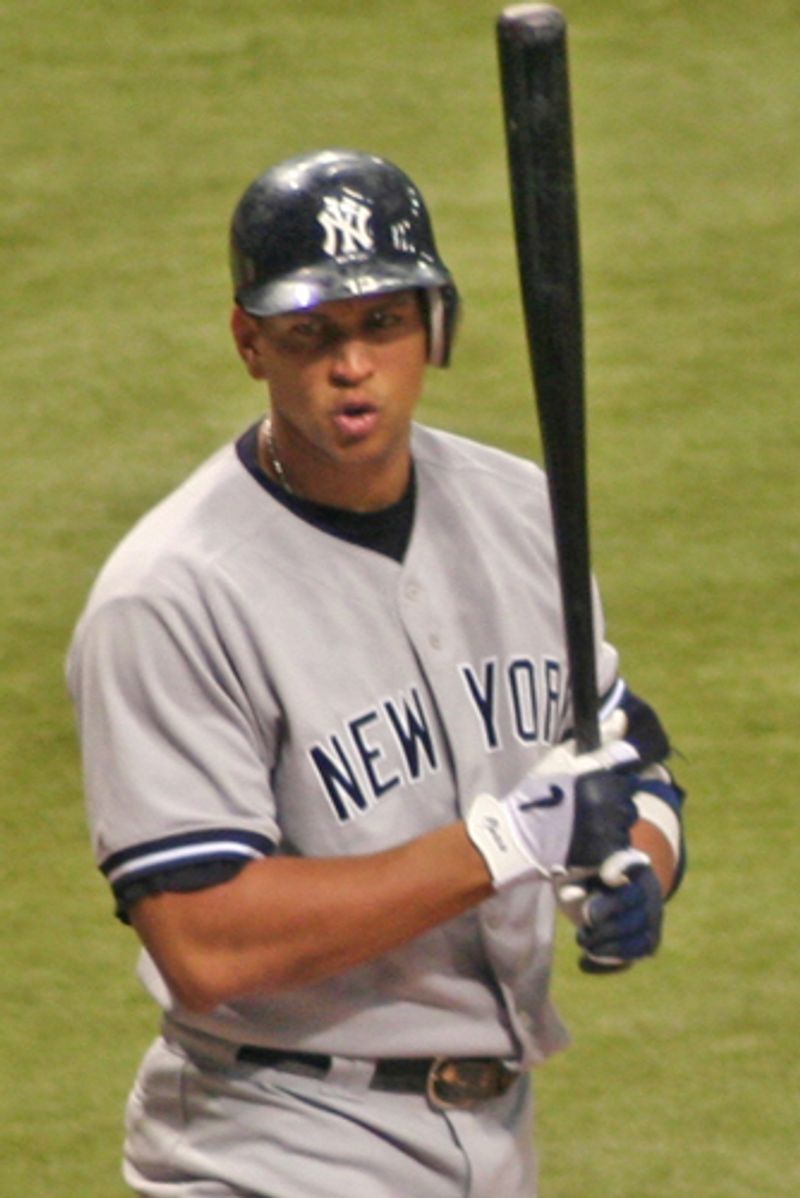
A-Rod hit 696 home runs, putting him fourth on the all-time list. He won three MVP awards, made 14 All-Star teams, and earned both a batting title and Gold Glove awards. His combination of power, average, and defense made him a complete superstar for two decades.
Starting his career in Seattle, Rodriguez became the face of baseball. He signed record-breaking contracts and delivered spectacular performances year after year. His numbers at shortstop were especially impressive, showing rare power from that defensive position.
Steroid suspensions derailed his reputation and Hall of Fame chances. Rodriguez admitted to using performance-enhancing drugs and served a full-season suspension in 2014. Despite helping the Yankees win a championship in 2009, his admitted cheating has made voters reluctant to support him. His incredible statistics create another difficult debate about how baseball should remember its tainted stars.
7. Manny Ramirez
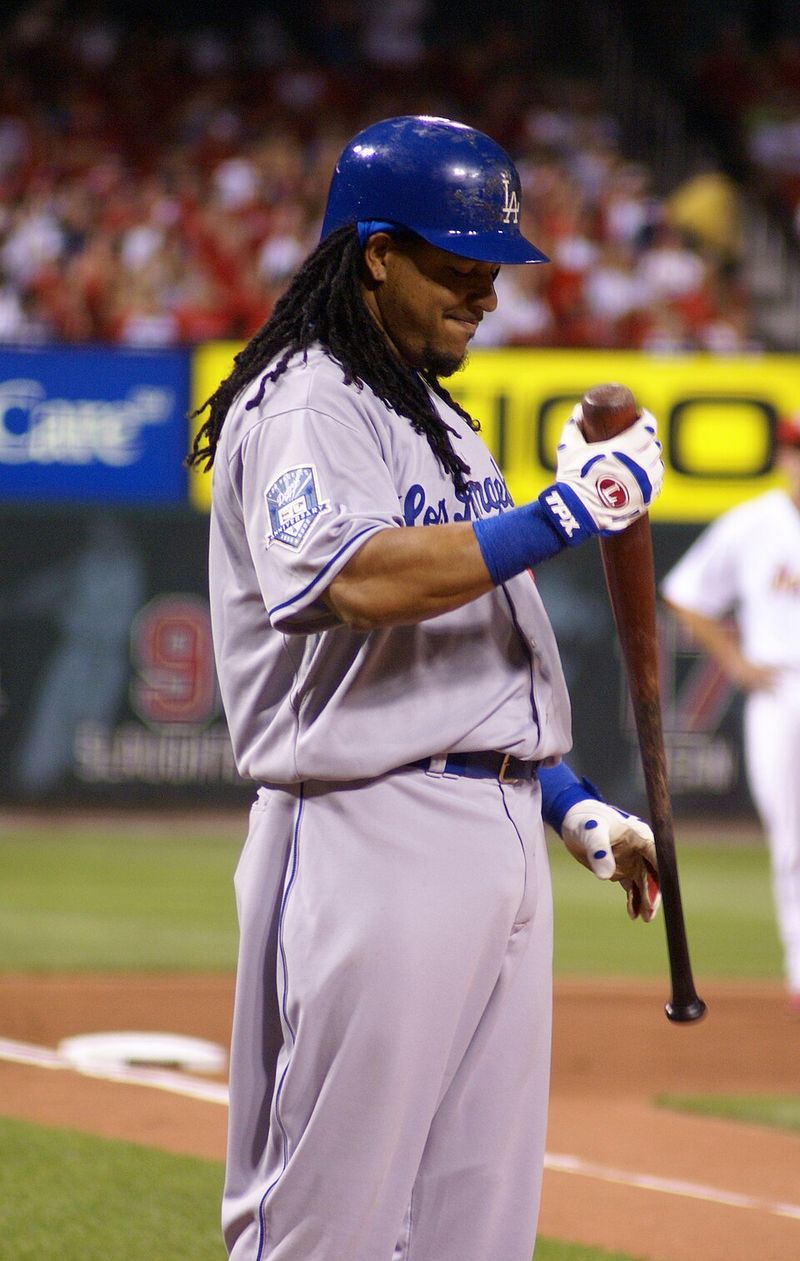
Manny being Manny meant spectacular hitting mixed with quirky behavior. Ramirez finished with 555 home runs and a .312 batting average during his 19-year career. His ability to hit in clutch situations made him one of the most dangerous hitters in playoff history.
Two World Series championships with Boston showcased his talents. Ramirez won MVP honors in the 2004 Fall Classic, helping end the Red Sox curse. His smooth left-handed swing produced consistent power that pitchers feared throughout his prime years.
Two positive tests for performance-enhancing drugs ended his career badly. The suspensions tarnished his legacy and complicated his Hall of Fame case. Many voters can’t overlook the failed tests, even though his production was elite for such a long time. His combination of power, average, and postseason success would normally guarantee enshrinement, making his exclusion another casualty of baseball’s steroid era.
8. Mark McGwire
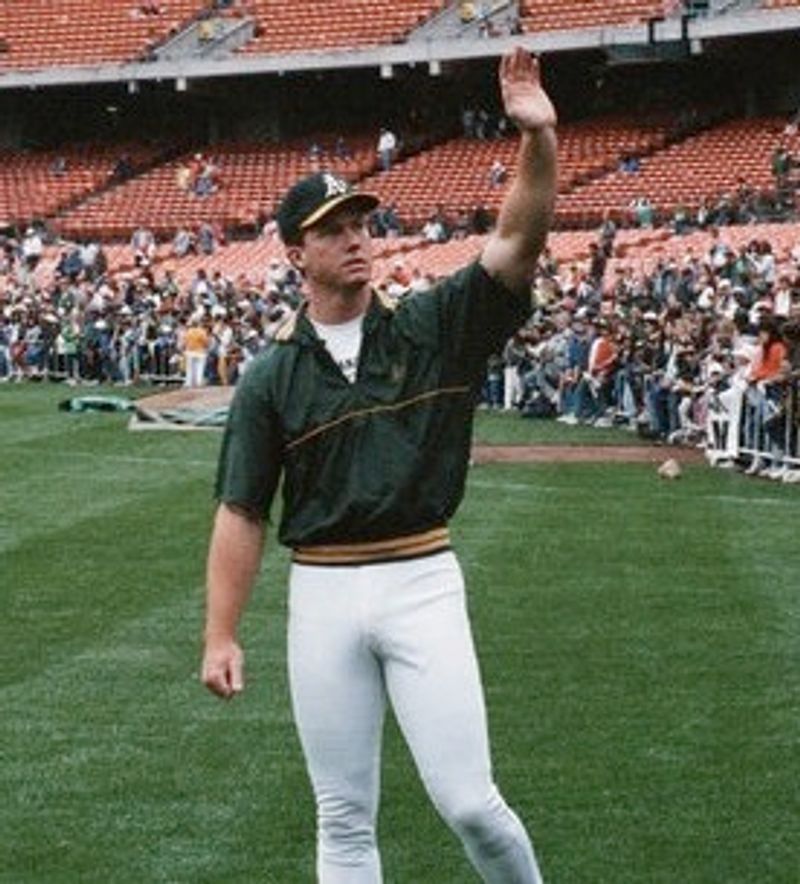
The summer of 1998 captivated America. McGwire and Sammy Sosa chased Roger Maris’s single-season home run record, bringing excitement back to baseball after the 1994 strike. McGwire finished with 70 homers that year, a mark that seemed impossible before he achieved it.
Big Mac hit 583 career home runs with tape-measure shots that left fans speechless. His towering blasts traveled distances that seemed superhuman. He averaged a home run every 10.6 at-bats, the best ratio in baseball history.
Steroid admissions during congressional testimony destroyed his Hall chances. McGwire confessed to using performance-enhancing drugs throughout his career, including during his record-breaking season. While he brought fans back to ballparks, voters have rejected him consistently. His incredible power numbers can’t overcome the fact that he admitted to cheating, leaving his legacy forever complicated.
9. Sammy Sosa
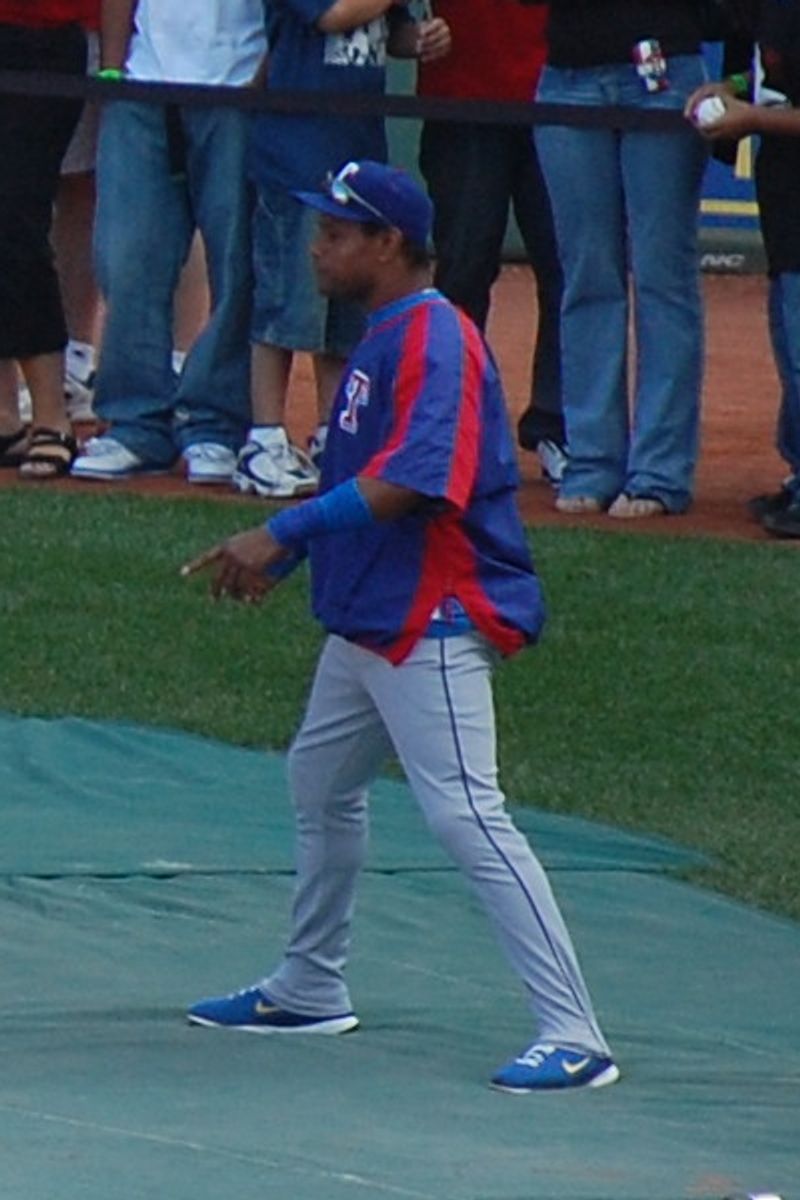
Slammin’ Sammy brought joy to Wrigley Field for over a decade. He hit 609 career home runs and became the first player to hit 60 or more homers in three different seasons. His infectious smile and enthusiastic celebrations made him a fan favorite across baseball.
The 1998 home run chase made him a national celebrity. Sosa’s rivalry with McGwire was friendly and exciting, bringing positive attention to the Cubs. He won the 1998 MVP award and continued producing monster seasons for years afterward.
Steroid allegations and a positive test in 2003 damaged his reputation. Though he never admitted to using banned substances, the evidence suggests otherwise. A corked bat incident in 2003 added another black mark to his record. Despite his massive home run totals and the happiness he brought fans, voters have consistently passed him over for Cooperstown.
10. Albert Belle
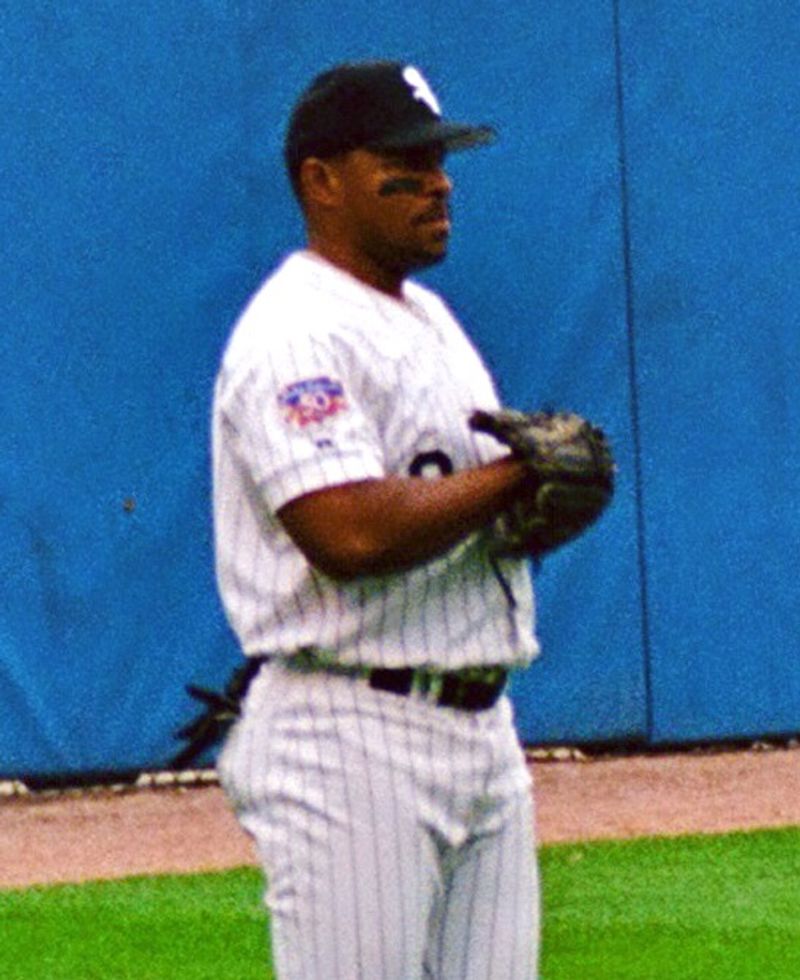
Few hitters were more feared during the 1990s than Albert Belle. He combined power and average in ways that made pitchers nervous. Belle hit 381 home runs in just 12 seasons, averaging 50 homers per 162 games during his peak years with Cleveland.
His 1995 season was legendary. Belle became the first player to hit 50 home runs and 50 doubles in the same year. He drove in runs at an incredible pace and terrorized American League pitching throughout the decade.
A difficult personality and short career have kept him out. Belle’s confrontations with reporters, fans, and umpires created a negative reputation. His career ended early due to degenerative hip problems when he was only 34. While his rate statistics are outstanding, he didn’t accumulate enough counting stats to convince voters. His peak performance level, however, matched anyone’s in baseball history.
11. Lou Whitaker
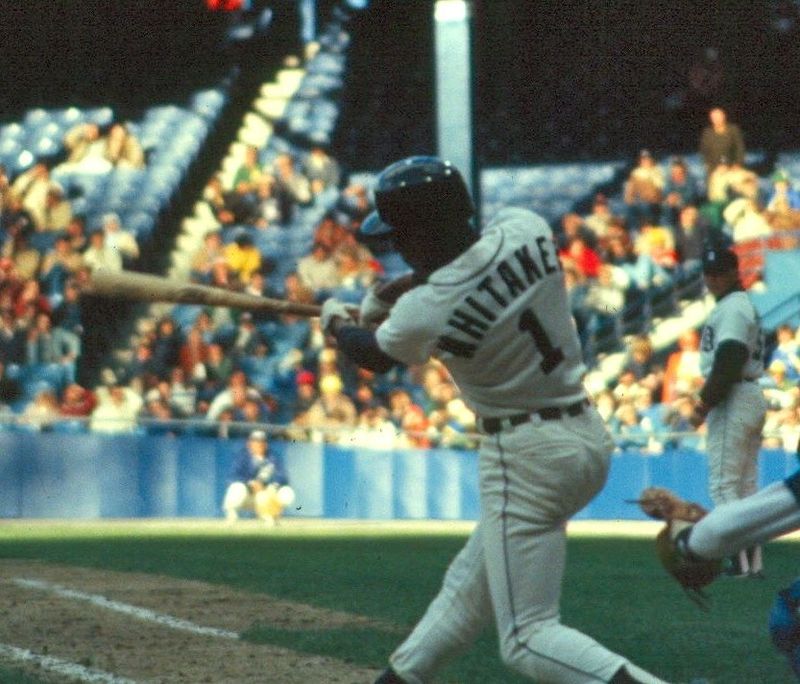
Sweet Lou formed half of baseball’s greatest double-play combination. Whitaker and Alan Trammell played together in Detroit for 19 seasons, creating defensive magic up the middle. Whitaker’s smooth fielding and consistent hitting made him one of the best second basemen of his era.
His offensive numbers are better than many Hall of Fame second basemen. Whitaker hit 244 home runs with a .276 average and excellent on-base skills. He won three Gold Gloves, made five All-Star teams, and helped Detroit win the 1984 World Series.
Being overlooked happens too often to great players. Whitaker received only one year on the Hall of Fame ballot, getting dropped after failing to reach five percent support. This seems incredibly unfair given his sustained excellence. Modern statistical analysis shows he deserves serious consideration. His partnership with Trammell should be honored together in Cooperstown, preserving one of baseball’s greatest middle infield combinations.
12. Kenny Lofton

Speed kills, and Lofton used his wheels to terrorize opponents. He stole 622 bases during his career, ranking 15th all-time. Lofton could turn singles into doubles and doubles into triples with his blazing speed that changed how defenses positioned themselves.
His all-around game went beyond just stealing bases. Lofton hit .299 for his career, made six All-Star teams, and won four Gold Gloves in center field. He was the catalyst for Cleveland’s great teams in the 1990s, setting the table for powerful lineups.
Center fielders with his credentials usually get more respect. Lofton’s career Wins Above Replacement numbers compare favorably to several Hall of Fame outfielders. He played excellent defense, got on base consistently, and brought energy that lifted entire teams. His omission from Cooperstown seems puzzling when you examine his complete contributions. Speed specialists deserve recognition, and Lofton was one of the absolute best.
13. Andruw Jones
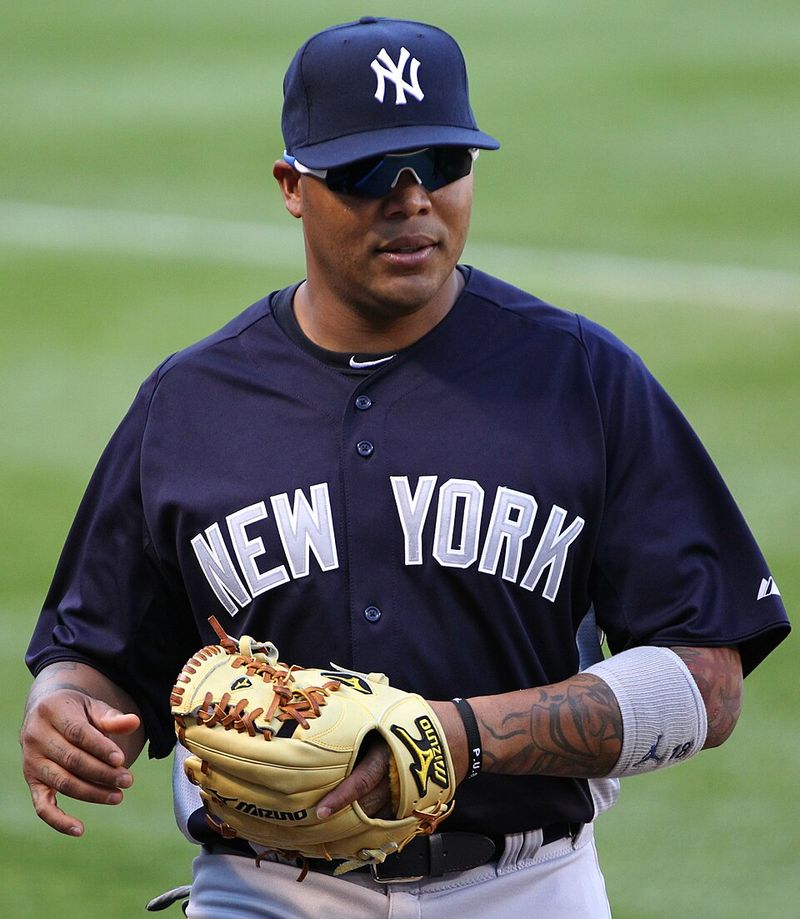
Gold Glove excellence defined Jones’s career. He won ten consecutive Gold Gloves in center field, displaying defensive skills that reminded people of Willie Mays. Jones could cover more ground than almost any outfielder in history, turning potential extra-base hits into routine outs.
His power numbers were impressive too. Jones hit 434 home runs, with five seasons of 40 or more homers. He was a key player for Atlanta’s dynasty, making five All-Star teams and providing both offense and defense at an elite level.
A weak finish to his career hurt his chances. Jones struggled badly after leaving Atlanta, hitting poorly in his final seasons. This caused some voters to focus on his decline rather than his peak excellence. However, his combination of defensive wizardry and power hitting created tremendous value. Modern metrics show he was one of the best players of his generation, deserving enshrinement for his complete skill set.
14. Thurman Munson
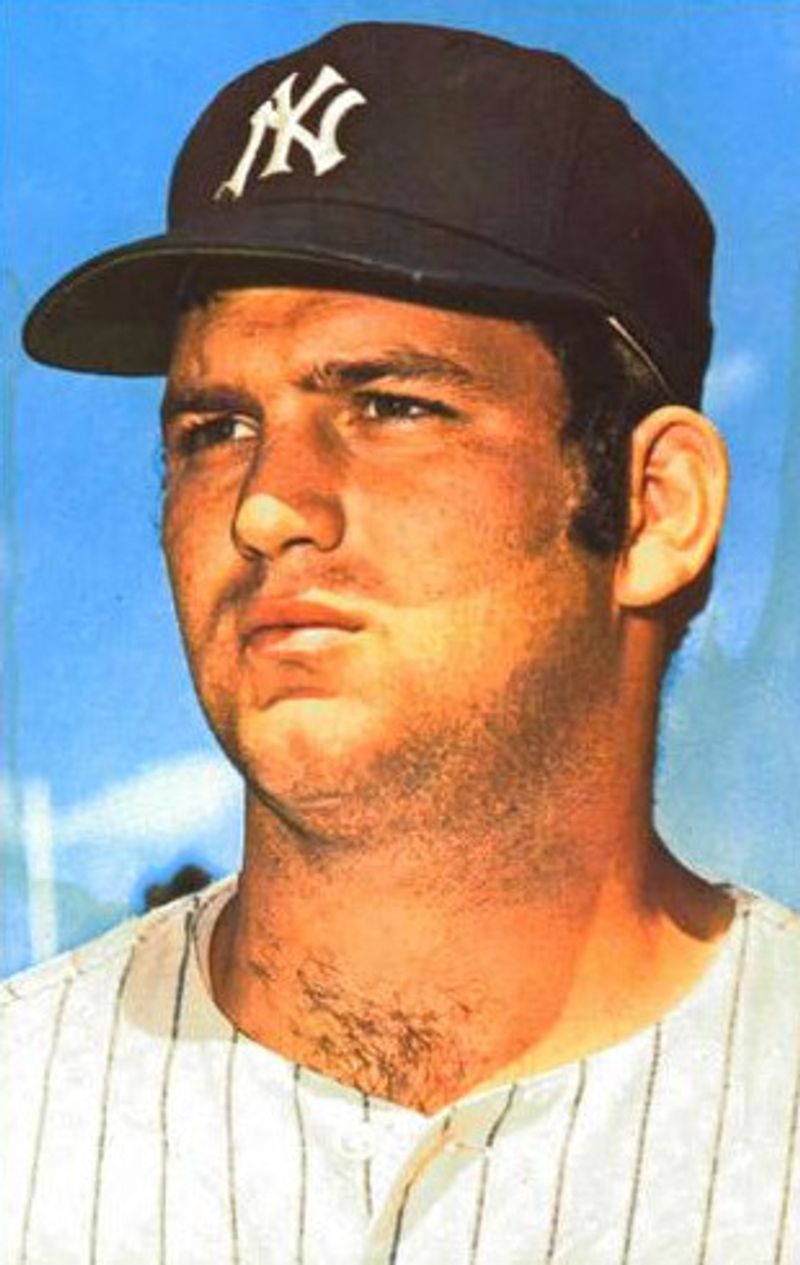
The captain led by example every single day. Munson was the heart and soul of Yankees teams that won back-to-back World Series in 1977 and 1978. His toughness behind the plate and clutch hitting made him one of baseball’s most respected players during the 1970s.
His numbers were excellent for a catcher. Munson hit .292 for his career, won three Gold Gloves, and earned the 1976 American League MVP award. He was a seven-time All-Star who handled pitching staffs expertly while contributing significantly with his bat.
A tragic plane crash ended his life at age 32. Munson died in 1979 while practicing landings in his private aircraft, robbing him of potentially five or more productive seasons. His shortened career left him without the counting statistics voters typically require. However, his peak performance and leadership qualities were Hall of Fame caliber. Many believe his tragic death should warrant special consideration for enshrinement.
15. Dale Murphy
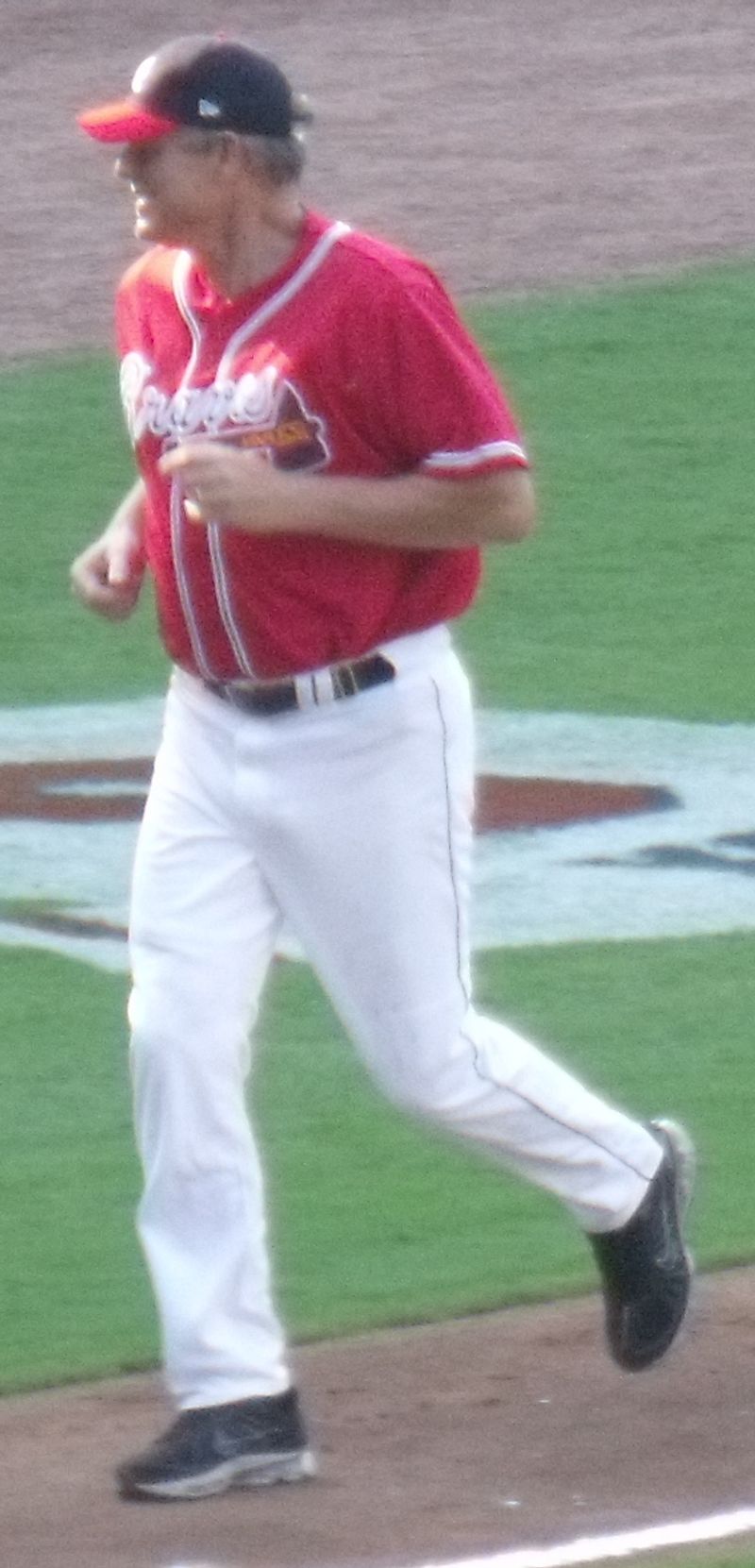
Back-to-back MVP awards in 1982 and 1983 proved Murphy’s dominance. He was the face of the Braves during the 1980s, combining power, speed, and outstanding defense in center field. Murphy hit 398 career home runs while maintaining a reputation as one of baseball’s classiest players.
His peak years were spectacular. Murphy drove in 100 or more runs six times and won five Gold Gloves. He made seven consecutive All-Star teams and was arguably the best all-around player in the National League during his prime.
A sharp decline in his early 30s shortened his prime. Murphy’s production fell off dramatically after 1987, and he retired at 37 without reaching milestone numbers like 400 home runs or 3,000 hits. His peak excellence was undeniable, but voters have focused on his relatively short period of dominance. Still, two MVP awards and his complete skill set during the 1980s make a strong case for recognition.
16. Don Mattingly
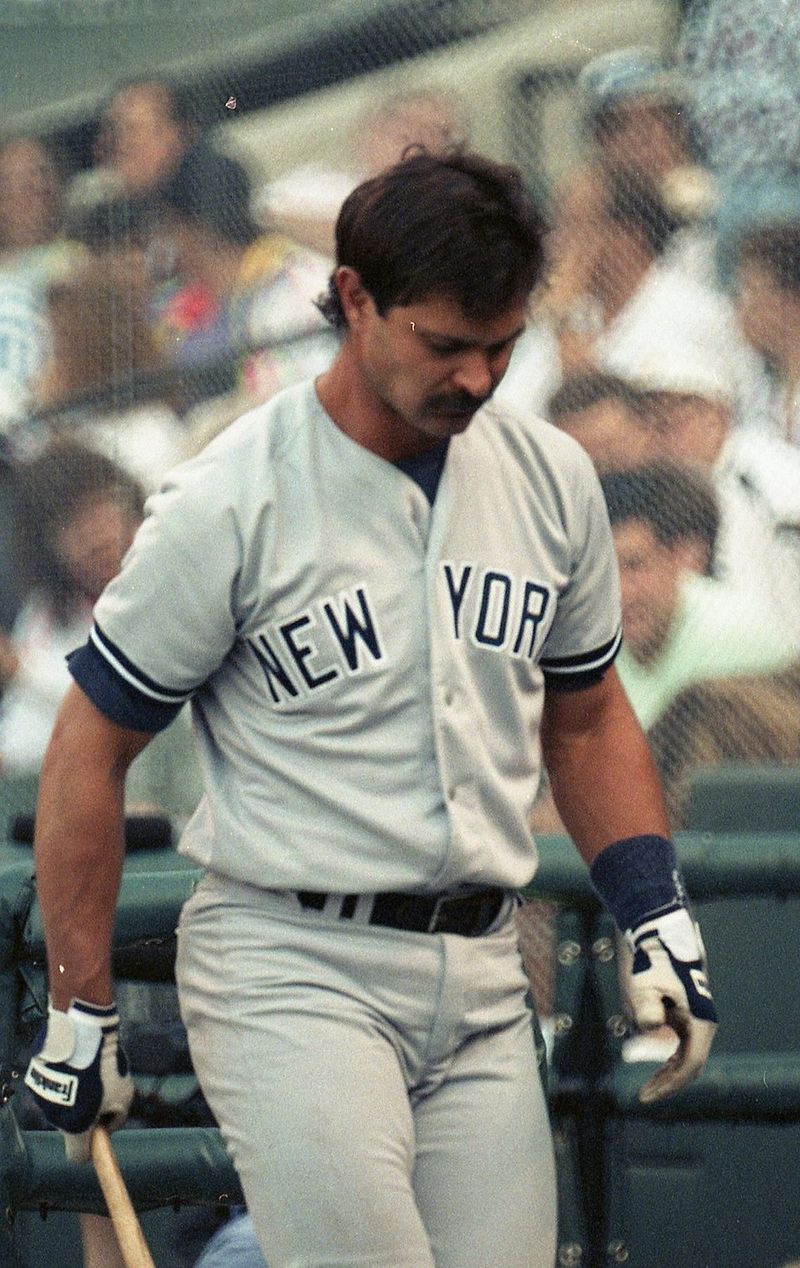
Donnie Baseball owned New York in the 1980s. Mattingly won the 1985 American League MVP award and captured six Gold Gloves at first base. His sweet left-handed swing and clutch hitting made him one of baseball’s most popular players during his era.
His peak performance was extraordinary. Mattingly hit .343 with 35 homers and 145 RBIs during his MVP season. He won a batting title, made six All-Star teams, and played with intensity that Yankees fans adored. His defensive skills were exceptional for a first baseman.
Back problems derailed what should have been a longer prime. Mattingly’s production declined significantly after age 30 due to chronic back issues. He retired at 34 without ever playing in a World Series, though he finally reached the playoffs in his final season. His shortened career left him short of traditional Hall standards, but his peak years were as good as any first baseman’s in history.
17. David Cone

Five World Series rings decorated Cone’s remarkable career. He won 194 games with a 3.46 ERA while striking out 2,668 batters. Cone was a fierce competitor who pitched a perfect game in 1999 and won the Cy Young Award in 1994 with Kansas City.
His pitching arsenal was diverse and effective. Cone threw multiple pitches from different arm angles, keeping hitters constantly off-balance. He made five All-Star teams and pitched brilliantly in postseason games when championships were on the line.
Splitting his career between teams may have hurt his recognition. Cone pitched for five different franchises, never staying long enough in one place to become synonymous with a single team. His win total falls short of the traditional 300-win benchmark that many voters value. However, his postseason excellence, peak performance, and complete mastery of pitching craft deserve greater consideration. Cone was one of the smartest and most effective pitchers of his generation.
18. Bobby Grich

Defense and power from second base made Grich special. He won four Gold Gloves and hit 224 home runs during his 17-year career. Grich combined excellent fielding with offensive production that was rare for middle infielders during the 1970s and 1980s.
His advanced statistics are impressive. Grich posted a career .371 on-base percentage and created tremendous value with his glove at a premium defensive position. He made six All-Star teams and was consistently one of the American League’s best all-around players.
Playing in California limited his national exposure. Grich spent most of his career with the Angels, far from the East Coast media spotlight. He never played in a World Series, which may have limited his fame. Modern statistical analysis reveals he was significantly better than his reputation suggests. His combination of defense, power, and on-base skills created Hall of Fame level value that went underappreciated during his playing days.
19. Dwight Evans
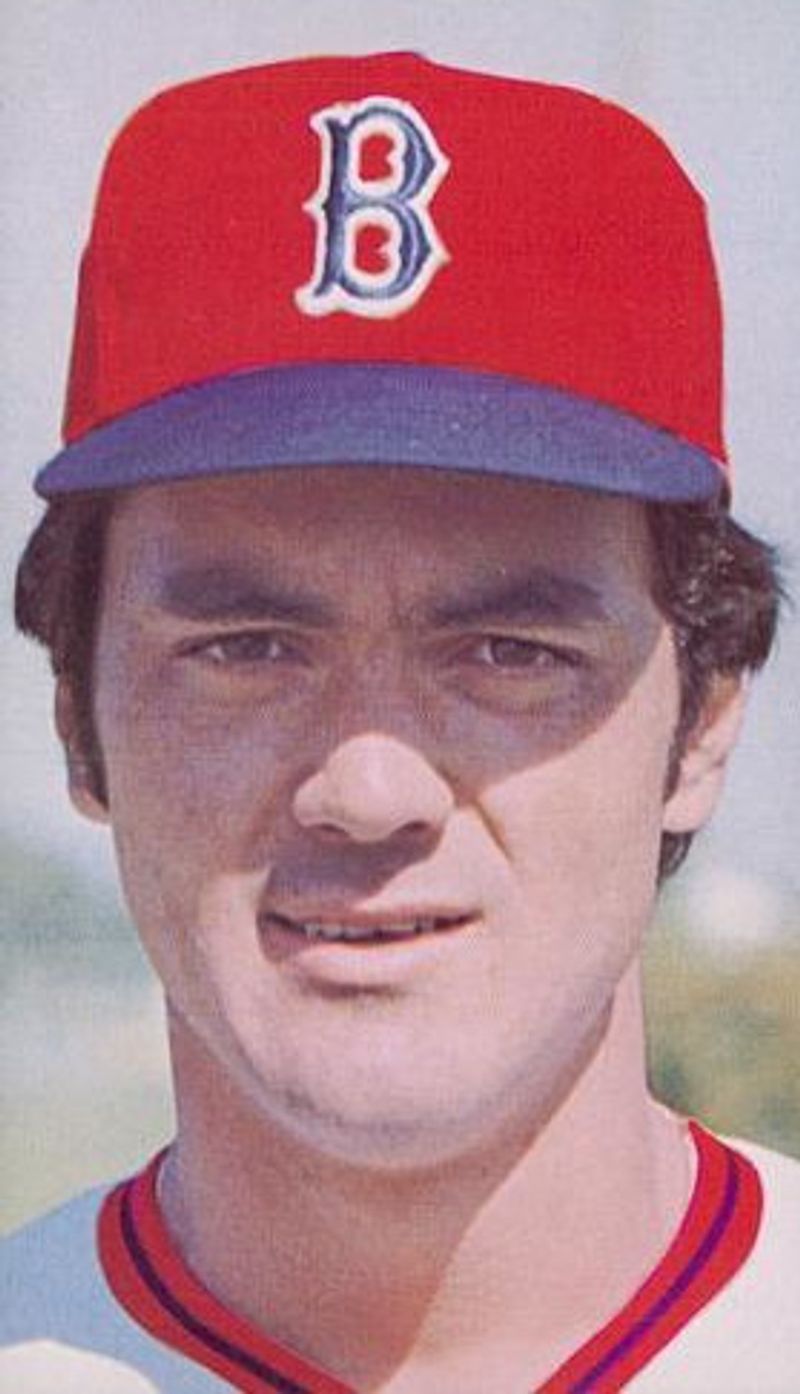
Right field at Fenway Park requires special skills, and Evans mastered them. He won eight Gold Gloves with a cannon arm that runners feared. Evans hit 385 home runs with a .370 on-base percentage during his 20-year career, almost entirely spent with Boston.
His consistency was remarkable. Evans made three All-Star teams and finished with over 2,400 hits. He was a complete player who could hit for power, draw walks, and play outstanding defense. His ability to use the Green Monster to his advantage made him invaluable.
A slow start to his career may have hurt his overall numbers. Evans didn’t become a consistent star until his late 20s, which limited his career totals. He also played in an era with many great outfielders, making it harder to stand out. However, his peak performance, defensive excellence, and sustained production over two decades create a solid Hall of Fame argument. Evans was simply excellent at everything baseball required.
20. Keith Hernandez
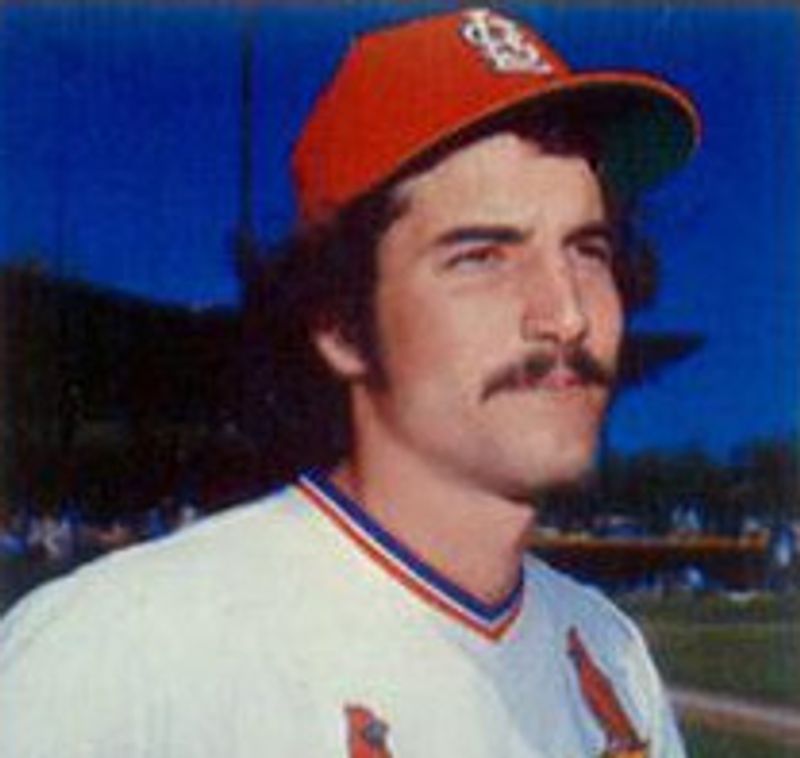
Nobody played first base better than Keith Hernandez. He won 11 consecutive Gold Gloves, revolutionizing the position with his range and ability to start double plays. Hernandez could field bunts, cut off balls in the hole, and position himself perfectly for every situation.
His hitting was excellent too. Hernandez won the 1979 National League MVP award and finished his career with a .296 average. He was a great contact hitter who rarely struck out and drew plenty of walks. His leadership helped both the Cardinals and Mets win championships.
Cocaine use during the 1980s damaged his reputation. Hernandez testified in the Pittsburgh drug trials, admitting to past drug use. This revelation may have influenced voters to overlook his exceptional defensive skills and solid offensive contributions. His 11 Gold Gloves represent defensive mastery that deserves recognition. Hernandez changed how first base was played, making him worthy of greater Hall of Fame consideration despite his personal mistakes.



