 Unearth The Voyage
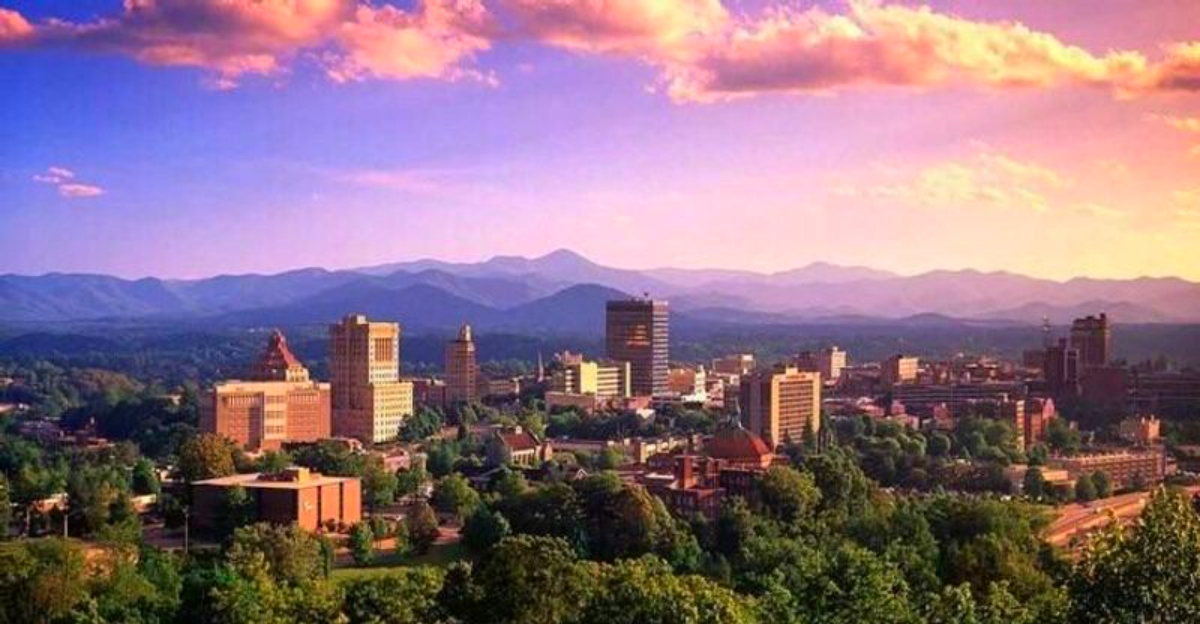
America is packed with incredible destinations, and 2026 is shaping up to be an unforgettable year to explore them. With the FIFA World Cup bringing global excitement to several U.S. cities, plus ongoing trends in outdoor adventures and cultural getaways, there are more reasons than ever to plan your next vacation. Whether you’re chasing big-city energy, red-rock landscapes, or coastal charm, these top spots will make every vacation day count.
1. New York City, New York
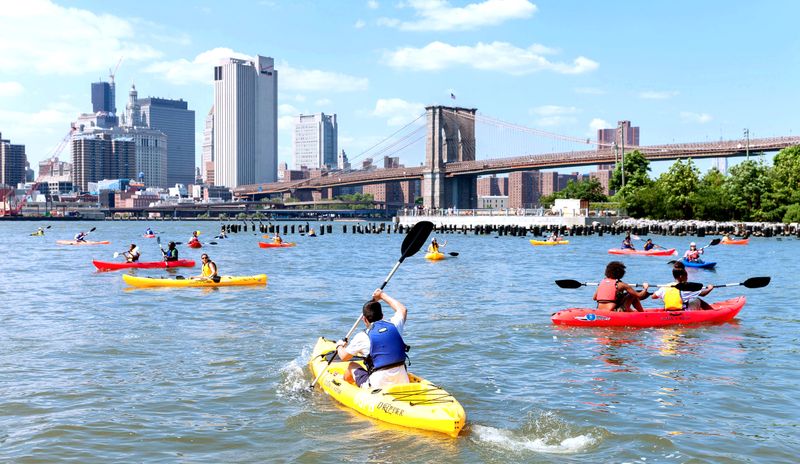
World Cup fever hits the Big Apple in 2026, and MetLife Stadium gets the spotlight as the venue for the tournament’s final match. Fan zones will pop up across neighborhoods, bringing international energy to an already electric city. If you’re a soccer fan, this is the year to experience NYC like never before.
Beyond the matches, you still get everything that makes New York iconic. Broadway shows light up Times Square, world-class museums like the Met and MoMA showcase art from every era, and neighborhoods from Brooklyn’s Williamsburg to Queens’ Flushing offer endless food and culture. Rooftop parties, open-air concerts, and watch parties will fill the summer calendar.
Not a soccer person? Spring or early fall might suit you better, offering milder weather and fewer tournament crowds while still delivering that classic New York vibe.
2. Los Angeles, California
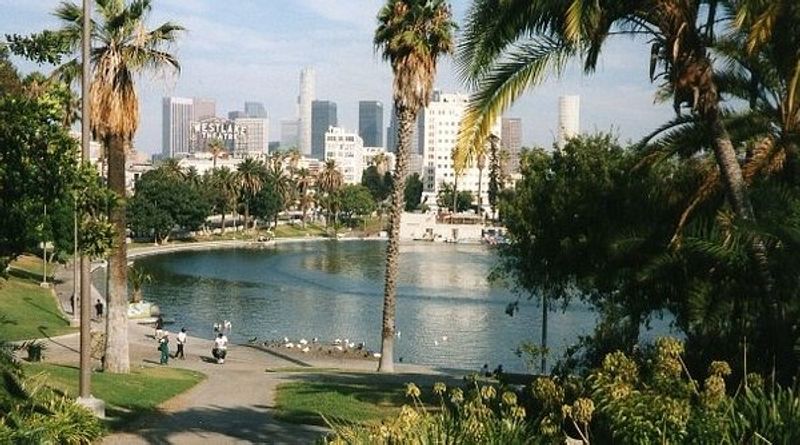
SoFi Stadium in Inglewood becomes a World Cup stage in 2026, adding global sporting drama to LA’s already star-studded reputation. Picture yourself catching a match one day, then hitting Santa Monica Pier or Venice Beach the next. Hollywood, the Getty Center, and an ever-changing food scene round out the usual highlights.
Getting around has improved too. Metro Rail expansions now connect downtown, the Westside, and other key neighborhoods, so you can skip some of the notorious traffic. Public transit isn’t perfect, but it’s better than it used to be, especially during big events when roads get jammed.
Pro move? Stay near a rail line. You’ll save time and stress, especially when World Cup crowds and summer tourists pack the freeways. LA rewards those who plan ahead.
3. Miami, Florida
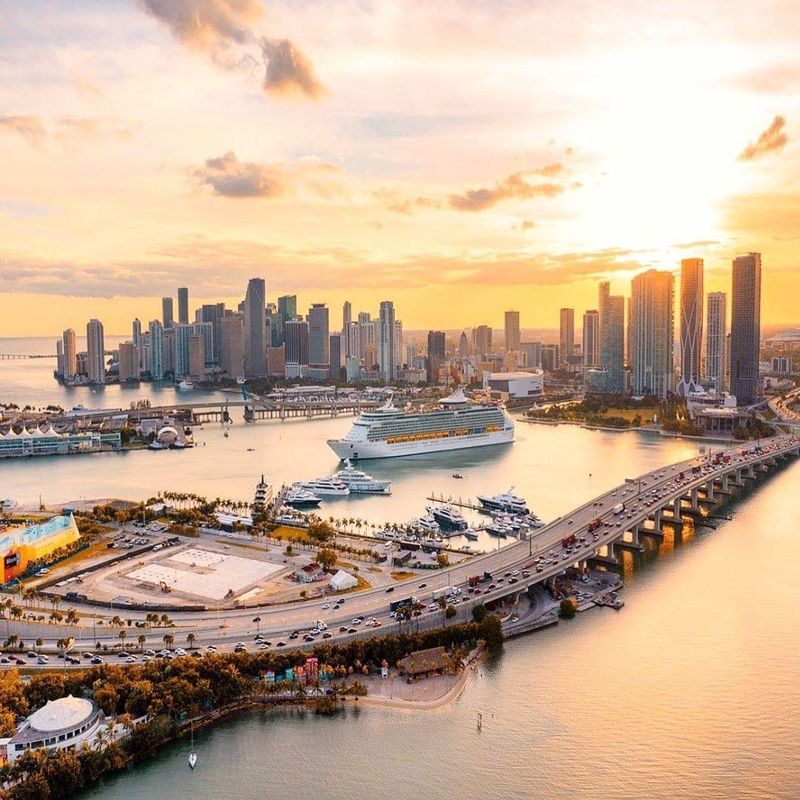
Hard Rock Stadium in Miami Gardens hosts World Cup matches in 2026, and the whole city will feel like one giant celebration. Fans from South America, Europe, and beyond will flood the beaches, pop-up viewing areas, and fan zones. Expect beach clubs to throw nonstop parties and public spaces to buzz with international excitement.
When the tournament winds down, Miami still delivers. Art Deco architecture lines South Beach, colorful murals cover Wynwood walls, and Little Havana pulses with Cuban culture and cuisine. Day trips to the Everglades let you swap city energy for swamps and wildlife.
Want a quieter experience? Coconut Grove and Surfside offer a calmer pace without sacrificing Miami’s tropical charm. South Beach gets wild during big events, so choose your base wisely.
4. Dallas–Arlington, Texas
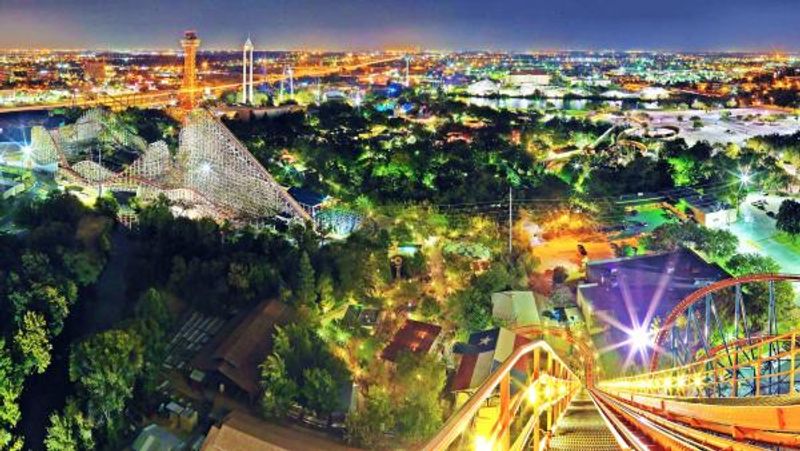
AT&T Stadium, one of the world’s largest venues, takes center stage for 2026 World Cup matches in the Dallas–Arlington area. But soccer isn’t the only reason travel experts are buzzing about Dallas. The city’s food scene, design hotels, and revitalized neighborhoods like Deep Ellum and the Arts District have earned it a spot on multiple must-visit lists.
Nearby Fort Worth offers a contrast with its stockyards, Western heritage, and top-tier museums like the Kimbell Art Museum. You get two distinct Texas vibes in one trip, and they’re connected by frequent commuter trains, so driving isn’t always necessary.
Combine both cities for the full experience. Dallas brings modern energy and culinary creativity, while Fort Worth delivers old-school Texas charm. Together, they make a vacation that’s bigger and better than either alone.
5. Seattle, Washington
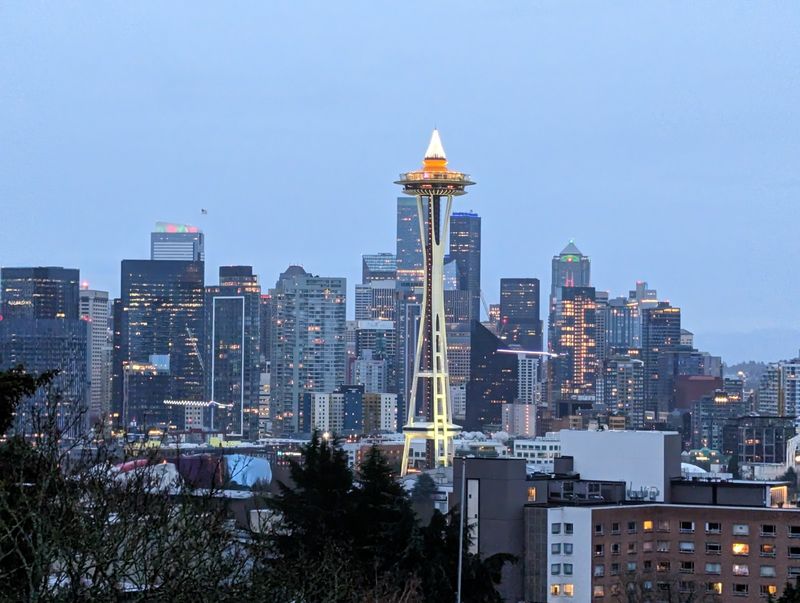
Lumen Field becomes the Pacific Northwest’s World Cup hub in 2026, drawing soccer fans to Seattle’s already thriving sports and culture scene. Once the matches wrap up, the city serves as a perfect launching point for wider exploration. Ferries glide to the San Juan Islands, Olympic National Park sits a short drive away, and the Cascades offer mountain scenery year-round.
Seattle itself mixes classics with new attractions. Pike Place Market remains a must-see, the Space Needle offers iconic views, and the Burke Museum showcases climate-focused exhibits. Local seafood and coffee culture dominate the restaurant scene, with fresh catches and expertly brewed cups around every corner.
Summer is prime time. Long daylight hours and mild weather make it ideal for combining city sightseeing with hiking or road trips through the stunning PNW landscape.
6. Kansas City, Missouri
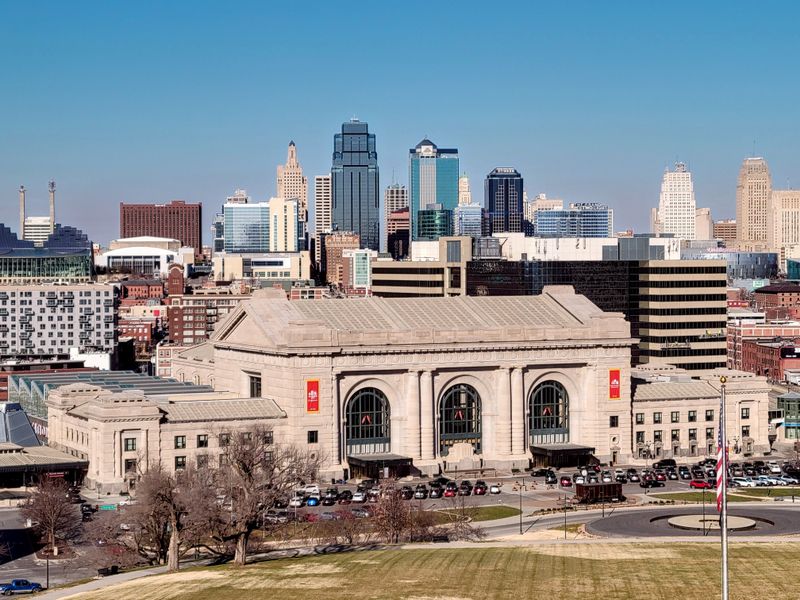
Kansas City surprised many when it landed on the 2026 World Cup host list, but locals aren’t shocked at all. Arrowhead Stadium will host matches, and the city plans fan festivals, BBQ experiences, and jazz events to welcome visitors. It’s a chance for an underrated destination to show off its strengths on a global stage.
Downtown revitalization projects and a modern streetcar system make exploring easier than ever. You can hop between museums, live-music venues, and legendary barbecue joints without much hassle. The city’s jazz history runs deep, and you’ll find performances nearly every night of the week.
Plan extra days beyond the matches. The World Cup will spike demand for restaurant reservations and concert tickets, so booking ahead is smart. Kansas City rewards those who dig deeper than the headlines.
7. Charleston, South Carolina
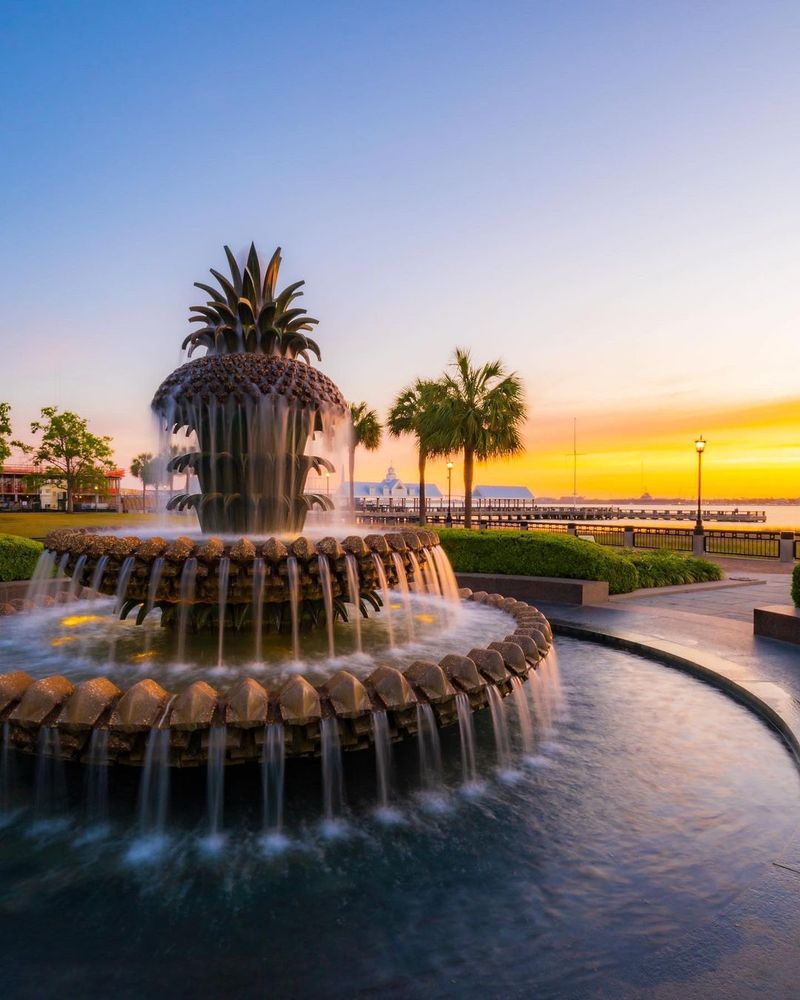
Charleston keeps appearing on best-places lists, and 2026 is no exception. Historic architecture, a coastal setting, and a maturing arts and food scene make it a favorite among travelers seeking Southern charm with substance. King Street shopping, Rainbow Row’s pastel facades, and waterfront views anchor the experience.
The city also grapples thoughtfully with its complex history. Historic sites examine Charleston’s role in American history, offering educational depth alongside the beauty. Recent efforts balance preservation with growth, so you’ll see both old traditions and fresh energy.
Timing matters here. Spring and fall bring manageable temperatures and festivals like home-and-garden tours and wine-and-food events. Summer heat and humidity can be intense, so shoulder seasons often deliver the best overall experience for visitors.
8. New Orleans, Louisiana
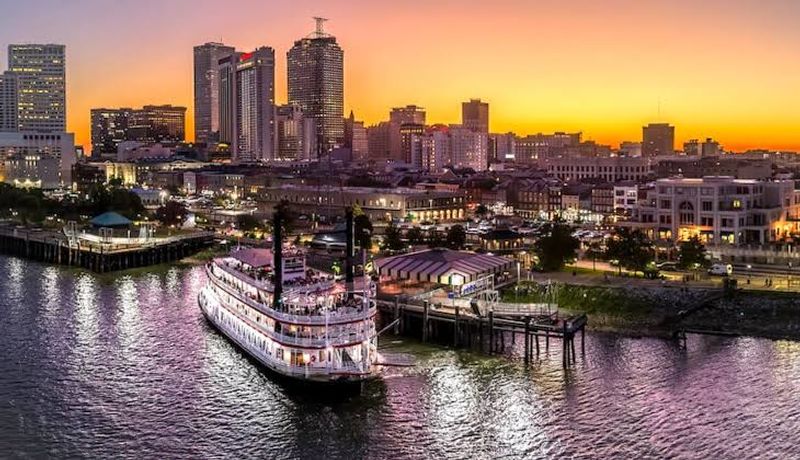
Jazz, brass bands, Creole cuisine, and year-round festivals make New Orleans a cultural powerhouse. While Mardi Gras gets the headlines, the festival calendar runs deep with Jazz Fest, French Quarter Fest, and countless neighborhood celebrations. Music spills from every corner, and the food scene blends French, African, and Caribbean influences into something totally unique.
Post-pandemic investments have brought new hotels and renovated historic properties to the French Quarter and Warehouse District. The city feels both timeless and refreshed, offering modern comforts alongside its legendary atmosphere.
Skip the Mardi Gras madness if crowds aren’t your thing. Late April through May or October through November offer festival energy and great weather without the peak-season chaos. You’ll still get the music, food, and spirit that define New Orleans.
9. Sedona, Arizona
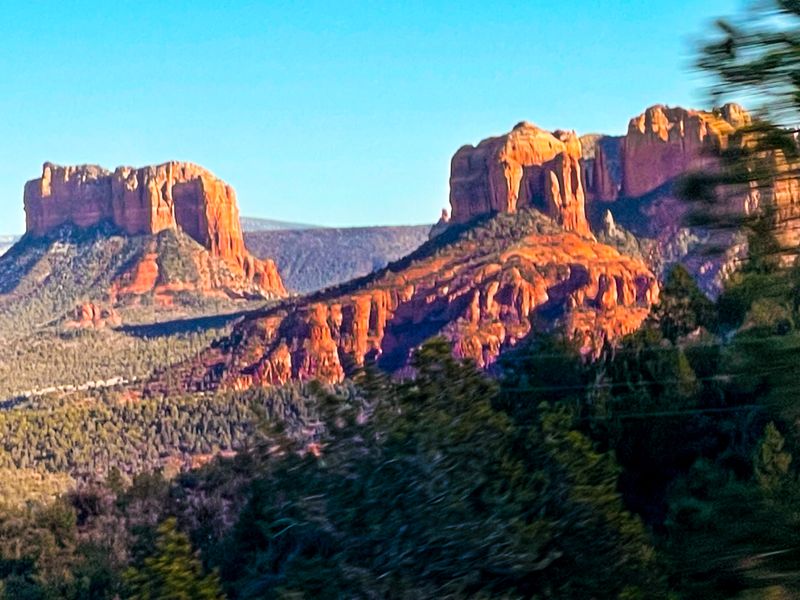
Red-rock formations tower over Sedona, creating one of the most visually stunning landscapes in the country. The vortex reputation draws spiritual seekers, while hikers and outdoor lovers come for the trails and jeep tours. Star-gazing and spa treatments round out the experience, making it a destination that balances adventure with relaxation.
Travel trends in 2026 emphasize mindful and nature-based trips, and Sedona fits perfectly. You can spend mornings on moderate hikes, afternoons at wellness centers, and evenings watching stars appear over the desert. Everything feels intentional and restorative.
Late fall and early spring offer the sweet spot. Temperatures cool down from the scorching summer heat, and crowds thin out compared to peak season. You’ll have more space to breathe and connect with the landscape.
10. The Utah Mighty Five (Zion & nearby parks)
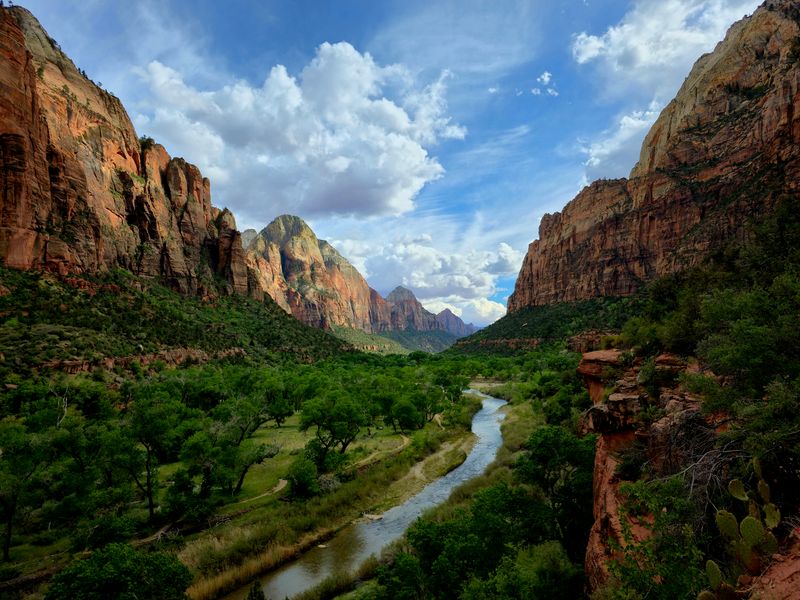
Utah’s Mighty Five (Zion, Bryce Canyon, Arches, Canyonlands, Capitol Reef) continue to break visitation records, with Zion leading the pack. Narrow canyons, towering cliffs, and trails like the Canyon Overlook or Riverside Walk deliver epic views without requiring extreme hiking skills. The scenery alone justifies the trip.
National parks are booming, and that means crowds. Zion especially sees packed parking lots and full trails during peak summer months. Shuttle systems help manage the flow, but planning ahead is essential if you want a smoother experience.
Shoulder months like April, May, and October offer a better balance. Weather stays pleasant, crowds lighten up, and you’ll actually find parking without circling for an hour. The red rocks look just as stunning in spring and fall.
11. Alaska (Anchorage + Denali / Kenai)
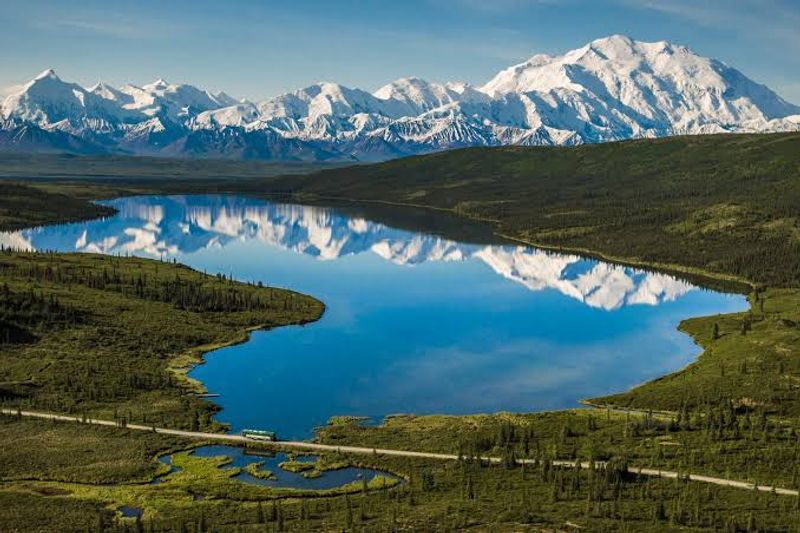
Alaska’s glaciers and ecosystems are changing, and travel experts increasingly call it a go-now destination. Summer cruise and land-tour seasons have rebounded strong, drawing visitors eager to witness the state’s raw beauty before it shifts further. Anchorage serves as the practical gateway, offering museums and restaurants focused on local culture.
From Anchorage, you can easily reach Denali National Park or the Kenai Peninsula. Wildlife watching, glacier cruises, and hiking fill the itinerary, with opportunities to see bears, whales, and eagles in their natural habitats. The scale of the landscape feels almost unreal.
Book far in advance for 2026. Peak months (June through August) see cruise and rail itineraries sell out early, especially as demand continues climbing. Waiting until the last minute might leave you scrambling for availability.
12. Asheville & the Blue Ridge Mountains, North Carolina
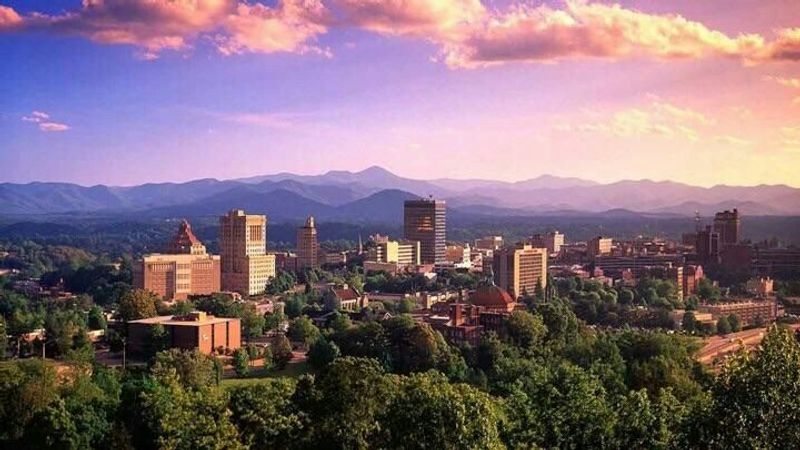
Craft beer, an arts scene, and easy access to hiking make Asheville a trending destination year after year. The Blue Ridge Parkway and Pisgah National Forest surround the city, offering waterfalls, scenic drives, and trails for every skill level. Nearby, Great Smoky Mountains National Park (the most-visited national park in 2024) adds even more outdoor options.
The city itself mixes mountain-town charm with creative energy. Local breweries pour innovative beers, galleries showcase regional artists, and farm-to-table restaurants highlight Appalachian ingredients. Smaller mountain towns around the area offer cozy cabin stays and a slower pace.
Fall foliage season (late September through October) is stunning but crowded. Mid-week visits help you dodge some of the weekend traffic and give you better chances at snagging restaurant reservations and hiking parking spots.
13. Chicago, Illinois
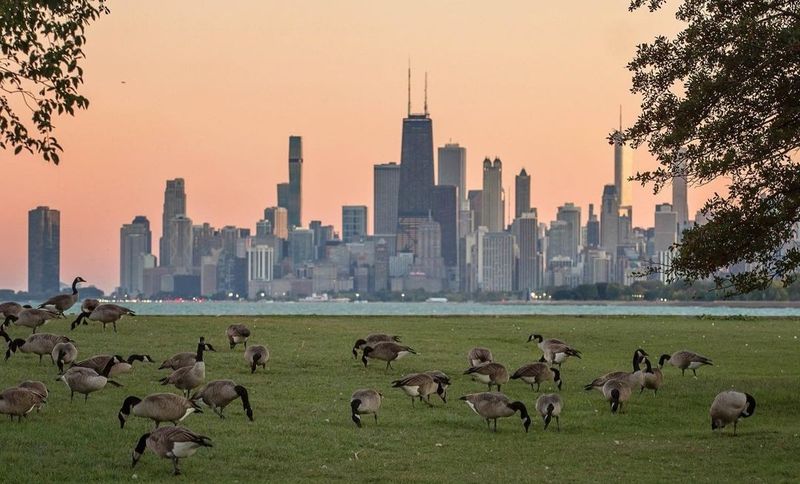
Architecture lovers flock to Chicago for its skyline and boat tours along the Chicago River. Museums like the Art Institute and the Field Museum rank among the country’s best, and the food scene spans deep-dish pizza to Michelin-starred fine dining. It’s a big-city experience without the coastal price tags or crowds.
Summer 2026 will pack the calendar. Outdoor concerts at Millennium Park, festivals in nearly every neighborhood, and beaches open along Lake Michigan. The city comes alive when the weather warms up, and locals take full advantage of the short but glorious season.
Late spring (May to early June) or early fall (September) offer sweet spots. You’ll still get good weather and plenty of events, but with fewer crowds and lower prices than peak summer. Chicago rewards those who time it right.
14. Park City & Northern Utah, Utah
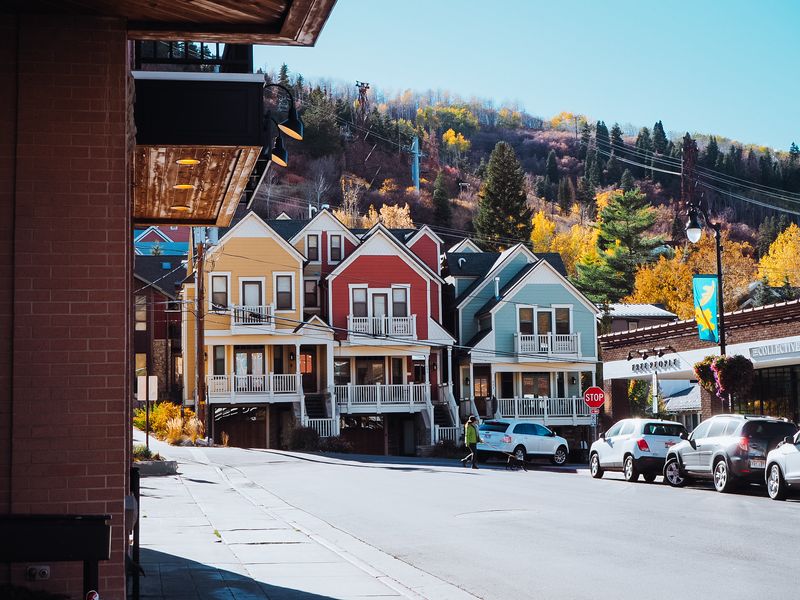
Park City used to mean winter skiing, but now it’s a year-round outdoor playground. Mountain biking, hiking, and festivals fill the summer calendar, and its proximity to Salt Lake City’s growing cultural scene adds even more appeal. The Wasatch Range provides a stunning backdrop no matter the season.
Infrastructure and lodging options make Park City an easy gateway into the Rockies. You don’t need to rough it to enjoy mountain adventures; comfortable hotels and excellent restaurants are everywhere. It’s outdoor access with modern conveniences.
Summer and early fall shine for non-skiers. Trails open up, wildflowers bloom, and you avoid the peak winter prices that come with ski season. If you prefer hiking boots over ski boots, this is your window to experience Park City at its best.
15. Puerto Rico (San Juan & beyond)
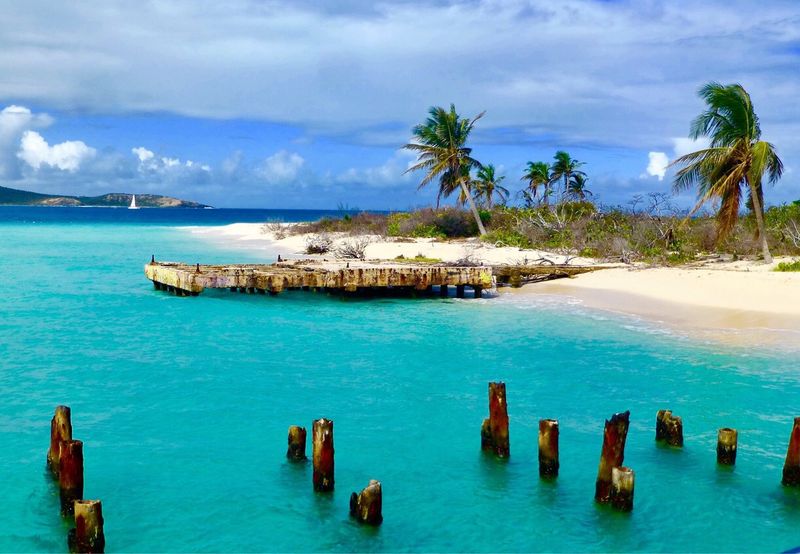
Puerto Rico offers Caribbean vibes without the passport hassle for U.S. citizens. San Juan’s Old Town features colorful colonial buildings and historic forts, while the rest of the island delivers bioluminescent bays, rainforests like El Yunque, and beaches that rival any tropical destination. No currency exchange or international travel stress required.
Tourism has rebounded strongly, and the island continues improving infrastructure and visitor experiences. You get the feeling of an international escape with the ease of domestic travel, making it a smart choice for families and first-time tropical travelers.
Hurricane season runs roughly June through November. If you travel during those months, consider refundable bookings and travel insurance. Outside hurricane season, the weather is typically gorgeous, and you’ll have a worry-free tropical getaway.



