 Unearth The Voyage
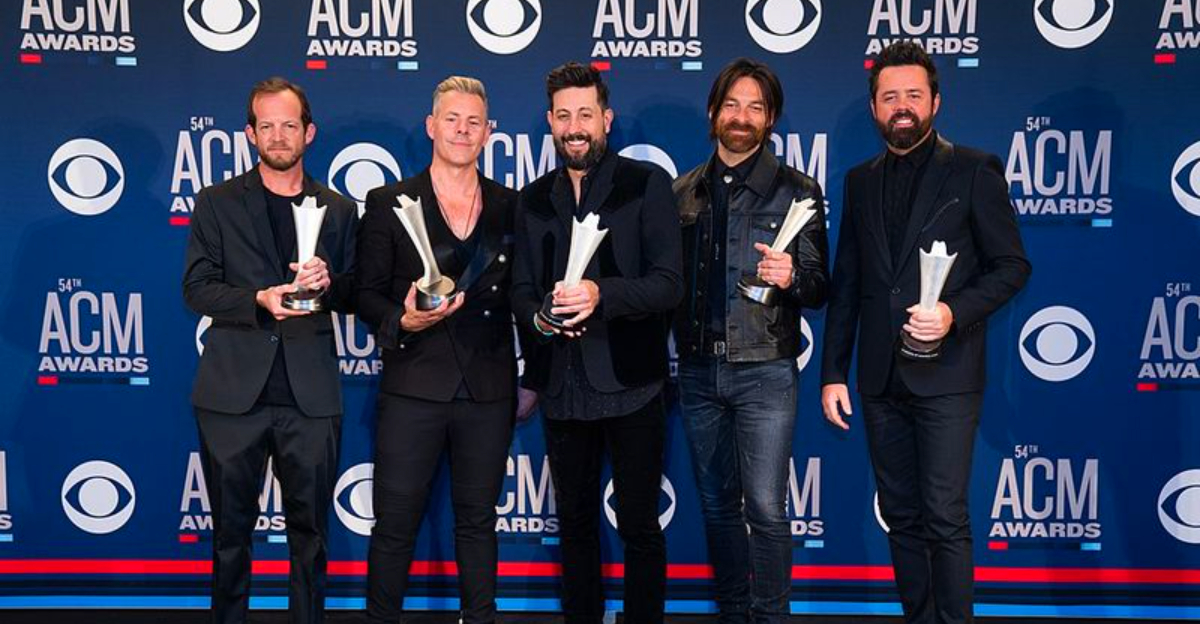
Country music has always sparked passionate debates about authenticity and artistry. Some singers rise to superstardom with massive radio hits and sold-out arenas, but their success doesn’t always convince everyone. Critics and longtime fans often wonder if fame has outpaced genuine talent, especially when songs start sounding alike or straying too far from country roots.
1. Florida Georgia Line
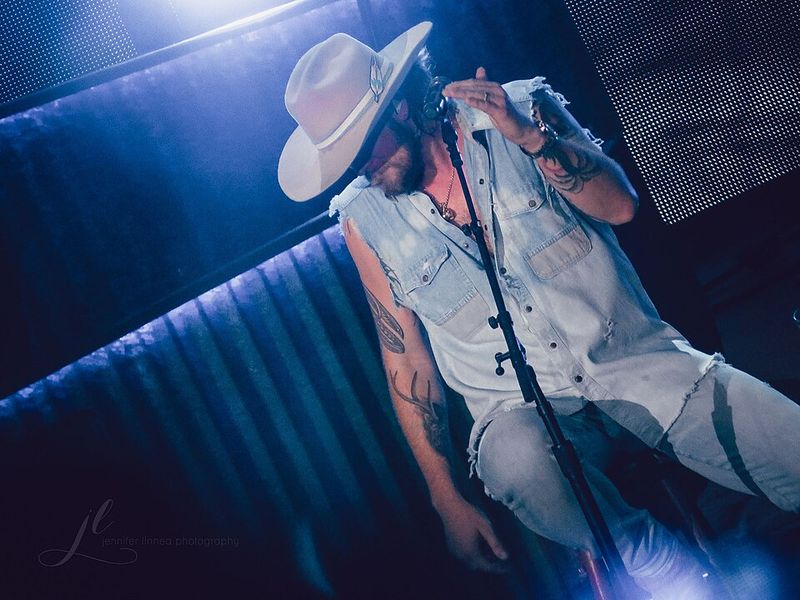
Massive hits like “Cruise” launched Florida Georgia Line into the stratosphere, making them household names practically overnight. Their catchy hooks and party vibes dominated country radio for years, pulling in fans from all corners. Yet critics have been less than kind, pointing out repetitive themes and formulaic songwriting that feels more like a marketing strategy than heartfelt music.
The duo became the poster boys for “bro-country,” a subgenre criticized for shallow lyrics about trucks, beer, and girls. Many traditional country listeners felt the music lacked depth and storytelling. Songs often followed predictable patterns with similar beats and subject matter.
While commercial success is undeniable, artistic credibility remains questioned. Their sound blurred lines between country and pop, which alienated purists. Critics argue that mass appeal doesn’t always equal musical excellence, and Florida Georgia Line became a prime example of fame possibly outpacing talent in modern country music.
2. Luke Bryan
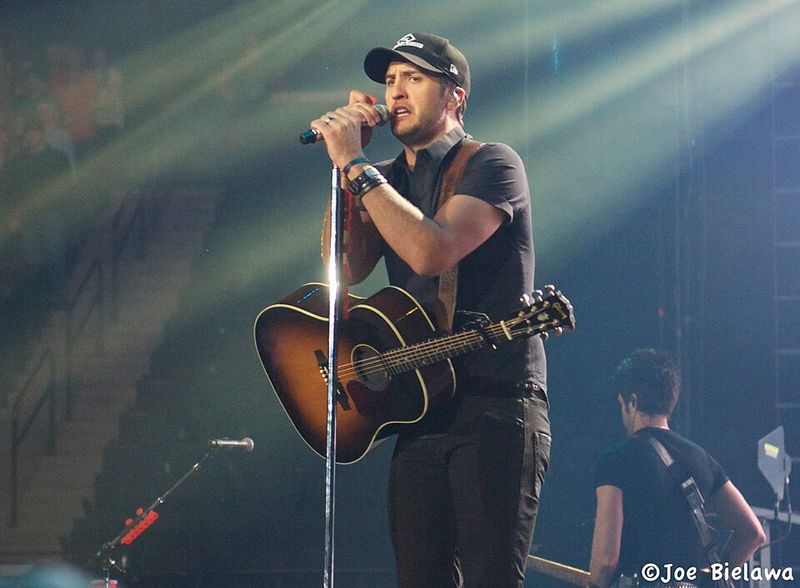
Stadium tours and screaming fans follow Luke Bryan wherever he goes, proving his undeniable appeal to massive audiences. His energetic performances and charismatic personality have made him one of country music’s biggest draws. Hits like “Country Girl (Shake It for Me)” became anthems for a generation of country fans seeking fun, upbeat music.
However, many critics argue his songwriting became increasingly shallow over time. Albums started blending together with interchangeable lyrics about partying and summer nights. The depth and storytelling that once defined country music seemed to take a backseat to catchy choruses designed for radio play.
Bryan’s talent as an entertainer is rarely questioned, but his artistic evolution has disappointed some longtime followers. Songs that once felt fresh began feeling recycled and predictable. While he continues filling arenas, critics wonder if commercial success has overshadowed musical growth and genuine creativity in his later work.
3. Sam Hunt

Blending country with R&B and hip-hop influences, Sam Hunt created a unique sound that either thrilled or horrified listeners depending on their perspective. His debut album “Montevallo” achieved massive commercial success, introducing a talk-singing style rarely heard in country music before. Young audiences embraced his modern approach, while traditionalists scratched their heads.
Critics frequently fault Hunt for weak country roots, arguing his music belongs more in the pop or hip-hop categories. The talk-singing delivery, though distinctive, strikes some as lacking vocal prowess. His lyrics often focus on modern relationships with contemporary language that feels disconnected from country’s storytelling heritage.
Despite the criticism, Hunt’s influence on the genre is undeniable. He opened doors for other genre-blending artists and proved country could evolve. Still, debates rage on about whether innovation justifies abandoning traditional elements, making Hunt a polarizing figure in discussions about overrated versus groundbreaking artists.
4. Dan + Shay

Smooth harmonies and polished production define Dan + Shay’s signature sound, earning them Grammy awards and chart-topping hits. Songs like “Speechless” and “Tequila” showcase their vocal abilities and emotional delivery. Their romantic ballads have become wedding staples, proving their connection with audiences seeking heartfelt music.
Yet critics increasingly question whether they truly belong in the country category at all. Their pop-heavy sound features production techniques and melodies more common in mainstream pop music. Traditional country instrumentation often takes a backseat to synthesizers and electronic beats.
The duo’s crossover success is impressive, but it comes with accusations of abandoning country roots entirely. Some argue they’re simply pop artists marketed as country for strategic reasons. While their talent is evident, the debate centers on genre authenticity rather than musical ability, making them frequent targets in conversations about what defines real country music today.
5. Cole Swindell

Radio-friendly hits have kept Cole Swindell’s name circulating on country stations for years, with songs that slip easily into playlists. His smooth voice and accessible melodies make him a safe choice for programmers seeking crowd-pleasers. Tracks like “Ain’t Worth the Whiskey” and “You Should Be Here” demonstrated his ability to craft memorable hooks.
Critics, however, describe his work as overly safe and lyrically predictable. Songs often follow familiar formulas without taking creative risks or exploring new territory. The themes rarely surprise, sticking to well-worn paths about heartbreak, drinking, and nostalgia.
Swindell’s consistency in producing radio hits is admirable from a commercial standpoint. But artistic growth seems limited, with albums feeling more like collections of singles than cohesive artistic statements. While he’s mastered the formula for country radio success, critics argue that predictability and playing it safe don’t necessarily equal genuine talent or artistic merit worth celebrating.
6. Jason Aldean
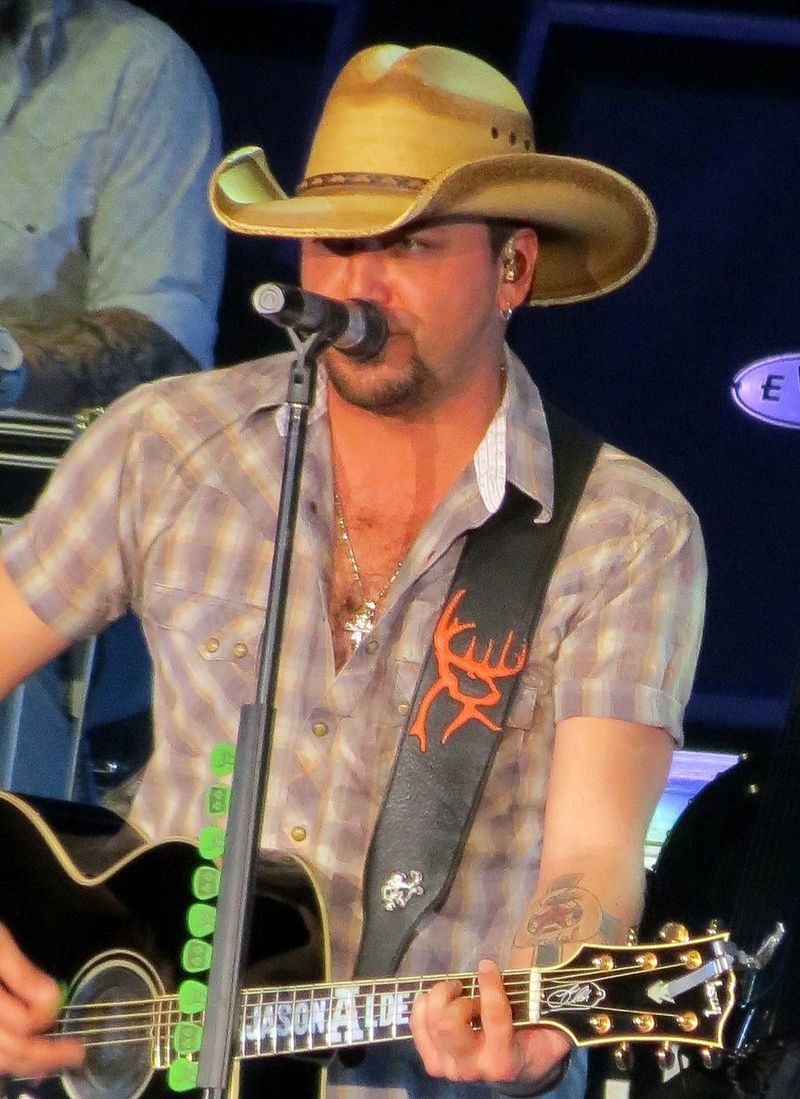
Early in his career, Jason Aldean showed genuine promise with gritty vocals and songs that balanced traditional and modern country elements. Albums like “My Kinda Party” demonstrated his ability to craft compelling music with substance. His distinctive voice set him apart from many contemporaries, earning respect from critics and fans alike.
However, later albums disappointed many observers who watched his sound become increasingly formulaic. Heavy reliance on recycled themes and cookie-cutter production replaced the edge that once defined his music. Songs began blending together, with similar guitar riffs and predictable lyrics about partying and small-town life.
Aldean’s commercial success never wavered, but artistic credibility took hits from critics. The evolution from promising artist to predictable hitmaker left many feeling he coasted on past achievements. While his fan base remains loyal and massive, discussions about overrated artists frequently include Aldean as someone whose early potential wasn’t fully realized in later work.
7. Thomas Rhett

Commercial dominance defines Thomas Rhett’s career, with hit after hit climbing charts and dominating radio airwaves. His upbeat energy and positive lyrics attract audiences seeking feel-good music. Songs about family life and relationships resonate with many listeners, making him one of country’s most successful current artists.
Critics, though, accuse him of abandoning country storytelling traditions in favor of chasing pop trends. His sound increasingly incorporates electronic elements and production styles borrowed from mainstream pop music. Traditional country instrumentation rarely features prominently, leading to questions about genre authenticity.
Rhett’s evolution reflects broader changes in country music, but not everyone appreciates the direction. Some view his music as pandering to the widest possible audience rather than staying true to artistic vision. While his talent for crafting catchy melodies is undeniable, debates continue about whether commercial success built on pop formulas deserves the praise and accolades he receives within the country music community.
8. Walker Hayes
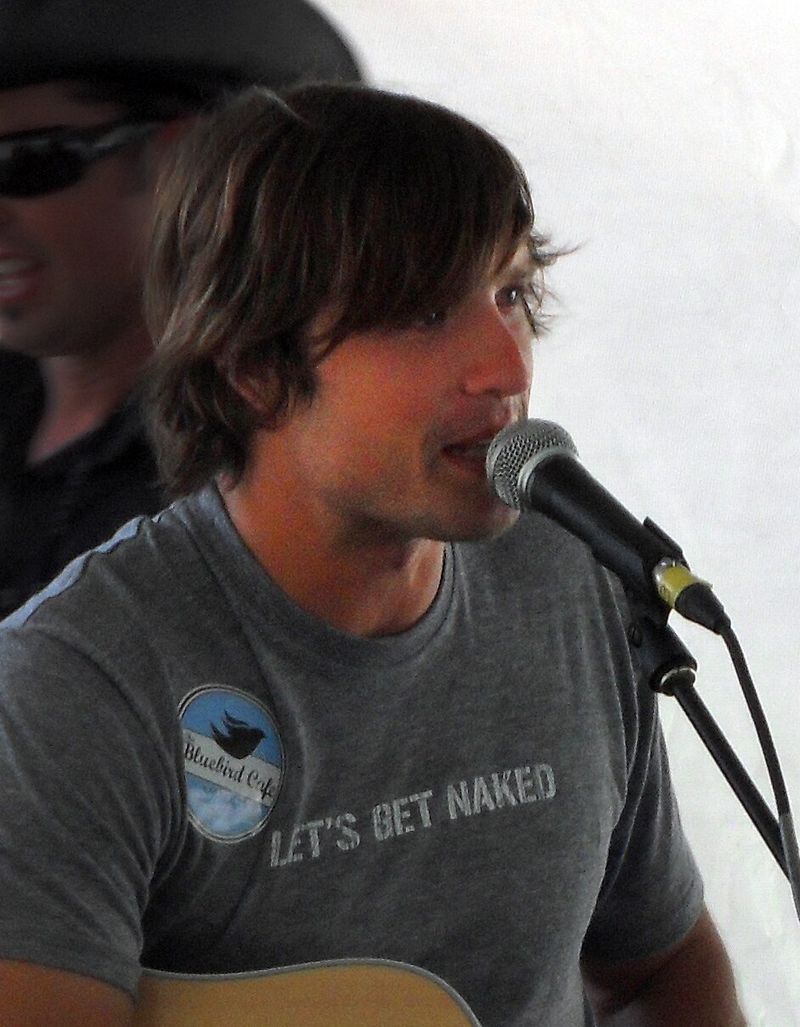
Viral sensation “Fancy Like” catapulted Walker Hayes into mainstream consciousness, with the song becoming a cultural phenomenon on social media. His quirky personality and unconventional approach to country music earned him a devoted following. The accompanying dance challenge spread across platforms, proving his ability to connect with modern audiences.
However, critics argue that viral success overshadowed actual musical depth and longevity. The novelty appeal of his hits raises questions about substance beneath the catchy hooks. His talk-singing style and pop-rap influences divide listeners, with some finding it refreshing and others considering it gimmicky.
Hayes represents a new breed of country artist built more on social media savvy than traditional musical credentials. While his authenticity and relatability charm many fans, skeptics wonder if his fame will endure beyond trending moments. Critics frequently point to him as an example of modern celebrity outpacing genuine artistry in an era where virality sometimes matters more than vocal ability or songwriting craft.
9. Kane Brown

Crossover appeal made Kane Brown one of country music’s most fascinating success stories, breaking barriers and attracting diverse audiences. His blend of country, R&B, and pop created a sound that resonated beyond traditional country demographics. Social media fame translated into real-world success with sold-out shows and chart-topping albums.
Critics, however, note limitations in vocal range and inconsistent songwriting across his catalog. While some songs showcase genuine emotion and skill, others feel underdeveloped or formulaic. His voice, though distinctive, doesn’t always demonstrate the power or versatility of more acclaimed vocalists.
Brown’s importance to country music’s evolution and diversity is significant, representing new possibilities for the genre. Yet questions about technical ability persist among critics who separate cultural impact from pure musical talent. His massive popularity doesn’t always align with critical acclaim, making him a frequent subject in debates about whether fame reflects genuine artistry or simply effective marketing to underserved audiences.
10. Brett Young
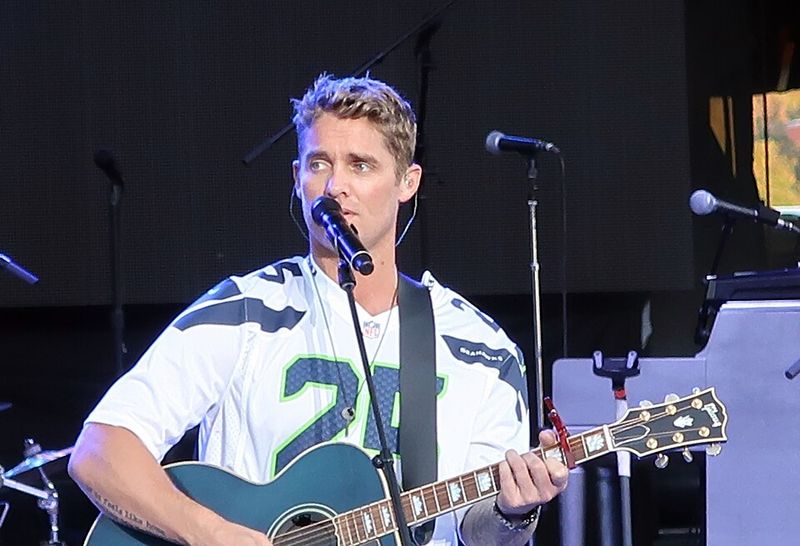
Smooth ballads became Brett Young’s calling card, with his mellow voice perfectly suited for romantic, emotional songs. Hits like “In Case You Didn’t Know” and “Mercy” dominated country radio, appealing to listeners seeking softer, more introspective music. His consistent style created a recognizable brand that fans could depend on.
Critics, though, point out that his sound rarely evolves or takes risks. Album after album delivers similar tempos, themes, and production choices. The lack of variety leaves some feeling his music blends into background noise rather than demanding attention.
Young’s technical vocal ability is solid, but the safe approach to songwriting limits his artistic range. While consistency has commercial benefits, it also invites accusations of playing it too safe. Critics argue that great artists push boundaries and evolve, while Young seems content repeating a proven formula. His pleasant but predictable output makes him a frequent example in discussions about artists whose fame exceeds their creative ambition or musical innovation.
11. Old Dominion
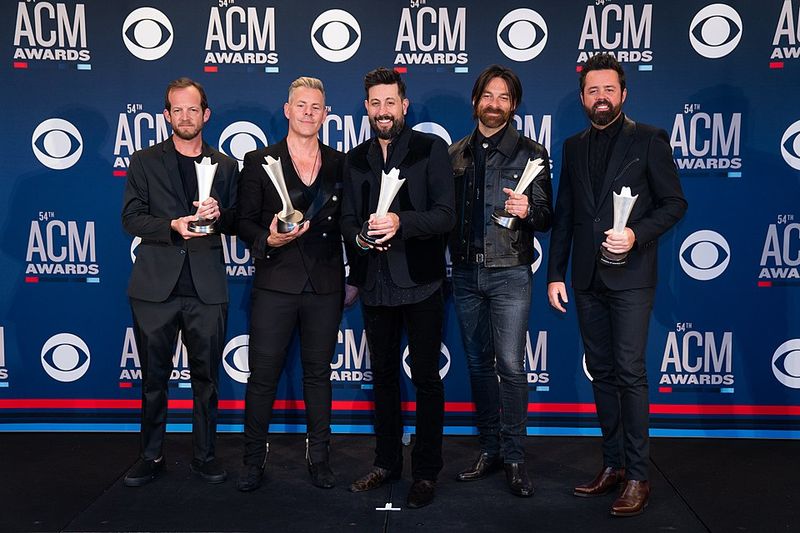
Crowd-pleasing hooks define Old Dominion’s approach to country music, with catchy choruses designed to get audiences singing along. Their band dynamic and musical proficiency are evident in live performances. Songs like “Make It Sweet” and “One Man Band” showcase their ability to craft radio-friendly hits that appeal to broad audiences.
However, critics frequently label them as “background country,” music that’s pleasant but forgettable. Their sound lacks the distinctiveness that makes truly great artists stand out. Reviewers note that while technically competent, their songs rarely leave lasting impressions or push creative boundaries.
The band’s commercial success is undeniable, with consistent chart performance and strong touring numbers. Yet discussions about their place in country music history often center on their role as reliable hitmakers rather than groundbreaking artists. Critics argue their music serves as pleasant filler rather than essential listening, making them prime examples of artists whose popularity doesn’t necessarily reflect exceptional talent or artistic importance to the genre’s evolution.
12. Brantley Gilbert
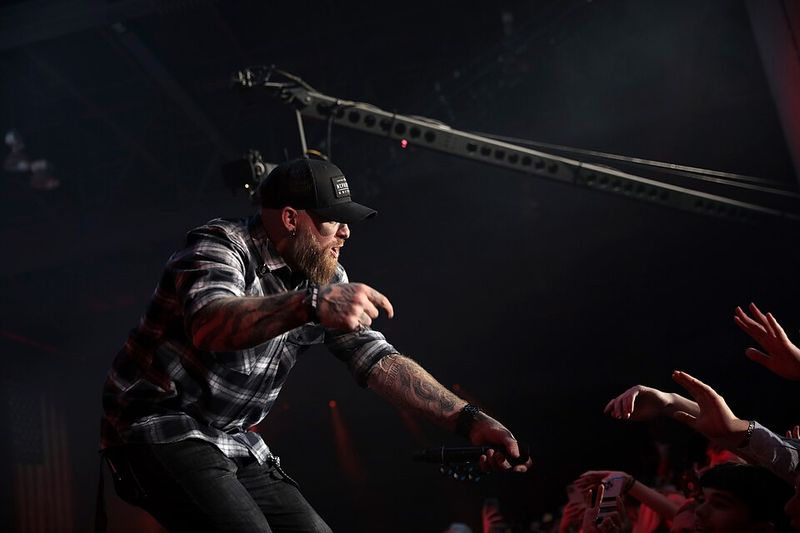
Rock-country fusion brought Brantley Gilbert a dedicated fan base drawn to his aggressive sound and rebellious image. His raspy voice and hard-charging songs offered an alternative to more polished country pop. Tracks like “Bottoms Up” and “Country Must Be Country Wide” appealed to listeners seeking edgier, louder country music.
Critics, however, cite repetitive themes and one-dimensional aggression as major weaknesses. His songs often cover similar territory about drinking, fighting, and defying authority. The tough-guy persona, while authentic to his brand, limits his range and emotional depth.
Gilbert’s music connects with audiences who appreciate his unapologetic approach, but critical reception remains mixed. The lack of variety and nuance in his catalog raises questions about artistic growth. While his energy and commitment are genuine, critics argue that recycling the same aggressive themes and sounds doesn’t demonstrate the depth or versatility expected from truly talented artists. His popularity with certain demographics doesn’t convince skeptics of his broader musical merit.
13. Dustin Lynch
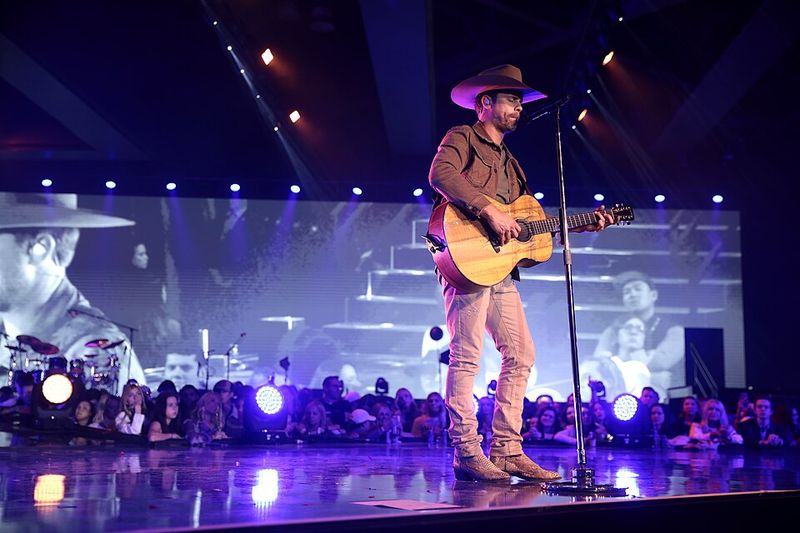
Strong singles have kept Dustin Lynch relevant on country radio, with several songs reaching top chart positions. His good looks and charismatic stage presence contribute to his popularity. Tracks like “Small Town Boy” and “Ridin’ Roads” demonstrate his ability to deliver catchy, radio-ready country music that fits current trends.
Albums, however, often receive criticism for lacking cohesive identity or distinctive artistic vision. While individual songs may shine, full-length releases feel more like collections of singles than thoughtful artistic statements. Critics note that Lynch hasn’t developed a signature sound that sets him apart from numerous similar artists.
His vocal ability is adequate but not exceptional, and songwriting rarely ventures beyond familiar territory. Lynch represents competent craftsmanship without the spark that elevates good artists to great ones. While he’s carved out a successful career, critics question whether his music will endure or simply fade as trends change. His place in discussions about overrated artists stems from success that seems disproportionate to his limited artistic distinctiveness.
14. Chris Janson
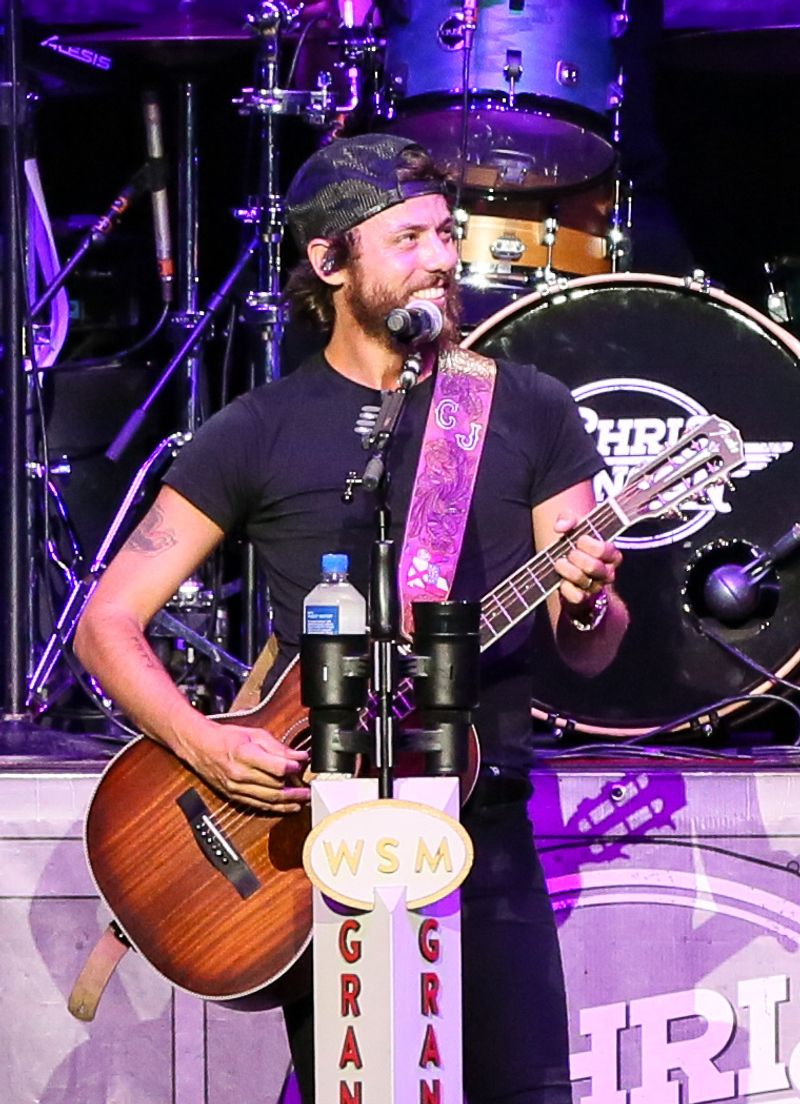
High energy and infectious personality make Chris Janson’s live shows memorable experiences for audiences. His enthusiasm is genuine, and his multi-instrumental abilities, particularly on harmonica, add dimension to performances. Songs like “Buy Me a Boat” and “Good Vibes” showcase his fun-loving approach to country music.
Songwriting depth, though, remains a recurring critique from reviewers and serious music fans. His lyrics often prioritize catchiness over substance, with simple themes that don’t challenge listeners. The party-anthem approach, while commercially viable, limits his artistic range and emotional resonance.
Janson’s talent as an entertainer exceeds his reputation as a songwriter or vocalist. While his energy wins over crowds, critics argue that entertainment value alone doesn’t justify his level of success. His music serves as fun background for parties but rarely demands careful listening or repeated plays. In discussions about overrated artists, Janson represents performers whose personality and stage presence overshadow limitations in songwriting craft and vocal ability that might matter more to discerning listeners.
15. Blake Shelton
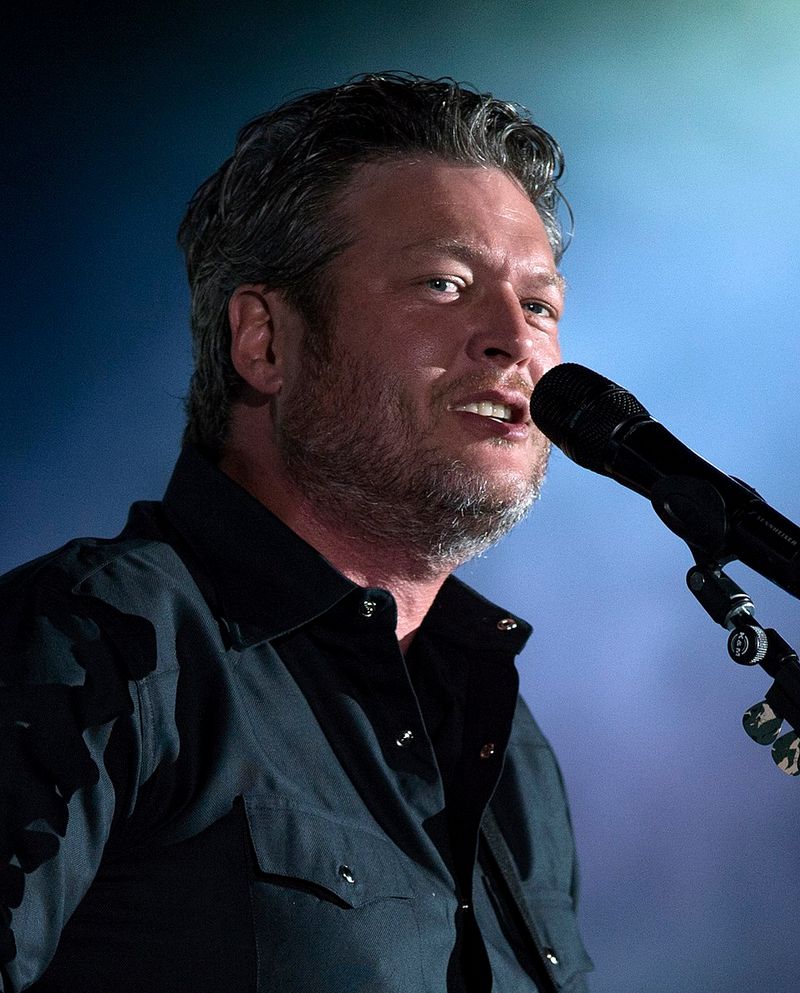
Iconic presence in country music is undeniable for Blake Shelton, whose career spans decades with numerous hits and accolades. His role as a coach on “The Voice” expanded his fame far beyond country music circles. Early albums like “Blake Shelton’s Barn & Grill” showed genuine talent and authentic country sensibility that earned critical respect.
Later career output, however, is often seen as coasting on established fame rather than pushing artistic boundaries. Critics note that recent albums lack the spark and authenticity of his earlier work. Songs feel more calculated for commercial success than genuine artistic expression.
Shelton’s celebrity status now overshadows his musical output, with his television presence and personal life generating more buzz than new music. While his contributions to country music are significant, critics argue his recent work doesn’t justify his continued prominence. His talent is real, but the perception that he’s relying on past achievements and celebrity rather than current artistic merit makes him a frequent subject in conversations about overrated artists in modern country music.



