 Unearth The Voyage
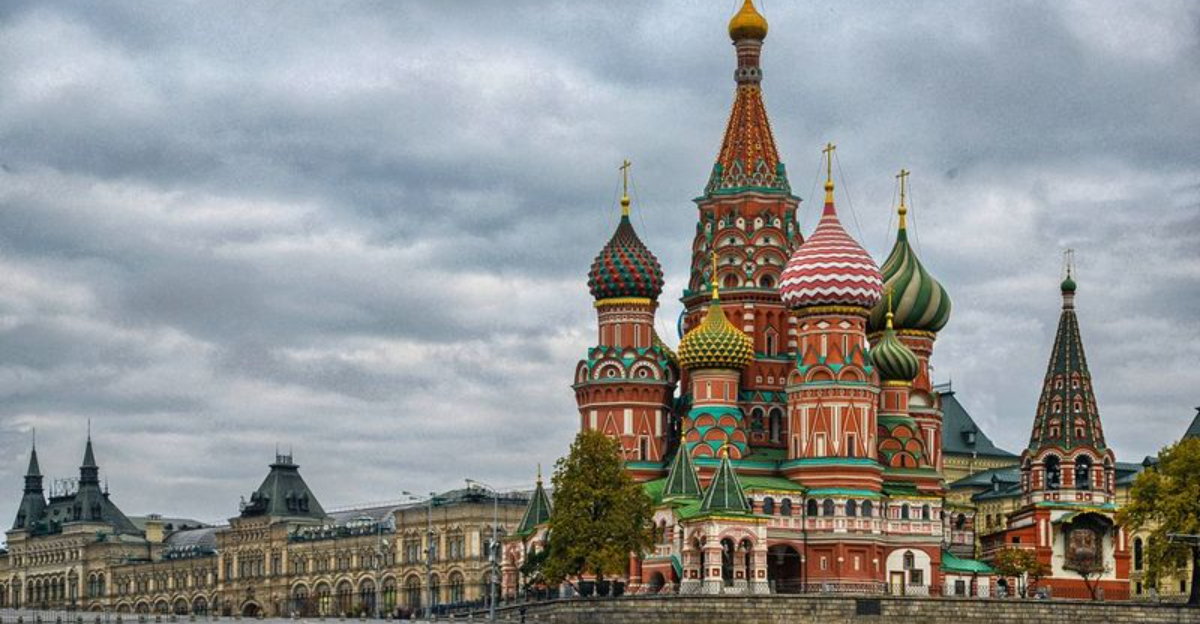
Traveling with a U.S. passport usually means easy access to many countries around the world. However, several destinations have recently introduced new rules, fees, and requirements that make entry more complicated. From electronic travel authorizations to reinstated visas and hefty bonds, these changes affect American travelers planning trips in 2024 and 2025. Understanding these new hurdles can help you prepare better and avoid surprises at the border.
1. United Kingdom
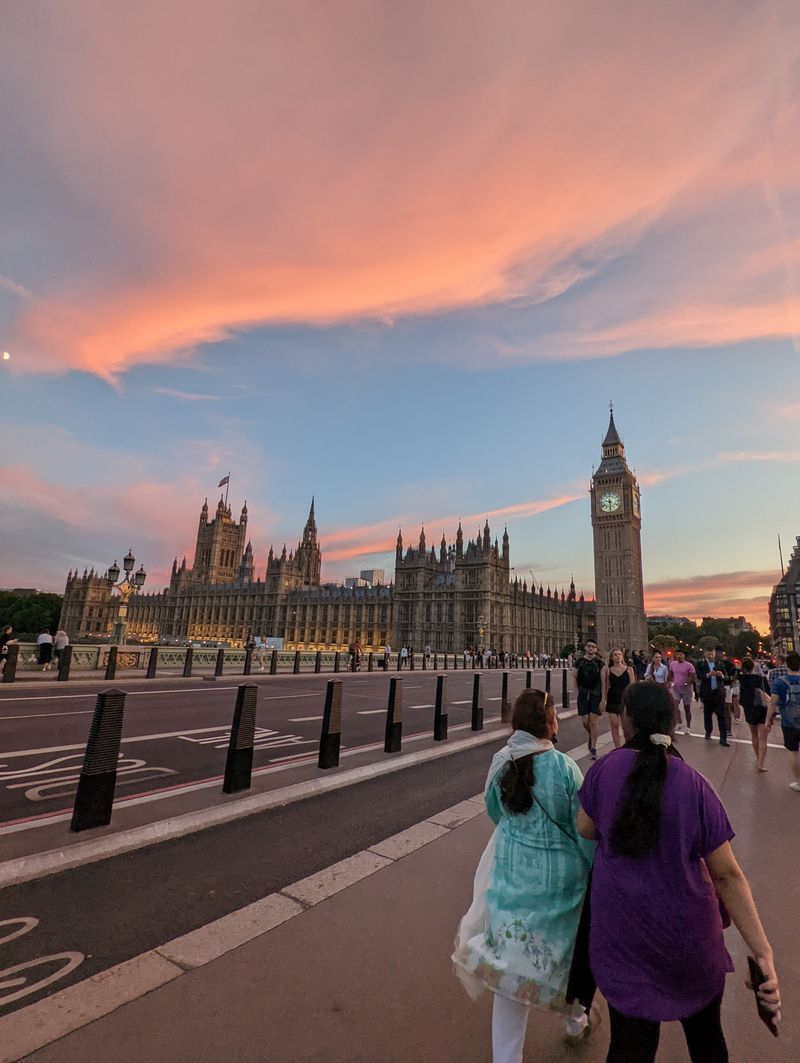
Starting January 8, 2025, Americans visiting the UK must obtain an Electronic Travel Authorisation before they arrive. This new system applies to travelers who previously did not need a visa.
The ETA costs £16 and must be secured online before your flight. Keep in mind that having an ETA does not guarantee entry into the country; border officials still make the final decision. The UK government website provides all application details and processing times, so plan ahead to avoid last-minute stress at the airport.
2. Israel

As of January 1, 2025, Israel requires an approved ETA-IL for travelers from visa-exempt countries, including the United States. You must apply and receive approval before your departure date.
The fee is 25 NIS, and the application process is straightforward online. Response times are typically quick, but do not wait until the last minute. This authorization is separate from your visa-free status and adds an extra step to your travel planning, so check the official Population and Immigration Authority site for the latest updates.
3. Brazil

Brazil brought back its visa requirement for U.S. citizens starting April 10, 2025, after a period of visa-free travel. Americans now need to apply for an e-visa before their trip.
The e-visa option makes the process easier than traditional consular visits, but it still requires time and documentation. Brazil’s consular guidance and the U.S. Embassy in Brazil both confirm this change. Make sure you apply well in advance to avoid travel delays, and double-check your eligibility and required documents on the official Brazilian government website.
4. New Zealand

New Zealand raised its visa charges and levies effective October 1, 2024, making travel more expensive for Americans. The International Visitor Levy also increased as part of these changes.
While the underlying authorization requirement is not brand new, the higher mandatory fees represent a real financial hurdle. Immigration New Zealand announced these increases officially, so budget accordingly when planning your trip. Even though you might still qualify for visa-free entry, expect to pay more in associated costs compared to previous years.
5. Mali
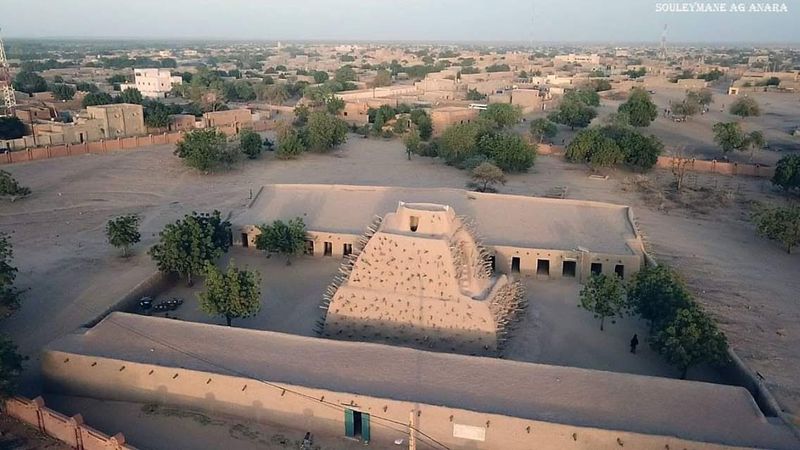
Starting October 23, 2025, Mali will require U.S. tourists and business travelers to post bonds up to $10,000. This reciprocal measure responds to similar U.S. visa bond policies.
Reuters and the Associated Press both reported this significant change, which makes Mali one of the most expensive destinations for Americans. The bond requirement is a major financial barrier, even if you plan a short visit. Check with Mali’s embassy for the latest details on how to post the bond and under what conditions you might get it back.
6. Niger
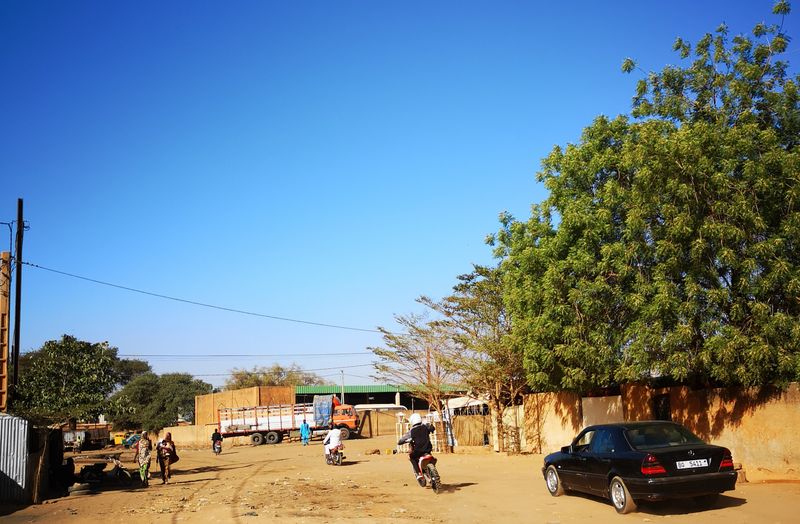
Niger suspended entry visas for American citizens effective August 28, 2025, according to the country’s embassy in Washington. This means U.S. passport holders cannot obtain visas until further notice.
The suspension is indefinite, with no clear timeline for when it might be lifted. If you had plans to visit Niger, you will need to postpone or cancel your trip. The embassy’s official announcement provides the only confirmed information, so keep checking for updates if you have future travel interests in this West African nation.
7. North Korea
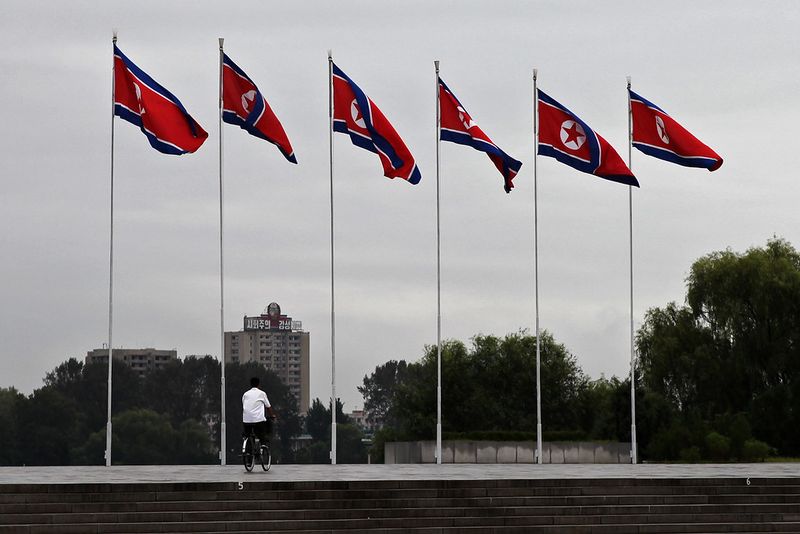
U.S. passports are not valid for travel into or through North Korea unless you obtain special validation from the State Department. Traveling without this validation is illegal under U.S. law.
The restriction has been in place for years, making North Korea one of the hardest destinations for Americans to visit legally. Even if you manage to get special permission, the risks are extremely high. The State Department strongly discourages all travel to North Korea due to serious safety concerns and the lack of consular support if something goes wrong.
8. Iran
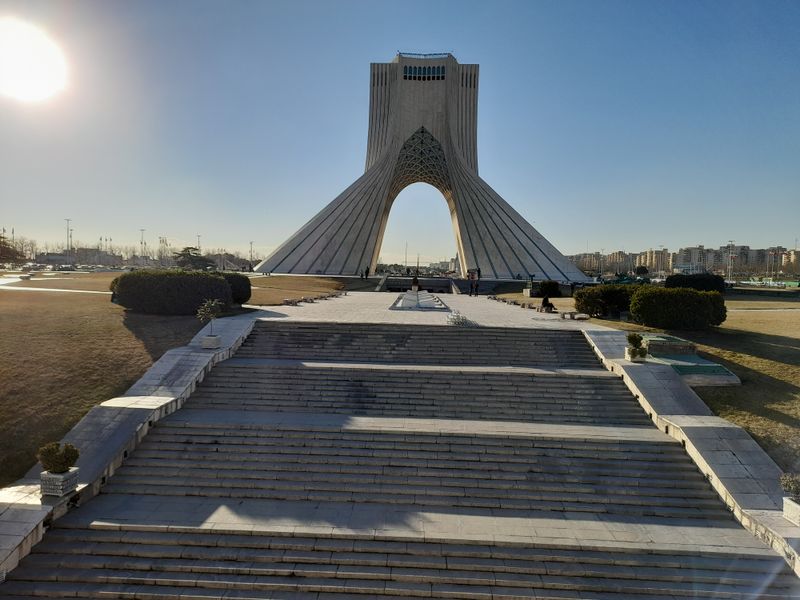
Americans need a tourist visa to visit Iran, with very limited exceptions. The State Department emphasizes that there is no U.S. embassy in Iran to provide routine or emergency services.
This lack of diplomatic presence makes travel risky, as you cannot get help if you face legal trouble or other emergencies. Obtaining a visa can be complicated and time-consuming. The State Department also issues strong travel warnings for Iran due to the potential for arbitrary detention and other serious risks facing U.S. citizens.
9. Venezuela

Venezuela requires U.S. citizens to obtain a tourist visa before travel, and visas are not available upon arrival. The State Department page makes this requirement very clear.
Applying for a Venezuelan visa can be challenging due to limited consular services and complicated procedures. Political instability and safety concerns add extra layers of difficulty for American travelers. If you plan to visit Venezuela, start the visa process early and prepare for potential delays. Always check the latest travel advisories before making any firm plans.
10. Sudan
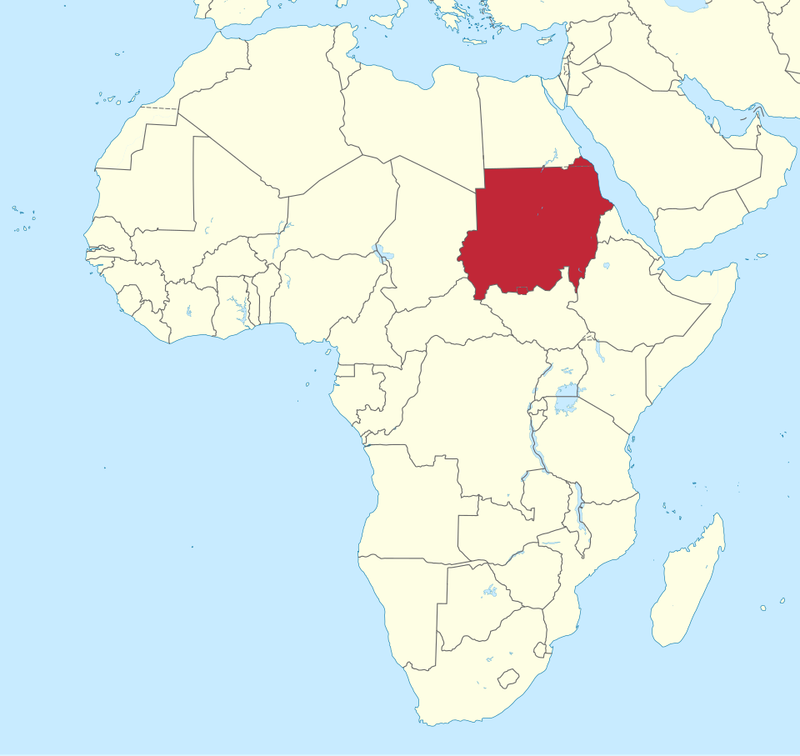
Sudan requires a visa for U.S. citizens, and you must obtain it from a Sudanese embassy before you arrive. There is no option for visa on arrival.
The State Department guidance confirms this strict requirement. Given the ongoing conflict and instability in Sudan, travel is extremely dangerous for Americans. Even if you manage to get a visa, the security situation makes visiting highly inadvisable. Always consult the latest State Department travel warnings and consider postponing travel until conditions improve significantly.
11. Afghanistan
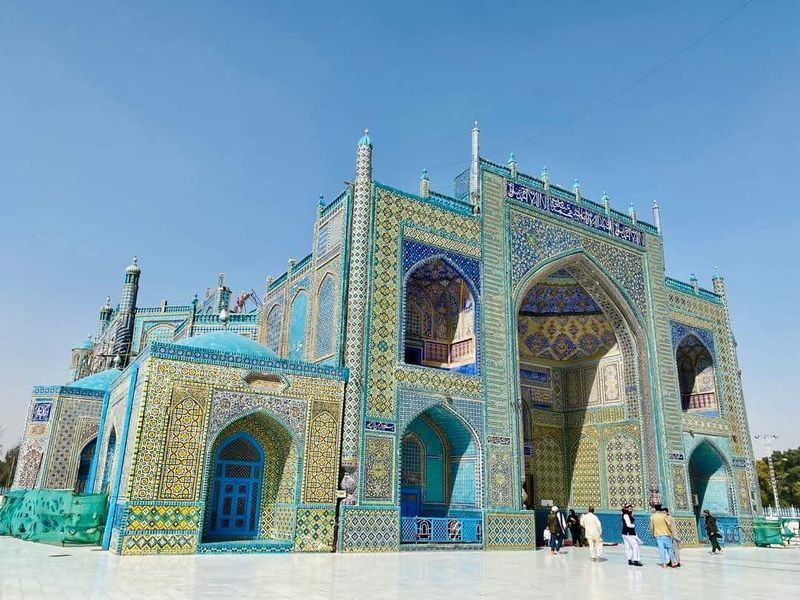
Afghanistan requires a tourist visa for U.S. citizens. The U.S. Embassy in Kabul suspended operations, meaning there is no American diplomatic presence to assist travelers in emergencies.
Obtaining a visa is just the first hurdle; the security situation in Afghanistan is extremely dangerous. The State Department strongly advises against all travel to Afghanistan due to terrorism, armed conflict, and kidnapping risks. If you absolutely must go, understand that consular support is unavailable and you are on your own if problems arise.
12. Russia
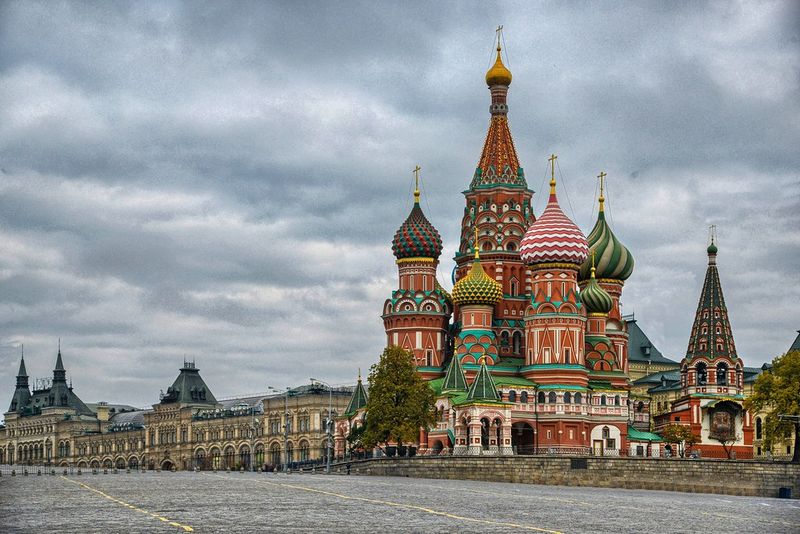
Russia requires U.S. citizens to obtain a tourist visa before travel. The State Department guidance also notes extensive travel advisories and reduced consular services.
Applying for a Russian visa involves detailed paperwork, including an invitation letter and proof of travel plans. Current geopolitical tensions and the risk of wrongful detention make travel to Russia particularly risky for Americans. The State Department warns against all travel to Russia, and limited embassy support means help is hard to get if you encounter legal or safety issues.
13. Belarus

Belarus has complicated visa rules for Americans. Visa-free entry is limited to specific circumstances, such as arriving via Minsk airport for stays up to 30 days.
Other travel scenarios require obtaining a visa in advance. The State Department guidance explains these varying rules, which can be confusing. Belarus also faces travel warnings due to political repression and the risk of arbitrary enforcement of local laws. If you plan to visit, research the exact entry requirements for your situation and stay updated on safety advisories.
14. Burkina Faso

Burkina Faso requires U.S. citizens to obtain a tourist visa, but an eVisa option is available online. The State Department guidance lists this requirement clearly.
Applying for the eVisa makes the process more convenient than visiting an embassy in person. However, Burkina Faso faces serious security challenges, including terrorism and kidnapping risks. The State Department advises against travel to much of the country. If you must go, ensure your visa is approved before departure and stay informed about which regions are considered too dangerous to visit.
15. Syria
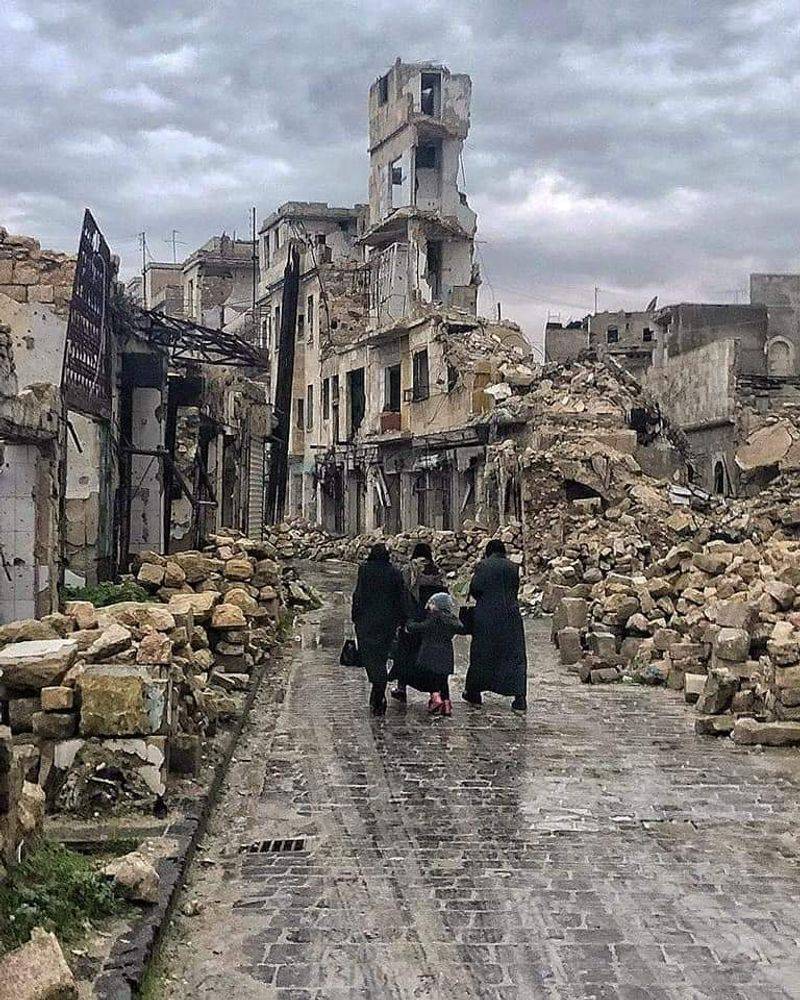
Syria requires a tourist visa for U.S. citizens, according to the State Department. However, the ongoing civil war and extreme danger make Syria one of the most unsafe destinations in the world.
Even if you could obtain a visa, travel to Syria is strongly discouraged due to armed conflict, terrorism, and kidnapping. There is no U.S. embassy in Syria, so consular assistance is unavailable. The State Department’s travel warning is unequivocal: do not travel to Syria under any circumstances unless absolutely necessary and with full awareness of the life-threatening risks.
16. Cuba
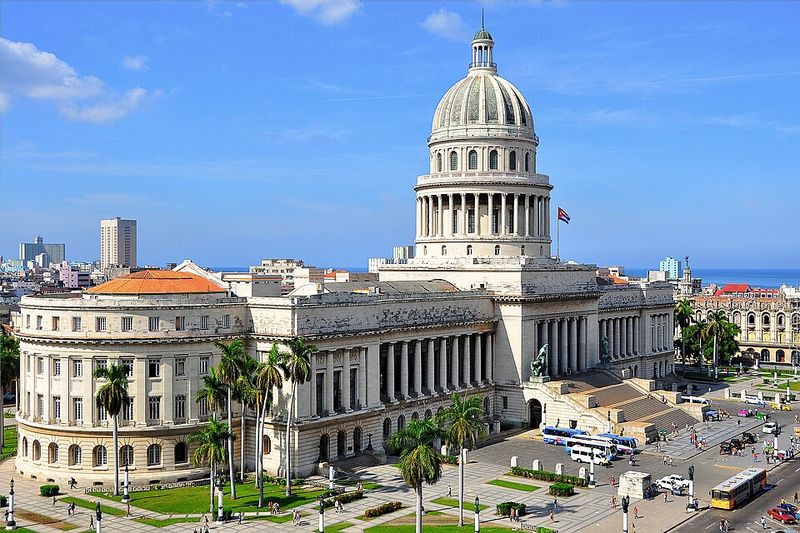
U.S. travelers cannot visit Cuba as simple tourists. You must qualify under one of the authorized travel categories set by U.S. regulations, such as family visits or educational activities.
Cuba also launched an official eVisaCuba system, adding process complexity depending on how you obtain entry permission. The U.S. Embassy in Cuba provides details on authorized categories. Even if you qualify, navigating both U.S. and Cuban requirements can be confusing. Make sure you understand the rules fully and have proper documentation to avoid being denied entry or facing penalties.



