 Unearth The Voyage
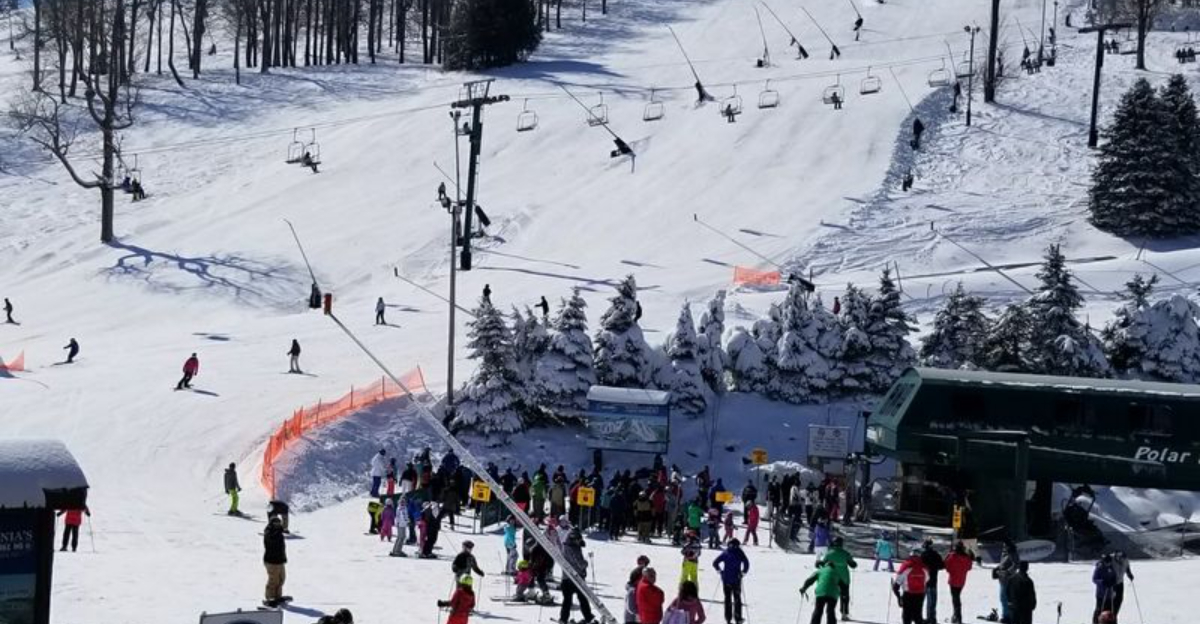
When powder days aren’t enough and you crave airtime, rails, and creative lines, terrain parks become the ultimate playground. Across the United States, resorts have built world-class freestyle zones where riders of every skill level can progress, session, and push boundaries. From the sun-soaked parks of California to the icy East Coast setups, these destinations offer features, flow, and communities that keep snowboarders and skiers coming back season after season.
1. Mammoth Mountain: Unbound Terrain Parks (CA)
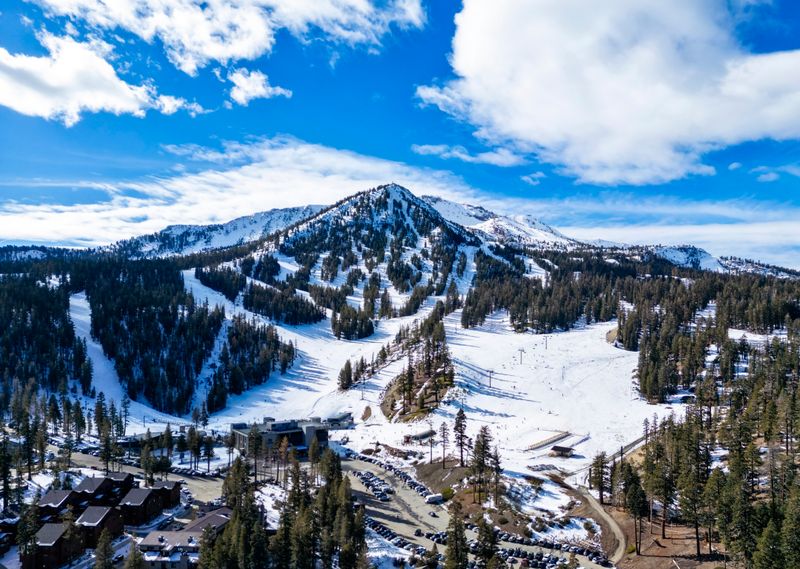
California’s crown jewel of freestyle sits high in the Eastern Sierra, where Mammoth has spent decades perfecting the art of park building. Unbound Terrain Parks sprawl across roughly 100 acres when conditions cooperate, offering everything from mellow butter boxes to massive step-ups. Two halfpipes anchor the experience, giving pipe enthusiasts rare double options on the same mountain.
With more than 100 features dotting multiple zones, riders can session different areas all day without repeating a single hit. The resort’s elevation and snowfall create a long season, often stretching park operations well into May. Whether you’re learning your first boardslide or hucking cork sevens, Mammoth’s crew keeps features fresh and well-maintained, cementing its reputation as a true park mecca for West Coast riders.
2. Keystone: A51 Terrain Park (CO)
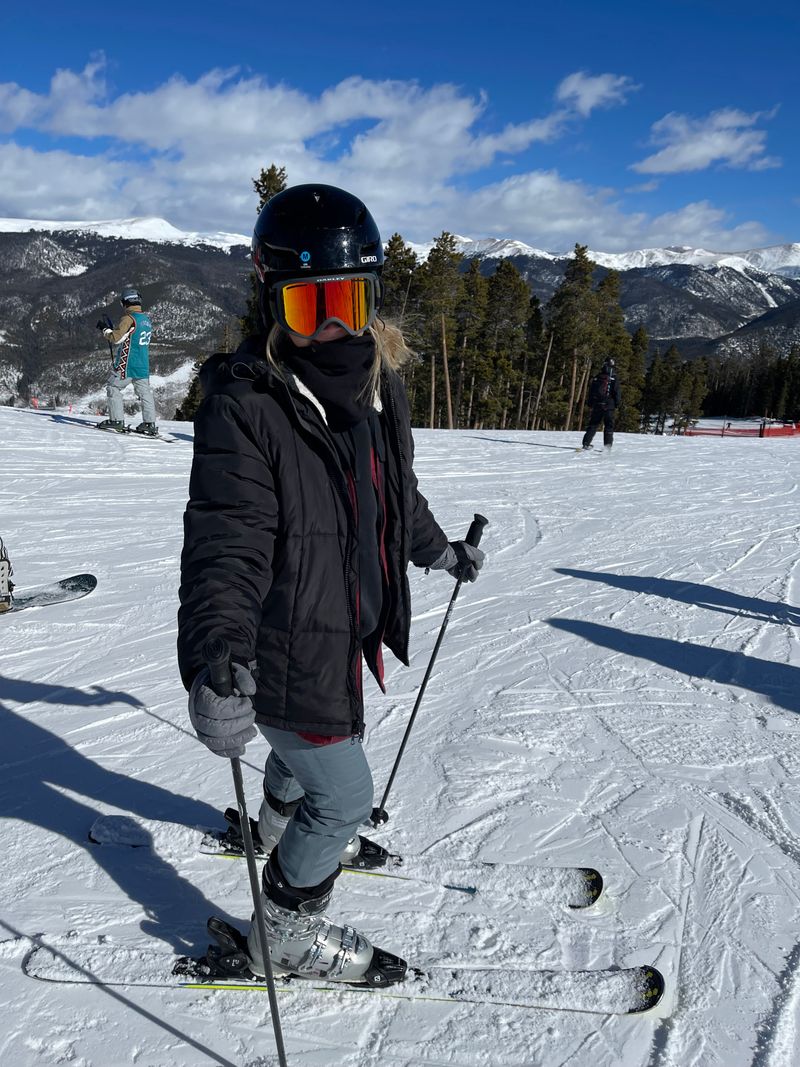
Keystone built its A51 park around one core philosophy: SMART progression. That means riders find features sized and shaped to match their skill level, with clear signage guiding them toward appropriate zones. Beginners hit mellow rails and tiny tabletops, while experts session larger jumps and technical jibs in separate areas.
The mountain’s trail status page becomes essential reading because park setups rotate and evolve through the season. Early winter might see smaller builds, while midseason brings the full arsenal of features online. Night skiing under the lights adds another dimension, letting you lap rails long after sunset.
Keystone’s commitment to safety and progression has made A51 a favorite for families and coaches. Kids can build confidence on forgiving features, then graduate naturally to bigger challenges as their skills grow, all within a thoughtfully designed park ecosystem.
3. Breckenridge: Park Lanes & More (CO)

Summit County’s park scene wouldn’t be complete without Breck’s signature offerings. Park Lanes deliver exactly what the name promises: multiple lines of features that let riders choose their own adventure on every run. You might hit the jump line on your first lap, then switch to rails and boxes the next, keeping sessions fresh and creative.
Safety takes center stage here, with detailed info posted online and at park entrances. The resort rotates feature sets as the season progresses, responding to snow conditions and rider feedback. Spring might bring different setups than January, so checking current builds becomes part of the routine.
Breck’s parks have earned staple status among Colorado riders, attracting locals and visitors who appreciate consistent grooming and thoughtful design. The mountain’s accessibility from Denver makes it easy to squeeze in midweek park laps whenever the itch strikes.
4. Copper Mountain: Woodward Mountain Parks (CO)
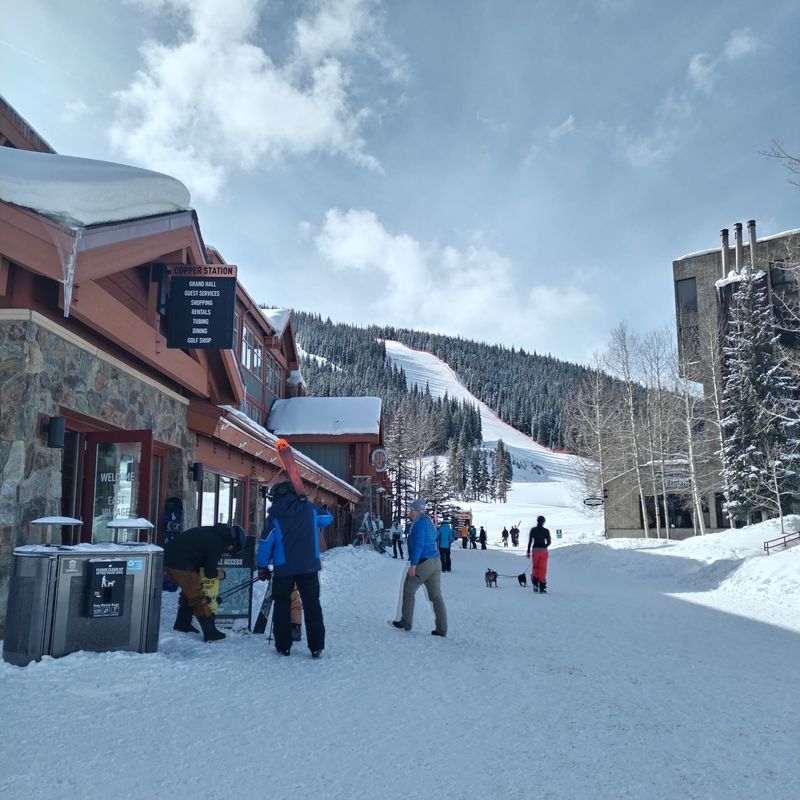
Woodward’s coaching DNA runs deep at Copper, transforming the entire mountain into a ride-everywhere freestyle campus. Features aren’t just stacked in isolated zones; they’re woven throughout the terrain, encouraging creativity and exploration. Riders discover hits and jibs on regular trails, blurring the line between park and mountain.
The integration goes beyond winter, too. When snowpack allows, Copper runs summer hike park sessions, letting riders keep skills sharp year-round. These warm-weather builds use whatever snow remains, creating a dedicated community of off-season enthusiasts who refuse to let summer stop their progression.
Coaches roam the parks offering tips, and the Woodward Barn provides indoor training options for trampoline work and foam pit sessions. This holistic approach means riders aren’t just hitting features; they’re actively learning technique, building muscle memory, and progressing faster than they would through trial and error alone.
5. Park City Mountain: Multiple Parks (UT)
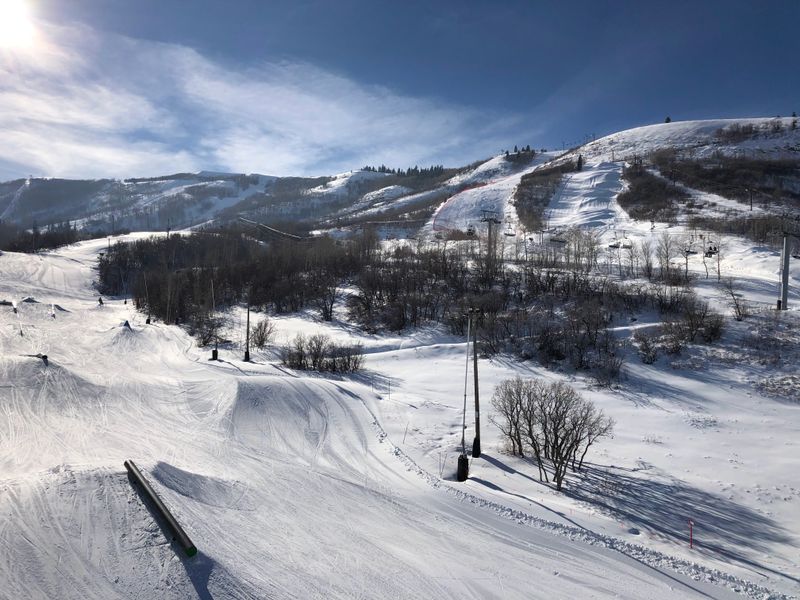
Freestyle history runs generations deep at Park City, where multiple park zones cater to every riding style. The resort’s sprawling footprint means space for beginner areas, intermediate progression parks, and expert zones, all operating simultaneously. Riders can sample different vibes without ever leaving the mountain.
Park SMART principles guide the setup, emphasizing safety and appropriate feature selection. The daily operations report becomes required reading, detailing which parks are open and what’s currently built. Early season might see limited offerings, while peak winter brings the full menu of hits online.
Location near Salt Lake City makes Park City accessible for quick trips, and the resort’s size means crowds spread out even on busy weekends. Whether you’re a local dialing in new tricks or a visitor experiencing Utah snow for the first time, the park network offers enough variety to keep sessions interesting all day long.
6. Brighton Resort: Parks + Bone Zone (UT)
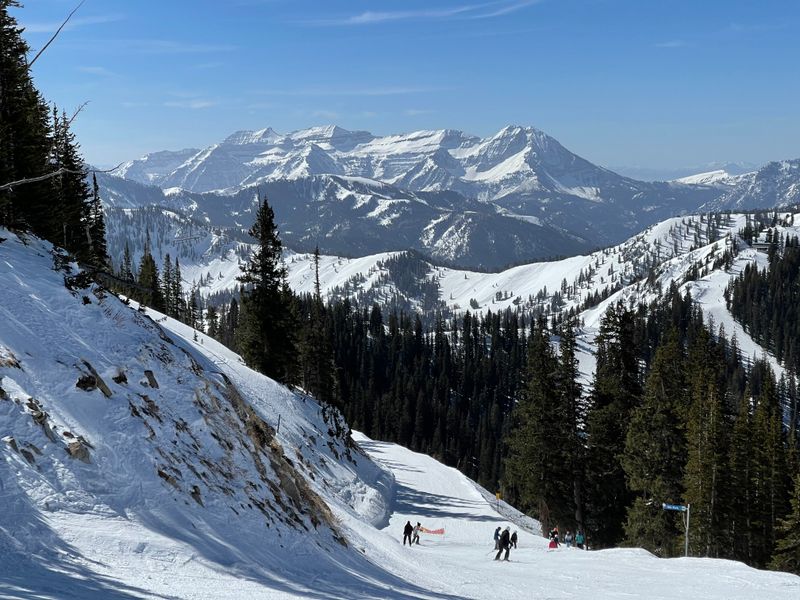
Brighton’s vibe feels different from the corporate mega-resorts, with a homey, creative energy that’s earned it a cult following among park rats. The resort’s parks emphasize creativity over sheer size, with inventive features and jib lines that reward style and technical skill. Riders come here for the soul, not just the size.
Early season brings the legendary Bone Zone culture, where dedicated crews session whatever features are ready, often on thin coverage that demands commitment. This scrappy, make-it-work attitude defines Brighton’s freestyle spirit and builds tight communities of riders who return year after year.
Throughout the season, the park team maintains jib and jump lines that evolve with conditions. Features might be quirky or unconventional, but that’s the point. Brighton celebrates progression and fun over perfection, creating an atmosphere where riders feel free to try new things without judgment or pressure to perform.
7. Mt. Bachelor: Woodward Mountain Parks (OR)

Central Oregon’s volcanic giant hosts Woodward’s signature park layout, emphasizing flow and natural progression. Riders start in learning zones with forgiving features, then advance through increasingly challenging terrain as skills develop. The Skyliner lift provides quick park laps, maximizing session time and minimizing line waits.
Woodward’s focus on progression means features are thoughtfully sized and sequenced. A rider might hit three or four features in a single run, building rhythm and confidence. The parks aren’t just random collections of hits; they’re designed circuits that encourage continuous improvement and creative line choices.
Mt. Bachelor’s reliable snowfall and long season keep parks running well into spring. The resort’s distance from major cities means smaller crowds and more laps for those who make the trip. Whether you’re working on basic boxes or dialing in larger jumps, the park crew maintains features that stay rideable through changing conditions and heavy use.
8. Timberline Lodge: Year-Round Freestyle Hub (OR)
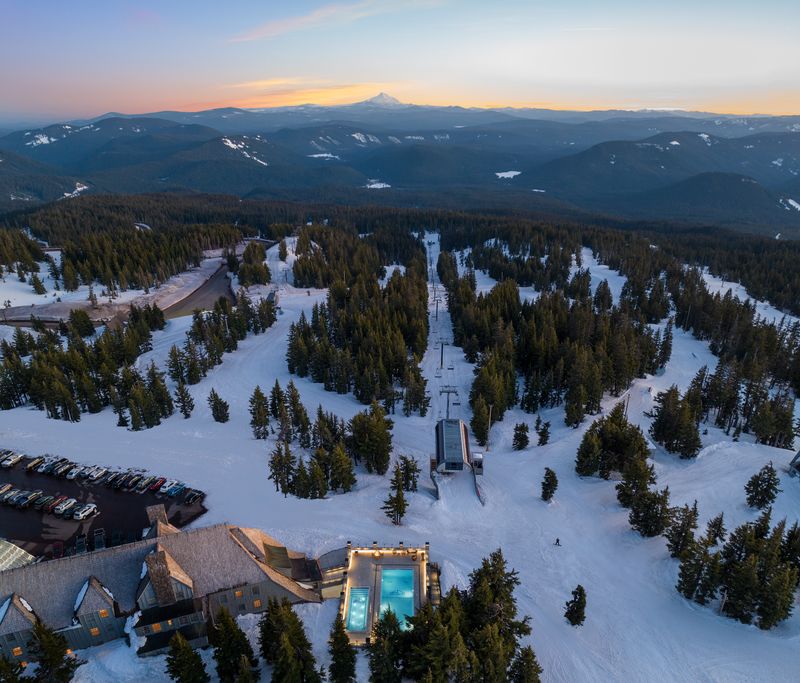
Mt. Hood’s southern flank hosts one of North America’s most unique freestyle destinations: parks that operate through spring and summer. Timberline’s glacier access means riders can hit features in July, maintaining progression when most resorts are closed. This year-round availability makes it a pilgrimage site for dedicated park enthusiasts.
Multiple park zones offer variety, from smaller progression features to larger builds that attract pros and filmers. Spring and summer setups evolve as snowpack changes, with the park crew adapting to conditions while maintaining quality hits. The vibe shifts seasonal, with summer sessions drawing a tight community of off-season addicts.
The historic lodge adds character, providing a base camp feel that contrasts with typical resort atmospheres. Riders spend mornings lapping parks, then hang out watching others session features, creating a camp-like social scene. For anyone serious about freestyle progression, Timberline’s extended season provides invaluable extra months of practice time.
9. Bear Mountain: Big Bear Mountain Resort (CA)
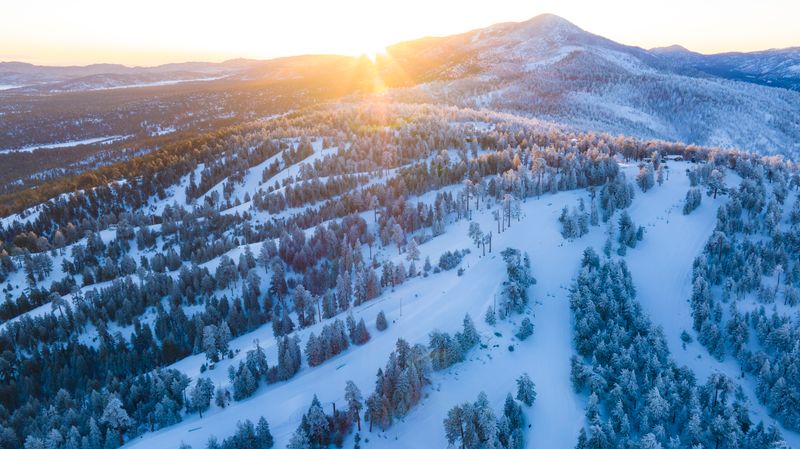
Southern California’s original park scene still thrives at Bear Mountain, where generations of SoCal riders learned their craft. The resort kicked off its 2025-26 winter season on December 4, continuing a tradition of providing freestyle access to the massive Los Angeles metro area. For millions of nearby residents, Bear represents the closest park laps available.
The mountain’s lower elevation and Southern California location mean conditions vary more than high-altitude Colorado resorts, but when snow arrives, the park crew builds quality features. Weekends draw crowds from the urban sprawl below, creating a lively scene of riders pushing their limits and cheering each other on.
Bear’s cultural impact extends beyond its actual features. Countless pro riders cut their teeth here, and the resort’s history includes legendary video segments and groundbreaking park designs. Visiting Bear means connecting with freestyle heritage while enjoying modern features that keep the tradition rolling forward.
10. Palisades Tahoe: Progressive Park Program (CA)
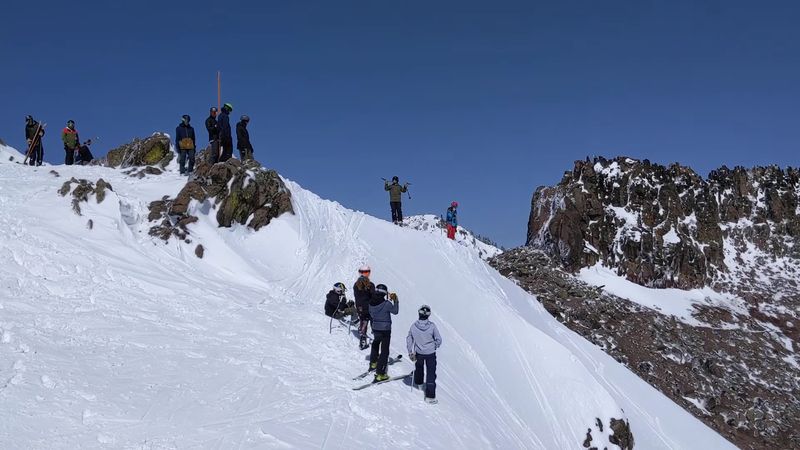
Tahoe’s largest resort brings serious acreage and resources to its park program, with dedicated areas spread across the mountain. Park SMART principles guide feature design and placement, helping riders choose appropriate challenges. The trail map’s park layer provides current status updates, essential information since Tahoe openings depend heavily on early-season conditions.
When storms deliver, Palisades’ parks come alive with fresh snow and enthusiastic riders. The resort’s size means parks occupy their own zones, giving park rats dedicated space without interfering with other skiers. Features range from beginner-friendly boxes to larger jumps that challenge advanced riders.
Tahoe’s proximity to Bay Area population centers makes Palisades accessible for weekend trips and day visits. The resort’s progressive approach means parks evolve each season, incorporating rider feedback and new design ideas. Checking current conditions before visiting saves disappointment, but when everything’s open, Palisades delivers world-class park riding in a stunning alpine setting.
11. Buttermilk (Aspen Snowmass): X Park & Superpipe (CO)
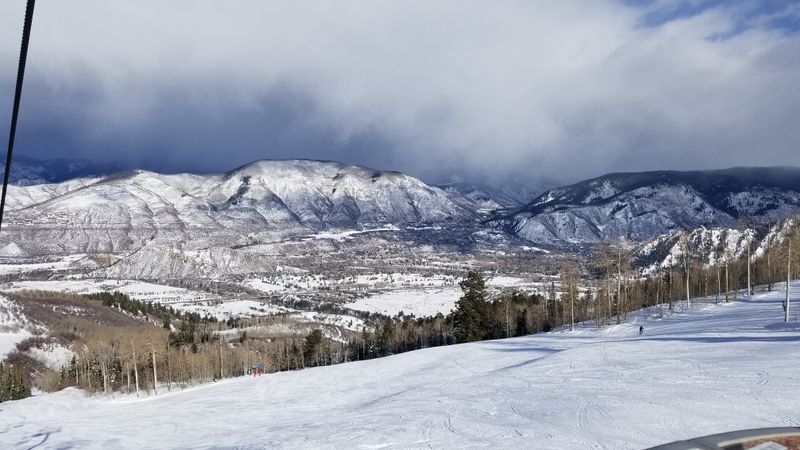
X Games Aspen calls Buttermilk home, and that pedigree shows in every aspect of the park program. The superpipe ranks among the world’s best, with perfectly shaped walls that allow riders to boost enormous airs. When fully built, top-to-bottom park zones create continuous freestyle runs that flow from summit to base.
Hosting X Games means Buttermilk’s crew operates at the highest level, building features that meet professional competition standards. Even when the Games aren’t running, riders benefit from that expertise through meticulously maintained hits and thoughtful progression. The resort takes freestyle seriously, dedicating resources and terrain to support it.
Aspen’s reputation for luxury might suggest exclusive vibes, but Buttermilk’s parks welcome riders of all levels. Beginners find appropriate features in designated zones, while experts push limits on the same hits that host televised competitions. The combination of world-class facilities and accessible terrain makes Buttermilk a bucket-list destination for park enthusiasts.
12. Loon Mountain: Loon Parks (NH)
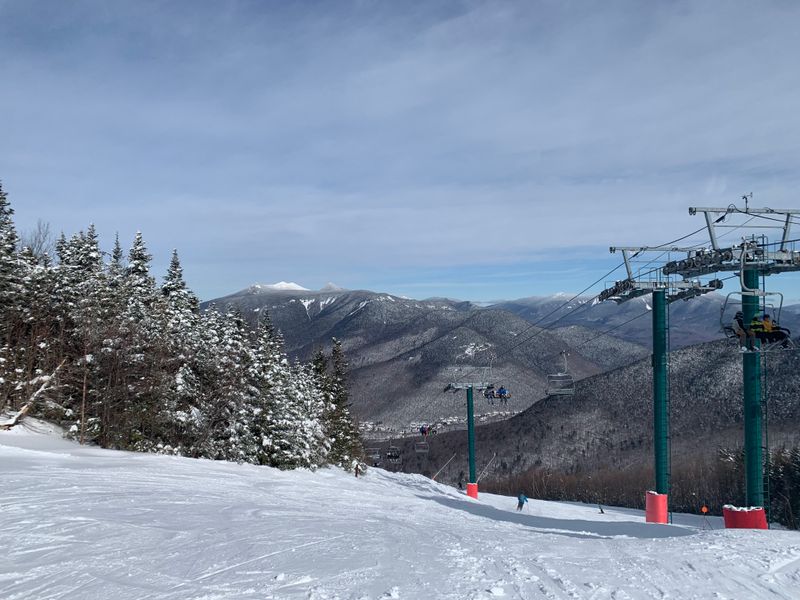
New Hampshire’s White Mountains harbor an award-winning East Coast park program that’s earned national recognition. Loon’s parks progress logically from small features to larger challenges, helping riders advance their skills safely. The resort hosts marquee events like Last Call, drawing competitors and spectators who celebrate East Coast freestyle culture.
Ice and variable conditions define East Coast riding, and Loon’s crew adapts accordingly. Features are built to withstand freeze-thaw cycles, and grooming focuses on maintaining rideable surfaces even when Mother Nature doesn’t cooperate. This resilience keeps parks open and functional through weather that would shut down less-committed programs.
For riders in the Northeast corridor, Loon provides accessible park laps without the expense and travel of Western trips. The resort’s dedication to freestyle has built a loyal community that returns throughout the season. Whether you’re a Boston local or a visitor exploring New England skiing, Loon’s parks offer quality hits and genuine East Coast character.
13. Killington: Woodward Killington Parks (VT)
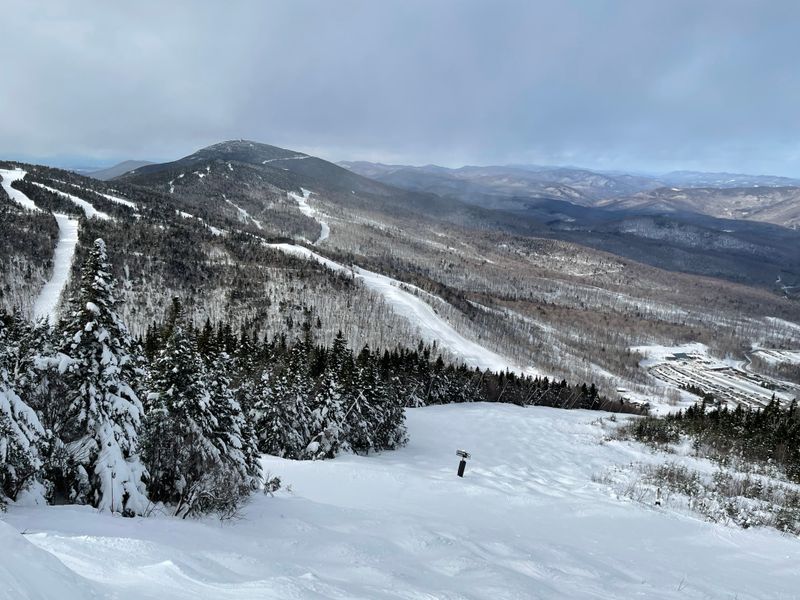
The Beast of the East earned its nickname from sheer size, and Killington’s park network reflects that scale. From Easy Street’s mellow boxes to Dream Maker’s bigger jumps, the progression spans ability levels while maintaining Woodward’s coaching-focused approach. A dedicated park crew keeps features fresh despite heavy traffic and challenging Vermont weather.
Killington’s parks aren’t afterthoughts; they’re integral to the resort’s identity. Multiple zones mean riders can choose their challenge level each run, building confidence on smaller features before attempting larger hits. The Woodward partnership brings structured progression and coaching opportunities, helping riders advance faster than they would alone.
Vermont’s position in the populous Northeast makes Killington accessible for millions of potential riders. Weekend crowds can be substantial, but the park network’s size absorbs traffic reasonably well. The resort’s long season and snowmaking firepower keep parks operational from early season through spring, maximizing the window for progression and fun on the East Coast’s biggest mountain.
14. Seven Springs: The Streets & More (PA)
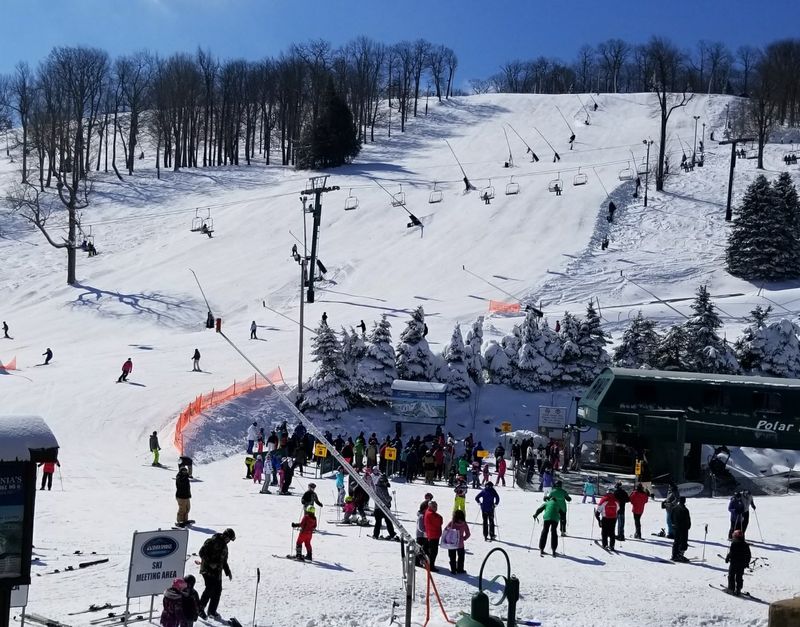
Pennsylvania’s Laurel Highlands host one of the East’s strongest park traditions, where Seven Springs has built a reputation for creative features and dedicated maintenance. The Streets stands out as an urban-style zone, mimicking city rails and street features that let riders practice real-world tricks in a controlled environment. Multiple progressive zones complement The Streets, offering jumps and traditional park hits.
East Coast conditions demand resilience, and Seven Springs’ crew delivers. Parks stay operational through weather swings that challenge snowmaking and grooming. The resort’s commitment to freestyle shows in consistent feature quality and creative designs that keep regulars interested season after season.
For riders across Pennsylvania, Ohio, and surrounding states, Seven Springs provides the closest quality park experience. Weekend sessions draw crowds who’ve grown up lapping these features, creating a community atmosphere where progression and camaraderie mix naturally. The resort’s park tradition continues evolving, adapting to rider preferences while maintaining the core focus on fun and creativity.
15. Mountain Creek: South Peak Park Program (NJ)
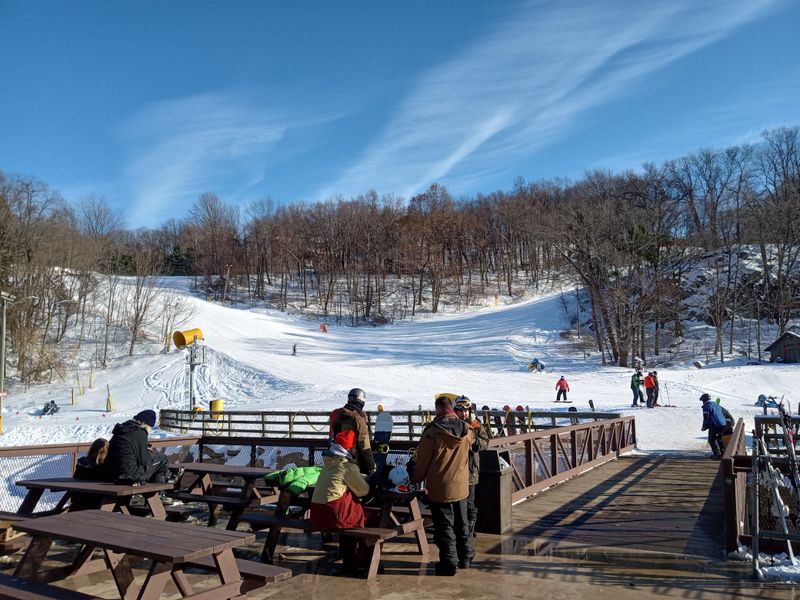
New Jersey’s proximity to New York City makes Mountain Creek a regional staple for millions of potential riders. South Peak’s park builds anchor the freestyle scene once temperatures cooperate and snowmaking fires up. Multiple parks cater to different skill levels, from first-timers to experienced riders seeking challenging features.
Climate realities mean Mountain Creek’s season depends on cold snaps and aggressive snowmaking. When conditions align, the resort builds quality parks that serve the massive NYC metro area. Riders accept the variability as the trade-off for convenience, getting park laps without lengthy travel to Vermont or points north.
For urban riders, Mountain Creek represents accessibility. After-work sessions are possible, and weekend trips don’t require overnight stays. The resort has introduced countless people to park riding, serving as a gateway that feeds the broader East Coast freestyle community. While not the biggest or snowiest destination, Mountain Creek’s role as the NYC area’s go-to park spot makes it essential to the regional scene.



